Short answer: a receipt is not the main thing a buyer checks when you sell unused diabetic supplies. The condition of the product matters most: sealed, unexpired, and stored properly. A receipt or other paperwork still helps, because it shows where the supplies came from. Florida regulators also expect the trade in these products to leave a paper trail from the first owner to the next. If you have lost your receipts, you are not stuck. There are other ways to show the supplies are yours.
This guide explains what proof helps, what records exist in Florida’s supply chain, how taxes may apply to your sale, and what to do when the paperwork is gone.
TL;DR
- A receipt is helpful but is not the first thing checked. Sealed packaging, a clear expiration date, and an authentic product come first.
- No receipt? Pharmacy records, insurance paperwork, account histories, and photos of the box and lot or serial numbers can all show where supplies came from.
- Florida’s regulator expects a complete audit trail for products in the channel of trade, so a legitimate buyer keeps records of what it buys.
- Selling personal items at a profit is taxable under federal rules. Selling at a loss is not deductible.
- If you sell to us in Orlando, we inspect your items in person and pay on the spot for eligible supplies.
Table of Contents
- Why people ask about receipts in the first place
- What a buyer is really checking
- Where receipts do matter: the paper trail
- What to use if you have no receipt
- Check where your supplies came from first
- Do you need receipts for taxes?
- What happens when you sell to us
- Ready to sell? Here is a quick plan
- Our view: paperwork is a tool, not a hurdle
- FAQ
- Sources
Why people ask about receipts in the first place
Most people who sell extra supplies did not buy them at a store counter. They came through insurance, a mail-order pharmacy, or a prescription that kept refilling after a doctor changed the plan. The paper that came with them was a packing slip, an explanation of benefits, or nothing at all.
That is why the question comes up. You may be thinking one of these things:
- “I never got a receipt. Can I still sell?”
- “I threw out the box the pharmacy shipped in.”
- “Will a buyer think the supplies are stolen?”
- “Do I need proof for taxes?”
Each of these has a different answer. The word “receipt” gets used for three separate jobs: proving the supplies are yours, helping a buyer check where they came from, and keeping records for taxes. We take them one at a time.
What a buyer is really checking
When you bring diabetic supplies to a local buyer, the first questions are about the product, not the paper. Here is what we look at when we inspect items:
- Is it sealed? Unopened boxes and intact packaging matter. Open or damaged packs are a problem.
- Is it unexpired? The date printed on the box decides a lot. Our guide on how test strip expiration affects value explains why a few months can change what a pack is worth.
- Is it the real thing? Counterfeit strips exist, and buyers have to protect the people who use what they resell.
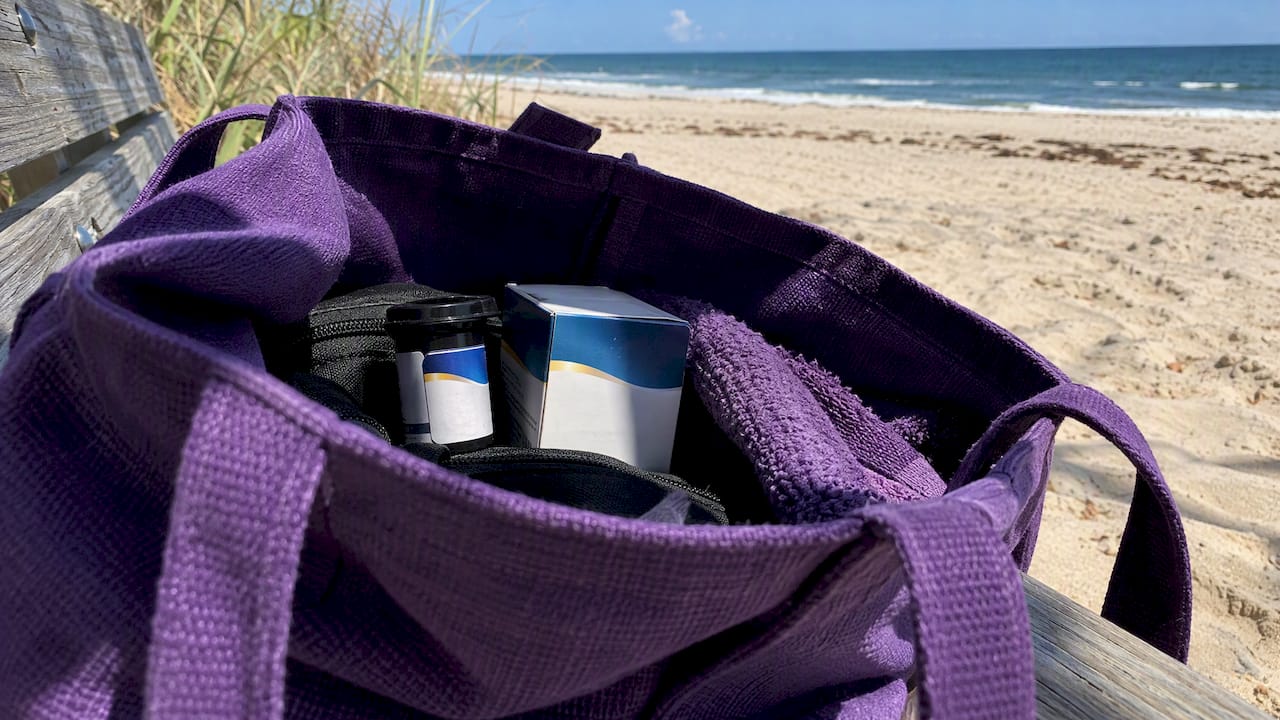
- Was it stored well? Heat and humidity can harm strips and sensors.
This last point is not just our opinion. The American Diabetes Association and the FDA have warned that resold strips, even unexpired ones, can be unsafe if stored at improper temperatures, tampered with, or swapped for counterfeits. A buyer who cares about the next user looks at the product itself, and a receipt cannot tell you how a box was kept in a hot car.
If you want to know how to check a box yourself, our page on six checks for fake test strips walks through what to look for.
Where receipts do matter: the paper trail
Here is the part most sellers do not hear about. Florida’s Division of Drugs, Devices and Cosmetics says, in its FAQs, that it requires a complete audit trail from a person’s receipt or acquisition to the sale or other disposition of a product in the channel of trade.
In plain words: businesses that handle these products must be able to show where an item came from and where it went. That is why a reputable buyer writes down what it buys, who it bought from, and what it paid. It is also why you should be wary of anyone who wants to buy a large amount of supplies with no questions, no record, and no inspection.
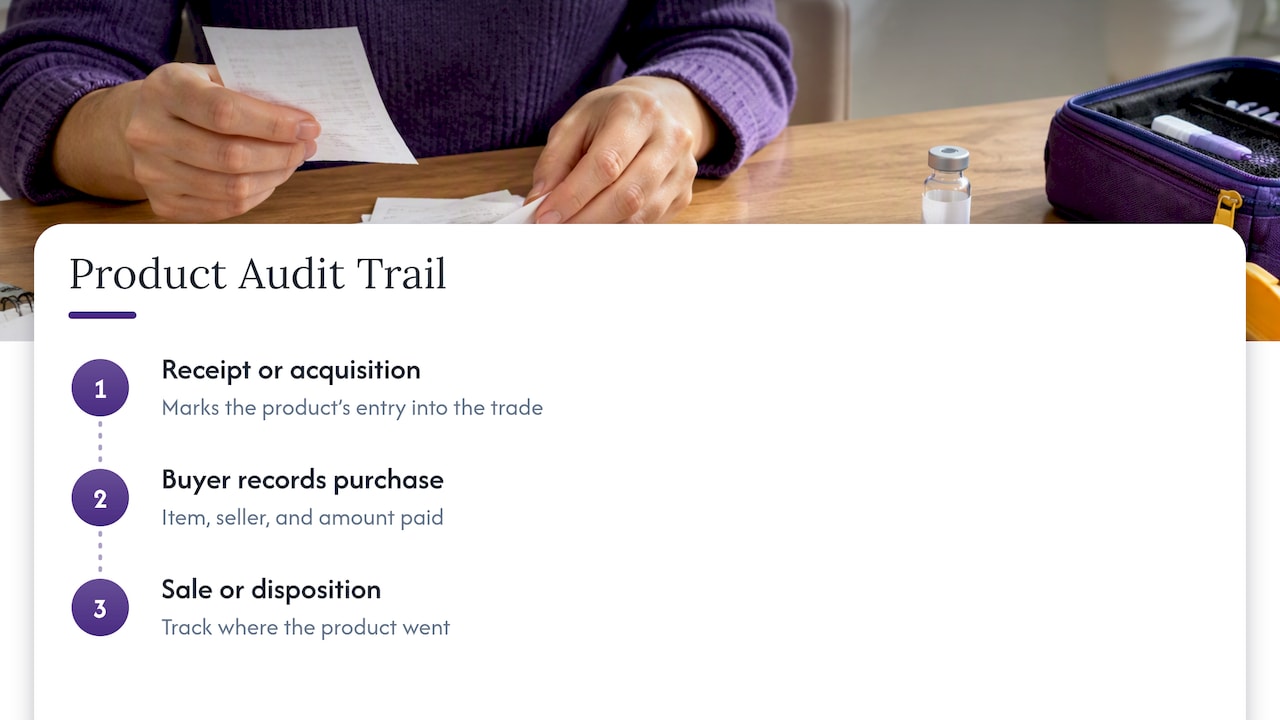
Florida’s sales tax rules point the same way. For sales made for resale, the state’s administrative code says selling dealers must keep records of sales, including receipts and, where it applies, Annual Resale Certificates. That rule is about the dealer’s records, not yours. But it shows that paperwork is part of how this market is supposed to run.
So does an individual seller need a receipt? We cannot point you to a rule that says a person selling their own unused supplies must produce one. What we can say is that anything that shows the supplies came to you legitimately makes the sale smoother and protects everyone on both ends.
For a deeper look at state rules, read our page on Florida diabetic supply resale laws and Medicaid fraud risk.
What to use if you have no receipt
Losing a receipt is common. Plenty of other records can show the supplies are yours. Combining a few of them is stronger than relying on one.
Ownership guides from the consumer side suggest account or registration histories, warranty or service documents, and photos of the item next to its serial number. Applied to diabetic supplies, that translates into a practical list:
| Record | What it shows | Where to find it |
|---|---|---|
| Pharmacy or supplier order history | The product, date, and quantity sent to you | Your online account or the pharmacy’s phone line |
| Insurance explanation of benefits | That a claim was paid for those supplies in your name | Insurer portal or mailed statements |
| Manufacturer account | Sensor or pod activations tied to you | The device app or company account |
| Packing slip or shipping label | Date, sender, and contents | The shipping box or email confirmation |
| Photos of the box | Lot number, expiration date, and sealed condition | Take them yourself before you leave home |
| Prescription record | The change in therapy that left you with extra | Your doctor’s office or pharmacy |
One more tip: take clear photos of every box, front and back, before you meet a buyer. They give you a record of what you sold and when, which helps if there is ever a question later.
You should also be able to say, in a sentence, why you have extra. “My doctor moved me from test strips to a CGM” or “my plan sends a three-month supply and I changed devices” are normal, believable explanations. If you want help thinking about the change itself, see why people with diabetes switch CGM devices.
Check where your supplies came from first
Not every supply is yours to sell the same way. Before you hand anything over, ask where it came from and whether any rules come with it. Med Xperience, a company that buys diabetes supplies, advises checking the product’s source and any restrictions, and notes that a buyer being willing to give you a quote does not replace that check.
That is sound advice. A few situations deserve a closer look:
- Supplies paid for by Medicare or Medicaid. Program rules can apply. Read our page on selling test strips safely with Medicare checks and same-day cash and the Florida resale law page linked above.
- Supplies from a program or assistance plan. Some come with paperwork or terms. The same company-blog source advises keeping relevant receipts or program paperwork on hand.
- Samples marked not for sale. These are not yours to resell.
If you are unsure, call your insurer or pharmacy and ask. They can tell you what your plan says. If you want a legal opinion on a specific situation, talk to a Florida attorney.
Do you need receipts for taxes?
This is where the search results for this question get confusing. Most of the pages that rank talk about business expense receipts: office supplies, rent, travel. That is a different issue. If you are selling a few boxes of supplies you no longer need, you are not running a business and not claiming supply expenses.
For a personal sale, here is how the federal rules work, based on IRS guidance on Form 1099-K for 2022 returns:
- Gains from selling personal items at a profit are taxable, and are reported on Form 8949 and Schedule D.
- Losses on personal items are not deductible.
- If you receive a Form 1099-K that shows a sale at a loss, the same IRS FAQ explains how that amount can be offset on Schedule 1.
That guidance covers 2022 returns, so check the IRS site for the year you are filing. Tax rules change.
Here is a worked example with made-up numbers. Suppose your insurance paid for a box of supplies, and you sell it for cash. Your cost for tax purposes is usually what you paid out of pocket, which may be little or nothing. That is where a record of what you paid helps. A copher of your pharmacy copay, or a statement showing you paid nothing, tells you your cost basis. Without it, you may have trouble showing whether you had a gain.
So for taxes, a record of what you paid is useful. It does not need to be a receipt. A pharmacy account history, a bank or card statement, or an insurance statement all work. For anything beyond that, such as how much to report or whether you must file, ask a tax professional such as a CPA or enrolled agent. We are a buyer, not tax advisors.
What happens when you sell to us
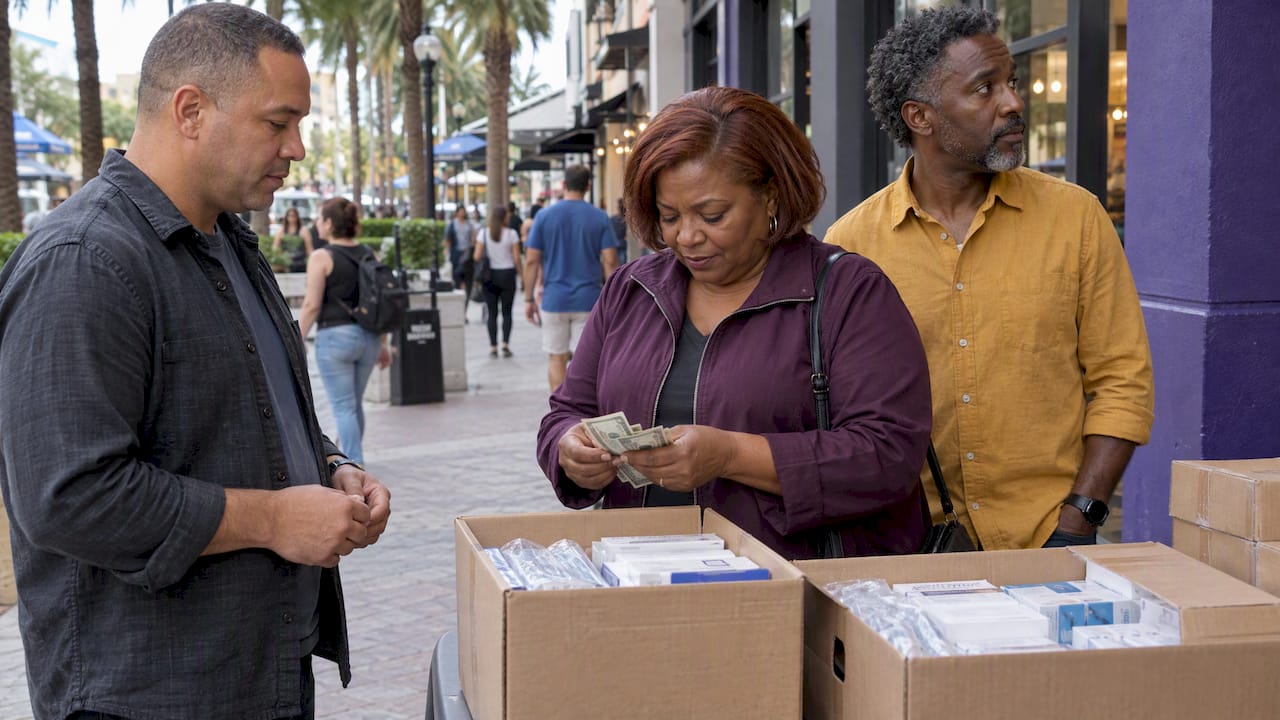
We buy unused diabetic supplies in Orlando and surrounding areas, and we keep the process simple. You bring the items to a safe, public meetup spot. We inspect them in person. If they are eligible, we pay you right there. There is no shipping, no waiting for a check, and no guessing about whether a package arrived.
Here is what we buy:
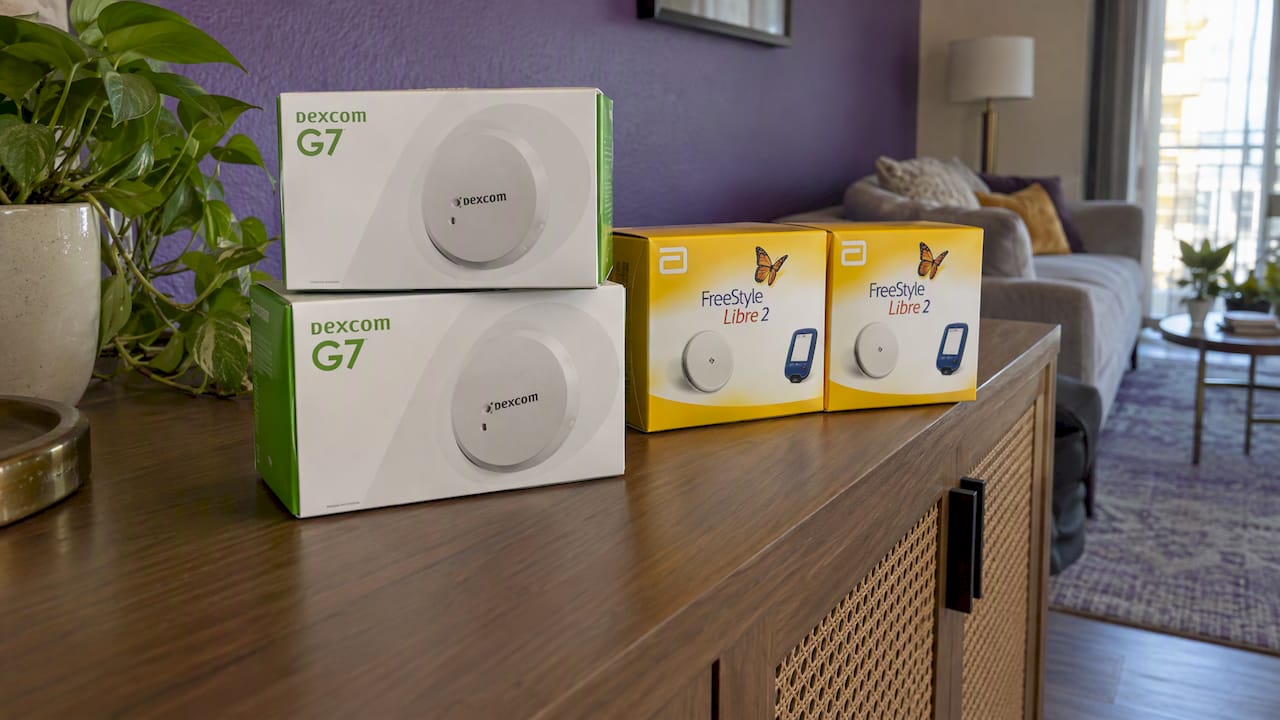
- Dexcom G6 and G7 sensors
- FreeStyle Libre sensors
- Omnipod pods
- Sealed test strips from major brands
Two published prices, so you know what to expect:
| Item | Price we list |
|---|---|
| Dexcom G7 | $70-$90 per pack |
| FreeStyle Libre 2 | $15-$20 per sensor |
Where your item lands in a range depends on its condition and expiration date. Other items are priced after inspection.
If you want the full step-by-step, read how to get cash for unused diabetic supplies. For identification questions, see what ID to bring.
Ready to sell? Here is a quick plan
When you are ready, you can start on our Orlando diabetic supplies buyback page. Tell us what you have, and we will tell you what to bring and where to meet.
Before you go, run through this list:
- Check the dates. Find the expiration date on each box. Our Dexcom expiration date guide shows where it is printed.
- Keep boxes sealed. Do not open anything to “check” it.
- Gather what you have. Pharmacy history, insurance statements, a packing slip, a photo of the boxes. Anything helps; nothing is a deal breaker by itself.
- Photograph everything. Front, back, and the lot and expiration label.
- Pick a public place. Daytime and well lit is best.
- Write down what you sold. Date, items, and amount paid. Keep it with your tax records.
If you also have older devices, our page on selling previous diabetes device supplies covers what usually has value.
Our view: paperwork is a tool, not a hurdle
We talk to people every week who are worried that they did something wrong because they cannot find a receipt. Most of them did nothing wrong. Insurance and mail-order systems do not hand out receipts the way a store does. People change devices, doctors change plans, and boxes pile up in a closet.
Our view is simple. A good buyer checks the product and treats you fairly. Paperwork is a tool that makes both of those easier, so we ask about it when it is useful. We do not want you to feel stuck because one piece of paper is gone.
We also think you should be careful about who you sell to. Be cautious of any buyer who:
- Offers a price far above what others quote
- Asks you to ship supplies first and wait for payment
- Does not look at the product or the dates
- Will not tell you who they are or where they operate
Our guide to avoiding test strip scams goes through the common tricks. Meeting in person in a public place removes most of those risks, which is the reason we work that way.
The best thing you can do is know what you have, know where it came from, and sell it to someone who is open about how they work.
— Liliana
FAQ
Can I sell unused diabetic supplies without a receipt?
Often yes. The condition of the supplies matters most: sealed, unexpired, and authentic. A pharmacy history, insurance statement, or photos of the boxes can stand in for a receipt. A buyer will inspect the items and may ask a few questions about where they came from.
Why would a buyer ask for paperwork at all?
Because the trade in these products is supposed to leave a record. Florida’s drug and device regulator says it requires an audit trail from acquisition to sale. Buyers who keep good records protect you and the next person who uses the supplies.
Do I owe taxes on money from selling diabetic supplies?
Possibly. IRS guidance says gains from selling personal items at a profit are taxable, while losses are not deductible. Because your cost may be small, a record of what you paid helps. A CPA or enrolled agent can tell you what applies to your return.
What if I lost the box and only have the sensors or strips?
It depends on the item. Without the original packaging, expiration dates and lot numbers can be hard to confirm, and that can lower the value or make an item ineligible. Bring what you have and we will tell you after inspection.
Is it safe to sell supplies that insurance paid for?
It can be, but check your plan and any program rules first. Medicare and Medicaid can add restrictions. Read our page on Florida resale laws, and call your insurer if you are not sure.
Sources
- Frequently asked questions about Form 1099-K (IRS)
- Division of Drugs, Devices and Cosmetics FAQs (Florida)
- 12A-1.039 Sales for Resale (Florida Administrative Code)
- Reselling diabetes test strips: an unregulated gray market
- Common Myths About Selling Unused Diabetes Supplies
- How to Prove Ownership Without a Receipt