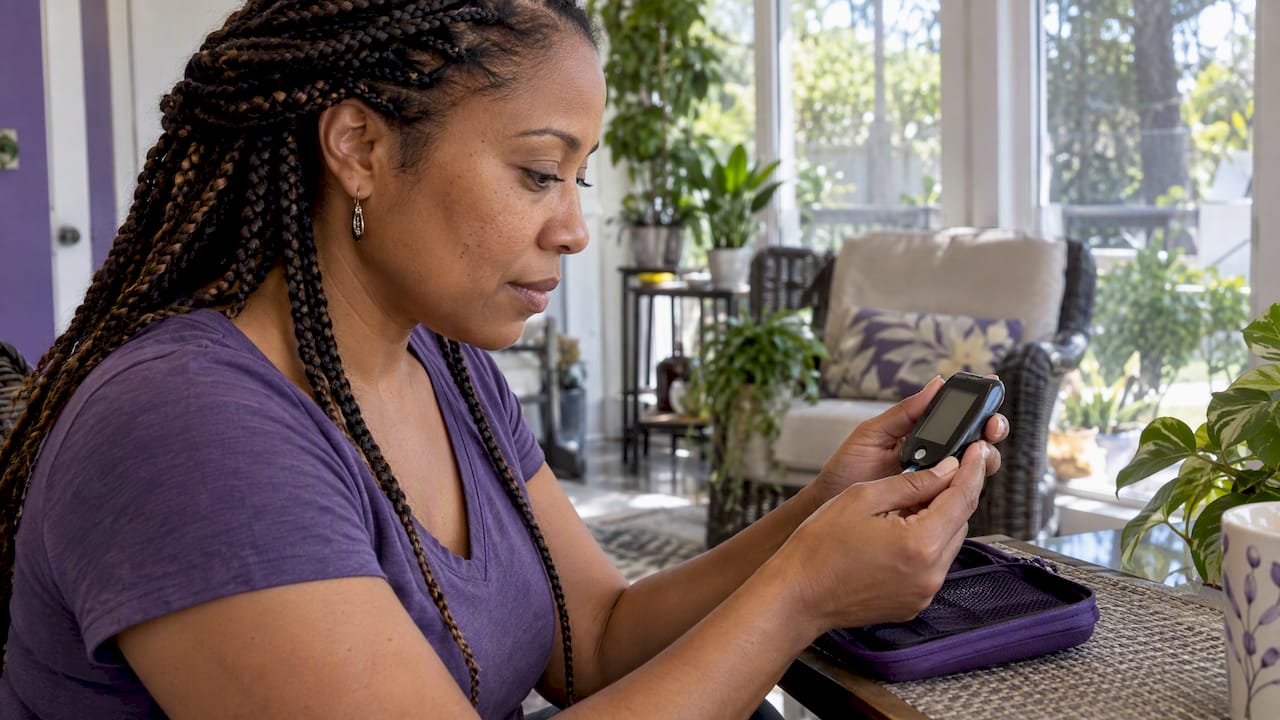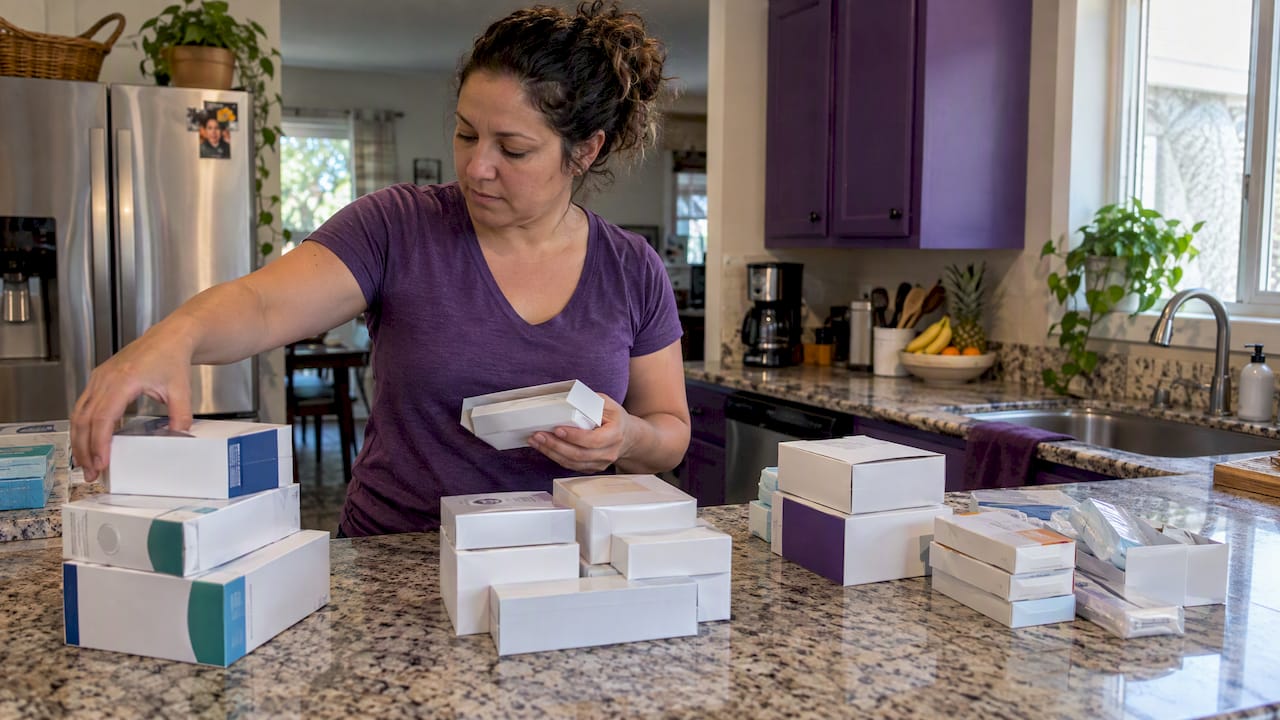
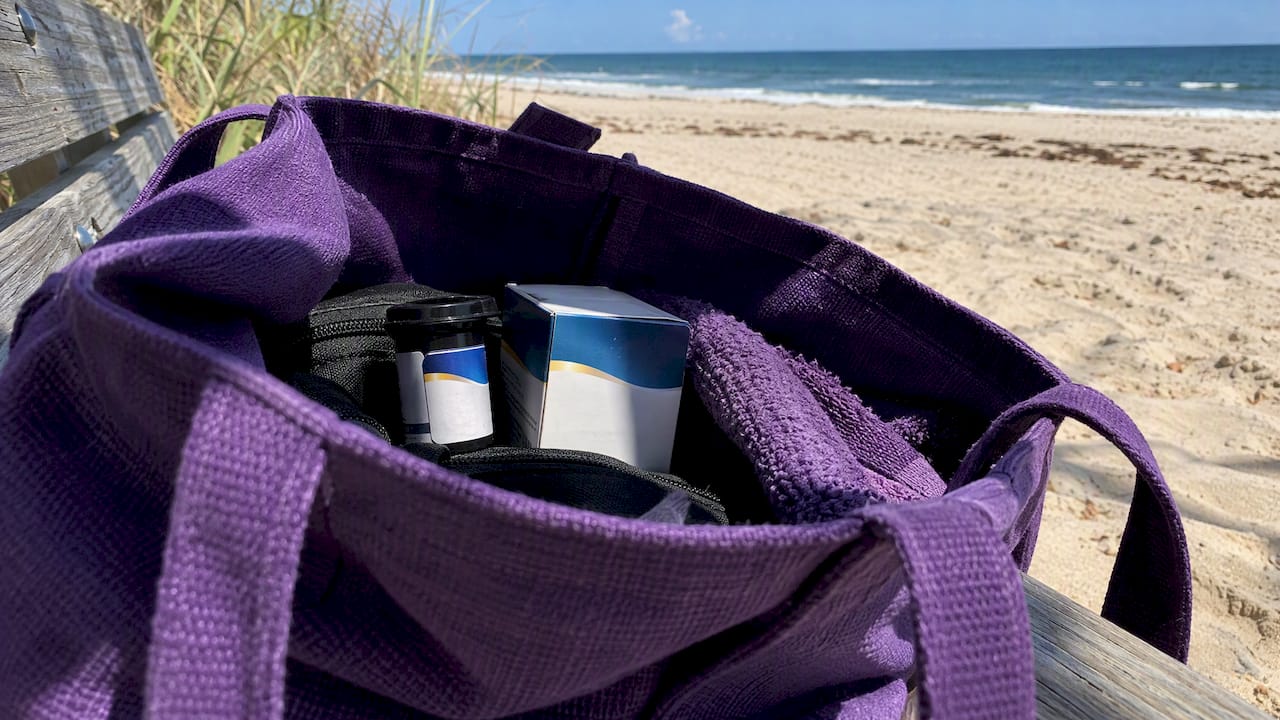
Heat-exposed diabetic supplies are a gray area, and the honest answer is: it depends on the product, how hot it got, how long, and whether the packaging is still intact. Sealed, unexpired supplies that were stored the way the label says are the ones we can consider. Supplies that sat in a hot car, a mailbox or a sunny windowsill, or that have a broken seal, usually are not. This guide shows you how to tell the difference before you spend time on a sale.
TL;DR
- Supplies stored within the label’s temperature range, still sealed and not expired, are the ones that qualify for a same-day buyback.
- Heat can damage meters, test strips, CGMs, pumps and insulin. Hot cars, direct sun and beaches are the usual causes.
- A broken product seal, water damage, mold or a torn package means the item should not be sold or used. An outer box that is simply dented or opened is a different case.
- Be upfront about where supplies were kept. We inspect in person, so a clear answer saves everyone a trip.
- Not sure? Check the manufacturer’s storage instructions, or bring the item to us for a look.
Table of Contents
- Why heat matters for diabetic supplies
- What we look at when you bring supplies in
- Heat limits by product type
- Broken seals, open boxes and damaged packaging
- A quick eligibility check you can do at home
- What to tell a buyer before you sell
- Florida rules to keep in mind
- Our perspective
- What to do with supplies that do not qualify
- How to store supplies so they stay sellable
- Selling eligible supplies in Orlando
- FAQ
- Sources
Why heat matters for diabetic supplies
Diabetes supplies are made to work within a temperature range. Go outside it and the product may still look fine but behave differently.
The FDA says heat and humidity can make medical devices operate unexpectedly, shorten shelf life, reduce reagent potency or compromise the sterility of packaging. When the product label gives storage requirements, the label controls.
The CDC adds that heat can damage glucose monitors, insulin pumps, other diabetes equipment and test strips. It advises keeping them out of hot cars, direct sunlight, pools, beaches and similar heat sources.
In Florida, this is not a rare problem. A glove box in an Orlando parking lot, a porch where a delivery sat all afternoon, or a bag left at the beach can all push supplies past their limits. That is why eligibility for a buyback is about storage history, not only appearance.
What we look at when you bring supplies in
We buy unused diabetic supplies in Orlando and surrounding areas. Our inspection comes down to a few plain checks:
- Unused. The product has never been opened or applied.
- Sealed. The individual package is intact, not only the shipping box.
- Unexpired. The date on the label has not passed. Expiration also affects the price we can offer.
- Stored properly. No sign of heat, moisture or damage, and a storage history you can describe honestly.
For a deeper look at the first three, see our guide to what counts as an unused diabetic supply and the types of sealed products we accept.
Heat limits by product type
Every manufacturer prints its own limits on the box or the insert. Read yours first. The figures below come from official and manufacturer sources and show how narrow the margins can be.
| Product | Storage guidance | Source |
|---|---|---|
| Test strips (OneTouch Ultra example) | Keep in the original vial, below 86°F, not refrigerated | LifeScan |
| Unopened insulin | Refrigerated at about 36°F to 46°F, not frozen, good until the labeled expiration date | FDA |
| Insulin in use (vial or cartridge) | 59°F to 86°F for up to 28 days | FDA |
| Meters, CGMs, pumps | Follow the labeling; avoid hot cars, direct sun, beaches | CDC |
The table covers a product’s stated limits, not a promise that anything inside them is safe. Different brands use different ranges, and CGM sensors, pods and strips from other makers each have their own labeling. Always check the specific box.
We do not buy insulin. It is listed here because many people store it next to their other supplies, and the same hot-car mistakes apply.
Test strips
Strips are the most heat-sensitive item people try to sell. LifeScan’s guidance for its OneTouch Ultra strips says they must stay in the original vial below 86°F, and that excessive temperature or humidity may produce inaccurate readings. An inaccurate reading is not a small problem when someone doses insulin from it.
Our own storage advice is in common mistakes storing excess test strips and in the 41°F to 86°F rule.
CGM sensors and pump pods
Sensors and pods are sold in sealed, sterile packaging, so two things matter: temperature and the seal. The FDA says to check that device seals and packaging are intact. If there is water damage or a broken package seal, sterility should be assumed compromised.
A sensor that spent a weekend in a hot trunk is a question mark even if the package looks perfect. The manufacturer can tell you what its product tolerates.
Broken seals, open boxes and damaged packaging
People often ask whether a damaged box rules out a sale. The answer depends on which layer is damaged.
Outer box is dented, torn or opened
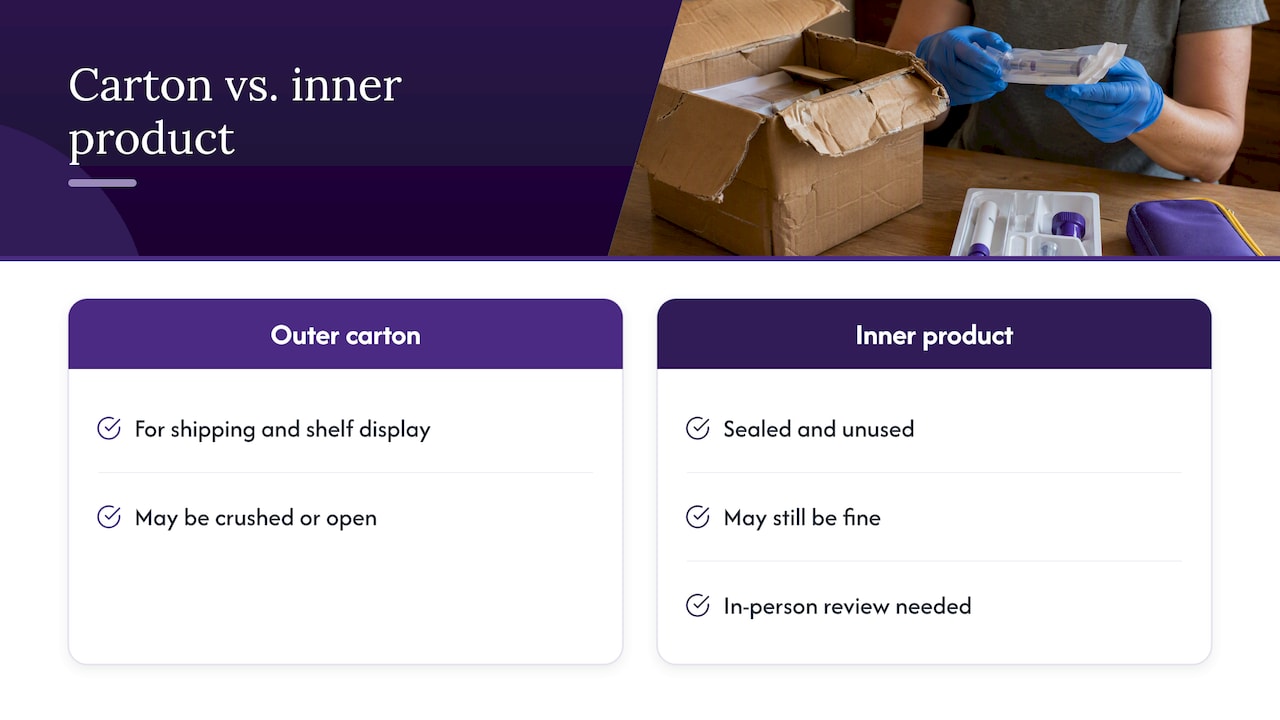
The outer carton is mostly for shipping and shelf display. If a box is crushed or the flap is open but each sensor, pod or strip vial inside is still sealed and unused, the product itself may still be fine. We would want to see it in person and ask how it was stored.
The product’s own seal is broken
This is where the answer changes. For an unused single-use device in an opened package, the FDA says to check with the manufacturer. For strips, LifeScan warns not to use them if the vial is open or damaged, because that can cause error messages or inaccurate results.
A broken product seal is not eligible for resale. We would not want to buy it, and you would not want someone to use it.
Water, mold or stains
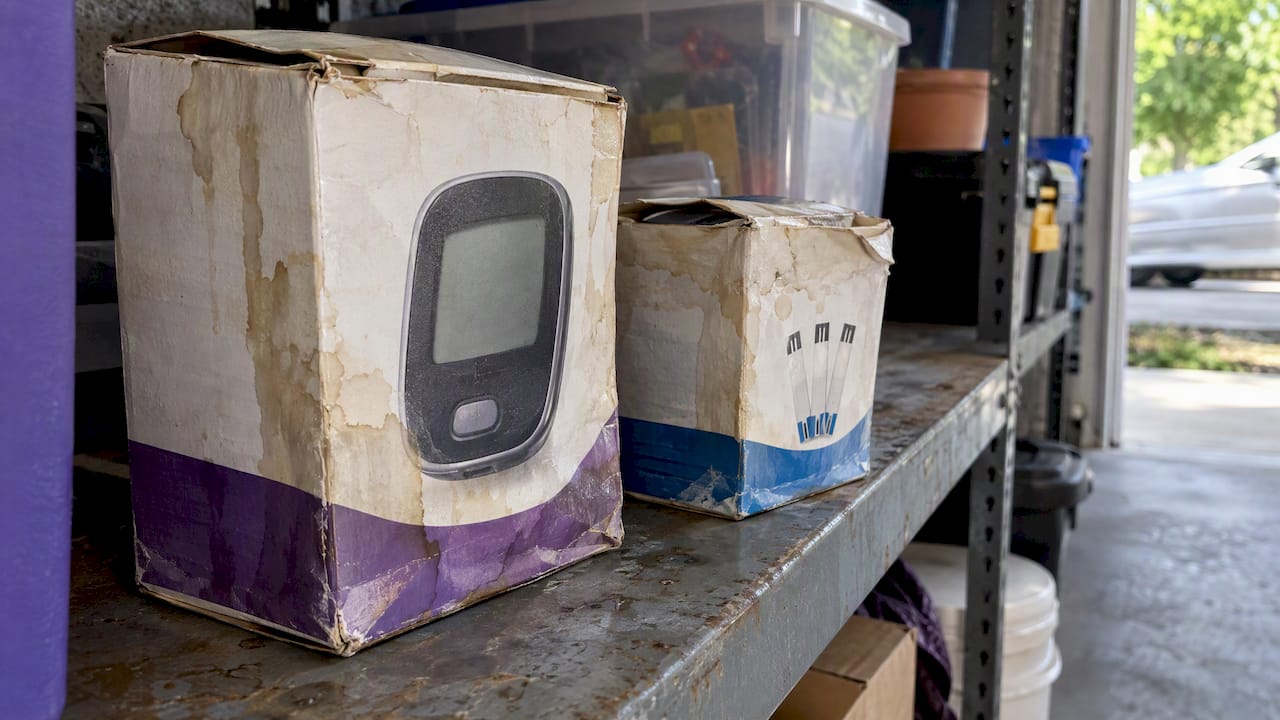
The FDA says wet, water-stained, moldy, torn or otherwise seal-compromised packaging can mean contamination, and that packaged glucose meters and test strips with that kind of damage should be discarded. Humid garages, flooded closets and bathroom cabinets are common places for this to happen in Florida.
If you handle a lot of packaging and your hands are dry or cracked, small seals are easy to misjudge or tear. A guide to diabetes and dry skin care covers daily routines that can help.
A quick eligibility check you can do at home
Run through these questions before you contact anyone. Two or more “no” or “not sure” answers mean you should pause.
- Is the product unopened, with every individual seal intact?
- Is the expiration date in the future, with enough time left to be useful to the next person?
- Do you know where it was kept for most of its life?
- Was it ever in a car, a mailbox, a porch delivery pile, a bag at the beach or near a window?
- Is the packaging free of water marks, mold, stains, tears or tape residue?
- Do the storage limits on the label match how you kept it?
If you can answer yes to all of them, you probably have sellable supplies. If you cannot, the sections below explain what to do.
What to tell a buyer before you sell
Honest disclosure protects you and the person who ends up using the product. Before you sell to any buyer, we suggest telling them:
- Where it was stored. Climate-controlled room, closet, refrigerator, garage, car.
- Any known heat event. A power outage, a hot delivery day, a trip.
- Packaging history. Was a box opened, repacked or taped? Was a vial opened?
- The expiration date, and whether it is printed on both the box and the item.
- How you got it. Insurance shipment, switch in devices, prescription change.
The FDA’s consumer guidance on glucose meters explains why buyers should care: it recommends buying new, unopened strip vials instead of pre-owned ones, because storage history, expiration, tampering, infection risk and FDA clearance status may be unknown. A seller who can answer these questions clearly removes much of that uncertainty.
Florida rules to keep in mind
Florida law takes product condition seriously. Florida Statutes section 499.005 prohibits selling, delivering or holding for sale a drug, device or cosmetic that is adulterated, misbranded or otherwise unfit. The same section also prohibits buying prescription drugs from an unauthorized distributor.
In plain terms: a product that was damaged by heat or moisture is a poor candidate for resale, and that is a legal reason as well as a practical one. For a closer look at how this applies to sealed supplies, read our guide on selling sealed supplies in Florida. For specific legal questions, talk to a Florida attorney.
Our perspective
We get this question often, and we would rather give you a straight answer than a vague one.
Most people who contact us have supplies that are perfectly fine. A sensor box from an insurance shipment, a few extra pods after a switch, a sealed set of strips from a prescription change. These sell quickly because they were stored well and never opened.
The harder cases are the ones where something happened. The delivery sat in the sun. The box got wet in a storm. A vial was opened once. We understand it is frustrating, because supplies cost money. Still, we do not want to buy something that may not work, and we do not want you to sell something you have doubts about.
Our approach is simple. We inspect in person, we ask where the supplies were kept, and we pay on the spot for eligible items. If something does not qualify, we tell you why, plainly. If you are unsure, ask before you drive anywhere.
— Liliana
What to do with supplies that do not qualify
Supplies that are damaged, wet or heat-exposed are not a good fit for resale. Here are better options:
- Ask the manufacturer. The FDA directs product-specific questions to the maker, and most companies have a customer line on the box. They may replace a defective or heat-damaged item.
- Ask your insurer or supplier. If a shipment arrived hot or damaged, report it quickly.
- Discard what is unsafe. The FDA says heat makes insulin less effective and recommends replacing insulin exposed to extreme temperatures once properly stored insulin is available. Do not keep using it just to avoid waste.
- Check a strip lot with control solution. The FDA says to run frequent quality-control checks after unusual heat or humidity. This protects your own readings, but it does not make strips resellable.
If you are weighing options for supplies that are in good shape, our comparison of donating versus selling and our page on returning or selling in Florida can help you decide.
How to store supplies so they stay sellable
Prevention is easier than anything above. A few habits keep supplies in condition:
- Keep supplies indoors in a cool, dry place away from windows and the kitchen stove.
- Never leave them in a vehicle, even for an errand. Cars heat quickly in Florida.
- Keep strips in their original vials, closed tightly.
- Do not refrigerate items whose label says not to, such as the strips mentioned above.
- Open shipments promptly and check the contents, packaging and dates.
- Put supplies you do not plan to use in one labeled bin, so you remember their age and place.
For a bigger picture on why excess builds up, see why people end up with extra supplies.
Selling eligible supplies in Orlando
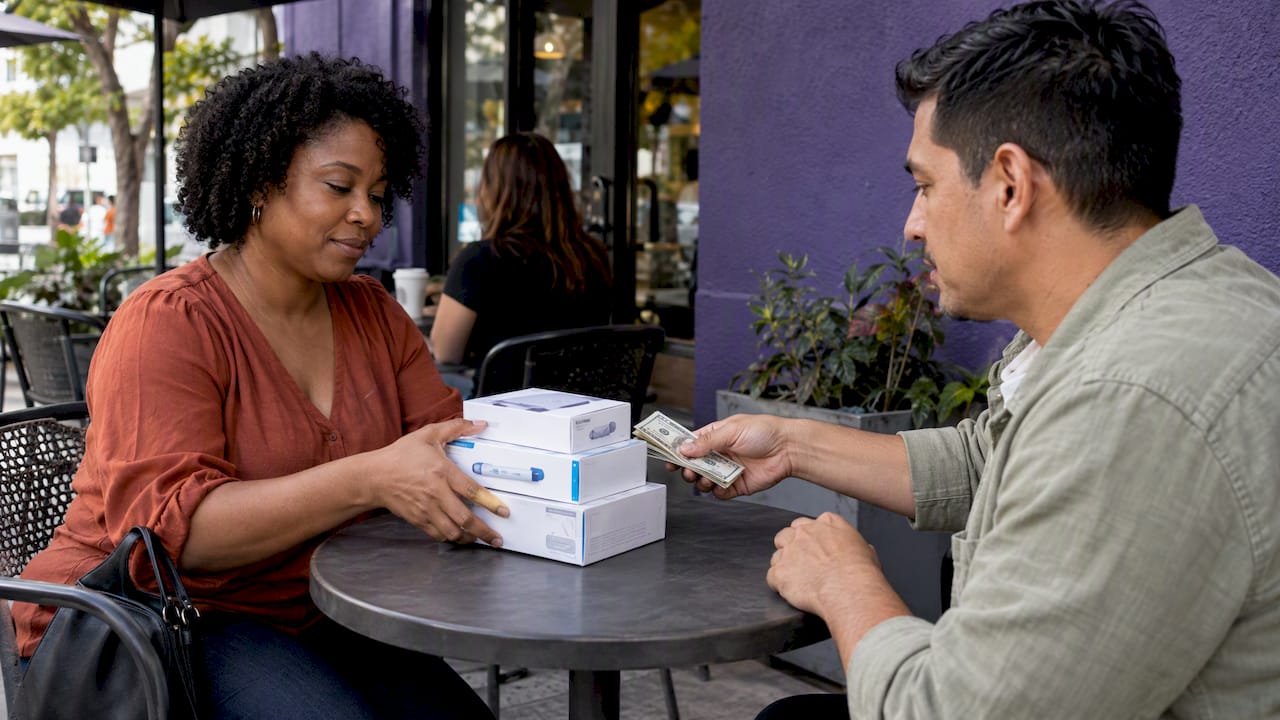
If your supplies pass the checks above, we can usually help the same day. We meet in safe, local public places, inspect the items in person and pay on the spot for eligible products. There is no shipping and no waiting on a check.
Our published ranges are:
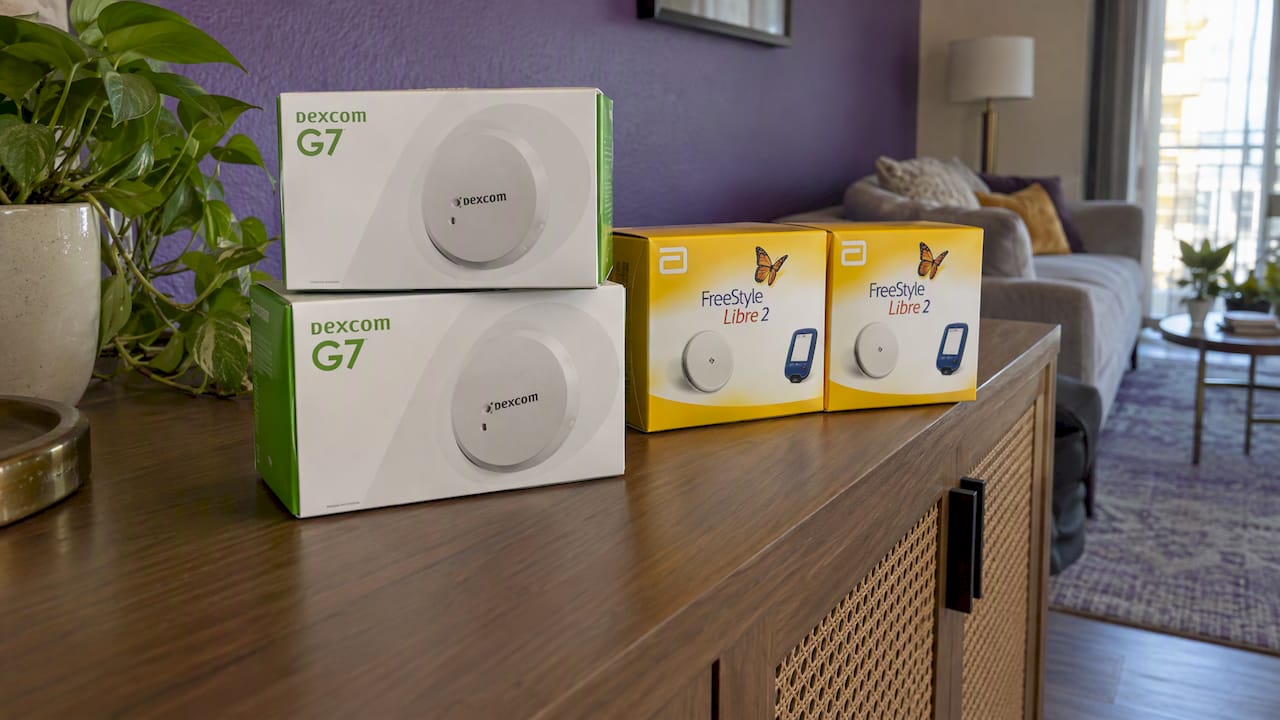
- Dexcom G7: $70-$90 per pack
- FreeStyle Libre 2: $15-$20 per sensor
Final offers depend on the item’s condition and expiration date after inspection. Test strips, other CGMs, pumps and pods are bought too and are not priced on our site. Start on our main page, read how the process works, or check the buyback timeline to see what happens from quote to cash. If you are worried about meeting a stranger, see our guide to safe places to sell in person.
FAQ
Can I sell diabetic supplies that were left in a hot car?
It is unlikely. The CDC advises keeping diabetes supplies out of hot cars because heat can damage them, and the damage may not be visible. If you are not sure how long or how hot, the product should be treated as questionable. The manufacturer can tell you what its labeling allows.
Are supplies eligible if the outer box is opened but the items inside are sealed?
Often yes, if every individual package or vial is intact, unused and unexpired. A dented or opened carton is a cosmetic issue. A broken seal on the product itself is not, and that item should not be sold or used.
What does a broken seal mean for a sensor, pod or test strip?
It means you cannot trust the product. The FDA says a broken package seal should lead you to assume sterility is compromised, and to check with the manufacturer about an opened single-use device. For strips, an open or damaged vial can cause errors or inaccurate results.
Do I have to tell a buyer if supplies were exposed to heat?
Yes. Tell them where the supplies were kept, any known heat event and any packaging changes. The product’s later user depends on that history, and the FDA notes that unknown storage is exactly why pre-owned strips carry risk.
Can unopened insulin that got warm still be used?
That depends on the product and how warm it got. The FDA says extreme heat makes insulin less effective and recommends replacing exposed insulin once properly stored insulin is available. Call the manufacturer or your pharmacist about your specific insulin.
Sources
- FDA: Medical Devices that Have Been Exposed to Heat and Humidity
- FDA: Disposal of Contaminated Devices
- FDA: How to Safely Use Glucose Meters and Test Strips for Diabetes
- FDA: Information Regarding Insulin Storage and Switching Between Products in an Emergency
- CDC: Managing Diabetes in the Heat
- LifeScan: OneTouch Ultra Test Strips General Information
- Florida Statutes, section 499.005
- Diabetes and Dry Skin: Causes, Daily Care and What to Use