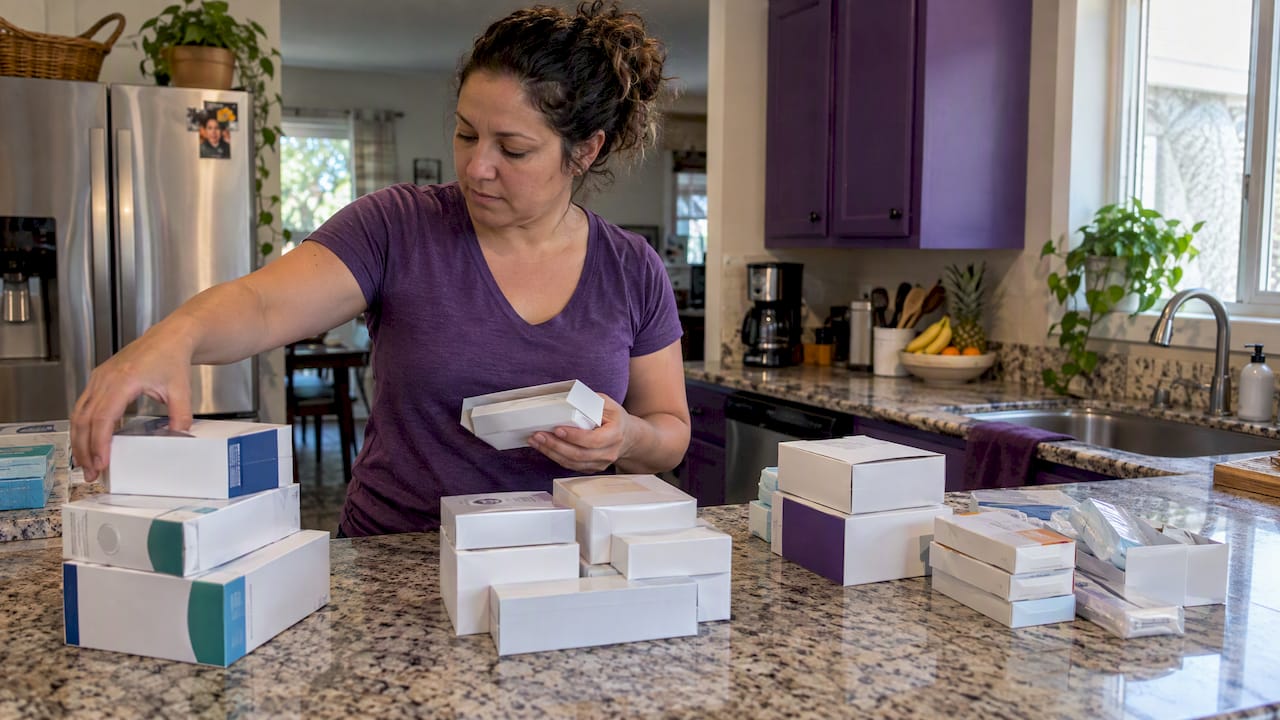
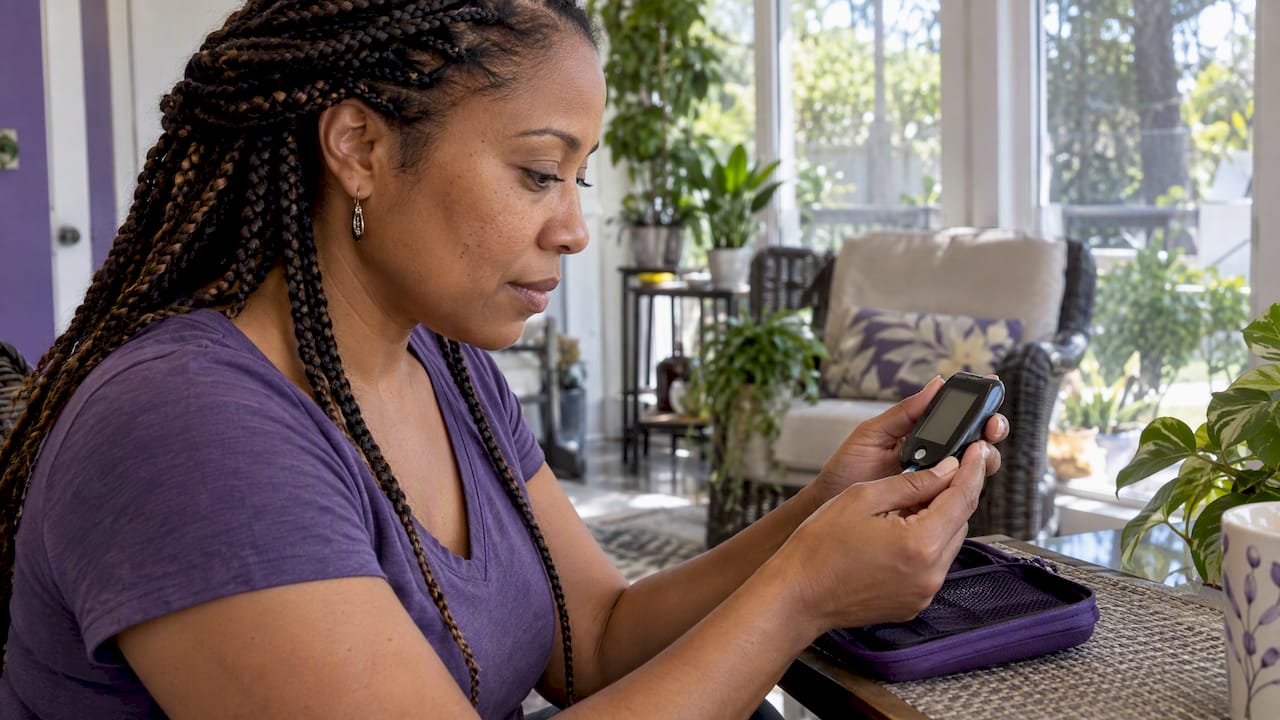
Yes, in most cases you can sell a glucose meter you own, but it rarely brings much money, and some situations need extra care. A meter is a medical device meant for one person. Buyers worry about safety, and insurance can change what you are free to do with a meter you did not pay for. The money in this category is usually in the supplies, not the meter.
This guide explains what you can sell, what to check first, what affects value, and what to do if nobody wants your meter.
TL;DR
- You can generally sell a glucose meter you own outright, but it must be clean, working and complete. Meters are single-patient devices.
- Meters are low-value items. Sealed, unexpired test strips, CGM sensors and pods usually bring more.
- If Medicare, Medicaid or a private plan supplied the item, check your plan’s rules before you sell.
- Never sell a meter that was wet, damaged or heat-exposed. Recycle or donate through a program instead.
- We buy sealed diabetic supplies in Orlando for same-day cash. See below for what we take.
Table of Contents
- Is it legal to sell a glucose meter?
- Meters versus test strips: the rules are not the same
- When insurance paid for your meter
- What condition does a meter need to be in?
- What affects the value of a glucose meter
- Where the money is: sealed supplies
- Perspective: what we see from the buying side
- How to sell safely, step by step
- Sell to us in Orlando
- What to do if you can’t sell your meter
- FAQ
- Sources
Is it legal to sell a glucose meter?
There is no general rule that stops a private person from selling a personal item they own. What matters is what kind of device it is and how it is sold.
The FDA says certain blood glucose monitors are over-the-counter medical devices offered directly to consumers without a prescription. That is why you can buy most meters at a pharmacy. The same FDA page notes that some home-use devices are prescription devices, so the status depends on the specific meter and its labeling.
The heavier rules fall on businesses. The FDA requires manufacturers, repackers, relabelers and importers to register, and manufacturers who plan to market a device must submit a 510(k) at least 90 days before marketing, unless the device is exempt. A person selling one used meter is not a manufacturer. But if you start refurbishing or repackaging meters to resell in volume, you are in a different category and need proper guidance.
Some states add their own limits on retail sales of diabetes test products. For example, New Jersey prohibits retail stores from selling non-prescription diabetes test devices unless they came directly from the manufacturer or an authorized distributor, or are plainly marked as not having been acquired that way. That law is specific to New Jersey. Check your own state’s rules if you sell regularly.
Meters versus test strips: the rules are not the same
Most people who search this question really want to know about strips too. The two are treated differently in practice.
A meter is a reusable device. You can reset it, clean it and hand it on, as long as it is in good shape and has not been shared. Test strips are consumables. They expire, they are sensitive to heat and humidity, and they must be authorized for sale in the U.S.
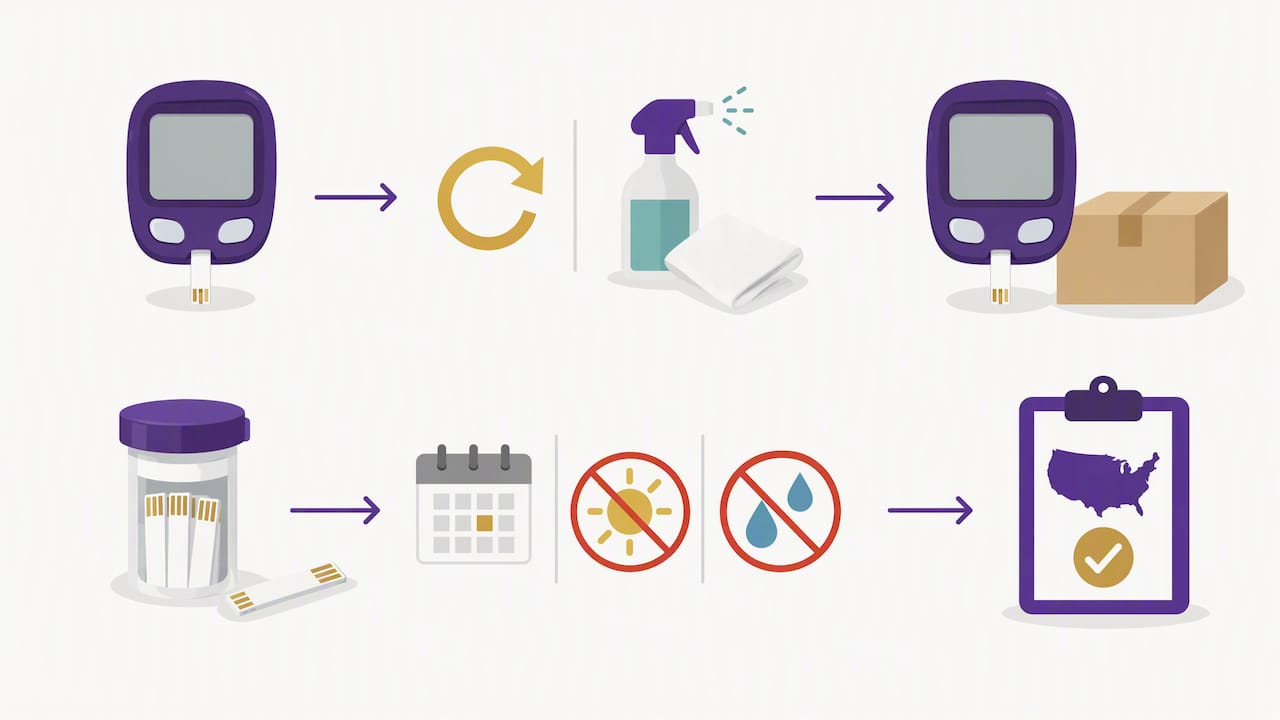
The FDA warns against buying or using previously owned test strips because they may be expired, improperly stored, tampered with or not cleared for U.S. sale, which can lead to wrong readings. That warning is aimed at the person who uses them. It is also why reputable buyers insist on sealed, unopened boxes with plenty of dating left.
In plain terms:
| Glucose meter | Sealed test strips | |
|---|---|---|
| Typical value | Low | Higher, depends on brand and expiration |
| Main risk | Contamination, damage, sharing | Expiration, storage, counterfeits |
| Condition buyers want | Clean, working, complete | Sealed, unopened, not expired |
| Best route | Donate, recycle or sell cheaply | Sell to a local buyer |
If you want the details on strips, our guide on selling test strips safely covers the checks we run.
When insurance paid for your meter
This is the question that trips people up. Many meters are supplied free or at low cost by a plan or the manufacturer, and you may wonder if you are free to sell one.
Medicare is a good example of how coverage works. Medicare Part B covers blood glucose monitors, test strips, lancets and CGMs as durable medical equipment for eligible people. The same publication advises using an enrolled supplier, and participating suppliers must accept assignment and bill Medicare directly. Coverage exists so that you can manage your own diabetes, which is why selling supplies that Medicare or Medicaid paid for raises questions.
What we suggest:
- Check the source. Did you buy it yourself, or did a plan or program supply it?
- Ask your plan or supplier. Call the number on your card and ask about reselling or transferring covered items.
- Read our Florida guide. We explain the legal line for sealed supplies in Medicare test strip resale rules.
- Do not stockpile. Ordering more than you use just to resell can create problems with your plan.
If you have extra supplies because your prescription changed or you switched devices, that is a common situation, and we cover why it happens in why test strips go unused after switching meters. For a legal read on your exact coverage, a pharmacist, your plan’s member services or an attorney is the right person to ask.
What condition does a meter need to be in?
Be strict with yourself here. A meter that shouldn’t be reused is not worth selling at any price.
The FDA says meters should not be shared and that OTC blood glucose monitoring systems are for single-patient use, mainly to reduce bloodborne-pathogen risk. So a meter you have used for fingersticks is a personal item. Even if you wipe it down, many buyers will not want it, and you should be upfront with anyone who does.
A saleable meter usually looks like this:
- Still in its original sealed box, never used, or a new meter from a kit you never opened
- Complete, with the manual, lancing device and carrying case where they came
- Working, with fresh batteries and a passing control solution test
- Free of cracks, stains, corrosion or sticky residue
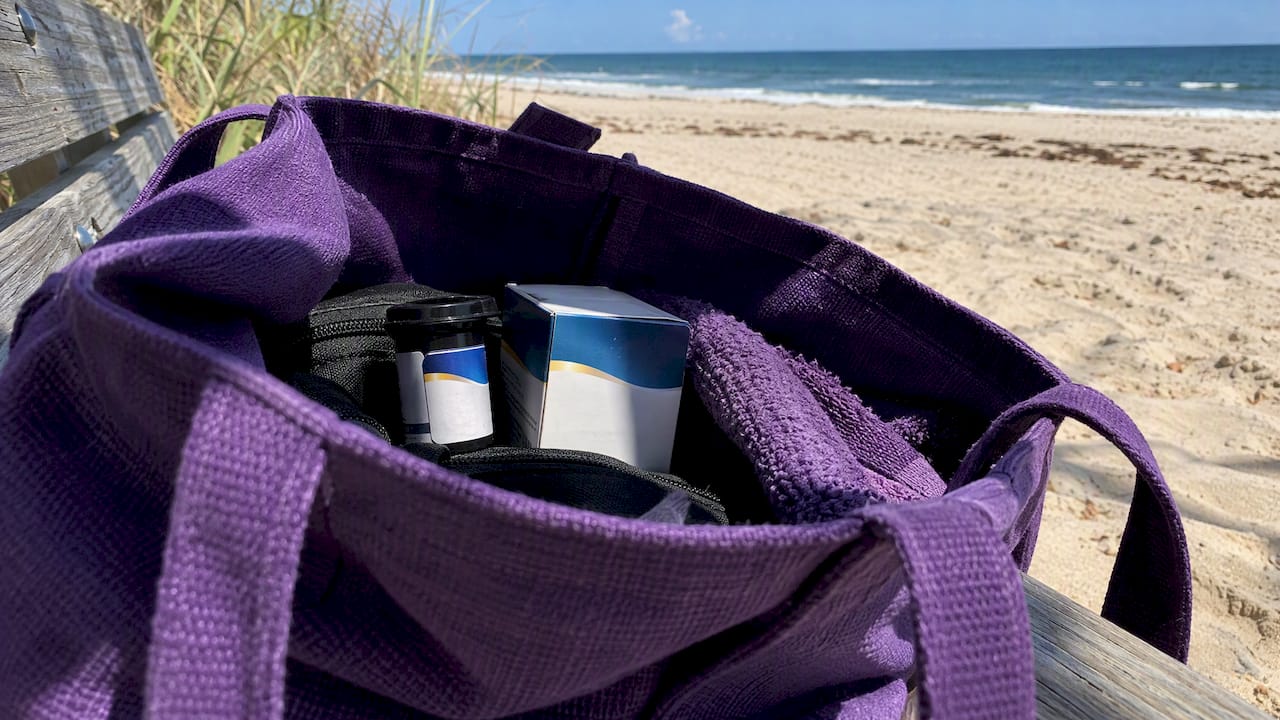
Watch for heat and water. The FDA says to store meters and strips as the manufacturer directs, because heat and humidity can damage them, and to check that seals and packaging are intact. If a package is wet or shows water stains or discoloration, the FDA’s guidance on contaminated devices says to discard the meter. Florida summers are hard on supplies kept in a car or a garage, so this matters here.
What affects the value of a glucose meter
Meters are cheap to make, and manufacturers often give them away because the profit is in strips. That keeps resale prices low. You should expect a small amount, if anything. These factors move the number:
- Sealed or opened. A sealed retail kit is easier to sell than a used meter.
- Brand and model. Popular models that still have strips on the market sell more easily than discontinued ones.
- Strip compatibility. A meter is only useful if the buyer can get matching strips. A meter that takes obsolete strips is hard to move.
- Completeness. Missing manuals, lancing devices or cases lower interest.
- Age and technology. Older meters lose appeal as CGMs take over.
- Where you sell. A local sale avoids shipping costs and lets the buyer check it on the spot.
The value pattern is similar for strips: brand and expiration drive the price. We explain it in how test strip expiration affects value and why test strip brands matter.
Where the money is: sealed supplies
If your goal is cash, look at what else is in the drawer. Newer supplies are worth much more than a meter.
Here are the prices we publish for two common items:
| Item | What we pay |
|---|---|
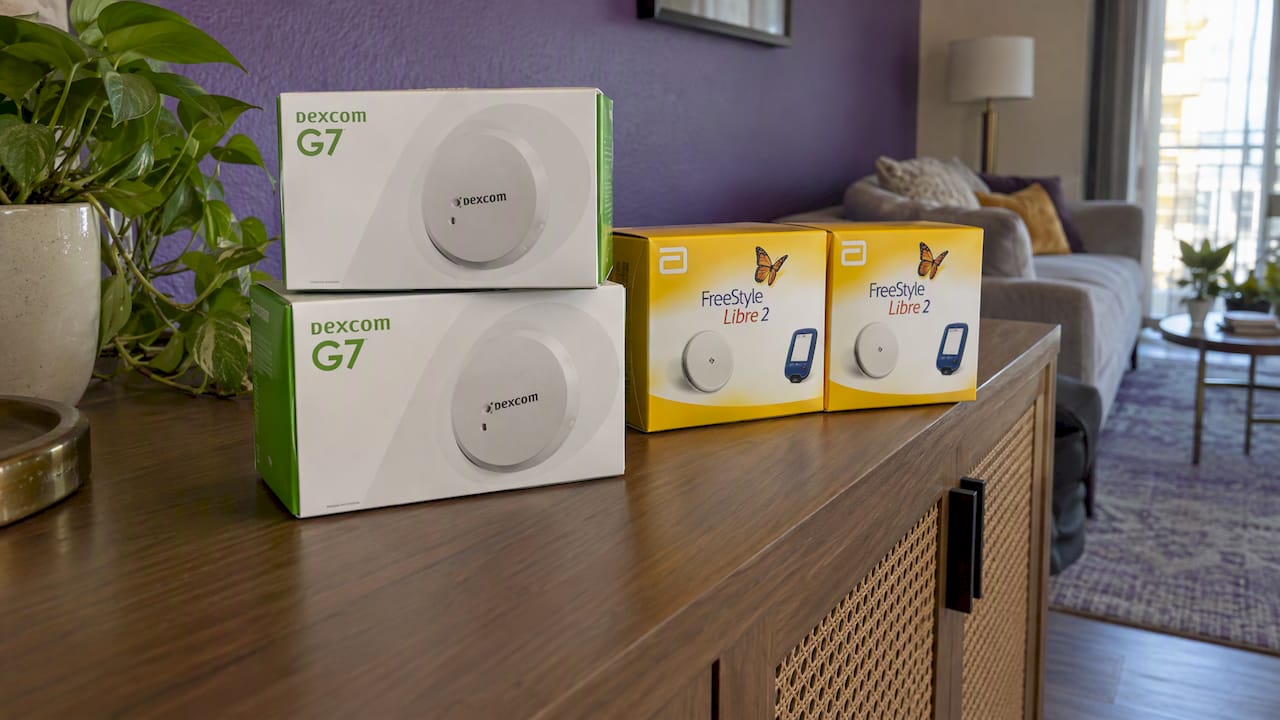
| Unused Dexcom G7 | $70-$90 per pack |
| Unused FreeStyle Libre 2 | $15-$20 per sensor |
These are published ranges, and the final offer depends on inspection, packaging and expiration. We also buy sealed test strips, other CGMs and Omnipod pods, which we do not price in advance. You can see the details on our pages for Dexcom G7 and FreeStyle Libre 2.
Our buying focuses on sealed, unused and unexpired supplies. Glucose meters are not a category we list, so if you have one, ask us when you bring supplies and we will tell you honestly whether it has any value to us.
Perspective: what we see from the buying side
People contact us every week with a drawer full of leftovers. A new insurance plan, a switch from fingersticks to a CGM, or a prescription that kept auto-refilling can all leave sealed boxes behind. Almost no one has a meter they expect to sell for real money. They have strips and sensors, and the meter is just in the pile.
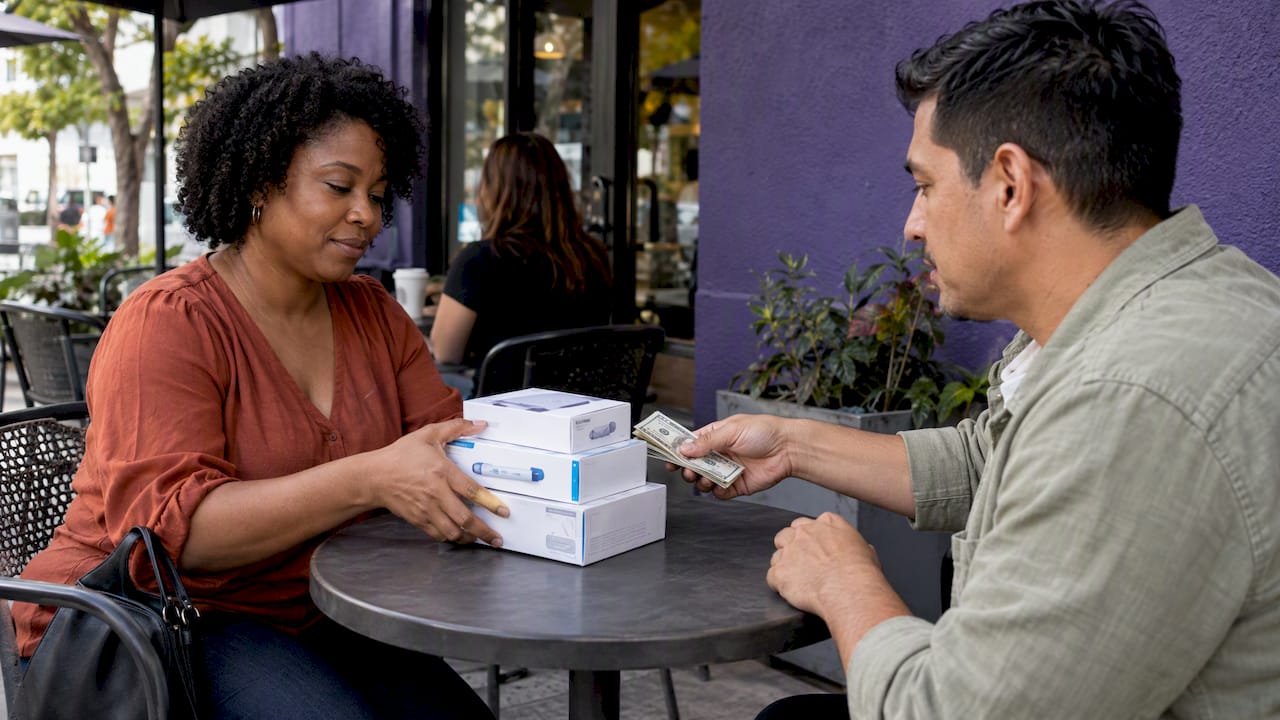
Our view is simple. Sell what is sealed, unexpired and clearly yours to sell. Keep used items out of the sale. Do not post personal medical items on a marketplace to a stranger you have never met, and do not ship supplies to someone who offers a price that sounds too good. We prefer a short meetup in a public place, where you can see the item checked and get paid on the spot.
We also tell people when we are not the right buyer. If a meter was used, wet or damaged, the honest answer is to recycle it. Trust matters more to us than any single purchase.
— Liliana
How to sell safely, step by step
Whether you sell a meter, strips or sensors, the same habits protect you.
- Sort what you have. Separate sealed items from opened or used ones. Only sealed items go in the sale pile.
- Check expiration dates. Look at every box. Short-dated items sell for less or not at all.
- Take photos and note the brand. Include lot numbers and dates so a buyer can check quickly.
- Confirm the source. If a plan paid for the item, check the rules first.
- Meet in a public place. Daytime, with other people around, is best. Our meetup tips walk through how inspection and payment work.
- Get paid on the spot. Cash or electronic transfer, before you hand over the items.
- Watch for scams. Overpayment offers, requests to ship first and odd payment methods are red flags. Read our guide to avoiding test strip scams.
Sell to us in Orlando
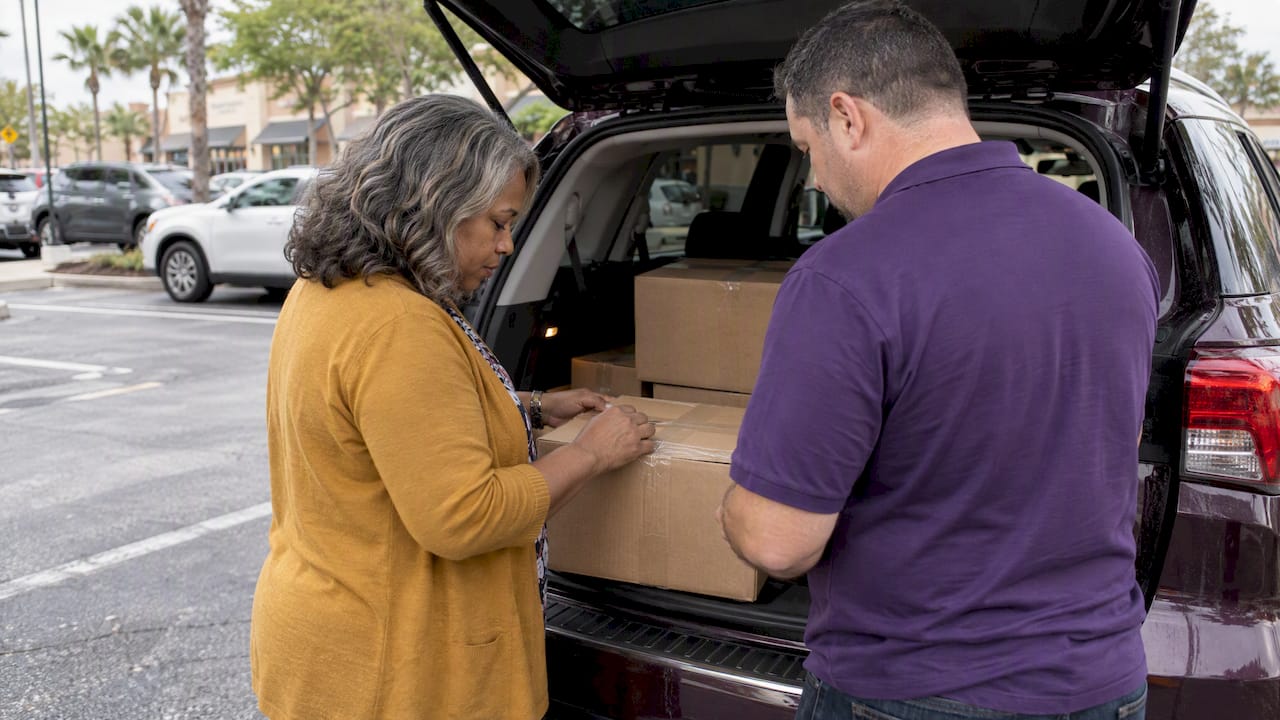
We are a local buyer in Orlando and the surrounding area. You bring sealed, unused, unexpired supplies, we inspect them in person, and we pay the same day. There is no shipping, no waiting for a check and no guessing about a payment.
Not sure what you have? Our page on types of diabetic items with cash value lists what we look for. When you are ready, start at Orlando Diabetic Supplies Buyback to ask about your items.
What to do if you can’t sell your meter
If no one wants it, you still have good options.
- Check the manufacturer. Some brands run trade-in or replacement programs when you move to a newer system.
- Ask your pharmacist or diabetes educator. Clinics sometimes know of programs that accept unused, sealed meters for people without coverage. Ask before you drop anything off, since many programs refuse used meters.
- Contact local charities. Call your area diabetes association or community health center and ask what they take. Most prefer sealed, unexpired items.
- Recycle electronics. A used meter is a small electronic device with a battery. A local electronics recycling program is a better choice than the trash.
- Dispose of it properly. If it was wet or contaminated, follow FDA guidance and discard it. Lancets and anything with blood on it belong in a sharps container, not loose in a bag.
- Keep it as a backup. A working spare meter is a sensible thing to have if your CGM fails or a sensor falls off.
Do not hand a used meter to a friend or relative with diabetes. Because meters are single-patient devices, sharing carries real infection risk.
FAQ
Can I sell a used glucose meter?
You can, but it is hard and not advisable in most cases. The FDA says OTC meters are for single-patient use, so a used meter should not be passed to another person to test their blood. If you sell one, say clearly that it was used, and expect little interest. Sealed, unused meters are much easier to sell.
Can I sell a glucose meter that Medicare or Medicaid paid for?
Check first. Medicare covers meters, strips and CGMs so that you can manage your own diabetes, and rules for reselling covered items are not always obvious. Call your plan’s member services or ask your supplier before you sell, and read our Medicare resale guide for Florida.
Is a meter worth more than test strips?
Usually not. Meters are often given away, while sealed strips, sensors and pods hold more value. Brand, expiration and packaging decide the price. Our fair market value guide explains how strips are priced.
Is it safe to buy a glucose meter secondhand?
The safest choice is a new meter from a pharmacy or the manufacturer. The FDA says to use new test strips authorized for sale in the United States, and a secondhand meter may pair with strips of unknown origin. If you are shopping on a budget, ask your pharmacist about low-cost new meters first.
Where can I sell unused diabetic supplies in Orlando?
We buy sealed, unexpired test strips, Dexcom sensors, FreeStyle Libre sensors and Omnipod pods for same-day cash. Meet us in a public place, we inspect the items and pay on the spot. You can start with our guide to getting cash for unused supplies.
Sources
- FDA: Over-the-Counter (OTC) Medical Devices
- FDA: General Controls for Medical Devices
- FDA: How to Safely Use Glucose Meters and Test Strips for Diabetes
- New Jersey P.L. 2019, c.388
- Medicare: Coverage of Diabetes Supplies, Services and Prevention Programs
- FDA: Blood Glucose Monitoring Devices
- FDA: Medical Devices that Have Been Exposed to Heat and Humidity
- FDA: Disposal of Contaminated Devices