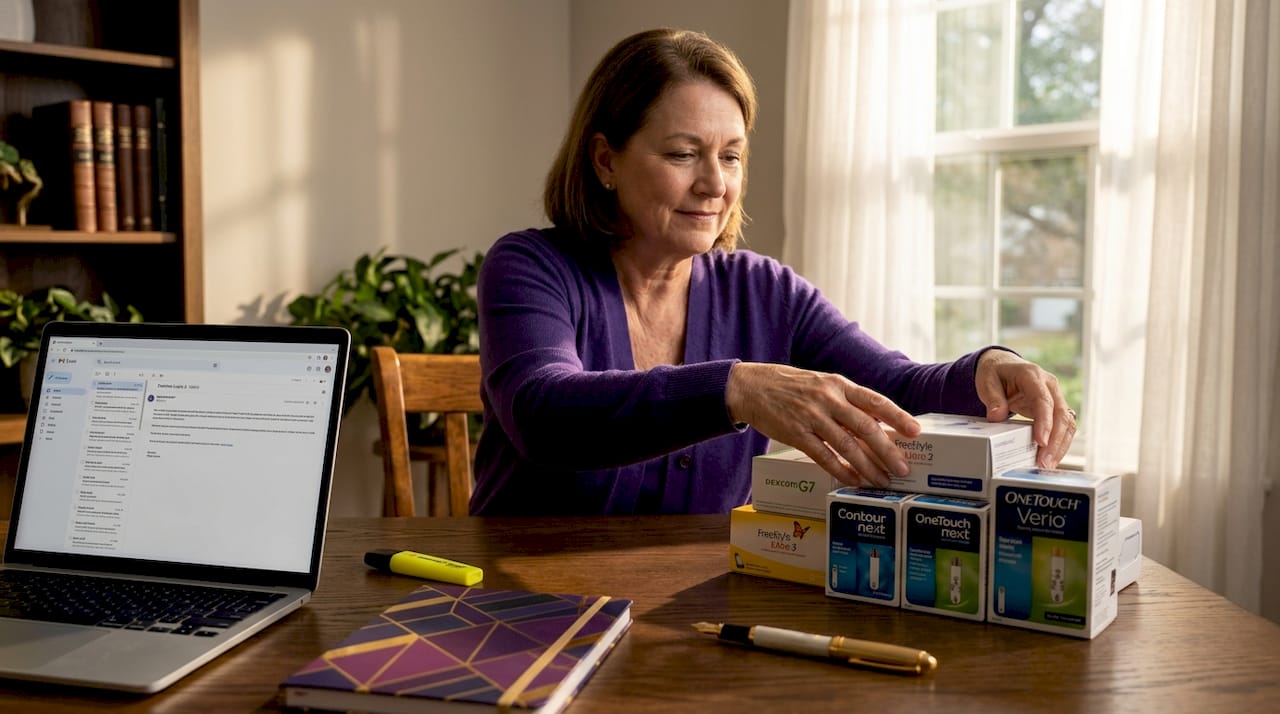
Selling previous diabetes device supplies is the process of converting unused or excess diabetic devices and consumables into cash through resale platforms, local buyers, or direct buyback programs. If you have sealed boxes of Dexcom G6 or G7 sensors, Freestyle Libre readers, Omnipod pods, or unopened test strips sitting in a drawer, those items have real market value right now. The diabetes supplies marketplace is active, and reputable buyers offer one- to two-business-day payments with prepaid shipping labels. This guide walks you through exactly what to sell, where to sell it, how to prepare your items, and what risks to avoid.
What diabetes supplies can you sell and what should you avoid?
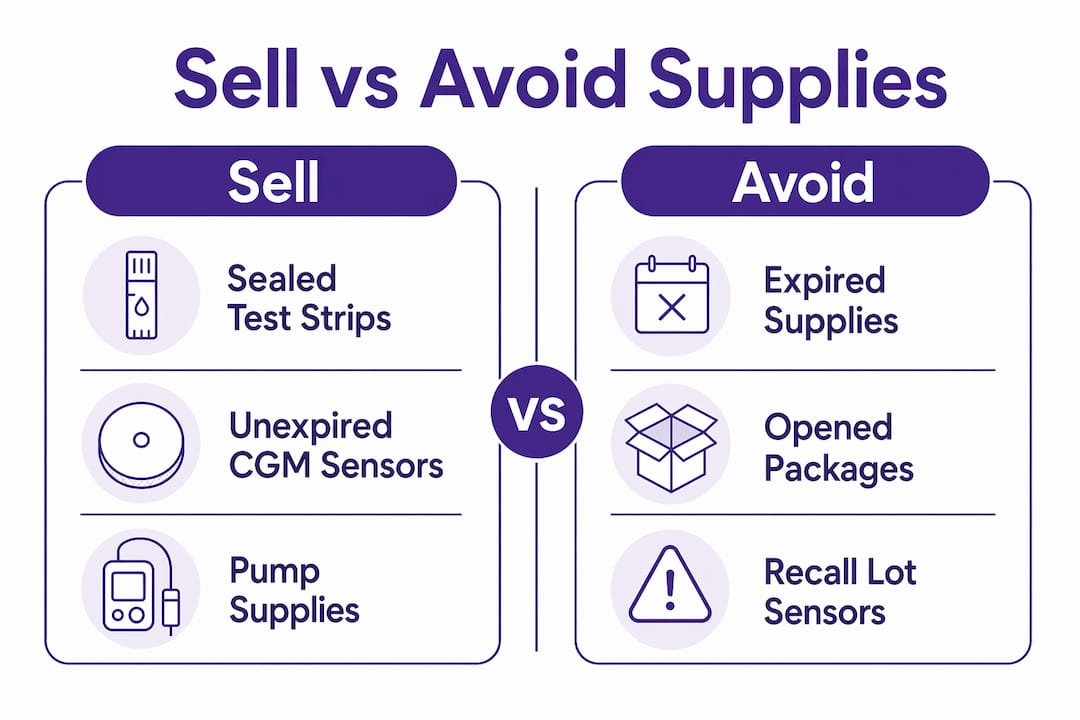
Not every item in your diabetes kit qualifies for resale. Knowing the difference protects you legally and keeps buyers safe.
Items commonly accepted for resale:
- Sealed, unexpired test strips (Accu-Chek, OneTouch, Contour, FreeStyle)
- Unopened CGM sensors (Dexcom G6, Freestyle Libre 2 and 3)
- Unused Omnipod pods and PDMs
- Tandem Diabetes Care cartridges and infusion sets
- Lancets and lancing devices in original, sealed packaging
- Insulin pump supplies still in factory-sealed boxes
The single most important rule is this: items must be unopened and within their expiration date. Buyers in the diabetes supplies marketplace will reject anything with a broken seal, a missing lot number, or an expiration date within 90 days. This is not just a preference. It is a safety standard that reputable buyers enforce without exception.
Items you should not attempt to sell:
- Any CGM sensor or device with a compromised or unknown lot number
- Previously owned diabetes devices that show signs of use or damage
- Supplies with missing or altered packaging
- Items from lots flagged by manufacturers
The Dexcom G7 situation is the clearest example of why lot verification matters. Two stolen G7 sensor lots were identified in the resale market. One carries an infection risk if not properly sterilized, and the other has an elevated internal testing failure rate. Selling or buying from these lots puts people at real health risk.
Pro Tip: Before listing any CGM sensors, check the lot number against Dexcom’s official safety notices. You can find current alerts on the Dexcom website or through your pharmacist.
Where and how to sell your previous diabetes device supplies
Several options exist for selling diabetic equipment, and each has different tradeoffs in speed, convenience, and payout.
Your main options ranked by speed:
- Local buyback services. Orlando Diabetic Supplies Buyback pays same-day cash for qualifying supplies in the Orlando, Florida area. You bring your items in, they verify condition, and you leave with money. No shipping, no waiting.
- Direct mail-in buyback programs. These programs send you a prepaid label, you ship your supplies, and payment arrives within one to two business days of receipt. This works well if you are outside a local buyer’s service area.
- Online diabetes supplies marketplaces. Peer-to-peer platforms let you list previously owned diabetes devices directly to buyers. Payouts can be higher, but the process takes longer and requires more effort on your part.
- Donation programs. If cash is not your priority, organizations like Insulin For Life (IFL-USA) are licensed to redistribute in-date, unopened supplies to people in need. This is a meaningful alternative when supplies are close to expiration or when you simply want to help.
How the mail-in process works, step by step:
- Gather your supplies and check that every item is sealed, unexpired, and undamaged.
- Contact the buyback service to get a quote and a prepaid shipping label.
- Pack items securely in a box with original packaging intact.
- Drop the package at the carrier location listed on your label.
- Receive payment by check, PayPal, or Zelle once the buyer confirms condition.
Selling vs. donating: a quick comparison
| Factor | Selling for cash | Donating to charity |
|---|---|---|
| Financial return | Yes, immediate payout | None |
| Speed | 1 to 2 business days (mail-in) or same-day (local) | Varies by organization |
| Eligibility requirements | Unopened, unexpired, lot-verified | Unopened, unexpired |
| Best for | Financial relief, clearing excess inventory | Giving back, near-expiry items |
For a deeper look at which path fits your situation, the donation vs. selling comparison from Orlando Diabetic Supplies Buyback breaks down the decision clearly.
Pro Tip: If you have a mix of items, sell the high-value CGM sensors and pump supplies for cash, then donate test strips that are closer to expiration. You maximize both your payout and your impact.
How to prepare and package diabetes supplies for sale
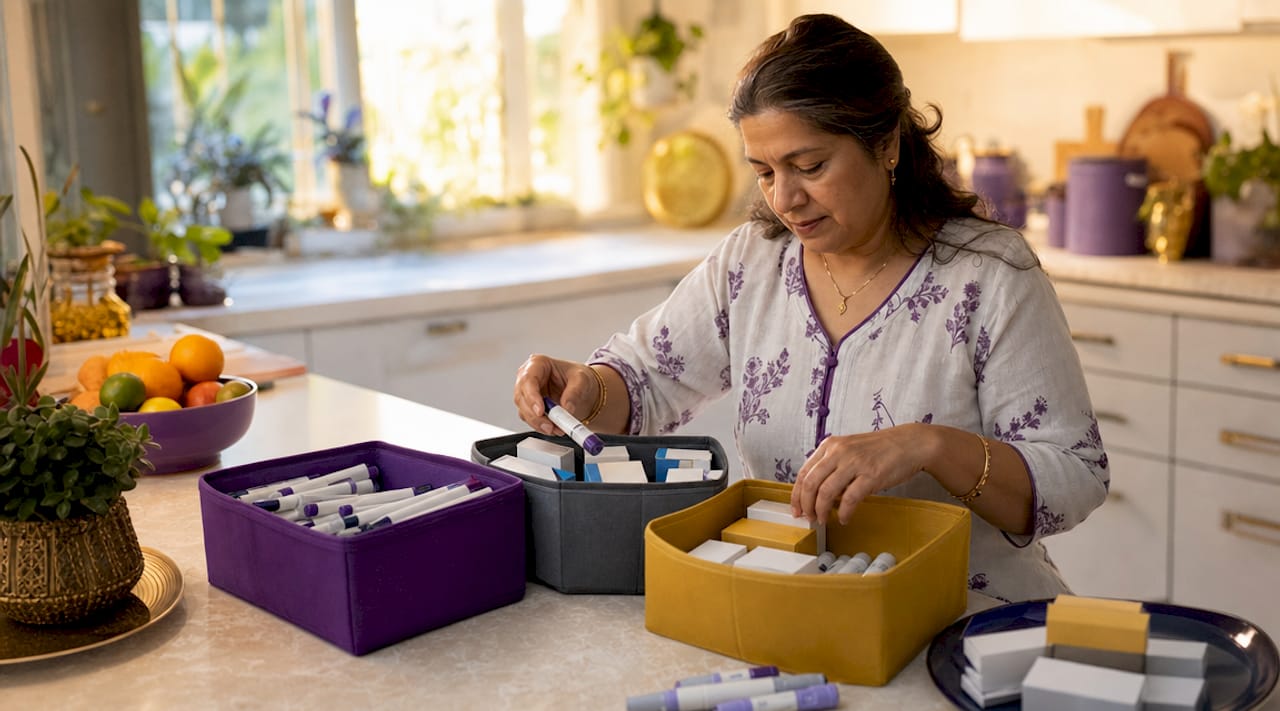
Preparation directly affects how fast your sale closes and how much you receive. Buyers process dozens of shipments daily, and well-organized packages get reviewed and paid faster.
Follow this checklist before you ship or bring in your supplies:
- Verify the seal. Every box must have an intact manufacturer seal. If the outer wrap is torn or missing, the item will be rejected.
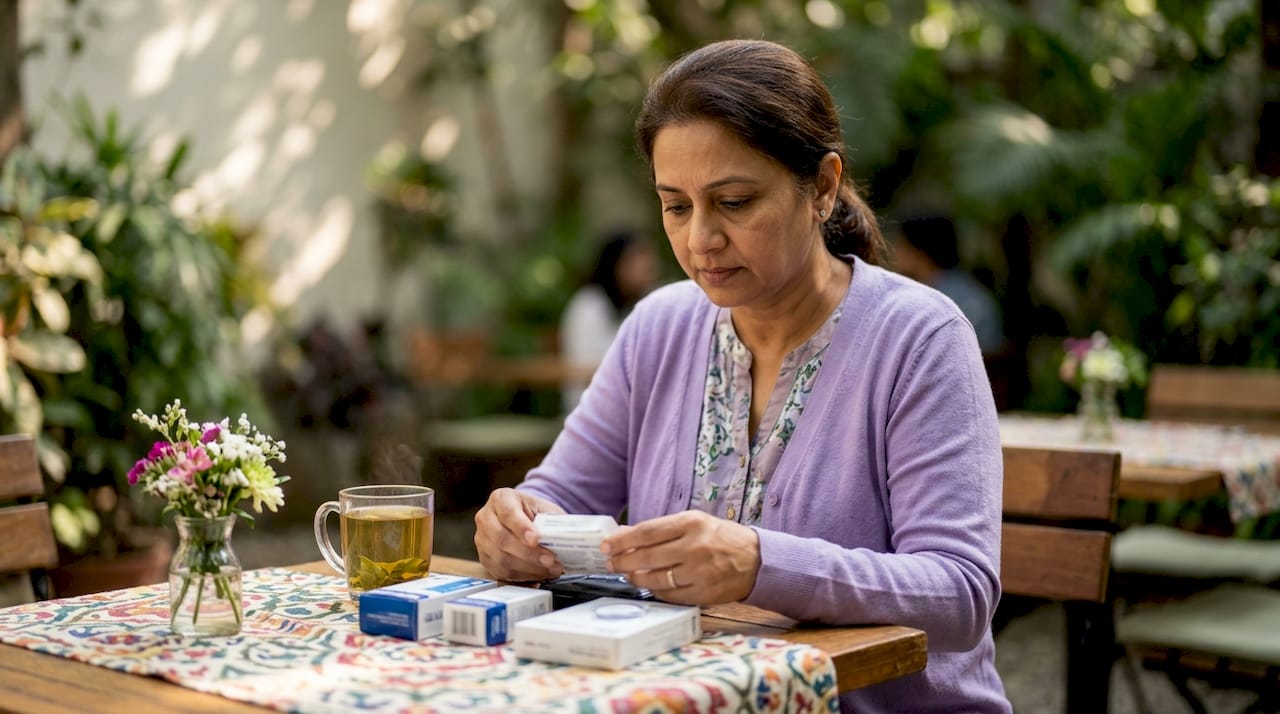
- Check the expiration date. Most buyers require at least 90 to 180 days of shelf life remaining. Check each box individually, not just the outer carton.
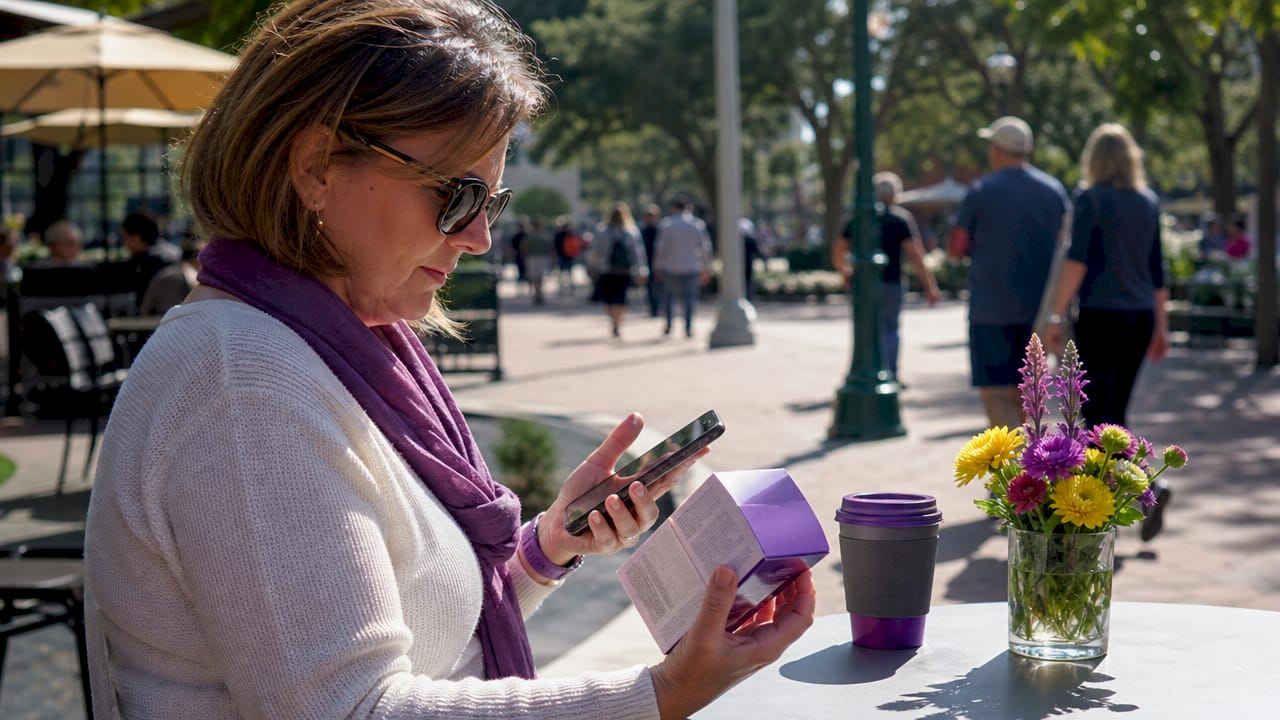
- Confirm the lot number is readable. The lot number must be clear and unaltered. This is especially critical for CGM sensors given the documented resale of scrapped lots.
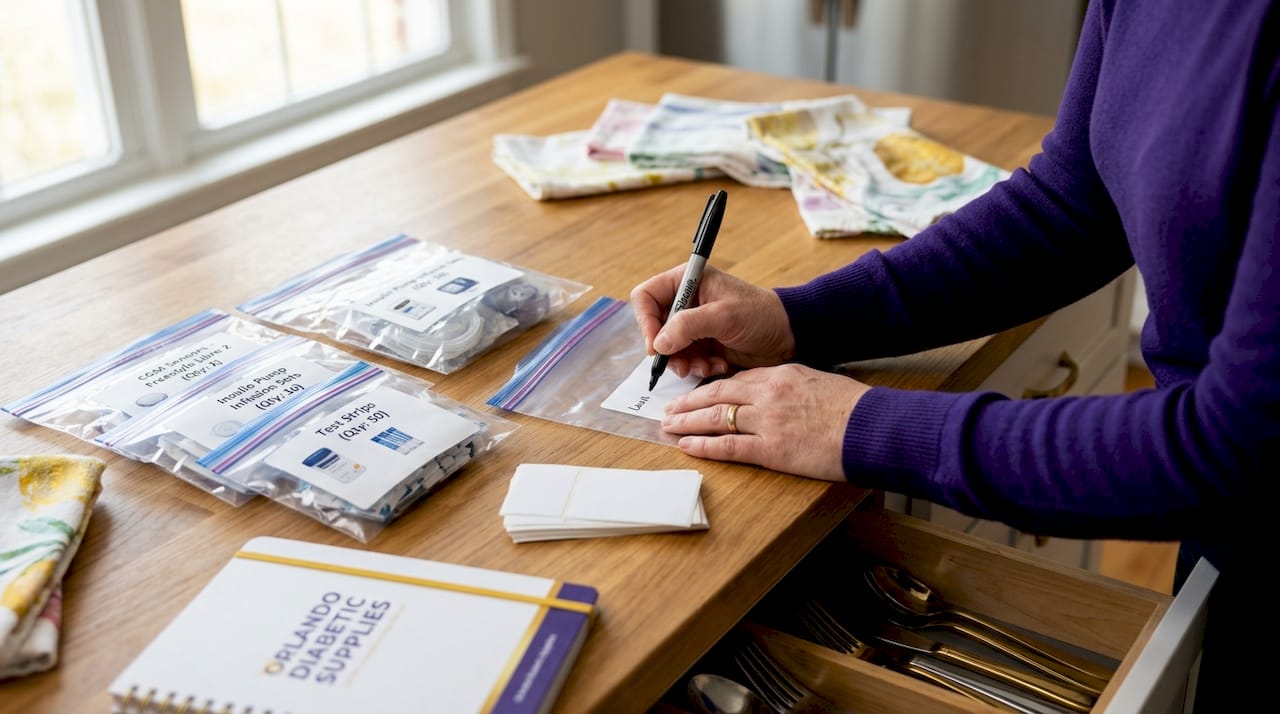
- Group by brand and type. Separate Dexcom from Freestyle Libre, and test strips from pump supplies. This speeds up the buyer’s verification process.
- Use original packaging when possible. Shipping a Dexcom G6 sensor in its original retail box protects it better than a generic bag and signals to the buyer that the item was stored properly.
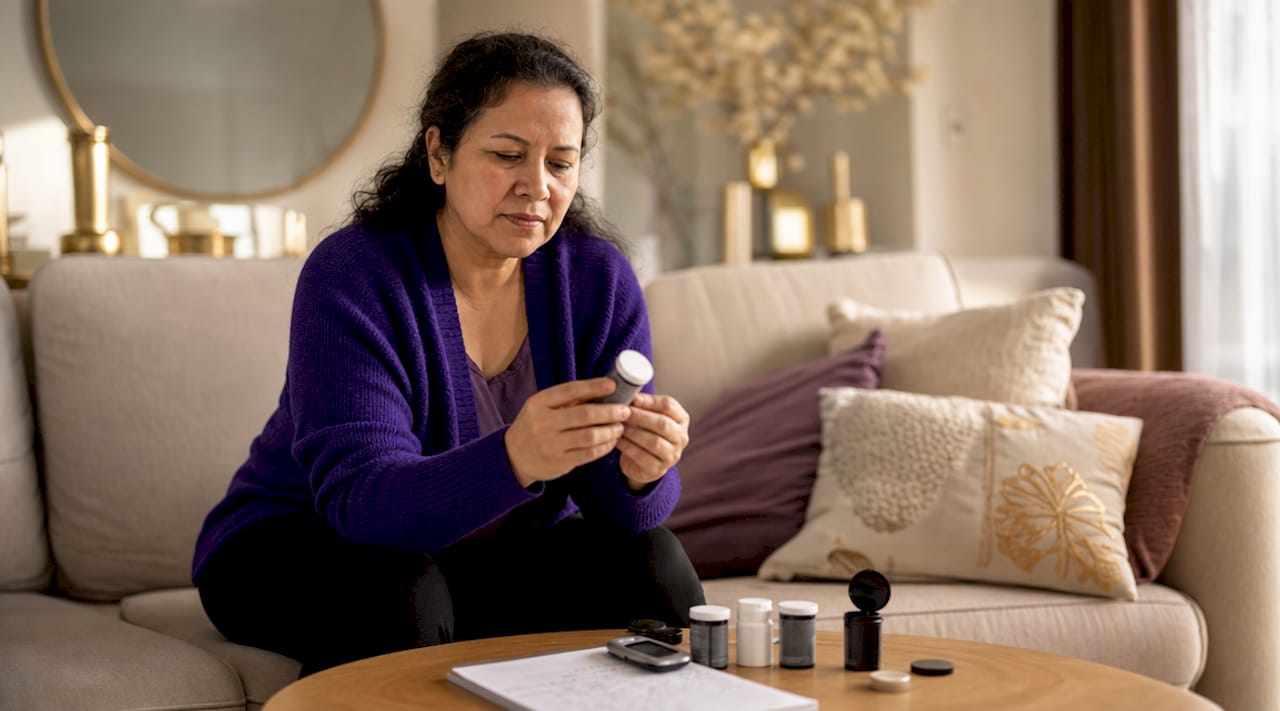
- Photograph everything before shipping. Take clear photos of each item, the lot number, and the expiration date. This protects you if a dispute arises.
Packaging and organizing supplies carefully is one of the most consistent factors in getting a smooth, fast payout. Buyers who receive a clean, organized shipment move through verification in minutes rather than hours.
The most common packaging mistake is combining different brands in a single bag without labels. A buyer who has to sort through a mixed pile of Accu-Chek strips, Omnipod pods, and Freestyle sensors will take longer to process your shipment. Keep everything separated and clearly identified.
What are the biggest risks when selling diabetic supplies?
Selling diabetes care items carries real risks if you skip verification steps. The risks fall into three categories: safety, legal, and financial.
Safety risks are the most serious. CGM and pump products carry a higher risk of quality compromise than basic over-the-counter consumables like test strips. Dexcom’s documented case of scrapped G7 sensors resold through unauthorized distributors is the clearest proof of this. Those sensors were pulled from production for failing quality standards, then sold into the secondary market. A person using a failed sensor could receive inaccurate glucose readings with serious health consequences.
Safety warning: Dexcom traced specific G7 sensor lots to unauthorized distributors after they were scrapped from the production line. Unauthorized resale of scrapped lots poses infection and device failure risks for end users. Always verify lot numbers before selling or buying CGM sensors.
Legal risks are real but avoidable. Selling supplies that were obtained through Medicare or Medicaid may violate federal law in some states. Reselling prescription devices without proper documentation can also create liability. Understanding regulated medical device retail rules before you list anything protects you from unintended violations.
Financial risks come from grey market buyers who accept anything without verification, then dispute the condition after receiving your shipment. Stick to reputable buyback services with clear terms, published pricing, and verifiable reviews. If a buyer offers no published lot policy and no clear dispute process, that is a warning sign.
The safest path is to work with buyers who are transparent about what they accept, publish their lot eligibility standards, and pay through traceable methods like PayPal or Zelle rather than cash-only arrangements.
Key takeaways
Selling previous diabetes device supplies safely and profitably requires verified items, reputable buyers, and proper packaging before any transaction begins.
| Point | Details |
|---|---|
| Sellable items | Sealed, unexpired test strips, CGM sensors, pump supplies, and lancets in original packaging. |
| Lot verification is non-negotiable | Dexcom identified stolen G7 sensor lots in the resale market; always confirm lot numbers before selling. |
| Fastest payout method | Local buyback services like Orlando Diabetic Supplies Buyback pay same-day cash for qualifying items. |
| Donation is a real alternative | Insulin For Life accepts in-date, unopened supplies and redistributes them to people who cannot afford care. |
| Packaging affects speed | Organized, brand-separated shipments get verified and paid faster than mixed, unlabeled packages. |
What I’ve learned from watching this market closely
I have seen a lot of people leave money on the table because they assumed their supplies were not worth selling. A single box of Dexcom G6 sensors or a month’s worth of Omnipod pods can bring in meaningful cash, especially when you are dealing with a change in prescription, a switch in devices, or a loved one who no longer needs their supplies.
What surprises most people is how active the demand side of this market is. There are real buyers looking for sealed, in-date supplies every day. The challenge is not finding a buyer. The challenge is making sure you are selling to the right one.
The Dexcom G7 scrapped sensor situation changed how I think about CGM resale. Before that story broke, lot verification felt like a formality. Now it is the first thing I check. If you are selling Dexcom G7 sensors specifically, I recommend reading the current safety guidance before you do anything else. Not because selling them is impossible, but because knowing which lots are flagged protects both you and the person buying from you.
My honest advice: do not rush the process. Take ten minutes to photograph your items, check expiration dates, and confirm lot numbers. That ten minutes is the difference between a smooth same-day payout and a rejected shipment that costs you time and shipping fees.
— Liliana
Turn your unused supplies into cash with Orlando Diabetic Supplies Buyback
If you have sealed Dexcom G6 or G7 sensors, Freestyle Libre supplies, Omnipod pods, or unopened test strips, Orlando Diabetic Supplies Buyback pays same-day cash in the Orlando, Florida area. The process is straightforward: bring your supplies in, get a fair quote, and walk out with money the same day.
Not local to Orlando? The mail-in cash program includes a prepaid shipping label and pays within one to two business days of receiving your supplies. Orlando Diabetic Supplies Buyback accepts Tandem Diabetes Care cartridges, Accu-Chek strips, and most major brands. Fair pricing, fast communication, and no guesswork. Visit cashfordiabeticsuppliesorlando.com to get started today.
FAQ
What diabetes supplies can I sell for cash?
Sealed, unexpired test strips, CGM sensors (Dexcom G6, Freestyle Libre), Omnipod pods, and pump supplies in original packaging are the most commonly accepted items. Items must be unopened and have a readable, unaltered lot number.
Is it legal to sell unused diabetic supplies?
Selling personally purchased, unused diabetic supplies is generally legal, but supplies obtained through Medicare or Medicaid may be subject to restrictions depending on your state. Always confirm the source of your supplies before listing them for sale.
How fast can I get paid for my diabetes supplies?
Local buyback services like Orlando Diabetic Supplies Buyback pay same-day cash. Mail-in programs that offer prepaid shipping labels typically pay within one to two business days of receiving and verifying your shipment.
Why are some Dexcom G7 sensors not safe to sell?
Dexcom identified two specific G7 sensor lots that were scrapped from production and resold through unauthorized distributors. One lot carries an infection risk and the other has an elevated device failure rate. Sellers and buyers should verify lot numbers against Dexcom’s official safety notices before any transaction.
What should I do with supplies that are too close to expiration to sell?
Supplies that are within 90 days of expiration are typically rejected by resale buyers. Organizations like Insulin For Life accept in-date, unopened supplies and distribute them to people who cannot afford diabetes care, making donation a practical alternative.