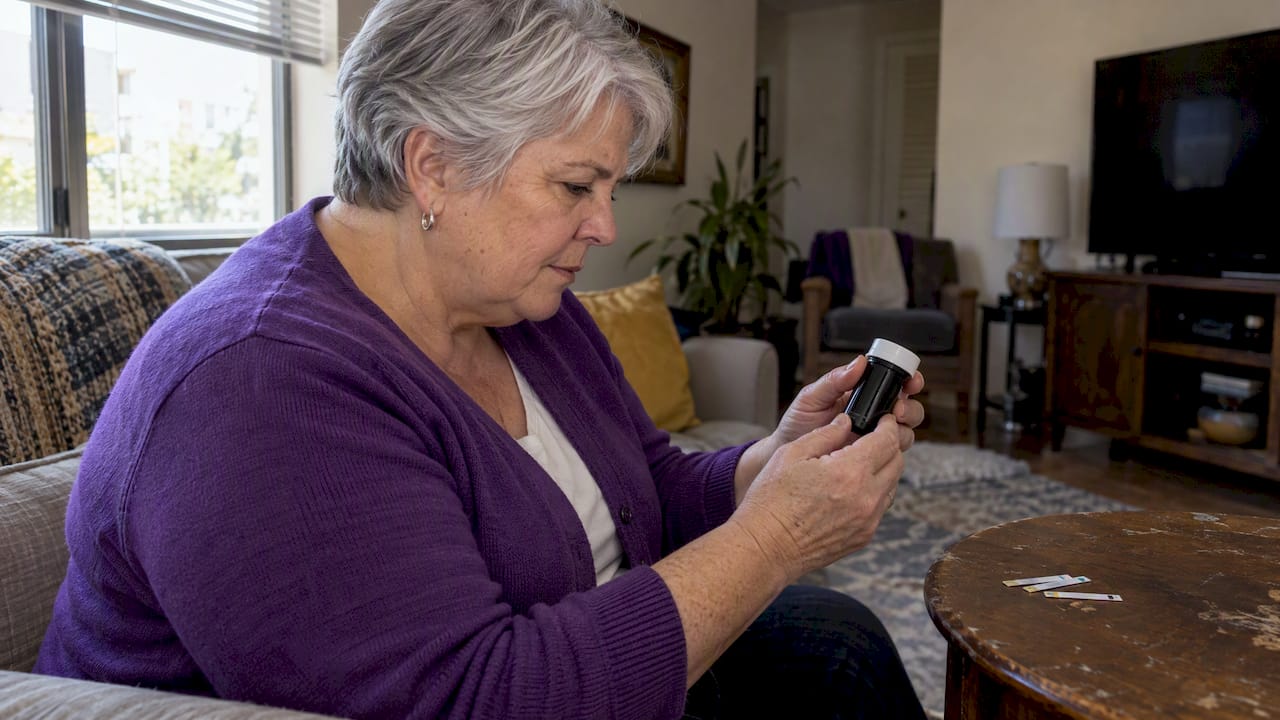

Don’t buy, sell, or use pre-owned or opened test strips, and never give your Medicare or insurance number to someone who calls you out of the blue. That’s the single rule that prevents most diabetic supply fraud. If a caller or online seller offers “free” or deeply discounted strips, treat it as a scam attempt, not a bargain.
Here’s what to do right now if you’ve been approached:
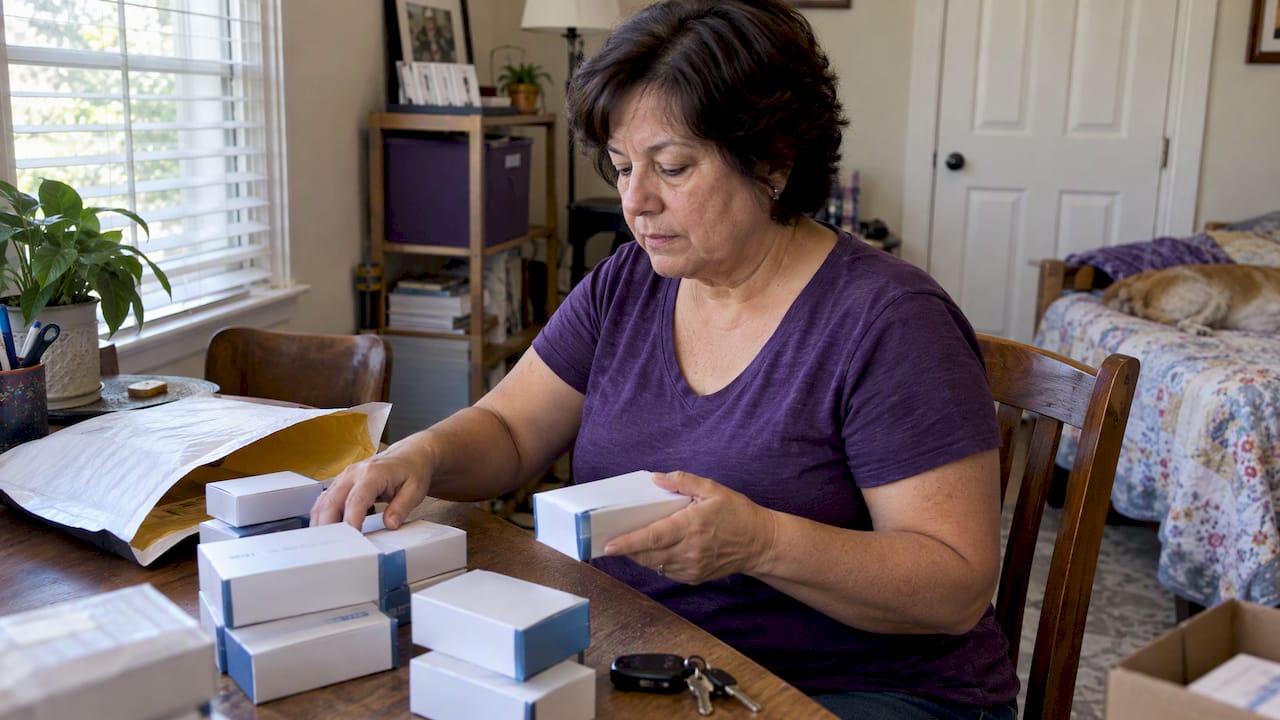
- Refuse or return anything you didn’t order, and don’t sign for unexpected deliveries.
- Never share your Medicare number, insurance ID, or bank details over the phone or by text.
- Photograph the packaging, save any mailers, and write down the caller’s number and what they said.
Pro Tip: Report suspicious offers immediately to the OIG Hotline, FDA MedWatch, and follow guidance from the American Diabetes Association. Acting within days, not weeks, helps investigators trace the scheme while records are still fresh.
Key Takeaways
Avoiding test strip scams comes down to buying only new sealed supplies, guarding your Medicare and insurance information, and reporting suspicious offers immediately.
| Point | Details |
|---|---|
| Never share Medicare details | Unsolicited callers asking for your Medicare or insurance number are almost always running a scam. |
| Inspect before you buy | Check for factory seals, matching lot numbers, and unaltered expiration dates before accepting any offer. |
| Report fast, with details | Give the OIG Hotline or FDA MedWatch photos, lot numbers, and call dates to make your report actionable. |
| Sell through verified channels | Sell only sealed, unused supplies through a legitimate in-person buyer with documentation. |
Official Websites to Report or Learn More
- OIG Fraud Alert and Reporting
- FDA MedWatch Safety Reporting
- ADA Scam Alert Guidance
- HHS OIG Tips and Complaints Portal
This article is general information, not a substitute for advice from a qualified doctor. Consult a qualified healthcare professional about your own circumstances before acting on anything here.
Table of Contents
- How Scammers Target People With Diabetes
- Why Pre-Owned or Tampered Test Strips Put Your Health at Risk
- Red Flags Checklist: How to Vet Any Offer or Listing
- If You Were Targeted or Billed: Your Next Steps
- Safe Ways to Get Test Strips Without the Risk
- Where to Report Fraud and What Local Experience Adds
- Ready to Turn Unused Supplies Into Cash the Safe Way?
- What This Guide Gets Right That Others Miss
- Sources
How Scammers Target People With Diabetes
Fraud aimed at people with diabetes usually follows a script, and once you’ve heard it once, it’s easy to recognize the second time.
- The Medicare impersonation call. Someone claims to represent Medicare, a diabetes charity, or your insurance plan and offers “free” test strips or a meter upgrade. They just need your Medicare number to “verify eligibility.” Real Medicare representatives never ask for this over an unsolicited call.
- The buy-back pitch. A stranger offers cash for your unused supplies, then asks for your insurance information “for records,” or tries to purchase strips obtained through someone else’s coverage. The OIG fraud alert specifically warns that these offers are frequently a front for identity theft and fraudulent billing.
- The marketplace listing. Online ads show stock photos instead of the actual box, list a price far below retail, or ask for payment through gift cards or wire transfer.
All three tactics rely on urgency and secrecy. Scammers push you to act before you can think it through or ask a family member.
Why Pre-Owned or Tampered Test Strips Put Your Health at Risk
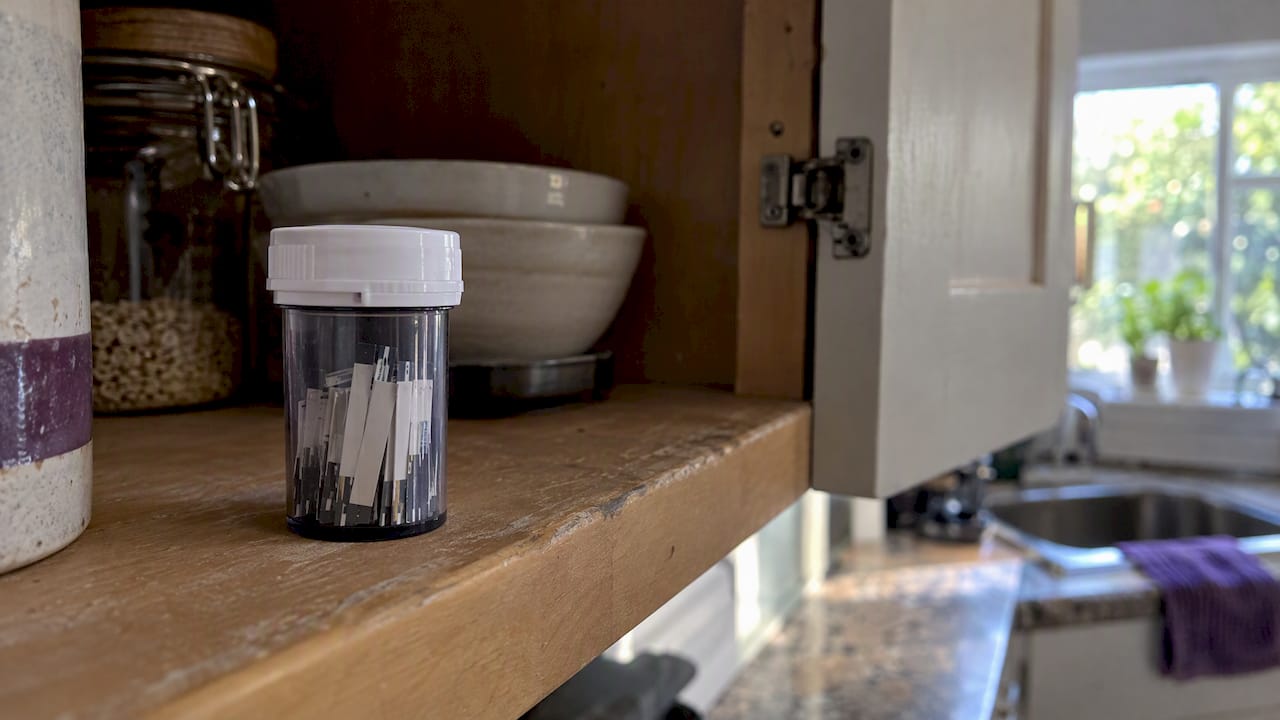
Test strips are chemically sensitive, and that’s exactly what makes secondhand strips dangerous. Heat, humidity, and time break down the reagent coating that reacts with your blood sample, and a strip stored in someone’s car or garage for months can throw off your reading without any visible sign of damage.
The FDA has directly warned consumers against using pre-owned or second-hand test strips, noting that unknown storage history and possible tampering can both distort results and introduce infection risk if a vial has been opened.
Consider what that means in practice:
- An opened vial exposed to air degrades faster, even if it looks sealed from the outside.
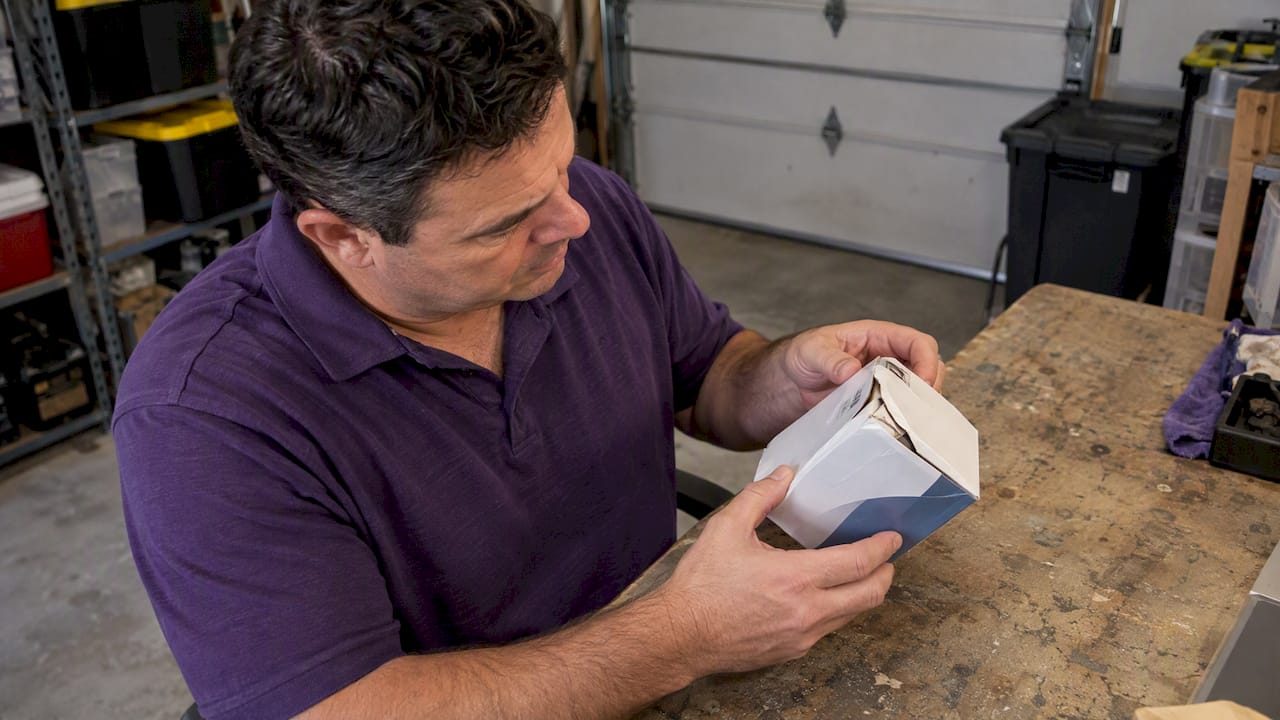
- A tampered or refilled vial may contain strips from a different lot, with expiration dates that no longer match.
- A false low or high reading can lead you to take the wrong insulin dose, which is a real medication error, not just an inconvenience.
Proper storage matters even for strips you already own; common storage mistakes can degrade accuracy before you ever open a fresh box.
Red Flags Checklist: How to Vet Any Offer or Listing
Run through this list before you hand over money or personal information to anyone selling or offering test strips.
- Do they ask for your Medicare number, insurance ID, or bank routing number before you’ve even seen the product? Walk away.
- Does the box look resealed, or do the lot number and expiration date look mismatched or altered?
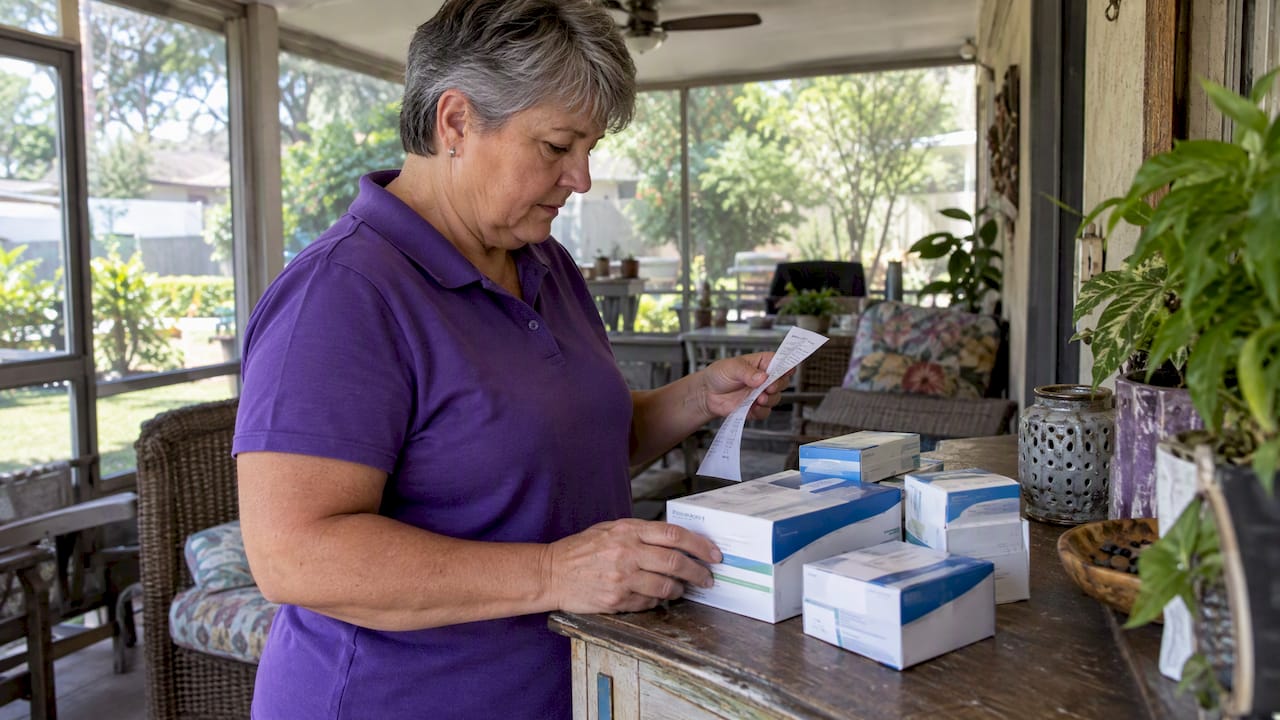
- Will the seller send clear photos of the sealed packaging, including the lot number, before you commit to buying?
- Are they pressuring you to decide today, pay by wire transfer, or meet somewhere unusual?
- Can they provide a real phone number and, ideally, proof of a registered business?
Pro Tip: A legitimate local buyer will always let you inspect supplies in person and hand you a receipt on the spot. If a seller refuses that, treat it as a hard no, not a maybe.
If You Were Targeted or Billed: Your Next Steps
If you’ve already given information to a suspicious caller or received an unexpected charge, move through these steps in order.
- Refuse delivery or return any unrequested item, and keep a photo of the packaging and shipping label.
- Pull your Medicare Summary Notice or insurance claim statement and check for supplies you never ordered.
- Report the incident to the OIG Hotline, file a report with FDA MedWatch, and file a complaint with the Better Business Bureau.
- Contact local police if money or banking details changed hands.
- Monitor or freeze the affected financial account if you shared numbers by phone or online.
A few extra habits go a long way here:
- Keep a written log of dates, names, and phone numbers for every suspicious contact.
- Tell your pharmacist or clinician if you suspect your insurance was billed for supplies you didn’t order.
For general guidance on protecting personal information from unsolicited callers, Medicare scam prevention resources cover many of the same tactics scammers use against diabetes patients.
Safe Ways to Get Test Strips Without the Risk
You don’t need to gamble on a stranger’s listing to save money on strips. Licensed pharmacies, manufacturer websites, and your insurer’s mail-order program remain the safest sources, and buying new sealed strips through these channels is consistently the advice from consumer resources tracking this issue.
A few practical options worth asking about:
- Ask your clinician about lower-cost meters that use cheaper, still-legitimate compatible strips.
- Check whether the manufacturer offers a patient assistance program or coupon, especially if cost is the reason you’re considering a secondary market.
- If you have unused, sealed, unexpired strips you no longer need, sell them through a legitimate local buyer with clear documentation rather than an anonymous online listing. Selling sealed test strips legally walks through what “legal” actually requires.
Brand and meter compatibility matters too. Mismatched strips and meters can produce inaccurate readings even when the strips themselves are genuine.
Where to Report Fraud and What Local Experience Adds
Each reporting channel serves a different purpose, and using the right one gets your complaint to people who can actually act on it. The OIG Hotline investigates Medicare billing fraud. FDA MedWatch tracks unsafe or tampered medical products nationally. The Better Business Bureau logs consumer complaints against specific sellers, and your insurer’s fraud line can flag a claim before it’s paid out.
When you report, include photos of packaging, lot and expiration numbers, any billing statement, and the date and time of the contact, since these details are what investigators need to act.
Orlando Diabetic Supplies Buyback buys sealed, unexpired supplies, including Dexcom G6 and G7 sensors, Freestyle Libre, Omnipod, and major test strip brands, in person with same-day cash. That in-person model exists precisely because it removes the anonymity scammers depend on. If you’re considering selling instead of discarding extra supplies, our guide to getting cash for unused diabetic supplies explains what a legitimate transaction looks like. Always confirm any supply change with your clinician first.
| Report to | What they handle |
|---|---|
| OIG Hotline | Medicare billing fraud and unsolicited supply schemes |
| FDA MedWatch | Tampered, unsafe, or counterfeit medical products |
| BBB | Consumer complaints against specific sellers or companies |
| Your insurer’s fraud line | Claims billed without your authorization |
Ready to Turn Unused Supplies Into Cash the Safe Way?
If you’ve got sealed, unexpired test strips, CGM sensors, or Omnipod supplies sitting in a drawer, there’s a legitimate way to turn them into cash without the risk of a shady online listing. Orlando Diabetic Supplies Buyback inspects your supplies in person and pays same-day cash on the spot, no shipping, no anonymous buyer, no guessing whether the transaction is legal. Check out how to get cash for unused diabetic supplies to see how the process works before you consider any other option.
What This Guide Gets Right That Others Miss
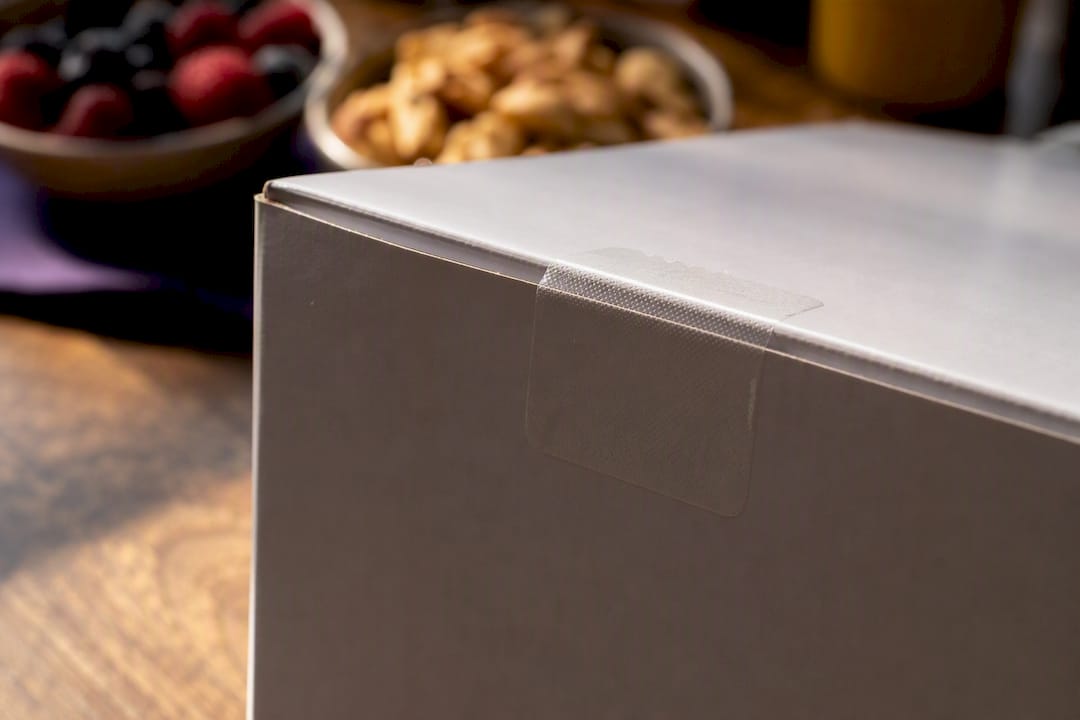
Most scam-prevention advice stops at “don’t answer unknown callers,” and that’s not nearly specific enough. The real gap is in the middle ground: readers know phone scams exist, but they underestimate how normal a fraudulent buy-back offer or marketplace listing can look. A resealed box with a slightly altered expiration date doesn’t announce itself. It just looks like a decent deal.
The conventional advice also treats “selling your supplies” and “getting scammed” as the same risk, and they’re not. Selling sealed, unused strips you legitimately paid for isn’t the problem. The problem is supplies obtained through fraudulent insurance billing entering the resale chain, which is where the legal exposure actually sits. Readers should prioritize verifying provenance, whether they’re buying or selling, over simply avoiding all secondary transactions.
What actually protects you is boring and repeatable: check the seal, check the lot number, refuse to give out your Medicare number on a call you didn’t initiate, and report anything that feels off. Scammers count on you skipping that last step.
— Liliana
Sources
- Fraud Alert for People with Diabetes | Office of Inspector General
- How to Safely Use Glucose Meters and Test Strips for Diabetes | FDA
- Diabetic Test Strips: Where to Buy and How to Save | MyGlu