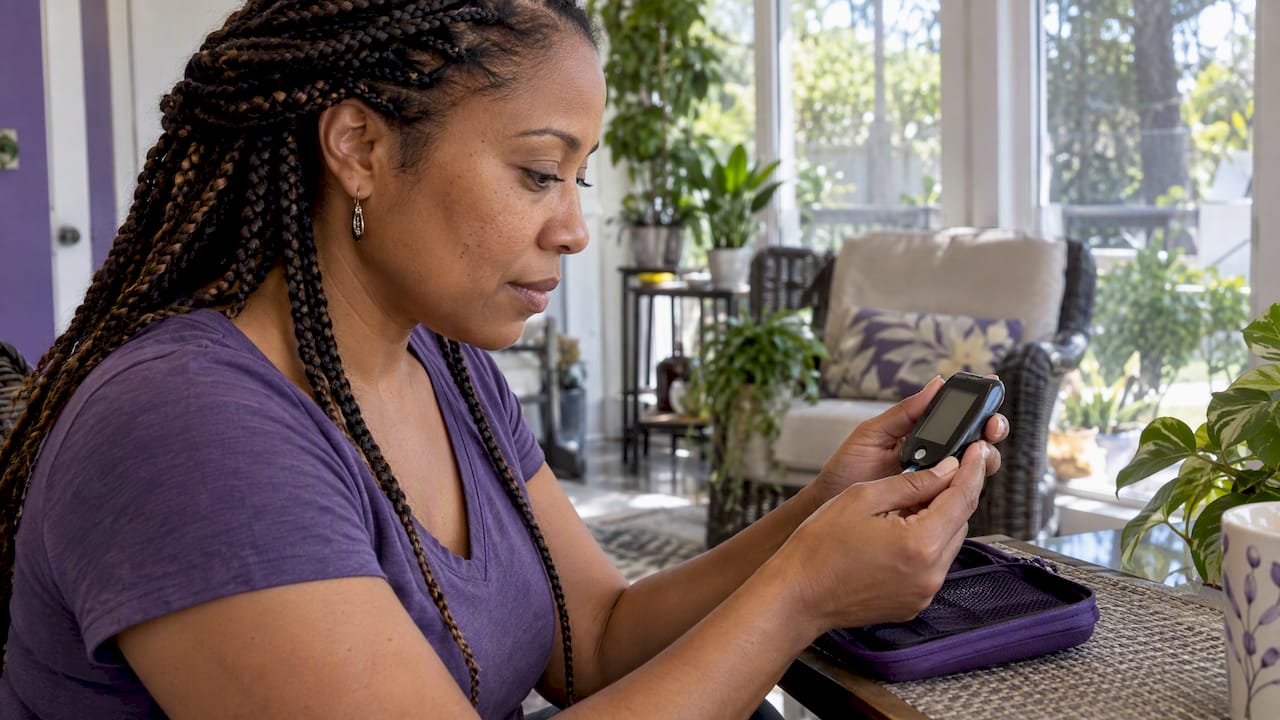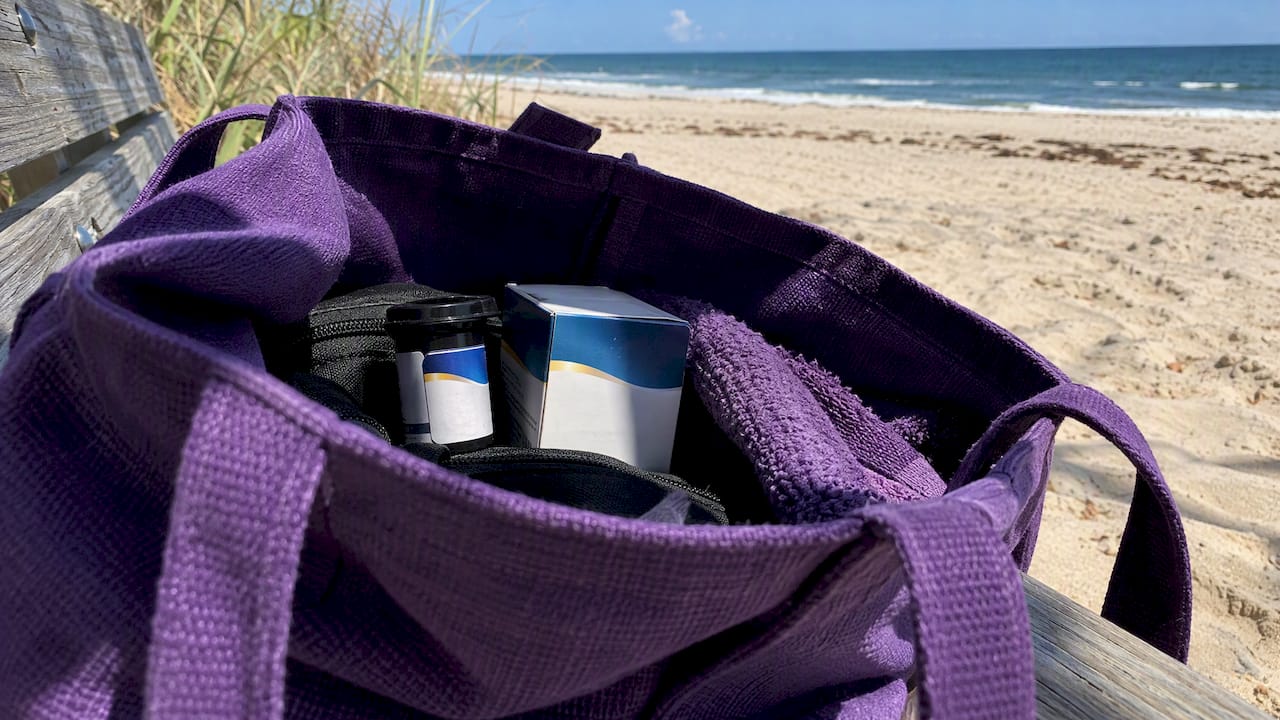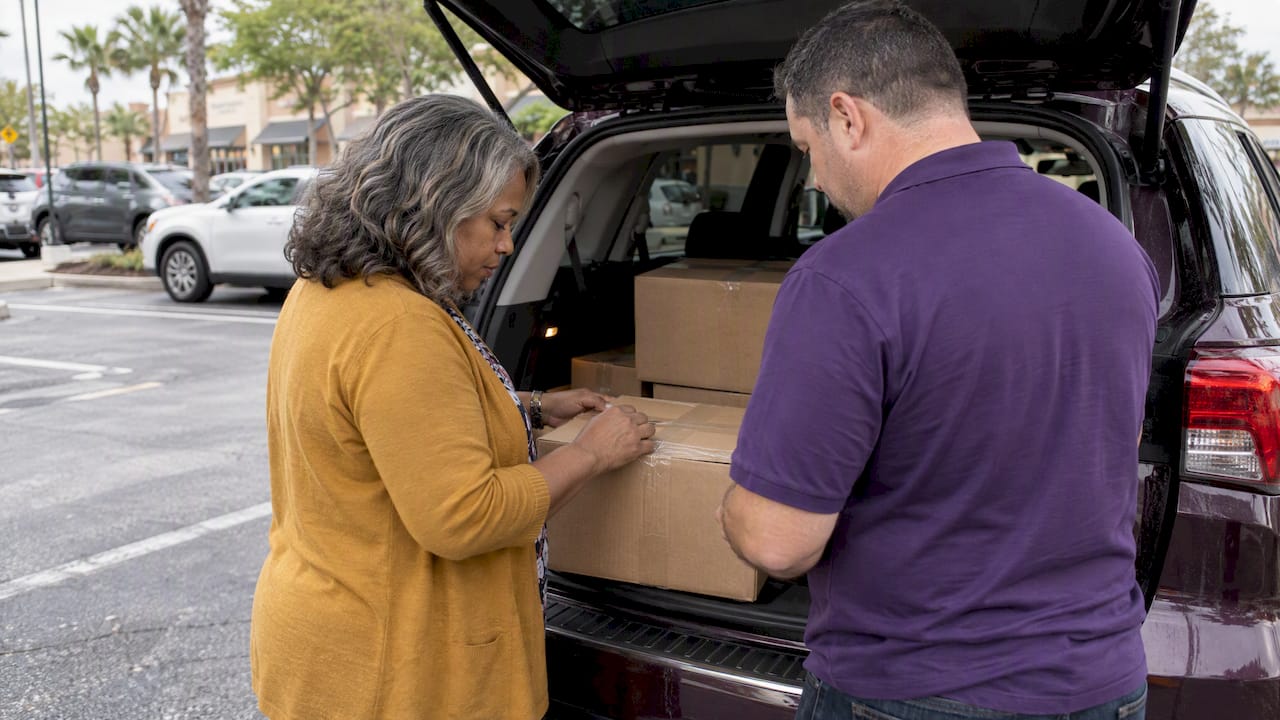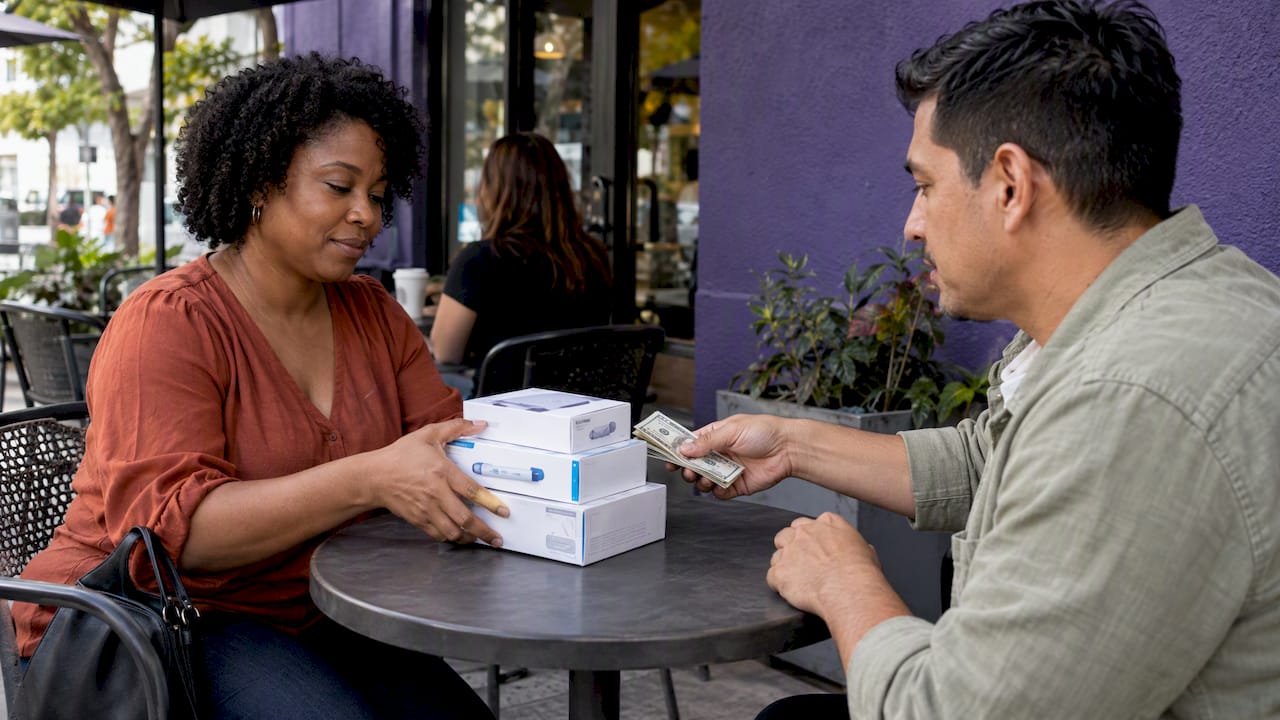
You can usually sell unused, sealed, unexpired CGM sensors in Florida if you paid for them yourself or got them through private insurance. Supplies paid for by Medicare or Medicaid need extra care before you sell. The safest route is a local, in-person sale where the buyer inspects the box and pays on the spot. This guide covers what to check first, how to prepare your sensors, what they are worth and how to avoid scams.
TL;DR
- Sealed, unopened, unexpired CGM sensors from private insurance or out-of-pocket purchases are the easiest to sell.
- Check how your supplies were billed first. Medicare and Medicaid add rules, and you should sort those out before you sell.
- Keep sensors in their original boxes, stored to the manufacturer’s label, and have your photo ID ready.
- Our published payouts: $70-90 per pack of Dexcom G7 and $15-20 per FreeStyle Libre 2 sensor.
- Meet in a safe public place in the Orlando area and get paid on the spot. No shipping, no waiting.
Table of Contents
- Why Florida residents end up with extra CGMs
- Is it legal to sell unused CGMs in Florida?
- Check how your CGMs were paid for
- What condition do your CGMs need to be in?
- How much is a CGM worth?
- Step by step: how to sell your CGMs
- Local meetup or mail-in: which is safer?
- Protect yourself from diabetes supply scams
- Perspective: what we see from sellers in Orlando
- Sell your sensors to us in Orlando
- FAQ
- Sources
Why Florida residents end up with extra CGMs
Most people who sell CGMs did not plan to. A few common situations:
- You switched from a Dexcom G6 to a G7, or from one brand to another.
- Your prescription changed, but an automatic refill kept arriving.
- Your insurance plan sends a larger supply than you use.
- You stopped using a CGM, or a family member’s supplies were left over.
A box of sensors that sits in a closet does nothing for you. Sensors also expire. Selling them while they are still sealed and in date is better than letting them go to waste. We wrote more about this in why Florida diabetics have more surplus.
Is it legal to sell unused CGMs in Florida?
For most sellers, yes, with conditions. Florida law does not stop an individual from passing on a sealed device they own. What the law targets is bad product. Florida prohibits selling or holding for sale adulterated, misbranded or otherwise unfit devices, and it prohibits operating without a permit where one is required.
The state’s drug and device regulator also explains that distributing includes selling or transferring title. It adds that, according to its Division of Drugs, Devices and Cosmetics FAQs, a permit is generally not required to distribute a device in or into Florida. That is general guidance, not advice for your particular case.
In plain terms, three things matter:
- The product must be sound. Sealed, original packaging, within its expiration date, stored correctly.
- It must be genuinely yours to sell. You bought it, or your private plan delivered it to you.
- The buyer must be straightforward. A legitimate buyer asks where the supplies came from and inspects them in person.
For a deeper look at how this plays out for local sellers, see our guides on selling sealed diabetic supplies legally in Florida and Florida resale laws and Medicaid fraud risk.
If you have a specific legal question about your situation, ask a Florida attorney. If you have a medical question about switching devices, ask your prescriber or endocrinologist.
Check how your CGMs were paid for
This is the step people skip, and it is the one that matters most. Where the sensors came from changes what you should do with them.
Private insurance or out of pocket
If you paid for the sensors or your private plan covered them, they are yours. These are the supplies local buyers are set up for. Keep your pharmacy receipt or an order confirmation if you have one. It is not always required, but it makes the conversation easier.
Medicare
Medicare covers glucose monitors and supplies as durable medical equipment (DME), and it only covers DME from Medicare-enrolled suppliers. Medicare.gov also says that for covered supplies and DME, Medicare pays only when the item comes from a supplier enrolled in Medicare and accepting assignment.
So before you sell anything, look at how it was billed. Read your Medicare Summary Notice (MSN). If an item is missing or billing is unclear, Medicare’s guidance is to contact the provider or supplier and ask for an itemized statement.
If you want a plain-English explanation of how coinsurance and suppliers work, this overview of Medicare durable medical equipment coverage is a good place to start. Our own page on the DME supplier relationship explains what it means for Orlando sellers.
Medicaid
Medicaid is more varied. It includes mandatory state-plan benefits and optional benefits that states may choose to add. Medicaid also generally pays after other payers. Federal guidance says it is secondary to most other legally liable payers, including Medicare.
If Medicaid paid for your sensors, treat them as a billing question first and a sales question second. Call your plan or supplier before you sell. Our guide to avoiding Medicaid fraud risk when you sell goes into detail.
Return or sell?
Sometimes the better move is to send extras back or stop the automatic shipments. We lay out how to decide in return or sell unused diabetic supplies.
What condition do your CGMs need to be in?
Buyers pay for product they can safely resell. That means:
- Sealed. The original box has not been opened and the seal is intact.
- Unexpired. Check the date printed on the box. More time left means a better offer.
- Original packaging. Sensors out of their box are hard to verify.
- Stored properly. Sensors should be kept as the manufacturer’s label says.
- Not damaged. No water damage, crushed boxes or signs of heat.
Storage is not just a courtesy. Florida’s administrative code requires that establishments holding devices for sale keep them at the temperatures the manufacturer’s labeling requires. The same rule calls for clearly marked quarantine areas for deteriorated or unfit products. Reputable buyers follow it, so expect them to look closely at heat or moisture damage.
Florida summers are hard on supplies. A box left in a hot car or on a sunny porch may not be sellable. Keep yours inside, away from heat and humidity, until the day you meet. Our article on storage mistakes with excess test strips applies to sensors as well.
A note on recalled or unauthorized products
Not every CGM-type product on the market is legitimate. The FDA’s recall record shows that GetTested initiated a recall on November 3, 2025 after distributing CGMs without premarket approval or clearance, and it says unused tests should not be used. If you hold a CGM from a brand you cannot verify, do not sell it and do not use it. Ask your doctor or pharmacist.
How much is a CGM worth?
There is no single price. Resale value depends on a handful of things:
| Factor | What it does to the offer |
|---|---|
| Model | Newer, in-demand models such as Dexcom G7 usually pay more than older ones |
| Quantity | Full packs are easier to buy than single loose sensors |
| Expiration date | More months left means a higher offer |
| Packaging | Sealed original boxes only |
| Storage history | Heat or moisture damage can make a box ineligible |
Here are our published payouts:
| Item | Payout |
|---|---|
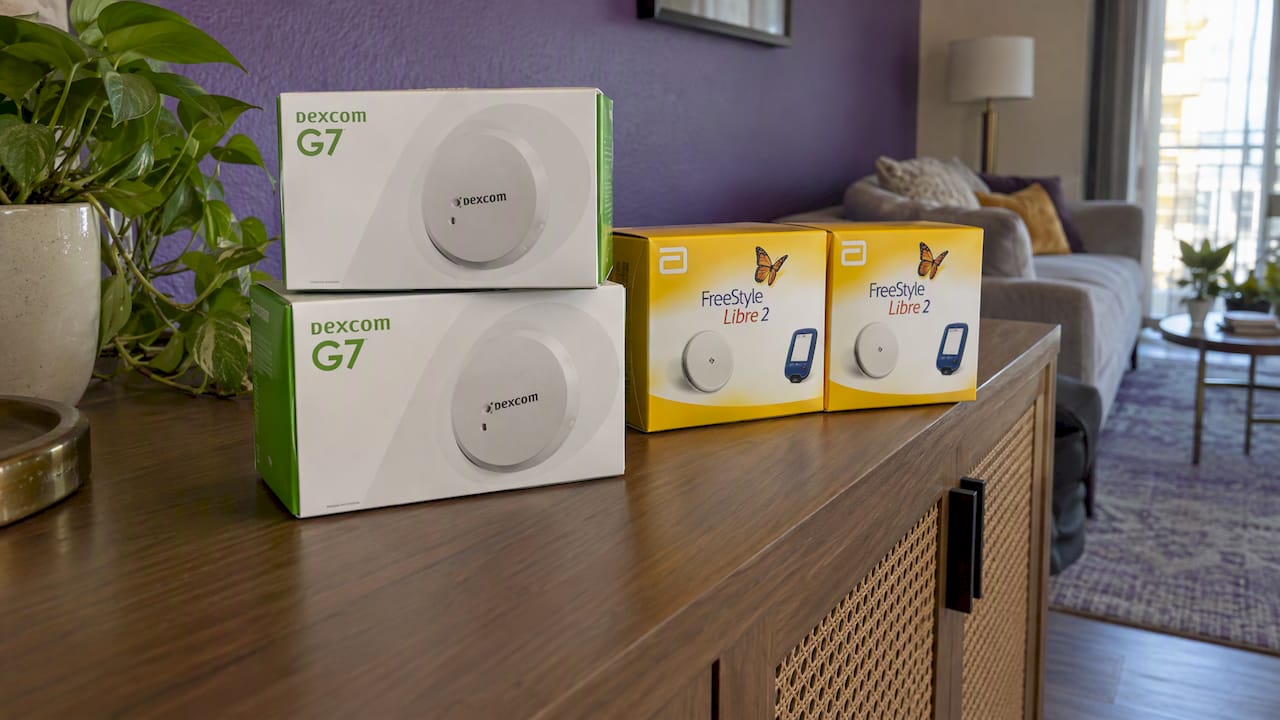
| Dexcom G7 | $70-90 per pack |
| FreeStyle Libre 2 | $15-20 per sensor |
These are the ranges on our site. The exact offer depends on the inspection of your boxes. You can see the details on our pages for Dexcom G7 payouts and FreeStyle Libre 2 payouts. For how we think about value overall, read what your leftover diabetic supplies are worth.
Be cautious about any offer that sounds far above the usual range. Very high quotes often shrink after the buyer receives your box. Ask what condition would change the price before you agree.
Step by step: how to sell your CGMs
- Count and sort. Group by brand and model. Write down how many boxes you have.
- Check the dates. Note the earliest expiration date on each box.
- Confirm the source. Decide whether the supplies came from private insurance, out-of-pocket purchase, Medicare or Medicaid. Handle Medicare and Medicaid questions first.
- Photograph the boxes. Take clear photos of the front, the label and the expiration date.
- Get a quote. Send your photos and counts to a local buyer. A buyer who asks questions about condition and source is doing it right.
- Pick a safe place. Choose a public location in daylight, such as a busy parking lot or store entrance.
- Bring ID. We list what to bring on our page about the ID needed to sell supplies.
- Inspect and get paid. The buyer checks the boxes in front of you and pays on the spot.
For more on timing from quote to payment, see our buyback timeline and the walkthrough on how to get cash for unused diabetic supplies.
Local meetup or mail-in: which is safer?
Mailing supplies to a stranger means you wait for them to arrive, wait for inspection and wait for payment. If the buyer lowers the offer after inspection, you have little leverage. Heat in a delivery truck can also damage sensors.
A local meetup avoids those problems:
- You see the inspection happen.
- You agree to the price before you hand anything over.
- You are paid immediately.
- Nothing sits in a hot truck or a mailroom.
The tradeoff is that you need to meet in person, so choose a buyer near you. We buy in Orlando and surrounding areas.
Protect yourself from diabetes supply scams
Diabetes supply fraud is real, and sellers and patients both get targeted. The American Diabetes Association advises buying supplies from licensed pharmacies or trusted suppliers, checking with a doctor if in doubt, and never giving Medicare, Social Security or insurance numbers to unsolicited callers.
For a sale, that means:
- Never share your Medicare, Social Security or insurance numbers to get a quote. A buyer of sealed supplies does not need them.
- Be wary of unsolicited calls or texts offering to buy or send supplies.
- Do not accept payment methods you cannot verify. Cash or an instant transfer you can confirm is simplest.
- Ask your doctor if you are unsure whether a product or supplier is legitimate. A primary care visit is also a good time to review your prescriptions so you stop getting more than you need. This guide to diabetes management in primary care explains what a review can cover.
Perspective: what we see from sellers in Orlando
Most of the people who contact us are not trying to make a business out of this. They are people who changed devices, got a bigger delivery than they needed or found a box of sensors in a drawer. They want a straight answer on what it is worth and what to do next.
The mistakes we see most often are simple. People open a box to check it, which makes it unsellable. They leave sensors in a hot car. They forget to look at the expiration date until the day they sell. And some do not realize that how the supplies were billed matters.
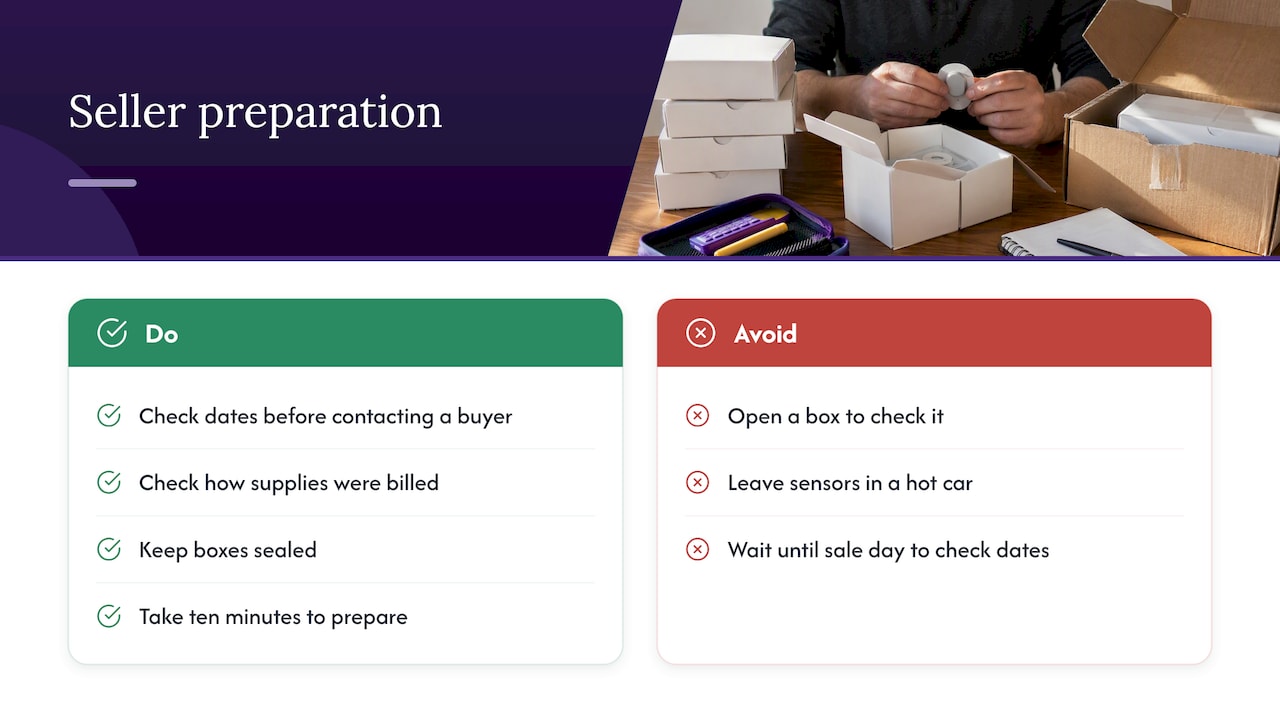
Our advice is to slow down for ten minutes before you contact any buyer. Check the dates, check the source and keep the boxes sealed. After that, the sale itself is quick. We inspect in person, tell you the price before anything changes hands and pay on the spot. If something is not eligible, we say so and explain why.
We also think you should never feel pressured. If you want to think about it or call your insurer first, that is the right call.
— Liliana
Sell your sensors to us in Orlando
We buy unused, sealed and unexpired CGMs, FreeStyle Libre sensors, Omnipod pods and sealed test strips in Orlando and surrounding areas. We meet in safe public locations, inspect your boxes in person and pay on the spot for eligible items.
Start on our cash for diabetic supplies page to tell us what you have. Or see how we pay for specific sensors: Dexcom G7 at $70-90 per pack and FreeStyle Libre 2 at $15-20 per sensor.
FAQ
Where can I sell my CGM in Florida?
The simplest option is a local buyer who inspects sealed sensors in person and pays immediately. Other routes include selling to a private individual or returning extras to your supplier, if they accept returns. In the Orlando area, you can sell to us. Check the source of your supplies first.
Is it legal to sell my diabetic supplies?
For most individuals selling sealed, unexpired, genuine product they own, yes. Florida law targets adulterated or misbranded devices rather than ordinary sellers. Supplies paid for through Medicare or Medicaid raise billing questions, so check with your plan or supplier first. For legal advice about your own case, ask a Florida attorney.
How much is a CGM worth?
It depends on the model, the number of boxes, the expiration date and the condition. Our published ranges are $70-90 per pack for Dexcom G7 and $15-20 per sensor for FreeStyle Libre 2. We confirm the exact offer after we inspect your boxes.
Can I sell CGM sensors if the box is open?
Generally no. Buyers need a sealed original box so they can verify the product is unused and unaltered. If your box is open, ask your supplier or doctor whether it can be returned or whether it should be discarded.
Do I need a receipt?
Not always, but it helps. A pharmacy receipt or order confirmation shows where the supplies came from. Bring a valid photo ID either way.
Sources
- Chapter 499.005, 2025 Florida Statutes
- Division of Drugs, Devices and Cosmetics FAQs
- Medicare coverage of DME and other devices
- Your Medicare Benefits
- Medicare Appeals
- Medicaid CMCS Informational Bulletin
- Mandatory and optional Medicaid benefits
- Fla. Admin. Code R. 61N-1.014
- FDA Class 2 Device Recall, GetTested
- ADA scam alert on diabetes supply fraud
- Medicare durable medical equipment coverage
- Diabetes management in primary care