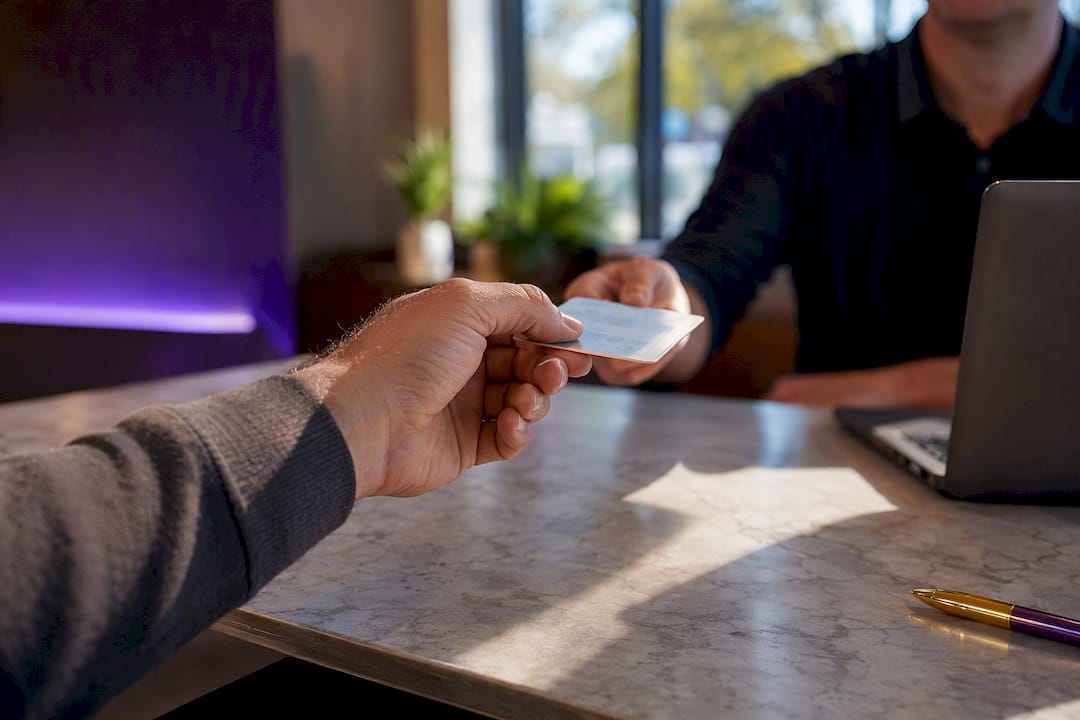
Bring a valid government photo ID, your driver’s license, state-issued ID, or passport, when you sell unused diabetic supplies for cash. A secondary document like a utility bill helps but isn’t always required. Insurance cards don’t count as ID. Reputable buyers ask for this because it creates a traceable record and protects both sides of the sale.
TL;DR:
- Reputable buyers typically request a current government photo ID, such as a driver’s license or passport, and may ask for proof of address like a utility bill.
- Expired IDs within the last year might be accepted, but photocopies are never sufficient, and insurance cards do not qualify as valid identification.
- Clear and organized documentation, including photographs of supplies with expiry dates and a signed bill of sale, speed up the in-person sale process.
- Federal law prohibits reselling diabetic supplies paid for by Medicare or Medicaid, and state regulations vary, making legal compliance crucial.
- Always choose established, licensed storefront buyers over anonymous meetups, and confirm they require ID and issue signed receipts for a safer transaction.
Table of Contents
- What Counts as Acceptable ID to Sell Supplies
- Why ID to Sell Supplies Protects You and the Buyer
- How to Prepare Your Supplies and ID for a Same-Day Sale
- What Happens During the In-Person Sale
- Legal and Safety Rules You Need to Know Before You Sell
- How to Find a Reputable Local Buyer
- Why Professional Buyers Insist on ID and Paperwork
- Get Same-Day Cash for Your Unused Diabetic Supplies in Orlando
- Sources
What Counts as Acceptable ID to Sell Supplies
A current driver’s license or state-issued photo ID is the standard for selling diabetic supplies. A passport works just as well if that’s what you have on hand. These two options cover nearly every seller, and any professional buyer should accept either without hesitation.
Some buyers also ask for a secondary document to confirm your address. This isn’t universal, but it speeds up the paperwork when buyers want extra confirmation. Acceptable secondary documents typically include:
- A recent utility bill with your name and address
- A signed lease or mortgage statement
- A current bank statement
Expired IDs are a gray area. Some buyers will accept an ID expired within the last year, but many won’t, so bring the most current one you own. Temporary paper licenses are usually fine as long as they include a photo and match your name. Photocopies alone are never enough since the buyer needs to verify the physical document in person.
What doesn’t work: insurance cards, tax documents, or any ID without a verified photo. These don’t establish who you are, and a serious buyer will always ask for more.
Why ID to Sell Supplies Protects You and the Buyer
Requiring identification isn’t a formality. It’s how legitimate buyers keep stolen goods out of their inventory and build a resale chain that can survive scrutiny. Federal guidance on regulated transactions has long required parties to identify each other and retain proof of identity for face to face exchanges involving controlled items, and reputable diabetic supply buyers follow that same logic even when it’s not strictly mandated for their category.
Industry observers point out that requiring photo ID separates legitimate buyers from risky anonymous exchanges. It’s one of the clearest signals you’re dealing with a professional operation rather than someone buying supplies off a bulletin board.
Look for these trust signals before you commit to a sale:
- A buyer who asks for ID without you having to bring it up first
- A written, signed bill of sale for every transaction
- A visible business location or storefront, not just a phone number
- A clear list of what brands and packaging conditions they accept
Pro Tip: If a buyer skips the ID request entirely, treat that as a red flag rather than a convenience. Legitimate operations ask every time, no exceptions.
How to Prepare Your Supplies and ID for a Same-Day Sale
Getting your supplies organized before you arrive is what turns a 20-minute inspection into a 5-minute one. Here’s the order that works best:
- Confirm every item is sealed, unexpired, and still in its original box.
- Photograph each package, noting brand, lot number, and expiration date.
- Sort supplies by product type (CGM sensors, pods, test strips) and count each group.
- Pack items in a sturdy box or bag so nothing gets crushed on the way over.
- Bring your primary photo ID and a secondary proof of address if you have one handy.
If a buyer asks how you ended up with extra supplies, answer honestly. Insurance overshipments, a prescription change, or switching devices are all common and completely normal reasons. Never claim items were provided by Medicare or Medicaid if they weren’t, and never imply they were if you’re unsure. That distinction matters more than most sellers realize.
Pro Tip: Group your boxes by expiration date before you leave home. A buyer who can scan matching dates in seconds is a buyer who pays you faster.

What Happens During the In-Person Sale
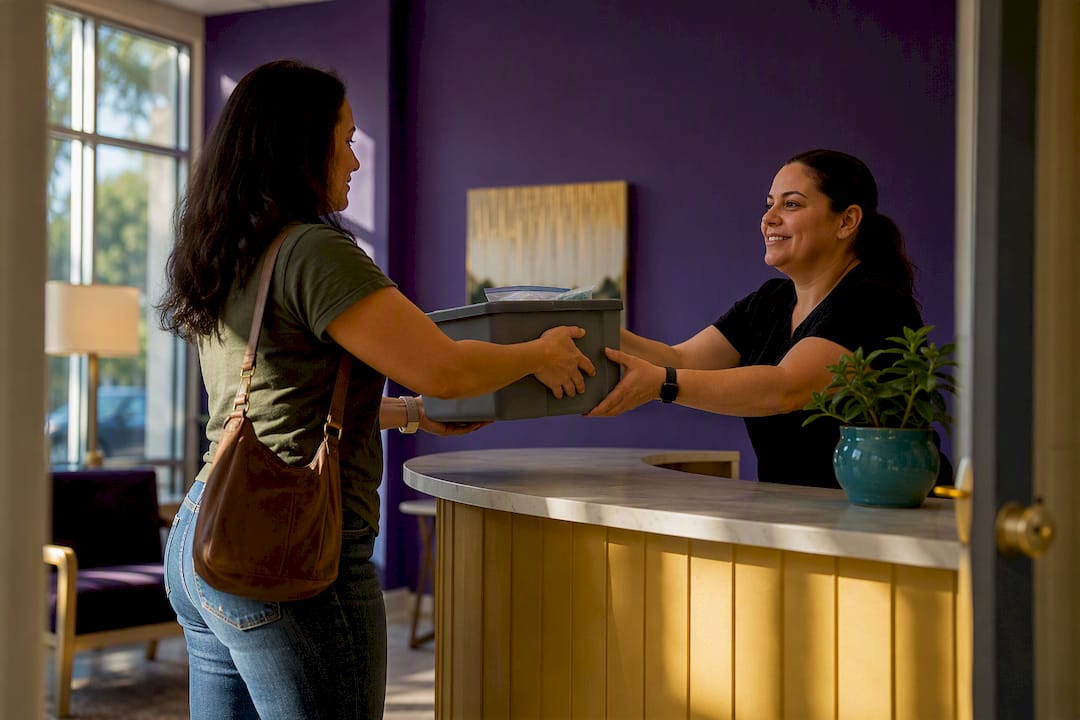
Once you arrive, the buyer inspects each item for seal integrity and checks expiration dates against what you’ve reported. This takes a few minutes per category if your supplies are organized ahead of time.
A proper bill of sale should include:
- The date of the transaction
- A description of each item sold, including brand and quantity
- Your name and signature
- The buyer’s signature
- The total payment amount
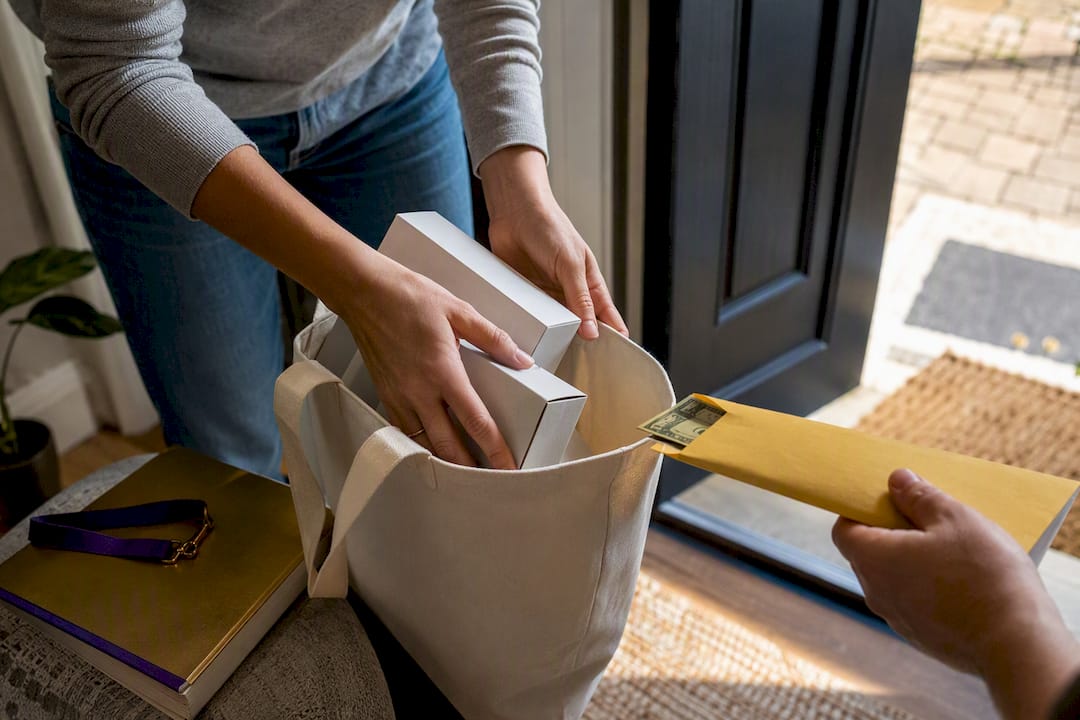
Payment usually comes as cash or an electronic transfer on the spot. Either way, the buyer should check your ID against the bill of sale before handing over payment, and you should keep a signed copy of the receipt before you leave. The whole process, from walking in to walking out with payment, typically takes a short amount of time for a modest supply of sensors, pods, or strips.
Buyers may refuse items that are damaged, expired, or missing original packaging. That’s not a judgment call against you. It’s just standard practice for anyone reselling medical supplies responsibly.
Legal and Safety Rules You Need to Know Before You Sell
Selling sealed, unexpired test strips is generally legal in the United States as long as they weren’t obtained through Medicare or Medicaid. That’s the one hard federal line: items paid for by those programs are not yours to resell, and doing so can carry real legal consequences.
State rules on licensing vary quite a bit. A one-time personal sale is usually treated differently than running a resale business, which is where distributor or retailer licensing tends to kick in. If you’re offloading a handful of extra boxes, you’re almost certainly in personal-sale territory.
Journalistic reporting has documented an active gray market for secondhand diabetic supplies, where repackaged, improperly stored, or even counterfeit strips circulate outside traceable channels. Watch for these red flags on the buyer’s side:
- No willingness to provide a signed receipt
- Insistence on meeting somewhere private or unmonitored
- Offers that seem unusually low or unusually eager, no questions asked
How to Find a Reputable Local Buyer
Choose an established storefront or professional buyer over an anonymous meetup arranged through a classified ad. A business with a physical presence and a track record has more to lose by cutting corners, which usually means better treatment for you.
Before you travel anywhere, check online reviews and look for Better Business Bureau complaints. Reputable operations perform in-person inspections and keep signed bills of sale as a matter of routine, not as an afterthought. Ask a few quick questions before you commit:
- Do you require photo ID and issue a signed receipt?
- Which brands and packaging conditions do you accept?
- Can you provide proof of business license if asked?
If a buyer hesitates on any of these, keep looking. A trustworthy operation answers without friction.
Why Professional Buyers Insist on ID and Paperwork
Requiring ID and a signed receipt isn’t bureaucracy for its own sake. It’s what separates a professional buy-back from a risky handoff with a stranger. Every seller who walks in prepared, ID in hand, supplies sorted and photographed, gets through the process faster and walks out with a clean paper trail protecting them too.
— Liliana
Get Same-Day Cash for Your Unused Diabetic Supplies in Orlando
Some local buyers pay same-day cash on the spot, no waiting for a check to clear or a listing to sell online. If your sensors, pods, or strips are sealed and unexpired, you can walk in and walk out with money in hand the same day, something no online marketplace or shipping-based buyer can match.
Some buyers purchase sealed, unexpired Dexcom G6 and G7 sensors, Freestyle Libre sensors, Omnipod pods, and major-brand test strips. Here’s what to do next: confirm your items meet eligibility rules, bring your primary photo ID and a secondary proof of address if you have one, and come in for a quick inspection and payment. Check how to get cash for your unused diabetic supplies to see current eligibility details and schedule your visit.
Sources
- NPR — The Murky World Of Secondhand Diabetic Test Strips
- LegalClarity — Is Selling Diabetic Test Strips Legal? Rules and Exceptions
- 21 CFR § 1310.07 — Identification requirements for regulated transactions
- MedPage Today — Opinion: Second Opinions