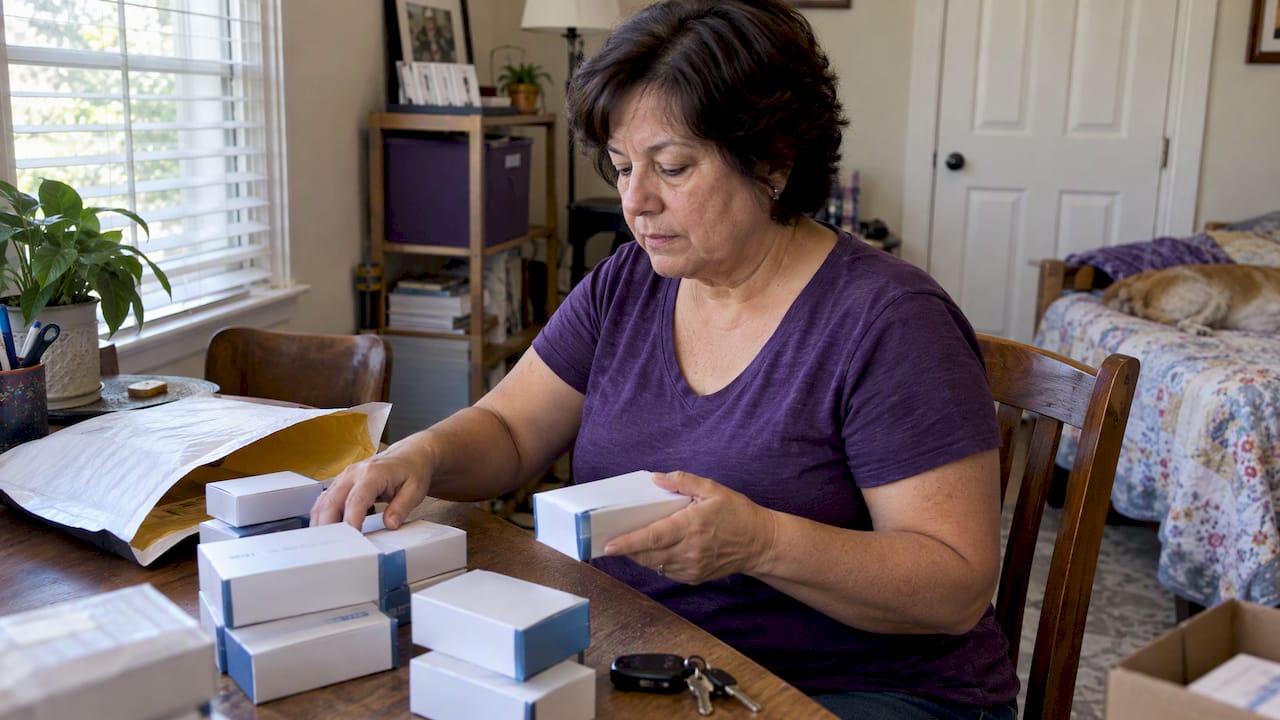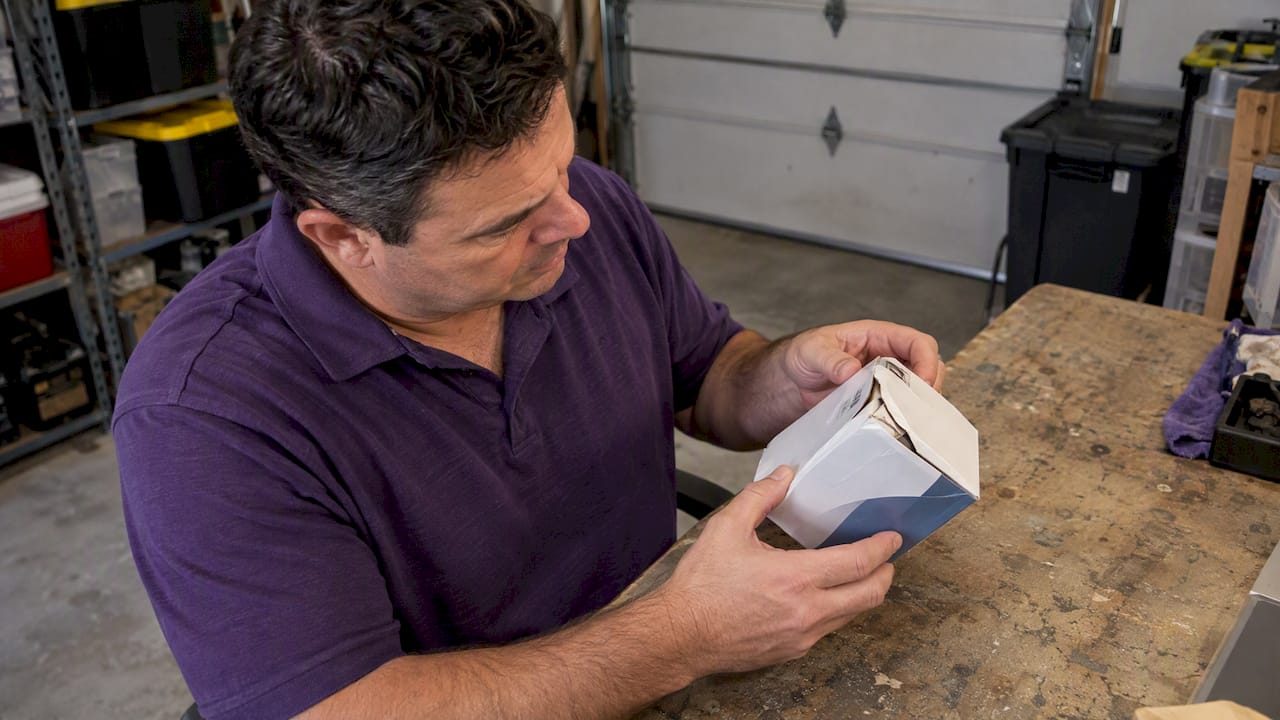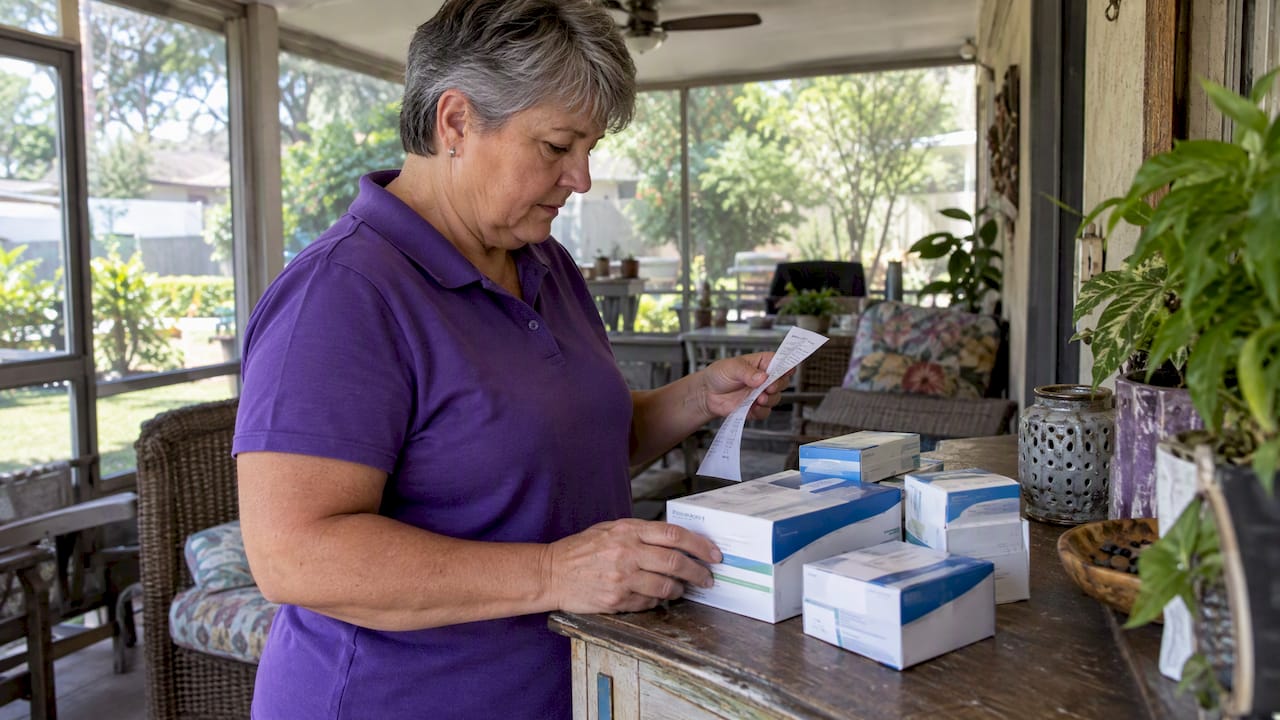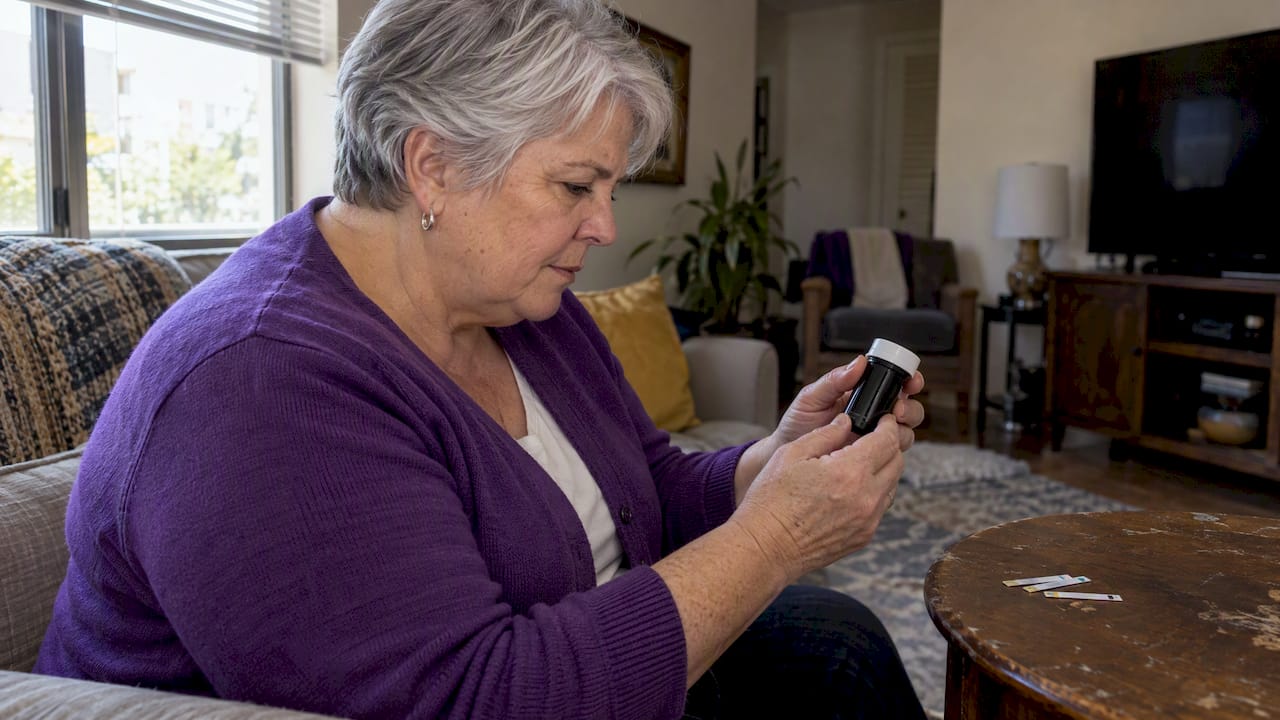
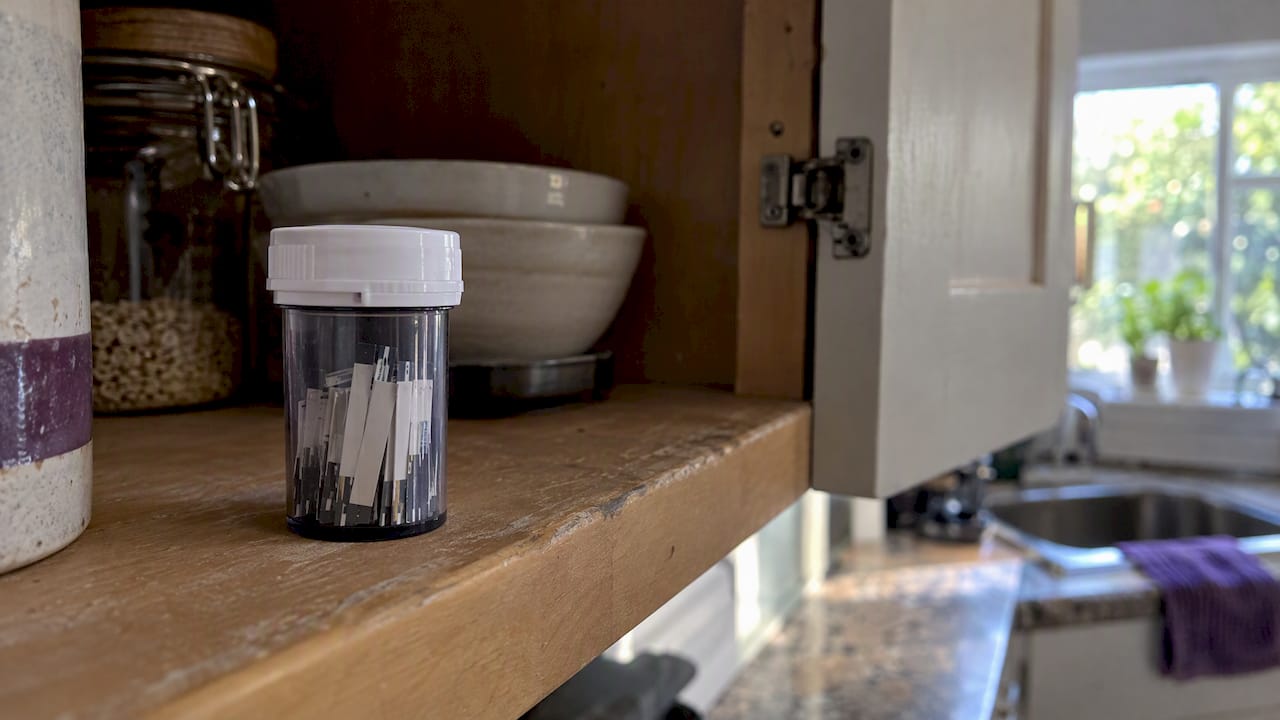
Keep glucose test strips between 41°F and 86°F (5°C to 30°C), in their original vial, with the cap on tight, away from sunlight and damp rooms. That single habit prevents most heat damage. If strips were left in a hot car or a sunny windowsill, move them to a cool, shaded spot and let them return to room temperature before you test.
TL;DR:
- Heat damaged strips can look normal; after exposure, let the vial and meter reach room temperature, then compare any unusual reading with a fresh vial.
- Manufacturers commonly allow only 3 to 6 months after opening, even when the printed expiration date is later; follow whichever deadline comes first.
- Discard vials with moisture, faded or warped strips, or unknown storage histories; avoid strips that someone else previously owned, because their handling cannot be verified.
- For travel, keep strips in a personal bag rather than a trunk or checked luggage; an insulated pouch helps, but avoid direct ice.
Table of Contents
- Daily storage habits that prevent heat damage
- Why heat, humidity, and light damage test strips
- What to do if your strips were exposed to high heat
- How to pack and carry strips safely during travel and hot weather
- How to follow discard-after-opening and expiration rules
- What to do with excess sealed strips you don’t want to risk storing
- Balancing safety and convenience with everyday storage
- A practical option for sealed strips you’re not going to use
- FAQ
- Sources
Daily storage habits that prevent heat damage
Most test strip problems trace back to where they live day to day, not a one-time accident. The FDA’s consumer guidance recommends storing strips in a cool, dry place within that 41°F to 86°F range, since heat outside those limits can compromise the reagent chemistry that makes a strip work.
A few simple rules go a long way:
- Keep strips in the vial they came in, with the cap closed tight after every use.
- Never transfer strips to a pillbox, baggie, or any other container.
- Avoid bathrooms, kitchens, and laundry rooms, since steam and heat swings in these spaces exceed what manufacturer guidance allows.
- Choose an interior closet, a bedroom drawer, or a cabinet away from exterior walls and windows.
- Skip desiccant packets unless your specific brand’s insert says to use one.
Pro Tip: Write the date you opened a new vial right on the label with a marker. It takes five seconds and saves you from guessing later.
If you live somewhere humid for much of the year, check your vial seasonally for any give in the cap or signs the silica seal has loosened. A quick read on common storage mistakes covers the small errors that quietly shorten a vial’s useful life.
Why heat, humidity, and light damage test strips
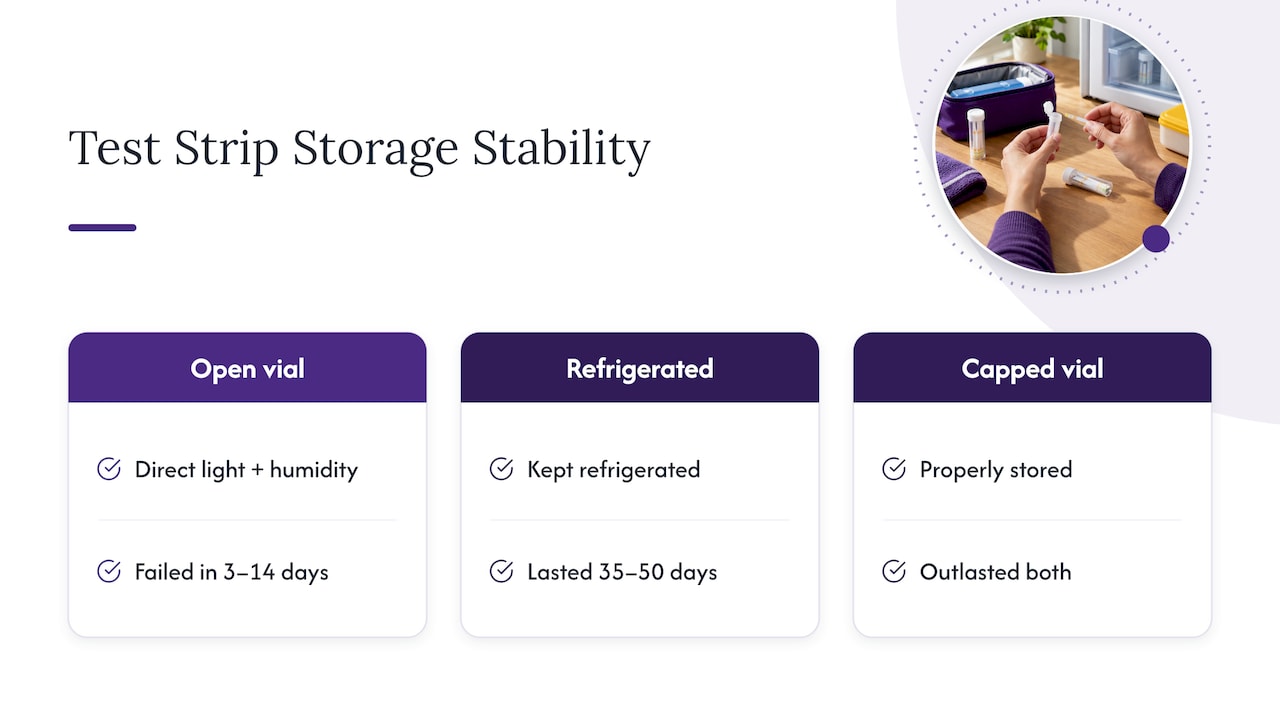
Test strips rely on a reagent coating that reacts to glucose in a blood sample. Heat speeds up the breakdown of that coating, and moisture in the air can trigger the reaction before the strip ever touches blood, so proper diabetes skin care aftercare is important to support healing and prevent irritation after any skin puncture. A study in the ASCLS journal found that open vials left in direct light and humidity failed within 3 to 14 days, while vials kept refrigerated in that same experiment held up for 35 to 50 days. Capped, properly stored vials outlasted both. The strips showing the fastest failure were exposed to light and humidity together, which is exactly the combination you get on a car dashboard or a bathroom shelf. A damaged strip rarely looks any different from a good one, which is what makes this risk easy to miss until a reading seems off.
What to do if your strips were exposed to high heat
If you realize a vial sat in a hot car, direct sun, or a steamy room, work through this before testing:
- Move the vial to a cool, dry, shaded spot right away and keep the cap closed.
- Let both the meter and the strips sit at stable room temperature for a while rather than testing immediately.
- Check the vial for condensation, warping, or any strips that look discolored or bent.
- Confirm the open-vial discard date you wrote down, along with the printed expiration date.
A few situations call for tossing the vial outright:
- Visible moisture or condensation inside the vial.
- Strips that look faded, spotted, or warped.
- Strips with an unknown storage history, including any that are pre-owned.
When in doubt, replace the vial. A reading you cannot trust is worse than spending a few dollars on a fresh one.
How to pack and carry strips safely during travel and hot weather
Travel is where most heat exposure happens, usually by accident. Carry your strips on your person instead of leaving them in a glove compartment, a trunk, or checked luggage that might sit on hot tarmac.
- Use a small insulated pouch or soft-sided cooler for road trips or beach days.
- If you pack a cooler, keep strips in an inner pouch so they never touch ice directly, since freezing damages them just as much as heat.
- At the pool or beach, stash your meter and strips in a shaded bag rather than a towel pile that heats up in the sun.
- On flights or long drives, keep the vial in a carry-on or daypack rather than stowed baggage.
Pro Tip: A soft lunch cooler with a small ice pack wrapped in a towel keeps strips shaded and cool without any direct ice contact.
For a broader look at choosing between a cooler, a pouch, or simply planning around your schedule, this guide to storage options breaks down what fits different routines.
How to follow discard-after-opening and expiration rules
Every brand sets its own clock for how long a vial stays reliable once it’s opened, and that clock often runs shorter than the printed expiration date. FDA device reviews document closed-vial shelf-life claims around 18 to 24 months, while open-vial stability claims commonly run from 90 to 180 days under proper storage conditions. Many manufacturers set that open-vial window at 3 to 6 months, regardless of what the box says, according to FDA device stability data.
A few places to find your brand’s exact rule:
- The vial label itself, which often lists the open-vial discard window.
- The package insert that came with your meter and strips.
- Your brand’s online support page, where you can search by product name.
If instructions conflict, follow whichever date comes first. The FDA has also warned against pre-owned or unverified test strips, since no one receiving them can know how they were stored before.
What to do with excess sealed strips you don’t want to risk storing
If you have more sealed vials than you’ll use before they expire, long-term storage in a hot climate adds risk for no real benefit. Before deciding what to do with extras, a few checks matter:
- Confirm the vial is still sealed, unopened, and free of visible moisture or damage.
- Check the printed expiration date against today’s date.
- Skip anything with an unknown storage history rather than passing it along.
A checklist for verifying expiration before selling walks through exactly what sealed, eligible strips look like. If a vial shows moisture, discoloration, or you can’t vouch for how it was kept, dispose of it through your local guidelines instead of taking a chance on it later. Learning how expiration affects resale value also helps you decide quickly instead of letting sealed boxes sit in a hot closet for months.
Balancing safety and convenience with everyday storage
Accuracy matters more than stretching every last strip, especially once you’re unsure how a vial was kept. In practice, the fix is rarely complicated: cap the vial, store it somewhere interior and dry, and grab an insulated pouch when you’re headed out for the day. Small, consistent habits solve almost all of the heat risk that trips people up.
— Liliana
A practical option for sealed strips you’re not going to use
If you’re holding onto sealed, unexpired test strips because your prescription changed or you switched meters, storing them through another Florida summer isn’t your only option. We buy unused diabetic supplies, including sealed test strips and popular glucose monitoring sensors, with same-day cash paid at a local, in-person meetup.

Selling makes the most sense when you have more supply than you’ll realistically use, you’ve switched devices, or a vial is approaching its expiration date and you’d rather not store it through hot months.
- Items are inspected on the spot and payment is made immediately when they qualify.
- Meetups occur in safe, public locations locally, avoiding shipping and wait times.
- Pricing is communicated clearly before any transaction.
If you’re ready to turn sealed supplies into cash instead of storing them, see how to get cash for unused diabetic supplies for the full process.
This article is general information, not a substitute for advice from a qualified doctor. Consult a qualified healthcare professional about your own circumstances before acting on anything here.
FAQ
Can walking 30 minutes a day lower A1C?
Regular walking can support better blood sugar control as part of a broader management routine, though the effect varies by individual and depends on diet, medication, and consistency. It works best alongside the testing and storage habits that keep your glucose readings accurate in the first place.
What candy raises blood sugar the fastest?
Fast-acting sugars like glucose tablets, hard candy, or juice are commonly used to treat low blood sugar quickly because they contain simple sugars the body absorbs rapidly. Always follow your own care plan’s guidance on treating lows, since the right choice and amount depend on your individual situation.
What supplements bring down A1C?
No supplement is established as a reliable way to lower A1C on its own, and results vary widely between individuals. Talk with your healthcare provider before adding any supplement, since some can interact with diabetes medications.
Can diabetics eat Ritz crackers?
Ritz crackers contain refined carbohydrates that raise blood sugar, so portion size and pairing with protein or fat matter if you include them. Checking your glucose after trying a new food helps you see how your body responds, which is one more reason accurate test strips matter.
How do I know if my test strips were damaged by heat?
Heat-damaged strips often look completely normal, which is why readings that seem unusually high or low, or that don’t match how you feel, are the real warning sign. If you suspect heat exposure, check the vial for moisture or discoloration and consider testing with a fresh vial to compare.
Sources
- How to safely use glucose meters and test strips for diabetes | FDA
- OneTouch Verio® Test Strips – General Information
- Effect of adverse storage conditions on performance of glucometer test strips | ASCLS Journal
- FDA device review (K121679) — test strip stability claims