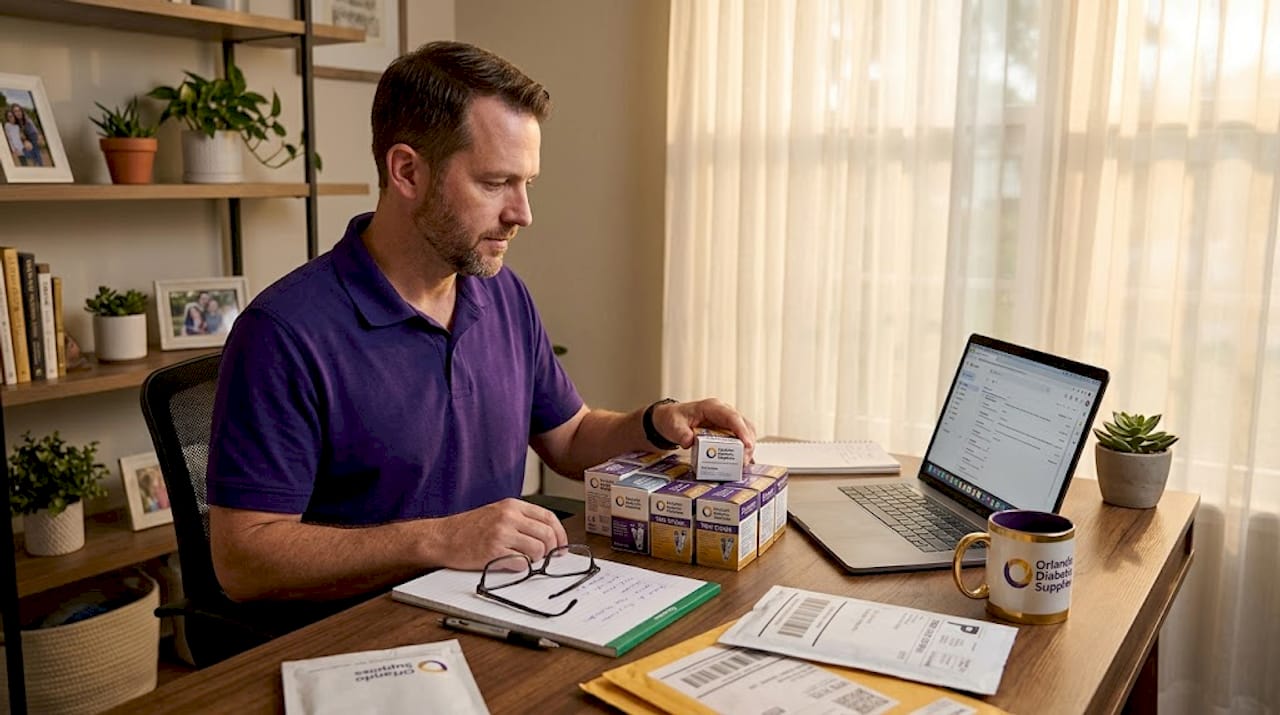
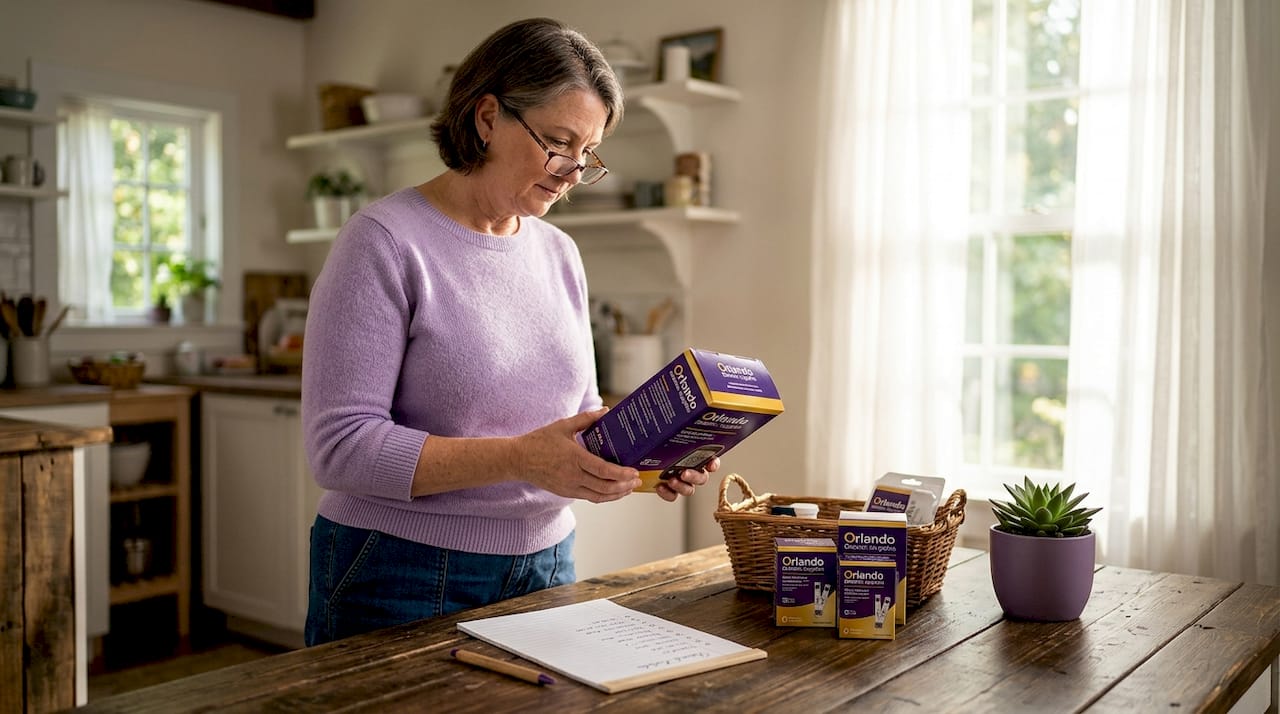
If you have unused diabetic supplies sitting in a drawer, you are not alone. Many people with diabetes accumulate sealed products after switching devices, changing prescriptions, or receiving more than they need. The challenge is figuring out which of those supplies actually qualify as types of accepted sealed diabetic products for resale or donation. Not everything makes the cut. Acceptance depends on packaging condition, expiration dates, storage history, and device compatibility. This guide breaks down exactly what qualifies, what does not, and how to prepare your supplies to maximize their chances of being accepted.
Table of Contents
- Key takeaways
- 1. Types of accepted sealed diabetic products: the core criteria
- 2. Blood glucose meters and sealed test strips
- 3. Continuous glucose monitoring sensors and transmitters
- 4. Insulin in unopened vials and prefilled pens
- 5. Insulin syringes and needles in sealed boxes
- 6. Infusion sets and insulin pump supplies
- 7. Glucagon kits and fast-acting glucose products
- 8. Factory-sealed lancets
- 9. Comparison of product types by acceptance suitability
- 10. Best practices for preparing your supplies
- My honest take on donating and reselling sealed diabetic supplies
- Turn your unused supplies into cash today
- FAQ
Key takeaways
| Point | Details |
|---|---|
| Factory-sealed packaging required | Products must be completely unopened with original labeling intact to qualify for resale or donation. |
| Expiration matters significantly | Most programs require a minimum of 90 days remaining before the expiration date at the time of donation. |
| Storage history affects injectables | Insulin and GLP-1 products must have been refrigerated properly to remain safe and accepted. |
| Compatibility disclosures protect recipients | Meters, pumps, and infusion sets should be donated with clear notes about device compatibility. |
| Multiple product categories qualify | CGM sensors, test strips, lancets, glucagon kits, and pump supplies are all commonly accepted when sealed. |
1. Types of accepted sealed diabetic products: the core criteria
Before you sort through your supplies, you need to know what makes a product acceptable in the first place. The rules are consistent across most donation programs and resale buyers.
- Unopened, factory-sealed packaging. The product must be in its original box or packaging with no signs of tampering. If the seal is broken, it will not be accepted.
- Valid expiration date. Sealed supplies with 90 days of shelf life remaining are typically the minimum threshold for donation programs. Products close to expiration may be turned away.
- Proper storage history. This matters most for temperature-sensitive products. Insulin stays viable until its printed expiration date only when stored refrigerated at 36°F to 46°F. If you kept it at room temperature for an extended period, it may no longer qualify.
- No in-use products. Any injectable product that has already been opened or used, even partially, is excluded from acceptance. In-use BASAGLAR pens must be discarded after 28 days regardless of remaining medicine. This rule applies broadly to prefilled pens.
- Intact labeling. The original label must be readable and attached. Altered, peeled, or missing labels are red flags for both donation centers and resale buyers.
Pro Tip: Check your supplies against these five criteria before contacting any buyer or donation program. It saves time for everyone involved and sets realistic expectations upfront.
2. Blood glucose meters and sealed test strips
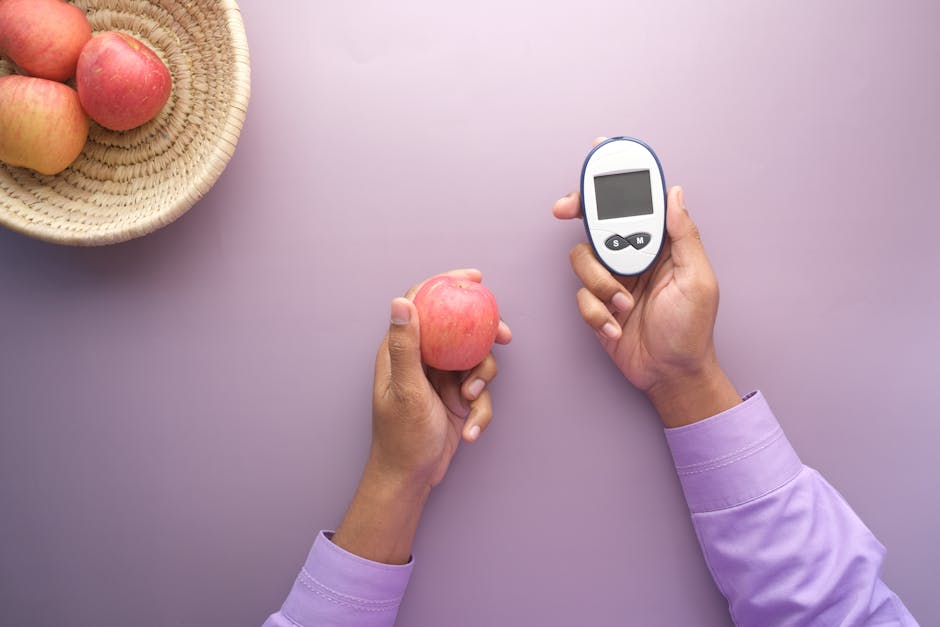
Blood glucose meters are one of the most commonly donated diabetic supplies. A sealed meter in its original box, with all accessories included, is generally accepted by resale buyers and some donation programs.
Test strips are even more in demand. Sealed test strips are among the most accepted sealed diabetic food options for resale because they have a clear expiration date, are easy to verify, and are universally needed. The key is that the box must be factory sealed and the strips must be compatible with commonly used meters.
One thing to watch: meters designed for specific pump ecosystems should be donated with compatibility disclosures so the recipient knows which devices they pair with. A meter that only works with one specific insulin pump system has limited utility as a standalone donation.
3. Continuous glucose monitoring sensors and transmitters
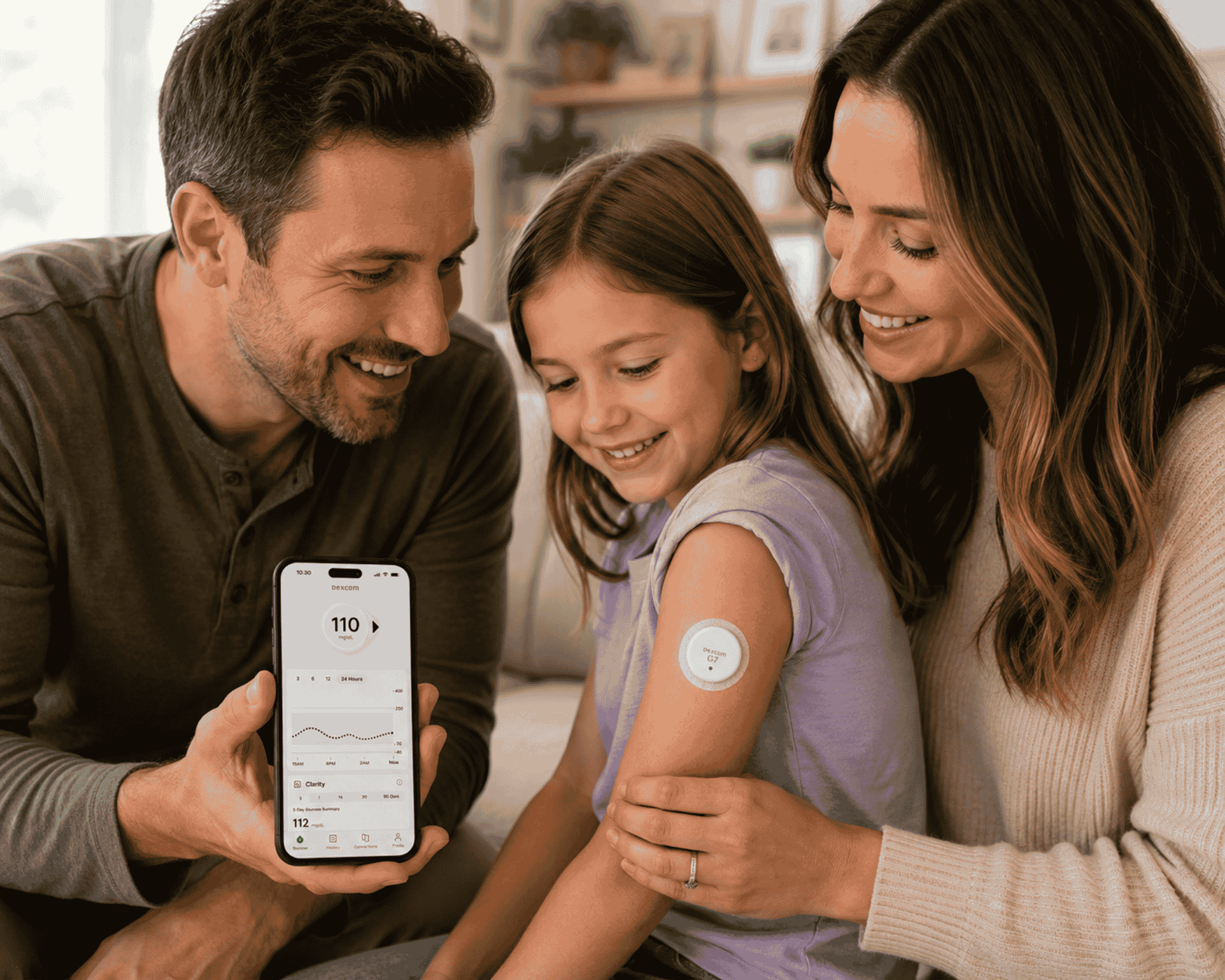
CGM sensors and transmitters are high-value sealed diabetic products. Devices like the Dexcom G6, Dexcom G7, and Freestyle Libre sensors are accepted when they are completely unopened and within their expiration window.
These products are particularly useful to people who cannot afford them out of pocket. If you have switched CGM systems or received extras through insurance, sealed Dexcom G7 sensors can be resold for fair value. Transmitters are accepted less frequently because they have limited battery life, but sealed and unexpired transmitters in original packaging are still viable.
The ADA Consumer Guide organizes accepted products by care function, and CGMs fall squarely in the monitoring category. That means they are evaluated differently than injectables, with more focus on compatibility and expiration than storage temperature.
4. Insulin in unopened vials and prefilled pens
Insulin is the most critical supply for many people with diabetes, and sealed insulin products are accepted under strict conditions. The product must be completely unopened and must have been stored in a refrigerator at the correct temperature throughout its life.
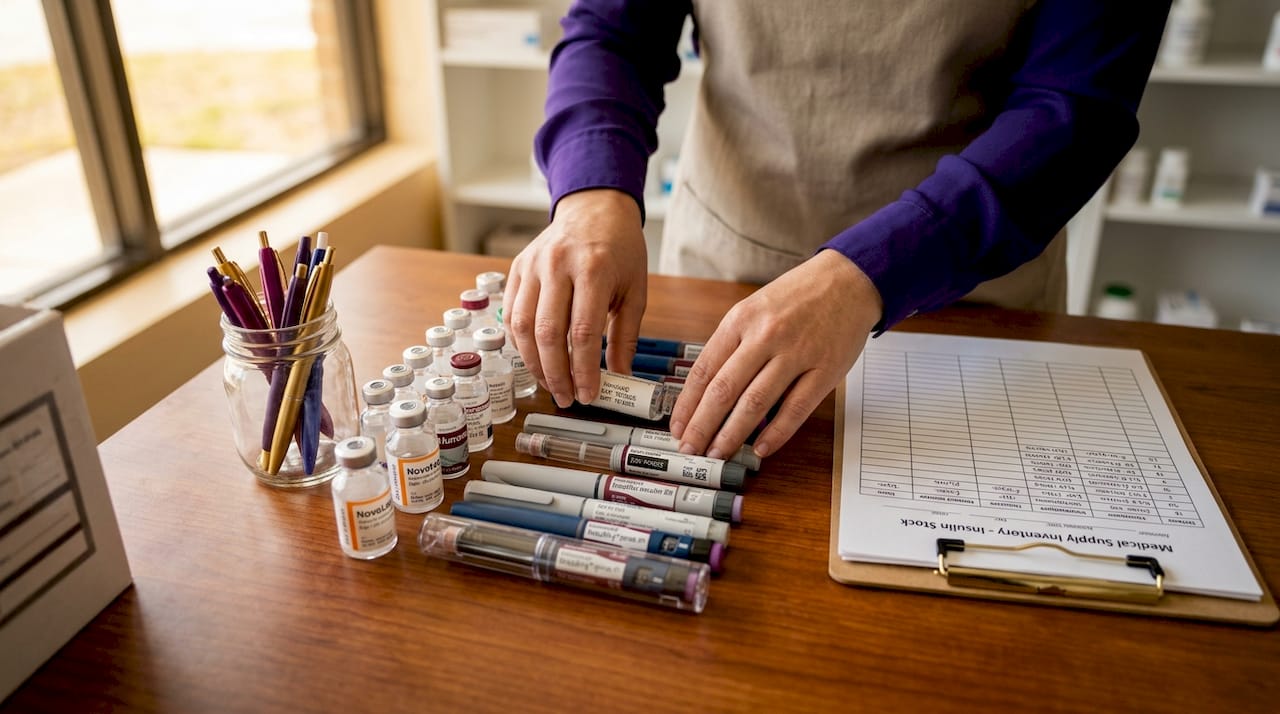
Insulin and GLP-1 injectables remain good until their printed expiration date when stored properly. Once opened, in-use timelines drop sharply. Manufacturer-specific in-use periods range from 14 to 56 days depending on the product. This is why only factory-sealed, refrigerated insulin qualifies for resale or donation.
Prefilled insulin pens follow the same logic. If the pen has never been used and has been stored correctly, it may be accepted. If there is any doubt about storage history, it should not be offered for donation. Safety comes first.
5. Insulin syringes and needles in sealed boxes
Injection aids like insulin syringes and pen needles are accepted when they come in factory-sealed boxes. Individual syringes pulled from a larger box are not acceptable. The entire box must be sealed and intact.
Donation organizations accept sealed syringes and needles as part of approved diabetic products, provided they are unexpired and in original packaging. These are low-cost supplies but high-need items, especially for uninsured individuals managing diabetes on a tight budget.
Gauge and needle length matter too. While most standard sizes are accepted, it helps to note the specifications on the box so recipients can confirm compatibility with their injection routine.
6. Infusion sets and insulin pump supplies
Infusion sets and other pump supplies are accepted when sealed, unexpired, and compatible with commonly used pump systems. This category includes tubing, reservoirs, and insertion devices.
Compatibility is the biggest hurdle here. An infusion set designed for one pump brand will not work with another. When you offer these supplies for donation or resale, always include the pump brand and model the set is designed for. This information is usually printed on the box.
Sealed pump supplies in original packaging with clear compatibility information are among the best diabetic sealed products for donation programs that serve people who already own a specific pump model.
7. Glucagon kits and fast-acting glucose products
Glucagon and fast-acting glucose products are distinct categories accepted for emergency low blood sugar treatment. These are separate from monitoring and injection supplies and serve a specific, urgent function.
Sealed glucagon kits in original packaging, with a valid expiration date, are accepted by many programs. The same applies to fast-acting glucose tablets and gels in factory-sealed packaging. These are sealed diabetic snack types that fall under emergency treatment rather than daily management, but they are no less important.
One practical note: glucagon kits tend to have shorter shelf lives than other supplies. Check the expiration date carefully. A kit with less than 90 days remaining may not meet donation program thresholds.
8. Factory-sealed lancets
Lancets are among the simplest and most consistently accepted sealed diabetic products. They are small, inexpensive, and universally needed by anyone using a traditional glucose meter. A sealed box of lancets in original packaging with a valid expiration date will almost always qualify.
The gauge of the lancet matters slightly. Most lancets are compatible with standard lancing devices, but it is worth noting the gauge on the box when donating. Sealed lancets with intact packaging and readable labels are straightforward to process and rarely refused by donation programs or resale buyers.
9. Comparison of product types by acceptance suitability
Understanding how different categories compare helps you prioritize which supplies to offer first.
| Product type | Acceptance ease | Key restriction | Donation or resale? |
|---|---|---|---|
| Test strips (sealed) | High | Expiration date | Both |
| CGM sensors (sealed) | High | Compatibility and expiration | Both |
| Lancets (sealed) | High | Expiration date | Both |
| Insulin syringes (sealed box) | Moderate | Must be full sealed box | Donation primarily |
| Insulin vials and pens (sealed) | Moderate | Refrigeration history required | Donation primarily |
| Infusion sets (sealed) | Moderate | Pump compatibility required | Both |
| Glucagon kits (sealed) | Moderate | Short shelf life | Donation primarily |
| Insulin pump transmitters | Lower | Battery life and compatibility | Resale only |
Monitoring supplies like test strips and CGM sensors are the easiest to move through both donation and resale channels. Injectable products face more scrutiny because storage conditions are harder to verify. Compatibility between devices is a critical but often overlooked factor that leads to refusals if not properly disclosed.
Pro Tip: When in doubt about storage history for any injectable product, do not offer it for donation. The safety of the recipient always takes priority over recovering value from unused supplies.
10. Best practices for preparing your supplies
Getting your supplies ready before contacting a buyer or donation program makes the process faster and more likely to succeed.
- Check every expiration date. Pull each item and confirm it has at least 90 days remaining. Set aside anything close to expiring.
- Verify the packaging is fully sealed. Look for intact factory seals, no tears, no missing labels, and no signs of moisture damage.
- Document storage conditions for injectables. If you can confirm that insulin or GLP-1 products were refrigerated consistently, note that when you offer them. It builds trust with buyers and donation programs.
- Note compatibility information. Write down the pump brand, meter model, or sensor system each supply is designed for. This prevents returns and refusals.
- Keep supplies in original packaging. Never remove products from their original boxes or repackage them. Original packaging is non-negotiable.
- Avoid offering opened or partially used products. This applies to everything. Even one opened strip canister disqualifies the box. Safety and liability are the reasons, and they are valid ones.
- Research your local options. TRICARE and managed care programs have specific documentation requirements for covered supplies. Local resale buyers and donation centers have their own guidelines. Know them before you show up.
My honest take on donating and reselling sealed diabetic supplies
I have worked with enough people in this space to know that the biggest mistake is overestimating what will be accepted. People assume that “sealed” is enough. It is not. I have seen insulin pens turned away because the person could not confirm refrigeration history. I have seen CGM sensors refused because the expiration date was three weeks out instead of three months.
The second most common mistake is ignoring compatibility. Someone donates a sealed meter with test strips, but the strips are for a different meter. The recipient gets something they cannot use. That is not a helpful donation. It is waste with good intentions behind it.
What I have found actually works is treating your supplies the way you would want to receive them. Clear labeling. Honest storage disclosure. Compatibility information included. A valid expiration date with real shelf life left. When you approach it that way, acceptance rates go up dramatically.
The supplies you no longer need have real value. For someone without insurance, a box of sealed CGM sensors or a glucagon kit can be genuinely life-changing. But only if those supplies are safe and usable. That is the standard worth holding yourself to.
— Liliana
Turn your unused supplies into cash today
If you have sealed diabetic supplies you no longer need, Orlando Diabetic Supplies Buyback makes it simple to convert them into same-day cash. We accept Dexcom G6 and G7 sensors, Freestyle Libre, Omnipod, and sealed test strips from customers in Orlando and surrounding areas. Our process is fast, honest, and local. No shipping. No waiting. Just fair pricing and straightforward service. Learn exactly how to get cash for your unused supplies, or visit Orlando Diabetic Supplies Buyback to see what we buy. If you have sealed test strips, find out where to sell them for the best local value.
FAQ
What makes a diabetic product “accepted” for donation?
A product must be factory sealed, unexpired with at least 90 days remaining, and stored correctly. Opened, expired, or improperly stored products are not accepted.
Can you donate sealed insulin pens?
Yes, but only if they are completely unopened and have been refrigerated at 36°F to 46°F throughout storage. In-use pens are never accepted.
Are CGM sensors accepted for resale?
Sealed, unexpired CGM sensors like the Dexcom G6, Dexcom G7, and Freestyle Libre are widely accepted for resale when in original factory packaging.
Do test strips need to be in a sealed box to be donated?
Yes. The entire box must be factory sealed. Individual strips or partially used boxes are not accepted by donation programs or resale buyers.
Why does compatibility matter when donating pump supplies?
Infusion sets and meters designed for specific pump systems only work with those systems. Donating without compatibility information can make the supplies unusable for the recipient.
Recommended
- How to Get Cash for Unused Diabetic Supplies – Orlando Diabetic Supplies
- Orlando Diabetic Supplies
- Cash for Test Strips in Orlando: Sell Unused Diabetic Supplies for Same-Day Payment – Orlando Diabetic Supplies
- Where Can I Get Cash for Test Strips Near Me? | Orlando Diabetic Supplies Buyback – Orlando Diabetic Supplies