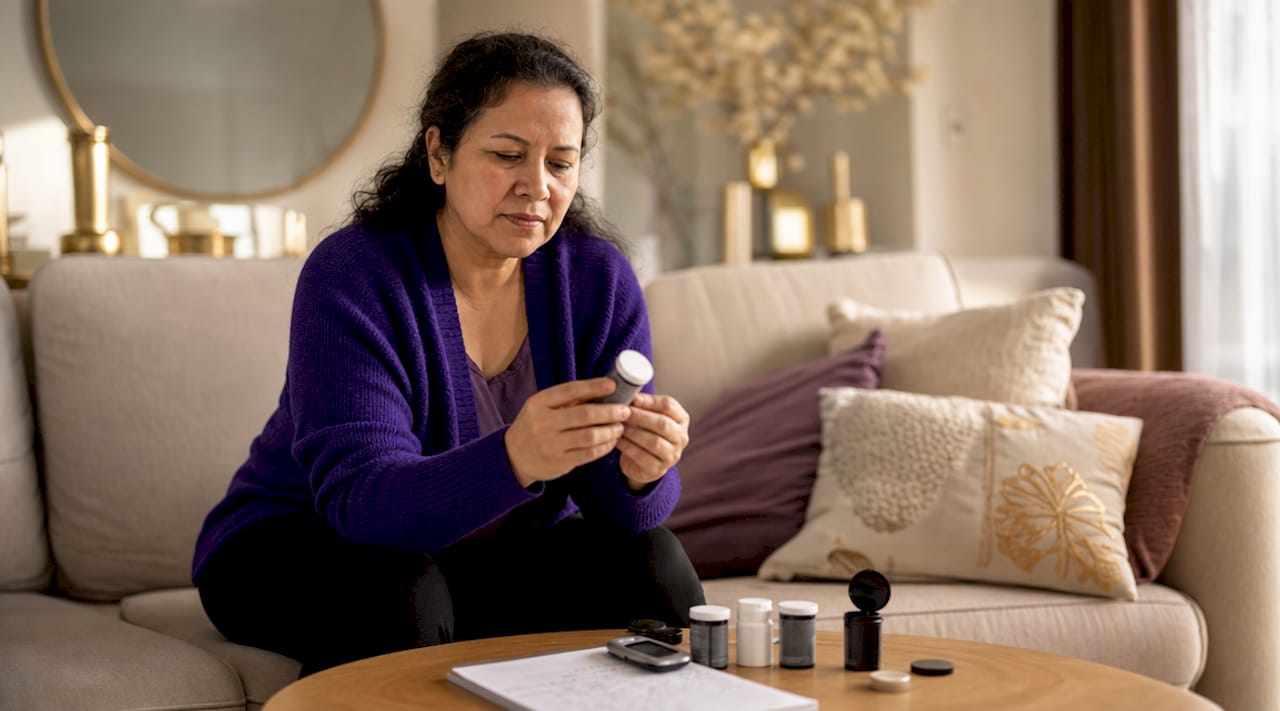
Improper storage of excess blood glucose test strips is one of the most overlooked causes of inaccurate diabetes readings. Most diabetics focus on testing technique but miss the fact that expired test strips degrade enzymes, producing false glucose readings that can trigger dangerous hypoglycemia or hyperglycemia responses. The common mistakes storing excess test strips range from leaving vials open too long to stashing strips in bathroom cabinets. Understanding these errors, and fixing them, protects both your health and your supply investment.
1. Using strips past their expiration date
Expired test strips cause inaccurate results because the chemical reagents on the strip break down over time. Most blood glucose test strips carry a shelf life of 3 to 6 months after purchase. That means a box you ordered in January may be unreliable by summer, even if it looks fine. There is no validated grace period beyond the printed date. Manufacturers void accuracy guarantees the moment a strip passes its labeled expiry, regardless of how it was stored.
2. Ignoring the post-opening expiry date
Many test strips carry two separate expiration timelines. The printed date on the box applies to sealed, unopened vials. Once you open the vial, a second clock starts. Most manufacturers advise discarding strips within 6 months of first opening, even if the printed date is further out. This post-opening window is shorter and stricter, yet most users never track it. Writing the open date on the vial with a marker takes five seconds and can prevent weeks of unreliable readings.

Pro Tip: Label every vial with the date you first opened it. Set a phone reminder for 5 months out so you have time to use or replace the strips before they expire.
3. Leaving the vial cap loose or open
The desiccant cap on a test strip vial is not just packaging. It actively controls humidity inside the container, and failing to reseal immediately after removing a strip can ruin the entire batch before the printed expiry date. Moisture is the fastest way to degrade the reactive coating on strips. Even a few seconds of exposure in a humid room adds up over dozens of uses. Tighten the cap fully after every single strip you remove. This one habit protects your entire supply.
4. Storing strips in bathrooms or kitchens
Bathrooms and kitchens are the two worst rooms in your home for test strip storage. Both generate consistent heat and humidity from showers, cooking, and running water. Strips stored in these environments degrade faster than the manufacturer’s stability studies account for. The standard recommendation is to store below 30°C in a cool, dry place, away from direct sunlight. A bedroom drawer or a dedicated shelf in a climate-controlled room is a far better option than the medicine cabinet above your sink.
5. Keeping strips in cars or near windows
A car parked in the Florida sun can reach interior temperatures well above 140°F within minutes. Test strips left in a glove compartment or center console are exposed to heat cycles that destroy reagent stability far faster than normal aging. The same applies to windowsills where sunlight hits the vial directly. Heat damage does not reverse when the temperature drops. Once the reactive enzymes are compromised, the strip will read inaccurately regardless of what you do next. Keep strips out of vehicles entirely unless you are actively using them during travel.
6. Transferring strips to pill organizers or bags
Transferring strips out of their original container into pill organizers, zip-lock bags, or loose pouches is a common test strip organization mistake that speeds up degradation significantly. Strips moved to non-original containers lose the protection of the desiccant cap and the airtight seal. Friction inside bags can also scratch the reactive end of the strip. The original vial exists for a reason. It is the only container validated by the manufacturer to maintain strip integrity from production to use.
7. Touching the reactive end of the strip
Wet or contaminated fingers transfer moisture, oils, and sugar residue directly onto the reactive end of the strip before it even reaches the meter. This contamination interferes with the electrochemical reaction the strip uses to measure glucose. Always wash and fully dry your hands before testing. This is not just about hygiene. It directly affects whether your reading reflects your actual blood sugar or the residue on your fingertip. Dry hands are a non-negotiable part of accurate testing.
8. Skipping control solution checks
Control solutions verify meter and strip accuracy when readings seem inconsistent with how you feel. Many users never use control solution at all, which means they have no way to know whether a suspicious reading is a real glucose shift or a strip malfunction. Use control solution when you open a new vial, after any unusual storage event, or when your meter reading does not match your physical symptoms. Meters like the Contour Next and Accu-Chek Active both support control solution testing and include target ranges in their instructions.
9. How improper storage affects accuracy and safety
Poor storage does not just reduce strip performance gradually. It can produce readings that are dangerously wrong in either direction.
| Storage Error | Effect on Reading | Health Risk |
|---|---|---|
| Heat exposure | Falsely low glucose reading | Unnecessary insulin dose, hypoglycemia |
| Humidity exposure | Falsely high glucose reading | Skipped insulin dose, hyperglycemia |
| Expired strips | Unpredictable readings | Both hypo and hyperglycemia risk |
| Open vial cap | Accelerated reagent decay | Unreliable results within days |
“Manufacturers do not guarantee accuracy beyond labeled expiry. Health authorities advise strict adherence to expiration and storage guidelines.” — Sinocare Expired Strip Guidance
Symptoms of strip degradation include error messages on the meter, readings that conflict with how you physically feel, and results that jump dramatically between tests without explanation. These are not meter malfunctions. They are signs the strips themselves have failed.
10. Buying too many strips for your testing frequency
Buying in bulk feels economical, but it creates a real expiration risk for infrequent testers. Patients testing once every two months risk accumulating excess strips that expire before use if they purchase large volumes. A box of 50 strips may last a daily tester one month. For someone testing twice a week, that same box lasts six months and may expire before it is finished. Managing supply quantities based on use patterns is one of the most practical ways to avoid waste and keep your readings reliable.
Pro Tip: Track how many strips you use per week for one month, then calculate how many boxes you actually need per quarter. Order based on that number, not on what insurance allows.
11. Not having a plan for excess or unused strips
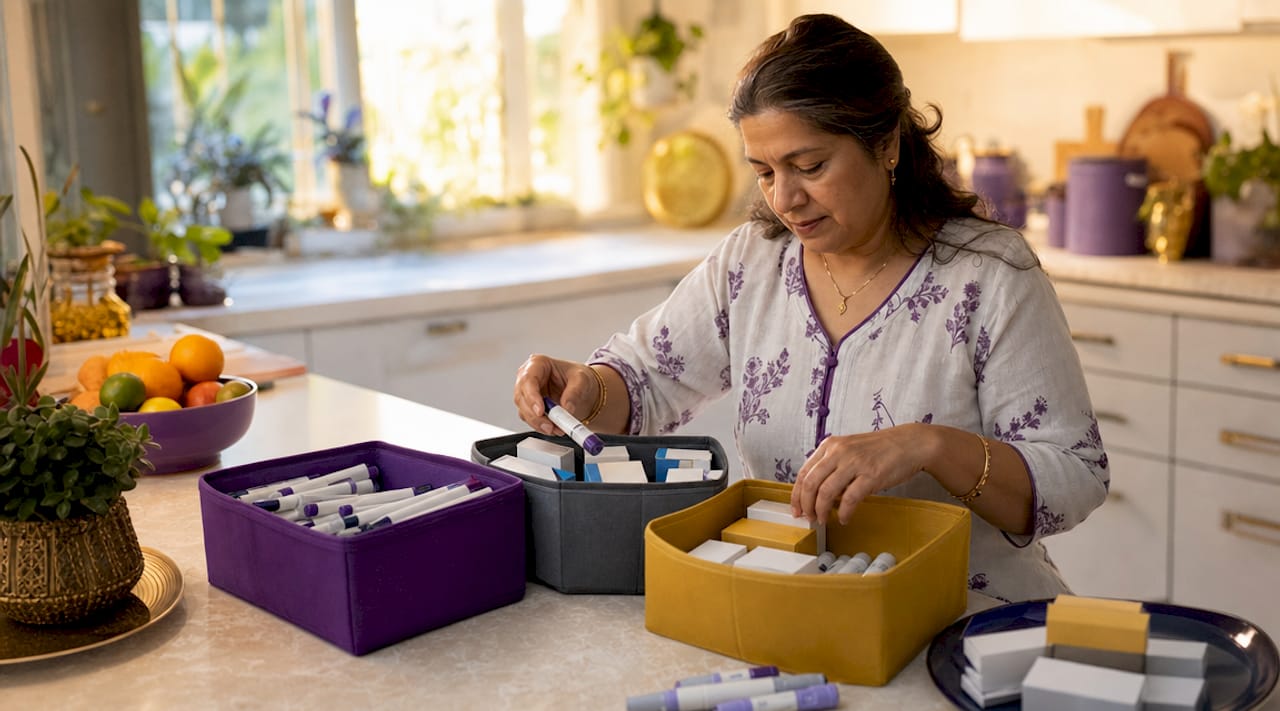
Excess strips that are still sealed and within their expiration date have real value. Throwing them away is not your only option. You can sell unused sealed strips to a reputable buyback service, or explore donation versus selling to find the best fit for your situation. Mail order programs and insurance cycles often generate surplus diabetic supplies that pile up faster than they can be used. Having a plan for that surplus prevents both waste and the temptation to use strips that have already expired.
- Evaluate your testing schedule before reordering
- Check expiration dates on all current stock before opening a new box
- Store excess sealed boxes in a cool, dry location away from heat sources
- Track your supply inventory with a simple spreadsheet or a diabetic supply inventory system
- Sell or donate sealed, unexpired strips rather than letting them expire unused
Key takeaways
Proper test strip storage requires original sealed containers, controlled temperature below 30°C, and strict adherence to both printed and post-opening expiry dates.
| Point | Details |
|---|---|
| Expiry dates are firm | No grace period exists beyond the printed date; accuracy is void after expiry. |
| Post-opening window is shorter | Most strips expire 6 months after the vial is first opened, regardless of the box date. |
| Cap sealing is critical | The desiccant cap controls humidity; leaving it loose even briefly degrades the entire vial. |
| Bulk buying creates waste | Match purchase quantity to actual testing frequency to avoid strips expiring unused. |
| Excess strips have value | Sealed, unexpired strips can be sold or donated rather than discarded. |
What I’ve learned from watching people get this wrong
I have seen this pattern repeat itself more times than I can count. Someone tests their blood sugar, gets a reading that seems off, adjusts their insulin, and ends up feeling worse. They blame the meter, the technique, or their body. The strips are the last thing they check. And when they finally do check, the vial has been sitting open on a bathroom shelf for four months.
The overlooked habit is closing the cap immediately. Not after you put the meter down. Not after you record the reading. Right after you pull the strip out. That one-second action is what separates a reliable vial from a compromised one. I have watched people lose entire boxes of Accu-Chek or OneTouch strips to humidity because the cap was left loose for weeks.
The other thing I want to say plainly: buying more strips than you use is not saving money. It is creating a future problem. Strips that expire in your drawer cost you the same as strips you actually used. If you are sitting on sealed boxes that are still good, do not wait for them to expire. Sell them, donate them, or budget your diabetes supplies more carefully going forward. Your glucose readings depend on the quality of every single strip you use. That is worth taking seriously.
— Liliana
Turn your unused test strips into cash with Orlando Diabetic Supplies Buyback
If you have sealed, unexpired test strips sitting in a drawer, you do not have to let them go to waste. Orlando Diabetic Supplies Buyback pays same-day cash for unused diabetic supplies across Orlando and surrounding areas, including sealed test strips, Dexcom G6 and G7, Freestyle Libre, and Omnipod.

The process is straightforward. You contact us, we give you a fair price, and you get paid fast. No complicated steps, no waiting. If you are unsure whether to sell or donate, our guide on unused supply options walks you through both. Do not let good supplies expire when someone else can use them and you can recover real value. Visit Orlando Diabetic Supplies Buyback to get started today.
FAQ
How long are blood glucose test strips good for after opening?
Most manufacturers recommend discarding test strips within 6 months of opening the vial, even if the printed expiration date is later. Always write the open date on the vial to track this window.
Can you use test strips past the expiration date?
No. There is no validated grace period beyond the printed expiry date, and manufacturers do not guarantee accuracy for expired strips. Using them risks false readings that can lead to dangerous insulin dosing decisions.
What is the best way to store test strips?
Store strips in their original sealed vial with the desiccant cap tightened, in a cool dry location below 30°C, away from bathrooms, cars, and direct sunlight. Never transfer strips to pill organizers or bags.
What happens if test strips get too hot or humid?
Heat and humidity degrade the reactive enzymes on the strip, producing readings that are either falsely high or falsely low. These errors can cause you to take too much or too little insulin, creating a direct health risk.
What should I do with sealed test strips I cannot use before they expire?
Sealed, unexpired strips can be sold to a reputable buyback service or donated. Orlando Diabetic Supplies Buyback buys unused sealed test strips for same-day cash. Learn more about your options at cashfordiabeticsuppliesorlando.com.