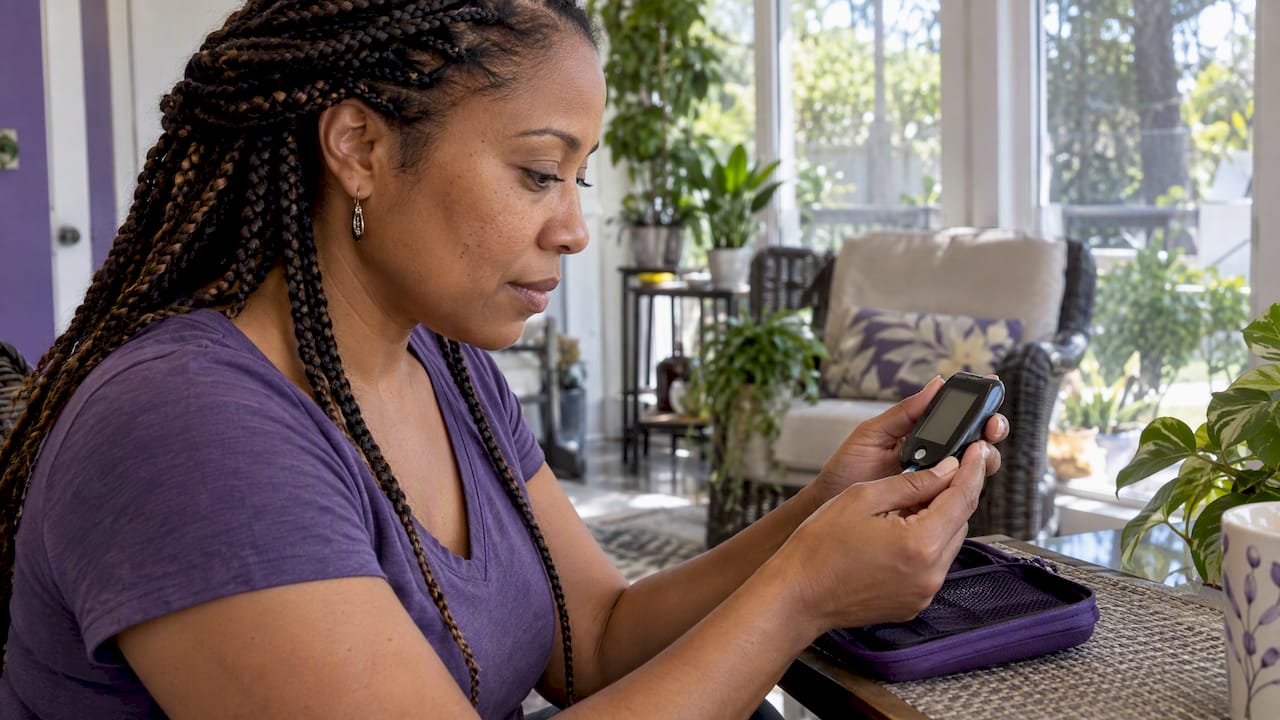
If you have unopened diabetic supplies you no longer need, you have four realistic options: return them, sell them, donate them, or dispose of them. The right one depends on what the item is, whether it is sealed, and whether it is still in date. Sealed, unexpired boxes can often be returned or sold. Anything opened, used or expired cannot.
This guide walks you through the order we suggest. It also covers the safety rules for sharps, what the FDA labeling means for sensors, and the tax and paperwork basics. Ask the right questions first and you will not lose money or take a risk with someone else’s health.
TL;DR
- Start by asking your pharmacy, prescriber, insurer or the manufacturer whether an unopened shipment can be returned or credited. Never assume it can.
- If they say no, compare that with a local buyback quote. Sealed, unexpired Dexcom, FreeStyle Libre, Omnipod and test strip boxes are what buyers want.
- Used or opened items are not resale items. Used needles and lancets go through Florida’s sharps disposal programs.
- Keep a simple record of what you sold, the date and the amount. Gains are taxable and losses on personal items generally are not deductible.
- If you are struggling to afford supplies, call your county health department before you sell something you may need later.
Table of Contents
- Why people end up with extra supplies
- First, sort what you have
- Option 1: Try to return it
- Option 2: Sell sealed, unexpired supplies locally
- Option 3: Donate what nobody will buy
- Option 4: Dispose of used items safely
- A quick decision guide
- What we think
- Taxes and records
- Selling with us in Orlando
- Before you hand anything over
- FAQ
- Sources
Why people end up with extra supplies
Excess supplies are common, and it is rarely anyone’s fault. A few typical situations:
- You switched from one CGM to another, and a few boxes of the old sensors are still in the closet.
- Your doctor changed your prescription, and an auto-ship order arrived anyway.
- Your insurance plan lets you refill on a schedule that is faster than you use the items.
- You moved from test strips to a continuous monitor and your strips are still sealed.
- You changed pump systems and have spare pods or cartridges.
If this is you, our page on why changing diabetes medication affects your supplies explains how a change on the prescription side leaves boxes behind.
First, sort what you have
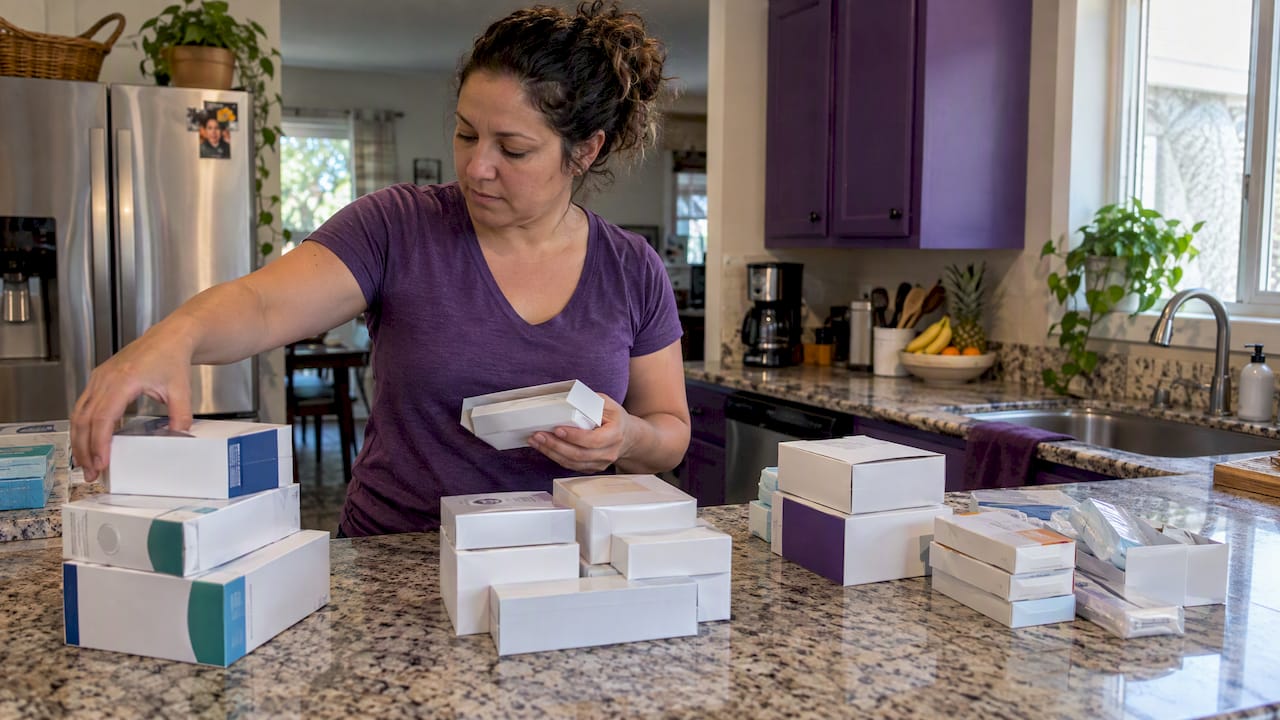
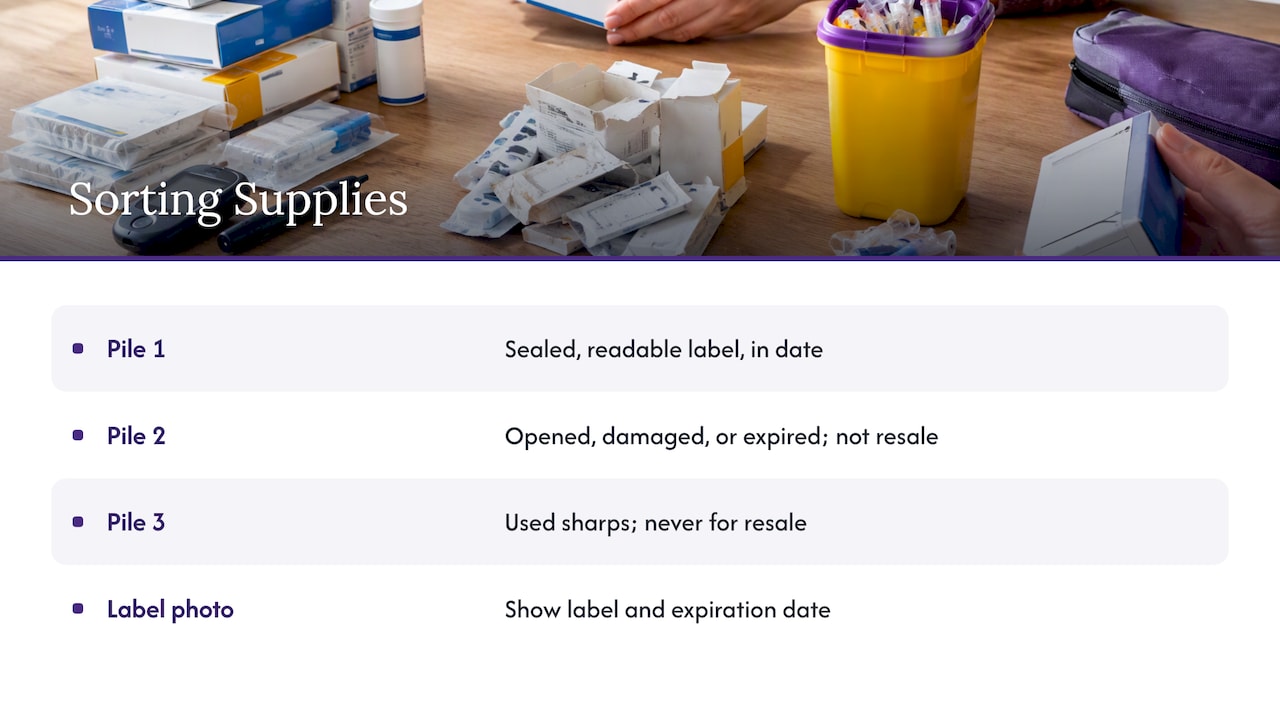
Before you call anyone, sort everything into three piles. This takes ten minutes and saves every later conversation.
Pile 1: sealed and in date. Factory-sealed boxes, with the label readable and the expiration date well ahead of today. These are candidates for return, sale or donation.
Pile 2: opened, damaged or expired. Boxes that have been opened, got wet, have torn seals or are past the date. These are not resale items. The American Diabetes Association notes that organizations taking donated supplies commonly look for unexpired, unopened items, and the ADA itself does not accept supplies, so acceptance rules vary by receiving organization.
Pile 3: used. Used needles, lancets and syringes. These are never for resale. See the sharps section below.
If you want a system for the sorting, we wrote a short guide on how to organize unused diabetes equipment at home. Our expiration date checklist helps you read the dates correctly, and what counts as an unused diabetic supply spells out the line between eligible and not.
Take a clear photo of each box label with the expiration date visible. A photo answers eligibility questions faster than a description does, whether you are talking to a pharmacy or a buyer.
Option 1: Try to return it
A return is worth trying first, because it can pay you back at the full price or credit your account. It is also the option with the most unknowns.
Who to ask:
- The pharmacy that filled it. Pharmacies often cannot take back dispensed medical products once they leave the counter, but policies differ, so ask.
- The mail-order or durable medical equipment supplier. If a shipment arrived that you did not need, ask about a return authorization right away. Timing matters. The sooner you call, the better the odds.
- Your prescriber. They can sometimes fix the order at the source and stop more boxes from coming.
- Your insurer. Ask whether a credit is possible and whether the plan can pause automatic refills.
- The manufacturer. Some have customer service teams that can tell you what they accept.
Return rights depend on the seller, the plan, the product and how long ago it arrived. Confirm them directly. Do not assume a yes.
A note on pharmacy take-back programs
Pharmacy take-back programs usually exist for unwanted medicines, not for sealed supplies you want money for. Do not count on the pharmacy counter as a buyer. If you are specifically asking about strips, our page on when pharmacies won’t buy test strips covers what to expect.
Option 2: Sell sealed, unexpired supplies locally
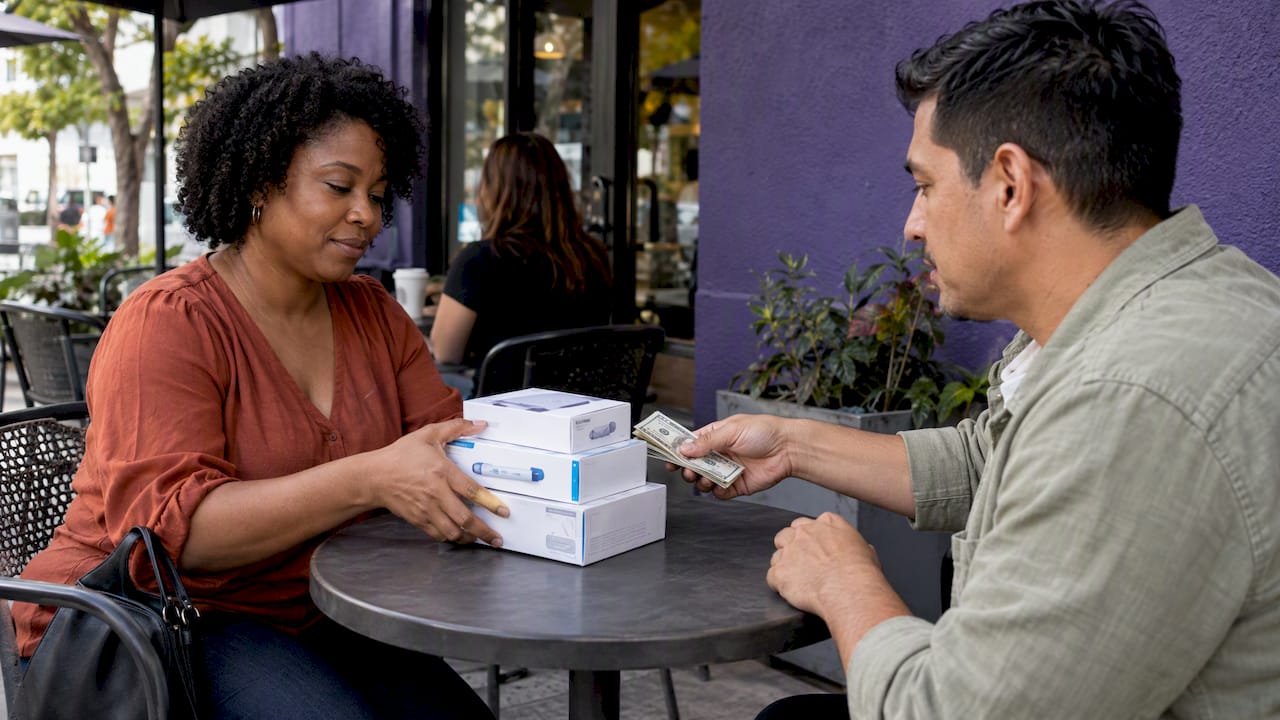
If the return route is closed, selling is the next step. Selling gets you cash for something that would otherwise sit and expire. It also gets the supplies to someone who can use them, as long as the buyer is handling them properly.
What buyers look for
A reputable buyer is picky, and that is a good sign. Expect these conditions:
- Factory-sealed packaging with no tears, tape or stickers added.
- A readable label and lot information.
- An expiration date far enough out to be useful.
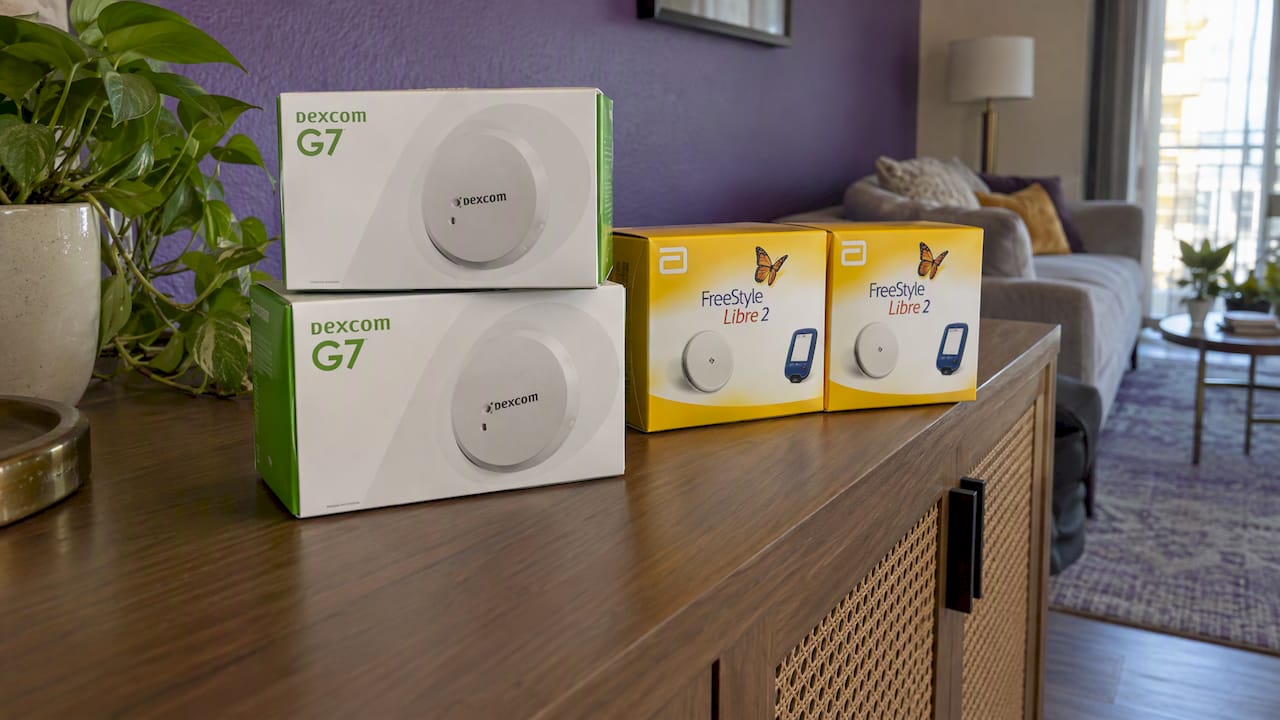
- Identifiable brand and model, such as Dexcom G6 or G7, FreeStyle Libre 2 or 3, Omnipod pods, or a major brand of test strip.
For a longer list by product type, see types of accepted sealed diabetic products.
Why the sealed rule exists
It is not just a business preference. FDA materials for prescription CGM systems show the sale of these products is restricted to sale by or on the order of a physician. See, for example, the FDA-posted user guide for a CGM system, which carries that caution, and the FDA approval letter for a pump and CGM system. Some sensors are also labeled for use by a single patient.
Those documents do not set one rule for every Dexcom, FreeStyle Libre or Omnipod product, so product labeling and applicable law still matter. In practice, it means a sensor that has been opened or worn is a different thing from sealed inventory. Do not try to sell opened or worn sensors to anyone, and do not hand them to a stranger.
For the legal side in our state, read selling sealed diabetic supplies in Florida and avoiding Medicaid fraud risk.
How much can you expect?
Prices vary by product, quantity, expiration date and condition. These are the prices we publish for two of the products we buy:
| Product | What we pay |
|---|---|
| Dexcom G7 | $70-$90 per pack |
| FreeStyle Libre 2 | $15-$20 per sensor |
We do not publish a price for test strips, CGMs in general or pumps and pods. Those are quoted after we see what you have. For a Dexcom G7 pack, the details are on our Dexcom G7 buyback page, and the Libre 2 numbers are on the FreeStyle Libre 2 buyback page.
Selling by shipping versus meeting locally
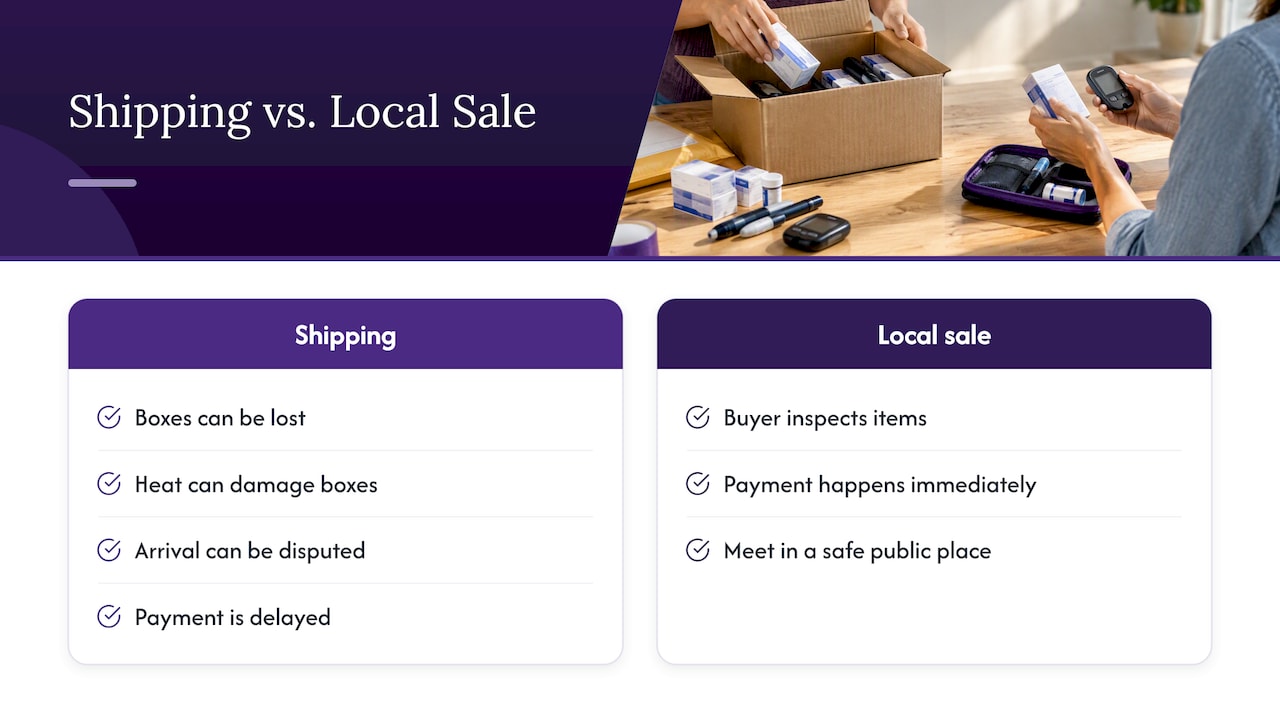
Mailing supplies to an unknown buyer creates delays and risk. Boxes get lost, damaged by heat, or disputed after arrival, and you wait for payment. A local, in-person sale avoids most of that. The buyer inspects the items in front of you and you are paid right then. Meet in a safe public place and bring the sealed boxes with labels visible.
Our buyback timeline shows how the process goes from quote to cash.
Option 3: Donate what nobody will buy
Sometimes the answer is neither a return nor a sale. Maybe the expiration date is too close, or you have a small quantity. Donation is the right choice then, and it still helps someone.
The ADA keeps a page of organizations that take donated supplies. Because each organization sets its own conditions, contact them before you send or drop anything off. Ask about minimum time left before expiration and about which products they accept.
Option 4: Dispose of used items safely
Used needles, lancets and syringes are not for return, sale or donation. They are sharps waste.
The Florida Department of Health’s residential sharps guidance, updated April 10, 2025, says many county programs offer drop-off for home-generated needles, syringes with needles and diagnostic lancets, often with a replacement container at minimal or no cost. Key points from that guidance:
- Use a rigid, puncture-resistant, leak-resistant container with a tight lid.
- Do not use clear plastic or glass containers.
- Never put sharps in recycling.
- If no program is available near you, disposal in household trash is a last resort, and only where your county waste provider allows it.
County rules and fees differ, so call your county health department. As an example of how a county program is described, here is the Lee County sharps disposal program. If you live in Orange, Seminole or Osceola County, look up your own county’s program through the Department of Health.
Keep used items completely separate from anything you plan to show a buyer. That protects your household, waste workers and the buyer.
A quick decision guide
| Your situation | Best first move | Next move |
|---|---|---|
| Sealed boxes just arrived that you do not need | Call the supplier about a return or credit | Get a local buyback quote |
| Sealed boxes, supplier said no | Get a local buyback quote | Donate if nobody buys |
| Sealed, but expiring very soon | Ask a donation group what date cutoff they use | Dispose if no one accepts |
| Opened, damaged or expired | Do not sell | Donate only if accepted, otherwise dispose |
| Used needles, lancets, syringes | Sharps container | County drop-off program |
| You may need these supplies later | Keep them | Talk to your doctor about adjusting refills |
What we think
We buy unused diabetic supplies in Orlando, and we will tell you plainly: selling is not always the right answer.
If your supplier will take the boxes back for a full credit, do that. If you are likely to need the supplies in a few months, keep them. And if money is the problem rather than extra stock, talk to your county health department first. Florida’s Insulin Distribution Program can provide supplies like glucometers, test strips, lancets and insulin syringes to eligible Florida residents. Eligibility includes financial and insurance conditions, and the health department makes the final decision. Our list of Florida diabetic assistance resources and the guide to diabetic supply programs for Florida residents can help you find them.
When selling does make sense, we think the process should be simple:
- A clear price policy, so you know what we pay before you meet.
- A short, in-person meetup in a safe, local, public place.
- Inspection on the spot and payment right then.
- No pressure. If the offer does not work for you, you walk away with your boxes.
We only want sealed, unused, unexpired products. That is not a limit on you, it is what keeps this process honest for the next person who receives them.
— Liliana
Taxes and records
Most people selling a few boxes will not have a complicated tax picture, but a few basics help.
According to the IRS on Form 1099-K, a Form 1099-K reports gross payments. It is not reduced by fees, refunds or costs. So a payment app may show the full amount even if you sold at a loss. IRS guidance on personal items says that a sale for less than what you paid generally produces a loss that is not deductible, while a sale at a profit is taxable.
What to do:
- Keep a note of what you sold, the date and the amount received.
- Keep the original purchase or insurance cost records if you have them.
- If you sell supplies regularly, ask a tax professional how that is treated, because repeated buying and selling can be handled differently from an occasional personal sale.
Cash for a one-time sale of a few boxes you no longer need is normally simple. A tax preparer is the right person for anything beyond that.
Selling with us in Orlando
If your boxes are sealed and in date, we buy them. We cover Dexcom G6 and G7, FreeStyle Libre, Omnipod pods and sealed test strips in Orlando and surrounding areas. You can see what we take and how to start on our main page for cash for diabetic supplies, or read how to get cash for unused diabetic supplies before you reach out.
Send photos of the box labels and expiration dates, and you will get a clear answer on whether we can buy them and what we can pay.
Before you hand anything over
Run through this list:
- Boxes are factory sealed with no tears or added tape.
- Labels and expiration dates are readable.
- You asked your pharmacy, supplier or insurer about a return or credit.
- You will not need these supplies in the near future.
- Used sharps are in a proper container, separate from everything else.
- You know the price before the meetup, and you will meet in a public place.
- You will write down what you sold and what you received.
FAQ
Can I return diabetic supplies to a pharmacy?
Sometimes, but do not count on it. Pharmacies often cannot take back dispensed supplies, and policies vary by store, product and timing. Call the pharmacy that filled the order and ask before you make a trip.
Can I sell diabetic supplies in Florida?
Sealed, unexpired supplies are what legitimate buyers accept, and opened or used items are not. Some products, such as CGMs, carry FDA labeling that restricts them to sale by or on the order of a physician, so the details matter. Read our guide on Florida diabetes resale laws and check product labeling.
What do I do with used lancets and needles?
Do not sell, donate or recycle them. Put them in a rigid, puncture-resistant, leak-resistant container with a tight lid and use your county’s sharps drop-off program. Florida’s health department advises against clear plastic or glass containers.
Do I owe taxes if I sell extra supplies?
A sale of a personal item at a gain is taxable, and a loss generally is not deductible, according to IRS guidance. Keep a record of the sale and what you paid. For regular selling, ask a tax professional.
Should I sell supplies I might need later?
Probably not. If cost is the concern, contact your county health department about Florida’s insulin and supply assistance first. Selling helps most when you have a real surplus after a device or prescription change.
Sources
- American Diabetes Association: donating diabetes supplies
- FDA: pump and CGM approval letter
- FDA: CGM system user guide
- Florida Department of Health: residential sharps guidance
- Florida Department of Health in Lee County: sharps disposal program
- Florida Department of Health: insulin distribution program
- IRS: what to do with Form 1099-K