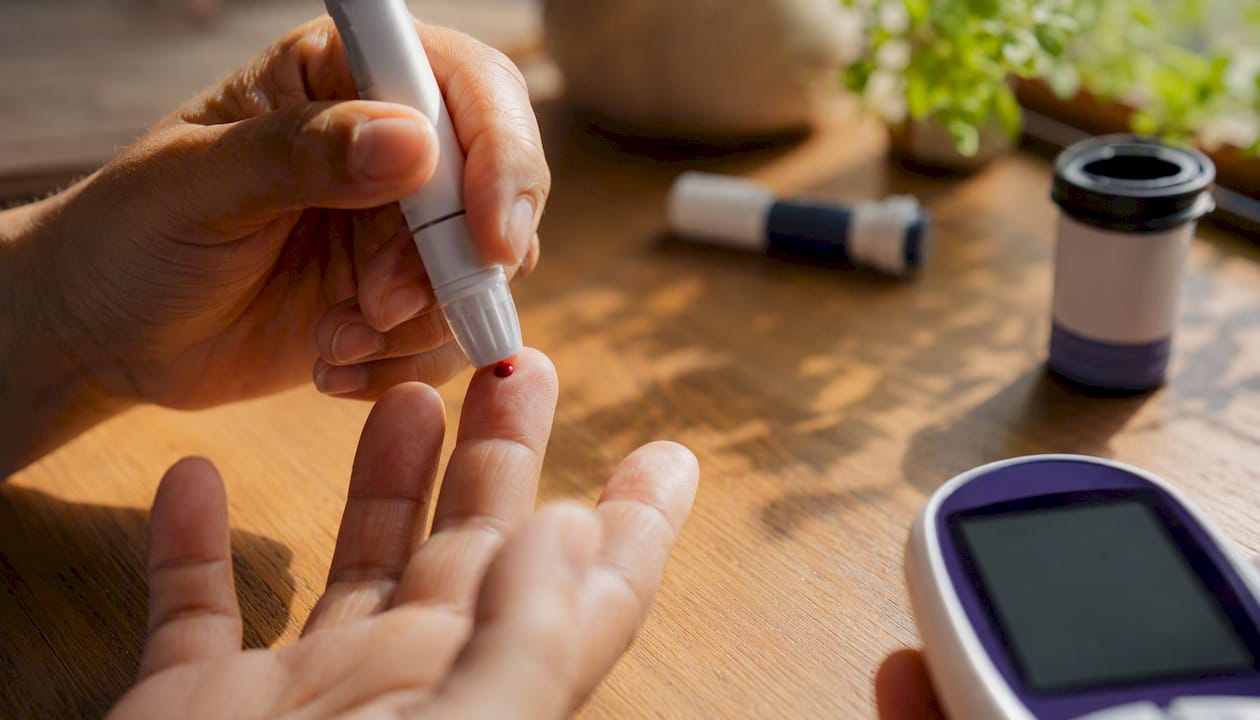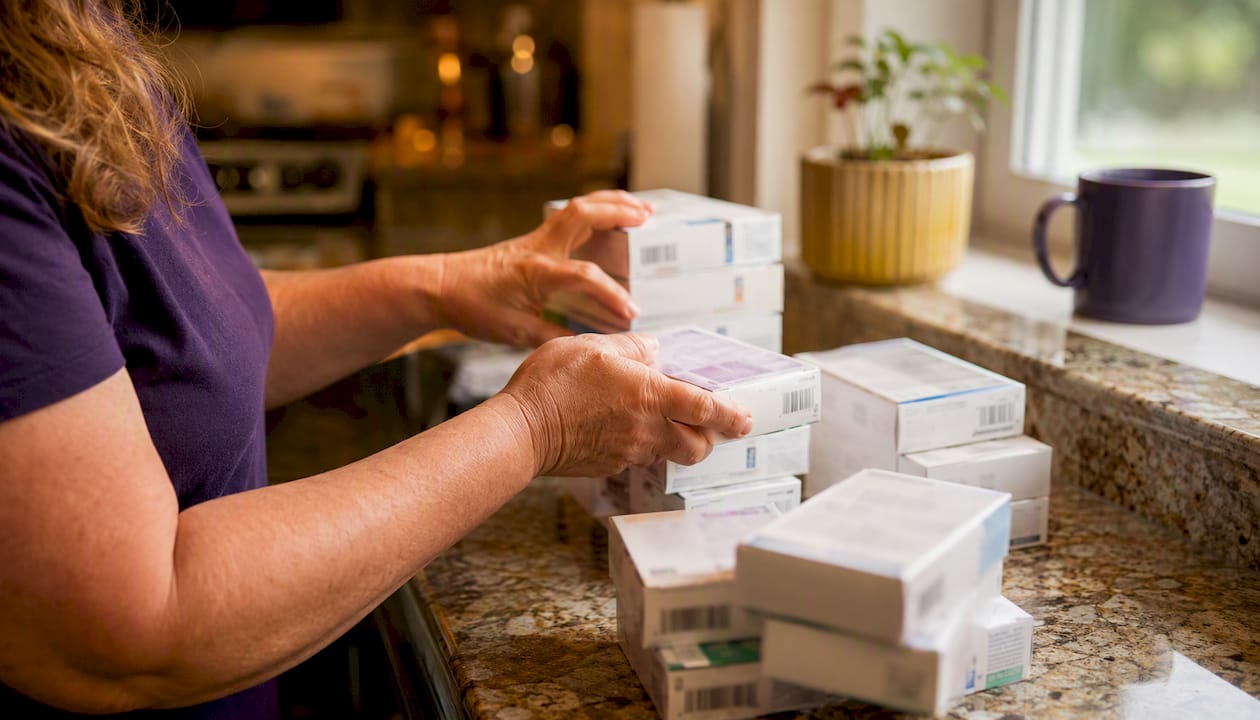

Diabetics accumulate extra supplies because fixed insurance auto-refill cycles, pharmacy return restrictions, device transitions, and emergency preparedness requirements all push supply levels beyond daily needs. This is not a personal failing or poor planning. It is a predictable outcome of how diabetes care is structured in the United States. Whether you are managing your own diabetes or caring for a family member, understanding why diabetics have extra supplies helps you make smarter decisions about what to keep, donate, or sell. Surplus supplies are common across users of Dexcom G6, Dexcom G7, Freestyle Libre, Omnipod, and standard test strips alike.
Why diabetics have extra supplies: pharmacy return policies
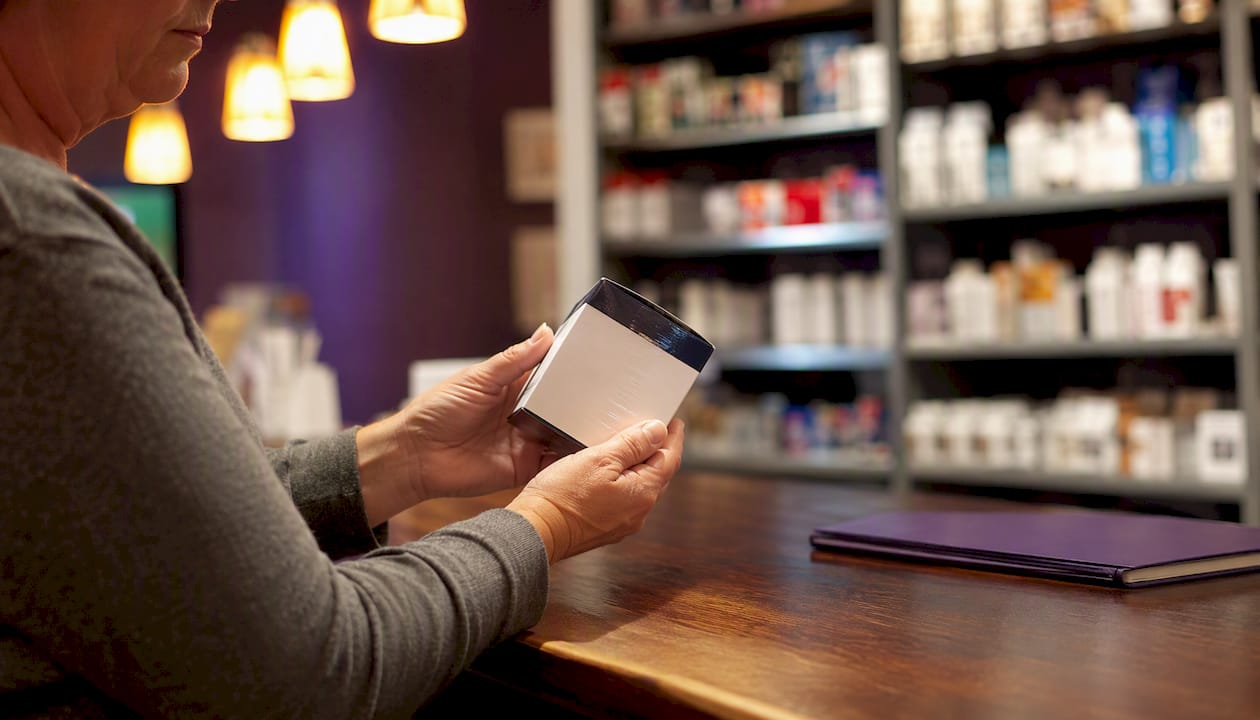
Pharmacies legally cannot accept returned prescription medications once dispensed, except for verified dispensing errors. This single rule is the foundation of most diabetic supply surpluses. Walgreens, CVS, and other major chains follow federal and state regulations that prohibit accepting returned prescription items to protect public health from counterfeiting and tampering. The Federal Drug Supply Chain Security Act and state laws strictly regulate this process, leaving patients with no legal path to return sealed, unused supplies.
The practical result is straightforward. If your doctor changes your prescription, your insurance ships a new batch before you finish the old one, or you simply use less than expected, those sealed boxes stay in your cabinet. Unlike a shirt you can return to Target or a gadget you can send back to Amazon, a box of sealed Dexcom G7 sensors or Omnipod pods has nowhere to go once it leaves the pharmacy or mail-order distributor.
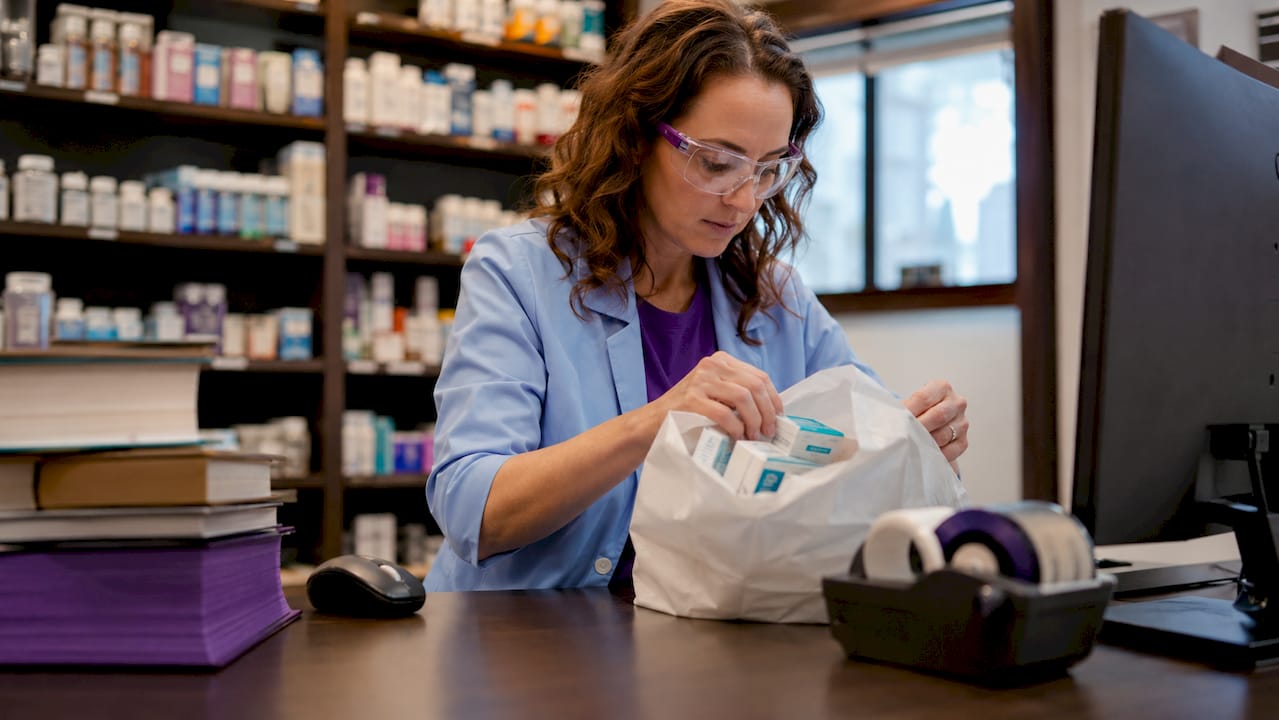
This policy creates a one-way door for diabetic supplies. Every refill that arrives is permanent inventory. Patients who change treatment plans mid-cycle are left holding supplies they paid for but cannot use or return.
Pro Tip: Keep all original sealed packaging intact. Supplies in original, unopened boxes hold their value if you later decide to sell or donate them through a buyback service.
How auto-refills and treatment changes stack up inventory
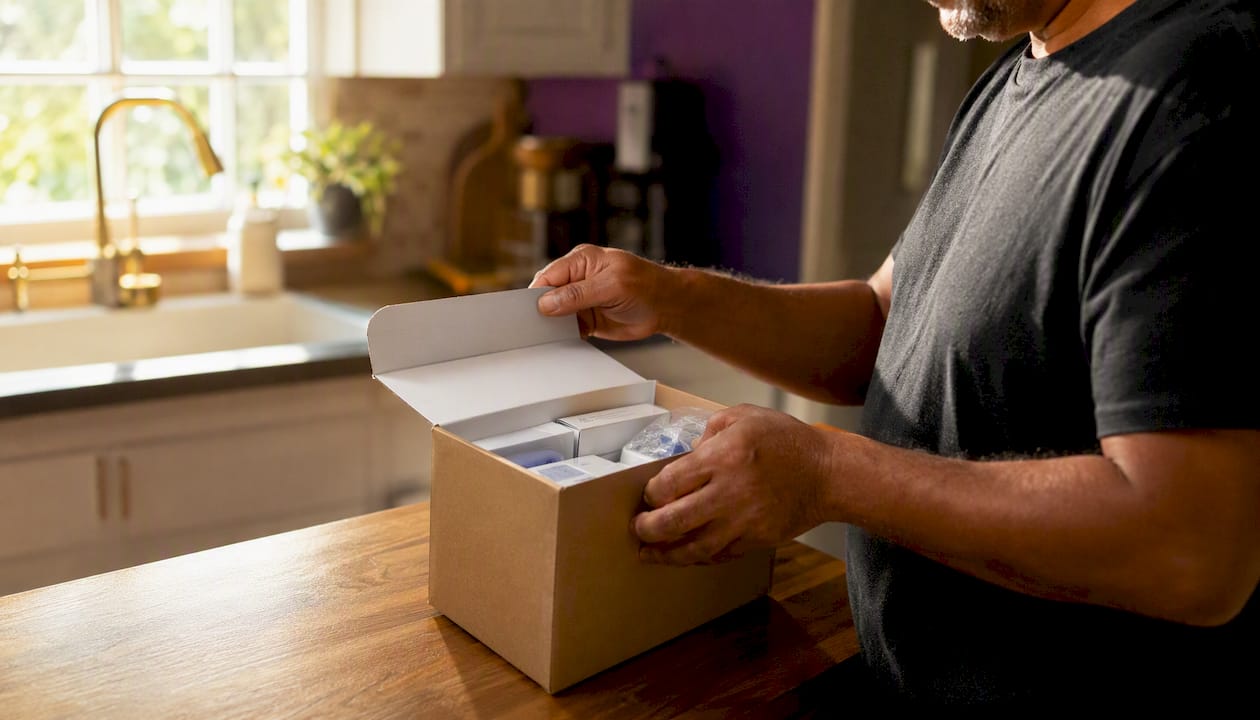
Insurance plans use fixed 90-day auto-refill cycles that deliver supplies regardless of actual patient consumption. That schedule does not pause when your doctor adjusts your dosage, when you get sick and use more, or when you use less during a low-activity period. The shipment arrives on schedule every time.
Treatment transitions are the second major driver. Common scenarios that create surplus include:
- Switching from multiple daily injections to an insulin pump. Insulin pens and cartridges become incompatible overnight.
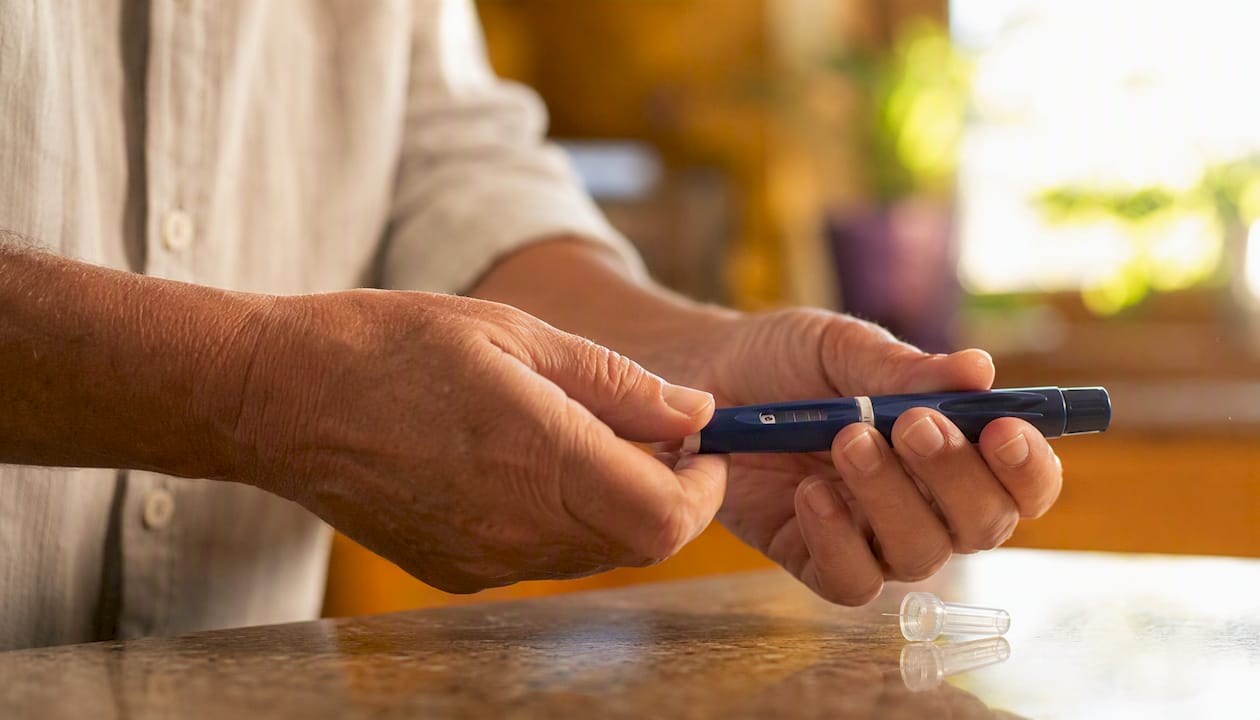
- Moving from one CGM brand to another. Freestyle Libre sensors do not work with a Dexcom reader, and vice versa. Switching CGM brands leaves behind good-condition, unused sensors with no compatible device.
- Adopting GLP-1 therapies. Many patients who switched to GLP-1 medications left behind unused insulin pens and supplies, creating a wave of healthcare waste with no redistribution programs in place.
- Reducing insulin requirements. Lifestyle changes, weight loss, or new medications can lower daily insulin needs. Auto-refills do not adjust automatically, so supply outpaces demand.
The result is that medication and device overstock is a systemic issue, not a patient behavior problem. You can follow your prescribed plan perfectly and still end up with a closet full of supplies you cannot use. Understanding this removes the guilt and opens the door to practical solutions. You can learn more about mail order surplus patterns to see exactly how delivery schedules compound the problem.
Why a diabetes emergency kit requires extra supplies on hand
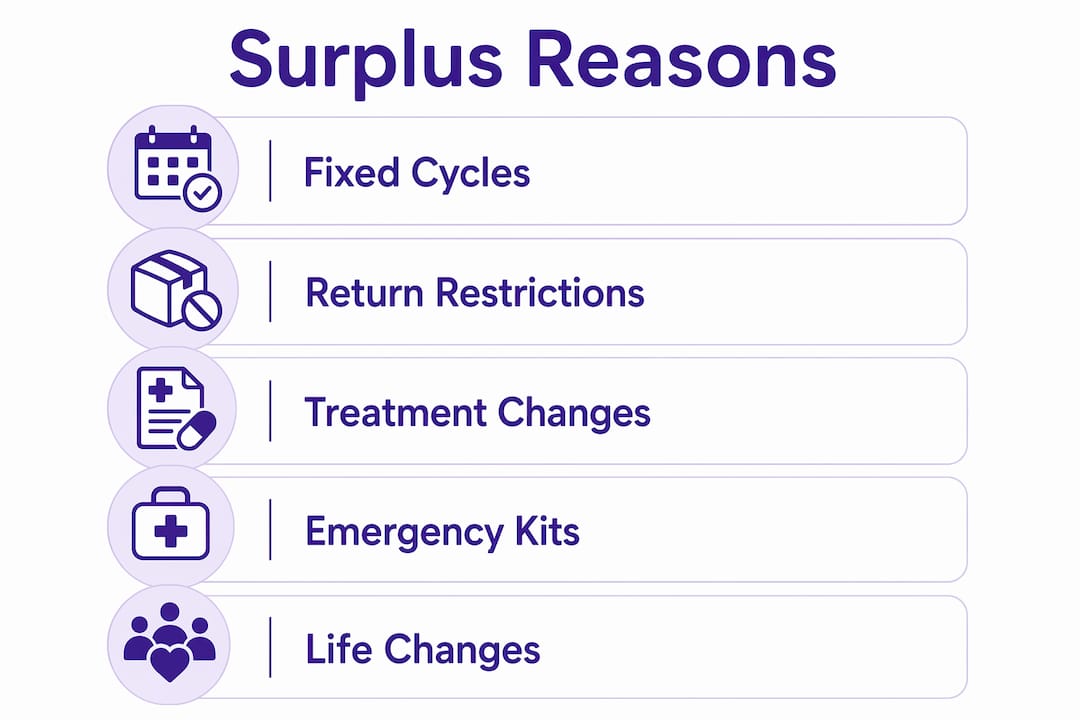
A diabetes emergency kit is a dedicated stockpile of supplies kept ready for unexpected events, and building one requires intentional surplus. Children With Diabetes recommends storing a minimum of two weeks of supplies and replenishing them frequently to maintain readiness. That recommendation alone means every well-prepared diabetic should have more supplies on hand than their daily routine requires.
A complete diabetes emergency kit typically includes:
- Insulin (short-acting and long-acting, stored properly in a cooler or insulated case)
- Glucagon emergency kit for severe hypoglycemia
- Blood glucose meter with extra batteries
- Test strips matched to the meter
- CGM sensors and transmitters (Dexcom G6, G7, or Freestyle Libre)
- Lancets and lancing device
- Pump supplies if applicable, including infusion sets and reservoirs
- Fast-acting glucose sources such as glucose tablets or juice boxes
- Medical ID and written care instructions
The logic behind this list is simple. Natural disasters, power outages, hurricanes, and sudden illness can cut off access to pharmacies for days or weeks. Florida residents know this reality well. Emergency kit surplus supplies function as safety buffers that can save lives during crises. Viewing extra supplies through this lens reframes them from waste to preparedness.
Pro Tip: Rotate your emergency kit supplies every 90 days. Use the oldest items in your daily routine and replace them with fresh stock. This keeps your kit current without letting anything expire.
Life changes that reveal hidden supply stockpiles
Families and caregivers frequently discover months of accumulated sealed diabetic supplies after a patient is hospitalized, moves to long-term care, or passes away. Prescription shipments and auto-refills continue through these life changes because no automatic cancellation system exists. The result is boxes of sealed insulin cartridges, lancets, CGM sensors, and test strips sitting unused in a home.
Common surplus discovery scenarios include:
- A parent with Type 2 diabetes moves to assisted living, where the facility provides all supplies
- A spouse passes away, leaving behind three to six months of sealed Omnipod pods and Dexcom sensors
- A child with Type 1 diabetes goes to college and transitions to a new care provider, leaving old supplies behind
- A patient’s insurance changes, triggering a new supply source while old deliveries continue briefly
The table below shows typical surplus volumes found in these situations:
| Scenario | Common Surplus Items | Approximate Quantity Found |
|---|---|---|
| Patient passes away | Insulin pens, test strips, CGM sensors | 3–6 months of supply |
| Long-term care admission | Lancets, meters, pump supplies | 1–4 months of supply |
| Treatment plan change | Old CGM brand sensors, insulin cartridges | 1–3 months of supply |
| Insurance transition | Test strips, infusion sets | 1–2 months of supply |
The key point for caregivers is this: sealed, unexpired supplies have real value. Discarding them is not the only option. Organizing what you find is the first step toward making a responsible decision about what to do next. A diabetic supply inventory guide can help you catalog what you have before deciding on next steps.
How to manage and use your extra diabetic supplies
Managing surplus diabetic supplies starts with organization. Sort items by expiration date, check that all packaging is sealed and undamaged, and separate supplies by type. This process tells you what is still usable and what needs to be disposed of properly.
Once you know what you have, you have three main options:
| Option | Best For | Key Limitation |
|---|---|---|
| Keep as emergency stock | Unexpired, compatible supplies | Requires proper storage conditions |
| Donate | Sealed, unexpired items | Many organizations have strict acceptance rules |
| Sell to a buyback service | Sealed, unexpired, original packaging | Must meet buyback service requirements |
Donation sounds straightforward, but most charitable organizations and free clinics cannot accept insulin due to cold chain requirements. Sealed test strips, lancets, and CGM sensors in original packaging are more commonly accepted. Always confirm acceptance criteria before dropping anything off.
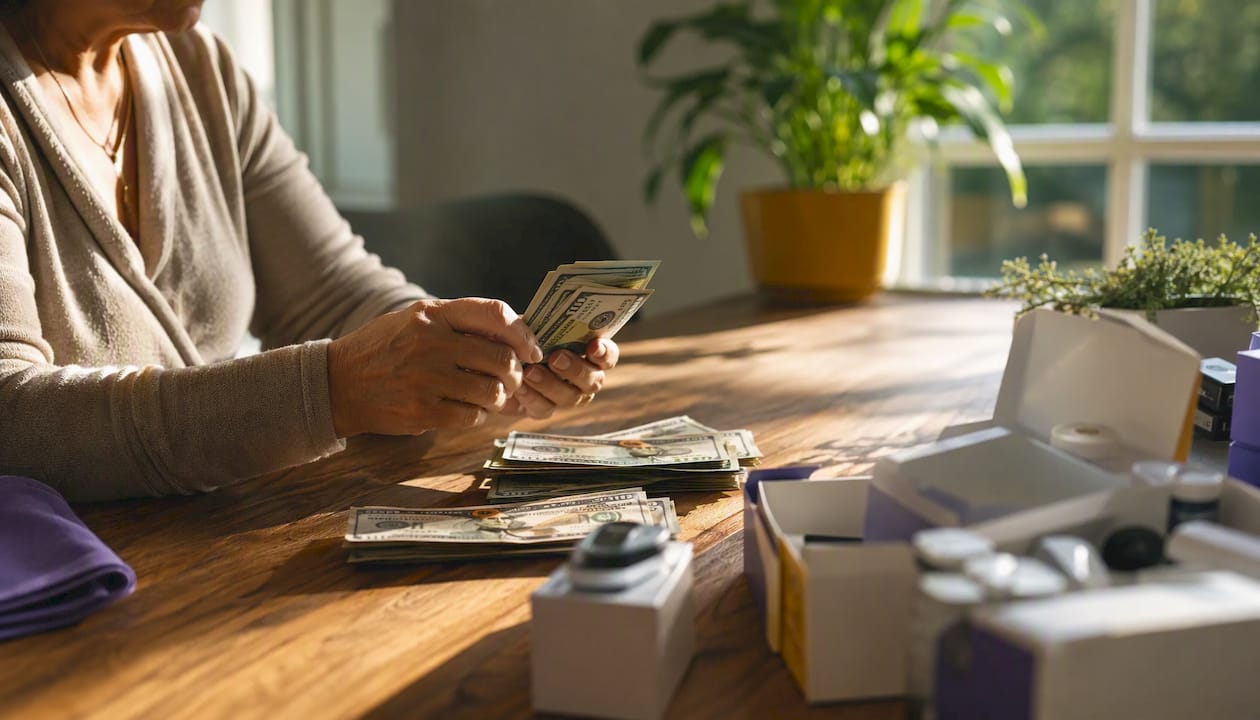
Selling is the most direct way to recover value from surplus supplies. Buyback services like Orlando Diabetic Supplies Buyback accept sealed, unexpired items including Dexcom G6 and G7 sensors, Freestyle Libre, Omnipod pods, and test strips. You can also contact your insurer directly to request adjustments to your auto-refill schedule. Most plans allow you to delay a shipment or reduce quantities if you document your current inventory. This step alone can prevent future buildup. For a deeper look at organizing unused equipment at home, a structured approach saves time and prevents expired waste.
Key takeaways
Diabetic supply surpluses are a predictable result of fixed auto-refill systems, pharmacy return restrictions, device transitions, and emergency preparedness requirements combined.
| Point | Details |
|---|---|
| Pharmacy returns are not allowed | Federal law prohibits returning dispensed prescriptions, making every shipment permanent inventory. |
| Auto-refills ignore actual usage | Fixed 90-day cycles continue regardless of treatment changes, stacking up unopened supplies. |
| Device transitions create incompatibility | Switching CGM brands or moving to a pump leaves behind sealed, unusable supplies from the old system. |
| Emergency kits require intentional surplus | Two weeks of backup supplies is the recommended minimum for safe diabetes management. |
| Life changes reveal hidden stockpiles | Hospitalization, long-term care, and patient death often leave months of sealed supplies with no return option. |
The system creates the surplus, not the patient
I have spoken with hundreds of diabetics and caregivers who feel embarrassed about their supply stockpiles. They assume they did something wrong. They did not. The surplus is built into the system by design, and understanding that changes everything.
Insurance auto-refills were created for good reasons. They prevent patients from running out of critical supplies. But the same mechanism that protects you from a dangerous shortage also guarantees overstock when your needs change. Pharmacies cannot accept returns for equally good reasons, protecting the drug supply chain from tampering. Neither policy is wrong. Together, they create a predictable surplus problem that no individual patient can fully avoid.
What I find most frustrating is the lack of education around this issue. Most patients do not know they can call their insurer and request a delivery delay. Most caregivers do not know that sealed, unexpired supplies have real market value. Most families sorting through a loved one’s belongings do not realize that those boxes of Dexcom sensors or Omnipod pods can be sold rather than thrown away.
The smarter approach is to treat your surplus as a managed asset. Keep what you need for your emergency kit. Sell or donate the rest. Adjust your auto-refill schedule proactively. These are not complicated steps, but they require knowing the system well enough to work within it. The overshipped supply types that accumulate most often are well documented, and knowing which items hold value helps you prioritize.
— Liliana
Turn your surplus supplies into cash with orlando diabetic supplies buyback
If you have sealed, unexpired diabetic supplies sitting unused, Orlando Diabetic Supplies Buyback offers a fast, local solution. We buy Dexcom G6 and G7 sensors, Freestyle Libre, Omnipod pods, and sealed test strips for same-day cash in Orlando and surrounding areas.
The process is simple. You contact us, we give you a fair price, and you get paid the same day. No shipping, no waiting, no hassle. Whether you are a caregiver sorting through a loved one’s supplies or a diabetic who switched devices and has extras on hand, we make it easy to get cash for unused supplies quickly. Not sure whether to sell or donate? We can help you think through that decision too. Visit Orlando Diabetic Supplies Buyback to get started today.
FAQ
Why do diabetics receive more supplies than they need?
Insurance plans use fixed 90-day auto-refill cycles that deliver supplies on a set schedule regardless of actual consumption. When treatment plans change or usage decreases, shipments continue, creating unavoidable surplus.
Can you return unused diabetic supplies to a pharmacy?
Pharmacies cannot legally accept returned prescription medications once dispensed, except for verified dispensing errors. Federal law and state regulations prohibit returns to protect the drug supply chain from tampering.
What should a diabetes emergency kit contain?
A diabetes emergency kit should include insulin, glucagon, a blood glucose meter, test strips, CGM sensors, lancets, pump supplies if applicable, and fast-acting glucose sources. Children With Diabetes recommends keeping at least two weeks of supplies on hand.
What happens to diabetic supplies after a patient passes away?
Auto-refill shipments often continue through a patient’s death or care transition, leaving families with months of sealed, unused supplies. These items cannot be returned to the pharmacy but may be sold to a buyback service if they are sealed and unexpired.
Is it legal to sell unused diabetic supplies?
Selling sealed, unexpired, over-the-counter diabetic supplies such as test strips, CGM sensors, and pump consumables is legal in the United States. Prescription insulin cannot be resold, but most monitoring and delivery supplies can be sold through reputable buyback services.