Selling unused diabetic supplies locally can be done the same day. The steps are simple: check your items, get a price, meet in a public place, and get paid when the supplies pass inspection. The part that decides your timeline is not the payment. It is whether your supplies are sealed, unexpired and legally yours to sell before you reach out.
This guide walks through the buyback timeline in order, shows what speeds it up and what slows it down, and explains how a local meetup compares with mailing supplies away.
One note if you landed here by mistake. A search for “buyback timeline” often returns results about the federal student loan program, PSLF buyback. That is a different process run by the Department of Education, and it is covered briefly below so you can tell the two apart. Everything else on this page is about selling diabetic supplies.
TL;DR
- Local, in-person buyback of eligible supplies can be finished with same-day cash. Preparation is the step that takes the most time.
- Items must be sealed, unexpired and yours to sell. Shorter remaining shelf life lowers the offer or can rule an item out.
- Current published ranges: Dexcom G7 at $70–$90 per pack and FreeStyle Libre 2 at $15–$20 per sensor.
- Mailing supplies adds shipping and waiting time that an in-person meetup avoids.
- PSLF buyback is a student loan program and has nothing to do with diabetic supplies. It is running on a much longer clock.
Table of Contents
- The buyback timeline at a glance
- Step 1: Gather and check your supplies
- Step 2: Understand how expiration dates change your offer
- Step 3: Confirm the items are yours to sell
- Step 4: Get your price
- Step 5: Meet locally and get paid
- Local meetup vs. mailing supplies away
- What slows a sale down
- A realistic example
- Our perspective: why we built the process around speed
- Ready to sell? Start with your list
- If you were looking for the PSLF buyback timeline
- FAQ
- Sources
The buyback timeline at a glance
Here is the order things happen in, and where time usually goes.
| Step | What happens | What affects the time |
|---|---|---|
| 1. Gather and check | You collect boxes and read the expiration dates | How many boxes you have and how organized they are |
| 2. Share details | You tell us the brand, type, quantity and expiration dates | How complete your details are |
| 3. Get a price | You receive an offer based on item, quantity and remaining shelf life | Expiration dates and current demand |
| 4. Meet locally | We set a public, safe location in the Orlando area | Your schedule and ours |
| 5. Inspect | We check that items are sealed, unexpired and undamaged | Condition of the packaging |
| 6. Get paid | Payment is made on the spot for eligible items | Which items pass inspection |
Steps 1 and 2 are the ones you control. Most delays we see in this business trace back to them, not to the meetup or the payment.
Step 1: Gather and check your supplies
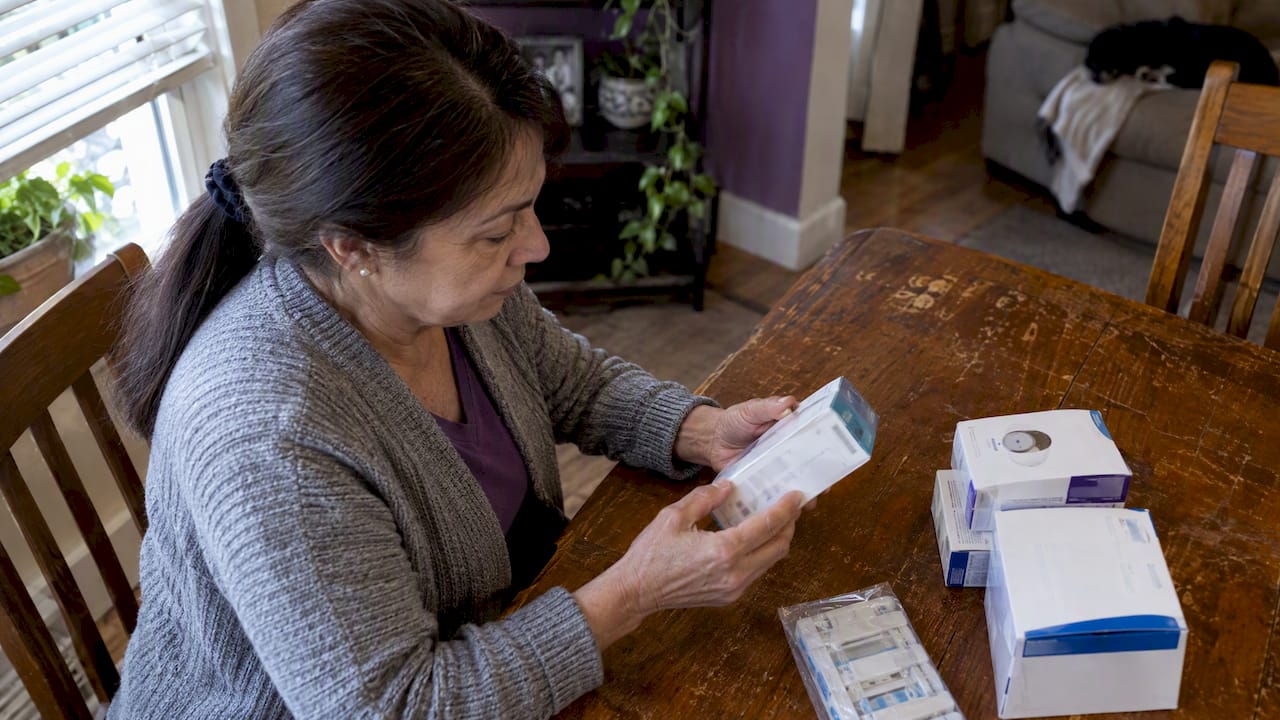
Set aside 15 to 30 minutes for this, longer if you have a closet full of boxes. Pull out everything you do not plan to use, and sort it by type: sensors, pods, test strips and anything else.
For each box, look for three things:
- A printed expiration date. Read it on the box itself. Our guide to checking expiration before selling diabetic supplies shows where to look.
- An intact factory seal. Opened boxes, torn seals and water-damaged cartons are the usual reasons an item gets turned down. If you are unsure whether yours qualifies, read what counts as an unused diabetic supply.
- Normal storage. Supplies that sat in a hot car or a damp bathroom may not pass inspection.
Write down the brand, quantity and earliest expiration date for each group. A short list like that is the fastest way to get an accurate price.
Step 2: Understand how expiration dates change your offer
Expiration is the biggest factor in both price and speed. According to an industry overview of the diabetic supply resale market, typical standards ask for roughly 7 to 9 months of remaining shelf life to receive full market value. Buyers resell what they purchase, so they need time left on the product.
What that means for you:
- Supplies with plenty of time left get the best offers.
- Supplies close to the cutoff may get a lower offer, or none.
- The longer you wait, the less your overstock is worth. A box that qualifies today may not in two months.
Our page on how expiration dates affect buyback price explains this in more detail. If you are deciding whether to sell now or later, the answer is almost always now.
Step 3: Confirm the items are yours to sell
This step takes a few minutes, but skipping it can stop a sale entirely. Per the same industry overview, selling unused diabetic supplies is legal in the United States when you own the items, they were not obtained through government-funded programs such as Medicare or Medicaid, and they are still in factory-sealed, unexpired packaging.
In practice, ask yourself:
- Did a private insurance plan cover these supplies?
- Are they sealed and unexpired?
- Are they mine, not someone else’s prescription?
If any answer is no or unclear, read our Florida page on selling sealed supplies and avoiding Medicaid fraud risk before you go further. If you are covered by Medicare or Medicaid and have questions about your plan’s rules, your plan administrator or a licensed attorney is the right person to ask. We cannot give legal advice about your specific coverage.
Many of our sellers are on private insurance and end up with extras because of automatic refills. Observers of this market describe 90-day auto-refill cycles as a structural cause of surplus for people who have changed devices or testing frequency. Our page on selling insurance-covered overstock covers that situation.
Step 4: Get your price
Once you have your list, you can get a price. We publish ranges for the most common items so you know what to expect:
- Dexcom G7: $70–$90 per pack. See the Dexcom G7 buyback page.
- FreeStyle Libre 2: $15–$20 per sensor. See the FreeStyle Libre 2 buyback page.
We also buy Dexcom G6, FreeStyle Libre, Omnipod pods and sealed test strips from major brands. We do not publish set prices for those categories. The price depends on the item, the quantity and the remaining shelf life, so send your details and we will quote you.
Where in a range your offer lands comes down mostly to expiration dates and condition. That is why accurate details at the start save time later.
Step 5: Meet locally and get paid
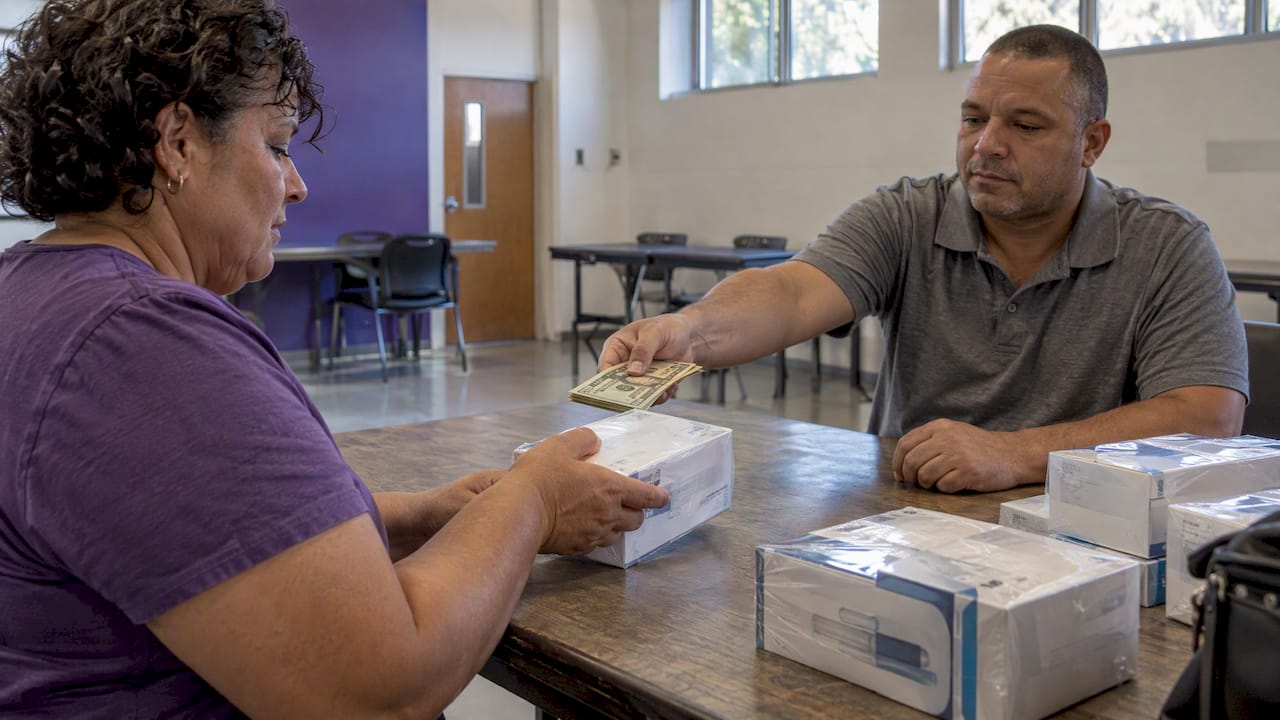
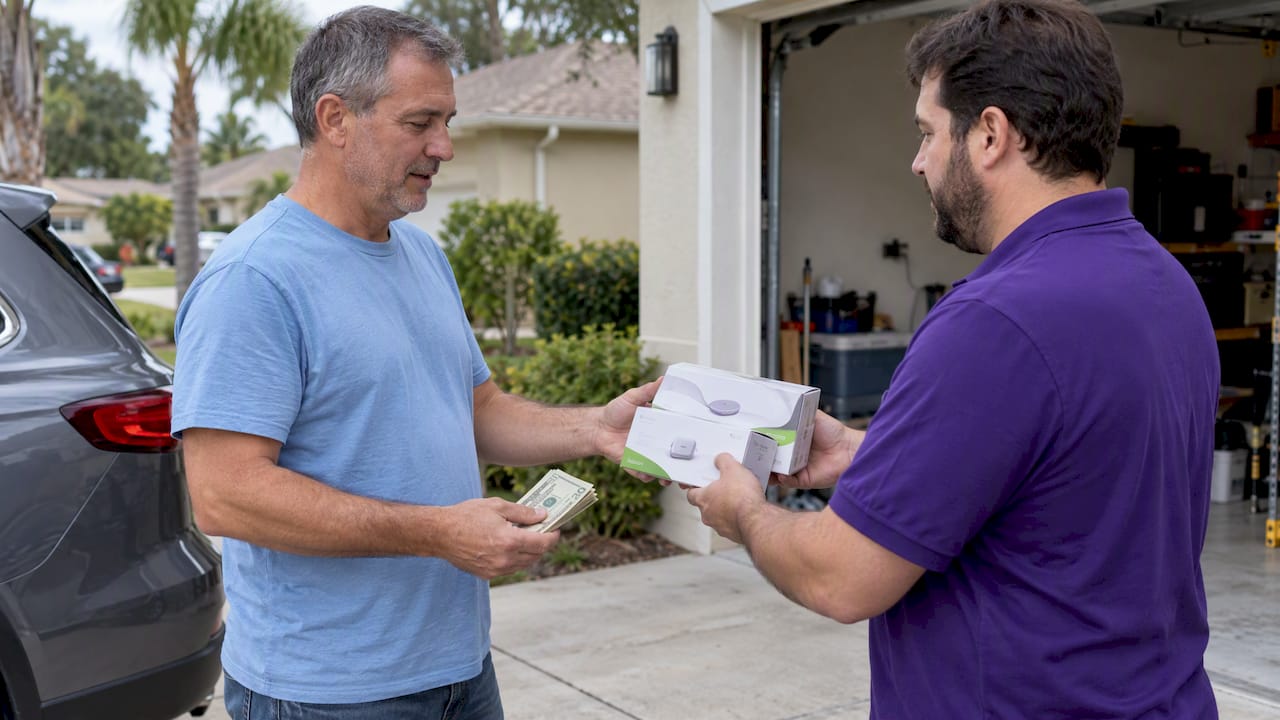
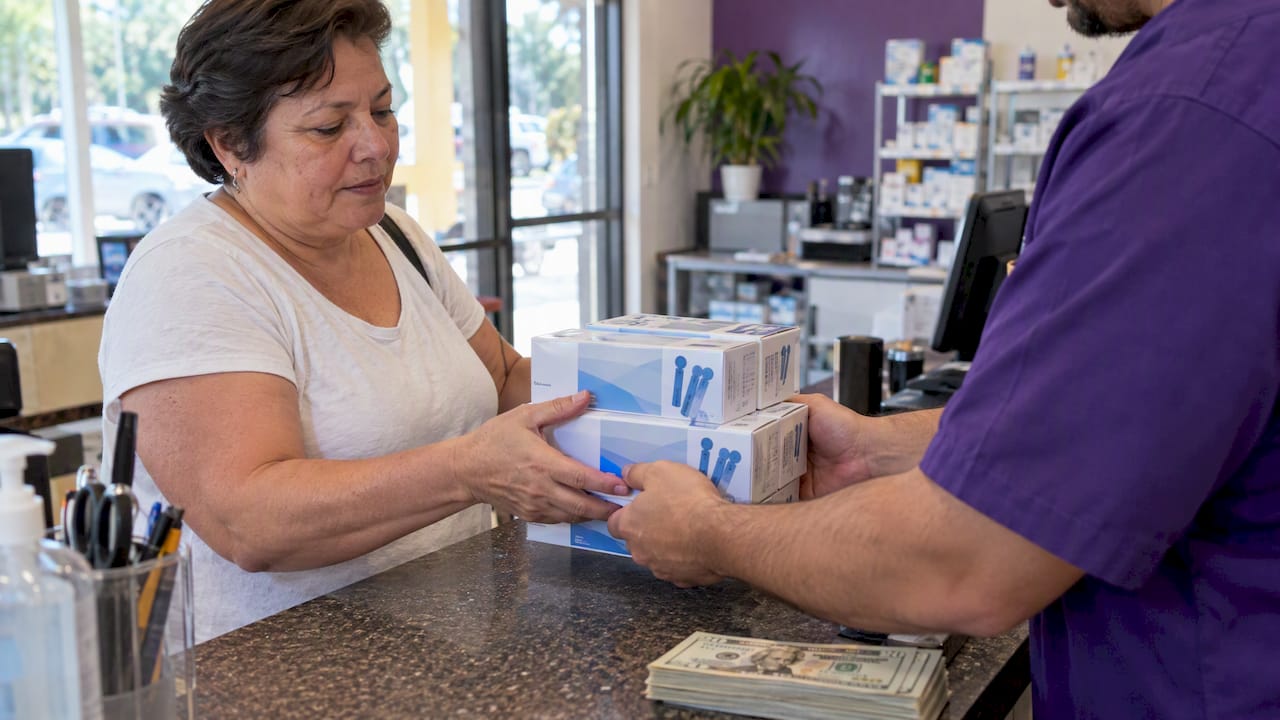
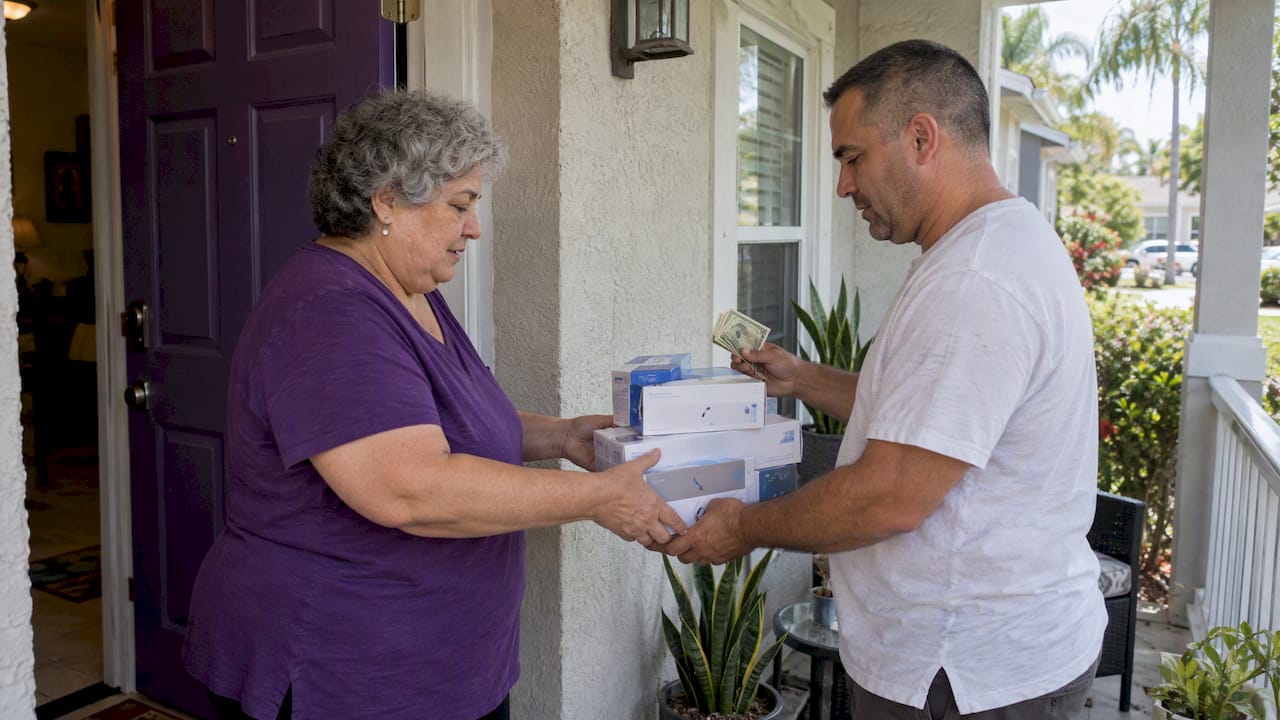
This is the part that makes local buyback fast. We arrange a meetup in a safe, public place around Orlando and the surrounding area. We inspect the items in person. Eligible items are paid for on the spot.
A few tips for a smooth meetup:
- Bring the exact items you listed, in their original boxes.
- Keep everything together and easy to open for inspection.
- Pick a time when you will not be rushed.
- Choose a public location with other people around. Safety is the point of meeting in public.
If you want general advice on meeting strangers to sell items, this guide to sourcing and selling locally covers the basics of local transactions and what to expect from them.
Nothing in this step depends on a carrier, a warehouse or a mailroom. That is the main reason the timeline is short.
Local meetup vs. mailing supplies away
Some buyers work entirely online. Per the industry overview, the standard model has sellers submit product details online and receive a prepaid shipping label. That works, but it adds steps.
| Local in-person buyback | Mail-in buyback | |
|---|---|---|
| Getting paid | On the spot for eligible items | After the package is received and reviewed |
| Shipping risk | None | Package can be delayed, damaged or lost in transit |
| Inspection | You watch it happen | Done after you have shipped |
| If an item is rejected | You keep it and know right away | It may be returned to you or handled under the buyer’s terms |
| Best for | Orlando-area sellers | Sellers far from any local buyer |
If you live in or near Orlando, the local route is usually quicker and simpler. If you live elsewhere in the state or the country, a mail-in service may be your only practical option.
What slows a sale down
These are the usual causes of delay, in rough order of how often they come up:
- Unclear expiration dates. You say “a few months left,” and the item turns out to be too close to expiring.
- Opened or damaged boxes. These are often declined at inspection.
- Items from a government program. These cannot be bought, and finding that out at the meetup wastes everyone’s time.
- Missing details. No quantity or brand means we cannot quote you.
- Waiting too long. Remaining shelf life only goes one way.
Our guide to avoiding delays when selling diabetes supplies goes through each of these with examples.
A realistic example
Say you switched from test strips to a CGM in the spring and have a drawer of sealed boxes. You also have two leftover Dexcom G7 packs from a supply you did not use.
- Evening: You spend 20 minutes checking dates and seals. Everything is sealed. You list brand, quantity and earliest expiration date for each group.
- Next step: You send us the list and receive a quote. For the G7 packs, the published range is $70–$90 per pack.
- Meetup: We agree on a public spot and a time that suits you.
- At the meetup: We inspect, you hand over the eligible items, and you are paid on the spot.
The actual clock time depends on your schedule. The point is that no step requires you to wait on a carrier or a review queue.
Our perspective: why we built the process around speed
Most people who call us are not looking to make a business out of selling supplies. They changed devices, their doctor changed a prescription, or their insurance sent more than they could use. They have boxes taking up space and money sitting in a closet.
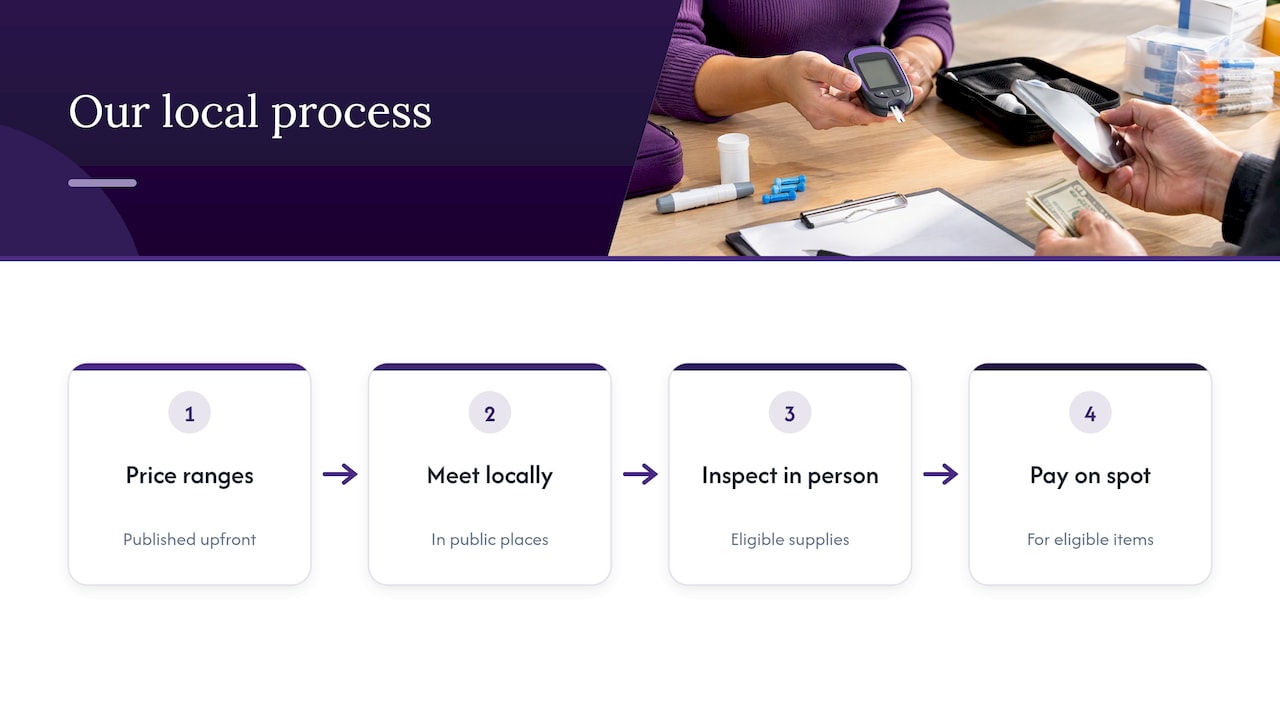
We built our process around the things that cause stress for that kind of seller: waiting, uncertainty about price, and worry about shipping valuable items. So we publish price ranges, meet locally in public places, inspect in person and pay on the spot for eligible items.
The honest part is that we cannot buy everything. Expired supplies, opened boxes and items covered by government programs are out. We would rather tell you that up front than waste your afternoon. If you want to understand why so many people end up with extras in the first place, we wrote about the real reasons diabetics have extra supplies.
— Liliana
Ready to sell? Start with your list
If you have sealed, unexpired Dexcom, FreeStyle Libre, Omnipod or test strip supplies in the Orlando area, send us your list and we will tell you what we can pay. You can also read our full walkthrough, how to get cash for unused diabetic supplies, or go straight to Orlando Diabetic Supplies Buyback to get started.
If you were looking for the PSLF buyback timeline
PSLF buyback is a student loan program. It lets some borrowers in Public Service Loan Forgiveness pay to count past months, and the Department of Education runs it. Its timeline looks nothing like a local cash sale.
- Reporting from The College Investor put the backlog at roughly 88,000 pending requests as of April 30, 2026, with the Department of Education estimating that 18,000 to 19,000 of those are duplicates.
- Forbes reported in April 2026 that the Department said there was no specific timeline for processing.
- Borrowers who are approved have a limited window to pay, and official instructions are on the Federal Student Aid PSLF buyback page.
For your own case, check your account on StudentAid.gov. We do not handle student loans.
FAQ
How long does it take to sell unused diabetic supplies?
With a local buyer, the sale itself can happen in a single meetup with payment on the spot for eligible items. Most of the time you spend is preparing: checking dates, seals and ownership. The cleaner your list, the faster the quote.
What is the minimum shelf life a buyer will accept?
It varies by buyer and product. An industry overview says typical standards call for about 7 to 9 months remaining for full market value. Send us your expiration dates and we will tell you where your items stand.
Can I sell supplies that Medicare or Medicaid paid for?
No. Items obtained through government-funded programs are not eligible. If you are not sure how your supplies were covered, check with your plan before you list them, and see our Florida resale guide.
Is the diabetic supply buyback timeline the same as the PSLF buyback timeline?
No. They are unrelated. PSLF buyback is a federal student loan process with a large backlog and, according to Forbes, no estimated timeline. Selling diabetic supplies locally is a private sale that can be completed in person.
Sources
- How the Diabetic Supply Buyback Market Is Solving a $5 Billion Healthcare Waste Problem
- PSLF Buyback Delays: Timeline & Updates, The College Investor
- No Estimated Timeline for Student Loan Forgiveness Processing, Forbes
- Public Service Loan Forgiveness Buyback, Federal Student Aid