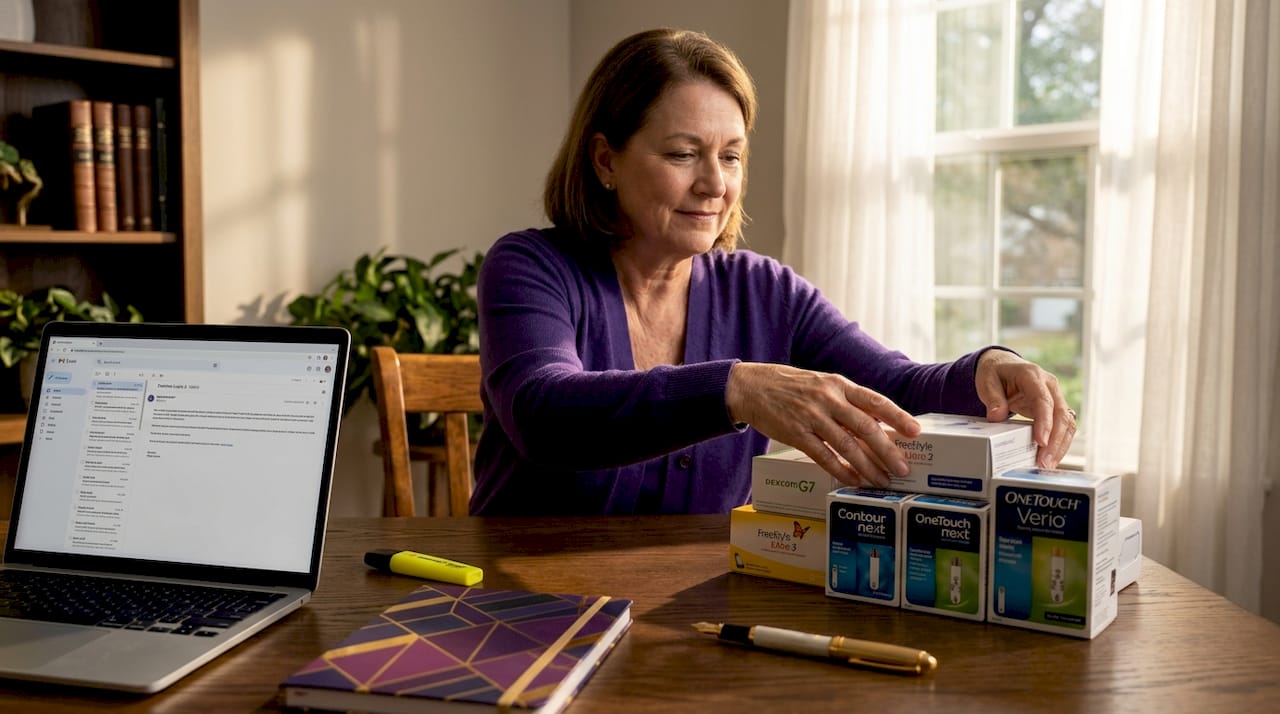
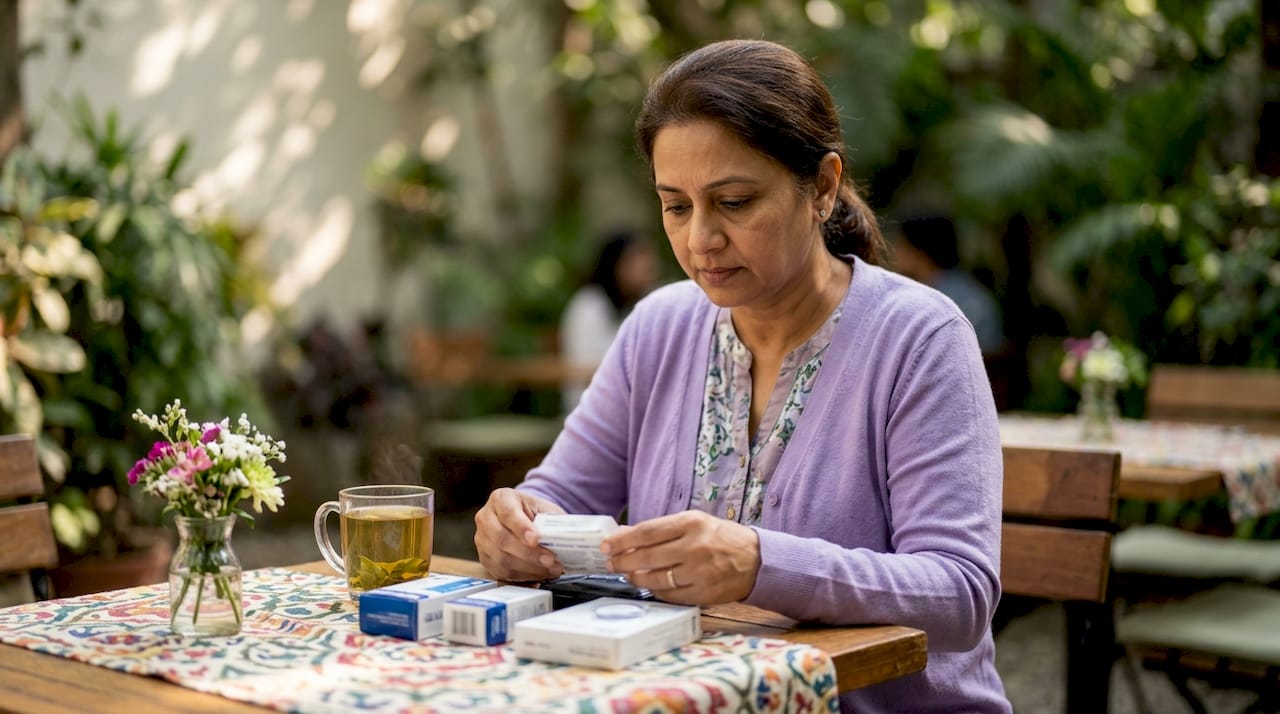
Diabetic supply buyers are defined as individuals, companies, or organizations that purchase unused or surplus diabetes management products from people who no longer need them. Knowing the types of diabetic supply buyers matters because each group operates differently, pays at different speeds, and accepts different products. Whether you have sealed Dexcom G7 sensors, FreeStyle Libre kits, Omnipod pods, or OneTouch test strips sitting in a drawer, matching your supplies to the right buyer type gets you the best return with the least hassle. This guide breaks down every major buyer category so you can sell smarter and safer.
1. Types of diabetic supply buyers and what motivates each
The diabetic supply secondary market includes five distinct buyer categories. Each one has a different motivation, and that motivation shapes everything from how fast they pay to what products they accept.
- Professional resellers and buyback companies. These are specialized businesses that purchase surplus supplies at scale, resell them to underinsured patients, and operate with clear pricing policies. Their motivation is volume and speed. They pay quickly, often within 24 to 48 hours, and they handle the logistics for you.
- Local community buyers. These buyers operate within a specific region, like Orlando or Central Florida, and focus on convenience, ethical redistribution, and personal service. Their motivation is community impact as much as profit.
- Peer-to-peer buyers. These are individuals who buy directly from other people through platforms like Facebook Marketplace or Craigslist. Their motivation is personal use or informal resale at a small margin.
- Donation centers and nonprofits. Organizations like diabetes charities or community health clinics accept supplies at no cost to redistribute to patients who cannot afford them. Their motivation is purely charitable.
- Healthcare clinics and patient assistance programs. Some clinics purchase or accept supplies directly to support their patient populations. Their motivation is patient care, not resale profit.
Understanding who buys diabetic supplies and why they buy helps you choose the channel that fits your timeline and your values.
Pro Tip: If your priority is speed and fair pricing, professional buyback companies and local buyers are your best options. Peer-to-peer platforms and donation centers serve different goals entirely.
2. How payment methods and timing differ across buyer types
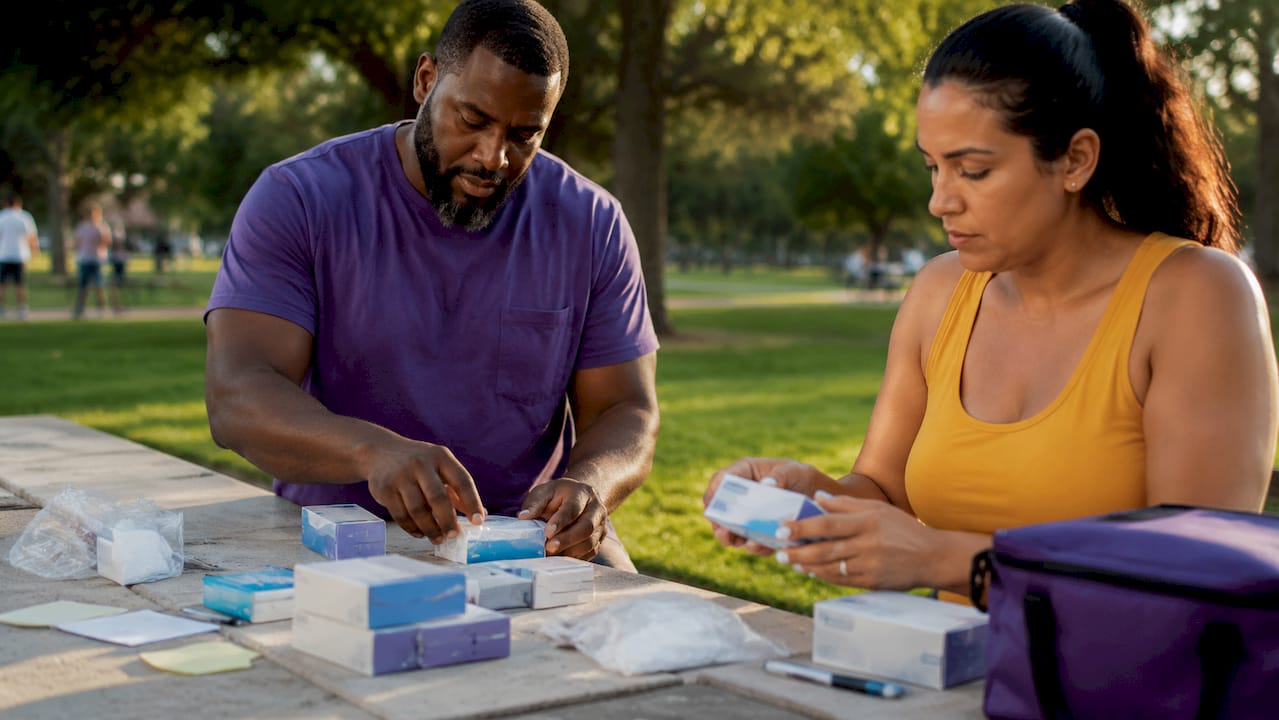
Payment speed is one of the sharpest differences between buyer categories. Reputable buyback companies pay within 24 to 48 hours after approving your shipment, while peer-to-peer marketplaces can take one to three weeks or longer, if the transaction completes at all. That gap matters when you need cash now.
| Buyer type | Payment speed | Payment method | Accepted products |
|---|---|---|---|
| Professional buyback companies | 24 to 48 hours | Bank transfer, PayPal, check | Test strips, CGM sensors, insulin pump pods |
| Local buyers | Same day to 48 hours | Cash, Zelle, Venmo | Broad range, brand dependent |
| Peer-to-peer buyers | 1 to 3 weeks | PayPal, cash, Venmo | Varies widely |
| Donation centers | No payment | N/A | Most unopened supplies |
| Healthcare clinics | Variable | Check or bank transfer | Specific products only |
Payout ranges for high-demand products like CGM sensors and insulin pump pods run from $25 to $120 per box, depending on brand and expiration date. That spread is significant, and it means the buyer type you choose directly affects your payout.
Product condition also drives price. Sealed boxes with nine or more months before expiration earn full value, while supplies close to expiry sell at a discount. Always check your expiration dates before reaching out to any buyer.
Pro Tip: Gather all your supplies, check expiration dates, and photograph sealed boxes before contacting a buyer. This speeds up the quote process and helps you get accurate offers from multiple buyer types at once.
3. Risks and regulations you need to know
Selling unused diabetic supplies is legal in most U.S. states when the products are sealed, unexpired, and over-the-counter. The regulatory picture gets more complicated with prescription devices, and the buyer type you choose affects your exposure to risk.
Platforms like eBay and Facebook enforce strict policies against selling prescription medical devices, which results in removed listings and potential account bans. This is a real risk that catches many sellers off guard. General marketplaces were not built for this transaction type.
Key risks by buyer type:
- Peer-to-peer platforms. Listing removal, account suspension, no payment protection, and no compliance framework. The buyer has no accountability.
- Unverified local buyers. No paper trail, potential for lowball offers, and no recourse if a deal falls through.
- Professional buyback companies. Lower risk overall. Buyer legitimacy and BBB accreditation are the key trust factors to verify before sending any product.
- Donation centers. Minimal financial risk, but no financial return either.
Professional diabetic supply buyers provide secure, compliant, and verified sales channels that avoid the pitfalls of general marketplaces. If you are selling Dexcom G7 sensors or FreeStyle Libre kits, a verified buyback company is the safest path. You can also review what to consider before choosing a buyer to build a quick checklist before committing to any transaction.
4. How local diabetic supply buyers operate
Local buyers represent one of the fastest-growing segments in the diabetic supply secondary market. The role of local buyers in diabetic supplies goes beyond a simple cash transaction. They operate through direct contact, simplified logistics, and sometimes in-person drop-off, which removes the friction of shipping entirely.
“Local diabetic supply buyers help increase access to affordable lifesaving supplies and reduce waste in their regions, making them a practical and ethical choice for sellers who want their supplies to stay in the community.” — Gulf Coast Diabetes Foundation
The benefits of local diabetic supply buyers are concrete. You get faster payouts, no shipping delays, and a direct relationship with someone who understands the local diabetes community. Many local buyers also prioritize ethical redistribution, meaning your surplus Omnipod pods or OneTouch strips may go directly to a neighbor who cannot afford them at retail price.
Selling surplus diabetic supplies reduces medical waste and improves accessibility for under-insured populations. Local buyers are often the most direct channel for that impact. If you want to find local diabetic supply buyers in the Orlando area, Orlando Diabetic Supplies Buyback is one example of a buyer that combines fast cash payments with community-focused redistribution.
The sustainability angle matters too. Unused supplies that expire in a cabinet contribute to medical waste. Local buyers intercept that waste and redirect it to people who need it. That is a real, measurable benefit beyond the cash in your hand.
5. How to choose the right buyer type for your situation
Choosing the right buyer comes down to three priorities: speed, price, and convenience. Most sellers weight one of these above the others, and that preference points clearly to a buyer type.
| Your priority | Best buyer type | Why |
|---|---|---|
| Fastest cash | Local buyer or professional buyback | Same-day to 48-hour payouts |
| Highest payout | Professional buyback company | Competitive pricing on name brands |
| No shipping hassle | Local buyer | Drop-off or pickup options |
| Ethical impact | Donation center or local buyer | Supplies stay in the community |
| Broadest product acceptance | Professional buyback company | Accepts test strips, CGMs, lancets, pods |
Not all buyers accept every supply type, so checking accepted product lists before you reach out saves time. A buyer who specializes in CGM sensors may not want your lancets, and vice versa.
Here is a practical decision framework:
- List every product you have, including brand, quantity, and expiration date.
- Identify your top priority: speed, price, or community impact.
- Check two or three buyers’ accepted product lists and pricing pages.
- Verify reputation through Google reviews, BBB, or Trustpilot before shipping anything.
- Choose the buyer who matches your priority and has verified positive feedback.
Recovering healthcare costs through selling surplus supplies is a real financial benefit, especially for people managing diabetes on a tight budget. The diabetic supply donation vs. selling decision is worth thinking through carefully if you are weighing financial return against community impact.
Major brands like Dexcom G7 and OneTouch command higher resale prices across all professional buyer types. If you have Dexcom G7 sensors to sell, a professional or local buyback company will almost always offer more than a peer-to-peer platform, with far less risk.
Key takeaways
The most effective way to sell surplus diabetic supplies is to match your buyer type to your priorities, verify their reputation, and confirm product acceptance before shipping anything.
| Point | Details |
|---|---|
| Five buyer types exist | Professional resellers, local buyers, peer buyers, donation centers, and clinics each operate differently. |
| Payment speed varies widely | Professional and local buyers pay in 24 to 48 hours; peer platforms can take weeks. |
| Product condition drives price | Sealed boxes with 9-plus months to expiry earn full value; near-expiry supplies sell at a discount. |
| Local buyers offer unique benefits | Faster payouts, no shipping, and ethical redistribution within your community. |
| Verify before you sell | Check BBB accreditation, reviews, and accepted product lists before committing to any buyer. |
What I’ve learned watching the diabetic supply buyer market grow
The market for unused diabetic supplies has changed significantly over the past few years, and not just in size. The types of buyers entering the space now include more community-focused operators who genuinely care about where supplies end up. That shift is worth paying attention to.
My honest observation is that sellers who do the least research end up with the worst outcomes. They list on general marketplaces, get their accounts flagged, and walk away with nothing. Meanwhile, sellers who spend ten minutes verifying a buyer’s reputation and checking their accepted product list consistently get fair prices and fast payments.
The secondary market is evolving toward sustainability and ethical redistribution, and that is genuinely good news for people with diabetes. It means more buyers competing for your supplies, which keeps prices fair. It also means your unused Omnipod pods or FreeStyle Libre sensors are more likely to reach someone who actually needs them rather than sitting in a warehouse.
My advice is simple: prioritize verified buyers with transparent policies. Ask where your supplies go. A buyer who can answer that question clearly is a buyer worth trusting. The cash matters, but so does knowing your supplies are helping someone else manage their health.
— Liliana
Sell your unused diabetic supplies with Orlando Diabetic Supplies Buyback
If you have unused Dexcom G6 or G7 sensors, FreeStyle Libre kits, Omnipod pods, or sealed test strips, Orlando Diabetic Supplies Buyback makes selling simple and stress-free.
We offer fair pricing, fast communication, and same-day cash for qualifying supplies in Orlando and surrounding areas. No confusing forms, no waiting weeks for payment. You can get cash for unused supplies with a straightforward process built around your convenience. Drop off locally or contact us directly to get a quote. Visit Orlando Diabetic Supplies Buyback to see exactly what we buy and what your supplies are worth today.
FAQ
What are the main types of diabetic supply buyers?
The five main types are professional buyback companies, local community buyers, peer-to-peer buyers, donation centers, and healthcare clinics. Each has different motivations, payment speeds, and product acceptance criteria.
Why do local diabetic buyers pay cash?
Local buyers pay cash, Zelle, or Venmo because it speeds up transactions and removes the friction of bank transfers or shipping delays. It also builds trust with sellers who prefer immediate, verifiable payment.
How do I find local diabetic supply buyers near me?
Search for buyback companies in your city, check Google reviews and BBB ratings, and confirm they accept your specific product brands before reaching out. Orlando Diabetic Supplies Buyback serves Orlando and Central Florida with same-day cash offers.
What products do diabetic supply buyers typically accept?
Most professional buyers accept sealed, unexpired test strips, CGM sensors like Dexcom G7 and FreeStyle Libre, insulin pump pods like Omnipod, and lancets. Accepted product lists vary by buyer, so always confirm before shipping.
Is it legal to sell unused diabetic supplies?
Selling sealed, unexpired, over-the-counter diabetic supplies is legal in most U.S. states. Prescription devices carry more restrictions, and general marketplaces like eBay may remove listings regardless of legality. Using a verified buyback company is the safest and most compliant option.