You have boxes of unused test strips, sensors, or CGM supplies sitting in a drawer, and you are not sure what to do with them. The decision around diabetic supply donation vs selling is more nuanced than most people realize. Selling sounds like the obvious move because you get cash back. But donating has real benefits, too. Both paths come with requirements, restrictions, and trade-offs that can make or break your experience. This guide breaks down both options clearly so you can make the right call for your situation.
Table of Contents
- Key Takeaways
- Diabetic supply donation vs selling: what qualifies
- The real benefits of donating your surplus supplies
- How selling unused diabetic supplies actually works
- Comparing both options side by side
- Safe disposal when supplies cannot be donated or sold
- My honest take after working with both options
- Get fast, fair cash for your unused supplies in Orlando
- FAQ
Key Takeaways
| Point | Details |
|---|---|
| Eligibility comes first | Only unopened, unexpired supplies with 12+ months of shelf life qualify for donation or resale. |
| Donating creates community impact | Local and global programs put your surplus supplies directly into the hands of people who need them. |
| Selling generates real cash | Unopened sensors, test strips, and CGMs can bring fair payment from trusted local buyers. |
| Both options have legal limits | Medicare-purchased supplies and certain products have resale or donation restrictions to be aware of. |
| Disposal is a last resort | Expired or damaged supplies must be discarded safely through approved programs, not thrown in the trash. |
Diabetic supply donation vs selling: what qualifies
Before you decide which path to take, you need to know what actually qualifies. Not every supply in your cabinet is eligible for either option. The rules are strict, and skipping this step wastes everyone’s time.
The starting point is condition and packaging. Only unopened and unexpired supplies are candidates for donation or sale. That means factory-sealed packaging with no signs of tampering. Supplies that have been opened, used, or stored improperly are off the table. This applies to test strips, lancets, CGM sensors, insulin pumps, and continuous glucose monitors.
Expiration dates matter more than people expect. Donation organizations require at least 12 months of remaining shelf life before they will accept supplies. That threshold exists to protect recipients, not to make your life harder. Supplies with less than a year left are rejected outright, even if they look perfect.
Here is a quick breakdown of what typically qualifies and what does not:
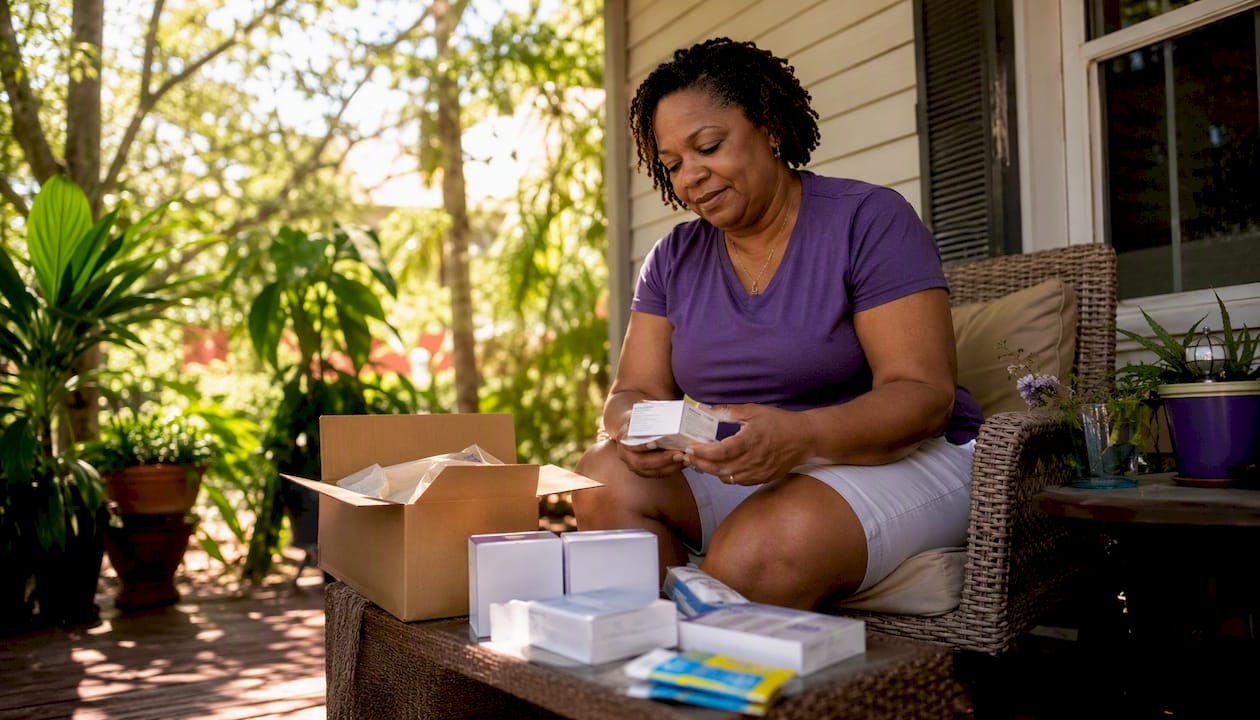
- Qualifies: Unopened, unexpired CGM sensors, sealed test strips with 12+ months shelf life, unused lancets, sealed Omnipod pods, and Freestyle Libre readers in original packaging
- Qualifies: Factory-sealed insulin pump supplies and accessories with intact packaging
- Does not qualify: Any opened or used supplies, expired products regardless of condition, syringes and pen needles after opening, damaged or water-damaged boxes
- Does not qualify: Single-use items that show any signs of prior use or contamination
One more consideration involves Medicare. Medicare Part B covers test strips, meters, and lancet devices for eligible beneficiaries, paying 80% of approved costs after the annual deductible. Supplies purchased through Medicare-enrolled suppliers must come from approved vendors to remain compliant. This matters because Medicare-purchased supplies have restrictions on resale that you need to understand before listing them anywhere.
The real benefits of donating your surplus supplies
Donating unused diabetic supplies is not just a feel-good gesture. It creates measurable impact for people who genuinely cannot afford the cost of diabetes management.
The cost of diabetic supplies is a real barrier for millions of Americans. Test strips alone can run $50 to $100 per month out of pocket. CGM sensors like the Dexcom G7 can exceed $300 monthly without insurance. When you donate, you are putting working supplies into the hands of someone who may otherwise go without monitoring entirely. That is a serious health outcome, not a small favor.
Local donation programs like the Diabetes Network of Arizona connect donors directly with individuals across their region who need supplies. These programs create a local loop where nothing useful goes to waste. Your surplus becomes someone else’s lifeline, often within days.
The global picture is equally compelling. Direct Relief shipped 3,800 diabetes treatments to Jordan’s medical centers through product donations in 2025 and 2026 to support refugee populations. That kind of reach is only possible when donors contribute functional, properly stored supplies.
There are also environmental benefits worth mentioning. Usable medical supplies that end up in landfills create waste that could have extended someone’s quality of life. Donating extends supply life and keeps materials circulating productively.
The limitations are real, though. Donation programs have strict acceptance criteria. If your supplies do not meet the 12-month shelf life threshold or arrive in damaged packaging, they will be turned away. Logistics can also be a challenge if your local programs do not accept drop-offs and require shipping. Always contact the organization first to confirm they accept your specific supply type.
Pro Tip: Before packaging anything for donation, photograph the expiration dates and packaging condition. This helps programs process your donation faster and protects you if there are any questions about what you submitted.
How selling unused diabetic supplies actually works
Selling is the more financially rewarding option when done correctly. The market for unopened diabetes supplies is real, active, and accessible. But there are steps to follow if you want to do it safely and legally.
Here is how the process typically works:
- Identify what you have. Gather all unopened, unexpired supplies. Check expiration dates carefully. Sensors and test strips with fewer than 6 months of shelf life may not be accepted by buyers, even if they are sealed.
- Research the buyer. Look for buyers who are transparent about pricing, operate locally or have verifiable reviews, and communicate clearly about what they accept. Avoid anonymous online transactions.
- Get a quote. Reputable buyers will give you a price before you commit. For Dexcom G6, G7, Freestyle Libre, and Omnipod supplies in Orlando, local buyback services often provide same-day quotes without pressure.
- Verify legal compliance. The FDA regulates medical device resale. Selling unopened, consumer-purchased supplies is generally permitted, but reselling supplies obtained through Medicare or insurance reimbursement has different rules. Check before you sell.
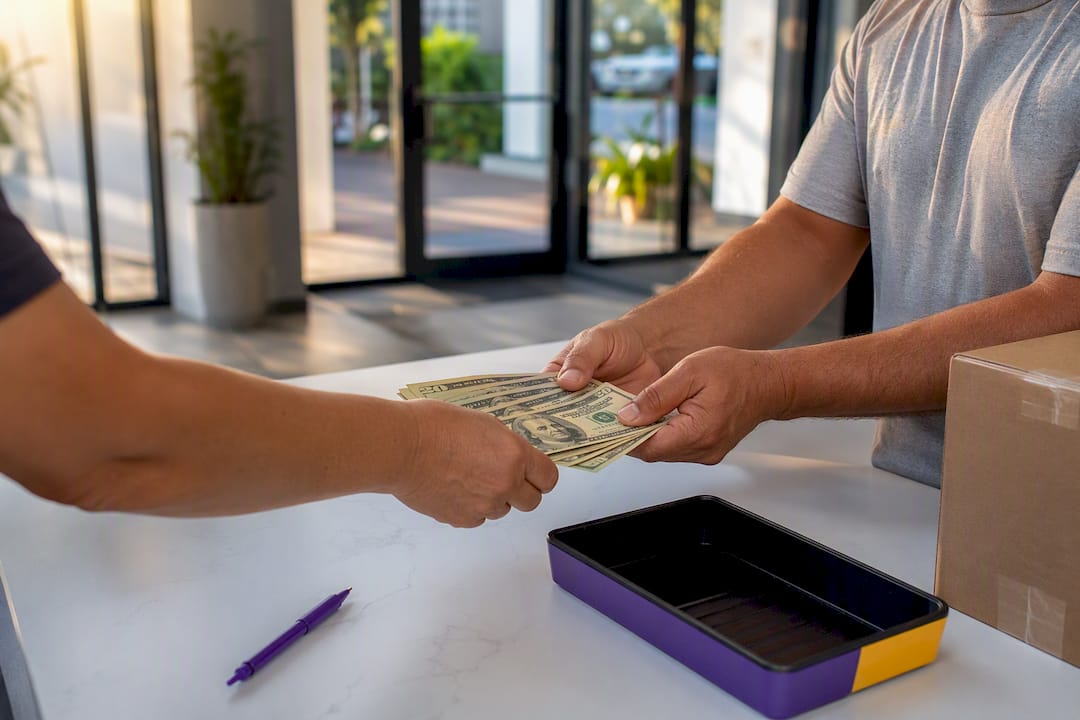
- Complete the transaction. Local buyers often pay cash or same-day transfer. Online transactions may involve mailing supplies and waiting for payment, which adds risk.
Pricing varies by product and condition. Test strips for popular meters can sell for $15 to $50 per box. CGM sensors command higher prices, sometimes $30 to $100 per box, depending on the brand and expiration date. The accepted standards for expiration and usability at reputable buyers are spelled out clearly so you know what to bring.
The risks are worth knowing. Scammers operate in this market and sometimes pay with bad checks or ghost after you ship supplies. Selling through unverified online marketplaces also creates fraud exposure. It is also worth reading about gray market medical equipment risks before using unfamiliar resale channels.

Pro Tip: Always sell locally when possible. A face-to-face transaction with a verified buyer eliminates most fraud risk and gets you paid on the spot.
Comparing both options side by side
Here is an honest comparison of the two paths to help you decide which fits your priorities.
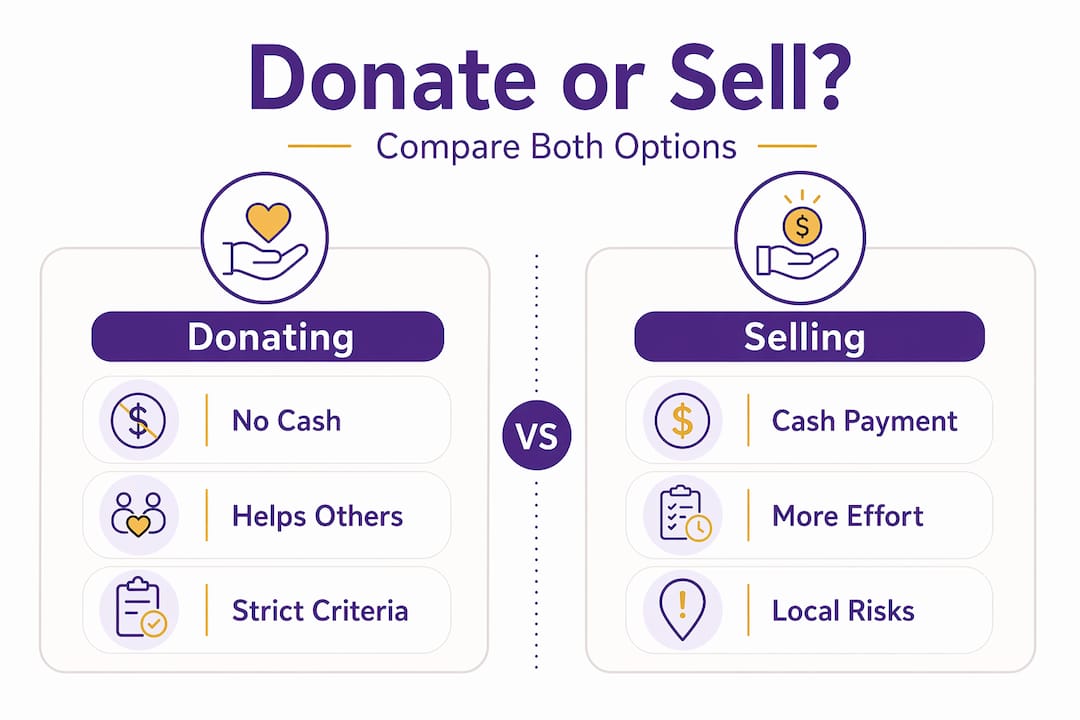
| Factor | Donating | Selling |
|---|---|---|
| Financial return | None | Cash payment, varies by product |
| Community impact | High, directly helps those in need | Low direct impact |
| Eligibility requirements | Strict: 12+ months shelf life, sealed, sanitized | Flexible: most unexpired sealed supplies qualify |
| Legal considerations | Fewer restrictions, but Medicare rules still apply | FDA compliance required; Medicare resale restrictions exist |
| Effort and logistics | Can require shipping or drop-off coordination | Local buyers make it quick and simple |
| Emotional benefit | Strong sense of contribution and purpose | Satisfaction of recovering money spent |
| Timeline | Varies by program; some accept immediately | Local buyback often same-day |
The right choice depends on your personal situation. If you are financially comfortable and have supplies that are close to expiration but still qualify, donating may be the more meaningful use. If you are managing tight finances and have high-value sensors or CGMs sitting unused, selling makes clear practical sense.
Medicare limits test strip quantities to 300 strips per quarter for insulin users and 100 per quarter for non-insulin users. Many people end up with more than they need. That surplus is exactly what both donation programs and buyback services are designed to absorb.
Some people split their supplies. They donate what is close to expiration and sell what has longer shelf life and higher resale value. That is a completely reasonable approach and often the most practical one.
Safe disposal when supplies cannot be donated or sold
Sometimes supplies do not qualify for either option. They are expired, opened, or damaged. In those cases, disposal is the only path, and it has to be done correctly.
Expired or used diabetic supplies require specific disposal methods to prevent health hazards. Tossing sharps in a household trash bag creates real injury risk for sanitation workers. Expired sensors and patches with adhesive chemicals should not go into regular recycling.
Follow these disposal guidelines:
- Sharps (lancets, pen needles): Use an FDA-cleared sharps container. Many pharmacies offer free containers and drop-off collection points.
- Test strips and sensors: Check with your local waste authority. Many accept these in regular trash once packaging is sealed, but verify your county’s specific rules.
- Pump supplies and tubing: Remove any insulin residue before disposal. Contact your local medical waste program if unsure.
- CGM patches and adhesives: These are typically household waste, but batch them in a sealed bag to prevent contamination.
Many pharmacies, hospitals, and community health centers run take-back programs for medical supplies. The EPA also provides a national locator for disposal sites. Never flush diabetic supplies down the toilet. The chemicals can pass through water treatment systems and affect local water supplies.
My honest take after working with both options
I have spent time working alongside donation programs and local buyback operations, and the thing that surprises people most is how often they underestimate what their supplies are worth. Both in cash terms and in human terms.
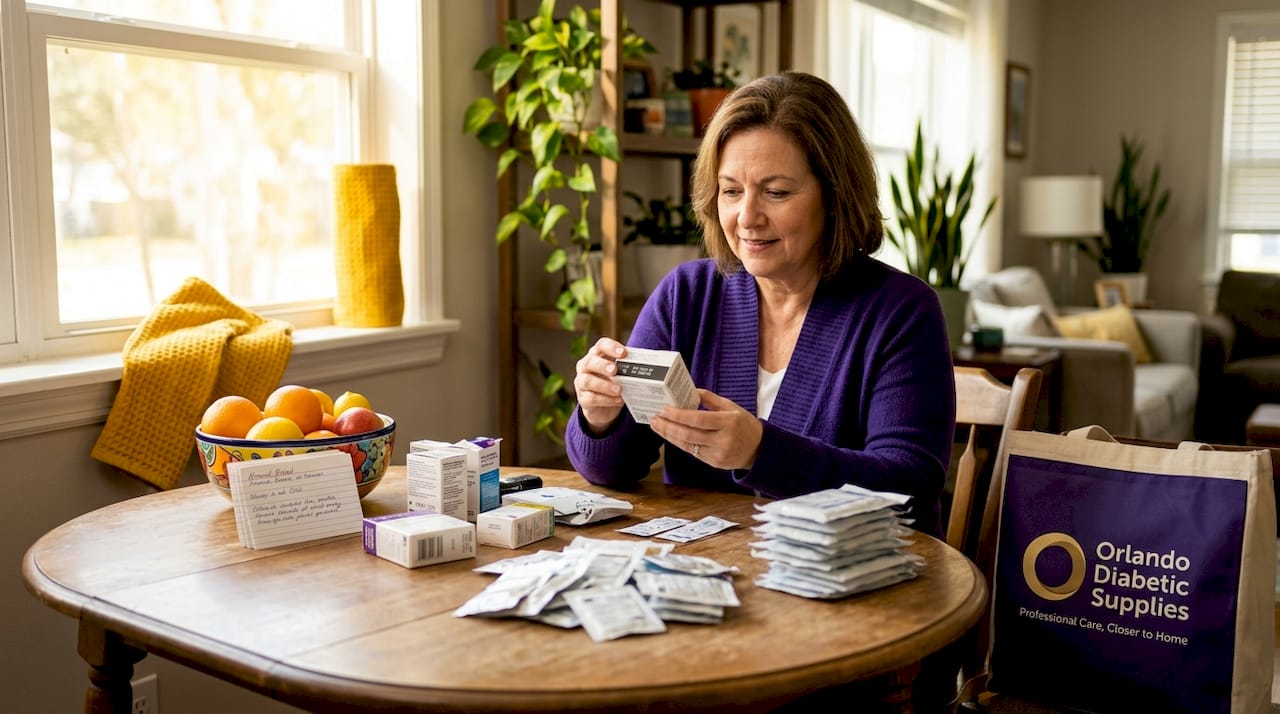
What I have seen repeatedly is that people default to donation because it feels simpler, but then get frustrated when their supplies are rejected for having less than 12 months of shelf life. Eligibility checks get skipped and that leads to wasted effort. Calling ahead and confirming acceptance criteria before you organize and ship anything saves real headaches.
On the selling side, I have seen people leave significant money on the table by not knowing what they have. A box of Dexcom G7 sensors sitting in a cabinet could pay a utility bill. That is not nothing, especially for people managing the ongoing costs of diabetes treatment.
My honest opinion is this: if you have high-value supplies with a year or more of shelf life, sell them first. Then take whatever is eligible but less valuable and donate it. You get the financial relief you need and the community impact you want. Neither option is more virtuous. Both serve a real purpose.
The one thing I would push back on is the assumption that selling is somehow less generous. Keeping your finances stable means you can continue managing your own health well. That matters too.
— Liliana
Get fast, fair cash for your unused supplies in Orlando
If you have unused Dexcom G6 or G7 sensors, Freestyle Libre readers, Omnipod pods, or sealed test strips, Orlando Diabetic Supplies Buyback makes selling fast and stress-free. We operate locally in Orlando and surrounding areas, offering same-day cash with no pressure and honest pricing. You bring your sealed, unexpired supplies and we give you a fair quote on the spot.
Visit our full guide on how to sell unused supplies to see exactly what we accept and how the process works. We also buy test strips for same-day payment and offer strong prices on Dexcom G7 sensors. Reach out today and find out what your supplies are worth. It takes minutes, not days.
FAQ
What supplies can be donated or sold?
Only unopened, unexpired diabetic supplies in original packaging qualify. Donation programs additionally require at least 12 months of remaining shelf life.
Is it legal to sell unused diabetic supplies?
Selling factory-sealed, consumer-purchased supplies is generally permitted, but supplies obtained through Medicare reimbursement have resale restrictions. Always verify before selling.
How much cash can you get for unused diabetic supplies?
Payment depends on the product and expiration date. Test strips typically sell for $15 to $50 per box, while CGM sensors can bring $30 to $100 per box from a reputable buyer.
Can you both donate and sell at the same time?
Yes. Many people sell high-value supplies with long shelf life and donate supplies that are eligible but less valuable. It is a practical way to maximize both financial and community benefit.
What do you do with expired diabetic supplies?
Expired supplies cannot be donated or sold. Use FDA-cleared sharps containers for lancets, and check with your local pharmacy or waste authority for approved drop-off locations for other materials.