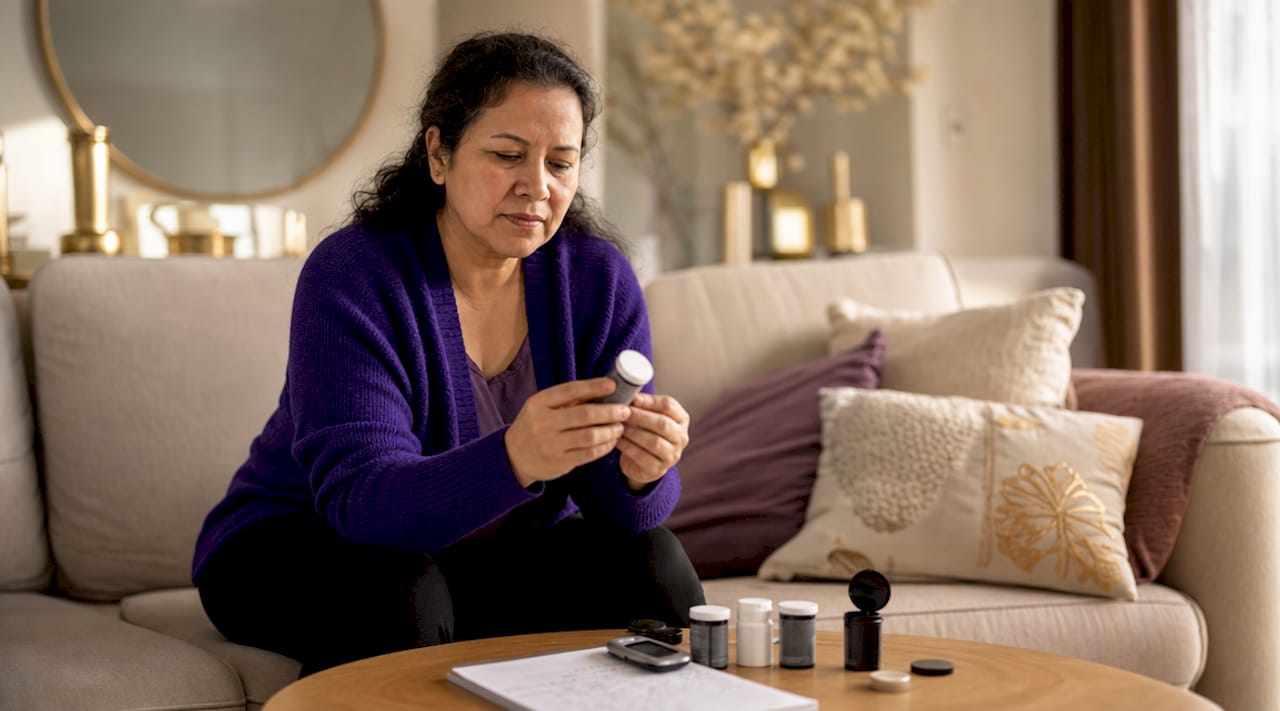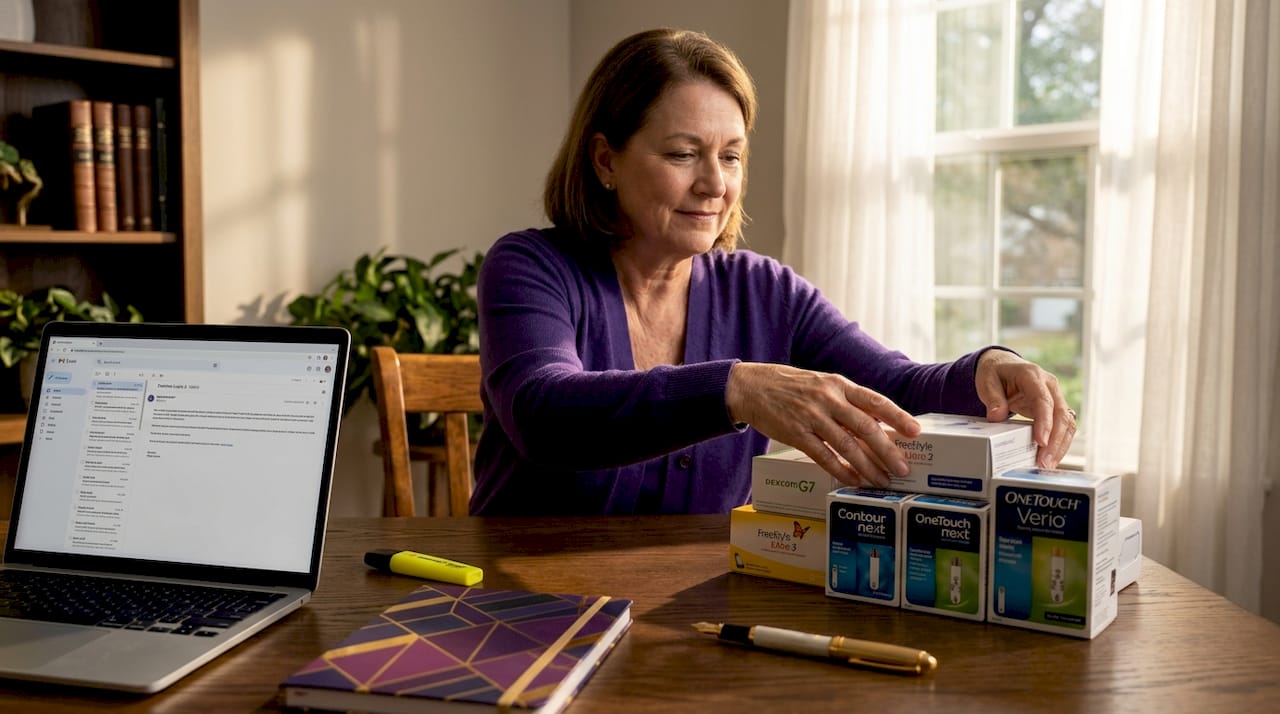
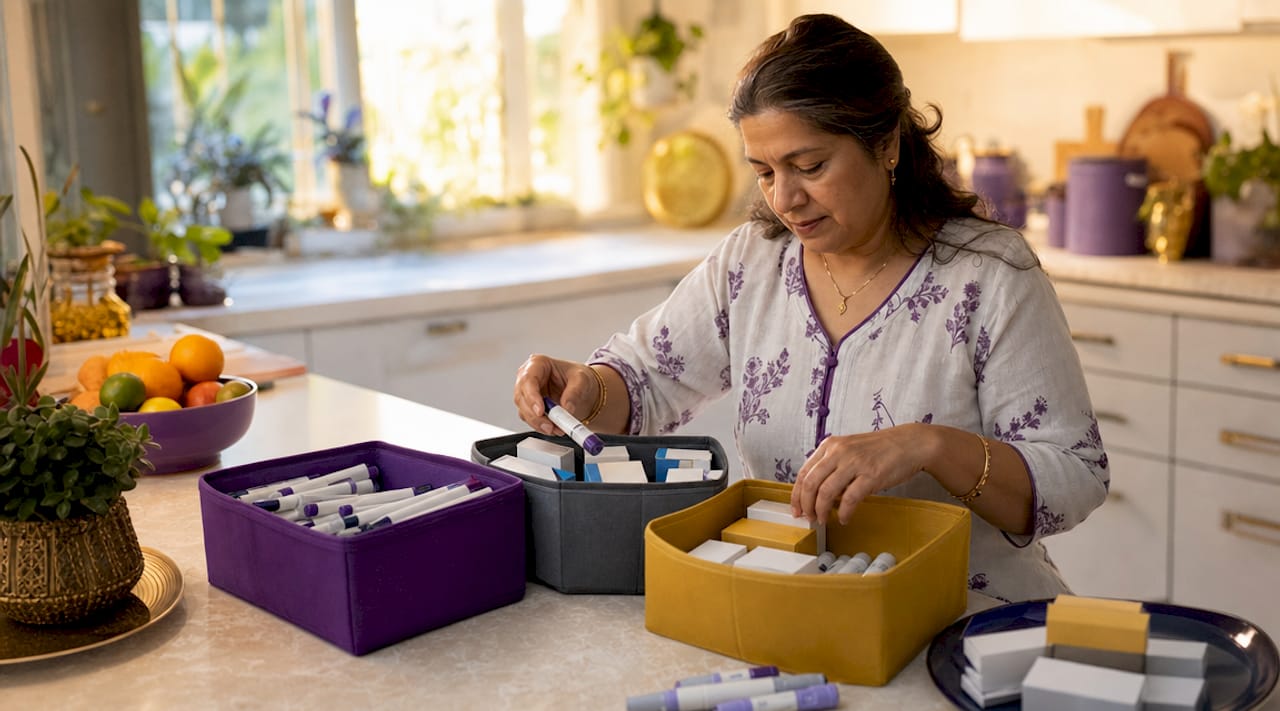
Organizing unused diabetes equipment means sorting, labeling, and tracking every supply you own so nothing expires unnoticed, nothing gets lost, and nothing creates unnecessary clutter in your home. This practice, often called diabetic supply inventory management, covers everything from Dexcom G6 sensors and Freestyle Libre readers to sealed test strips, lancets, and Omnipod pods. Done right, it protects your health, saves money, and gives you a clear picture of what you have, what you need, and what you can responsibly donate or sell.
How to organize unused diabetes equipment by sorting and categorizing
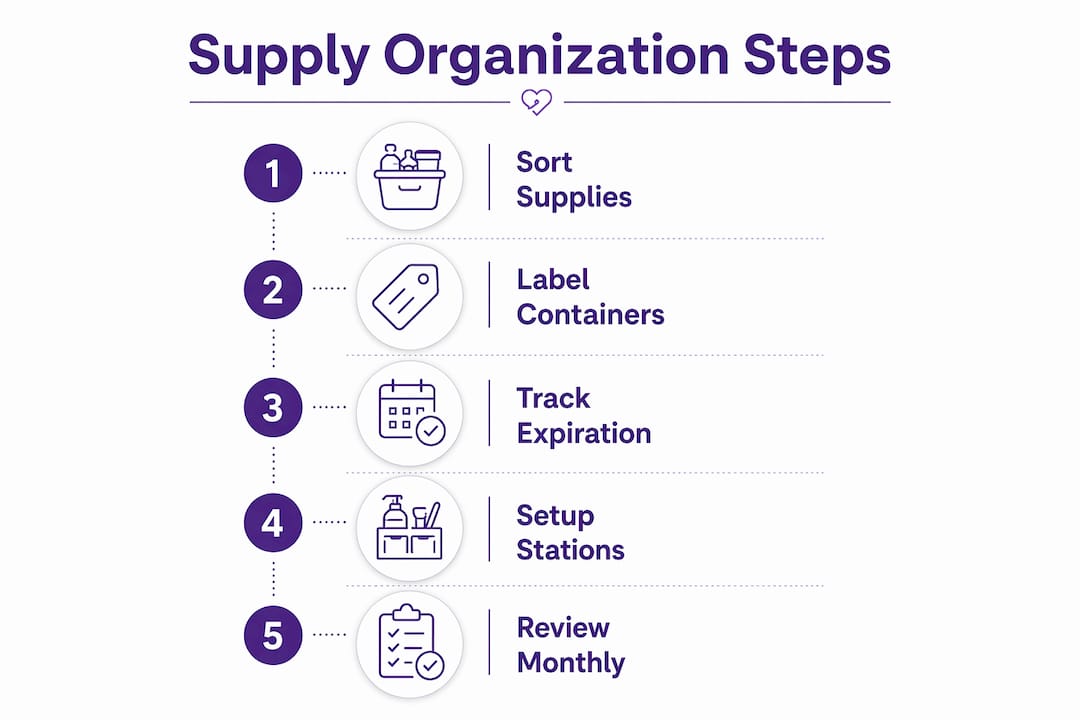
The first step to getting your supplies under control is sorting everything into clear, logical groups. Mixing everyday essentials with backup stock or expired items is one of the most common mistakes people make, and it leads directly to using outdated supplies without realizing it.
Start by separating your supplies into four categories:
- Everyday essentials: Test strips, lancets, CGM sensors, and insulin you use weekly
- Backup stock: Unopened, unexpired extras you keep for emergencies or travel
- Expired or damaged items: Anything past its expiration date or with broken packaging
- Unused devices: Insulin pumps, CGM transmitters, or readers you no longer use
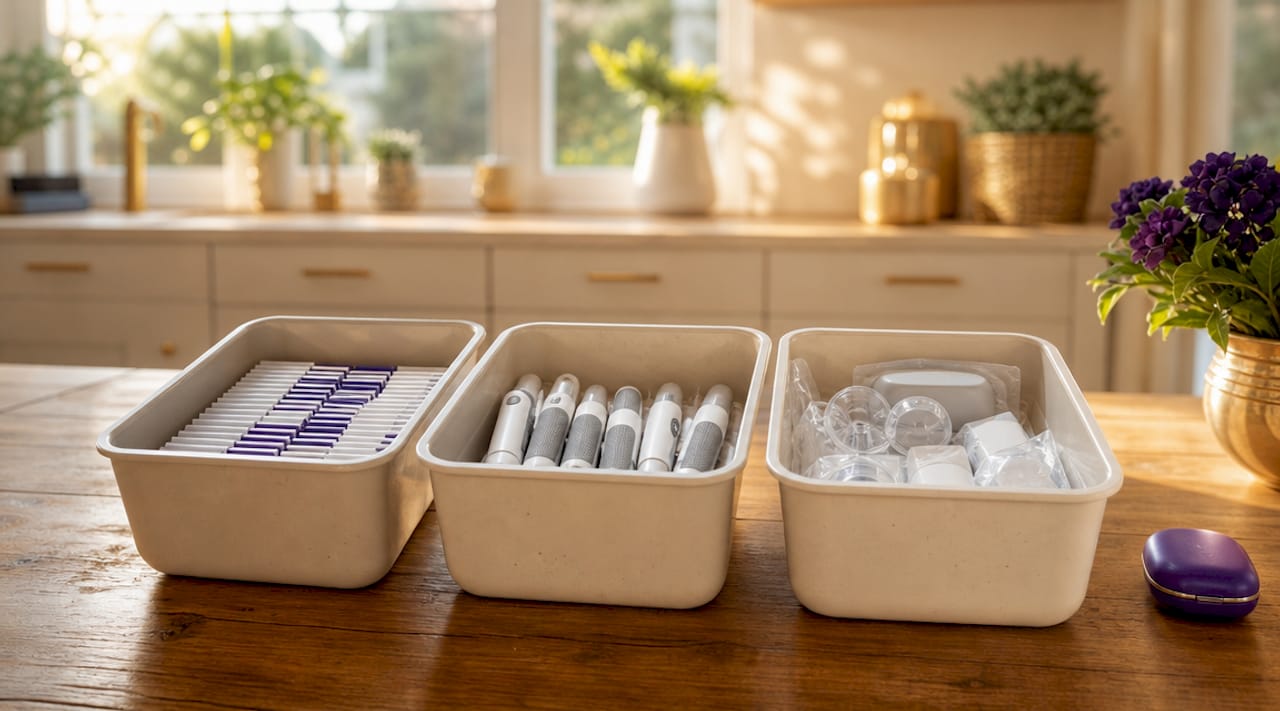
Once sorted, separate consumables from devices. Consumables like test strips and lancets go into labeled bins or drawer organizers. Devices like Omnipod PDMs or Dexcom receivers need their own dedicated space, ideally with their charging cables and accessories. Use a label maker or even masking tape with a marker to mark each bin clearly. A layered organization system that separates supplies by frequency of use significantly reduces expired or lost items over time.
Pro Tip: Set up three supply stations: one at home for bulk storage, one compact bag for daily carry, and one sealed kit for travel or emergencies. Restock the carry bag and emergency kit from your home station weekly.
How do you track diabetes supplies to avoid expiration?
Tracking your supplies is not optional. It is the difference between reaching for a test strip and finding it expired three months ago. The good news is that tracking does not have to be complicated.
Here is a simple system that works:
- Create a physical log or spreadsheet. Record each product, its lot number, quantity, and expiration date. Update it every time you open a new box or use the last of a supply.
- Use a dedicated inventory app. Apps like Stash Diabetes track lot numbers, expiration dates, and even FDA recalls, going well beyond what a visual check of your supply drawer can catch.
- Label every storage box. Write the expiration date on the outside of each box with a permanent marker before putting it away. This saves you from opening boxes just to check dates.
- Set a monthly review reminder. Put it in your phone calendar. A 10-minute monthly check prevents the buildup of expired supplies and keeps your inventory accurate.
- Act on FDA recall alerts immediately. Inventory apps that push recall notifications let you pull affected supplies before you accidentally use them.
Integrated Diabetes Services recommends dedicated spaces for backups like charging cables, sensors, and illness supplies. This is especially useful when you are sick and need to find everything fast without searching through cluttered drawers.
Pro Tip: Photograph your supply inventory once a month with your phone. It takes 60 seconds and gives you a visual backup you can reference from anywhere, including the pharmacy or your doctor’s office.
What are the safe disposal practices for diabetes supplies?
Disposing of diabetes supplies incorrectly is a real safety risk, not just for you but for waste handlers and anyone who comes into contact with your trash. The rules are clear and worth following.
For sharps, the guidance is firm:
- Needles and lancets must go into FDA-cleared puncture-resistant sharps containers. Never place them in regular household trash or recycling bins.
- Seal your sharps container when it reaches 75% capacity. Do not overfill it.
- Use mail-back programs or in-home needle destruction devices if your local area does not have a sharps drop-off location.
- Check with your local pharmacy. Many CVS and Walgreens locations accept sealed sharps containers for disposal.
For electronic devices like insulin pumps and CGM transmitters, the process is different. These contain lithium batteries and circuit boards that classify them as electronic waste. You cannot put them in the trash. Use a local e-waste facility or a manufacturer take-back program. You can find hazardous waste collection sites near you at earth911.com.
Before disposing of any electronic diabetes device, wipe its internal data. CGM receivers and insulin pump PDMs store personal health information. Clearing that data protects your privacy and is a step most people skip entirely.
For expired consumables like test strips and sensors, check whether the manufacturer offers a take-back program. Cardboard packaging can typically go in standard recycling. The devices and used sensors themselves are medical waste and should be treated accordingly.
Should you donate or sell unused diabetes supplies?
If you have unopened, unexpired supplies you no longer need, donating or selling them is a responsible choice. It keeps usable supplies out of landfills and puts them in the hands of people who need affordable access to diabetes care.
The key rule: only sell or donate supplies that are unopened and unexpired. Always verify local laws before reselling, since regulations vary by state.
| Option | Best for | Key consideration |
|---|---|---|
| Donation programs | Insulin, test strips, sealed sensors | Use authorized programs like Insulin for Life |
| Resale platforms | Dexcom, Freestyle Libre, Omnipod, test strips | Confirm expiration dates and sealed packaging |
| Local buy-back services | All sealed, unexpired supplies | Fast payment, local convenience |
| Manufacturer take-back | Devices and pumps | Primarily for disposal, not financial return |
When selling, specialized resale platforms verify product condition and handle the process securely, making it easier and safer than private sales. Always be transparent about expiration dates and packaging condition. Misrepresenting a product’s condition is both unethical and potentially dangerous for the recipient.
- Only sell supplies you received directly and have stored properly
- Never sell supplies that have been opened, even partially
- Check whether your state requires a license for medical supply resale
- Understand the donation vs. selling decision before committing to either path
What are the best tools for storing diabetes supplies at home?
The right storage tools make the difference between a system you actually maintain and one that falls apart after two weeks. You do not need expensive solutions. You need practical ones.
For home bulk storage, insulated diabetes organizers work well for supplies that need temperature stability, like insulin and some CGM sensors. Clear stackable bins with labeled compartments let you see what you have at a glance without opening every container. Check out medical equipment storage requirements for guidance on labeling, bin use, and monitoring expiration dates in a home setting.
For daily carry, a compact insulated supply bag keeps your essentials protected at work, school, or during travel. Look for bags with multiple compartments so your lancets, test strips, and CGM supplies do not get jumbled together.
Key features to prioritize in any storage solution:
- Labeled compartments for each supply type
- Easy-open design for quick access during low blood sugar moments
- Temperature protection for insulin and sensors
- Portable size for your daily bag or car kit
Pro Tip: Build your grab-and-go kit directly from your home bulk supply. Every Sunday, check the kit and refill anything you used during the week. This keeps your emergency supplies fresh and your home stock rotating properly.
As your diabetes management changes, your storage system should change with it. Switching from fingerstick testing to a CGM, or from injections to an insulin pump, means your storage needs shift. Revisit your setup every six months and adjust accordingly.
Key takeaways
Effective management of unused diabetes supplies requires sorting by use, tracking expiration dates, and following proper disposal or donation protocols to stay safe and clutter-free.
| Point | Details |
|---|---|
| Sort supplies into four groups | Separate everyday essentials, backups, expired items, and unused devices before organizing. |
| Use an inventory app | Apps like Stash Diabetes track lot numbers, expiration dates, and FDA recall alerts automatically. |
| Dispose of sharps correctly | Use FDA-cleared puncture-resistant containers and never place needles in household trash. |
| Sell or donate only sealed supplies | Only unopened, unexpired supplies are safe and legal to donate or sell through authorized channels. |
| Review your stock monthly | A 10-minute monthly check prevents expired supply buildup and keeps your inventory accurate. |
What I have learned from years of watching people manage diabetes clutter
Most people do not realize how much unused diabetes equipment they have accumulated until they open a cabinet and things literally fall out. I have seen it happen with Dexcom G6 boxes, Omnipod pods, and dozens of sealed test strip containers that were purchased, forgotten, and eventually expired. The waste is real, and it is avoidable.
The biggest mistake I see is treating diabetes supplies like a pantry. People stock up, shove things in, and assume they will remember what is there. They do not. Supplies expire quietly in the back of a drawer, and the person with diabetes ends up using something outdated without knowing it.
What actually works is treating your supply space like a small pharmacy. Everything labeled. Everything dated. Everything in its designated spot. The spring cleaning ritual that Integrated Diabetes Services recommends is not just good advice. It is the kind of habit that prevents real emergencies.
I also want to push back on the idea that donating or selling unused supplies is complicated. It is not, as long as you stick to sealed, unexpired items and use reputable channels. The supplies sitting in your closet could genuinely help someone who cannot afford full retail prices. That is worth the 20 minutes it takes to check what you have and find a buyer or donation program.
The goal is not a perfectly minimalist supply drawer. The goal is a system you can trust when you need it most.
— Liliana
Turn your unused supplies into cash with Orlando Diabetic Supplies Buyback
If sorting through your supplies has revealed boxes of sealed, unexpired Dexcom G6, Dexcom G7, Freestyle Libre, Omnipod, or test strips you no longer need, you do not have to let them sit there.
Orlando Diabetic Supplies Buyback pays same-day cash for unused diabetic supplies in Orlando, Florida and surrounding areas. The process is straightforward: you bring in your sealed, unexpired supplies, they inspect them on the spot, and you walk out with cash. No waiting, no shipping, no hassle. Learn exactly what supplies qualify and what to expect from the process. If you have unused devices, check out the option to sell diabetes device supplies for fast, fair payment.
FAQ
What counts as unused diabetes equipment for organizing?
Unused diabetes equipment includes any sealed, unexpired supplies you are not actively using, such as CGM sensors, test strips, lancets, insulin pump pods, and glucose meters still in original packaging.
How do you safely dispose of diabetes sharps at home?
Place all needles and lancets in an FDA-cleared sharps container, seal it at 75% capacity, and use a mail-back program or local pharmacy drop-off. Never put sharps in household trash.
Can you sell unused diabetes supplies legally?
Yes, you can sell unopened, unexpired diabetes supplies in most states, but you should verify local regulations first. Only sell supplies stored properly and never opened, and use a reputable platform or local buy-back service.
How often should you review your diabetes supply inventory?
A monthly review is the standard recommendation. It takes about 10 minutes and prevents expired supplies from accumulating while keeping your backup stock at a reliable level.
What is the best way to store insulin and CGM sensors at home?
Use an insulated diabetes organizer kept away from direct sunlight and temperature extremes. Follow the manufacturer’s storage guidelines for each product, as insulin and CGM sensors have different temperature requirements.