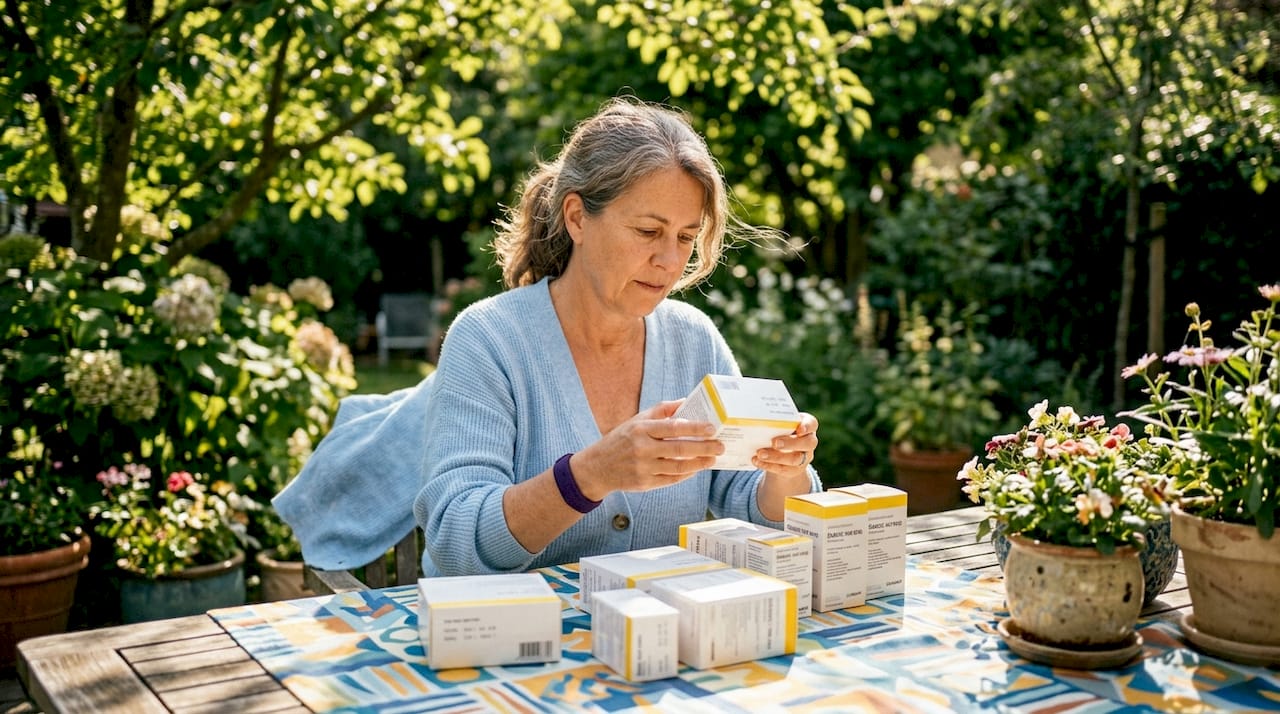
Preparing diabetic supplies for sale means verifying each item’s eligibility, organizing your stock by brand and type, and confirming nothing came from a government-funded program that restricts resale. Brands like Dexcom, Freestyle Libre, and Omnipod appear on most buyers’ accepted lists, but the source of your supplies matters just as much as the brand. Medicare and Medicaid coverage rules directly affect what you can legally sell. This guide walks you through every step, from checking your supply status to finding the fastest ways to convert your stockpile into cash.
How to prepare diabetic supplies for sale the right way
The first thing to understand is that not all unused supplies are automatically sellable. The industry term for this process is “diabetic supply resale preparation,” and it covers eligibility checks, physical inspection, documentation, and packaging. Skipping any of these steps can result in a rejected offer, a delayed sale, or worse, a legal issue.
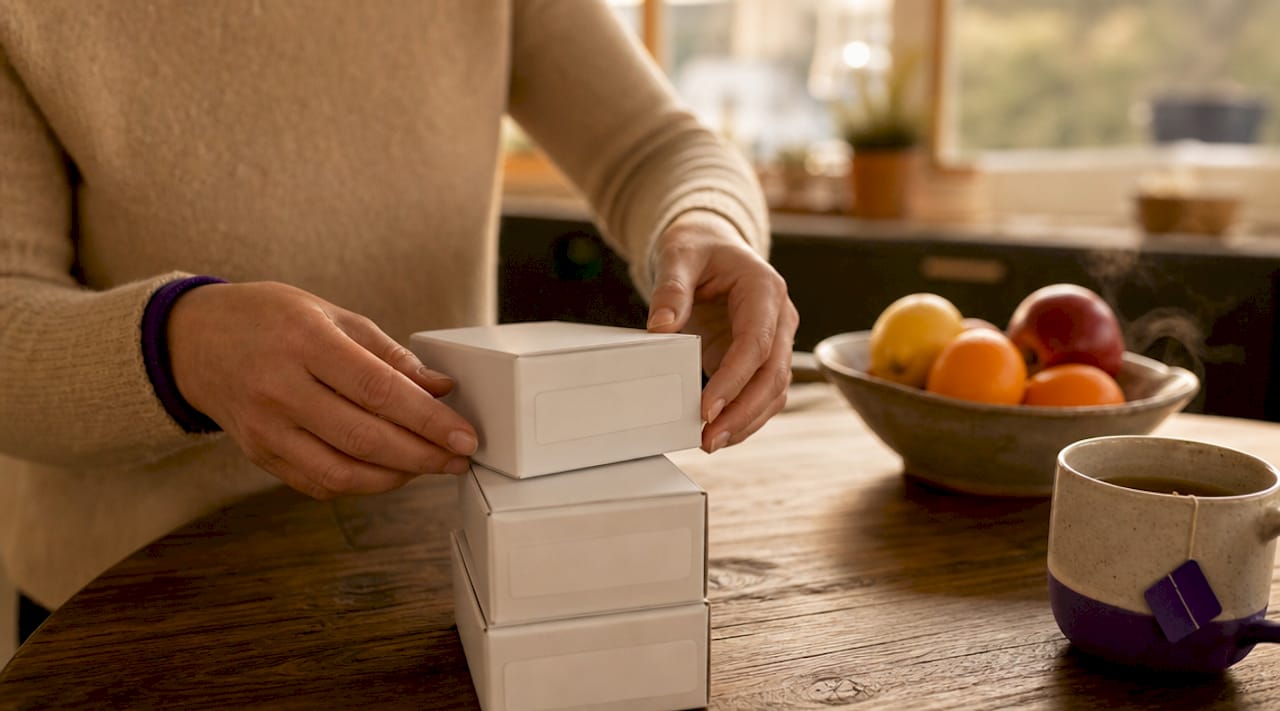
Your supplies need to be sealed, unexpired, and obtained through private insurance or out-of-pocket purchase. Buyers evaluate lot numbers, expiration dates, and packaging integrity before making an offer. Getting organized before you contact any buyer puts you in a stronger position and speeds up the entire transaction.
What diabetic supplies can be legally resold?
Resale eligibility is the most misunderstood part of selling unused diabetic supplies. Medicare coverage rules prohibit the resale of supplies obtained under their coverage, and the same applies to Medicaid and VA benefits. If your test strips, sensors, or insulin delivery devices were billed to any of these programs, you cannot legally sell them.
Here is a clear breakdown of what is typically eligible and what is not:
Generally eligible for resale:
- Sealed, unexpired test strips purchased out of pocket or through private insurance
- Dexcom G6 and G7 sensors obtained privately
- Freestyle Libre 2 and 3 sensors in original, undamaged packaging
- Omnipod DASH and Omnipod 5 pods purchased without government program billing
- Lancets and lancing devices in sealed boxes
Generally not eligible for resale:
- Any supply billed to Medicare Part B or Part D
- Supplies received through Medicaid or VA programs
- Opened, damaged, or expired products
- Items from recalled or flagged lot numbers
Medicare Part B covers test strips and meters, while Part D covers injectable insulin devices. Each program has specific billing rules that make those items off-limits for private resale. Reputable resale services won’t accept supplies covered by government programs, so being honest about your supply source protects both you and the buyer.
Pro Tip: Check your original purchase receipts or insurance explanation-of-benefits documents. If a government program paid for the item, set it aside. Selling those supplies creates legal exposure you do not want.
To identify your supply status, look at the packaging label. Supplies distributed through Medicare often carry specific billing codes or pharmacy labels that reference the program. Private purchases typically show a retail price or a private insurance co-pay amount on the receipt.
Step-by-step guide to getting your supplies ready
A well-prepared batch of supplies sells faster and earns more. Clear labeling, intact packaging, and sorting by type all improve buyer trust and speed up evaluation. Follow these steps before contacting any buyer.
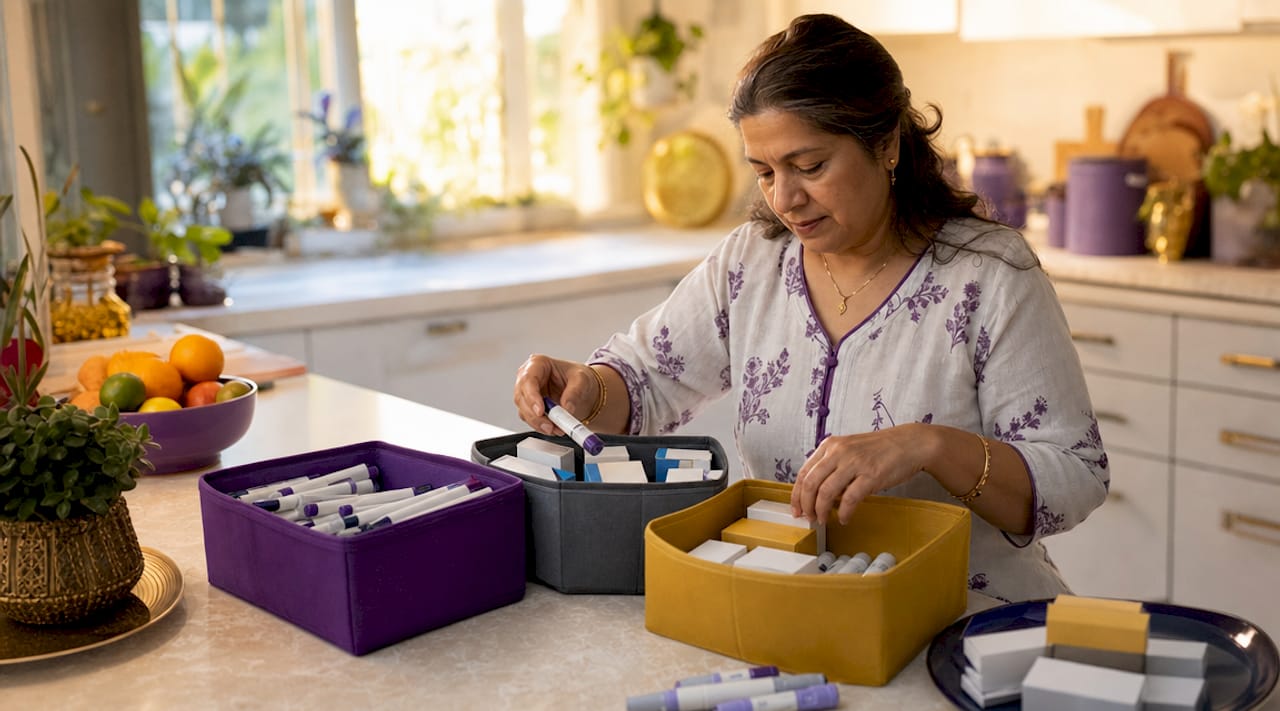
- Gather everything in one place. Pull all your unused supplies out of cabinets, drawers, and storage boxes. You need a full picture of what you have before sorting begins.
- Sort by brand and product type. Group Dexcom G7 sensors together, Freestyle Libre boxes together, test strips by brand, and so on. Buyers process offers faster when items are already organized.
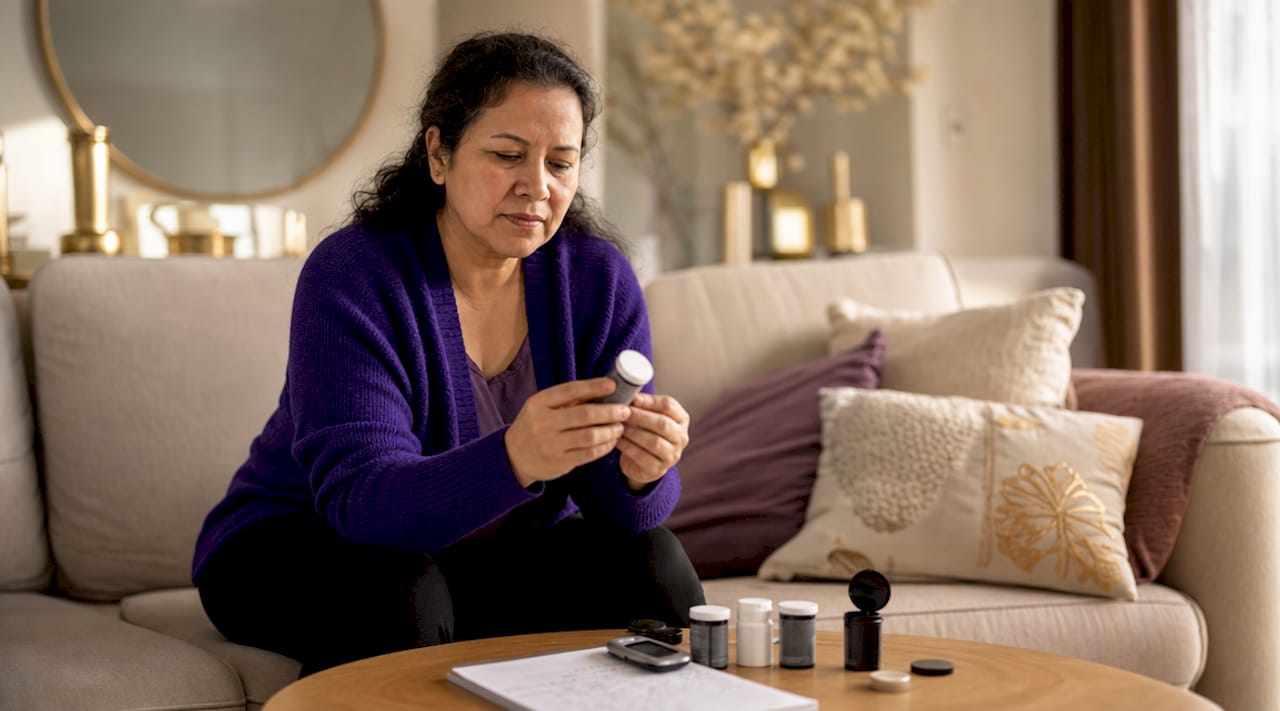
- Inspect every package. Check for tears, moisture damage, broken seals, or missing labels. Any package with compromised integrity will be rejected. Set those aside.
- Check expiration dates. Most buyers require at least three to six months of shelf life remaining. Write the expiration date on a sticky note attached to each group so you can report it quickly.
- Verify lot numbers. Cross-reference lot numbers against any active recall or safety notices. Dexcom publishes safety alerts on its website, and the FDA maintains a recall database at fda.gov.
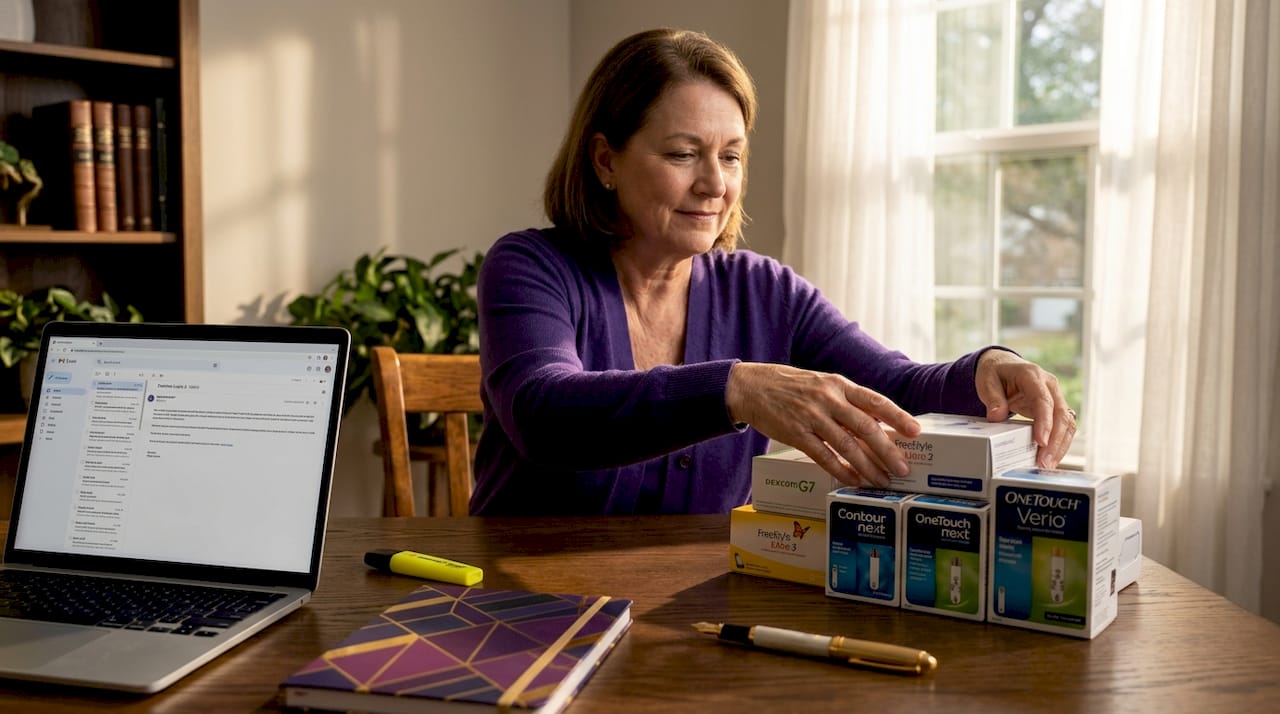
- Document your inventory. Create a simple list: product name, brand, quantity, expiration date, and lot number. Buyers require lot numbers and expiration dates as part of their verification process, so having this ready speeds up your offer.
- Package securely. For local pickup, place items in a clean box or bag. For shipping, use bubble wrap or foam padding to protect packaging integrity during transit.
Here is a quick reference table for the most common high-value supplies and what buyers look for:
| Supply type | Key buyer requirements |
|---|---|
| Dexcom G6 / G7 sensors | Sealed box, valid lot number, 3+ months to expiration |
| Freestyle Libre 2 / 3 | Original packaging intact, no moisture damage |
| Omnipod DASH / Omnipod 5 | Factory sealed, not from government program |
| Test strips (all brands) | Sealed vials or boxes, 3+ months to expiration |
| Insulin pen needles | Sealed boxes, correct gauge and length labeled |
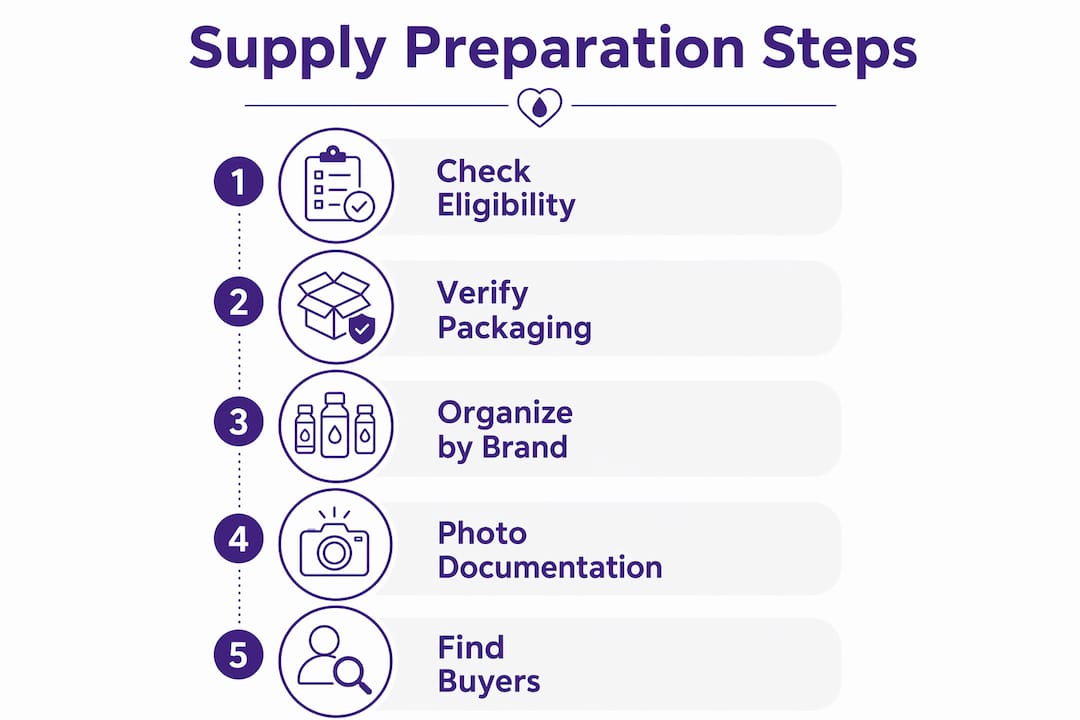
Pro Tip: Take photos of each group of supplies before you hand them over or ship them. A timestamped photo record protects you if any dispute arises about condition or quantity.
Top legitimate ways to sell diabetic supplies locally and online
Once your supplies are organized and verified, you have several options for finding buyers. The fastest ways to sell diabetic supplies locally involve cash-for-supplies businesses like Orlando Diabetic Supplies Buyback, which offer same-day payment for Dexcom, Freestyle Libre, Omnipod, and sealed test strips. Local buyers eliminate shipping costs and delays, which makes them the preferred choice for most sellers.
Online options include specialized diabetic supply buyback platforms. Legitimate marketplaces require verification and prohibit resale of government-program supplies to protect both buyers and sellers. General platforms like Facebook Marketplace or Craigslist carry higher risk because buyers are unverified and transactions are unregulated.
Here is a comparison of the main selling channels:
| Selling method | Speed | Safety | Best for |
|---|---|---|---|
| Local buyback service | Same day | High | Dexcom, Omnipod, Libre sensors |
| Specialized online buyback | 3 to 7 days | High | Test strips, larger quantities |
| General online marketplace | Variable | Low | Not recommended for medical supplies |
| Pharmacy trade-in | Rare | Medium | Limited brands only |
A few safety tips for in-person sales:
- Meet in a public place or use a business location for the transaction.
- Never share your home address with an unknown buyer.
- Confirm the buyer’s identity and business legitimacy before handing over supplies.
- Get payment before releasing your items.
Using an authorized local buyer is the most reliable way to convert obsolete diabetes supplies to cash without legal or safety risk. They know exactly what they accept, they pay fairly, and the process is straightforward.
Common mistakes that cost sellers time and money
The most costly mistake sellers make is offering supplies obtained through Medicare or Medicaid without disclosing the source. Beyond the legal risk, it wastes everyone’s time when a buyer discovers the issue during verification.
A second serious concern involves recalled products. Dexcom warned publicly about stolen scrapped G7 sensors being resold on secondary markets. These sensors carry elevated failure and infection risks. If you unknowingly purchased supplies from an unauthorized source, do not attempt to resell them. The liability transfers to you.
Transparency about product condition and origin builds trust and leads to faster sales. Buyers who receive accurate information upfront are far more likely to complete a transaction quickly and return for future purchases.
Avoid these additional pitfalls:
- Selling expired supplies. No legitimate buyer accepts them, and attempting to sell them damages your credibility.
- Skipping lot number verification. A recalled lot number will get your entire batch rejected.
- Using unverified buyers. Scammers target sellers of medical supplies. Stick to established local businesses or verified online platforms.
- Ignoring packaging damage. A single torn box in a batch can raise questions about the entire lot.
Pro Tip: If you have supplies that cannot be resold, do not throw them in the trash. Insulet runs a free recycling program for used Omnipod pods in the U.S. Request a kit online and return pods for proper decontamination and recycling.
Key takeaways
Selling unused diabetic supplies successfully requires verifying eligibility first, organizing supplies by brand and type, and choosing a buyer who operates transparently and legally.
| Point | Details |
|---|---|
| Eligibility comes first | Supplies from Medicare, Medicaid, or VA programs cannot be legally resold. |
| Documentation speeds up sales | Lot numbers, expiration dates, and intact packaging are required by all legitimate buyers. |
| Local buyback services are fastest | Same-day cash from a local service beats online platforms for speed and safety. |
| Recalled supplies are a liability | Cross-check lot numbers against FDA and manufacturer alerts before offering any batch. |
| Recycling is a valid alternative | Insulet’s free Omnipod recycling program handles pods that cannot be sold. |
What I’ve learned from watching sellers get this wrong
By Liliana
Most people who struggle to sell their supplies make the same mistake: they skip the eligibility check and go straight to finding a buyer. I have seen sellers show up with boxes of Dexcom G7 sensors, perfectly sealed, only to find out the supplies came through Medicare. The disappointment is real, and it is entirely avoidable.
The sellers who get the best results are the ones who treat preparation like a short job. They sort, they document, and they check lot numbers before making a single call. That upfront work takes maybe 20 minutes, and it eliminates almost every reason a buyer would reject or delay an offer.
One thing I want to highlight: do not underestimate the value of being upfront about where your supplies came from. Buyers appreciate honesty, and it builds the kind of trust that leads to fair pricing and fast payment. If you are unsure whether your supplies are eligible, check the donation vs. selling comparison before you commit to either path. And if some items cannot be sold, recycling programs exist so nothing has to go to waste.
— Liliana
Turn your unused supplies into same-day cash
If your supplies are sealed, unexpired, and privately purchased, Orlando Diabetic Supplies Buyback makes the process simple. We buy Dexcom G6 and G7 sensors, Freestyle Libre 2 and 3, Omnipod DASH and Omnipod 5, and sealed test strips from sellers across Orlando and surrounding areas.
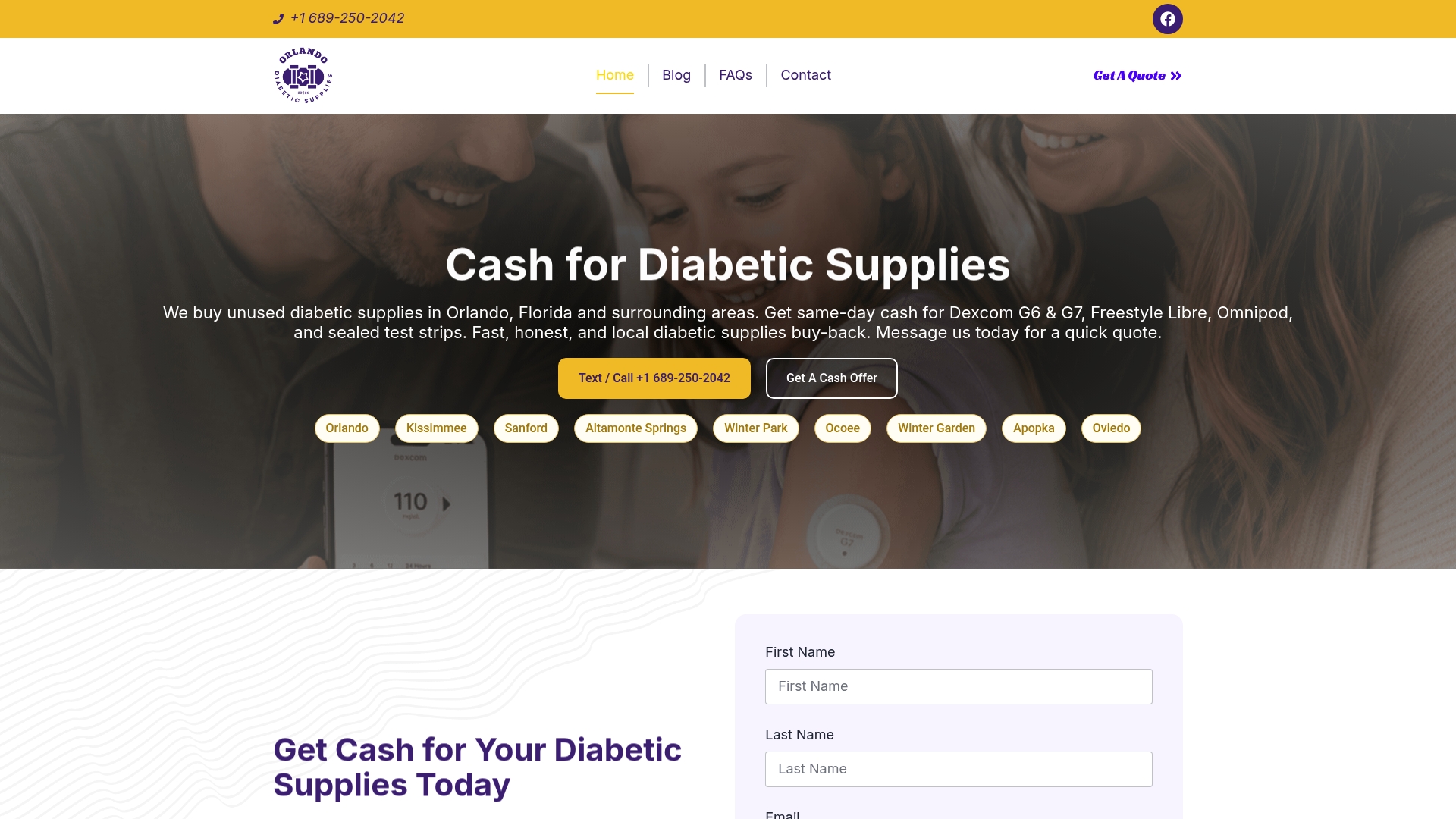
No shipping, no waiting, no guesswork. Bring your organized, verified supplies and get a fair cash offer on the spot. Visit our cash for unused supplies page to see exactly what we accept and how the process works. If you have test strips ready to go, our same-day test strip payment page has everything you need to get started today.
FAQ
What supplies can I legally sell if I have diabetes?
You can legally sell sealed, unexpired diabetic supplies purchased out of pocket or through private insurance. Supplies obtained through Medicare, Medicaid, or VA programs cannot be resold under those programs’ coverage rules.
How do I know if my Dexcom supplies are safe to sell?
Check the lot number on your Dexcom G6 or G7 box against current FDA recall notices and Dexcom’s own safety alerts. Dexcom has publicly warned that scrapped G7 sensors from certain lots were stolen and resold, posing health risks to users.
What documents do I need to sell diabetic supplies?
Most buyers require the lot number, expiration date, and confirmation that the supplies were not obtained through a government program. Having a simple written inventory list ready speeds up the offer process significantly.
How fast can I get cash for unused diabetic supplies locally?
Local buyback services like Orlando Diabetic Supplies Buyback offer same-day payment. Bring your organized, verified supplies to a local buyer and you can walk away with cash the same day, with no shipping or waiting involved.
What should I do with supplies I cannot sell?
Supplies that are expired, opened, or from government programs cannot be resold. Insulet offers a free domestic recycling program for used Omnipod pods, and your local pharmacy may accept other expired medical supplies for safe disposal.