Surplus diabetic supply ownership is defined as possessing unopened, unexpired diabetes management items beyond what you currently use, typically accumulated through insurance overshipments, prescription cycles, or device transitions. Understanding what surplus diabetic supply ownership means is not just a financial question. It shapes how you manage your health, reduce waste, and make decisions about resale or donation. Supplies classified as Durable Medical Equipment, or DME, carry real cash value when sealed and unexpired. Knowing your rights and options puts you in control of both your inventory and your budget.
What are diabetic supplies and typical ownership patterns?
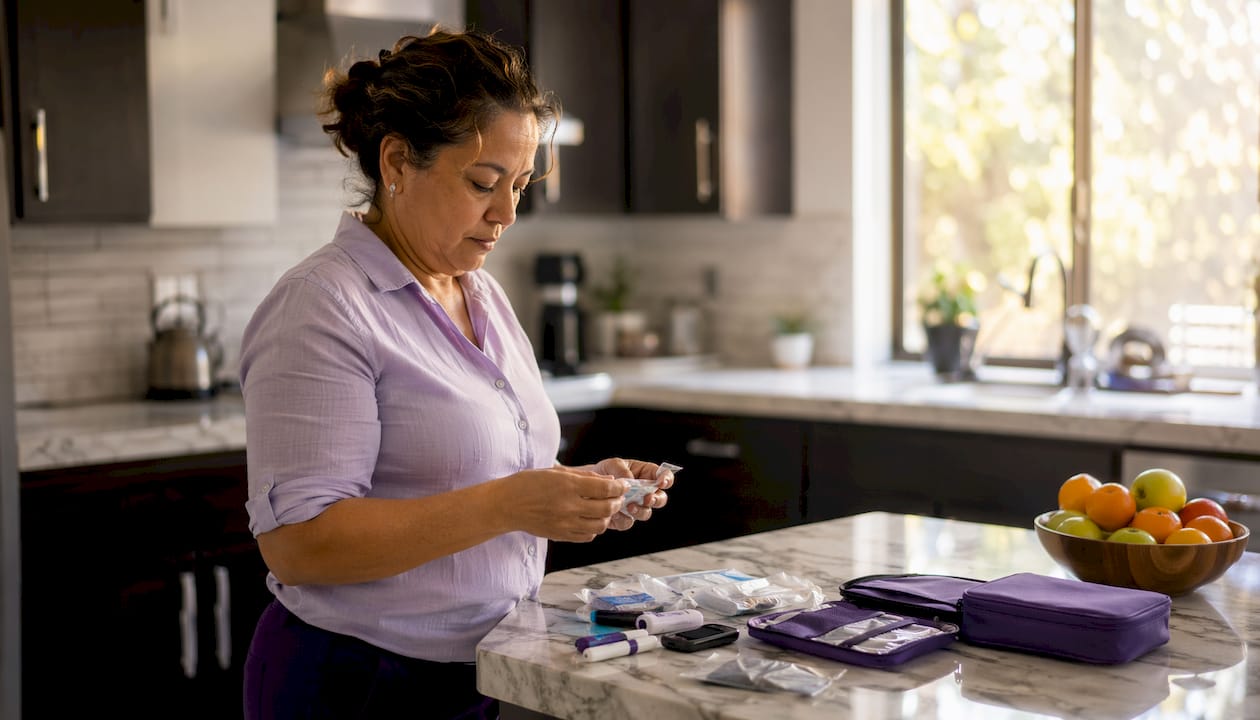
Diabetic supplies are classified as Durable Medical Equipment or consumables, covering glucose meters, test strips, lancets, insulin delivery devices, continuous glucose monitors, and emergency glucagon kits. Each category has a different usage cycle, which directly affects how surplus builds up. A person testing four times daily burns through test strips quickly, while someone who switches to a CGM may suddenly have dozens of unopened strip boxes with nowhere to go.
Medicare Part B covers many of these items as DME, with 20% coinsurance after the deductible, subject to medical necessity requirements. Private insurance plans follow similar coverage structures. The result is that many people receive a fixed monthly or quarterly shipment regardless of actual usage, and surplus accumulates without any deliberate decision to stockpile.
Switching from test strips to CGMs is the single largest driver of surplus accumulation in the current market. Patients often have multiple unopened boxes of strips left over after that transition. Other common causes include prescription frequency mismatches, hospitalizations that pause home use, and insurance auto-shipments that arrive faster than supplies are consumed.
The table below summarizes the most common diabetic supplies, their typical usage cycle, and how surplus tends to arise for each.
| Supply Type | Typical Usage Cycle | Common Surplus Cause |
|---|---|---|
| Test strips | Daily, multiple times | CGM transition, overshipment |
| Lancets | Daily | Overshipment, low testing frequency |
| Glucose meters | 1–2 years | Device upgrade or switch |
| CGM sensors (Dexcom G6, G7, Freestyle Libre) | Weekly or biweekly | Prescription change, device switch |
| Insulin pump supplies (Omnipod) | Monthly | Pump change, hospitalization |
| Glucagon emergency kits | Annual | Rarely used, auto-refilled |
Pro Tip: Check your insurance shipment schedule against your actual monthly usage every 90 days. A simple count takes five minutes and can prevent months of unneeded accumulation.
How does owning surplus diabetic supplies affect your finances and healthcare decisions?
Surplus diabetic supply ownership has a direct financial upside that most people overlook. The resale value of sealed supplies arises from the gap between what insurance reimburses and what uninsured people pay out of pocket at retail. That spread can be significant for popular CGM sensors and test strips. Sealed, unexpired supplies that you cannot use are not dead weight. They represent real cash.

The financial impact cuts both ways, though. Letting supplies expire before you act costs you that value entirely. Expired or damaged supplies have no resale value and must be disposed of safely. Tracking expiration dates is not optional if you want to benefit from what you already own.
Surplus ownership also affects healthcare decisions in a less obvious way. People who know they have a buffer of supplies tend to feel less anxious about running low. That psychological cushion is real, but it can also mask a problem: if your buffer keeps growing, your prescription is likely misaligned with your actual usage. That misalignment is worth discussing with your doctor or insurer. You can find more context on why extra supplies accumulate and what it signals about your current care plan.
Here are the key financial and healthcare factors to weigh when you have surplus supplies:
- Cash value: Sealed, unexpired supplies from brands like Dexcom, Freestyle Libre, and Omnipod hold resale value in secondary markets.
- Expiration risk: Supplies that expire before you act become worthless and must be discarded.
- Prescription alignment: Growing surplus signals a mismatch between your prescription quantity and actual usage.
- Healthcare continuity: A small buffer is healthy. A large, growing one is a sign to adjust your ordering.
Pro Tip: Store supplies using a first-in, first-out system. Place newer boxes at the back and use the oldest stock first. This one habit prevents most expiration losses.
What are your options for managing surplus diabetic supplies?
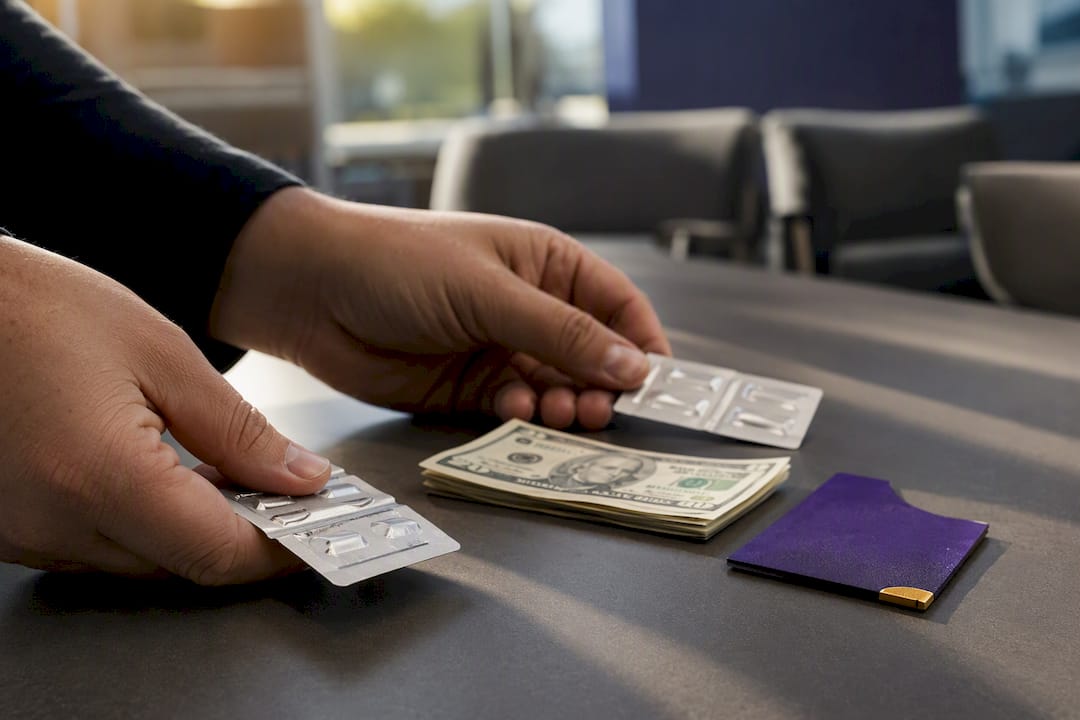
The two primary options for surplus supplies are selling and donating. Both are legal under the right conditions, and both serve a purpose. The secondary market for diabetic supplies plays a real role in making expensive supplies accessible to uninsured and underinsured people who cannot afford retail prices. Selling puts cash in your pocket. Donating puts supplies in the hands of someone who needs them but cannot pay.
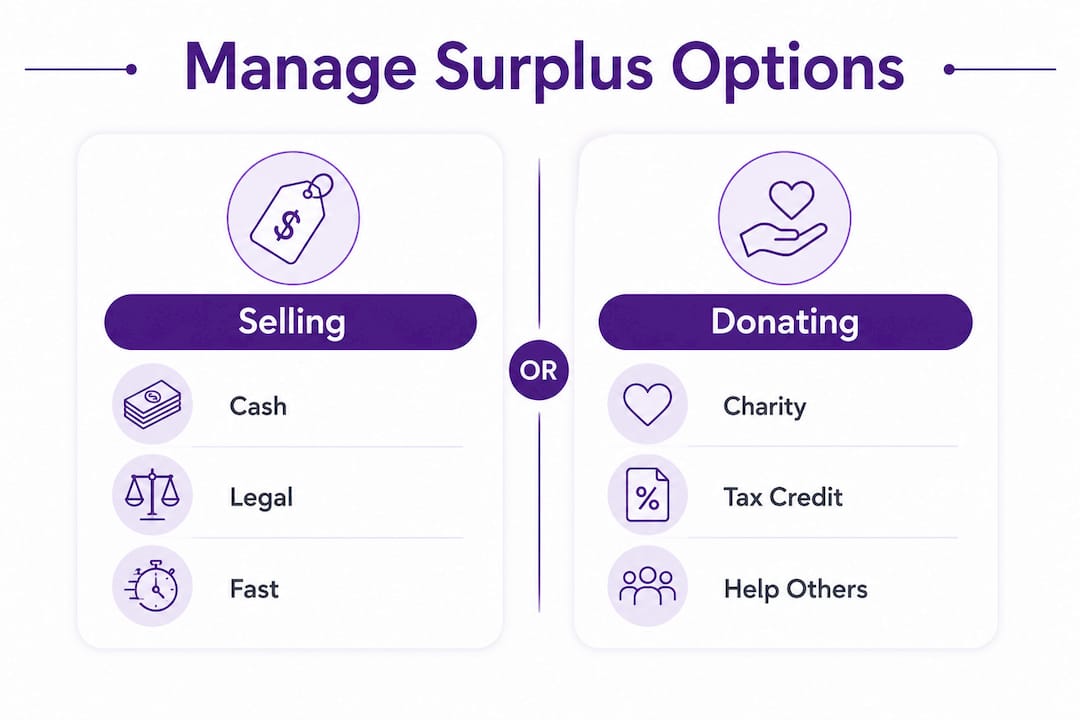
The comparison below lays out the practical differences between the two approaches.
| Option | Financial Benefit | Legal Considerations | Best Use Case |
|---|---|---|---|
| Selling | Cash payment, often same day | Supplies must be sealed, unexpired, and legally obtained | You need immediate cash and have large quantities |
| Donating | No cash, but tax deduction may apply | Same safety and condition requirements | You want to support community access to supplies |
| Organizing and storing | Preserves future value | No resale or donation rules apply | Small surplus, supplies still within your usage plan |
Choosing between selling and donating is not purely a financial decision. If you have a large quantity of a single item, such as a full case of Dexcom G7 sensors you no longer use, selling makes practical sense. For smaller quantities or mixed lots, donation to a local diabetes support organization may be the better fit. You can read a detailed breakdown of donation versus selling to match the right option to your situation.
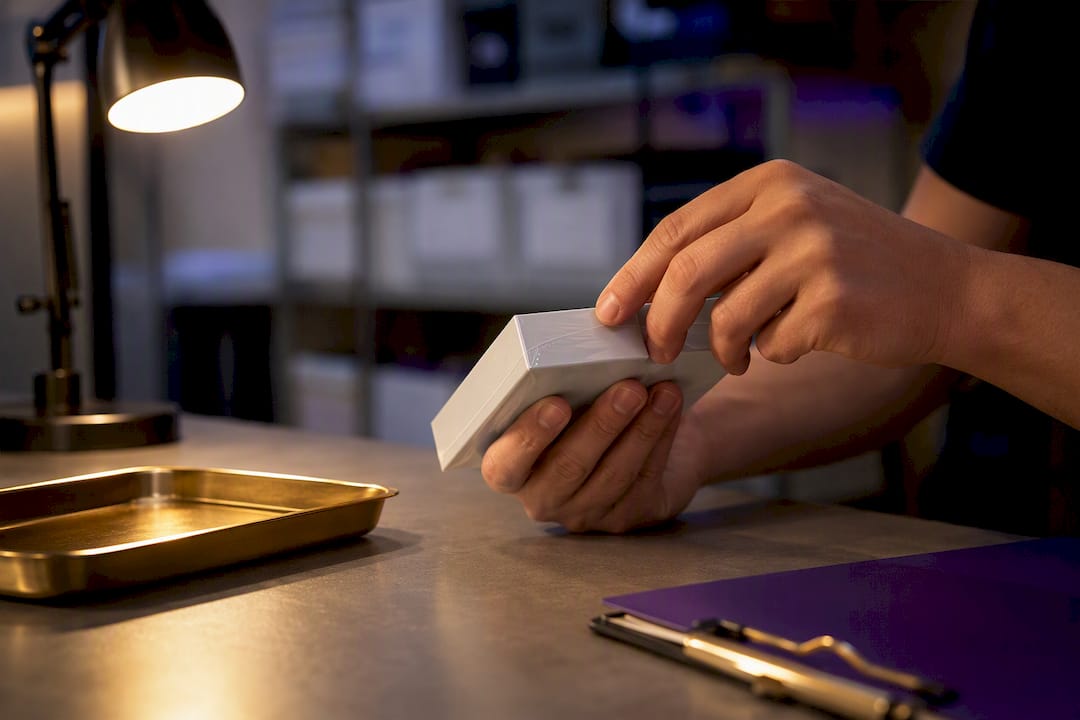
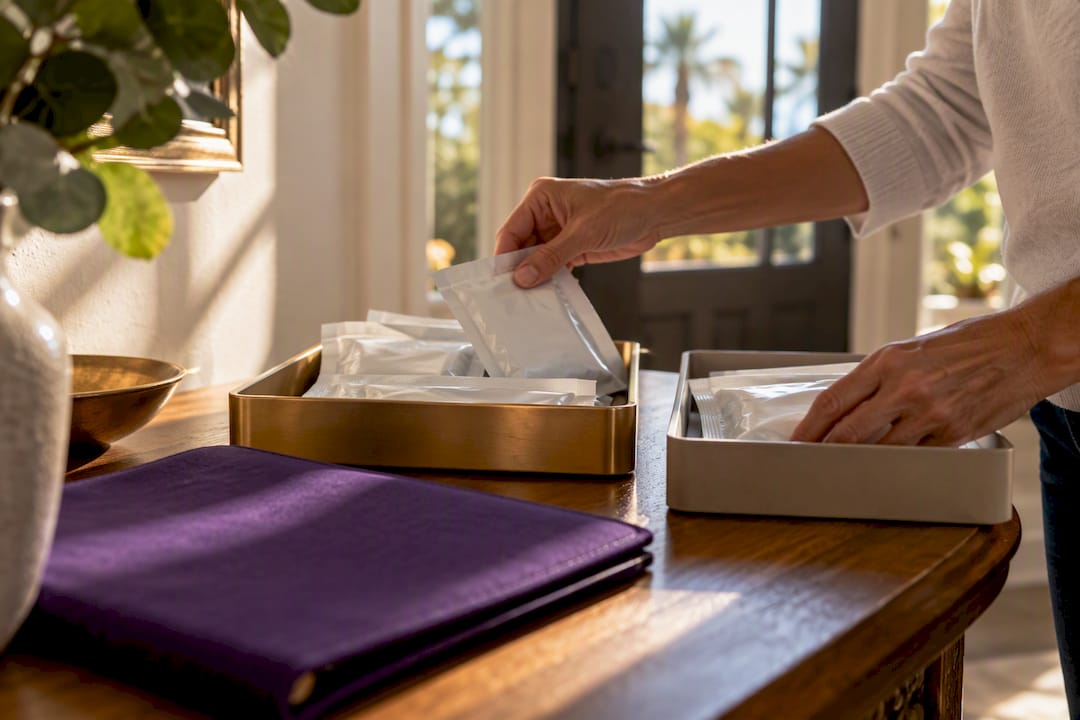
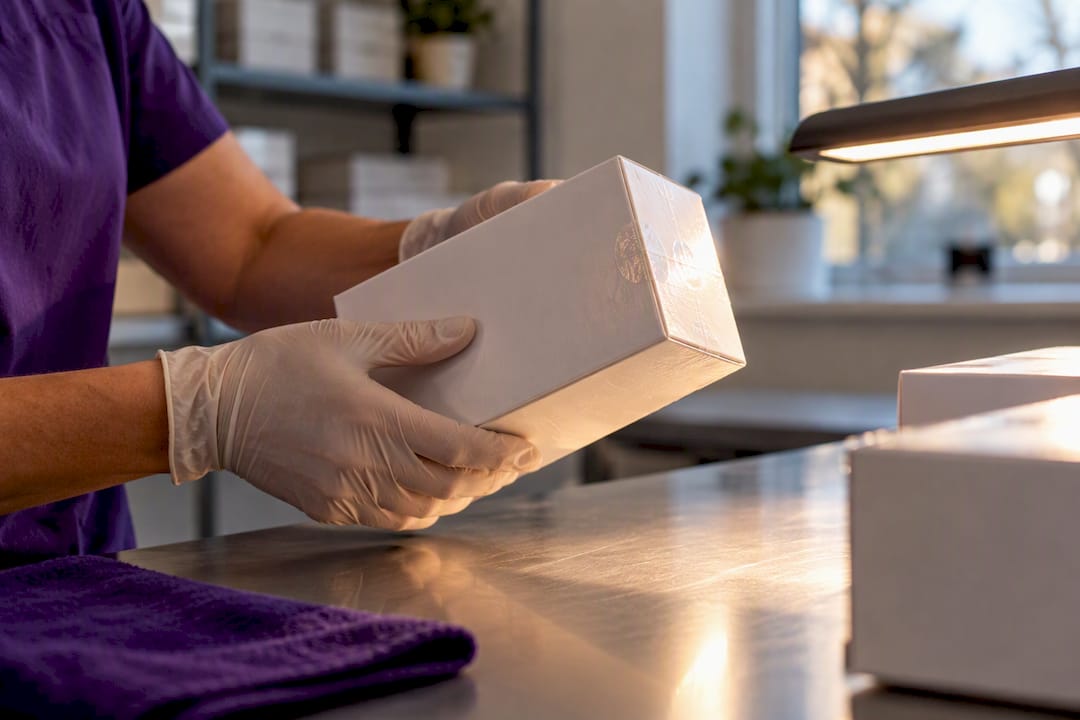
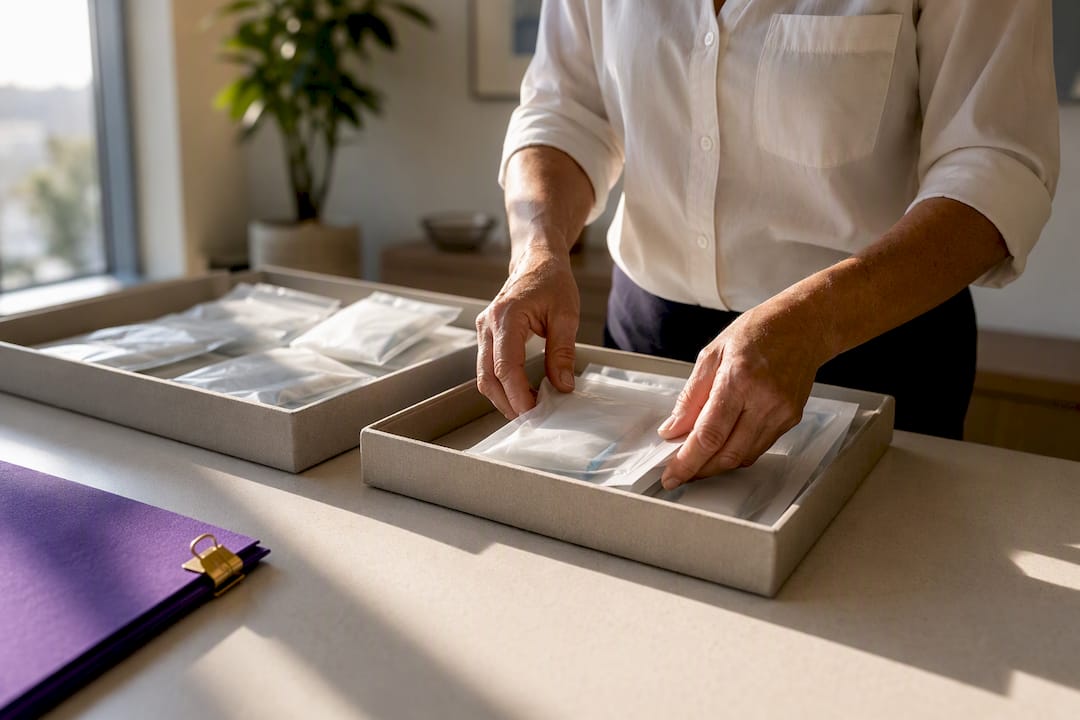
Before you sell or donate, audit your inventory. Pull every box out, check expiration dates, and confirm original packaging is intact. Supplies with broken seals, missing labels, or expired dates cannot be sold or donated safely. Organize what remains by expiration date, and set a calendar reminder to review again in 60 days.
Steps to choose a reputable resale program:
- Confirm the buyer accepts your specific brand and supply type before shipping or meeting.
- Ask how payment is made and how quickly you receive it.
- Verify the buyer does not accept expired or opened supplies, which signals a legitimate operation.
- Check for local options first. Local buyers like Orlando Diabetic Supplies Buyback offer same-day cash without shipping delays.
Is selling surplus diabetic supplies legal?
Selling personal diabetic supplies is legal in the United States when items are unopened, unexpired, and were legally obtained through your own prescription or insurance coverage. The key word is “personal.” Supplies purchased fraudulently, obtained through someone else’s prescription, or resold in bulk as a commercial operation cross into illegal territory. Prescription insulin is also restricted in many states and generally cannot be resold.
Fraud in this context means billing Medicare or insurance for supplies you never intended to use, then selling them for profit. That is a federal offense. Selling your own legitimately received surplus is a different matter entirely. The legal standard focuses on how you obtained the supplies, not on the act of selling itself.
Resale markets require supplies to be sealed, dated, and in original packaging. Any reputable buyer will verify these conditions before completing a transaction. If a buyer does not ask about expiration dates or packaging condition, that is a warning sign.
Pro Tip: Keep the original shipping invoice or insurance explanation of benefits for any supplies you plan to sell. This documentation confirms legal acquisition and protects you if questions arise.
To verify a buyer’s credibility, confirm they operate locally or have a clear business address, offer transparent pricing, and do not ask you to remove labels or alter packaging. Checking what counts as an unused diabetic supply before you approach any buyer helps you arrive prepared and confident.
How to manage your diabetic supply inventory going forward
Effective inventory management improves both patient safety and financial outcomes by preventing expired supplies from accumulating unnoticed. The fix is not complicated. It requires a consistent habit, not a complex system.
Start by aligning your prescription quantity with your actual monthly usage. If your doctor prescribed four test strips per day but you now use a CGM as your primary tool, your strip prescription is almost certainly generating surplus. A brief conversation with your care team can adjust the order quantity and stop the buildup at the source. You can also review insurance-specific strategies for reducing overshipment under your current plan.
Practical habits that keep inventory under control:
- Audit every 60 days. Count what you have, note expiration dates, and compare against your actual usage rate.
- Communicate with your insurer. Request a quantity adjustment if your shipments consistently exceed your usage.
- Track by category. Keep strips, sensors, lancets, and pump supplies in separate labeled bins so nothing gets lost or forgotten.
- Act on surplus early. Supplies with six or more months before expiration have the highest resale or donation value.
Proper tracking aligns supply levels with actual prescriptions and prevents the kind of buildup that leads to expired, worthless stock. A simple spreadsheet or even a notes app entry updated monthly is enough for most people. For a more structured approach, a dedicated diabetic supply inventory system gives you a clear framework to follow.
Pro Tip: Set a recurring monthly phone reminder labeled “supply check.” Five minutes of counting now prevents months of waste later.
Key Takeaways
Surplus diabetic supply ownership is a manageable, often financially beneficial situation when you act before supplies expire and understand the legal rules around resale and donation.
| Point | Details |
|---|---|
| Define your surplus clearly | Surplus means sealed, unexpired supplies beyond your current usage, not expired or opened items. |
| Know the legal line | Selling is legal when supplies are personally obtained, unopened, and unexpired; fraud voids that protection. |
| Act before expiration | Supplies lose all resale and donation value once expired, so audit every 60 days. |
| Align your prescription | Growing surplus signals a mismatch between your order quantity and actual usage worth discussing with your doctor. |
| Use secondary markets responsibly | Selling or donating surplus supports affordability for uninsured people and reduces medical waste. |
A practical take on surplus from someone who has seen it up close
People tend to think of surplus diabetic supplies as a problem, a sign of hoarding or poor planning. That framing is wrong, and it causes real harm. Surplus is a structural outcome of how diabetes care is delivered in the United States. Insurance ships on a fixed schedule. Prescriptions are written for worst-case usage. Device technology changes faster than prescription cycles do. The supplies pile up not because patients are careless, but because the system is not built for precision.
What I have observed is that the people who handle surplus best treat it as inventory, not clutter. They know what they have, when it expires, and what it is worth. That awareness alone changes the outcome. Instead of discovering a box of expired Dexcom G6 sensors at the back of a drawer, they sell or donate it six months before expiration and walk away with cash or a tax receipt.
The uncomfortable truth is that most surplus goes to waste simply because people do not know they have options. They assume selling is complicated or illegal. They assume donation programs do not exist. Neither assumption is true. The secondary market for diabetic supplies is active, legitimate, and genuinely useful to people who cannot afford retail prices. Participating in it is not just financially sensible. It is a practical act of community support.
My recommendation is simple: treat your supply closet the way a small business treats its stockroom. Count it, date it, and move it before it expires. You will save money, reduce waste, and possibly help someone who needs supplies but cannot pay full price.
— Liliana
Turn your surplus supplies into same-day cash
If you have unopened, unexpired diabetic supplies sitting unused at home, Orlando Diabetic Supplies Buyback offers a fast, local solution. The process is straightforward: contact the team, get a fair quote, and receive same-day cash for items like Dexcom G6 and G7 sensors, Freestyle Libre, Omnipod supplies, and sealed test strips.
Orlando Diabetic Supplies Buyback serves Orlando, Florida and surrounding areas with honest pricing and no shipping hassle. You can learn exactly how to get cash for your unused supplies and what to expect at every step. If your surplus came from a device you no longer use, you can also sell previous device supplies quickly and locally. Do not let sealed, valuable supplies expire in a drawer when a fair cash offer is available today.
FAQ
What does surplus diabetic supply ownership mean?
Surplus diabetic supply ownership means possessing unopened, unexpired diabetic supplies beyond your current medical usage. These supplies typically accumulate through insurance overshipments, prescription mismatches, or device transitions.
Are diabetic supplies considered Durable Medical Equipment?
Diabetic supplies are classified as Durable Medical Equipment or consumables, including glucose meters, test strips, lancets, CGM sensors, and glucagon kits. Medicare Part B covers many of these items with 20% coinsurance after the deductible.
Is it legal to sell my extra diabetic supplies?
Selling personal diabetic supplies is legal in the United States when items are unopened, unexpired, and legally obtained through your own prescription or insurance. Reselling supplies obtained fraudulently or through another person’s prescription is illegal.
Why do diabetic test strips have resale value?
Test strips hold resale value because of the price gap between low insurance reimbursement rates and high out-of-pocket retail costs. Sealed, unexpired strips are in demand from uninsured and underinsured people who cannot afford retail prices.
How often should I audit my diabetic supply inventory?
Audit your diabetic supply inventory every 60 days. Check expiration dates, confirm packaging is sealed, and compare your stock against your actual monthly usage to catch surplus before it expires.