You usually cannot sell loose or opened test strips through reputable buyers, but the box itself is not the deciding factor. If your inner packaging is still sealed and the lot number and expiration date are visible, some buyers, including local same-day buyback services, will pay cash after you send a few clear photos. Take pictures of the brand, the lot number, and the expiration date, then ask for a firm quote before you do anything else.
TL;DR:
- Selling test strips without the original box is possible if the inner packaging remains sealed and the lot number and expiration date are clearly visible in photos.
- Reputable buyers check for the brand, quantity, expiration date, and intact factory seal, with strict rejection of opened, expired, or tampered items.
- Legally, you can sell unused, unexpired test strips only if they were not obtained through Medicare or Medicaid, as resale of federally obtained supplies is considered illegal diversion.
- Local buyback services inspect supplies in person and pay cash immediately if conditions are met, avoiding shipping delays and providing same-day payment.
- Payments from selling supplies through cash, peer apps, or online platforms may be taxable, and you should keep records of the transaction details for tax purposes.
Table of Contents
- Where to Sell Test Strips Without the Original Box
- Is It Legal to Sell Unused Diabetic Test Strips?
- What Do Buyers Check Before Paying You?
- How to Sell Test Strips Step by Step Without a Box
- Getting Paid Safely and What It Means for Your Taxes
- What a Same-Day Orlando Buyback Actually Looks Like
- Why Most Advice on This Topic Misses the Point
- Get Same-Day Cash for Your Test Strips in Orlando
- Sources
- FAQ
Where to Sell Test Strips Without the Original Box
You have four realistic paths when the box is missing, and each one comes with its own trade-offs.
- Local same-day buyback: You meet in person, the buyer inspects the strips on the spot, and you walk away with cash. The catch is geography. You need a buyer operating in your area, and most services can only verify what they can physically see and hold.
- Mail-in buyers: These work well when you have volume or live somewhere without a local option. Because they can’t inspect anything until the package arrives, mail-in buyers tend to demand stricter proof upfront, meaning multiple photos, sometimes a signed condition statement, and a longer wait before payment clears.
- Donation or nonprofit redistribution: If your strips can’t be verified enough for resale, many diabetes support organizations and free clinics accept unexpired supplies. This is the right move when you’re not sure the lot number matches what’s inside, or when quantities are too small to bother selling.
- Safe disposal: Anything expired, contaminated, or missing its seal should go into a sharps or medical waste program rather than the trash. Selling unusable strips isn’t just a bad idea. It’s often the reason a legitimate buyer will decline your entire batch.
Local buyback tends to move fastest when your strips qualify, since it skips the shipping delay entirely.
Is It Legal to Sell Unused Diabetic Test Strips?
Yes, selling your own unused, unexpired test strips is legal in most cases. What’s illegal is selling supplies you obtained through Medicare, Medicaid, or another federal health program. That’s diversion, and the Department of Justice has prosecuted people for exactly this, including South Florida residents who pleaded guilty to health care fraud charges tied to a test strip diversion scheme.
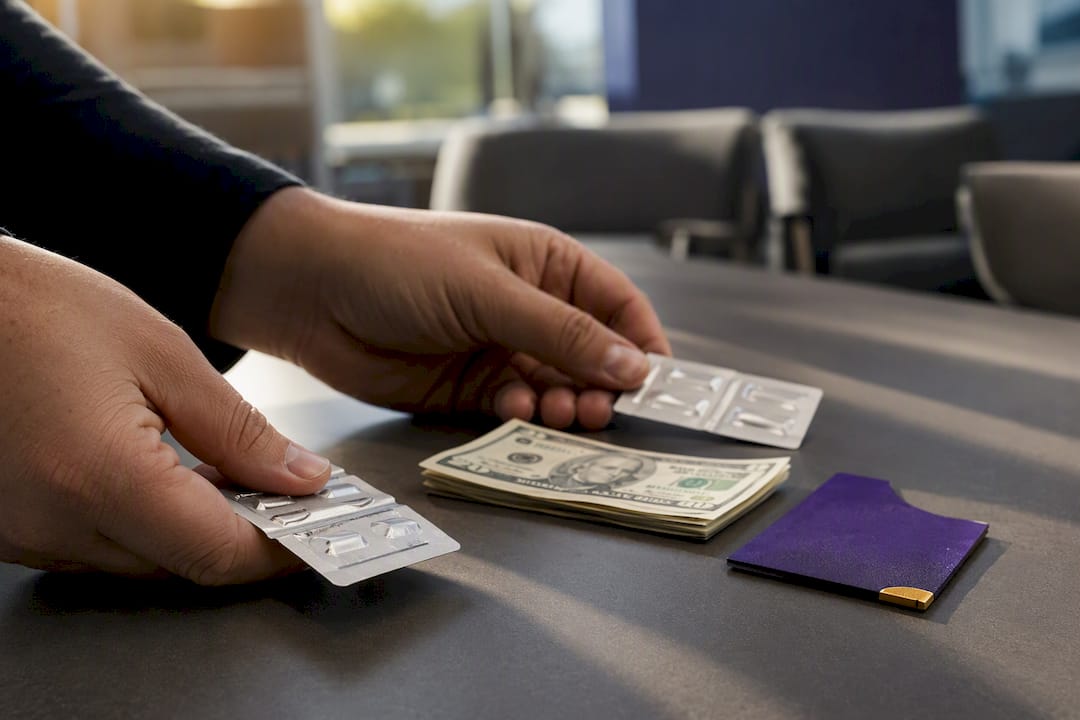
Enforcement is real, not theoretical. Federal cases have targeted networks that bought and resold diabetic supplies originally billed to Medicare or Medicaid. Reputable buyback services refuse these items outright because they can’t legally resell them either.
CMS guidance under Change Request 1336 also warns suppliers away from marketing practices that could violate the Medicare anti-kickback statute, which is part of why a legitimate buyer will ask where your supplies came from before making an offer. Watch for red flags like pharmacy relabeling, missing lot numbers, or signs the seal has been tampered with. If you suspect your supplies came from an illicit source, the safest move is to donate them or dispose of them rather than try to sell them.
What Do Buyers Check Before Paying You?
Every reputable buyer runs the same basic checklist, whether you’re standing in front of them or texting photos from across the state.
- Brand and count: A clear front-facing photo showing the brand name and how many strips are inside.
- Expiration date: Buyers commonly want several months of shelf life remaining, since strips too close to expiration lose most of their resale value. This is one of the biggest factors affecting test strip value.
- Lot number and seal: The side panel lot number needs to be legible, and the factory seal has to be intact, with no signs of moisture, blood exposure, or damage larger than about a quarter.
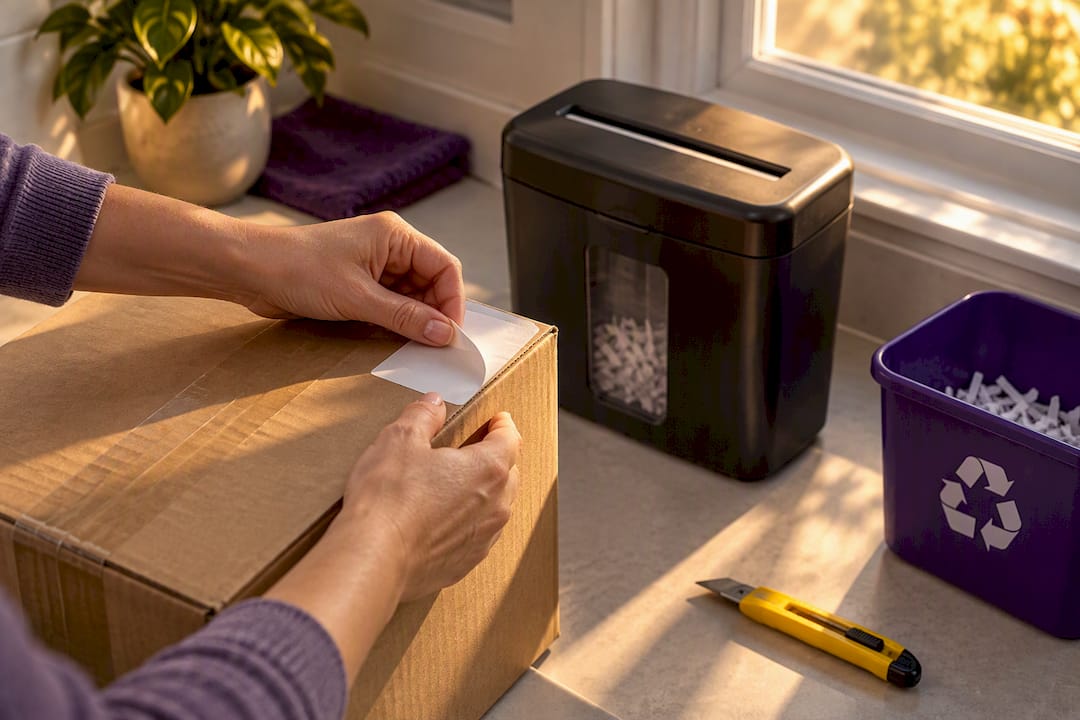
If your box carries a pharmacy label, say so upfront. Some buyers can remove and shred a pharmacy label themselves as long as the factory branding and lot number underneath are still intact, but hiding that detail is a fast way to lose the sale entirely.
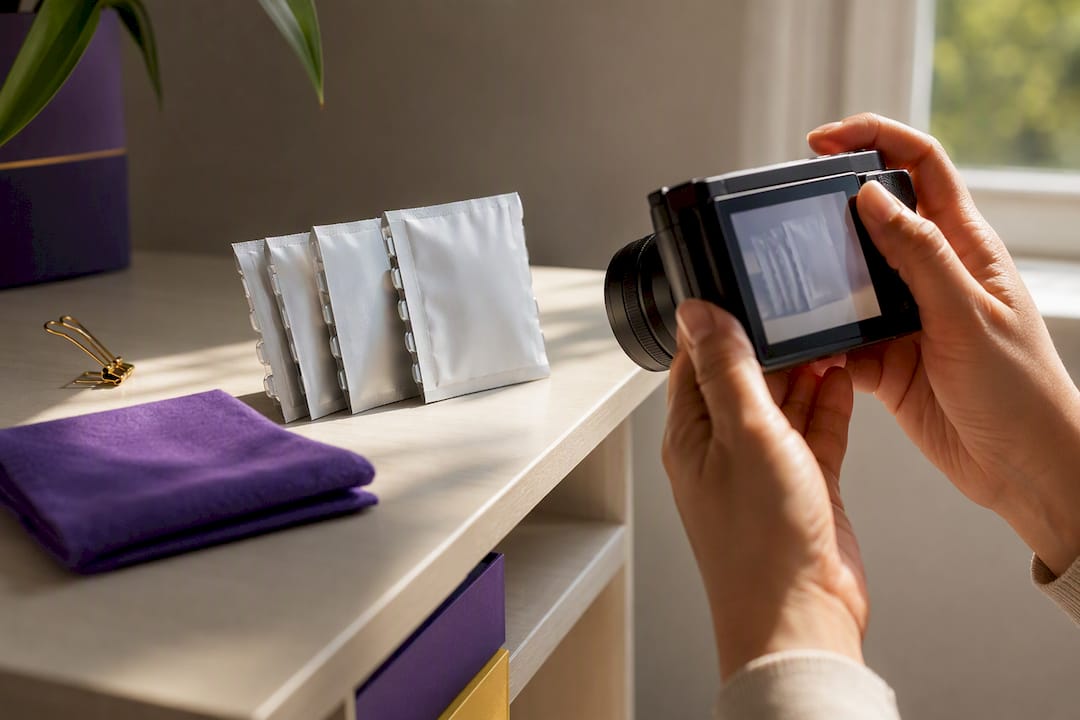
Pro Tip: Photograph your strips against a plain background in good light before you contact any buyer. A blurry photo is the number one reason quotes get delayed or denied.
How to Sell Test Strips Step by Step Without a Box
Your workflow depends entirely on what condition your strips are in.
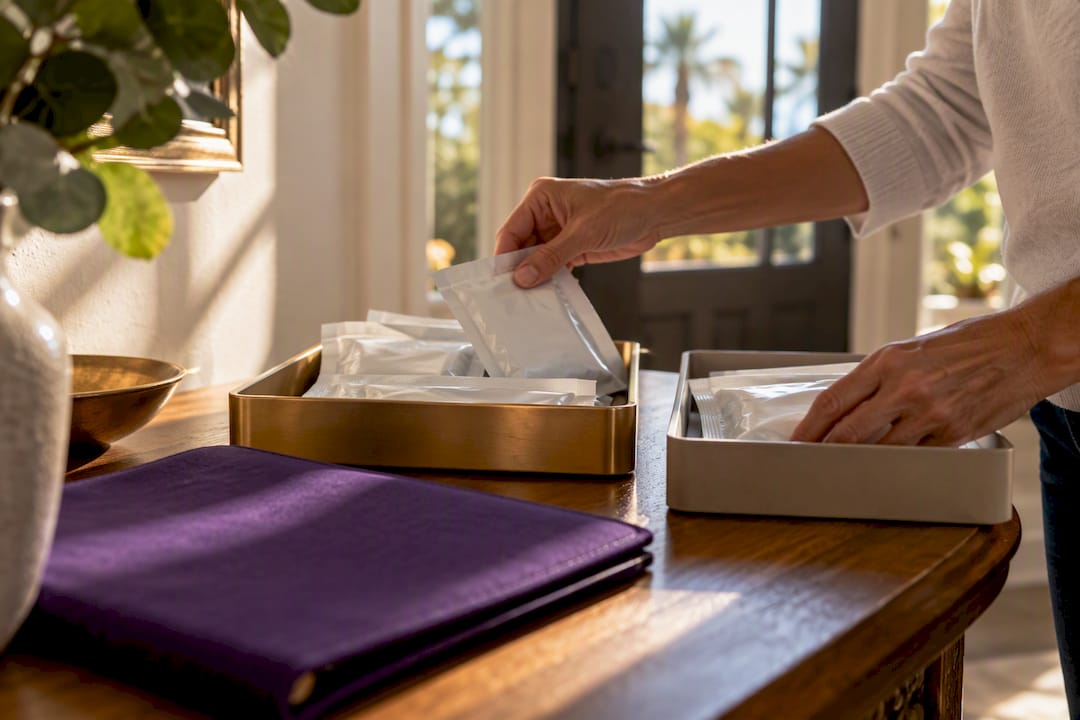
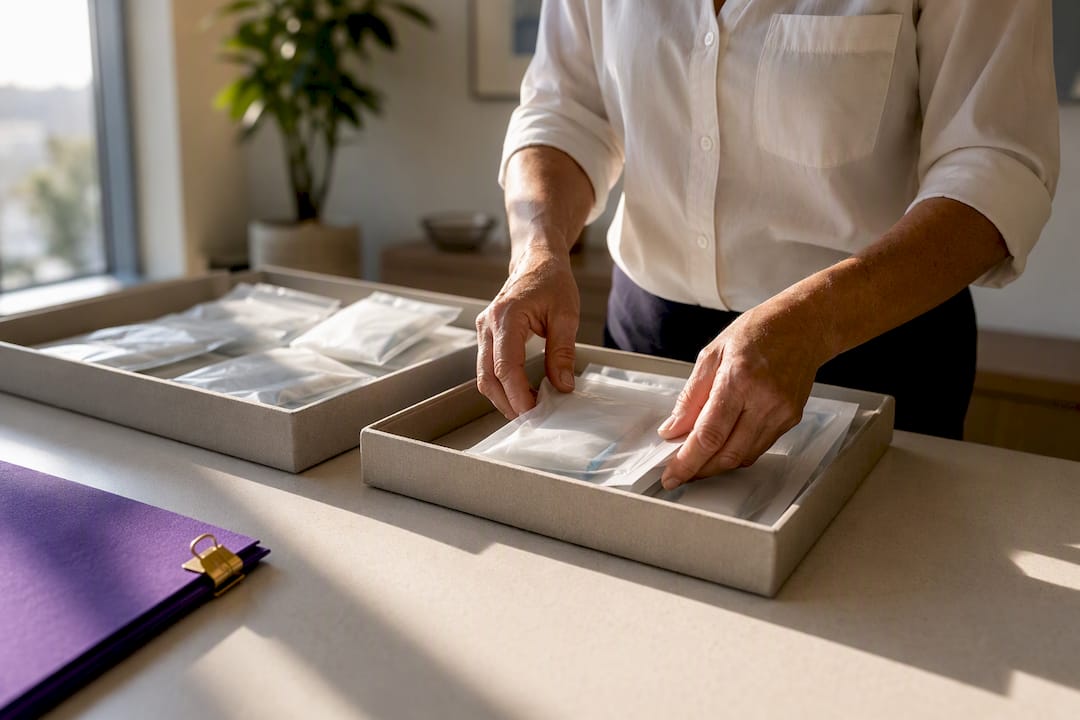
If your strips are still in sealed blister packs with a readable lot number and expiration date, you’re in good shape. Photograph everything, send those photos to a buyer, and ask for a firm quote. From there it’s either a local meetup with cash in hand or insured shipping once payment terms are agreed.
If your strips are loose, repackaged, or missing key identifying information, be realistic. Most reputable buyers will decline, and pushing the issue rarely works. Donation programs or proper disposal are your fallback.
When you message a buyer, keep it simple:
- State the brand, quantity, and expiration date in your first message.
- Attach the three photos described above.
- Ask directly: “Can you give me a firm quote based on these photos?”
Avoid altering any label, never ship product before payment is confirmed, and walk away from any offer that feels rushed or evasive. A legitimate buyer wants clear communication, not pressure.
Getting Paid Safely and What It Means for Your Taxes
Cash and peer-payment apps are the standard for small transactions, and both let you keep a simple record of the amount and date. Avoid cashier’s checks from strangers. They’re a common scam vector in the resale world.
If you’re meeting someone in person, stick to a public location, bring ID, and confirm the quote again before handing anything over.
- Meet in a well-lit public spot, ideally somewhere with cameras.
- Confirm the agreed price out loud before the exchange.
- Get payment first, or agree on simultaneous exchange.
On taxes: payments you receive for selling goods can trigger a Form 1099-K if you’re paid through certain apps or platforms, and that income is generally reportable regardless of whether a form is issued. A single, casual sale of your own leftover supplies is unlikely to hit reporting thresholds, but keep a note of the date, amount, and buyer just in case.
Pro Tip: Screenshot your conversation with the buyer, including the agreed price, before you meet up. It takes ten seconds and protects you if anything goes wrong.
What a Same-Day Orlando Buyback Actually Looks Like
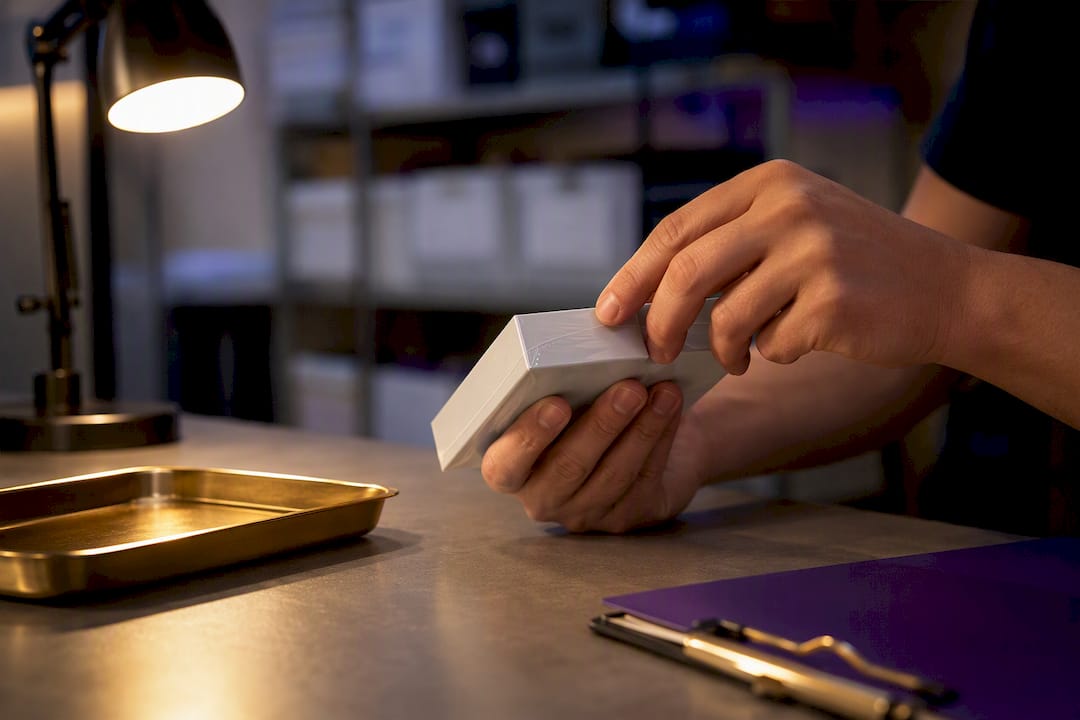
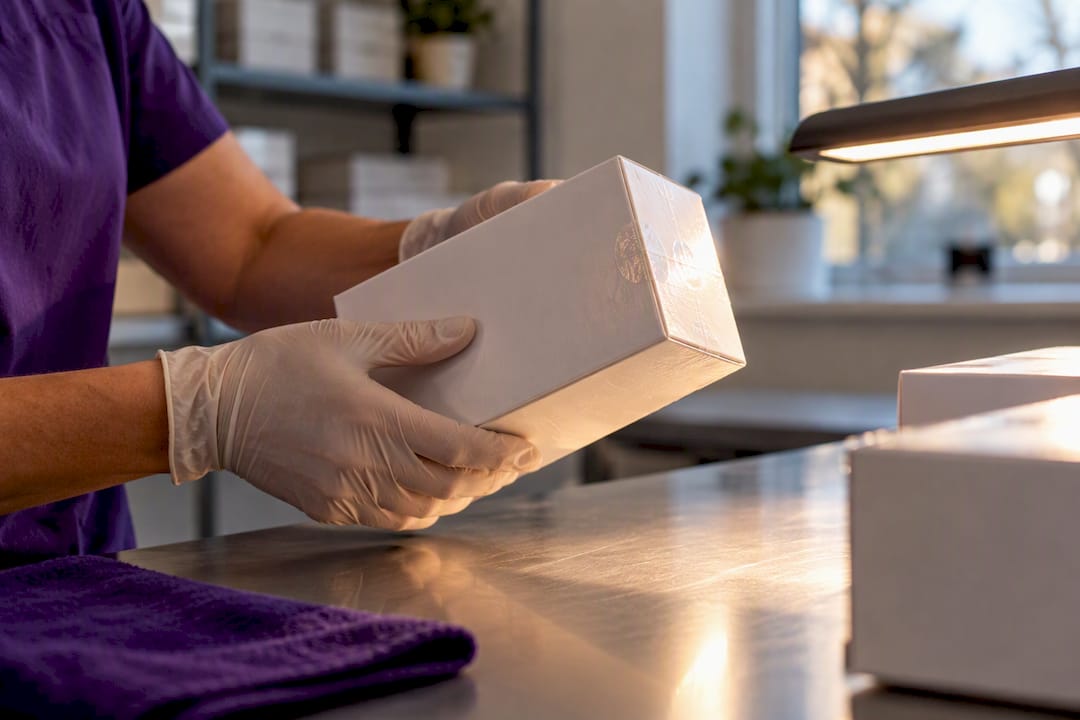
Orlando Diabetic Supplies Buyback inspects every item in person before paying, which is exactly the kind of on-site verification that photo-only mail-in buyers can’t offer. That means checking the seal, confirming the expiration date, and reading the lot number off the side panel, all in the time it takes to sit down for coffee.
The acceptance limits are clear and consistent: no opened seals, no pharmacy-relabeled boxes without verifiable factory markings, and nothing past its expiration date. Meetups happen in safe, public locations locally, and if your supplies don’t qualify, the goal is still to point you toward donation or proper disposal rather than leave you stuck. Sellers with unused Dexcom G6 and G7 sensors, Freestyle Libre sensors, Omnipod pods, or major brand test strips can get a straightforward answer the same day they reach out.
Why Most Advice on This Topic Misses the Point
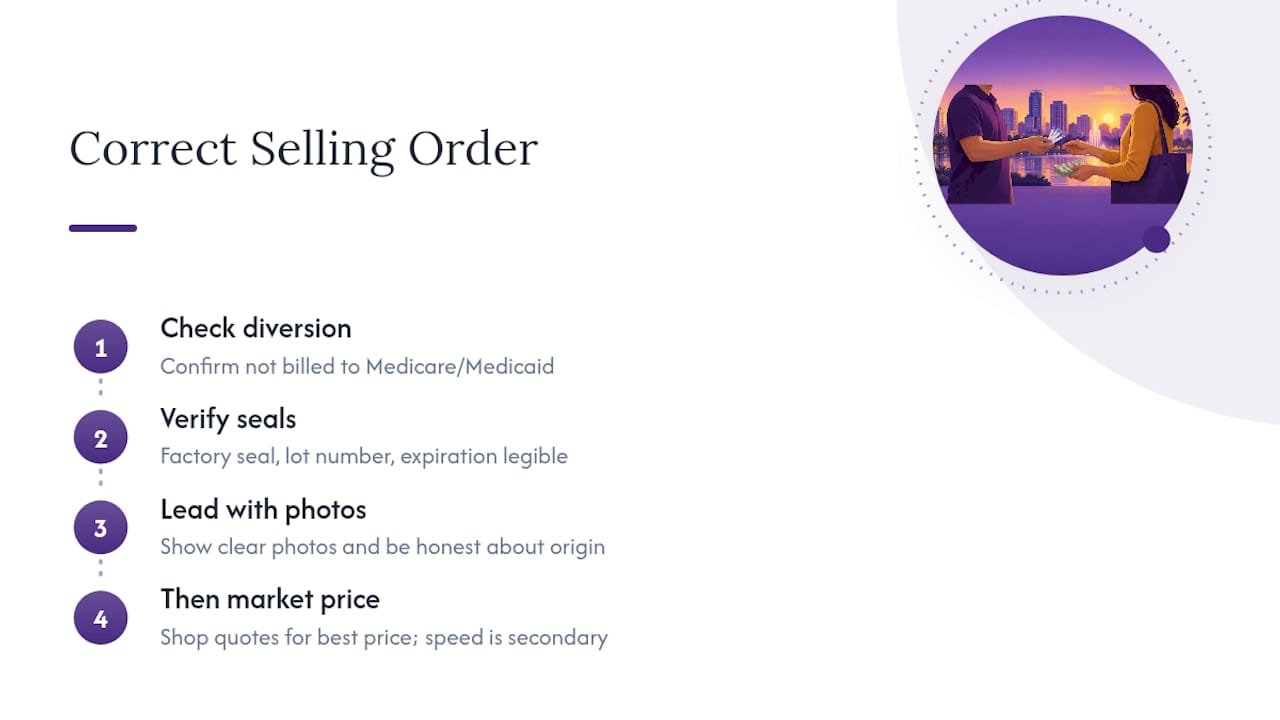
Most guides treat the box as the whole story, and that’s backwards. A box is packaging. What actually protects the buyer, and gets you paid, is whether the factory seal, lot number, and expiration date are intact and legible. I’ve seen the conventional wisdom push sellers toward assuming a missing box automatically kills the sale, when in reality it just means you need to lead with better photos and more honesty about where the supplies came from.
The bigger gap is on the legal side. Sellers focus on getting the best price and skip past the diversion question entirely, even though that’s the one area where a mistake carries real consequences, not just a lower offer. Prioritize that first: confirm your supplies weren’t originally billed to Medicare or Medicaid, confirm the seal is intact, and only then start shopping your quote around. Speed matters less than doing this in the right order.
— Liliana
Get Same-Day Cash for Your Test Strips in Orlando
A local same-day buyback service skips the wait entirely. No mailing photos back and forth for days, no shipping insurance, no wondering if a stranger online will actually pay. You meet locally, your strips get inspected on the spot, and you leave with cash the same day, as long as they’re sealed, unexpired, and from a major brand.
If your test strips still have their factory seal, a readable lot number, and enough time before expiration, you likely qualify. Take a few clear photos right now, the same ones described earlier: brand and count, expiration date, and lot number. Then reach out through Cash for Diabetic Supplies to get a quote and set up a public meetup near you. If your situation involves Dexcom, Libre, or Omnipod supplies instead of strips, the same-day process applies, and you can start there just as easily.
Sources
For readers who want to verify the legal and tax details covered above, these are the primary sources worth reading directly: the FDA’s enforcement release on test strip diversion prosecutions, CMS Change Request 1336 on Medicare marketing rules, IRS guidance on Form 1099-K, and The New York Times’ reporting on the broader resale market.
This article is general information, not a substitute for advice from a qualified doctor. Consult a qualified healthcare professional about your own circumstances before acting on anything here.
- Two additional South Florida residents plead guilty to health care fraud charges in diabetic test strip diversion scheme | FDA
- Program Memorandum Carriers (Change Request 1336) – CMS
- I received a Form 1099‑K – Taxpayer Advocate Service
FAQ
Can I Get Cash for My Test Strips Without the Box?
Yes, if the inner packaging is still sealed and the lot number and expiration date are visible, many buyers will pay cash after reviewing a few photos. The original outer box helps, but it’s not always required if the seal and key details are intact.
Can I Sell My Unused Test Strips Legally?
You can legally sell your own unused, unexpired test strips as long as they weren’t originally obtained through Medicare or Medicaid. Selling federally provided supplies is considered diversion and has led to criminal prosecutions.
How Much Can You Sell Diabetic Test Strips For?
Prices vary by brand, box condition, and how much shelf life is left before expiration, with reporting from The New York Times showing the secondary market prices fluctuate based on these same factors. Orlando Diabetic Supplies Buyback’s current pricing for test strips is available directly through Cash for Diabetic Supplies, since it depends on the specific brand and quantity you have.
Do I Have to Report Test Strip Sales on My Taxes?
Payments you receive for selling goods can be taxable income, and platforms may issue a Form 1099-K depending on how you’re paid. A single casual sale is less likely to trigger a form, but you should still keep a record of the date and amount.
What Disqualifies Test Strips From Being Sold?
Opened seals, expired dates, missing lot numbers, and visible contamination like blood or moisture are the most common reasons reputable buyers turn strips away. Pharmacy-relabeled boxes without verifiable factory markings underneath are also frequently rejected.