Diabetic supply management is defined as the ongoing practice of maintaining timely, safe, and sufficient diabetes-related medical supplies to support accurate monitoring and effective treatment at all times. Poor management of these supplies directly causes inaccurate glucose readings, treatment failures, and avoidable financial waste. Understanding why diabetic supply management matters is the first step toward protecting both your health and your budget. Organizations like CCS Medical, Beyond Type 1, and the American Journal of Managed Care have all documented the real-world consequences when this system breaks down.
Why diabetic supply management matters for your health and wallet
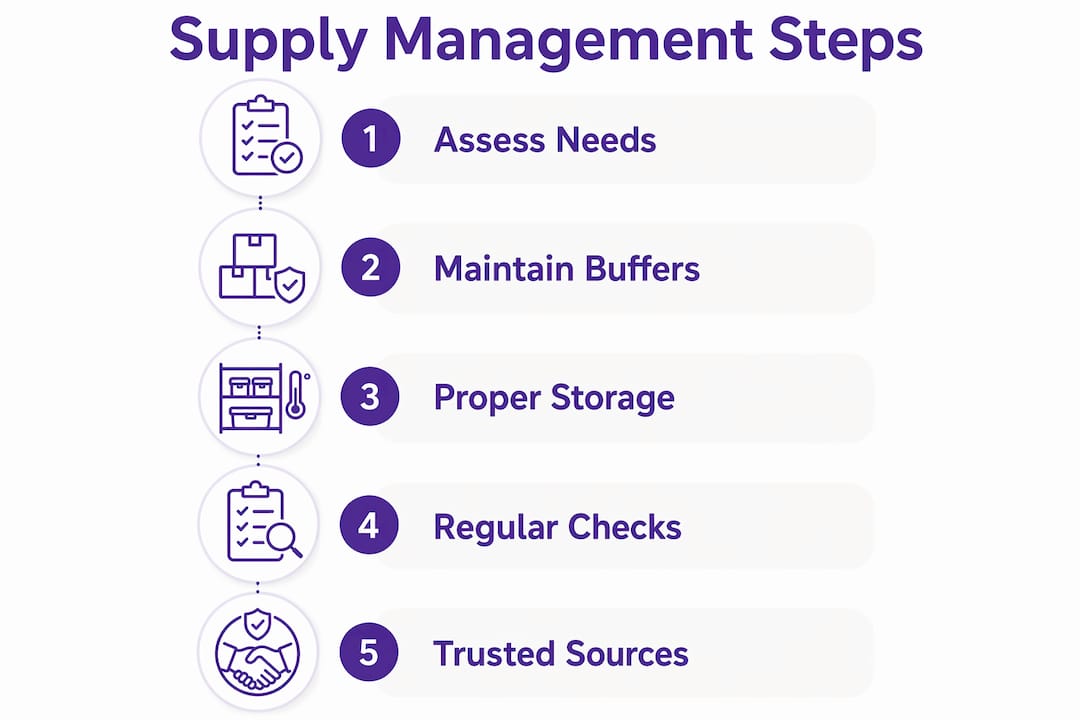
Diabetic supply management goes by a more formal name in clinical settings: supply continuity planning. Both terms describe the same core practice. You track what you have, store it correctly, replenish it on time, and verify that every item is safe to use.
The stakes are high. Supply disruptions significantly associate with increased mortality, hospital admissions, and healthcare costs, with statistical significance measured at P <.0001 in populations that lost full access to glucose monitoring supplies. That number means the connection between supply gaps and patient harm is not a coincidence. It is a documented, repeatable outcome.

Financial waste is the other side of the problem. Supplies that expire unused, get stored incorrectly, or pile up after a device switch represent real money lost. A structured approach to the importance of diabetes supply management prevents both health crises and unnecessary spending.
What risks arise from poor diabetic supply management?
Supply gaps do not just cause inconvenience. They create a chain of clinical failures that can escalate quickly.
“Disruption in any pathway element endangers glycemic stability and safety.” — Impact Insights
Consider what happens when one item runs out. Missing pen needles makes insulin delivery impossible, even if you have a full vial of insulin. A depleted supply of test strips disables blood glucose monitoring entirely. Partial supply disruptions effectively disable diabetes management even when the primary medication is available. That is a critical insight most people overlook.
The risks compound further when supply chain problems force device switches. Switching to alternative devices during shortages often causes site failures and faster supply consumption, creating a rolling crisis that worsens the original shortage. Each failure point adds pressure to whatever supplies remain.
Here is a summary of the most common risks:
- Expired supplies: Test strips and CGM sensors past their expiration date produce inaccurate readings, leading to wrong dosing decisions.
- Improper storage: Insulin stored outside the 59–86°F range loses effectiveness, even if it looks fine.
- Supply gaps: Running out of lancets, pen needles, or pump cartridges interrupts treatment, not just monitoring.
- Unplanned device switches: Moving to a backup device mid-cycle accelerates consumption and increases failure rates.
- Financial harm: Emergency purchases, out-of-pocket replacements, and avoidable hospitalizations all carry real costs.
What essential diabetes supplies should you manage and keep on hand?
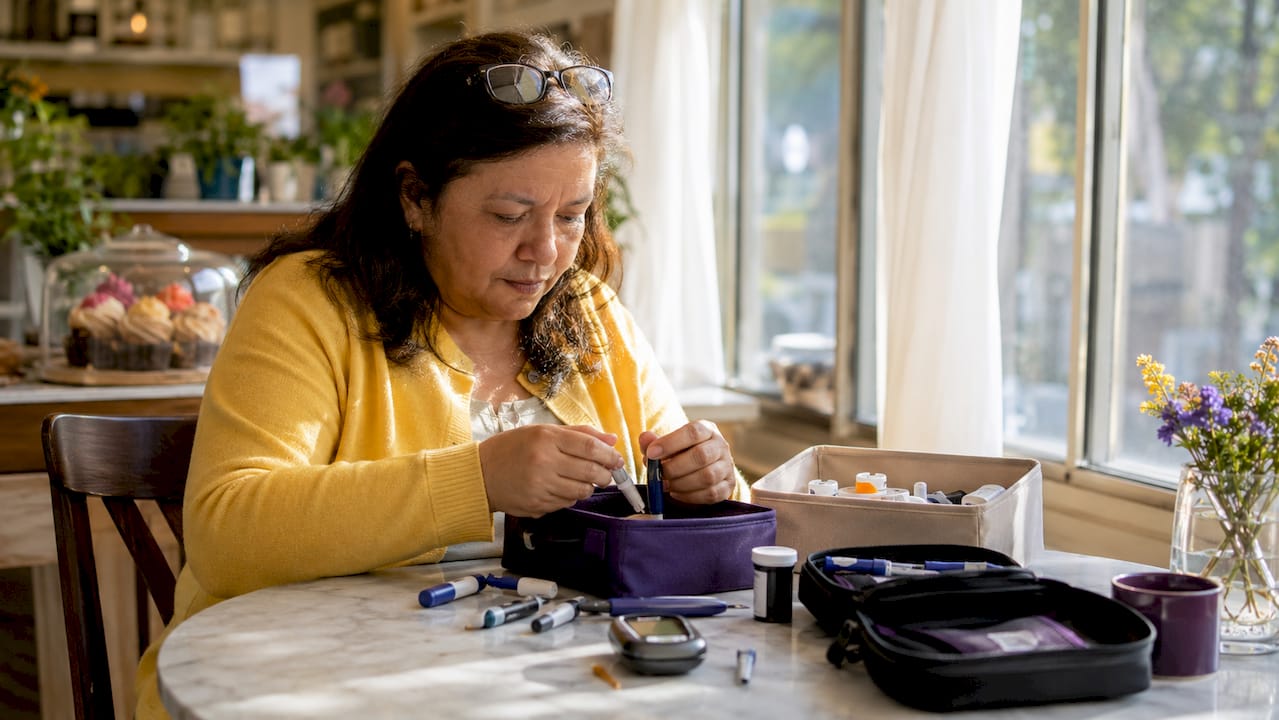
The benefits of managing diabetes supplies start with knowing exactly what belongs in your supply system. Managing supply pathways includes insulin (both short-acting and long-acting), pen needles, test strips, lancets, ketone testing supplies, CGM sensors such as Dexcom G6, Dexcom G7, and Freestyle Libre, pump cartridges for systems like Omnipod, glucagon kits, and documentation of your current prescriptions.
Clinical guidelines recommend that insulin-dependent individuals maintain at least a 3-day emergency supply buffer of insulin and related supplies. That recommendation from Beyond Type 1 covers pump cartridges and glucagon as well. Three days sounds modest, but it covers most short-term disruptions including pharmacy delays, travel problems, and weather emergencies.
Storage requirements are non-negotiable. Over 37 million Americans require proper storage of diabetes supplies, and insulin remains effective unrefrigerated for only 28 days within the 59–86°F range. Once you remove insulin from the refrigerator, the clock starts. Storing it in a hot car or near a window shortens that window significantly.
| Supply type | Minimum buffer | Key storage rule |
|---|---|---|
| Insulin (short and long acting) | 3-day emergency supply | Refrigerate until opened; use within 28 days unrefrigerated |
| CGM sensors (Dexcom G7, Libre) | 2-week rolling stock | Room temperature, away from direct heat |
| Test strips and lancets | 30-day supply | Sealed container, away from humidity |
| Pump cartridges (Omnipod) | 1-week supply | Follow manufacturer temperature guidelines |
| Glucagon kit | 1 unexpired kit at all times | Check expiration date every 3 months |
Pro Tip: Set a recurring calendar reminder every 30 days to check expiration dates on your test strips, CGM sensors, and glucagon kit. A 5-minute monthly check prevents a costly emergency.
Why does the source of your diabetic supplies matter?
Where you get your supplies is just as important as how many you have. Non-traditional supply channels, including unregulated online resellers and informal exchanges, carry serious risks. Non-traditional supply sourcing risks product expiration and improper storage, causing inaccurate glucose readings and device failures. CCS Medical notes that unregulated resellers offer no guarantees on product integrity.
The appeal of these channels is understandable. Fear of running out drives people toward any available source. But a CGM sensor that was stored improperly before it reached you will give you bad data. Bad data leads to bad dosing decisions. That is a direct health risk, not a theoretical one.
“Non-traditional supply channels often appear due to fears of running out, but create safety risks without guarantees.” — CCS Medical
Licensed suppliers and established diabetic supply chain management providers offer accountability that informal channels cannot. They maintain cold chain protocols, track expiration dates, and provide documentation you can reference if something goes wrong. The difference between a licensed supplier and an unregulated one is the difference between a known quantity and a gamble.
Working with trusted sources also protects you financially. Supplies from unverified sources that fail or produce bad readings waste money and may require repeat purchases. Proper sourcing is part of the broader benefits of managing diabetes supplies correctly from the start.
How can you practically organize and manage your diabetic supplies?
Effective supply management is a formal governance system, not just a storage habit. Most people lack formal systems, but a proven strategy is the home-and-away method: maintain a large organized stock at home and carry a portable daily kit when you leave.
Here is how to build that system step by step:
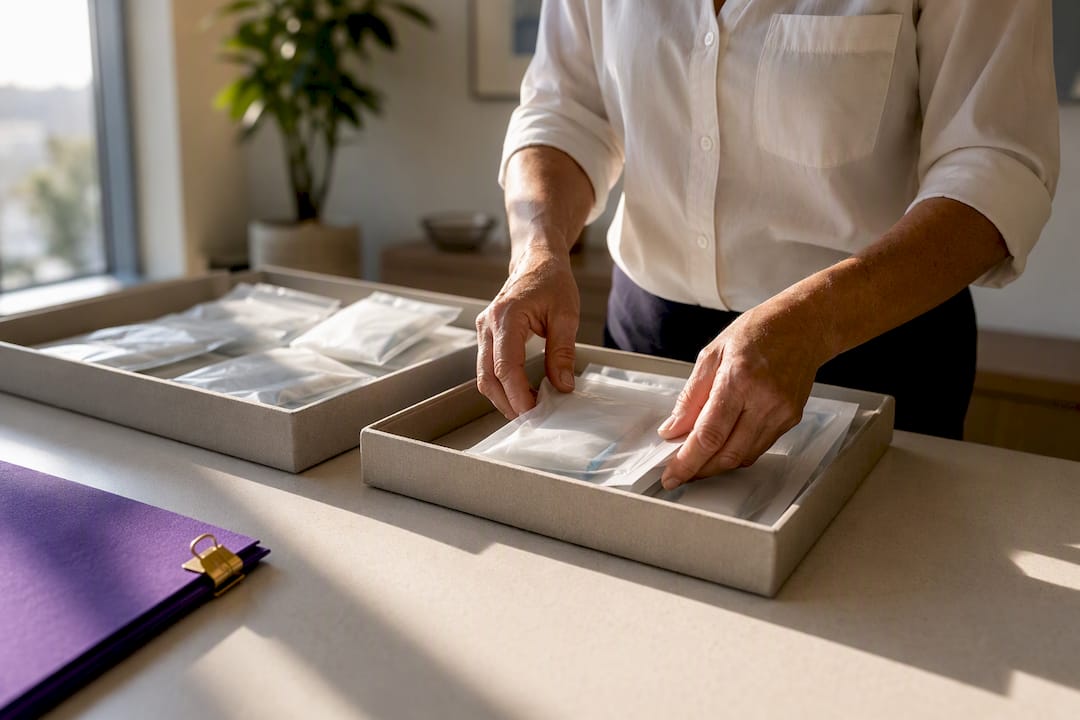
- Create a supply register. List every item you use, how often you use it, and your current quantity. A diabetic supply inventory gives you a clear baseline and prevents both shortages and excess.
- Set reserve thresholds. Decide the minimum quantity that triggers a reorder. For most supplies, a 2-week reserve is a practical floor. For insulin, follow the 3-day emergency buffer as a minimum, not a target.
- Verify compatibility before stocking up. Pump cartridges, CGM sensors, and lancets are device-specific. Stocking the wrong version wastes money and leaves you short on the right one.
- Rotate stock by expiration date. Place newer supplies behind older ones. Use the oldest stock first. This is standard practice in pharmacy management and works just as well at home.
- Build an escalation plan. Know what you will do if your primary supplier is out of stock. Identify a backup pharmacy, a telehealth provider who can send emergency prescriptions, and a local contact who can help.
Pro Tip: Pack your portable daily kit the night before any travel or long day away from home. Include at least one extra CGM sensor, backup test strips, and a fast-acting glucose source. Running out while away from home is far more stressful and expensive than overpacking.
Formal governance concepts from clinical supply management apply directly here. Inspection-grade governance systems integrate reserve calculations, compatibility monitoring, escalation thresholds, and recovery documentation. You do not need a spreadsheet as complex as a hospital’s. But you do need more than a rough mental count.
Learning how to reduce diabetes supply waste is a natural extension of this system. Supplies that pile up after a device switch or prescription change represent both a safety risk and a financial loss. A clear inventory system shows you what you have before you order more.
Key Takeaways
Proper diabetic supply management directly prevents health emergencies, reduces financial waste, and keeps your treatment plan running without interruption.
| Point | Details |
|---|---|
| Supply gaps cause real harm | Disruptions in glucose monitoring supplies associate with increased mortality and hospital admissions. |
| Maintain a minimum buffer | Clinical guidelines recommend at least a 3-day emergency supply of insulin and related items. |
| Source matters as much as quantity | Non-traditional channels risk expired or improperly stored supplies that cause inaccurate readings. |
| Use a home-and-away system | A large home stock plus a portable daily kit prevents last-minute gaps at home and on the go. |
| Treat it as a formal system | Inventory registers, reserve thresholds, and escalation plans prevent fragmented supply readiness. |
What I have learned from watching supply management fail in real life
I have seen what happens when someone treats their supply management as an afterthought. They run out of test strips on a Friday evening. Their pharmacy is closed Saturday. They skip monitoring for two days and end up in the emergency room on Sunday. That is not a rare story. It is a predictable outcome of an informal system.
The part that surprises most people is how small the failure point usually is. It is rarely insulin. Insulin gets attention because it is the most critical item. The gaps that actually cause crises are the pen needles, the lancets, the pump cartridges. The items people assume they have plenty of until they suddenly do not.
The other thing I have noticed is that people often accumulate surplus supplies after switching devices or changing prescriptions, and then feel stuck with them. Unused Dexcom G7 sensors, sealed Freestyle Libre boxes, and unopened Omnipod pods pile up in drawers. That surplus has real value, and letting it expire is a financial loss you do not have to accept.
The most resilient approach I have seen combines a written inventory, a fixed reorder schedule, and a clear plan for what to do with supplies you no longer need. That last part matters more than most people realize. Managing your supply system well means managing both the shortage risk and the surplus risk.
— Liliana
Turn unused supplies into cash with Orlando Diabetic Supplies Buyback
If your supply system is working well, you may find yourself with sealed, unexpired supplies you no longer need after a device switch or prescription change. Those supplies have real cash value.
Orlando Diabetic Supplies Buyback buys unused diabetic supplies in Orlando, Florida and surrounding areas. We offer same-day cash for Dexcom G6 and G7 sensors, Freestyle Libre, Omnipod pods, and sealed test strips. The process is fast, honest, and local. You can sell unused supplies directly to us without the uncertainty of unregulated online channels. If you are ready to clear out surplus supplies and get fair value for them, Orlando Diabetic Supplies Buyback is the straightforward local option.
FAQ
Why is diabetic supply management essential for daily health?
Diabetic supply management prevents treatment gaps that directly cause dangerous blood sugar swings, inaccurate readings, and avoidable hospitalizations. Research shows supply disruptions associate with increased mortality at a statistical significance of P <.0001.
How many days of supplies should I keep on hand?
Clinical guidelines from Beyond Type 1 recommend maintaining at least a 3-day emergency buffer of insulin, pump cartridges, and glucagon at all times. A 2-week rolling stock of CGM sensors and test strips provides stronger protection.
Does it matter where I buy my diabetic supplies?
Yes. Non-traditional or unregulated sources risk selling expired or improperly stored supplies that produce inaccurate glucose readings and device failures. Licensed suppliers with documented storage protocols are the safer choice.
What happens if I run out of one supply item but not others?
Running out of a single item like pen needles or test strips can disable your entire diabetes management routine, even if your insulin supply is full. Every pathway element must be maintained to keep your system functional.
What should I do with diabetic supplies I no longer need?
Sealed, unexpired supplies that you no longer use after a device switch have real cash value. Orlando Diabetic Supplies Buyback offers same-day cash for items like Dexcom G7 sensors, Freestyle Libre, Omnipod, and test strips in the Orlando area.