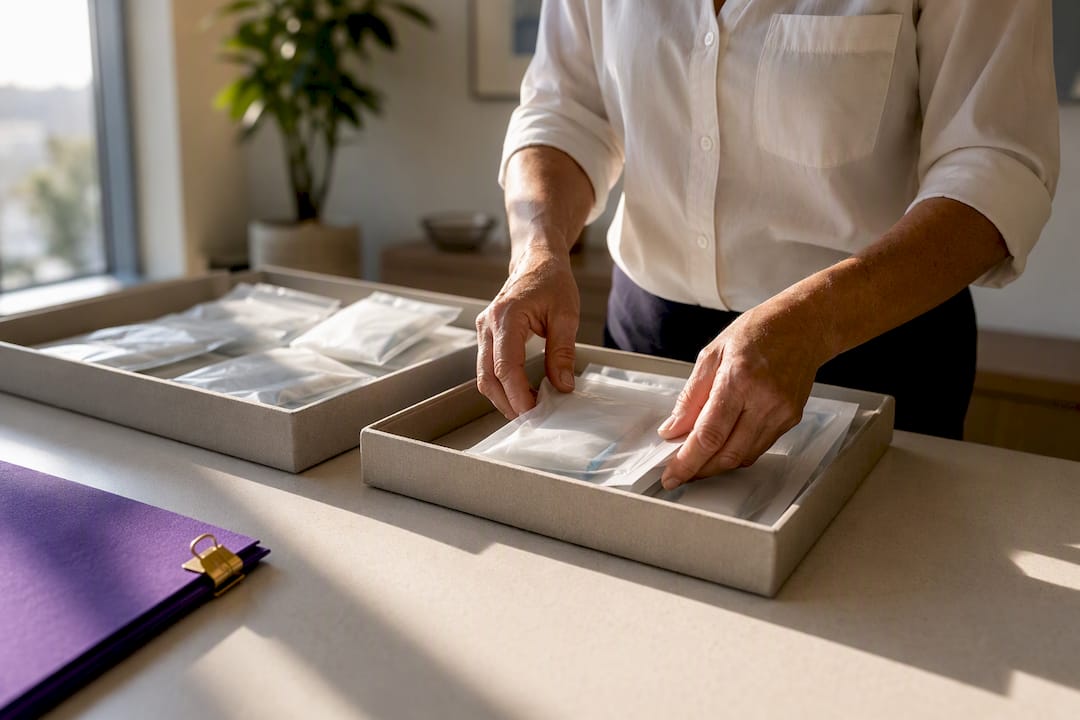
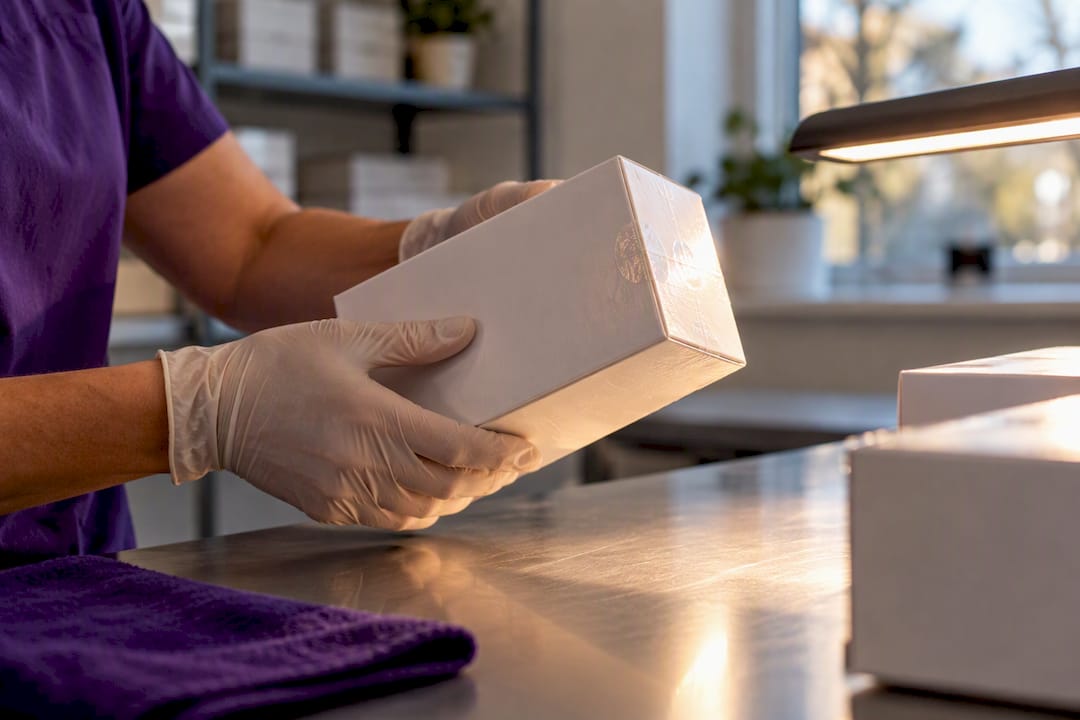
Unused Dexcom sensors are sellable for cash when they are unopened, unexpired, and stored within the manufacturer’s recommended range. The single biggest deal breaker is a compromised seal or a sensor pulled from a recalled lot, so check the box before you check the price. Whether you have G6 or G7 boxes also shapes what a buyer will offer, since Dexcom is phasing G6 out. A local buyer like Orlando Diabetic Supplies Buyback can usually tell you on the spot if your sensors qualify.
TL;DR:
- Sensors in sealed, unexpired boxes with more than several months left on their expiration date are worth the most money, especially if packaging is intact.
- Storage outside the FDA-recommended temperature range of 36 to 86°F can degrade sensor chemistry, making them harder or impossible to sell.
- Lot numbers and serial numbers must be verified against FDA recall lists before attempting resale to avoid legal and safety risks.
- In-person local sales provide instant cash, easier verification, and avoid shipping risks, while online or mailing options are slower and riskier.
- Sensors flagged in an FDA recall or stored improperly are unsellable, and sellers should photograph labels immediately to streamline verification.
Table of Contents
- What Affects a Dexcom Sensor’s Resale Value
- How to Check a Sensor’s Condition and Authenticity Before You Sell
- Safety and Legal Risks Buyers Watch For
- How to Prepare, Document, and Price Your Sensors
- Local Cash Sale vs. Mailing to a Buyback Service
- What I’ve Learned Watching Sellers Get This Wrong
- Get Same-Day Cash for Your Unused Dexcom Sensors in Orlando
- Sources
- FAQ
What Affects a Dexcom Sensor’s Resale Value
Buyers look at the same handful of details every time, and they look fast. Get these right and you are already ahead of most sellers who show up with a shoebox of loose boxes and no paperwork.
Expiration date matters more than almost anything else. A sensor with eight months left on the clock is worth noticeably more than one expiring in three weeks, because the buyer has to resell it before it expires too. Packaging condition comes next: sealed and factory sealed means full value, while an opened box, even one that was never actually used on skin, drops the price sharply or takes the item off the table entirely.
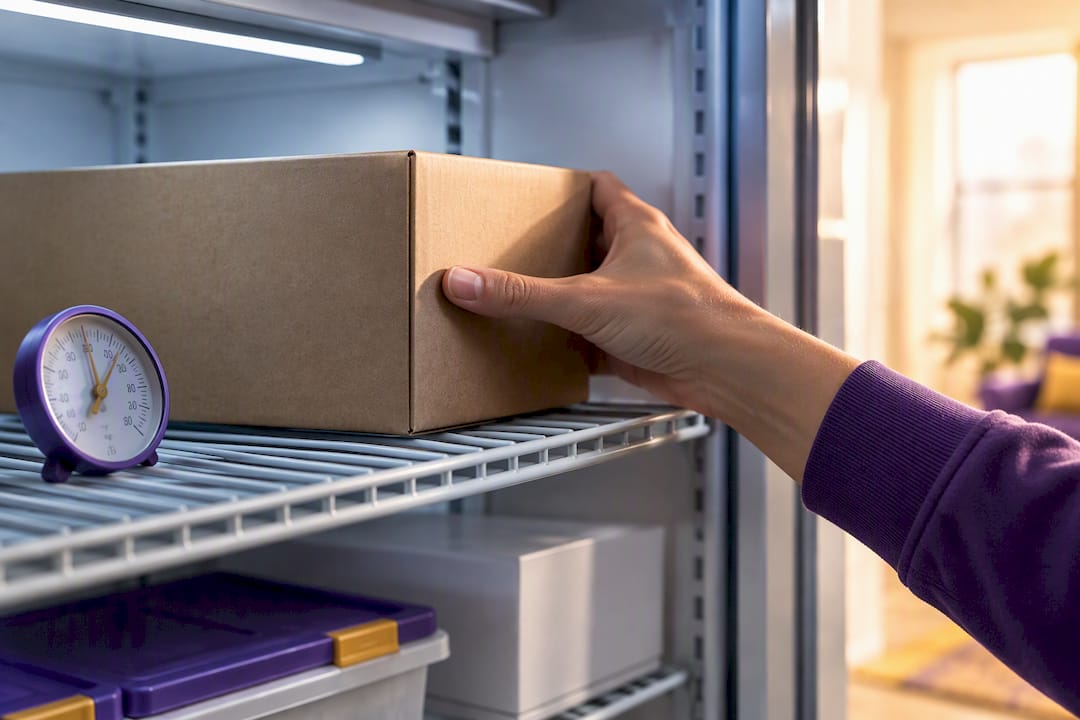
Storage history is the factor most sellers overlook. FDA device documentation for the Dexcom G7 lists a storage range of 36 to 86°F with 10 to 90% relative humidity. A box that sat in a hot car trunk for a summer, even if it looks fine, is a hard sell because heat exposure can degrade the sensor’s internal chemistry in ways you cannot see from the outside.
Model generation plays a role too. Dexcom has confirmed that G6 manufacturing ends July 1, 2026, pushing patients toward G7. That shift can cut two ways: some buyers pay less for G6 stock anticipating shrinking demand, while others pay more for it short term if local supply tightens before the cutoff.
Here is what typically moves the price:
- Unexpired by several months or more: highest value
- Sealed, factory packaging with intact tamper seal: highest value
- Near-expiry (within a few weeks): discounted
- Opened box, even if the sensor was never applied: usually unsellable
- Lot flagged in an FDA recall notice: unsellable, do not attempt to sell
Statistic to know: FDA device review documentation sets the storage window for Dexcom sensors at 36 to 86°F, a range that directly determines whether a sensor is still sellable months after purchase.
How to Check a Sensor’s Condition and Authenticity Before You Sell
Before you contact any buyer, spend five minutes verifying what you actually have. This step separates sellers who get paid on their first try from sellers who get turned away.
- Find the lot number, serial number, and expiration date printed on the outer box. These three details are non negotiable, since almost every legitimate buyer will ask for them before quoting a price.
- Cross check the serial and lot against Dexcom’s theft and recall lookup and the FDA recall listing for Dexcom G7 lots that were reported stolen or scrapped.
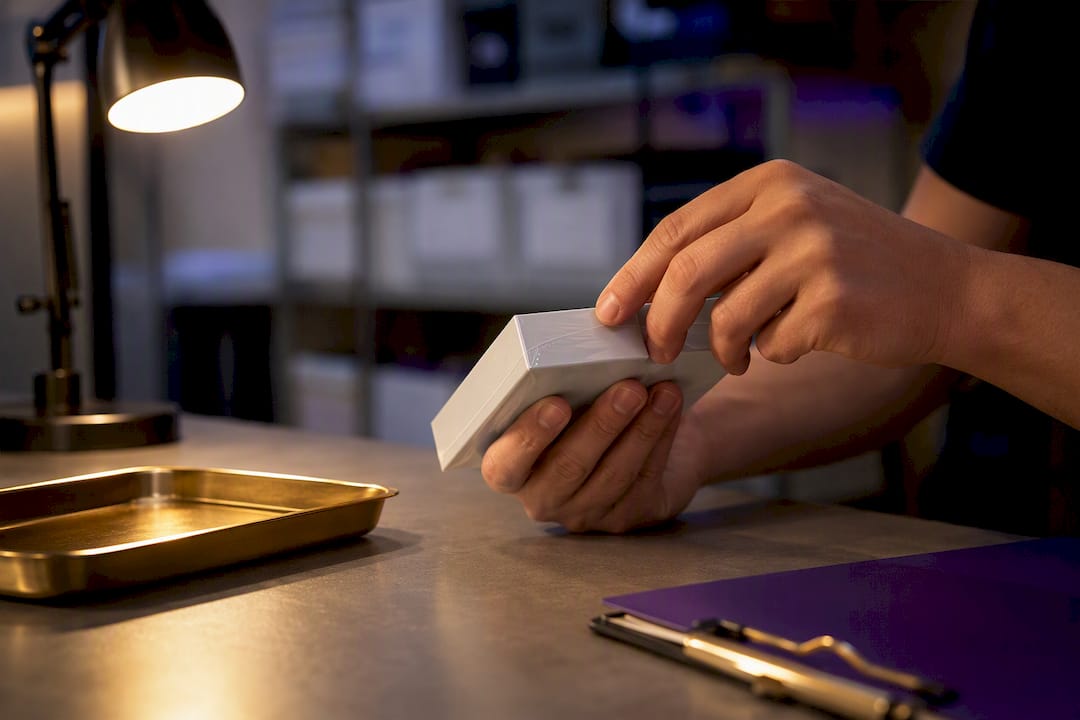
- Inspect the box itself for crushed corners, moisture stains, a broken tamper seal, or any sign the sensor was removed and reinserted.
- Confirm there is no evidence of prior application, such as adhesive residue, a missing applicator, or a torn inner pouch.
- Stop if anything looks off. A missing serial number, a damaged seal, or a lot number that matches a recall means the sensor should not be sold. Contact Dexcom directly or dispose of it through a pharmacy take-back program instead.
Pro Tip: Take a photo of the lot and serial number the moment you decide to sell, even before you contact a buyer. It saves time later and shows the buyer you came prepared, which speeds up the whole transaction.
Safety and Legal Risks Buyers Watch For
Buyers reject far more sensors than most sellers expect, and it is rarely personal. It comes down to two things: patient safety and fraud exposure.
The most direct example is the FDA’s recall of certain Dexcom G7 lots that were designated for destruction but were stolen and resold through unauthorized channels. Any reputable buyer treats a lot check as mandatory, not optional, because reselling a stolen or scrapped unit creates liability for everyone in the chain.
There is a clinical angle too. Dexcom sensors rely on an enzymatic reaction to measure glucose, and extreme heat or cold can degrade that chemistry enough to produce inaccurate readings without any visible sign of damage. A sensor that looks perfect on the outside can still be unsafe to use.
Federal enforcement adds another layer. CMS has pursued large scale fraud cases involving diabetic supply suppliers, which is one reason serious buyers avoid unverifiable sourcing and ask sellers direct questions about where their supplies came from.
- If your lot appears in a recall notice, stop the sale immediately.
- If a sensor was stored outside 36 to 86°F for an extended period, disclose it or expect it to be declined.
- If a buyer never asks for a lot or serial number, that is a warning sign, not a convenience.
How to Prepare, Document, and Price Your Sensors
A little preparation turns a slow, back-and-forth negotiation into a five-minute transaction.
- Photograph the outer box from every angle, making sure the lot number, serial number, and expiration date are legible in at least one shot, along with the intact tamper seal.
- Gather any paperwork you still have, including the original prescription, pharmacy receipt, or distributor packing slip. Not every seller has these, but having them speeds up trust with a buyer considerably.
- Apply the basic pricing logic: sealed and unexpired sensors bring the highest offers, sensors nearing expiration get discounted, and anything opened or previously worn is typically not sellable at all.
- Keep boxes stored properly until the sale, following the 36 to 86°F storage guidance rather than tossing them in a garage or hot car.
- Be ready to show the box in person if you are selling locally. In-person buyers will want to inspect the seal and confirm the serial number matches before handing over cash.
Pro Tip: Store boxes upright in a closet or drawer at room temperature, not in a bathroom cabinet where humidity swings. It is a small habit that protects resale value for months.
Local Cash Sale vs. Mailing to a Buyback Service
You generally have three routes for selling unused Dexcom sensors, and each comes with a different tradeoff between speed, price, and risk.
Local same-day buyback lets a buyer inspect the box, lot number, and seal in person and pay you on the spot. This route avoids shipping fraud entirely and gets you cash the same day, which is why it tends to be the preferred option when packaging is delicate or you need money quickly.
Specialty medical supply resellers sometimes pay competitive rates but usually require mailing your sensors in and waiting for verification, which can take days. You lose the immediate cash advantage and take on shipping risk, including lost or damaged packages.
Online marketplaces offer the widest pool of buyers but come with the highest exposure to scams. Anyone selling this way should demand a clear return policy from the buyer, verify the buyer’s identity when possible, and never agree to falsify a lot number or expiration date to close a sale.
A few practical vetting rules apply regardless of route:
- Ask what happens if the buyer finds a defect after payment.
- Avoid any buyer who asks you to alter or hide box details.
- Choose local, in-person sale when your packaging shows any wear or when you need funds fast.
What I’ve Learned Watching Sellers Get This Wrong
The most common mistake is not fraud or bad intentions. It is simply not knowing where the lot and serial numbers are printed until a buyer asks. Store your boxes at room temperature, keep them sealed, and photograph the label the day you decide to sell.
In-person verification protects both sides. It confirms the sensor is legitimate and lets the seller walk away with cash instead of waiting on a shipment. Before you sell anything, take thirty seconds to check your lot number against the FDA recall list. It is the cheapest insurance you will ever buy.
— Liliana
Get Same-Day Cash for Your Unused Dexcom Sensors in Orlando
There are local services that inspect your boxes in person, confirm the lot and serial numbers on the spot, and pay cash the same day, avoiding waiting on a check or shipping label.
We buy unused, sealed, and unexpired Dexcom G6 and G7 sensors, along with FreeStyle Libre sensors, Omnipod pods, and major brand test strips from sellers across Orlando and the surrounding area. Bring your boxes with the tamper seal intact, along with any receipt or prescription paperwork you still have, and we will check everything against current recall listings before making an offer. If you are wondering what your G7 sensors are worth, a same-day cash meetup in a safe public location is faster and lower risk than mailing them anywhere. Reach out today to set up a time and get paid on the spot.
This article is general information, not a substitute for advice from a qualified doctor. Consult a qualified healthcare professional about your own circumstances before acting on anything here.
Sources
- Class 2 Device Recall — Dexcom G7 Continuous Glucose Monitoring System | FDA
- Upgrade to Dexcom G7 or G7 15 Day from G6 | Dexcom
- CMS cracks down on massive medical equipment supplier fraud scheme | CMS
FAQ
Can You Sell Unused Dexcom Sensors for Cash?
Yes, unused Dexcom sensors are sellable when the box is sealed, unexpired, and not part of a recalled lot. Orlando Diabetic Supplies Buyback purchases eligible G6 and G7 sensors in person with same-day cash.
Does Storage Temperature Affect Whether a Sensor Sells?
Yes. FDA device documentation lists a storage range of 36 to 86°F for Dexcom sensors, and boxes exposed to heat or cold outside that range are often declined because the internal sensor chemistry may be compromised.
What if My Sensor’s Lot Number Matches a Recall?
Stop the sale immediately and do not attempt to resell it. The FDA’s recall notice for affected G7 lots instructs users to check their serial numbers and contact Dexcom rather than pass the sensor along.
Is There a Price Difference Between G6 and G7 Sensors?
Pricing varies by model and market timing, especially since Dexcom is discontinuing G6 manufacturing by July 2026. Orlando Diabetic Supplies Buyback lists current G7 buyback pricing at $70 to $90 per pack on its site.
Do I Need a Receipt or Prescription to Sell My Sensors?
Not always, but having your original receipt, prescription, or distributor paperwork speeds up the transaction and builds trust with a buyer. At minimum, be ready to show the lot number, serial number, and expiration date printed on the box.