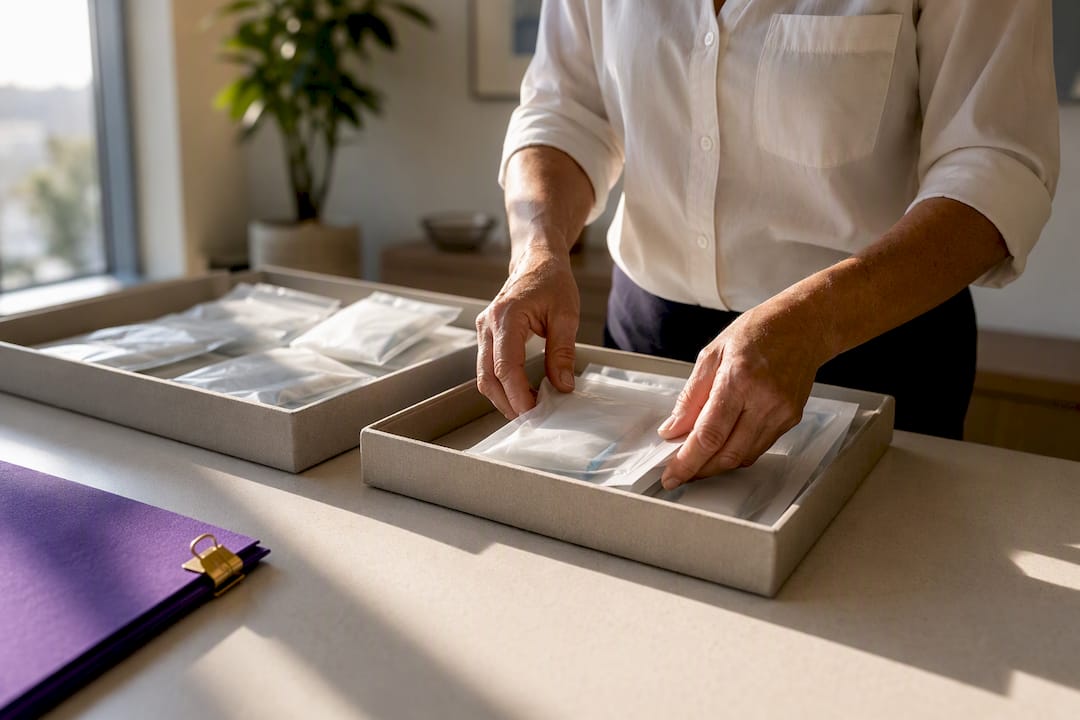
You can sell your unused diabetic supplies without exposing sensitive health data, as long as you limit what you share and check a buyer’s privacy practices before you hand anything over. The single most important step is deciding upfront which details you’ll withhold: your address, your diagnosis, your prescription history. Treat any buyer who claims to be “HIPAA compliant” with a healthy dose of skepticism until they explain exactly what that means.
TL;DR:
- Listing only minimal product details and cropping photos prevent accidental exposure of personal or medical information.
- Most online resale transactions fall outside HIPAA protections, so relying solely on buyer claims of “HIPAA compliance” is risky.
- Selling locally in person reduces digital footprints and eliminates shipping labels, minimizing privacy risks and exposure of home details.
- Shipping supplies securely involves removing labels, using minimal address info, and destroying packaging that displays personal data after sale.
- Asking buyers for clear privacy policies and using scripted communications help prevent unnecessary data sharing and identify red flags.
Table of Contents
- What personal and health information you commonly share when selling supplies
- How the law and federal guidance actually apply
- Privacy risks by selling channel and how they differ
- Step-by-step privacy checklist for before, during, and after each sale
- How to evaluate a buyer’s privacy promises and spot red flags
- How Orlando Diabetic Supplies Buyback protects seller privacy
- Handling packaging and shipping materials safely
- Masking identifiable details in photos and descriptions
- A communication script that avoids oversharing
- Balancing convenience, privacy, and speed
- A local option that limits what you share
- Sources
- FAQ
What personal and health information you commonly share when selling supplies
Most sellers share more than they realize. A quote request often asks for your name, phone number, device model, and a photo of the box or sensor, and each of those carries a small piece of your medical picture.
- Full name and address: rarely necessary for an online quote; a first name and general area is enough.
- Device serial numbers: visible in photos of Dexcom or FreeStyle Libre boxes, these can be tied back to a specific prescription.
- Prescription labels: pharmacy stickers show your name, dosage, and doctor, none of which a buyer needs to make an offer.
- Photos with visible skin or home background: can reveal more than the product itself.
Photos are the biggest overlooked risk; learn how to manage what information digital platforms may expose by consulting Your Family Health Care Patient Portal a Complete Guide – Pounds Health. A picture that shows a lot number or your kitchen counter can leak identifying details along with hidden metadata like GPS coordinates. When a buyer only needs to confirm the product and expiration date, share a cropped photo and skip the rest.
How the law and federal guidance actually apply
Most people assume HIPAA covers every health-related transaction, but it doesn’t. HIPAA’s Privacy Rule applies only to covered entities, like health plans and providers, and their business associates, according to HHS guidance on covered entities. A local buy-back buyer or an online resale platform is almost never one of those.
That doesn’t mean sellers have no protection. The FTC’s guidance on consumer health information explains that the FTC Act and the Health Breach Notification Rule can apply even when HIPAA doesn’t, especially to apps or platforms that store health data electronically.
Companies that misrepresent their privacy practices, or fail to disclose how they use health data, can face FTC enforcement regardless of HIPAA status.
The FTC has pursued cases against companies for using health data without proper consent or for burying material facts in fine print, as detailed in its review of health privacy enforcement actions. The practical takeaway: don’t rely on a buyer’s use of the word “HIPAA.” Rely on a written, plain-language policy you can actually read.
Privacy risks by selling channel and how they differ
Where you sell changes what you risk. Public marketplace listings stay online indefinitely and can be scraped or indexed, so anyone searching your name or device model later might find your old post. Private-message platforms feel safer but still expose you to phishing links and buyers who ask for unnecessary personal details before making an offer.
- Marketplace listings: strip location tags, crop identifying details from photos, and delete the listing once the item sells.
- Private social sales: never click a payment link sent by the buyer, and confirm their identity before sharing an address.
- Mail-in buyers: use a shipping label with minimal personal information and keep the tracking number as your only proof of shipment.
- In-person meetups: choose a public location, show ID only if the buyer requires it for fraud prevention, and never share your home address.
Pro Tip: Meet in a well-lit public spot during daylight hours, and let a friend know where you’ll be.
Step-by-step privacy checklist for before, during, and after each sale
A little preparation prevents most privacy mistakes.
Before the sale:
- Remove EXIF metadata from every photo before posting, since location and device data can be embedded invisibly.
- List only the product name, condition, and expiration date, skipping your full name or prescription details.
- Set up a separate email or a masked phone number for buyer communication.
During the sale:
- Ask the buyer directly: “What information do you keep after this transaction, and for how long?”
- Request payment methods that don’t require sharing your full bank or card number, like cash or a person-to-person transfer.
- If a buyer references a privacy policy, ask for the link and read the retention and deletion sections before agreeing to anything.
- Confirm meeting details in writing so there’s a simple record of what was agreed.
After the sale:
- Ask the buyer to confirm in writing that any personal information you shared has been deleted.
- Avoid keeping screenshots or copies of your own prescription details once the deal closes.
- Keep a short receipt noting the date, item, and amount paid, without extra personal data.
Pro Tip: Save the buyer’s deletion confirmation message. It’s a low-effort way to have a record if you ever have questions later.
How to evaluate a buyer’s privacy promises and spot red flags
A buyer’s privacy claims are worth checking before you agree to anything.
- Look for: a written policy that names what data is collected, how it’s used, and when it’s deleted.
- Look for: a clear statement that your information won’t be shared with third parties for marketing.
- Red flag: vague language like “we protect your privacy” with no specifics.
- Red flag: unverified claims of “HIPAA compliance” with no explanation of what that covers.
- Red flag: requests for insurance cards, prescriptions, or medical records that have nothing to do with pricing the product.
If a buyer can’t produce a policy link or screenshot when asked, that’s usually enough reason to walk away. According to FTC guidance on health information sharing, disclosures need to be clear and conspicuous, not buried or vague, so a buyer who can’t explain their own practices in plain language likely hasn’t thought them through.
How Orlando Diabetic Supplies Buyback protects seller privacy
Meeting in person for same-day cash cuts out most of the exposure that comes with shipping or online-only sales. There’s no shipping label carrying your home address and no digital trail sitting on a marketplace server. Orlando Diabetic Supplies Buyback publishes guidance on selling safely through Facebook and on what ID is required for a local sale, so sellers know exactly what’s asked of them before they show up.
Handling packaging and shipping materials safely
If you ship supplies to a mail-in buyer, the box itself can leak more than the product inside. Pharmacy labels, shipping confirmations, and even the return address printed on old packaging can tie your name to a specific prescription or device.
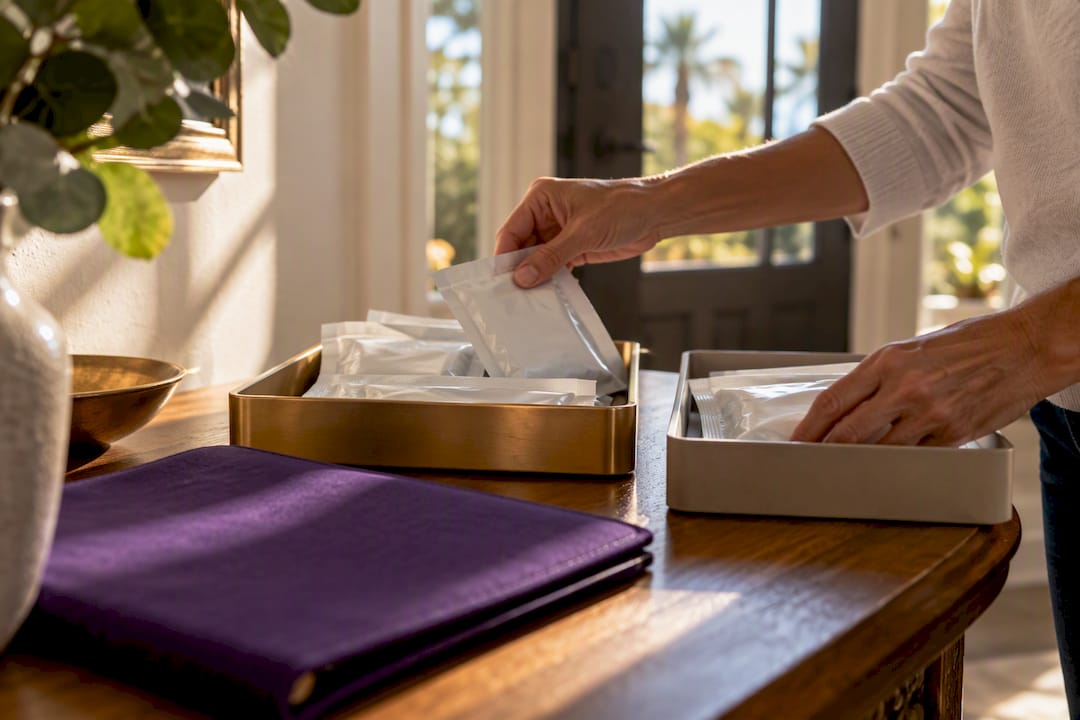
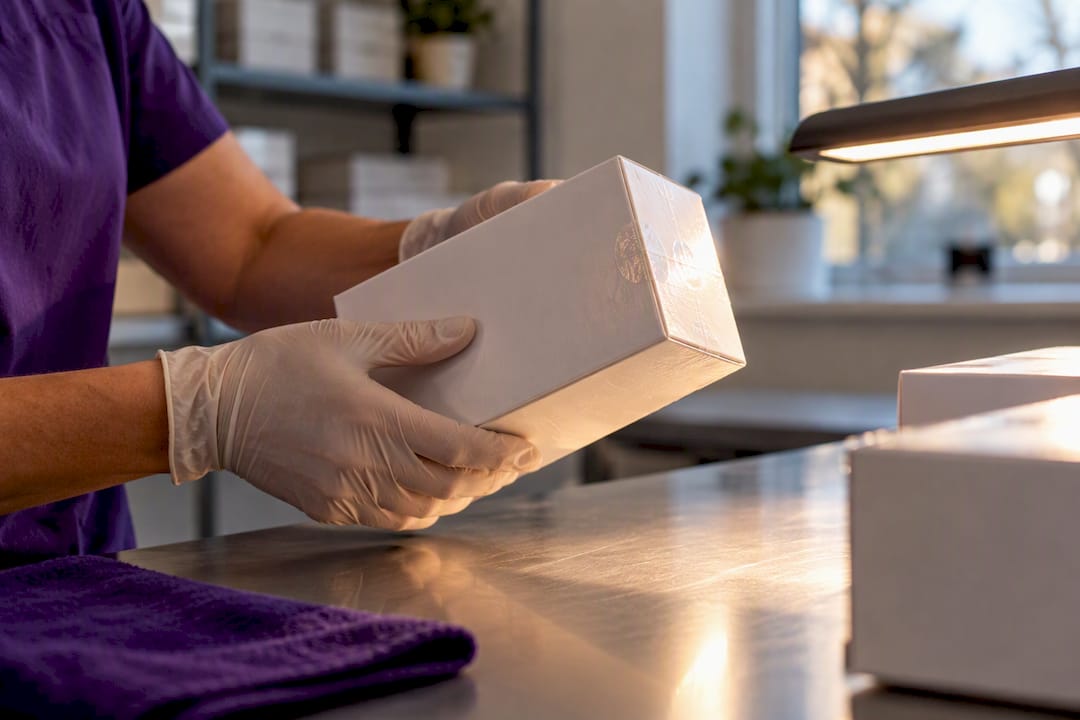
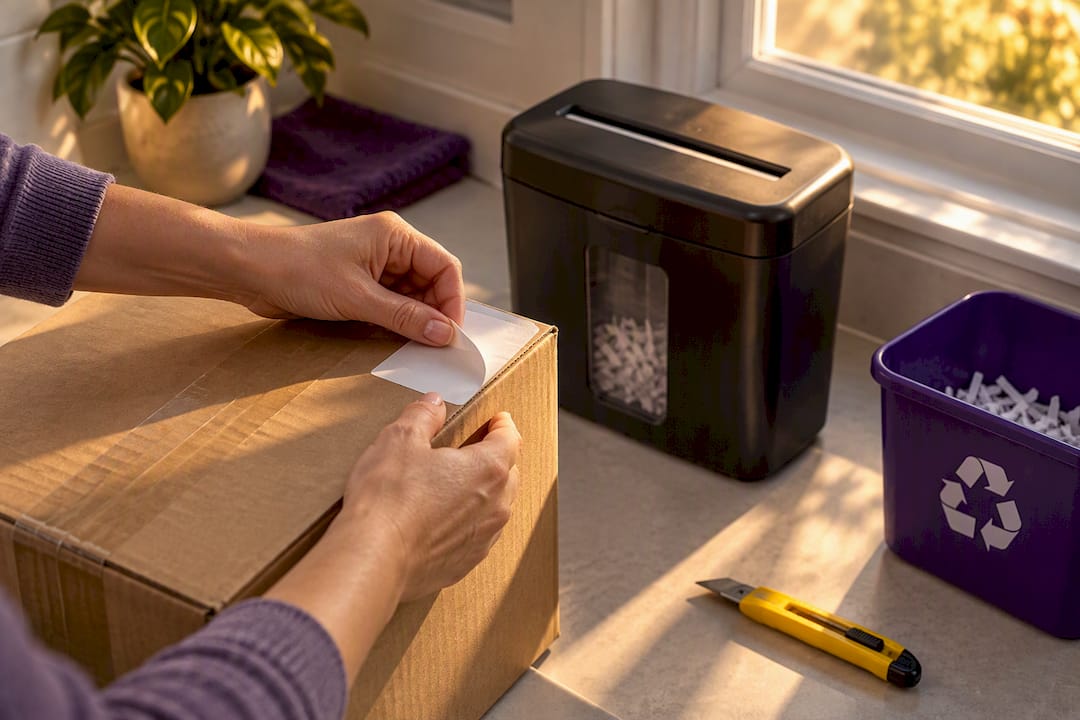
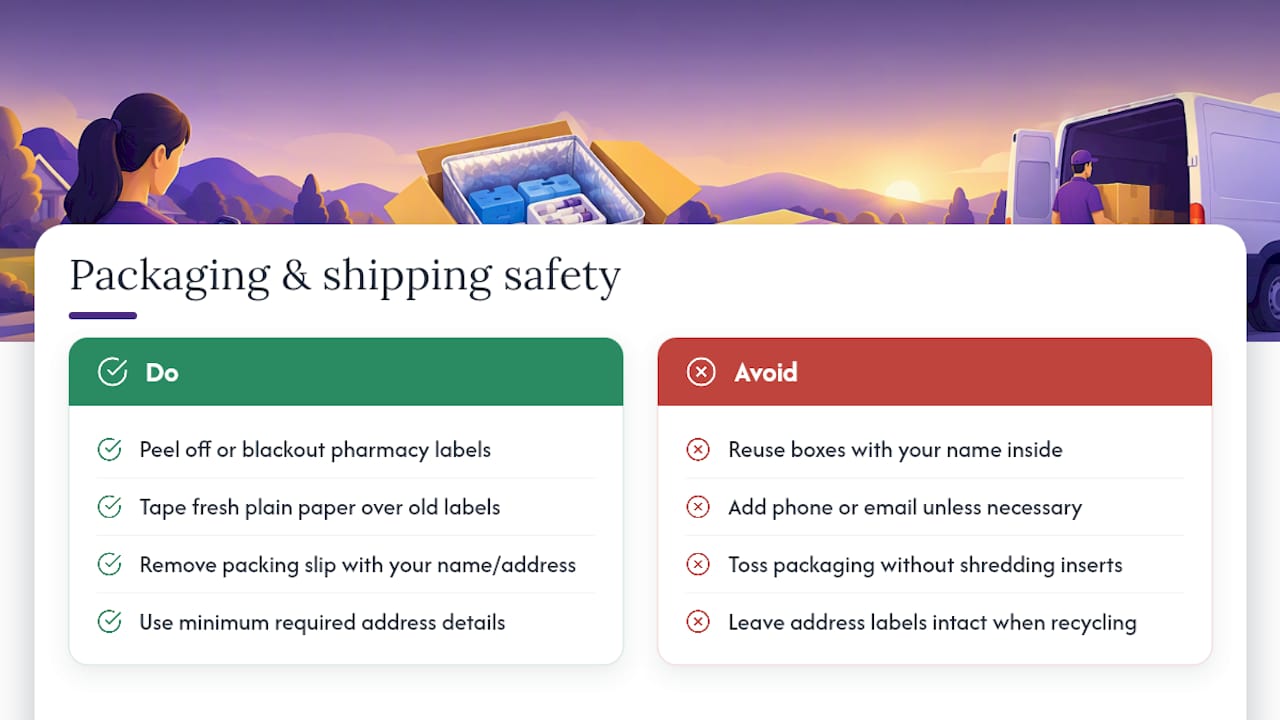
Before you box anything up, peel off or black out any pharmacy label still attached to the original packaging. A permanent marker over the label works, but a fresh sheet of plain paper taped over it is more reliable. Don’t reuse a box that has your name and address printed on a packing slip inside; pull that slip out first.
When you print a shipping label, use the minimum address details the carrier requires and skip any optional fields asking for phone number or email unless the buyer specifically needs them for delivery updates. Keep your tracking number as your only proof of shipment, since it confirms delivery without revealing anything else about you.
Once the sale is done, don’t just toss the leftover packaging in a recycling bin. Shred any paper insert that shows your name, prescription number, or pharmacy details. If the box itself has a label with your address, remove or destroy that section before recycling the rest. It takes a minute, and it closes a gap that’s easy to overlook.
Masking identifiable details in photos and descriptions
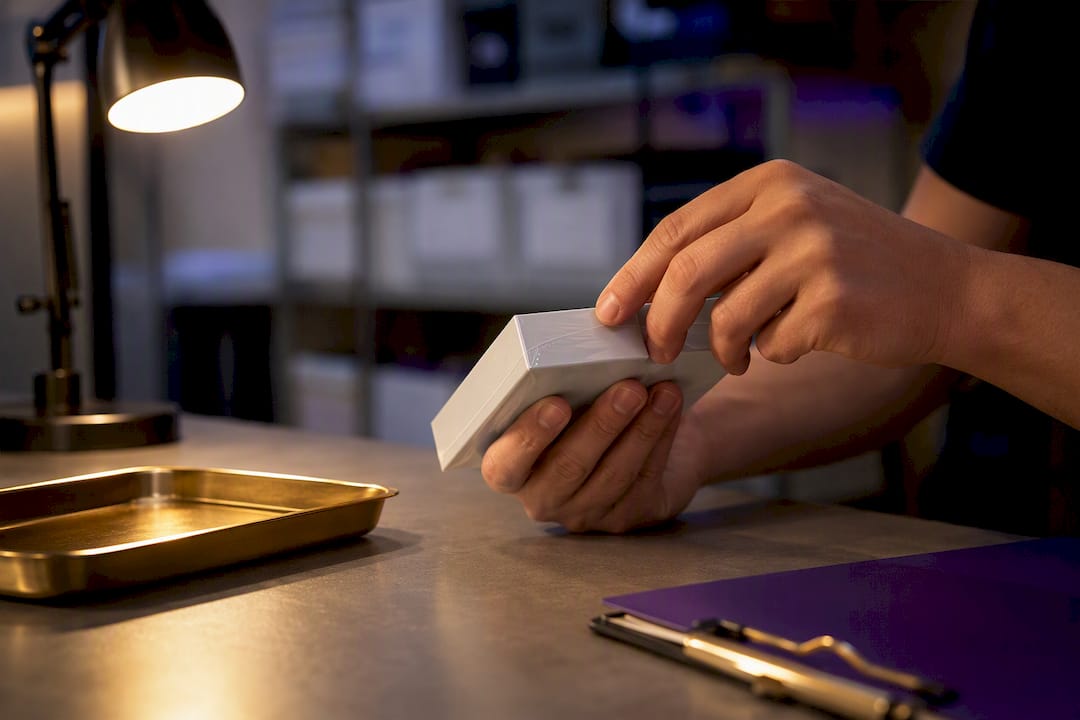
A good product photo shows the item clearly without showing anything else. Crop tightly around the box, sensor, or test strip container so the background, your countertop, your mail pile, your prescription bottle, never makes it into the frame.
Before posting, check the photo for a visible lot number, prescription sticker, or your name printed on the packaging. Cover these with a sticky note or blur them digitally using a free tool like GIMP or even your phone’s built-in photo editor. Buyers only need to see the product name, expiration date, and general condition to make a fair offer.
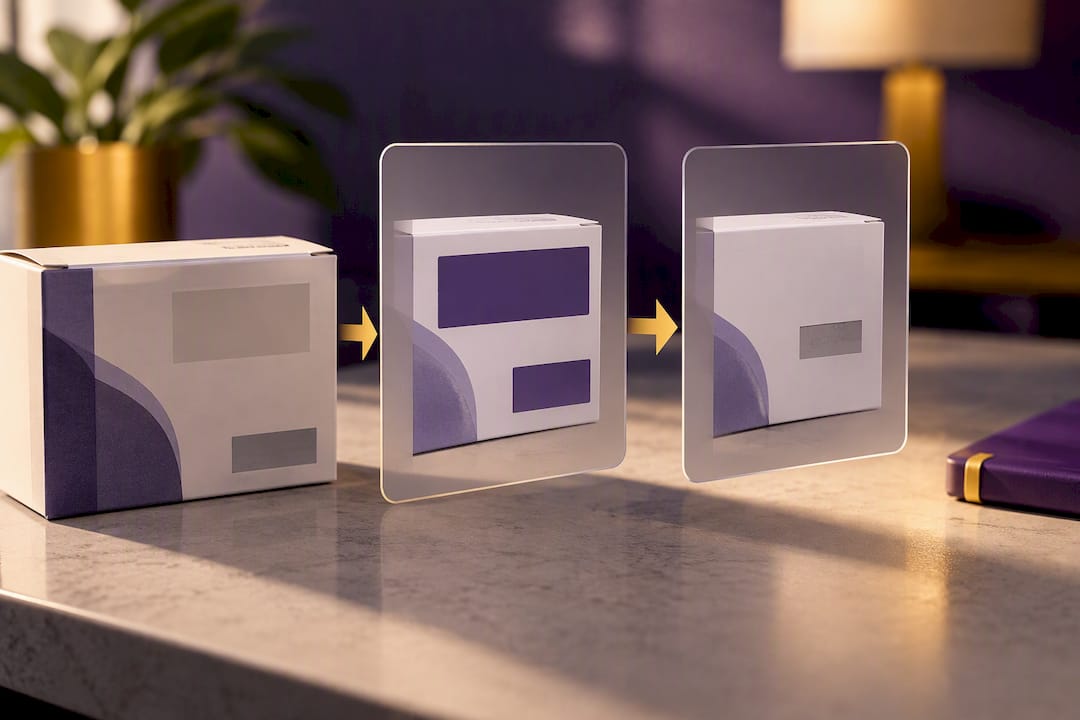
In your written description, stick to facts about the item itself: brand, quantity, expiration date, whether the seal is intact. Leave out anything about why you have extra supplies, like a specific diagnosis or dosage change, since that detail adds nothing to the sale and adds unnecessary exposure. A simple description like “sealed box of test strips, unopened, expires 2027” tells a buyer everything they need.
A communication script that avoids oversharing
Having a few ready-made phrases makes it easier to stay consistent and avoid accidentally sharing too much in the back-and-forth of arranging a sale.
When a buyer first reaches out, a simple response works well: “Thanks for your interest. The item is sealed, unexpired, and I can share a cropped photo showing the expiration date. What’s your offer based on current condition?” This keeps the focus on the product, not your history.
If a buyer asks for your address before you’ve agreed on a price, it’s reasonable to say: “I’d rather finalize the price first, then arrange a public meeting spot or shipping details.” That keeps you in control of the timeline.
For mail-in arrangements, try: “I can ship once payment is confirmed. Please send a prepaid label so I don’t need to share extra account details.” This avoids handing over banking information unnecessarily.
If anyone asks for insurance cards, prescriptions, or a copy of your ID beyond what’s needed to confirm you’re an adult, a direct response helps: “I don’t need to share medical records to sell this item. Let me know if there’s another way to verify the sale.” Keeping these scripts on hand means you’re less likely to overshare in the moment.
Balancing convenience, privacy, and speed
Every sale is a trade-off. Mail-in buyers can pay well, but shipping labels and tracking numbers leave a longer digital trail than a face-to-face exchange. When privacy matters more than convenience, local, in-person sales with cash payment usually leave the smallest footprint. Whatever you choose, use the checklist above and always ask for confirmation that your information has been deleted.
— Liliana
A local option that limits what you share
Selling locally for same-day cash means you skip the shipping label, the tracking number, and the online listing entirely. Some local services purchase unused, sealed, and unexpired supplies including Dexcom G6 and G7 sensors, FreeStyle Libre sensors, Omnipod pods, and major test strip brands, with in-person inspection and payment on the spot.
- Bring the sealed item and a valid ID to confirm you’re the seller, nothing more.
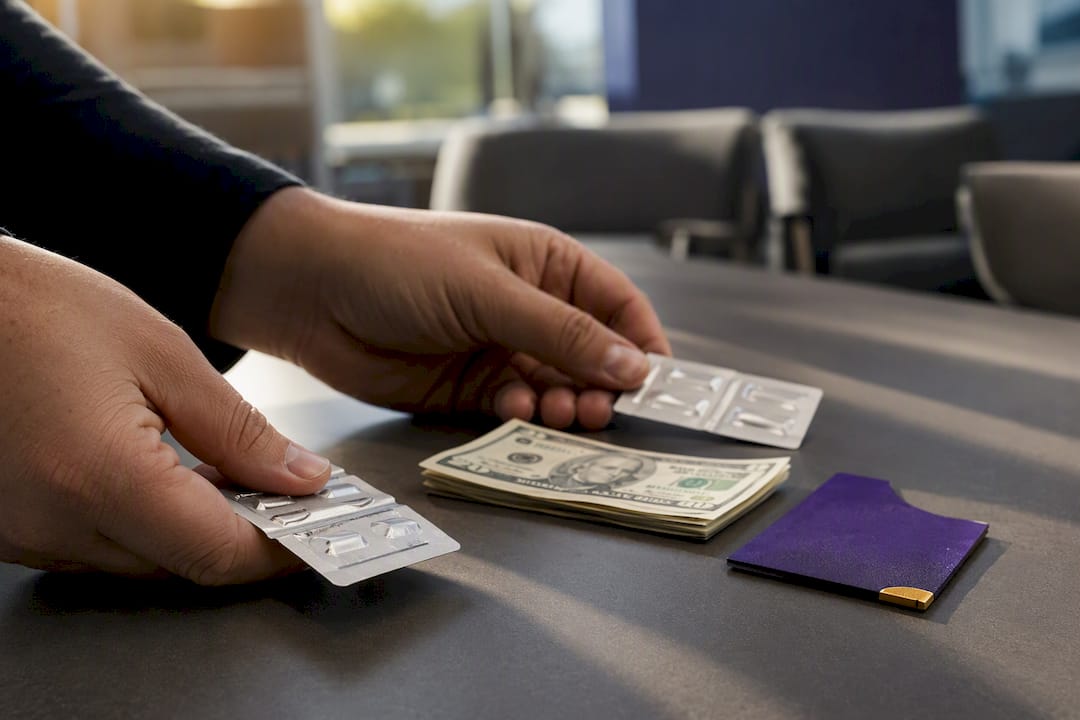
- Get paid the same day in a safe, public meeting location, no shipping address required.
- Dexcom G7 sensors typically bring $70 to $90 USD per pack, and FreeStyle Libre 2 sensors typically bring $15 to $20 USD per sensor.
If you’d rather hand off your supplies in person than mail them to a stranger, get cash for your unused diabetic supplies today.
Sources
This article draws on guidance from the FTC and HHS on how health privacy rules apply outside traditional medical settings.
This article is general information, not a substitute for advice from a qualified doctor. Consult a qualified healthcare professional about your own circumstances before acting on anything here.
- Collecting, Using, or Sharing Consumer Health Information? Look to HIPAA, the FTC Act, and the Health Breach Notification Rule | Federal Trade Commission
- Covered entities and business associates | HHS
FAQ
Is selling diabetes supplies legal?
Selling unused, sealed diabetic supplies is generally legal when the items are unexpired and unopened, though rules can vary by state and by platform policy. Check your state’s regulations and any marketplace’s terms before listing, and avoid items that have been opened or used.
How much can I sell my diabetic test strips for?
Prices vary by brand, quantity, and condition, and vary between buyers. Some local buyback services resell test strips from major brands but may not publish fixed prices online; obtaining a same-day, in-person quote is often the most direct way to find out.
Who pays the most for unused diabetic supplies?
Payouts depend on the specific device, the quantity you have, and how quickly a buyer needs the item, so there’s no single answer. Local, same-day buyers can offer immediate cash, for example Orlando Diabetic Supplies Buyback pays $70 to $90 USD per pack for Dexcom G7 sensors, while online or mail-in buyers may offer different rates with longer wait times.
Can you sell blood glucose test strips?
Yes, sealed and unexpired blood glucose test strips can typically be sold to local buy-back services or through resale platforms. Always confirm the strips are within their expiration date and that the box is unopened before listing them.