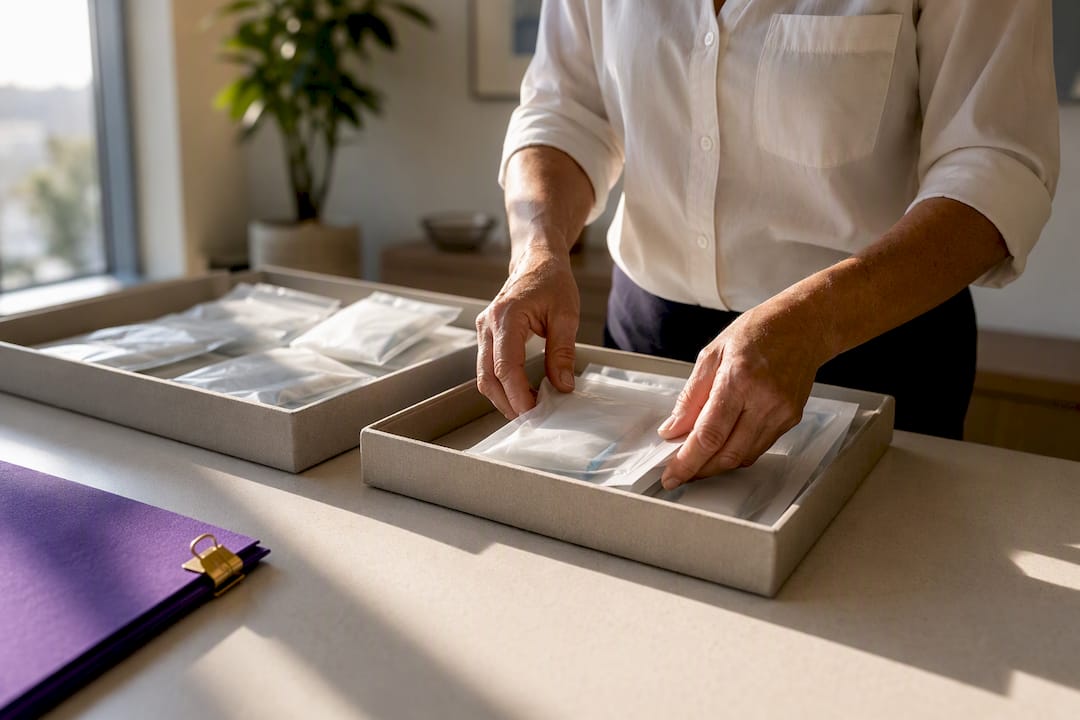
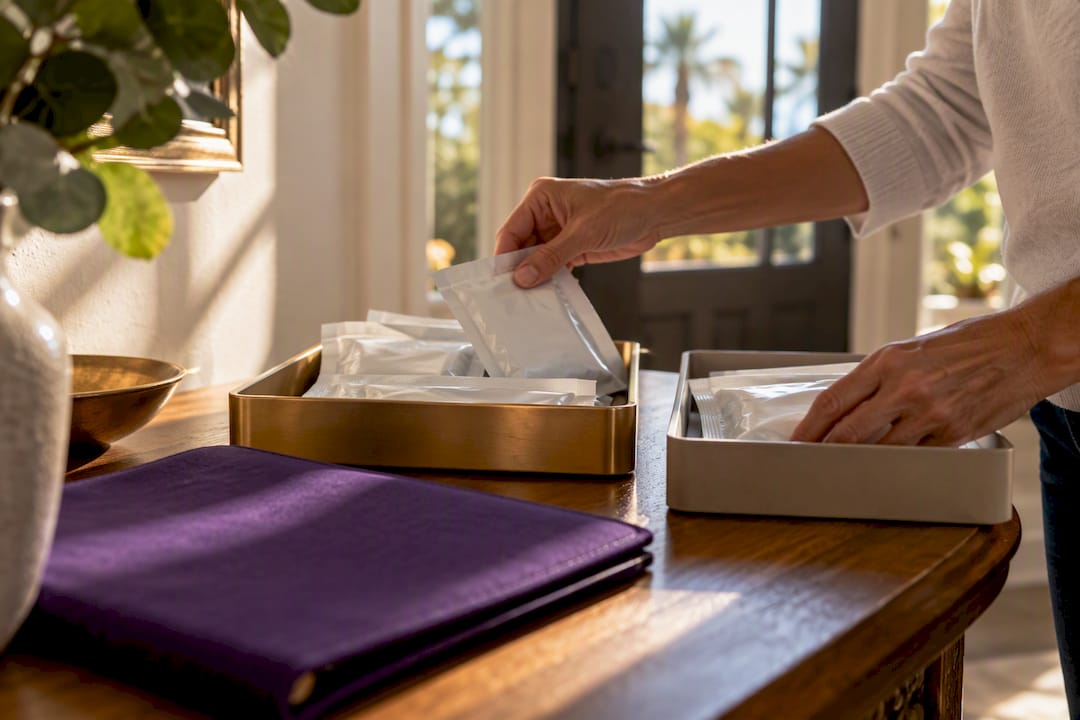
Yes, caregivers can usually sell diabetic supplies that belonged to a loved one, as long as the items are unopened, unexpired, and legally the caregiver’s or estate’s to sell. The big caveat: supplies billed to Medicare or Medicaid carry real fraud risk if resold, and enforcement in this space is active. Confirm who paid for the supplies, keep your paperwork, and lean toward reputable local buyers or donation when the origin is unclear.
TL;DR:
- Reselling diabetic supplies purchased through Medicare or Medicaid is risky and can lead to legal issues due to active federal enforcement targeting fraud.
- Only unopened, unexpired supplies with verifiable ownership, such as sealed test strips and unopened sensors, should be sold or donated, with proper documentation.
- Local in-person buyback services offer the safest way for Orlando caregivers to sell supplies quickly and securely, providing immediate cash and verification.
- Asking buyers about their legitimacy, insisting on receipts, and keeping detailed records protect against scams and legal complications.
- Selling unused supplies at a loss generally isn’t taxable, but estate sales or supplies with a higher-than-original value may require tax reporting and professional advice.
Table of Contents
- Is It Legal for Caregivers to Sell Diabetic Supplies?
- Which Diabetic Supplies Can You Actually Sell?
- Where Can You Safely Sell or Donate Extra Supplies?
- How Should You Prepare Supplies Before Selling?
- Do You Owe Taxes on Sold Diabetic Supplies?
- How Do You Avoid Scams When Selling Supplies?
- Responsible Resale vs. Waste: A Caregiver’s Ethical Checklist
- A Local, Same-Day Option for Orlando Caregivers
- Sources
- FAQ
- Perspective: Selling Responsibly Beats Letting Supplies Go to Waste
Is It Legal for Caregivers to Sell Diabetic Supplies?
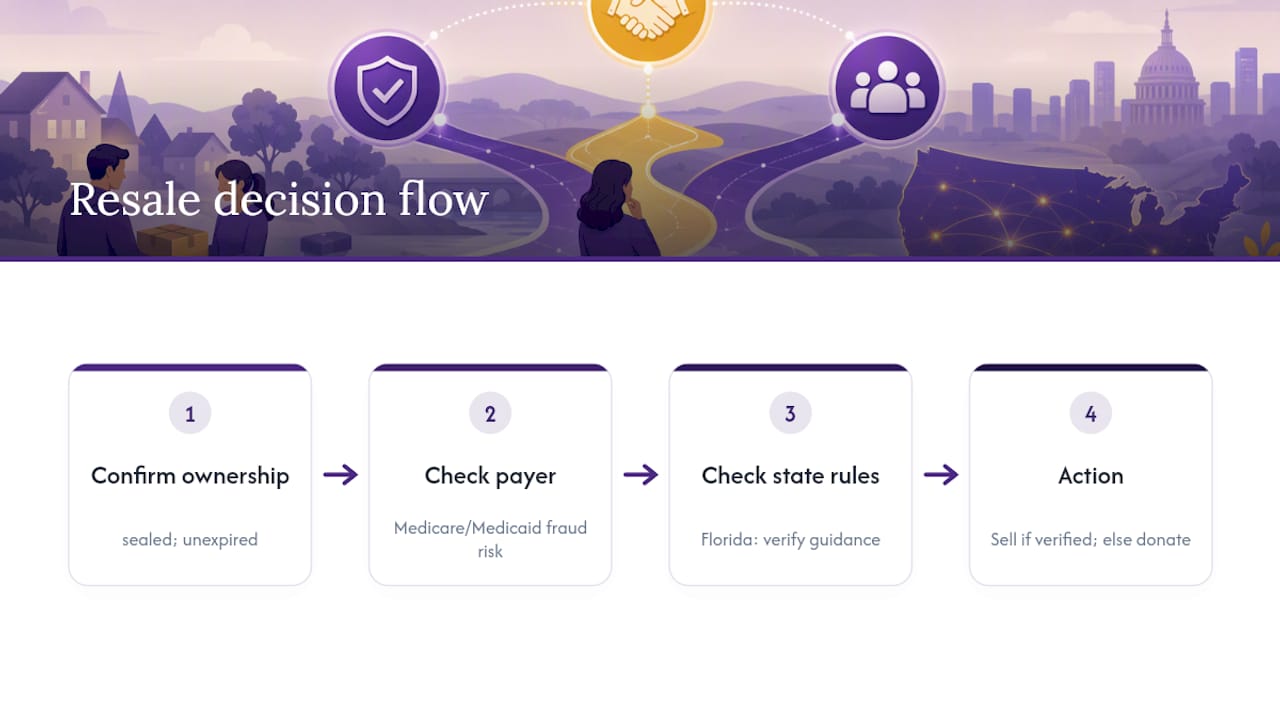
The general rule is straightforward: if you legally own an item and it’s sealed and unexpired, you can sell it. That covers most caregivers cleaning out a parent’s or spouse’s medicine cabinet after a device upgrade or a change in prescription.
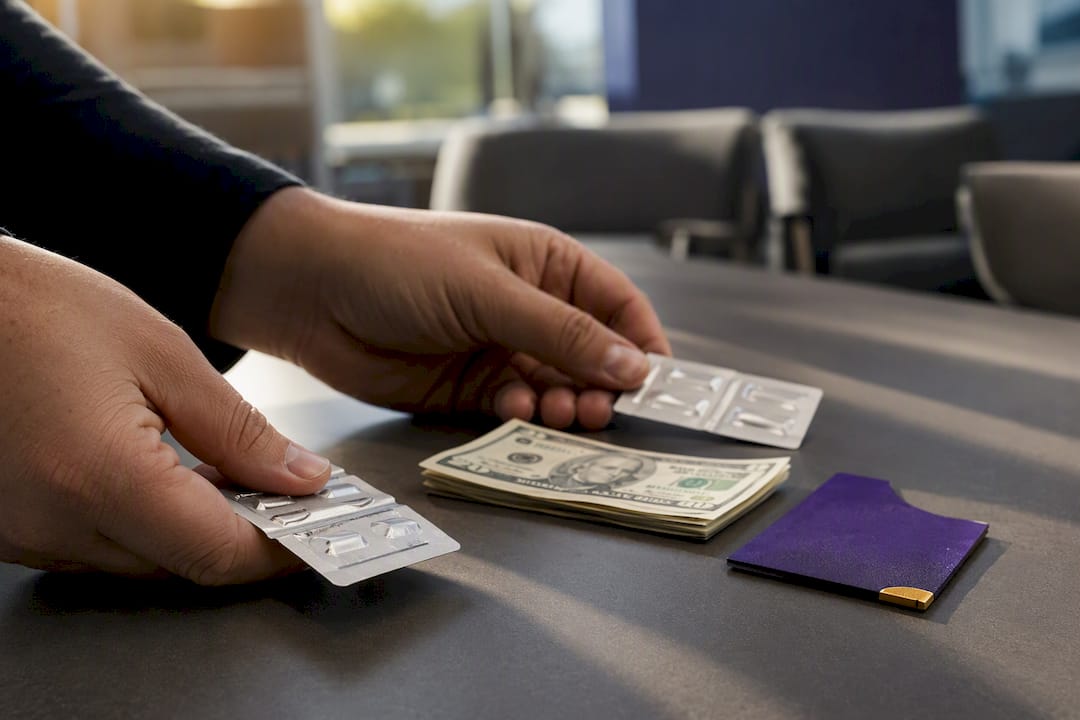
The complication is payer source. Supplies purchased through Medicare or Medicaid are government property in a functional sense. Federal enforcement treats resale of these items as a red flag for fraud, not a private matter between you and a buyer. The CMS press release on a $3.4 billion medical equipment fraud scheme shows how aggressively regulators now pursue suppliers billing for diabetic durable medical equipment that was diverted, resold, or never delivered to the patient. The FDA has also prosecuted individuals for diverting and reselling test strips, including guilty pleas in a South Florida test strip diversion case.
State rules vary too, and Florida caregivers should check state-specific resale guidance before listing anything. If you can’t confirm who paid for an item or where it came from, don’t sell it. Donate it or set it aside until you can verify ownership.
Which Diabetic Supplies Can You Actually Sell?
Buyers and reputable resale channels look for specific, verifiable condition markers. Supplies that pass muster typically include:
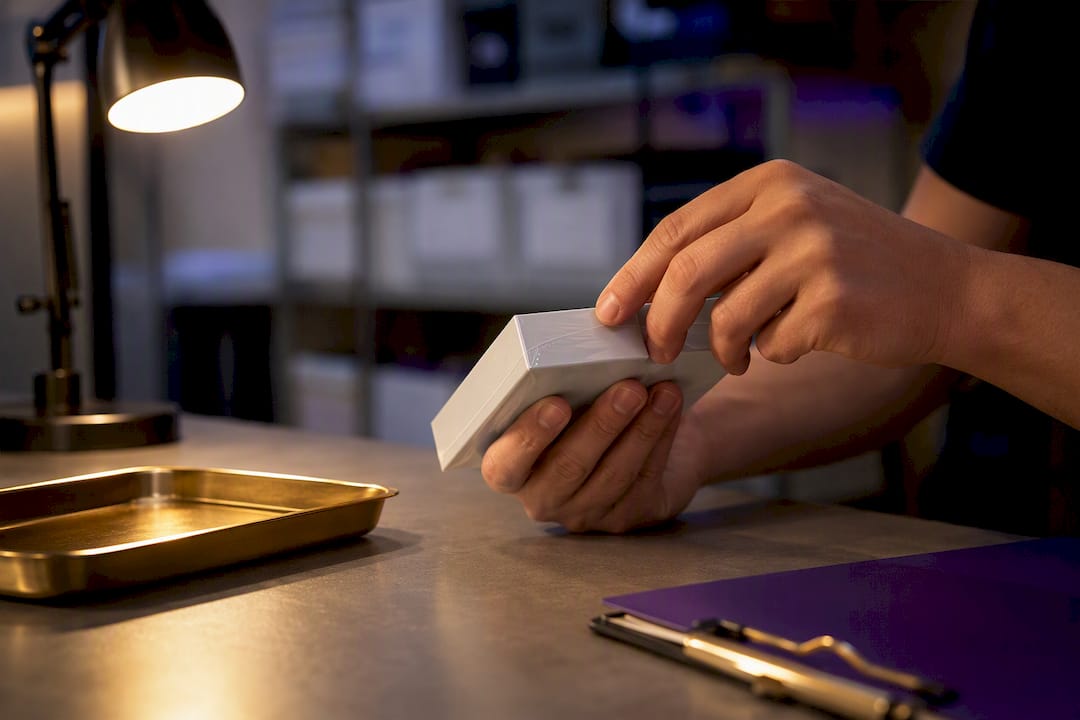
- Sealed, unexpired test strip boxes with visible lot numbers matching the outer packaging
- Unopened CGM sensors, including Dexcom G6 and G7 or FreeStyle Libre sensors, still in factory shrink wrap
- Unopened Omnipod pods and infusion sets with intact seals and legible expiration dates
- Original labels that match the box contents, with no signs of tampering or repackaging
Items to leave out of any sale: opened insulin vials, used lancets or consumables, anything with damaged or resealed packaging, and supplies you know were billed to Medicare or Medicaid without proof of private payment. A prescription copy, pharmacy receipt, or estate paperwork naming you as executor goes a long way toward proving ownership if a buyer or regulator ever asks. Our guide to what counts as an unused diabetic supply breaks down eligibility item by item.
Where Can You Safely Sell or Donate Extra Supplies?
Not every channel carries the same risk, and the right choice depends on how fast you need cash versus how much verification you’re comfortable skipping.
- Local in-person buyback. You meet the buyer, they inspect the items on the spot, and you walk away with cash the same day. This is the safest option for verifying who you’re dealing with, since you can check their business identity in person and get a written receipt before handing anything over.
- Mail-in buyback services. These are convenient if there’s no local buyer nearby, but payouts tend to run lower and you’re trusting a shipping carrier with sealed medical supplies. Read the payment terms carefully before you send anything.
- Online marketplaces. Reach is broad, but so is fraud exposure. Buyers can dispute condition after the fact, and NPR’s reporting on the secondhand test strip market documents how unclear provenance and repackaging show up more often in anonymous online transactions.
- Donation. If the supplies aren’t worth much or you’d rather skip the sale entirely, the American Diabetes Association lists organizations like Insulin for Life USA as accepted channels for unexpired, unopened items. Insulin for Life’s donation instructions walk you through shipping to their U.S. center.
Watch for red flags at any channel: a buyer who asks you to bill a government program, can’t produce a business license or address, or won’t give you a written receipt. Walk away from all three.
How Should You Prepare Supplies Before Selling?
A little prep work speeds up the sale and protects you if a question ever comes up later.
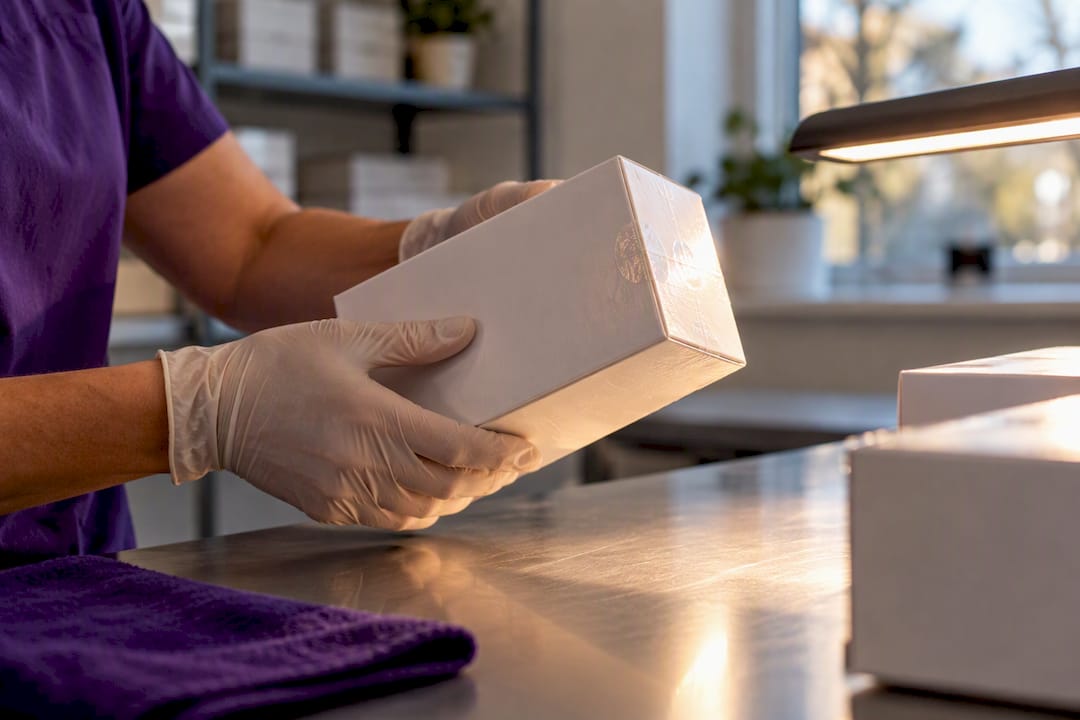
- Check every box for expiration date, lot number, and an intact factory seal
- Photograph each item, front and back, before you pack it or bring it anywhere
- Gather ownership documentation: prescriptions, pharmacy receipts, or estate paperwork if you’re settling a loved one’s affairs
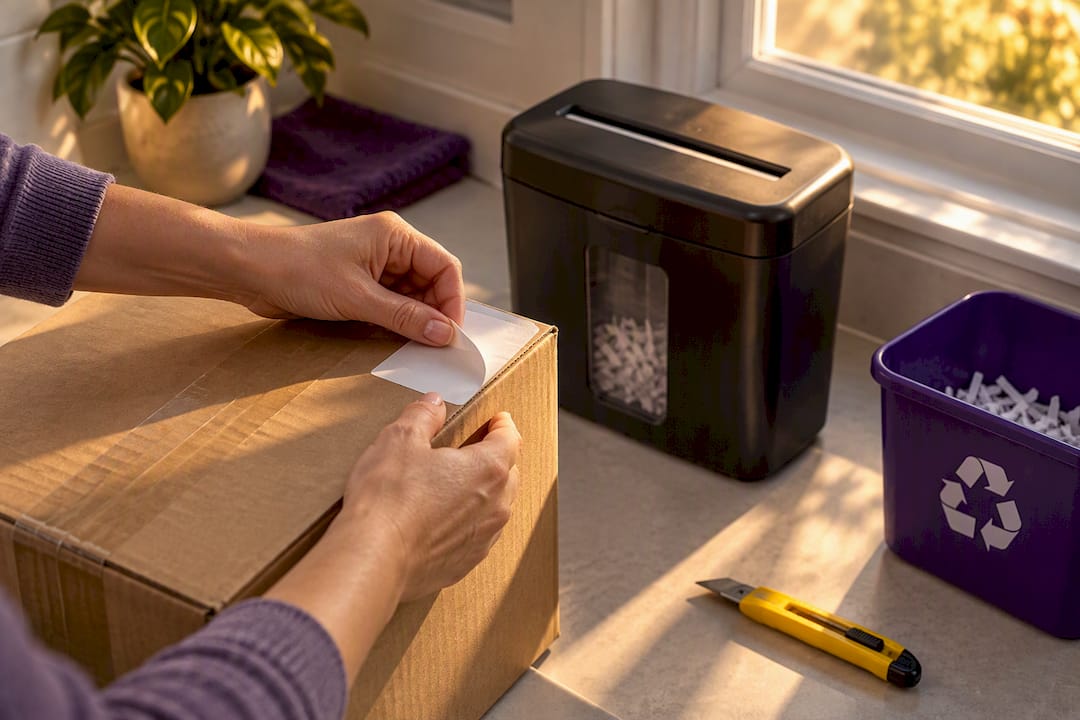
- Pack items securely and use tracked shipping if you’re mailing rather than meeting in person
- Ask any buyer directly: do you accept items originally covered by Medicare or Medicaid, and can you show proof you’re a legitimate business?
Pro Tip: Keep a simple dated log with photos, item descriptions, and buyer contact information for every sale. If a question ever comes up about a specific item, you’ll have an answer in seconds instead of scrambling through old paperwork.
Our step-by-step preparation checklist covers packaging and documentation in more detail if you want a printable reference.
Do You Owe Taxes on Sold Diabetic Supplies?
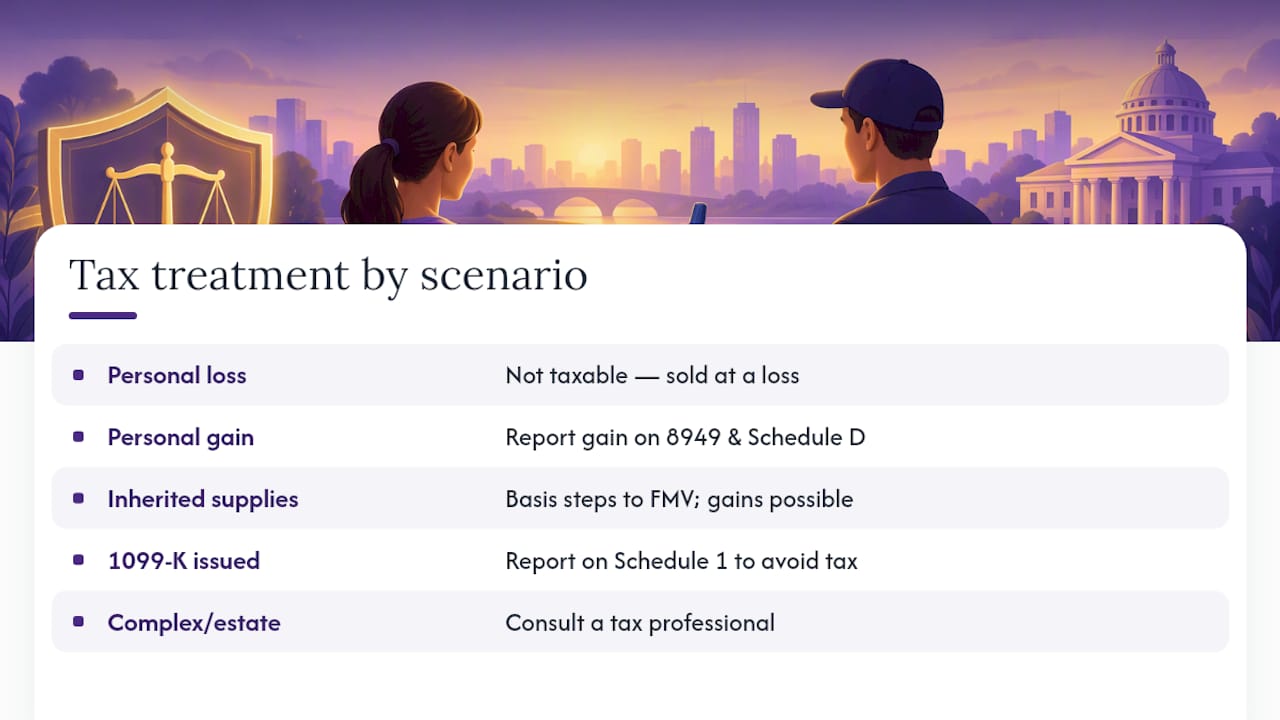
Generally, no. Personal items sold for less than you paid for them aren’t taxable income, since you’re selling at a loss, not making a profit. Gains, if a rare situation makes an item worth more than its original cost, get reported on Form 8949 and Schedule D.
Inherited supplies work differently. Cost basis usually steps up to fair market value as of the date your loved one passed, which matters if a large batch of unused equipment turns into a windfall sale. If a payment processor issues you a Form 1099-K for a personal sale that was a loss, the IRS explains how to report it on Schedule 1 so it isn’t mistakenly taxed as income. When the numbers get complicated, particularly around estate sales, a tax professional is worth the conversation.
How Do You Avoid Scams When Selling Supplies?
Scammers targeting diabetic supply sellers tend to follow a pattern: they push for billing information, offer to “help” falsify paperwork, or dangle unusually high prices for large, unverified lots.
- Verify the buyer has a real business license, physical address, and a working website before you meet
- Insist on a written receipt for every transaction, no exceptions
- Read recent customer reviews if the buyer operates online or has a storefront
- Report suspected fraud to CMS, HHS-OIG, or your state consumer protection office, and keep copies of any messages or documents
Responsible Resale vs. Waste: A Caregiver’s Ethical Checklist
Selling unused supplies isn’t just about the cash. It’s about keeping usable medical equipment out of a drawer and getting it to someone who needs it, without cutting corners on where it came from. When ownership and payer source are clear, selling is a fair trade. When they’re murky, donation through a vetted organization protects everyone, including the next patient who ends up with that sensor or test strip.
A Local, Same-Day Option for Orlando Caregivers
If you’re in the Orlando area and want to skip the uncertainty of mail-in buyers or anonymous online listings, a local buyback service offers a more direct path: same-day cash, paid in person, after inspection of your items on the spot.
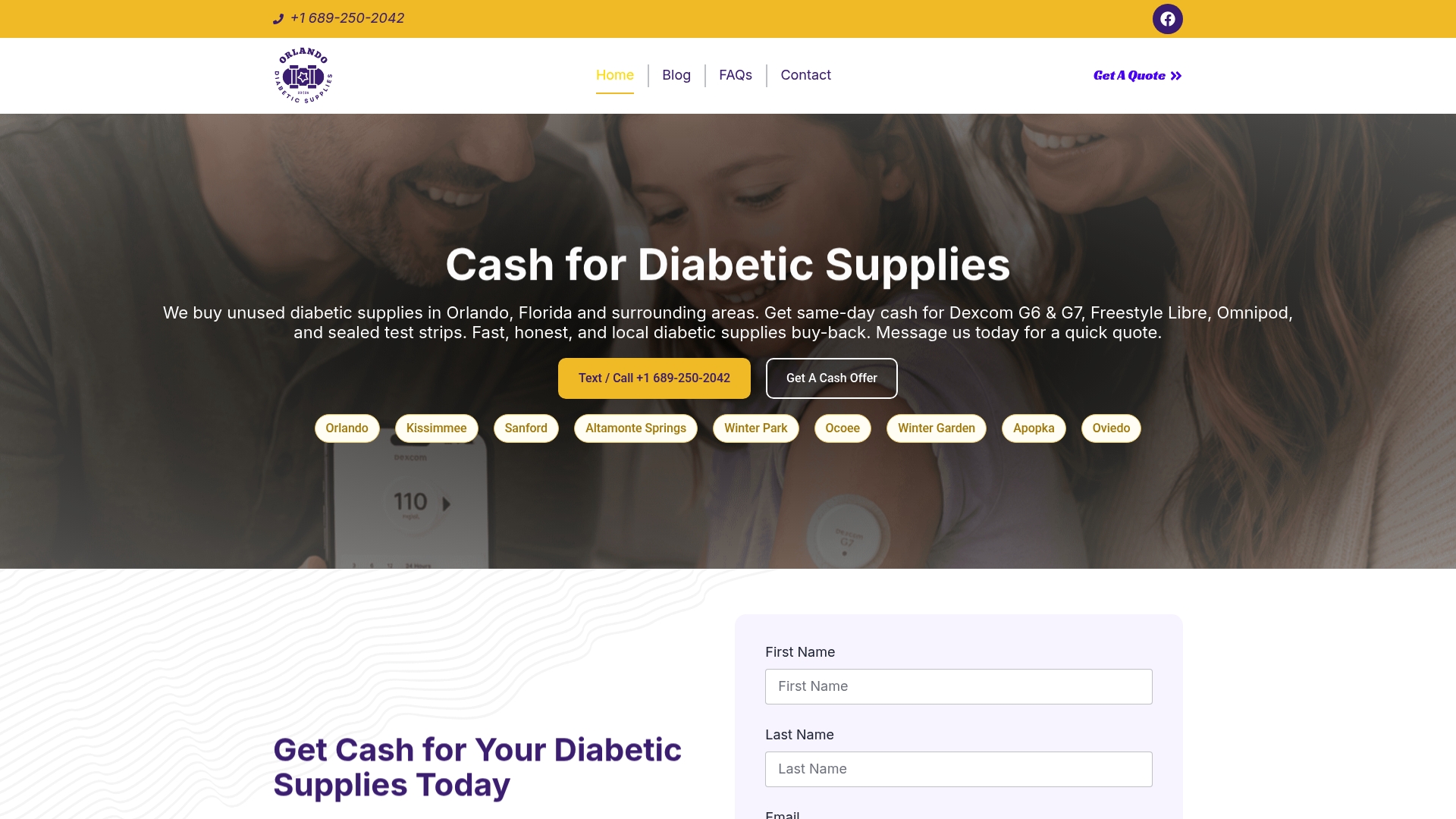
They buy sealed, unexpired supplies including CGM sensors, pods, and major-brand test strips. Because everything happens face to face in a public location, you get the verification benefits of an in-person sale—checking who you’re dealing with and getting a receipt on the spot—without the risks or delays of shipping services. Before you visit, bring photos of your items, any prescription or receipt showing ownership, and the original packaging with lot numbers visible.
This service covers a local geographic area only, so if you’re outside that range, the preparation steps above still apply wherever you sell. Ready to see what your supplies are worth? Check our current buyback pricing for Dexcom G7 sensors, browse FreeStyle Libre 2 buyback rates, or visit our main page to get started today.
Sources
- What to do with Form 1099-K | Internal Revenue Service
- Two additional South Florida residents plead guilty to health care fraud charges in diabetic test strip diversion scheme | FDA
- CMS cracks down on massive $3.4 billion medical equipment supplier fraud scheme | CMS
- The murky world of secondhand diabetic test strips | NPR
This article is general information, not a substitute for advice from a qualified lawyer. Consult a qualified legal professional about your own circumstances before acting on anything here.
FAQ
Is It Legal to Sell My Diabetic Supplies?
Yes, if the supplies are sealed, unexpired, and you legally own them. The exception is items originally billed to Medicare or Medicaid, which carry fraud risk under active CMS enforcement and should not be resold without documented proof of private payment.
Who Pays the Most for Diabetic Supplies?
Payouts vary by item and condition, but local in-person buyers often pay more than mail-in services because they skip shipping costs and can verify condition immediately. Orlando Diabetic Supplies Buyback offers prices generally range up to around 90 dollars per pack for unused Dexcom G7 sensors and prices generally range up to around 20 dollars per sensor for FreeStyle Libre 2.
Where Can I Sell Extra Diabetes Supplies?
Local in-person buyback services, vetted mail-in buyers, and, for lower-value items, donation organizations like Insulin for Life USA are the safest routes. Avoid anonymous online marketplaces unless you can verify the buyer’s identity and get a written receipt.
How Much Can I Sell My Diabetic Test Strips For?
Prices depend on brand, quantity, and expiration date, so ask any local buyer for their current rate before committing. Orlando Diabetic Supplies Buyback publishes pricing details for common test strip brands and sealed boxes on its site.
Can Caregivers Charge for Diabetic Supplies on Behalf of a Patient?
Caregivers can sell unused supplies with the patient’s consent, or under power of attorney or estate authority if the patient can’t consent directly. Keep documentation of that authority, since it protects both you and any buyer if ownership is ever questioned.
Perspective: Selling Responsibly Beats Letting Supplies Go to Waste
The instinct to hoard unused diabetic supplies “just in case” is understandable, but it usually just means a box of sensors expires quietly in a drawer while someone else pays full price for the same device. Selling responsibly, with clear ownership, sealed packaging, and a buyer who gives you a receipt, turns waste into value without cutting any legal corners.
What gets overlooked is how much the payer question matters more than the condition question. A perfectly sealed box of test strips is still a legal problem if it was billed to Medicaid and you can’t prove otherwise. Caregivers should treat “who paid for this” as the first filter, not an afterthought, before ever asking “is it sealed.”
— Liliana