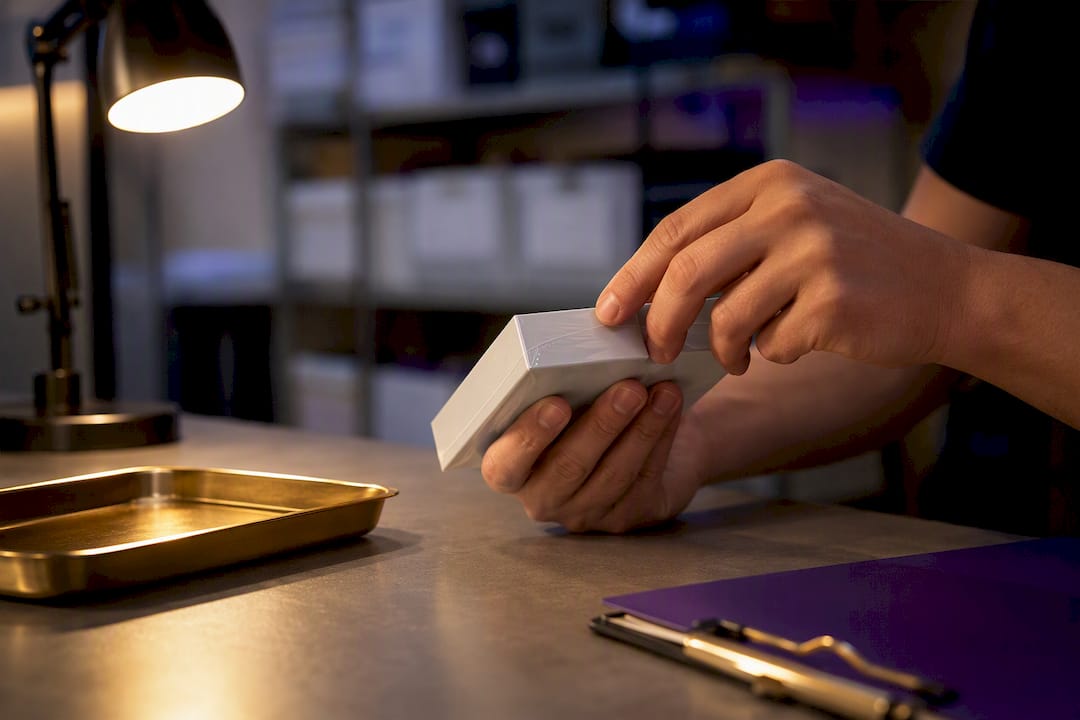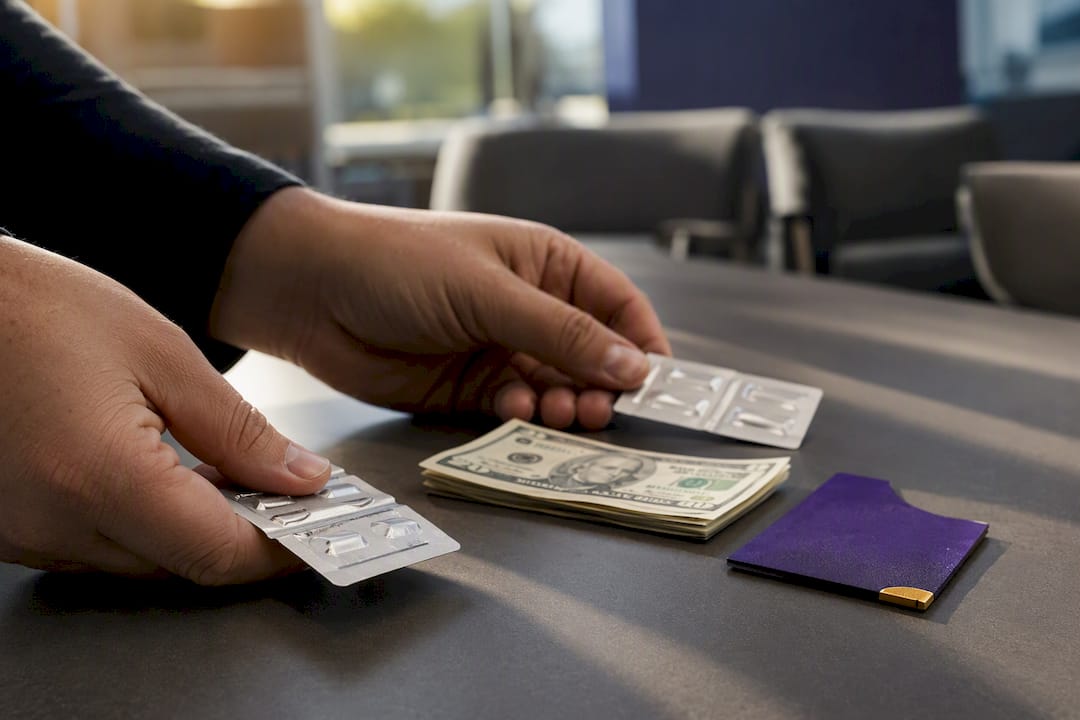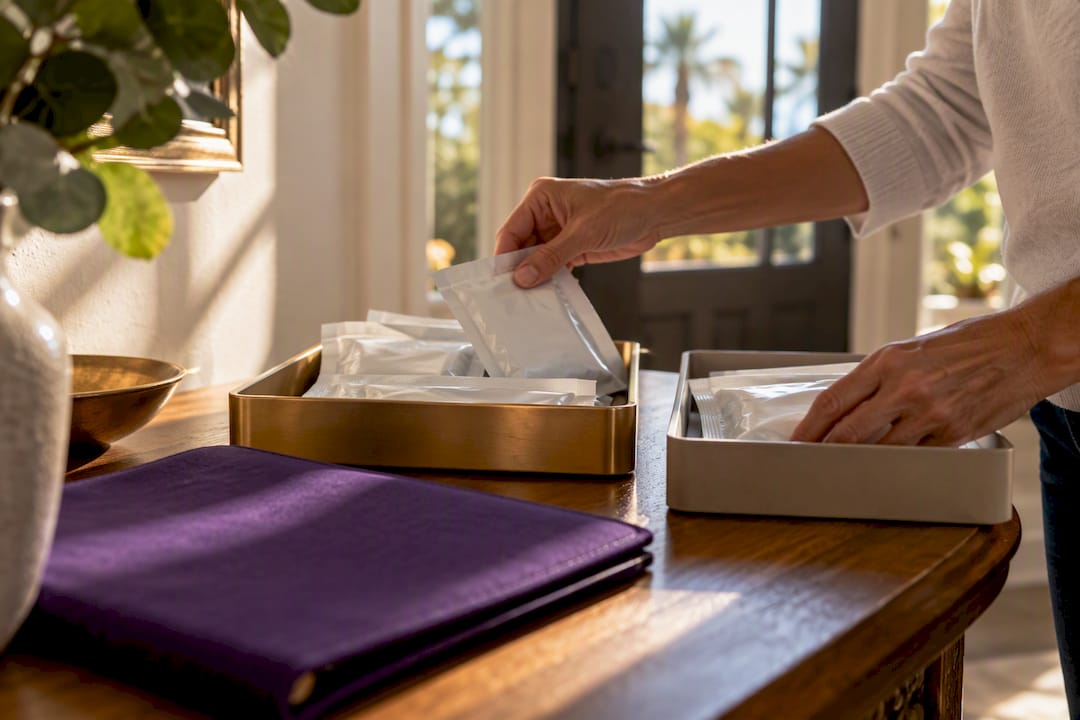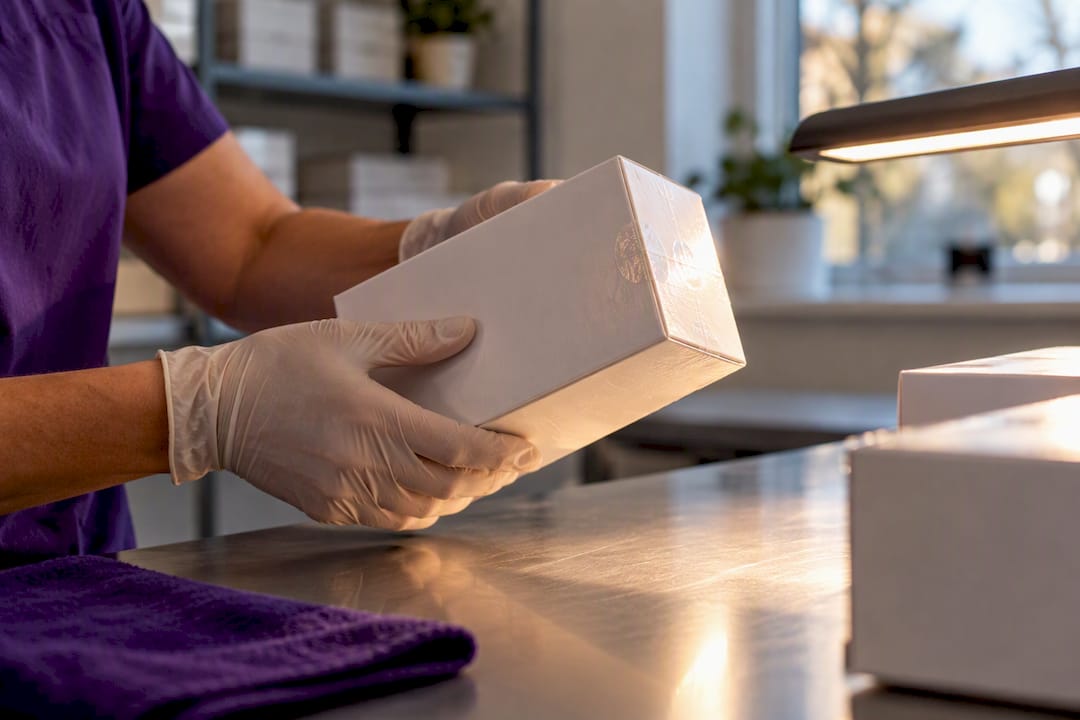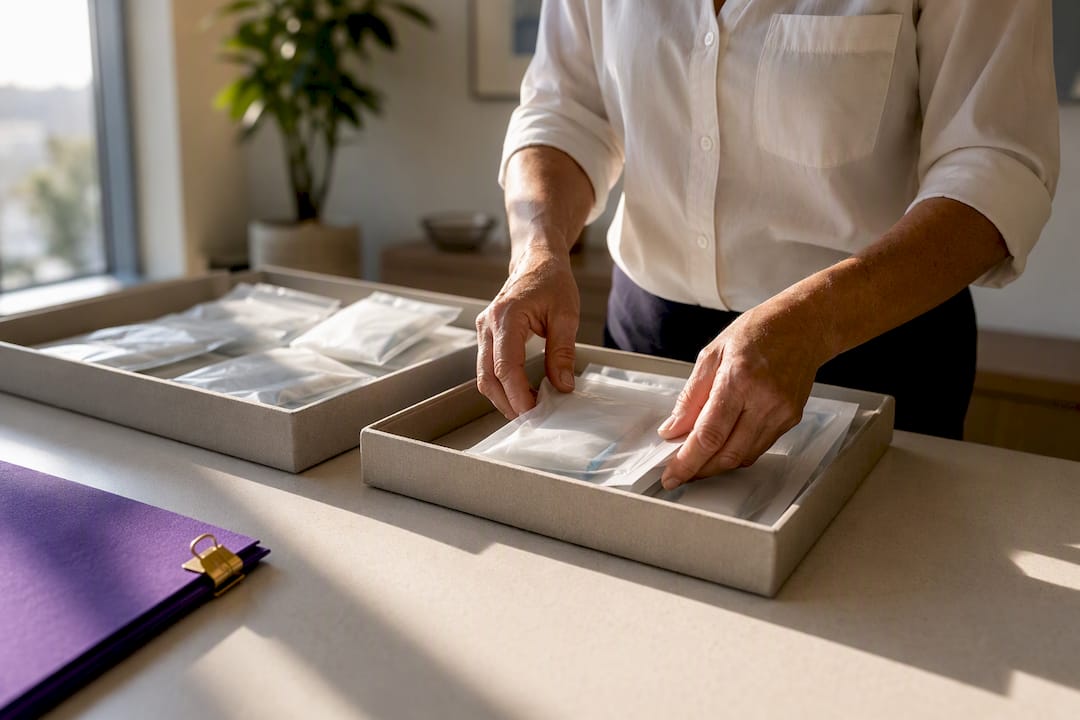
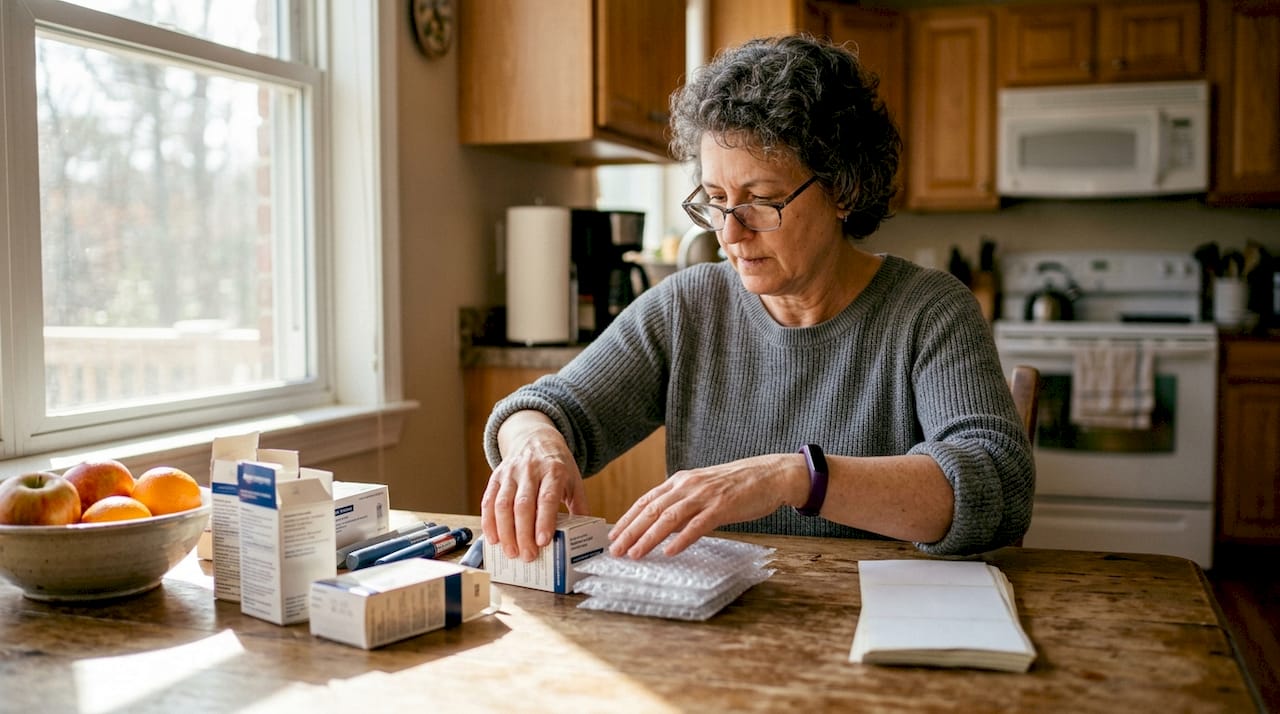
Diabetic supply resale is the practice of selling unused, sealed diabetic medical supplies through secondary market platforms, turning surplus items into cash while helping others manage diabetes affordably. With 38.4 million Americans managing diabetes and 1 in 4 skipping care due to cost, the gap between supply and access is real. The industry term for this practice is “diabetic supply buyback,” and it addresses an estimated $5 billion in annual healthcare waste by redirecting products like Dexcom G6 and G7 sensors, Freestyle Libre patches, Omnipod pods, and sealed test strips from medicine cabinets to people who need them. Understanding how this market works puts money in your pocket and supplies in the hands of patients who cannot afford retail prices.
What is diabetic supply resale and why does it exist?
Diabetic supply resale exists because of a structural mismatch built into the American healthcare system. Many insurance plans mandate 90-day auto-refill cycles regardless of actual patient consumption, so supplies accumulate even when you are managing your condition well. Add in prescription changes, device upgrades, or a switch from fingerstick testing to a continuous glucose monitor (CGM), and you can end up with boxes of perfectly good supplies you will never use.
The buyback market fills the gap between that surplus and the patients who need affordable supplies. It is not a gray-market workaround. It is a functioning secondary market with real verification standards, fast payment options, and growing demand. For sellers, it converts waste into cash. For buyers, it provides access to name-brand supplies at prices well below pharmacy retail.
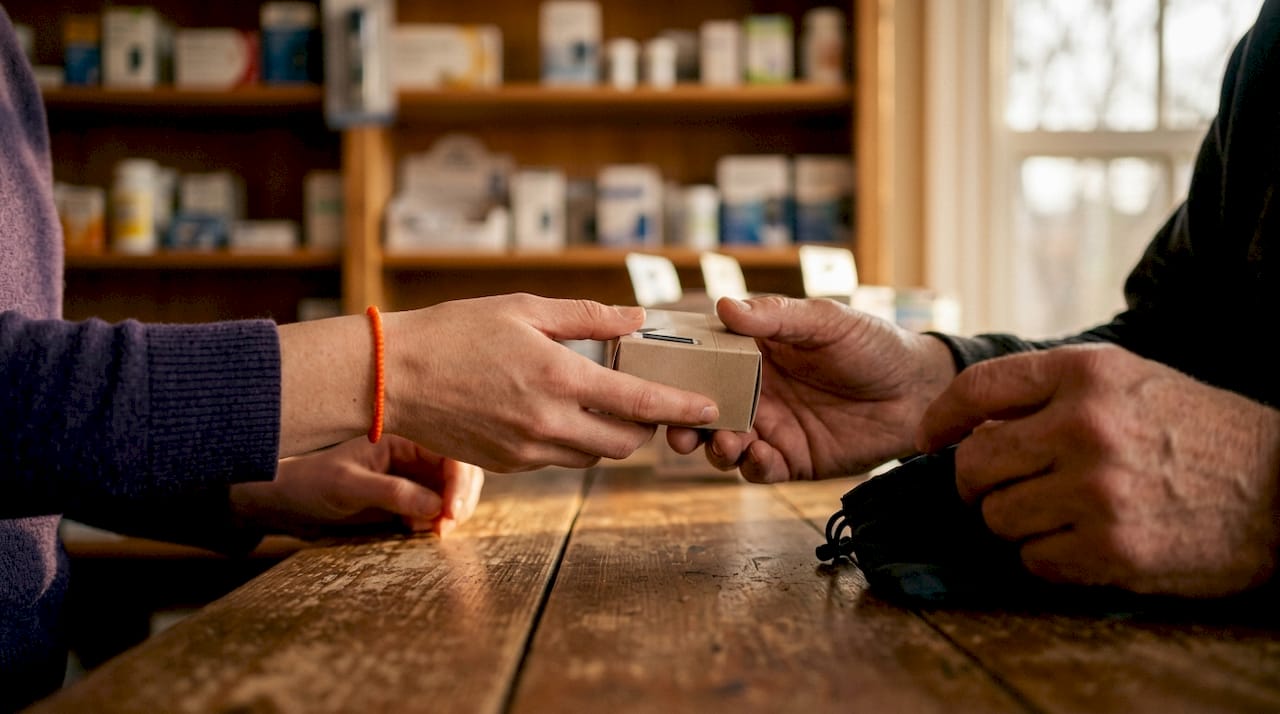
The products most commonly involved include glucose test strips, CGM sensors like the Dexcom G6 and G7, Freestyle Libre 2 and 3 sensors, Omnipod DASH and 5 pods, insulin pen needles, and lancets. Each of these has a defined resale pathway, though the rules differ slightly by product type and state.
Which supplies qualify and what drives market demand?
Not every diabetic product qualifies for resale, and knowing the difference saves you time. The market concentrates on factory-sealed, unexpired items that have not been opened or tampered with. Here is a breakdown of the most resellable categories:
- Glucose test strips (OneTouch, Accu-Chek, Contour, FreeStyle): Over-the-counter products with the clearest resale path
- CGM sensors: Dexcom G6, Dexcom G7, Freestyle Libre 2 and 3 (high demand, high premiums)
- Insulin pump supplies: Omnipod DASH pods, Omnipod 5 pods, infusion sets
- Insulin pens and pen needles: Humalog, Novolog, and compatible needle brands
- Lancets and lancing devices: Low unit value but accepted in bulk
Demand is not evenly distributed. Glucose test strips represent 37% of diabetes resale listings but generate over 80% of category revenue. That statistic reflects how frequently strips are over-supplied and how consistently buyers need them. CGM sensors and insulin pump supplies attract even higher per-unit premiums because they are expensive at retail and in shorter supply on the secondary market.
The regulatory picture matters too. Over-the-counter supplies like test strips and lancets have straightforward resale rules in most states. Prescription-level items require more caution, and the rules vary by state. The table below summarizes the key distinctions:
| Product type | OTC or prescription | Resale ease |
|---|---|---|
| Glucose test strips | OTC | Straightforward in most states |
| Lancets and pen needles | OTC | Straightforward in most states |
| CGM sensors (Dexcom, Libre) | Prescription | Accepted by reputable buyback services |
| Omnipod pods | Prescription | Accepted when factory-sealed |
| Insulin (vials, pens) | Prescription | Rarely accepted; high regulatory risk |
How does the diabetic supply buyback process work?
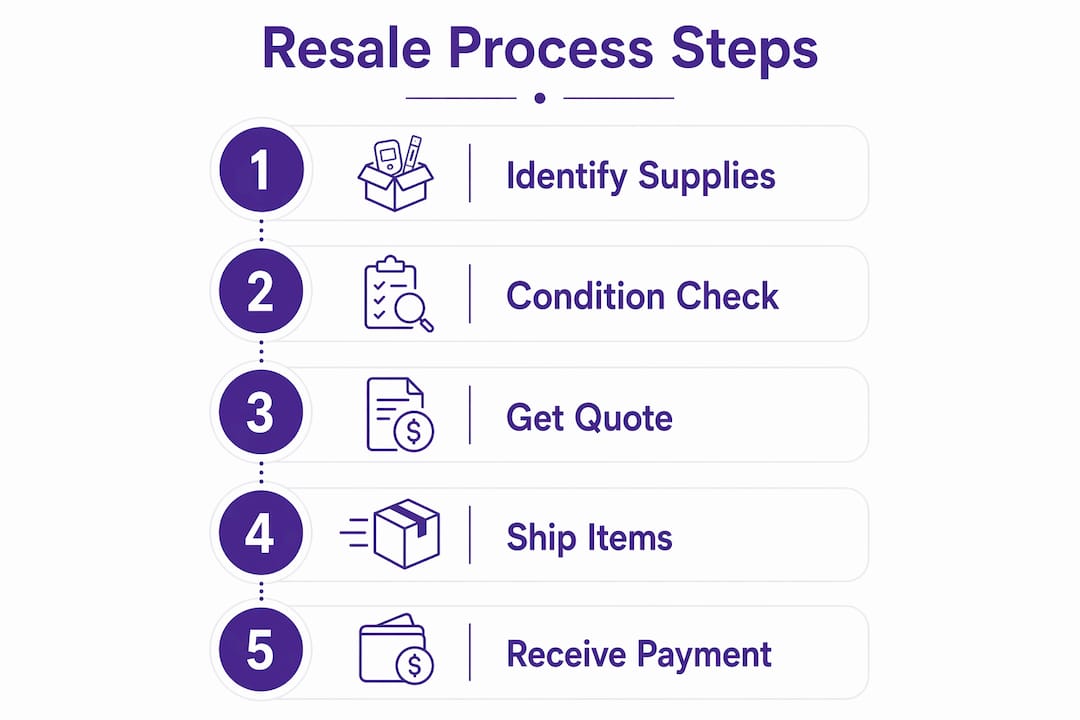
The diabetic supply buyback process follows a clear sequence, and reputable services make it simple. Here is how it works from start to finish:
- Submit your supply information. You provide the product name, brand, quantity, and expiration dates through the buyer’s website or by contacting them directly. Orlando Diabetic Supplies Buyback, for example, accepts submissions for Dexcom, Freestyle Libre, Omnipod, and sealed test strips from the Orlando area and surrounding communities.
- Receive a price quote. The buyer reviews your submission and offers a price based on product type, quantity, and shelf life remaining. Quotes are typically provided same day or within a few hours.
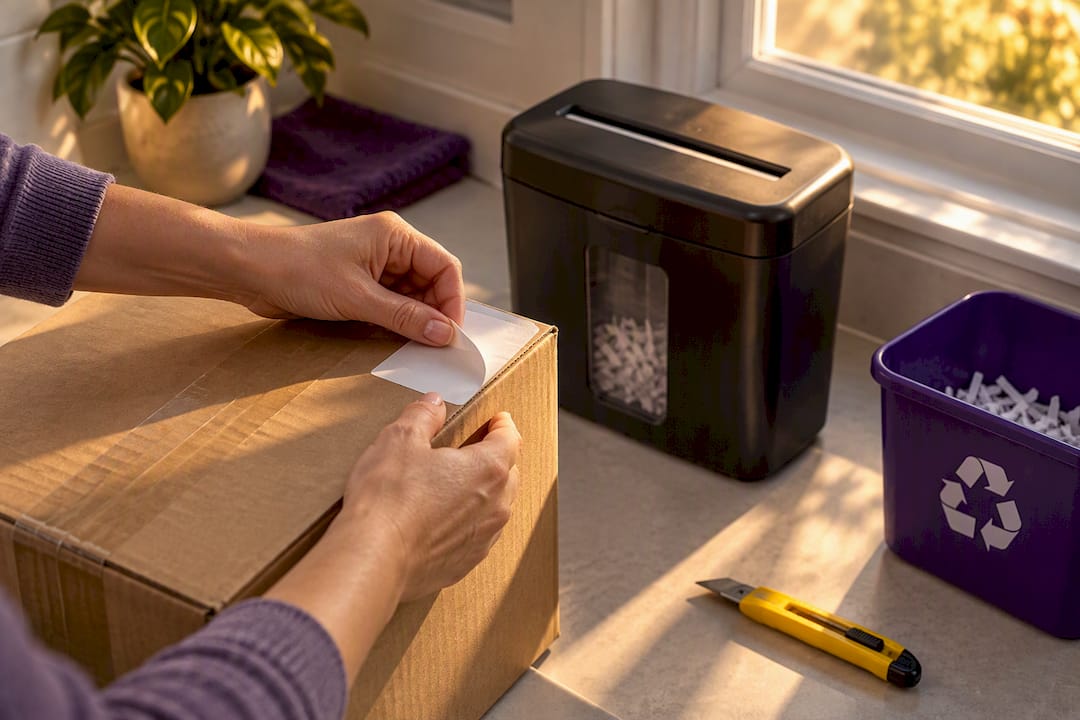
- Ship your supplies. Most reputable buyers provide a prepaid shipping label. You pack your items securely and drop them off at the carrier location.
- Verification and inspection. The buyer inspects each item to confirm it is factory-sealed, undamaged, and meets expiration requirements. Verification typically requires 7 or more months of shelf life remaining on the product.
- Receive payment. Once verified, payment arrives via PayPal or check within 1 to 2 business days. Fast payout is a standard feature of credible buyback services.
Pro Tip: Before you ship anything, photograph every box from multiple angles. If a dispute arises about condition, your photos are your proof. This takes two minutes and protects your full payout.
Some buyers also offer new seller bonuses and monthly loyalty rewards based on shipment volume and condition. If you have a large surplus or plan to sell regularly, ask about these programs before you submit your first order.
What factors affect your diabetic supply resale value?
Resale value is not fixed. Several factors push your payout up or down, and understanding them gives you real control over your earnings.
Expiration date is the single biggest variable. Supplies with 12 or more months remaining command the highest prices. As the expiration date gets closer, buyers discount their offers because they have less time to resell the product. Damaged or near-expiration supplies can lose 25% to 75% of their resale value or be rejected entirely. Do not wait until your supplies are six months from expiration to start the process.
Packaging condition matters just as much. Unopened, undamaged boxes with intact labeling fetch the best returns. Crushed corners, torn seals, or missing lot numbers give buyers reason to reduce or reject your offer.
Shipping method directly affects condition on arrival. Supplies shipped in standard envelopes arrive damaged 90% of the time, which lowers resale value. Padded boxes with adequate cushioning are the correct choice every time.
Pro Tip: Wrap each box individually in bubble wrap before placing it in the shipping box. CGM sensor boxes in particular have thin cardboard that dents easily in transit. A dented box can cost you a portion of your payout.
Product type and current demand also shape your offer. Dexcom G7 sensors and Omnipod 5 pods currently attract strong premiums because they are newer technology with high retail prices. Test strips for older meters like the OneTouch Ultra 2 have lower demand as patients upgrade devices. Check with your buyer about which products are in highest demand before you decide what to sell first.
Here is a quick comparison of factors and their impact:
| Factor | High payout scenario | Low payout scenario |
|---|---|---|
| Expiration date | 12 or more months remaining | Less than 7 months remaining |
| Packaging | Factory-sealed, undamaged | Crushed, torn, or relabeled |
| Shipping | Padded box, well-cushioned | Standard envelope or loose packing |
| Product type | Dexcom G7, Omnipod 5 | Discontinued or low-demand strips |
Is diabetic supply resale legal and what risks should you know?
Diabetic supply resale is legal for most product types when done correctly. OTC supplies like test strips and lancets have straightforward resale rules, and no federal framework specifically prohibits the resale of sealed, unexpired diabetic supplies. That said, there are clear boundaries you need to respect.
The most important rule: never resell supplies that were covered by Medicaid or Medicare. Reselling government-funded supplies is illegal under federal law, full stop. If your supplies came through a Medicare or Medicaid benefit, they are not eligible for resale regardless of condition.
Other risks to watch for include:
- Unverified buyers: Avoid platforms that do not clearly state their verification process or quality standards. Reputable buyers publish their criteria openly.
- Expired or damaged products: Attempting to sell supplies that do not meet condition standards wastes your time and can result in zero payment.
- Prescription-level products: CGM sensors and pump supplies are accepted by credible buyback services, but selling them through unregulated channels carries more risk. Stick to established buyers.
- State-specific rules: Some states have additional regulations on medical supply resale. Check your state’s rules if you are unsure.
Selling through a verified, reputable local or national buyback service is the safest way to participate in the diabetic supply resale market. Transparency from the buyer about their process is a non-negotiable sign of legitimacy.
You can also learn more about donation vs. selling if you are weighing whether cash or community contribution is the right choice for your situation.
Key takeaways
Diabetic supply resale is a legal, growing secondary market that converts surplus supplies into cash for sellers and affordable products for cost-sensitive patients, with payout value determined primarily by expiration date, packaging condition, and product type.
| Point | Details |
|---|---|
| Resale definition | Selling sealed, unexpired diabetic supplies through verified buyback platforms for cash. |
| Top resellable products | Dexcom G6 and G7, Freestyle Libre, Omnipod pods, and sealed test strips earn the highest returns. |
| Payout timeline | Reputable buyers pay via PayPal or check within 1 to 2 business days after verification. |
| Biggest value factor | Expiration date drives price most. Supplies with 12 or more months remaining earn the most. |
| Legal boundary | Never resell Medicaid or Medicare-covered supplies. OTC products have the clearest resale path. |
Why I think most people leave money on the table with resale
By Liliana
After working closely with the diabetic supply resale market, the pattern I see most often is this: people wait too long. They hold onto supplies through a prescription change, a device upgrade, or a CGM switch, and by the time they decide to sell, the expiration date has crept close enough to cut their payout by half.
The second mistake is underestimating packaging. I have seen sellers lose 30% of their expected payout because they used a padded envelope instead of a box. That is not a technicality. That is real money gone because of a packaging choice that takes 90 seconds to get right.
What I find genuinely encouraging about this market in 2026 is how much it has matured. Reputable local buyers like Orlando Diabetic Supplies Buyback have clear processes, fast payments, and transparent criteria. The days of guessing whether a buyer was legitimate are largely behind us, as long as you stick to verified services and avoid unregulated online marketplaces.
My honest advice: check your supplies today. If you have boxes sitting in a drawer with more than seven months until expiration, you have cash waiting. The demand for unused diabetic supplies is not slowing down, and the window to maximize your payout is always shorter than it feels.
— Liliana
Get same-day cash for your unused diabetic supplies in Orlando
If you have sealed Dexcom G6 or G7 sensors, Freestyle Libre patches, Omnipod pods, or test strips sitting unused, Orlando Diabetic Supplies Buyback makes the process simple and fast.
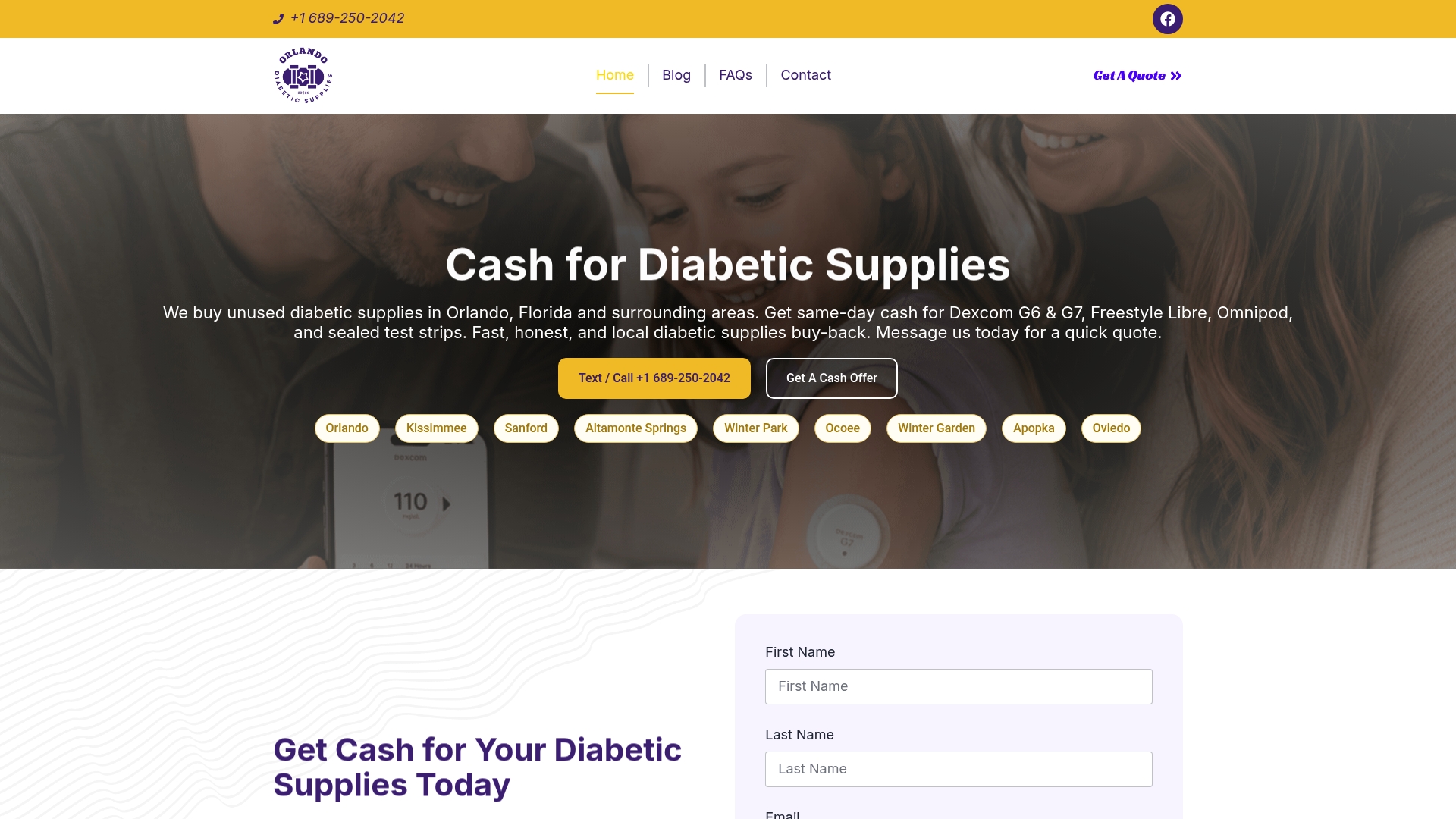
Submit your supply details, get a fair quote, and ship with a prepaid label. Payment arrives via PayPal or check within 1 to 2 business days after verification. Orlando Diabetic Supplies Buyback accepts a wide range of CGM sensors, pump supplies, and test strips, and the team is local, transparent, and ready to help you turn surplus supplies into real cash. Start today by visiting the unused supplies cash guide or explore options to sell your device supplies for fast payment.
FAQ
What is diabetic supply resale in simple terms?
Diabetic supply resale is the process of selling unused, factory-sealed diabetic supplies to a buyback service for cash. The buyer verifies condition and expiration, then redistributes the supplies to patients who need affordable options.
Which diabetic supplies have the highest resale value?
Dexcom G7 sensors, Omnipod 5 pods, and Freestyle Libre 3 patches currently earn the highest premiums. Glucose test strips generate over 80% of secondary market revenue by volume, making them consistently in demand as well.
How long does the diabetic supply buyback process take?
Most reputable buyers complete verification and issue payment within 1 to 2 business days of receiving your shipment. Submitting accurate product details upfront speeds up the process significantly.
Can I legally sell my unused diabetic supplies?
Yes, for most OTC products like test strips and lancets. Prescription supplies like CGM sensors are accepted by verified buyback services. The one firm legal boundary is that Medicaid and Medicare-covered supplies cannot be resold under federal law.
Why do test strips become unused and available for resale?
Test strips frequently accumulate because insurance auto-refill cycles deliver 90-day supplies regardless of actual use. Switching to a CGM or a different meter brand also leaves perfectly good strips unused and ready for resale.