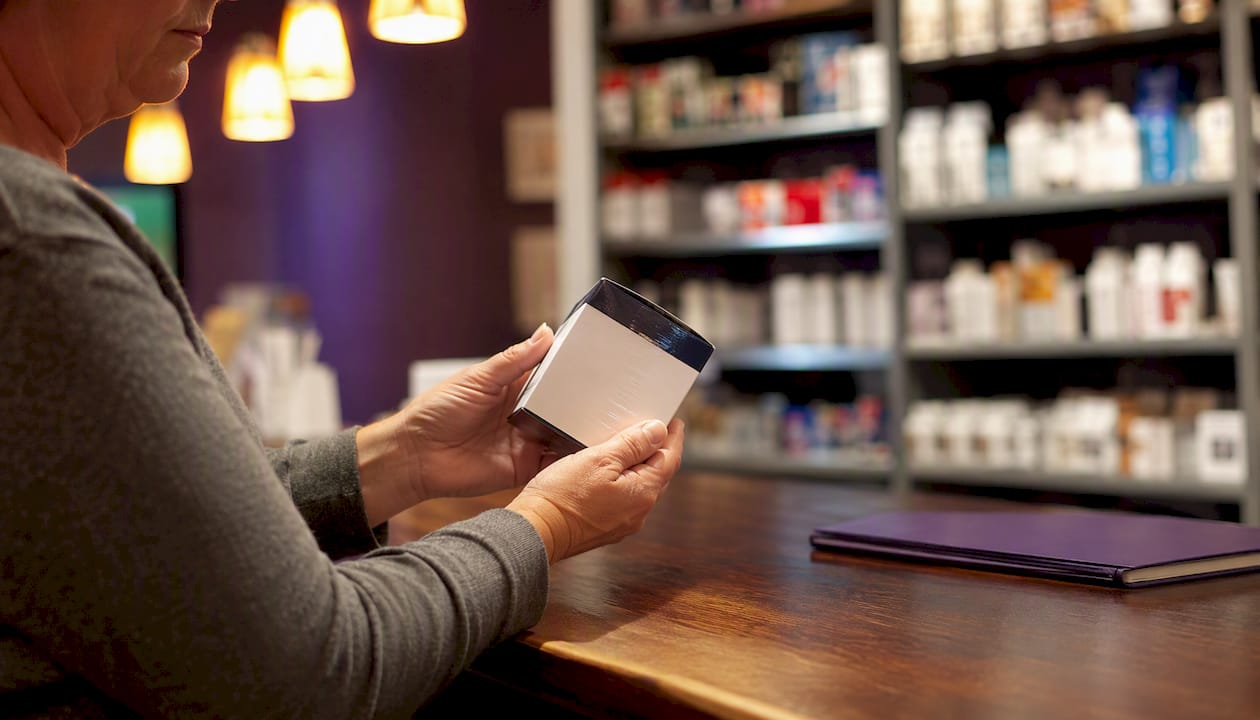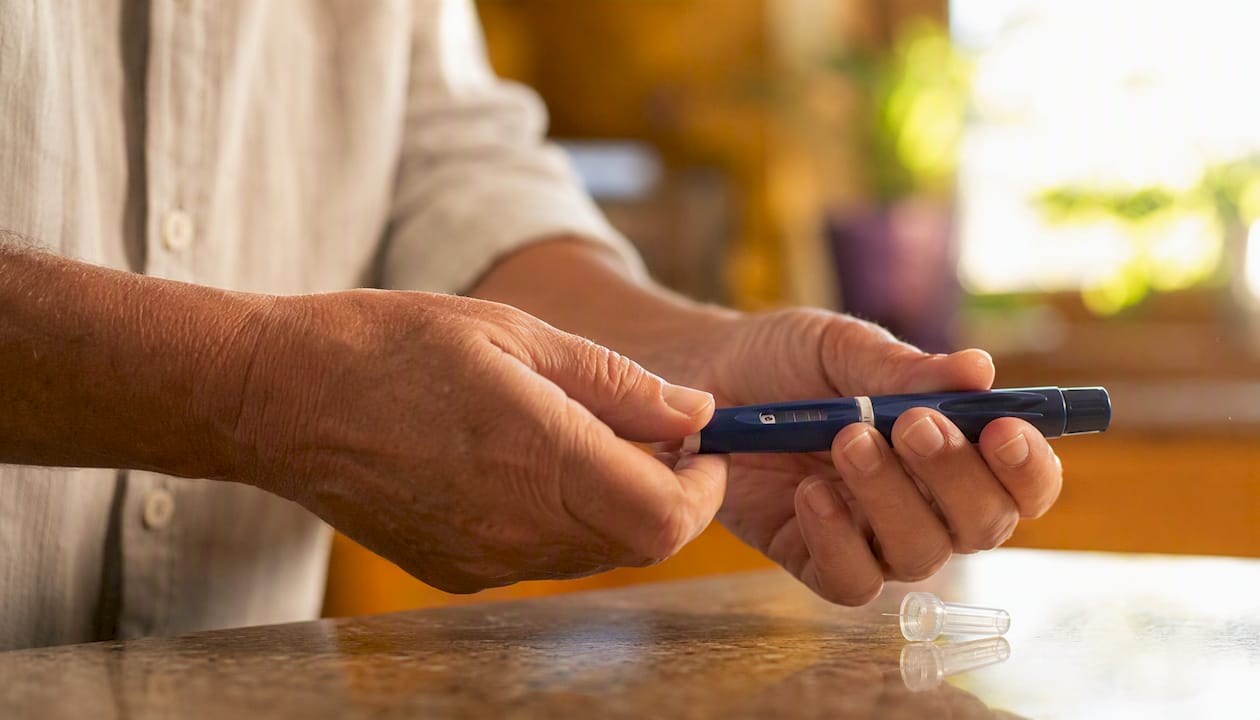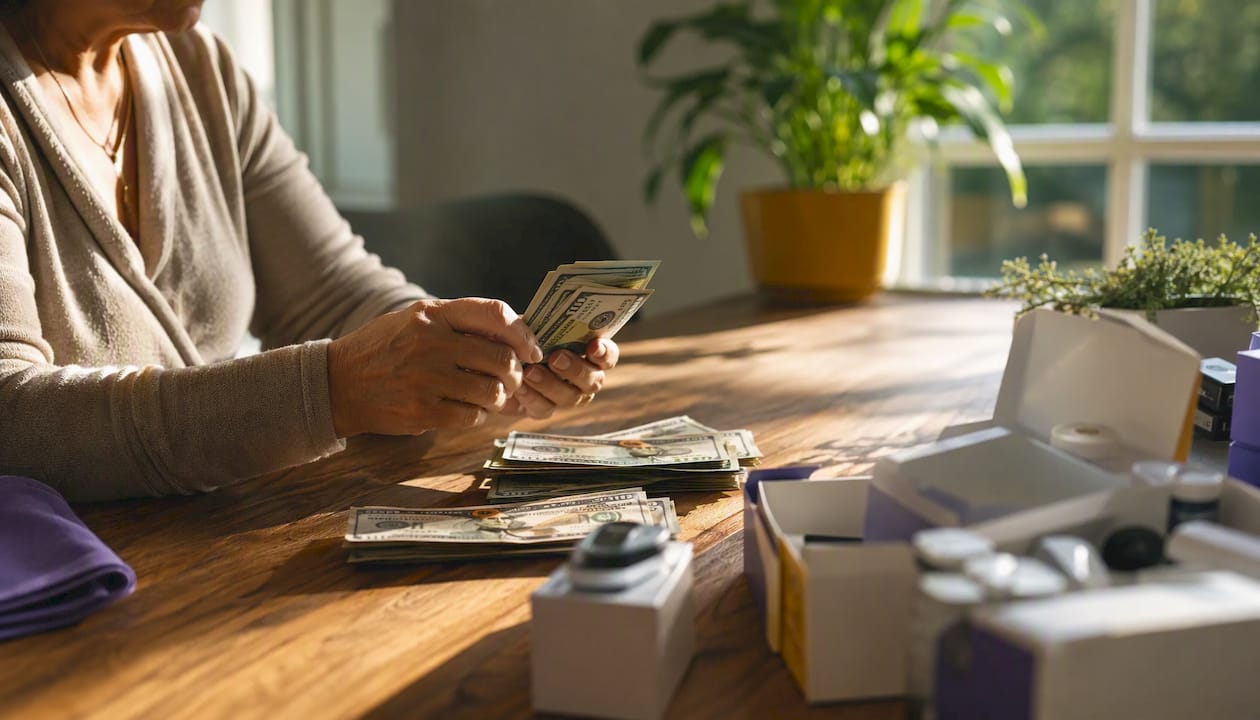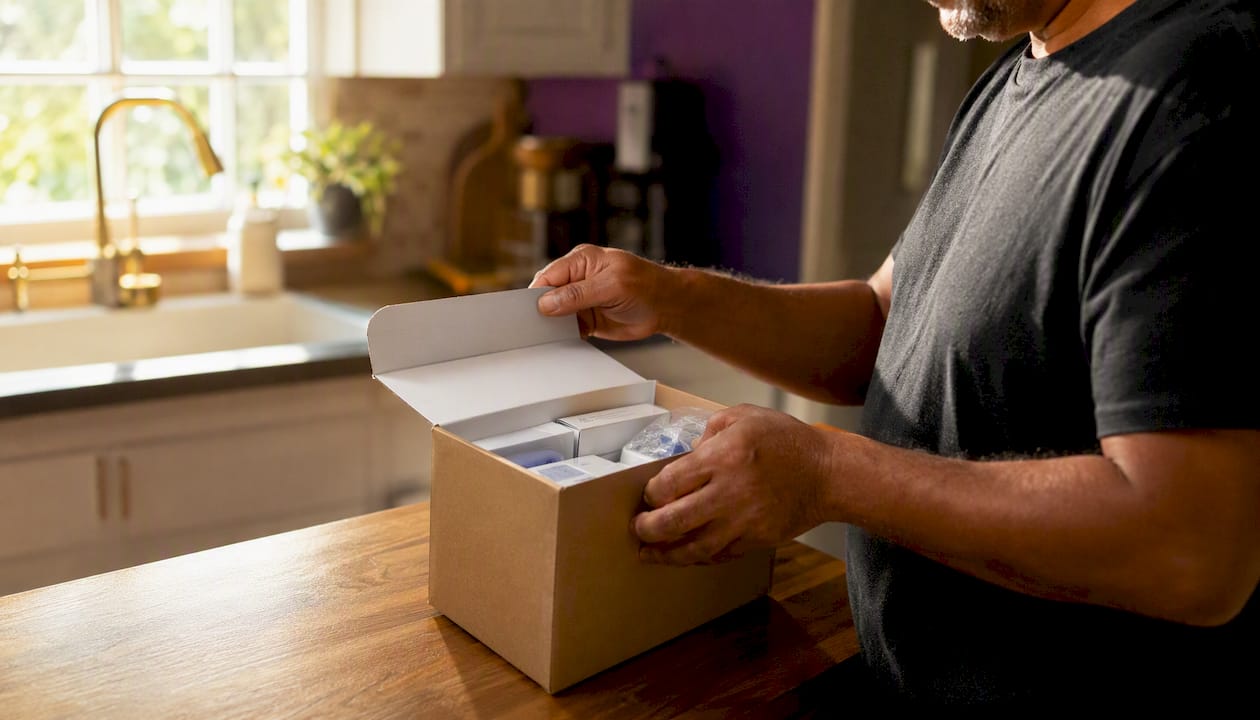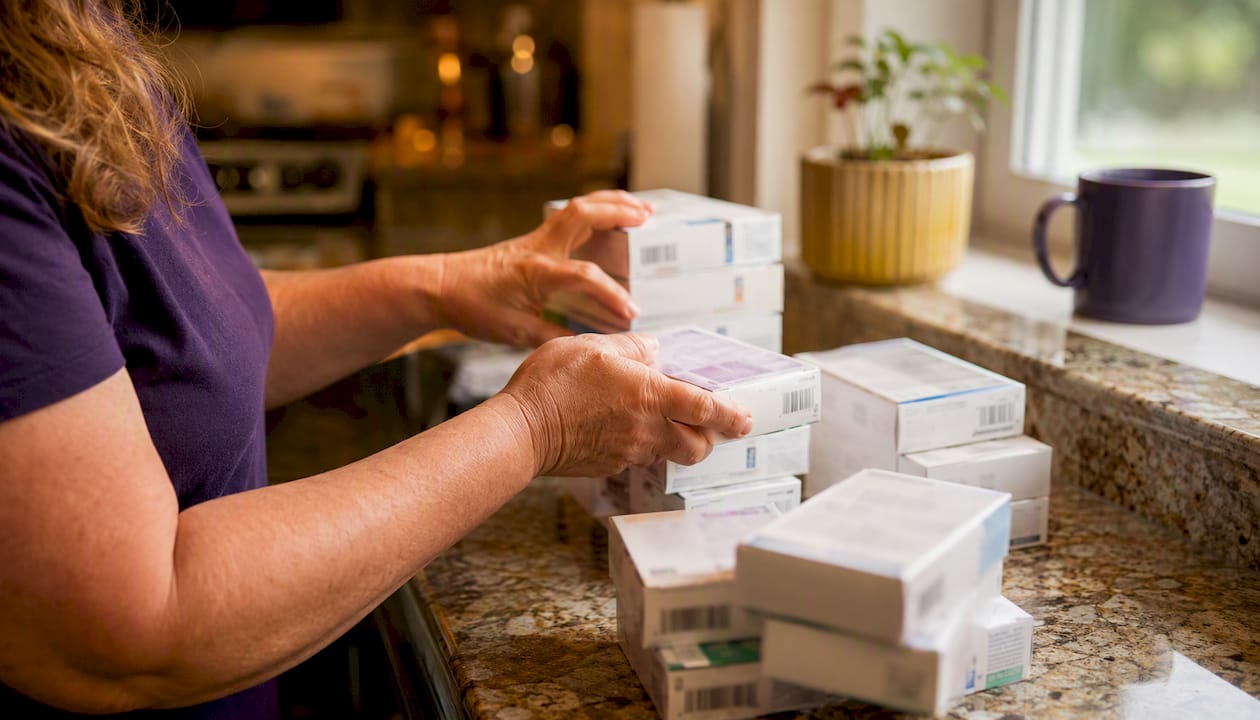
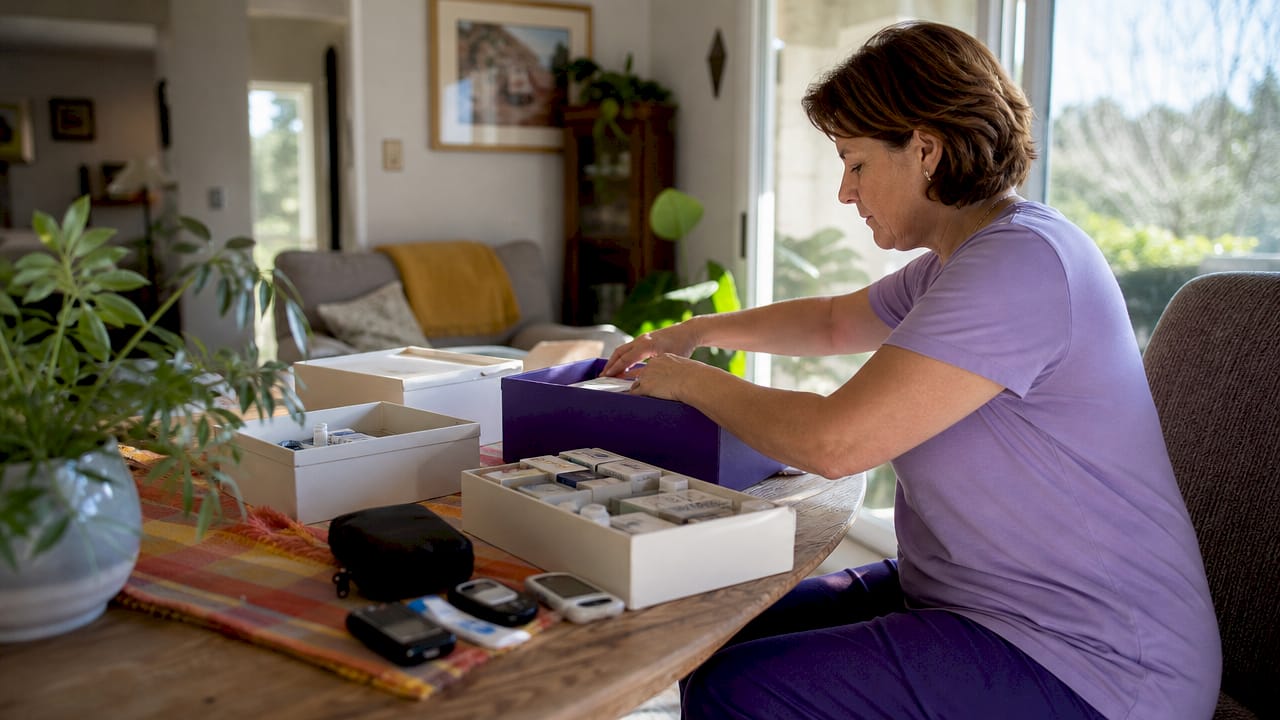
Orphaned diabetic supplies are defined as unopened, unused, and unexpired diabetes-related medical items a patient no longer needs. The industry term for this category is “surplus diabetic supplies,” though “orphaned” has become the widely used shorthand among patients and resale programs alike. These items include CGM sensors like Dexcom G6 and G7, Freestyle Libre patches, Omnipod pods, and sealed test strips. They accumulate when treatment plans change, devices get upgraded, or insurance ships more than you actually use. Understanding what is orphaned diabetic supply explained clearly is the first step toward recovering value from what is sitting in your closet.
What is orphaned diabetic supply and why does it accumulate?
Orphaned diabetic supplies build up for predictable, systemic reasons. The most common cause is insurance-driven oversupply. Insurance shipments represent maximum allowable amounts, not minimums you are required to use. Most patients do not know they can request a pause or reduction in shipments, so boxes keep arriving every month regardless of what is already on the shelf.
Treatment changes are the second major driver. When your doctor switches you from a Dexcom G6 to a Dexcom G7, or from finger-stick testing to a continuous glucose monitor, your previous supplies become obsolete overnight. The same happens when an Omnipod user transitions to a different pump system. You are left with sealed boxes that are perfectly functional but no longer compatible with your current regimen.
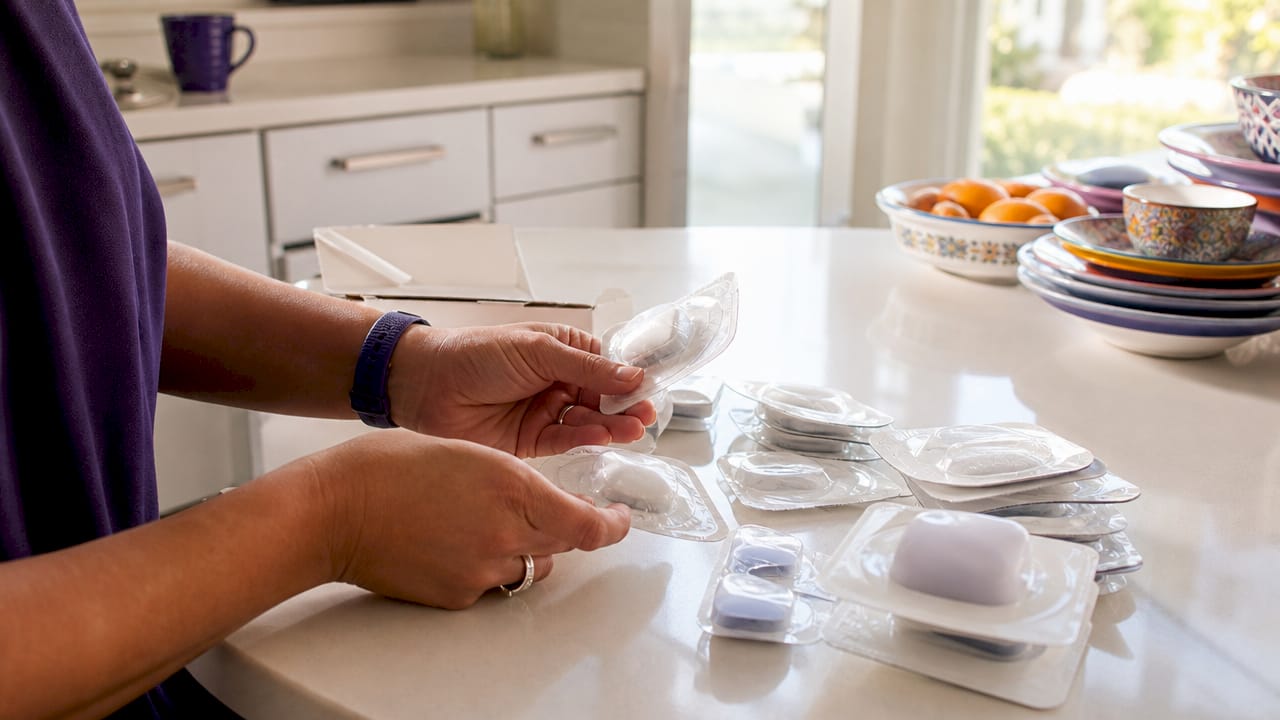
Mail-order and auto-refill programs compound the problem. These programs are designed for convenience, but they ship on a calendar schedule rather than based on your actual inventory. Mail-order practices routinely create surplus that patients never requested and often cannot return.
Here is a clear breakdown of the four main causes:
- Fixed insurance shipments that exceed your actual monthly usage
- Device or treatment upgrades that make existing supplies incompatible
- Auto-refill programs that ship on schedule regardless of your stock
- Prescription changes that alter the type or brand of supply you need
Pro Tip: Contact your insurance provider or mail-order pharmacy and ask specifically whether you can pause or reduce your next shipment. Most plans allow this, and one phone call can prevent months of unwanted accumulation.
Why are unopened diabetic supplies valuable in secondary markets?
Sealed packaging is the single biggest factor in resale value. Unopened supplies retain full product integrity because the factory seal protects sensors and test strips from humidity, temperature swings, and contamination. A Dexcom G7 sensor in its original box with a valid expiration date performs exactly as it would fresh from the manufacturer. That reliability is what makes secondary markets viable.
The economic argument is equally strong. Diabetes is one of the most expensive chronic conditions to manage in the United States. Patients without adequate insurance coverage often cannot afford brand-name CGM sensors or Omnipod pods at retail prices. Secondary markets fill that gap by making the same sealed, unexpired products available at lower cost. The financial burden of diabetes care drives both the supply side and the demand side of these markets simultaneously.
Several factors determine how much a specific item is worth in resale:
- Expiration date: Supplies with less than 6 months remaining are typically rejected by resale programs and donation organizations
- Brand recognition: Dexcom, Freestyle Libre, and Omnipod command higher resale prices than lesser-known brands
- Sealed packaging: Any opened box, even with unused contents, loses most of its resale eligibility
- Quantity: Full boxes or unopened multi-packs are preferred over single units
Key stat: Supplies close to expiry are not accepted by most donation programs or resale outlets, making timely action critical. Waiting too long turns a recoverable asset into medical waste.
The secondary market ecosystem for diabetic supplies has evolved from informal patient-to-patient sharing into more structured programs. This shift reflects both growing demand and a recognition that patient-led redistribution addresses real gaps in healthcare access.
What options do you have for managing orphaned diabetic supplies?
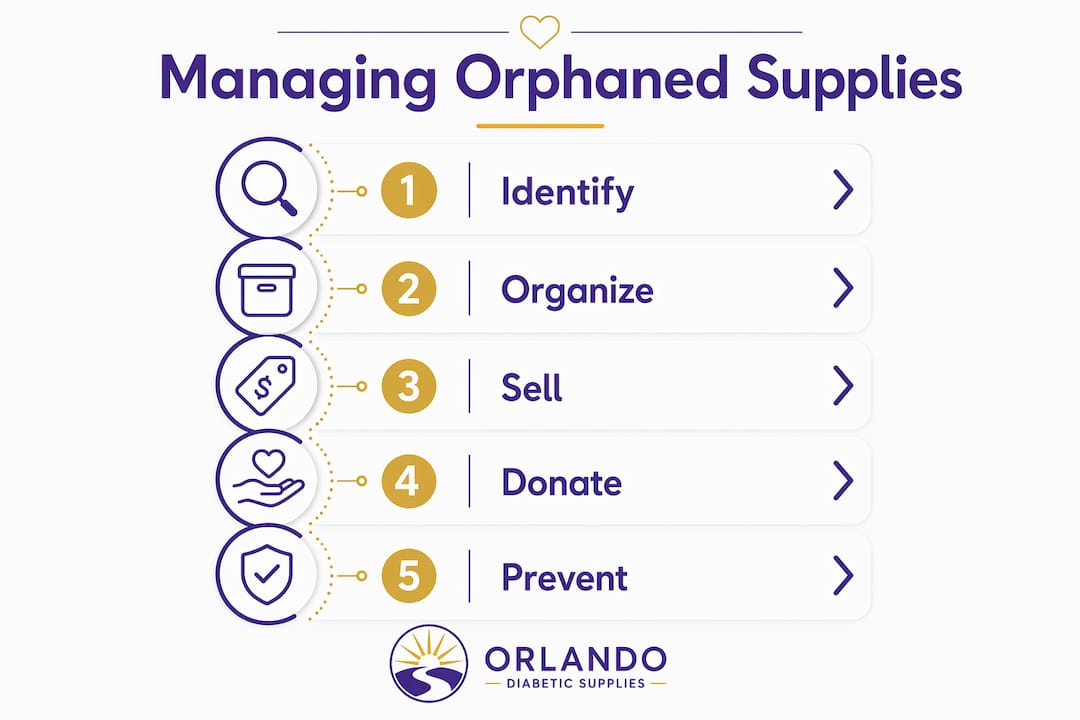
You have four practical paths when you find yourself with excess supplies: sell, donate, store properly, or prevent future accumulation. Each has different requirements and trade-offs.
| Option | Best for | Key requirement | Limitation |
|---|---|---|---|
| Sell to a buyback program | Recovering cash quickly | Sealed, unexpired items | Not all brands accepted |
| Donate to a charity or gemach | Community impact | 6–12 months until expiration | No financial return |
| Proper home storage | Keeping supplies usable longer | Cool, dry, dark location | Does not reduce existing surplus |
| Adjust insurance shipments | Preventing future buildup | Direct contact with insurer | Requires proactive follow-up |
Selling to an authorized buyback program like Orlando Diabetic Supplies Buyback is the fastest way to recover value. Programs that buy Dexcom G6 and G7 sensors, Freestyle Libre, Omnipod pods, and sealed test strips offer same-day cash for qualifying items. You can learn more about what counts as unused supply before you bring anything in.
Donation is the right choice when your supplies are close to the 6-month expiration threshold or when you want to direct the benefit to someone in need. Charitable organizations accept unopened supplies with at least 6–12 months remaining until expiration. Community gemachs, which are volunteer-run medical supply redistribution programs, collect and redistribute these items free of charge to low-income patients. The majority of leftover supplies are discarded rather than donated, which means the need for donation programs far exceeds the current supply.
State laws on resale vary. Some states restrict the resale of prescription medical devices, while others permit it under specific conditions. Working with an established local buyback program reduces your legal exposure because reputable buyers understand the applicable rules in your state.
Pro Tip: Audit your diabetic supply inventory every 3–6 months. Check expiration dates, note quantities, and compare against your current treatment plan. Proactive inventory auditing prevents the situation where perfectly good supplies expire before you act on them.
How do orphaned supplies affect financial and healthcare access?
The systemic inefficiency is stark. Some patients have closets full of sealed Dexcom sensors they cannot use, while other patients ration their sensors or skip days of monitoring because they cannot afford a refill. This mismatch is not a supply problem. It is a distribution problem.
Community-driven redistribution programs address this gap directly. Medical supply gemachs operate entirely on volunteerism, collecting unused supplies from patients who no longer need them and redistributing them at no cost to patients who cannot afford them. Donating unused supplies provides critical aid to low-income individuals while simultaneously reducing medical waste. One sealed box of test strips that would otherwise expire in a drawer can give another patient weeks of monitoring they could not otherwise afford.
The global picture adds another dimension. International programs in countries like Egypt and Pakistan have launched lifelong care systems for children with diabetes, including home delivery of insulin and supplies to address catastrophic financial burdens. These programs recognize that consistent supply access, not just diagnosis, determines long-term health outcomes.
“The grassroots response to surplus and scarcity in diabetes care is one of the most patient-driven healthcare movements in recent memory.” The rise of structured secondary markets reflects what happens when systemic gaps go unaddressed long enough that patients build their own solutions.
Environmental impact matters too. Medical waste from expired diabetic supplies is a real and growing problem. Every sealed box that gets redistributed instead of discarded reduces plastic and biohazard waste. The financial and environmental benefits of reducing medical waste align with the personal financial benefit of recovering cash from supplies you no longer need.
Key Takeaways
Orphaned diabetic supplies are a recoverable asset, not a disposal problem. Sealed, unexpired items retain real value in secondary markets and donation programs, and proactive management prevents future accumulation.
| Point | Details |
|---|---|
| Definition is specific | Orphaned supplies must be unopened, unused, and unexpired to qualify for resale or donation. |
| Insurance is the top cause | Fixed monthly shipments are maximums, not minimums. You can request pauses to stop oversupply. |
| Expiration timing is critical | Act before supplies drop below 6 months to expiration or you lose resale and donation eligibility. |
| Two clear paths exist | Sell sealed items to a buyback program for cash, or donate to a gemach or charity for community impact. |
| Prevention beats recovery | Auditing your inventory every 3–6 months stops accumulation before it becomes a problem. |
Why I think most patients wait too long to act on orphaned supplies
From what I have seen working with patients managing diabetes supply inventory, the single biggest mistake is waiting. People assume they will eventually use the extra boxes. They set them aside and forget about them. Then they check the expiration date six months later and the window has closed.
The second mistake is not knowing that insurance shipments are adjustable. Patients treat their monthly delivery as fixed and mandatory. It is neither. One conversation with your insurer or mail-order pharmacy can stop the accumulation entirely. That conversation rarely happens because no one tells patients it is an option.
The financial recovery angle also gets underestimated. A sealed box of Dexcom G7 sensors or Omnipod pods has real cash value today. That value drops to zero the moment the expiration date passes. Treating orphaned supplies as a financial asset, rather than clutter, changes how quickly people act.
My honest recommendation: do the audit now, not later. Check what you have, check the dates, and decide within a week whether to sell or donate. The longer you wait, the fewer options you have.
— Liliana
Turn your unused supplies into cash with Orlando Diabetic Supplies Buyback
If you have sealed Dexcom G6 or G7 sensors, Freestyle Libre patches, Omnipod pods, or unopened test strips sitting unused, Orlando Diabetic Supplies Buyback buys them for same-day cash in Orlando and surrounding areas.
The process is straightforward. You bring your sealed, unexpired supplies. Orlando Diabetic Supplies Buyback assesses them on the spot and pays you fairly and quickly. No waiting, no shipping, no uncertainty. If you are ready to get cash for unused supplies or want to know exactly what qualifies, Orlando Diabetic Supplies Buyback makes it easy to find out. You can also sell previous device supplies from an older CGM or pump system you have already upgraded away from. Local, honest, and fast.
FAQ
What are orphaned diabetic supplies?
Orphaned diabetic supplies are unopened, unused, and unexpired diabetes medical items a patient no longer needs. Common examples include CGM sensors, test strips, and pump accessories that became surplus due to treatment changes or insurance oversupply.
Can I sell my unused diabetic supplies legally?
Resale rules vary by state, but sealed and unexpired supplies can generally be sold through authorized buyback programs. Working with an established local buyer like Orlando Diabetic Supplies Buyback reduces legal risk because reputable programs follow applicable state guidelines.
How long do supplies need before expiration to be accepted?
Most resale and donation programs require at least 6–12 months remaining before the expiration date. Supplies close to expiry are typically not accepted, so acting early protects your options.
How do I stop getting too many supplies from insurance?
Contact your insurance provider or mail-order pharmacy directly and ask to pause or reduce your next shipment. Insurance shipments are maximum limits, not mandatory minimums, and most plans allow adjustments.
What is the difference between selling and donating unused supplies?
Selling through a buyback program gives you immediate cash for sealed, unexpired items. Donating to a gemach or charitable organization provides no financial return but directs your supplies to patients who cannot afford them. The right choice depends on your timeline and the expiration date of your supplies.