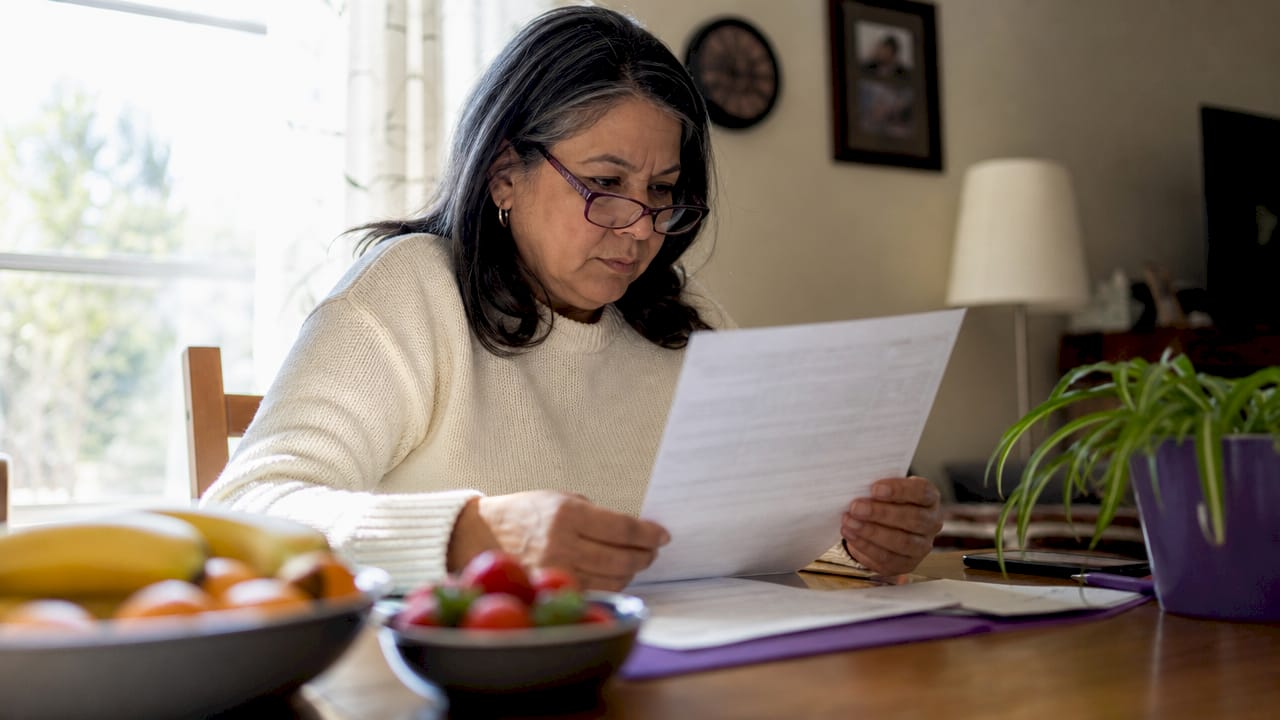
Common private insurance diabetic supply errors are the leading cause of unexpected out-of-pocket costs and coverage gaps for people managing diabetes. These mistakes fall into four main categories: billing and coding errors, documentation failures, poor plan selection, and weak appeals. The industry term for these issues is “claim processing errors,” but patients experience them as denied claims, surprise bills, and interrupted supply access. Knowing where these errors occur puts you in control of your coverage and your budget.
1. What are the most common billing and coding errors in diabetic supply claims?
Billing errors occur in approximately 26% of diabetes-related insurance claims, with an average cost of $340 per incident. That means roughly one in four claims for supplies like continuous glucose monitors (CGMs) or insulin pumps contains a mistake that costs you money.
The most frequent coding problems include:
- Wrong HCPCS or CPT codes for CGMs, insulin pumps, and test strips. Each supply type has a specific code, and a single digit error triggers an automatic denial.
- Duplicate billing, where a DME supplier and an infusion pharmacy both bill for the same sensor or supply on the same date. Duplicate supply billing is a frequent error that causes denials or surprise bills.
- Misclassification of services as preventive rather than diagnostic, or vice versa. This changes your cost-sharing tier entirely.
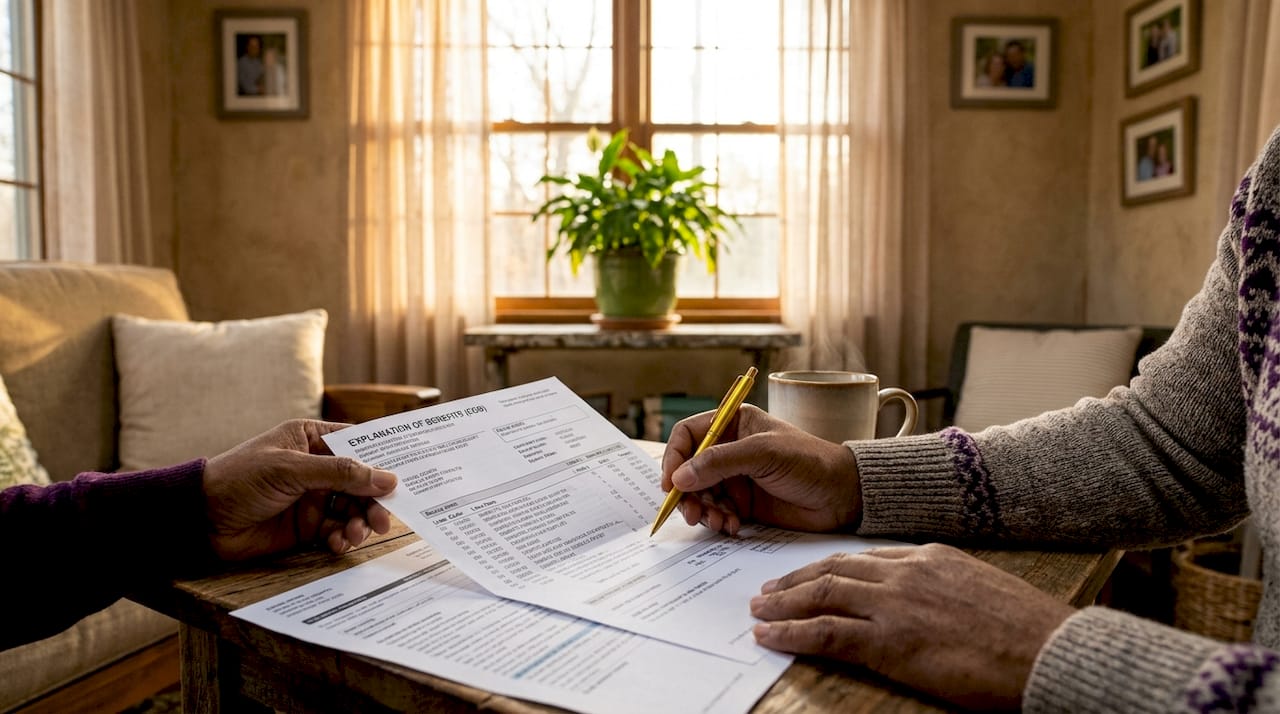
Your Explanation of Benefits (EOB) is the most underused tool in your insurance toolkit. Errors in billing codes are common due to complex coding categories, and reviewing your EOB after every claim catches duplicates and wrong codes before they become collection issues.
Pro Tip: Ask your provider’s billing office for the specific HCPCS code they plan to submit before your claim goes in. Cross-check it against your insurer’s coverage policy for that supply. This one step prevents the majority of coding denials.
2. How do documentation and prior authorization mistakes affect coverage?
Missing or incomplete paperwork is the second most common reason private insurers deny diabetic supply claims. Private insurers require specific documents to approve coverage, and gaps in any one of them can halt your access to supplies for weeks.
Standard documentation requirements include:
- A physician order specifying the supply and frequency
- A letter of medical necessity from your endocrinologist or primary care provider
- Lab results supporting the diagnosis (for example, A1C levels for CGM approval)
- Proof of diabetes education completion for some pump approvals
Prior authorization decisions for diabetic supplies typically take several weeks. Failing to request authorization early, or not tracking its status, causes coverage interruptions at the worst possible time.
Ongoing documentation is just as critical as the initial approval. Many insurers require ongoing endocrinologist visits to maintain authorization for insulin pumps. A lapse in follow-up appointments can cause sudden coverage termination, even if you have been using the device for years.
Pro Tip: Create a shared folder with your provider’s office for all authorization documents. Ask them to send you a copy of every submission and confirmation number. Tracking authorization status yourself prevents the most common coverage interruptions.
3. What plan selection errors increase out-of-pocket costs?
Choosing the wrong insurance plan is the most expensive mistake people with diabetes make, and it happens before a single claim is filed. Selecting a plan based only on low monthly premiums often leads to higher total annual costs due to poor formulary coverage and high out-of-pocket maximums.
The key plan selection errors to avoid:
- Ignoring the formulary. A plan may cover insulin pumps in general but place them on a high-cost tier, meaning your coinsurance is 40% instead of 20%.
- Underestimating coinsurance on durable medical equipment. Coinsurance rates of 20%–50% on insulin pumps costing $6,000–$8,000 can leave you with several thousand dollars in out-of-pocket costs even with coverage.
- Skipping the out-of-pocket maximum comparison. Two plans with the same premium can have out-of-pocket maximums that differ by $3,000 or more.
- Not checking in-network DME suppliers. Your pump or CGM supplier must be in-network, or you pay out-of-network rates on every order.
The right way to evaluate a plan is to budget for diabetes supplies using your actual annual supply list, then calculate total cost under each plan. A plan with a $150 higher monthly premium often saves $2,000 or more annually for people using CGMs and insulin pumps.
| Plan feature | What to check |
|---|---|
| Formulary tier for CGMs | Confirm tier placement and coinsurance rate |
| DME coinsurance rate | Calculate your share on a $7,000 pump |
| Out-of-pocket maximum | Compare across all plan options |
| In-network DME suppliers | Verify your current supplier is listed |
| Prior authorization requirements | Know what documentation is needed upfront |
4. What pitfalls occur during insurance appeals and external reviews?
Most people give up after a first denial. That is a costly mistake. Independent medical review (IMR) processes overturn over 40% of initial insurance denials for diabetic treatments within about 30 days. The appeal process works, but only when you do it correctly.
The most common appeal errors include:
- Submitting a generic appeal letter. A letter that simply says “I need this supply” fails. You need a physician letter citing specific clinical events and ADA Standards of Care.
- Missing appeal deadlines. Most private insurers require internal appeals within 60–180 days of a denial. Missing this window closes the internal process permanently.
- Skipping external review. If your internal appeal fails, you have the right to request an independent external review. Many patients do not know this option exists.
External reviewers apply clinical standards such as ADA guidelines rather than insurer internal policies, which often favors patients. Independent reviewers apply ADA clinical standards during external appeals, giving patients a stronger basis for overturn than the internal process allows.
Using detailed physician letters citing recent clinical events and ADA Standards of Care is the single most effective way to improve your appeal outcome. Vague letters fail. Specific, documented clinical arguments succeed.
Pro Tip: Request your insurer’s complete clinical criteria for the denied supply before writing your appeal. Your physician’s letter should address every criterion point by point. This targeted approach is far more effective than a general medical necessity statement.
5. How does misunderstanding coverage tiers affect diabetic supply access?
Insurance coverage tiers determine how much you pay for each supply category, and most people with diabetes never read them. Private insurance plans classify diabetic supplies under different benefit categories: pharmacy benefits, durable medical equipment (DME) benefits, or preventive care benefits. Each category carries different cost-sharing rules.
A CGM sensor purchased through your pharmacy benefit may cost you a $40 copay. The same sensor ordered through your DME benefit may cost 30% coinsurance with no cap until you hit your deductible. The supply is identical. The cost difference is entirely about which benefit category your insurer uses.
Understanding private insurance supply categories helps you ask the right questions before ordering. Always confirm with your insurer which benefit category applies to each supply and what your cost-sharing obligation is under that category.
6. What coverage conflicts affect Type 2 diabetes patients specifically?
Type 2 diabetes patients face a specific and underreported insurance problem: common denial reasons include “not medically necessary” for CGMs and pumps, especially for patients not using insulin. Insurers often base these decisions on outdated internal policies rather than current ADA clinical guidelines.
Non-insulin-using Type 2 patients can improve approval odds by having their provider document specific hypoglycemia episodes, blood sugar variability data, and the clinical rationale for CGM use. Detailed problem documentation shifts the claim from a borderline case to a clear medical necessity. Knowing what qualifies for diabetic supply payment in Florida gives you a concrete starting point for building that documentation with your provider.
Key Takeaways
Private insurance diabetic supply errors are preventable when you know the specific billing, documentation, plan selection, and appeal mistakes that cause denials and excess costs.
| Point | Details |
|---|---|
| Billing errors are frequent | About 26% of diabetes claims contain coding mistakes averaging $340 per incident. |
| Documentation gaps cause denials | Missing prior authorization or physician letters stops coverage before it starts. |
| Plan selection drives total cost | Coinsurance on DME can cost thousands even with coverage; compare total cost, not just premiums. |
| Appeals succeed with specifics | IMR processes overturn over 40% of denials; detailed ADA-cited letters are the key. |
| Tier classification changes your cost | The same supply costs very differently under pharmacy vs. DME benefits. |
What I have learned from watching patients fight these errors
By Liliana
After years of working with people managing diabetes and their insurance coverage, the pattern I see most often is not ignorance. It is exhaustion. People with diabetes are already managing a demanding condition every single day. Adding the complexity of insurance billing, prior authorization tracking, and appeal deadlines on top of that is genuinely hard.
What I have found is that the patients who avoid the worst insurance errors share one habit: they treat their insurance policy like a medical document. They read it. They ask questions before ordering supplies. They keep records of every authorization number, every EOB, and every phone call with their insurer.
The appeal process is where I see the biggest missed opportunity. Most people assume a denial is final. It is not. The external review option is one of the most powerful tools available to patients, and it is almost never used. When an independent reviewer applies ADA clinical standards instead of an insurer’s internal policy, the outcome changes dramatically. I have seen patients get coverage approved on external review after two internal denials.
My honest advice: do not accept a denial without at least requesting your insurer’s complete clinical criteria. Read it. Then have your physician respond to it directly. That one step changes the entire dynamic of an appeal.
— Liliana
When insurance errors leave you with extra supplies
Insurance errors and plan changes often result in stockpiles of unused diabetic supplies. A prior authorization that gets reversed, a plan switch mid-year, or a device upgrade can leave you with sealed Dexcom G6, Dexcom G7, Freestyle Libre, or Omnipod supplies you no longer need.
Orlando Diabetic Supplies Buyback buys those unused supplies for same-day cash in Orlando and surrounding areas. There is no complicated process. You get a fair price, fast communication, and a local buyer you can trust. If you have sealed, unexpired supplies sitting unused, find out how to get cash for unused supplies and turn that inventory into money in your pocket today. You can also learn more about why diabetics have extra supplies and what options are available to you.
FAQ
What is the most common private insurance diabetic supply error?
Billing and coding errors are the most frequent issue, occurring in approximately 26% of diabetes-related claims. Wrong HCPCS codes for CGMs and insulin pumps are the leading cause.
How long does a prior authorization for diabetic supplies take?
Prior authorization decisions typically take several weeks. Submitting documentation early and tracking the request status prevents coverage gaps.
Can I appeal a denied diabetic supply claim?
Yes. Most private insurers allow internal appeals within 60–180 days of a denial. If the internal appeal fails, you can request an independent external review, which overturns over 40% of initial denials.
Why do Type 2 diabetes patients get denied for CGMs more often?
Insurers often apply internal policies that do not reflect current ADA guidelines, leading to denials for non-insulin-using Type 2 patients. Detailed physician documentation of hypoglycemia and blood sugar variability improves approval odds significantly.
What should I do with unused diabetic supplies after an insurance error or plan change?
Sealed, unexpired supplies like Dexcom sensors, Freestyle Libre, and Omnipod pods can be sold for cash through Orlando Diabetic Supplies Buyback, which offers same-day payment for unused supplies in the Orlando area.