Effective diabetes management requires more than one device because no single tool covers every aspect of blood glucose monitoring and insulin delivery. A continuous glucose monitor (CGM) like the Dexcom G7 or Freestyle Libre tracks trends in real time, but it cannot replace an insulin pump or a backup finger-prick meter when accuracy is critical. The clinical term for this approach is integrated diabetes device therapy, and the evidence behind it is strong. Understanding why diabetics need multiple devices is the first step toward building a care system that actually works for your life.
Why diabetics need multiple devices: the core reason
No single diabetes device does everything well. A CGM shows you where your glucose is heading, but it does not deliver insulin. An insulin pump automates delivery, but it depends on accurate sensor data to function safely. Manual glucose meters and insulin pens fill the gaps when technology fails or when a quick confirmation reading is needed. Each device covers a blind spot left by the others, and that overlap is exactly what makes the combination effective.
The importance of diabetes management tools becomes clear when you look at what happens without them. Patients who rely on a single method miss glucose spikes that happen between scheduled checks. They also lack the alerts that catch dangerous lows overnight. A multi-device approach closes those gaps systematically, not accidentally.
What are the main types of diabetes devices and their roles?
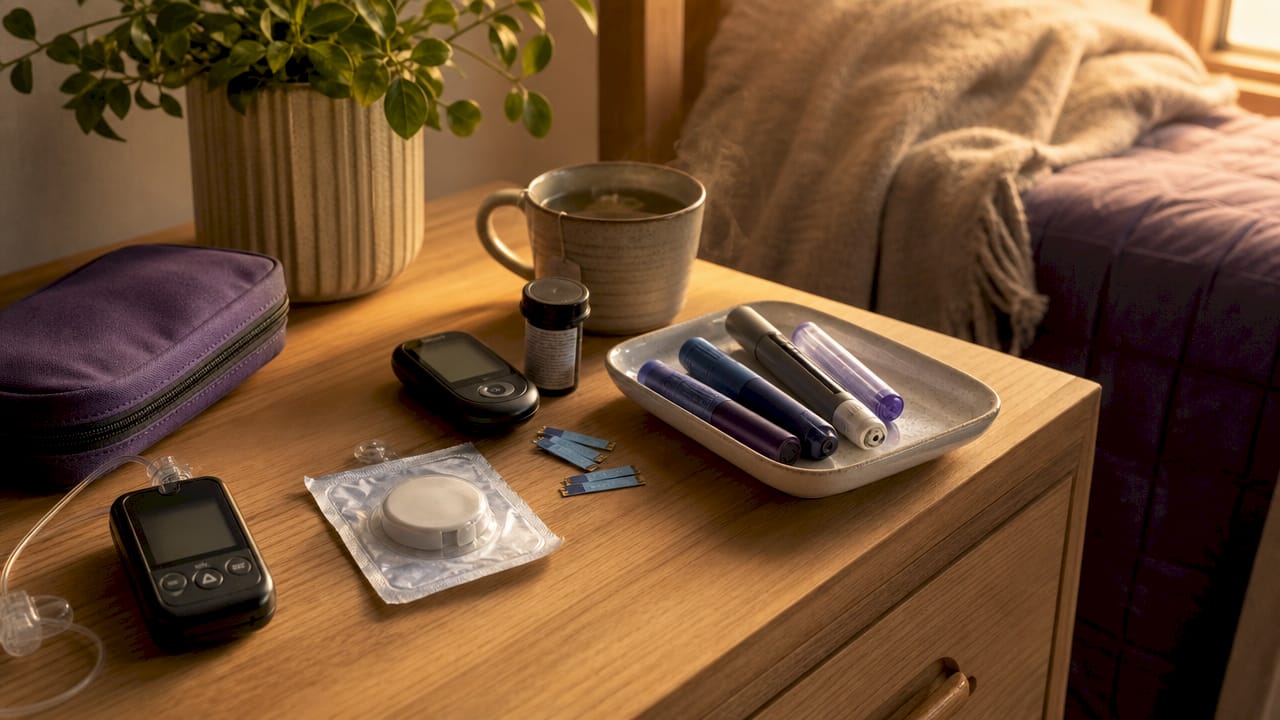
The three core device categories are CGMs, insulin pumps, and manual tools. Each has a distinct function, and each has real limitations.
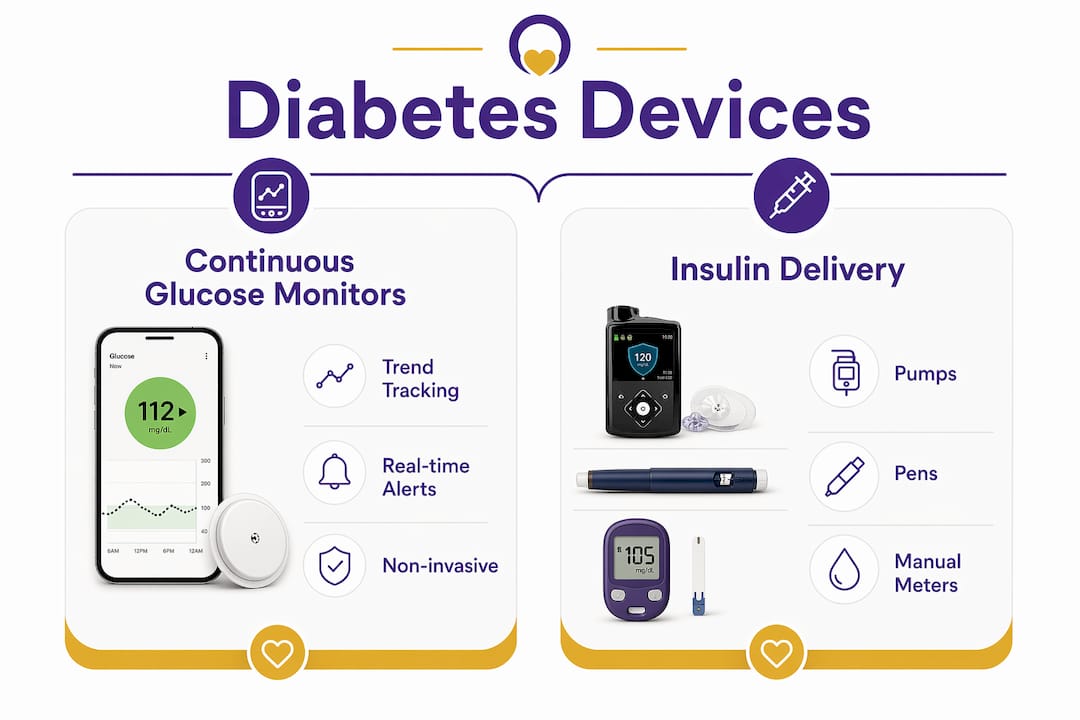
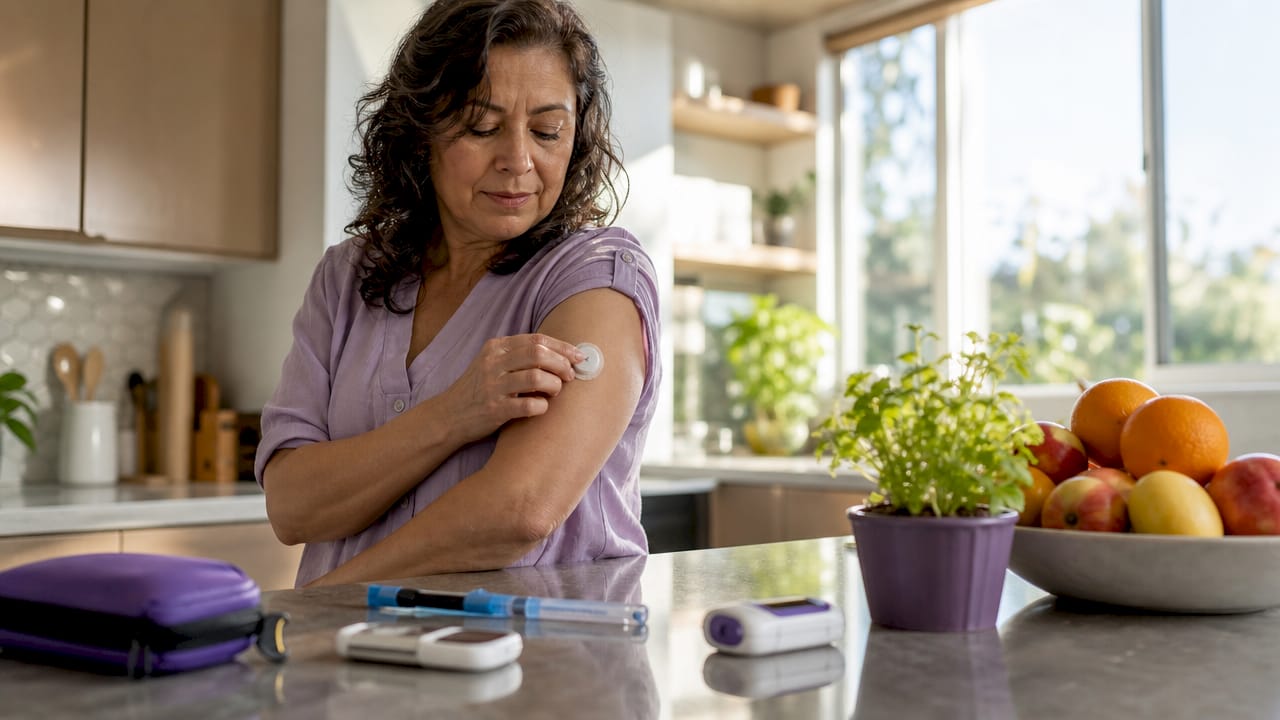
CGMs like the Dexcom G6, Dexcom G7, and Freestyle Libre 3 measure interstitial glucose continuously. They send alerts when levels rise or fall too fast. Their limitation is a 5–15 minute lag behind actual blood glucose, which matters during rapid changes.
Insulin pumps, including tubeless options like the Omnipod 5, deliver basal and bolus insulin without injections. They reduce the burden of multiple daily injections. However, tubeless pump users must manage insulin reservoir limits carefully and carry backup supplies at all times.
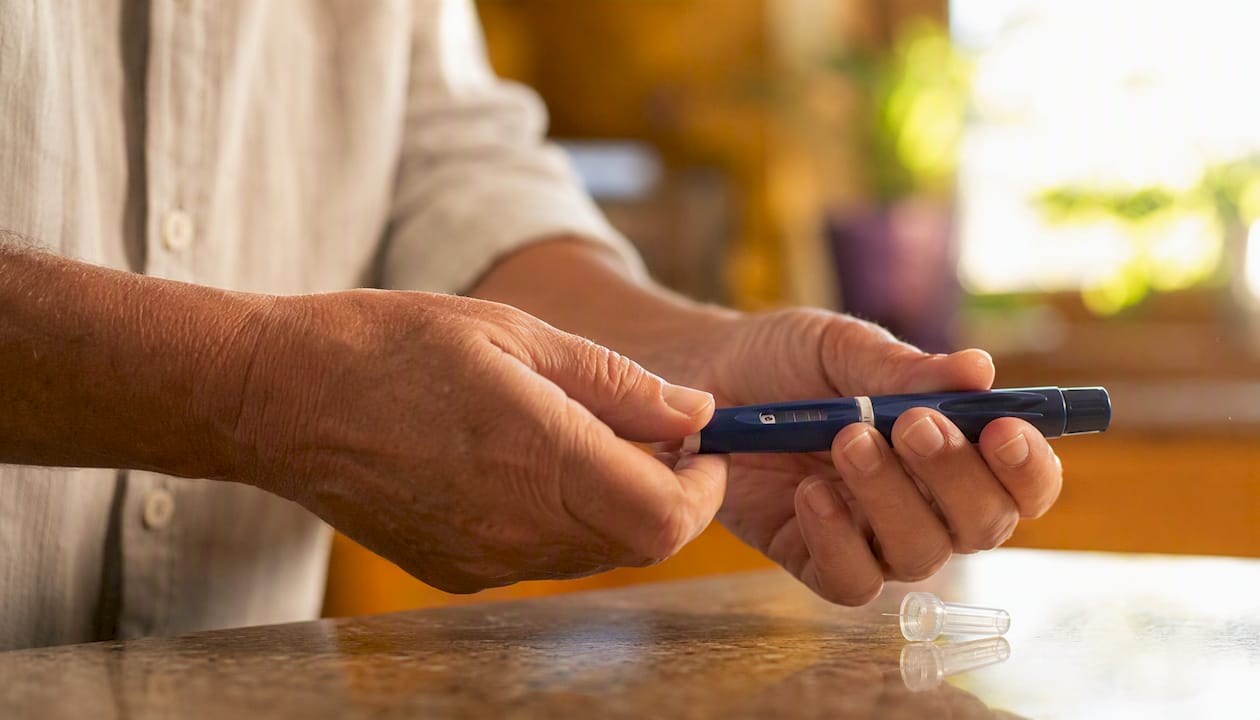
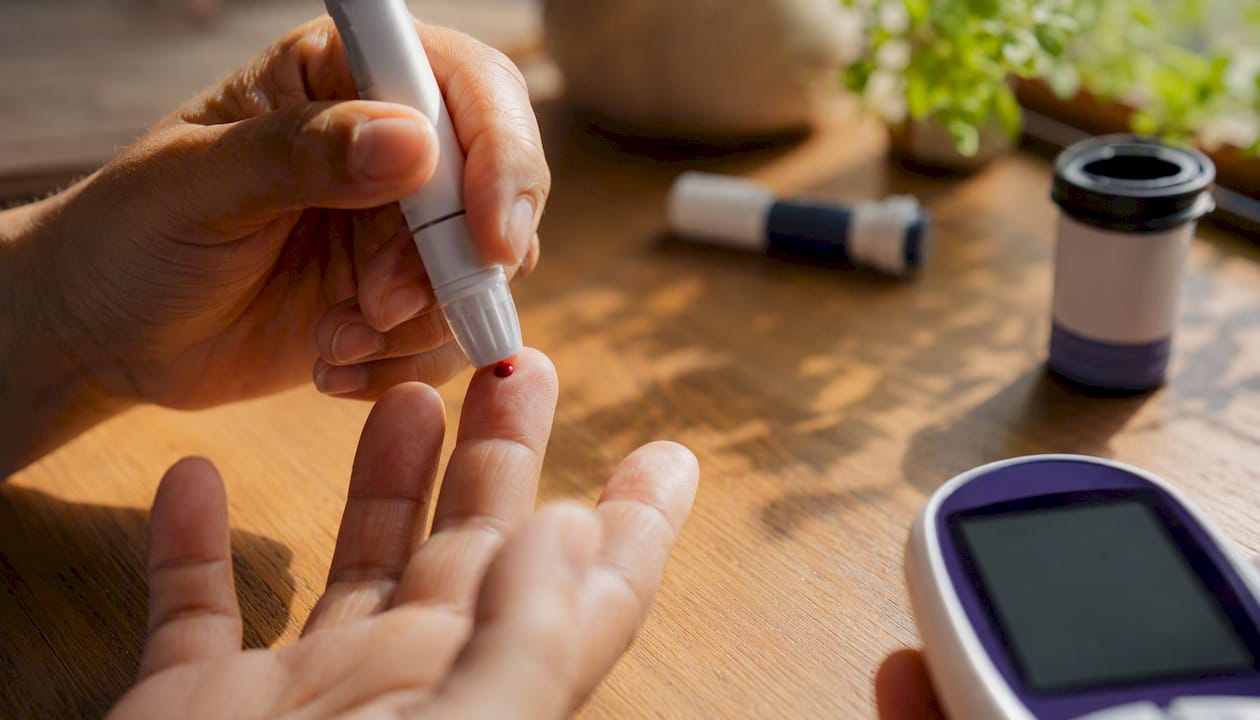
Manual tools include finger-prick meters and insulin pens. They are low-tech, reliable, and do not depend on batteries or connectivity. They serve as the safety net when a CGM sensor fails or a pump malfunctions.
| Device | Primary function | Key strength | Key limitation |
|---|---|---|---|
| CGM (Dexcom G7, Freestyle Libre) | Continuous glucose tracking | Real-time trends and alerts | Lag time; requires calibration |
| Insulin pump (Omnipod 5) | Automated insulin delivery | Reduces injection burden | Reservoir limits; site management |
| Finger-prick meter | Spot blood glucose check | High accuracy, no connectivity needed | No trend data; manual process |
| Insulin pen | Manual insulin injection | Simple, portable backup | Requires manual dose calculation |
- CGMs alert you to lows while you sleep, something a meter cannot do.
- Pumps adjust basal rates automatically based on CGM data in closed-loop systems.
- Meters confirm CGM readings when accuracy is critical, such as before driving.
- Pens provide a reliable fallback if a pump fails unexpectedly.
Pro Tip: Always keep a finger-prick meter and a supply of insulin pens in your bag, even if you use a CGM and pump daily. Device failures happen without warning, and a manual backup can prevent a medical emergency.
How do multiple devices improve diabetes control and patient outcomes?
The clinical evidence for combining devices is clear and growing. A 2026 meta-analysis found that CGM use in insulin-treated type 2 diabetes patients reduces HbA1c by 2.78% compared to self-monitoring of blood glucose. A 2.78% reduction is clinically significant. It translates directly to lower risk of kidney disease, nerve damage, and cardiovascular complications.
Time-in-range is the metric that tells you how many hours per day your glucose stays in a healthy zone. Real-time CGM improves time-in-range by 7.41% and reduces time-above-range by 6.93% compared to standard monitoring in type 2 diabetes. More hours in range means less cumulative damage to blood vessels and organs.
Hypoglycemia awareness is another area where multiple devices make a measurable difference. Between 20–40% of people with long-standing type 1 diabetes have impaired awareness of hypoglycemia. They cannot feel a dangerous low coming. CGM alerts fill that gap in a way that no manual check schedule can replicate.
| Outcome metric | Improvement with multi-device use |
|---|---|
| HbA1c reduction | 2.78% lower with CGM vs. self-monitoring |
| Time-in-range | 7.41% improvement with real-time CGM |
| Time-above-range | 6.93% reduction with real-time CGM |
| Hypoglycemia detection | Critical for 20–40% with impaired awareness |
“The goal is not to collect devices. The goal is to build a system where each tool covers what the others cannot.”
The role of test strips in this system is often underestimated. Even with a CGM, a manual strip check provides a ground-truth reading that sensors cannot always match during rapid glucose changes.
What practical challenges come with using multiple diabetes devices?
Using multiple devices adds real complexity to daily life. Device maintenance, sensor site rotation, pump reservoir changes, and app connectivity all require attention. Digital syncing offers remote monitoring and data sharing, but it also introduces dependency on connectivity, battery life, and tech literacy. A dropped Bluetooth connection at the wrong moment is more than an inconvenience.
Alarm fatigue is a documented problem. When a CGM alerts too frequently, patients start ignoring alerts. That behavior defeats the purpose of the device entirely. Adjusting alert thresholds with your care team is not optional. It is a necessary part of making the system work long term.
Long-term success depends on consistency and backup plans. High-tech adoption alone does not guarantee good outcomes. A patient who uses a closed-loop pump system but has no backup pen and meter is one device failure away from a crisis.
Here are practical tips for managing multiple devices without burning out:
- Set CGM alert thresholds that are meaningful, not maximally sensitive.
- Schedule weekly device checks: sensor expiration, pump reservoir level, meter battery.
- Keep a backup kit in your car, workplace, and travel bag.
- Sync device data to a single app or platform so your care team sees the full picture.
- Review your device combination with your provider every six months, not just at annual visits.
Pro Tip: If you switch CGM brands or insulin pumps, your old supplies may no longer be compatible. Check compatibility before stocking up, and consider selling unused sealed supplies through a local buyback service to recover some of the cost.
How do you choose the right combination of devices for your needs?
The right device combination is personal. Joint decision-making between patient and provider produces better outcomes than a provider simply prescribing the newest technology. Your activity level, tech comfort, insurance coverage, and daily insulin needs all shape which combination works for you.
Follow these steps to build a device plan that fits your life:
- Assess your daily routine. A construction worker and a desk worker have different needs for device durability, waterproofing, and alert management.
- Check your insurance coverage. CGMs, pumps, and supplies fall into different insurance categories, and coverage gaps affect what you can realistically maintain.
- Start with one new device at a time. Adding a CGM before adding a pump lets you learn each system without being overwhelmed.
- Involve your family or support network. Caregivers who understand your devices can respond faster in an emergency.
- Experiment and adjust. No perfect system exists. Patients often combine pumps, pens, and CGMs in different ways to balance lifestyle, health, and convenience.
- Monitor your mental health. Device burden is real. If managing your devices causes more stress than they relieve, talk to your care team about simplifying.
Precision medicine is driving the trend toward device combinations tailored to each patient’s unique profile. The EASD and ADA 2026 position statement on individualizing diabetes technology confirms that device choices should match skills and lifestyle, not just clinical benchmarks. That means your combination may look different from your neighbor’s, and that is correct.
Key Takeaways
Diabetics need multiple devices because each tool covers a specific function that others cannot, and combining them produces measurably better glucose control, fewer dangerous lows, and lower long-term complication risk.
| Point | Details |
|---|---|
| No single device is complete | CGMs track trends, pumps deliver insulin, and meters confirm accuracy. Each fills a gap. |
| Clinical outcomes improve significantly | CGM use reduces HbA1c by 2.78% and improves time-in-range by 7.41% vs. standard monitoring. |
| Hypoglycemia alerts save lives | 20–40% of long-standing type 1 patients cannot feel dangerous lows without device alerts. |
| Backup plans are non-negotiable | High-tech systems require manual fallbacks. A meter and insulin pen prevent emergencies. |
| Personalization drives results | Joint decision-making with your provider produces better outcomes than adopting the newest device alone. |
What I’ve learned from watching people build their device systems
I have seen patients arrive with a brand-new CGM and no idea how to use it alongside their existing pen routine. The device was not the problem. The missing piece was a plan for how all the tools work together.
The biggest mistake people make is treating each device as a standalone solution. A Dexcom G7 is not a diabetes management plan. It is one input in a larger system. When patients understand that, they stop expecting any single device to fix everything, and they start building something that actually holds up over time.
The other thing I have noticed is that people underestimate how much their life changes the equation. Shift workers, athletes, and people who travel frequently need different device combinations than someone with a predictable daily schedule. Diabetes management intersects with lifestyle areas like work, sleep, and activity in ways that no device manufacturer fully accounts for. You have to adapt.
My honest recommendation: build your system around your backup plan first. Decide what you will do when a sensor fails or a pump alarms at 2 a.m. before you decide which CGM brand to use. The backup plan reveals what your real needs are, and that clarity makes every other device decision easier.
— Liliana
How Orlando Diabetic Supplies Buyback supports your device management
Managing multiple devices means you will inevitably end up with supplies that no longer fit your system. You switch CGM brands, your doctor changes your pump, or your insurance shifts your coverage. Unused sealed supplies pile up fast.
Orlando Diabetic Supplies Buyback buys unused diabetic supplies in Orlando and surrounding areas, including sealed Dexcom G6 and G7 sensors, Freestyle Libre, Omnipod, and test strips. You get same-day cash, and your supplies go to people who need them. If you have extra supplies after switching devices, selling them is straightforward. Visit Orlando Diabetic Supplies Buyback to get a fast, fair offer today.
FAQ
Why can’t one device manage diabetes on its own?
Each device type covers a different function. CGMs track glucose trends, pumps deliver insulin, and meters provide accurate spot checks. No single device performs all three functions reliably.
Which devices are essential for diabetics using insulin?
A CGM, an insulin delivery method (pump or pen), and a backup finger-prick meter form the core combination for insulin-dependent patients. The specific brands depend on your lifestyle and insurance coverage.
How do multiple devices reduce hypoglycemia risk?
CGM alerts notify patients of falling glucose levels before they become dangerous. This is especially critical for the 20–40% of type 1 patients who have impaired awareness of hypoglycemia and cannot feel a low coming on their own.
Does using more devices always improve outcomes?
Not automatically. Consistent use and backup planning matter more than device quantity. A well-used simple system outperforms a complex one that causes alarm fatigue or gets abandoned.
What should I do with supplies from a device I no longer use?
Sealed, unexpired supplies from devices like the Dexcom G7, Freestyle Libre, or Omnipod can be sold through a local buyback service. Orlando Diabetic Supplies Buyback offers same-day cash for qualifying unused supplies in the Orlando area.