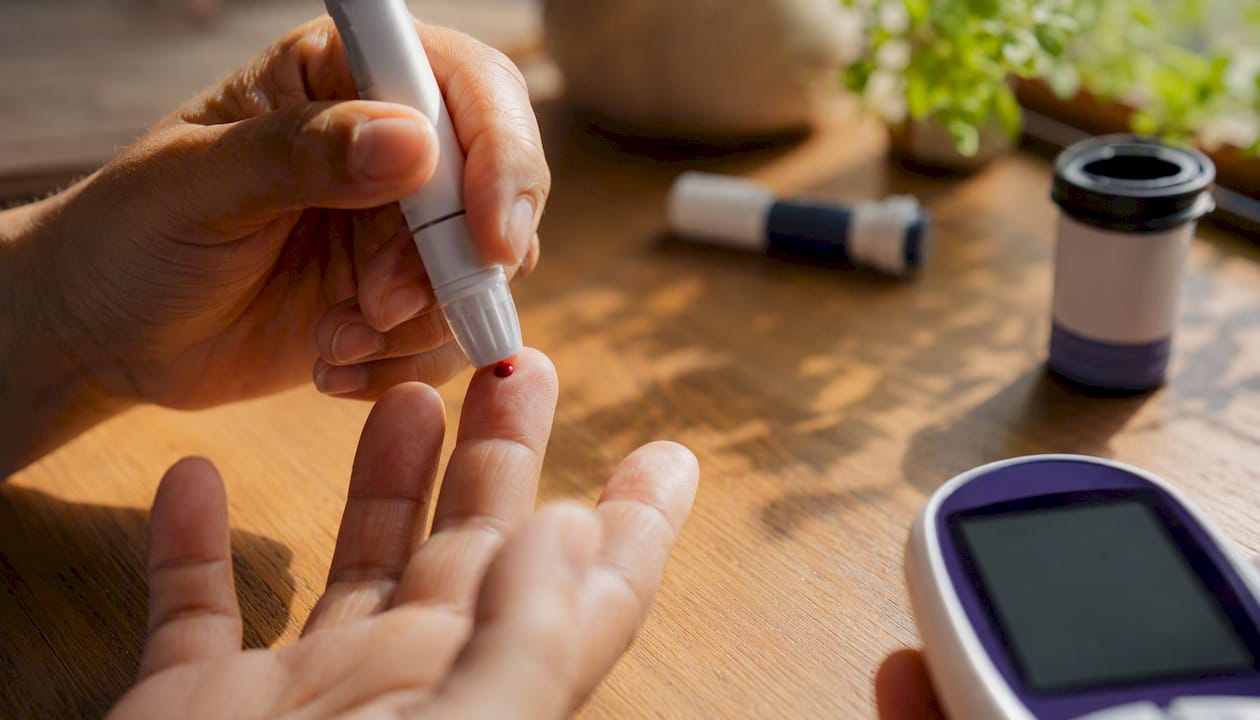

Pharmacists are defined as the primary gatekeepers of both diabetic medication management and physical supply chain integrity in modern diabetes care. The role of pharmacist diabetic supply chain responsibilities now extends well beyond dispensing. Pharmacists authenticate devices like Dexcom G6, Dexcom G7, Freestyle Libre, and Omnipod systems under the Drug Supply Chain Security Act (DSCSA), interpret continuous glucose monitoring (CGM) data, and tailor pharmacotherapy to individual comorbidities. Systematic reviews confirm that pharmacist-led interventions combining medication management, disease education, and lifestyle counseling produce significant improvements in diabetes outcomes. For healthcare professionals and diabetes educators, understanding this expanded scope is no longer optional.
How do pharmacists secure and manage the diabetic supply chain?
Pharmacists are the primary compliance officers for diabetes device supply chains. Under the DSCSA, they carry direct responsibility for authenticating and tracking CGM sensors, automated insulin delivery (AID) systems, and related devices from manufacturer to patient. This regulatory function protects patients from counterfeit or degraded products that could cause serious harm.
The supply chain for diabetes devices is more complex than for standard medications. CGM systems and AID devices require cold chain management, lot tracking, and expiration verification at each distribution point. A pharmacist who misses a break in the chain of custody can inadvertently dispense a device that delivers inaccurate glucose readings, with direct clinical consequences.

Inventory management adds another layer of difficulty. Demand for CGM supplies fluctuates with prescription changes, insurance coverage shifts, and device upgrades. Understanding why diabetic supply demand stays high helps pharmacists anticipate shortfalls and maintain adequate stock levels without creating costly surpluses.
Key supply chain responsibilities pharmacists hold in 2026:
- Verifying product serialization and lot numbers against DSCSA transaction records
- Flagging recalled or expired CGM sensors and AID consumables before dispensing
- Coordinating with distributors to resolve authentication failures
- Maintaining temperature logs for devices requiring refrigerated storage
- Documenting chain of custody for high-value automated insulin delivery systems
Pro Tip: Set up a weekly DSCSA compliance audit within your pharmacy management software. Catching authentication gaps early prevents dispensing errors and protects your license.
What is the pharmacist’s role in integrating CGM and AID technologies?
Pharmacists have become central coordinators of CGM data interpretation in clinical diabetes care. Rather than relying on automated alerts alone, pharmacists manually interpret CGM data trends against a patient’s lifestyle patterns, meal timing, and current medications to generate clinically meaningful signals. This active analysis is what separates effective pharmacist involvement from passive data collection.
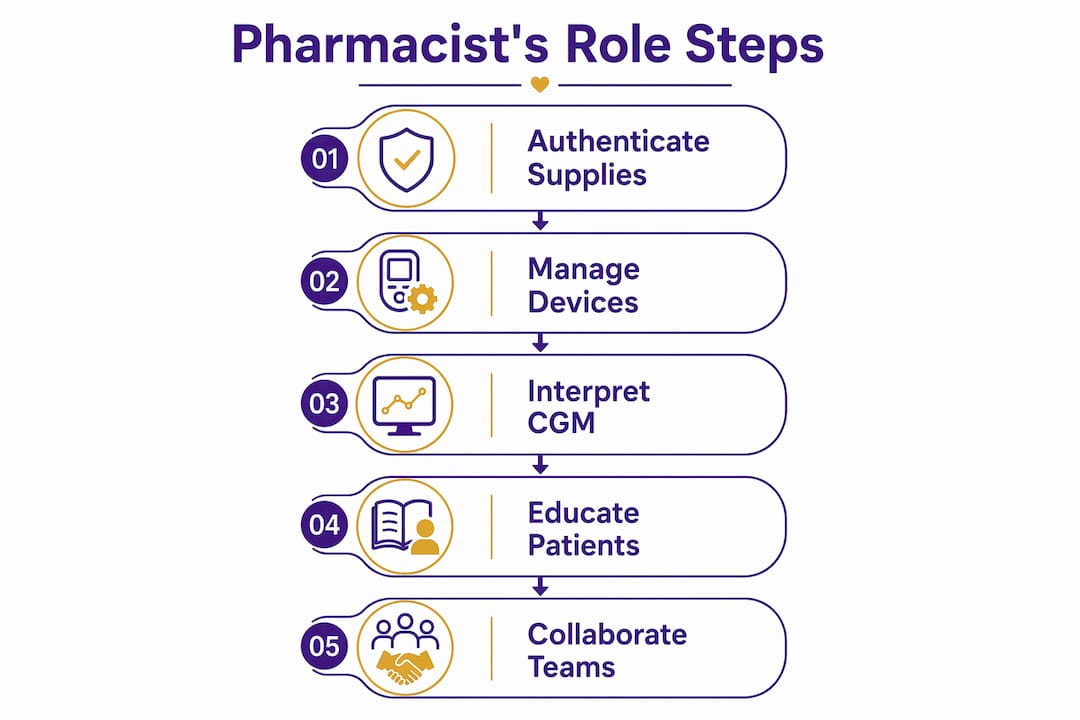
Digital health platforms and cloud-connected CGM apps now deliver real-time glucose data directly to pharmacy care teams. Pharmacists use this data to identify time-in-range deficits, nocturnal hypoglycemia patterns, and post-meal spikes that would be invisible in a standard quarterly HbA1c check. The clinical value of this visibility is substantial.
A structured protocol for translating CGM data into treatment adjustments typically follows these steps:
- Review the patient’s 14-day or 30-day CGM report for time-in-range, mean glucose, and coefficient of variation.
- Cross-reference glucose patterns with the patient’s medication list and recent lifestyle changes.
- Identify specific triggers such as missed basal doses or dietary shifts.
- Propose a medication adjustment or lifestyle modification to the prescribing physician.
- Schedule a follow-up CGM review within two to four weeks to assess the impact of the change.
Pharmacists running CGM programs also need formal training. A pilot study on pharmacist-led CGM programs found that effective programs required eight structured training sessions covering pathophysiology, device technology, and patient counseling techniques. That training investment pays off in measurably better patient outcomes.
Pro Tip: Use the ambulatory glucose profile (AGP) report as your standard CGM review format. It gives physicians and diabetes educators a consistent visual they can act on immediately.
How do pharmacists optimize diabetic medication management for individual patients?
Diabetes pharmacotherapy has shifted decisively away from a one-size-fits-all approach. Current clinical guidelines recommend selecting glucose-lowering agents based on a patient’s specific comorbidities, cardiovascular risk, kidney function, and weight management goals rather than HbA1c alone. Pharmacists are the clinicians best positioned to apply this framework at the point of dispensing.
The practical impact is significant. A patient with type 2 diabetes and established atherosclerotic cardiovascular disease needs a GLP-1 receptor agonist or SGLT2 inhibitor with proven cardiovascular benefit, not simply the lowest-cost metformin alternative. A patient with chronic kidney disease requires dose adjustments and agent selection that protects residual renal function. Pharmacists who help patients select appropriate medications based on these factors reduce treatment burden and target multiple risks simultaneously.
Shared decision-making is central to this process. Pharmacists present medication options with honest trade-offs, including injection frequency, cost, side effect profiles, and device requirements. This conversation produces better adherence than a prescription handed over without context.
| Patient factor | Preferred agent class | Clinical rationale |
|---|---|---|
| Established cardiovascular disease | GLP-1 receptor agonist or SGLT2 inhibitor | Proven reduction in major cardiovascular events |
| Chronic kidney disease (eGFR 25–60) | SGLT2 inhibitor | Slows kidney disease progression |
| Obesity or weight management goal | GLP-1 receptor agonist | Significant weight reduction alongside glycemic control |
| High hypoglycemia risk | DPP-4 inhibitor | Low intrinsic hypoglycemia risk |
| Cost-sensitive patient | Metformin plus sulfonylurea | Lowest acquisition cost with established efficacy |
Pharmacists also coordinate directly with primary care physicians and diabetes educators to align medication plans with lifestyle counseling goals. This coordination prevents conflicting advice and reduces the risk of therapeutic duplication.
Key medication management responsibilities for pharmacists:
- Conducting comprehensive medication reviews at each dispensing encounter
- Screening for drug interactions between diabetes agents and comorbidity medications
- Adjusting doses proactively based on CGM data and lab results
- Educating patients on injection technique for GLP-1 and insulin therapies
- Flagging adherence gaps and proposing simpler regimens where possible
What are the key collaboration workflows involving pharmacists in diabetes care?
Pharmacists function as the connective tissue within interprofessional diabetes care teams. They act as central nodes linking primary care physicians, endocrinologists, diabetes educators, and dietitians by translating clinical data into actionable medication decisions. Without this coordination role, care plans fragment and patients receive inconsistent guidance.
Effective collaboration depends on clear communication pathways. Pharmacists need defined escalation protocols for situations where CGM data reveals urgent hypoglycemia risk or a patient reports symptoms inconsistent with their current regimen. A pharmacist who identifies a dangerous pattern but lacks a direct channel to the prescribing physician loses the clinical opportunity entirely.
Patient education is another core workflow. Pharmacists support lifestyle counseling by reinforcing dietary guidance, explaining how physical activity affects glucose levels, and demonstrating correct device use. Interdisciplinary care is most effective when pharmacists combine medication expertise with this broader lifestyle counseling function.
Workforce constraints are a real barrier. Many community pharmacies operate with limited staffing, making it difficult to dedicate time to structured CGM reviews or extended patient consultations. Pharmacists and healthcare systems need to advocate for staffing models that reflect the clinical complexity of diabetes care in 2026.
What are the current challenges and future directions in diabetic supply chain management?
The evidence base for pharmacist-led diabetes interventions is strong but uneven. Large-scale randomized controlled trials on pharmacist-integrated diabetes care remain limited, and high methodological heterogeneity across existing studies makes it difficult to draw universal policy conclusions. This gap slows reimbursement reform and limits the formal recognition pharmacists need to expand their clinical scope.
Access to electronic health records (EHRs) is the single most important infrastructure gap. Pharmacists who lack access to health records cannot contextualize CGM data against a patient’s full medical history, which limits their ability to make proactive medication decisions. Solving this requires both policy change and health system investment.
“Integration challenges limit the scalability of pharmacist-driven digital health services, highlighting the need for infrastructure investment.” — Scaling Pharmacist Expertise in Diabetes Digital Health Workflows, MDPI Healthcare
Future directions include embedding pharmacists within accountable care organizations, expanding collaborative practice agreements that allow pharmacists to adjust medications without individual physician sign-off, and building interoperable data systems that connect CGM platforms directly to pharmacy management software. Understanding how to reduce diabetes supply waste is also becoming a formal pharmacist responsibility as supply costs rise and surplus management becomes a clinical and financial priority.
Key Takeaways
Pharmacists who integrate supply chain compliance, CGM data interpretation, and individualized pharmacotherapy deliver measurably better diabetes outcomes than those who focus on dispensing alone.
| Point | Details |
|---|---|
| DSCSA compliance is non-negotiable | Pharmacists must authenticate and track every CGM and AID device to protect patient safety. |
| CGM data requires active interpretation | Pharmacists manually analyze glucose trends against lifestyle and medication to generate clinical signals. |
| Medication selection must match comorbidities | Guidelines require choosing agents based on cardiovascular, kidney, and weight factors, not HbA1c alone. |
| Collaboration needs formal workflows | Defined escalation protocols and EHR access are required for pharmacists to function as effective care team members. |
| Evidence gaps limit policy progress | Limited large-scale trials slow reimbursement reform and restrict pharmacist scope expansion. |
The part of this role most professionals underestimate
Working closely with diabetes care teams over the years, I have seen one pattern repeat itself: pharmacists who master CGM data interpretation get recognized quickly, while those who focus only on supply chain compliance stay invisible. Both functions matter equally, and the supply chain side is where patient safety failures actually happen.
The DSCSA compliance work is unglamorous. Nobody writes case studies about a pharmacist who caught a serialization mismatch on an Omnipod shipment. But that catch prevents a patient from using a device with a compromised sensor, and that outcome is as clinically significant as any medication adjustment. I think the field underinvests in training pharmacists for supply chain vigilance precisely because it lacks the clinical drama of CGM data reviews.
The future belongs to pharmacists who can do both. They need the technical fluency to interpret an ambulatory glucose profile and the regulatory discipline to run a clean DSCSA audit. Healthcare systems that build staffing models and EHR access around this dual competency will see the outcomes data to justify the investment. Those that treat pharmacists as dispensing staff with a side interest in technology will keep getting the results they have always gotten.
— Liliana
Orlando Diabetic Supplies Buyback and the supply chain you manage
Healthcare professionals and diabetes educators deal with supply surplus constantly. Patients switch devices, upgrade to newer CGM systems, or receive overshipped supplies they cannot use. That surplus has real value.
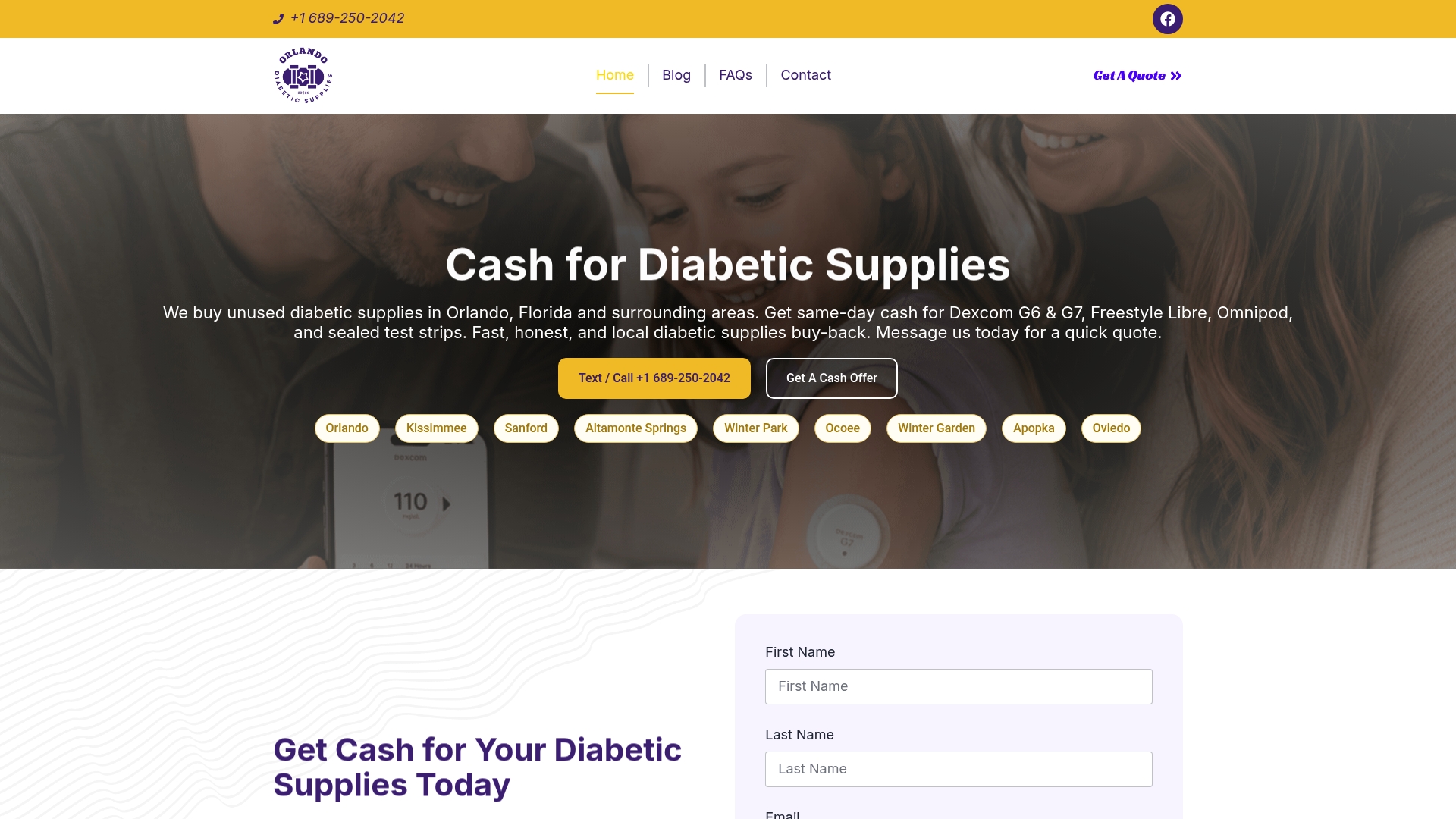
Orlando Diabetic Supplies Buyback buys unused diabetic supplies in Orlando, Florida and surrounding areas, including sealed Dexcom G6 and G7 sensors, Freestyle Libre, Omnipod, and test strips. The process is fast, local, and straightforward. If your patients or your practice has unused diabetic supplies sitting in storage, Orlando Diabetic Supplies Buyback offers same-day cash with no hassle. Helping patients recover value from surplus supplies is one more way pharmacists and diabetes educators can support the people they serve.
FAQ
What is the pharmacist’s role in the diabetic supply chain?
Pharmacists authenticate, track, and manage diabetes devices under DSCSA regulations while coordinating medication dispensing and patient education. Their role covers both physical supply integrity and clinical pharmacotherapy.
How do pharmacists use CGM data in diabetes care?
Pharmacists manually interpret CGM reports to identify glucose patterns, then recommend medication or lifestyle adjustments to the prescribing physician. Structured protocols and EHR access are required for this function to work effectively.
What medications do pharmacists prioritize for type 2 diabetes?
Current guidelines direct pharmacists to prioritize GLP-1 receptor agonists and SGLT2 inhibitors for patients with cardiovascular disease or chronic kidney disease, based on proven clinical benefits beyond glycemic control.
What are the biggest supply chain challenges in pharmacy for diabetes?
Authentication of complex devices, cold chain management, and inventory fluctuations driven by CGM upgrades are the primary supply chain challenges. DSCSA compliance audits help pharmacists catch failures before they reach patients.
Can pharmacists independently adjust diabetes medications?
In states with collaborative practice agreements, pharmacists can adjust medications without individual physician sign-off for each change. Without such agreements, pharmacists recommend adjustments through formal escalation to the prescribing physician.