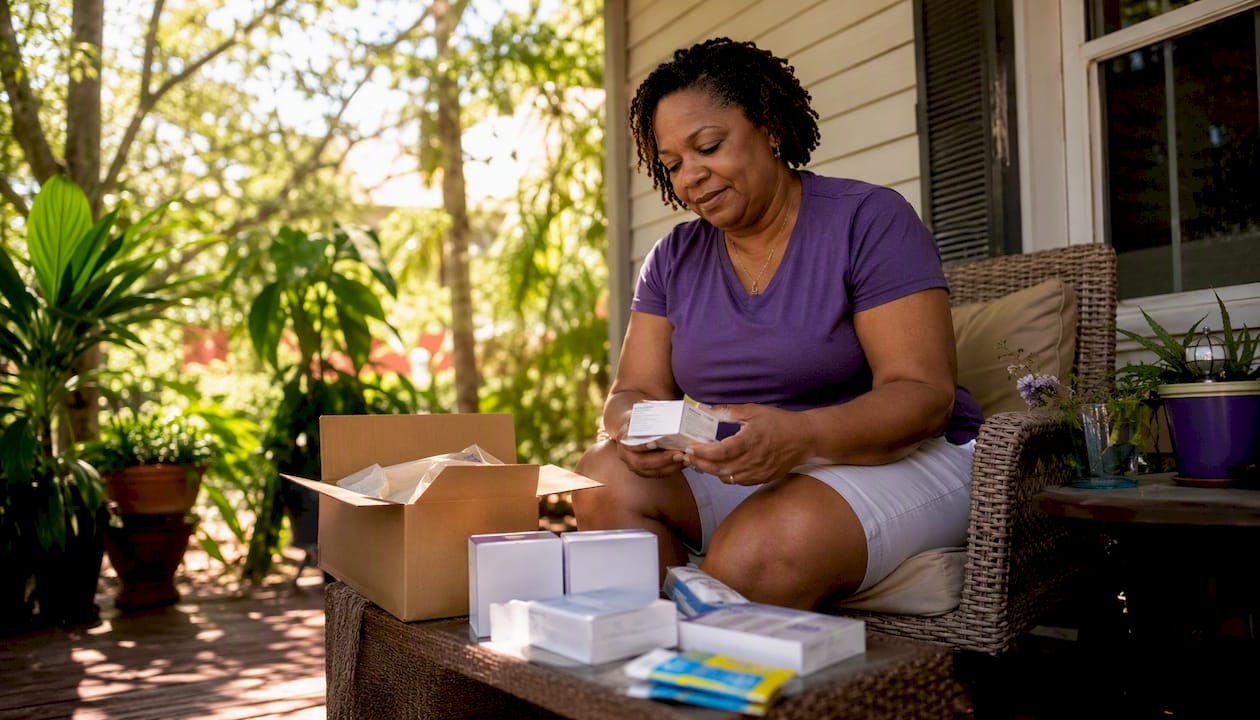

Many people assume test strips are becoming obsolete now that continuous glucose monitors exist. That assumption can cost you. The role of test strips in diabetes management remains significant, and for millions of people, they are still the primary tool for self-monitoring blood glucose (SMBG). Understanding when and why to use them, how to read results accurately, and how they compare to newer devices gives you a real edge in managing your health. This guide covers all of it, without oversimplifying or wasting your time.
Table of Contents
- Key takeaways
- The role of test strips in diabetes management
- Reading results and actually using them
- Test strips vs. CGMs: when each one wins
- How to handle test strips correctly
- My perspective on test strips in real-world care
- Turn unused supplies into cash
- FAQ
Key takeaways
| Point | Details |
|---|---|
| Test strips still matter | Despite CGM advances, test strips stay reliable and accessible for most people with diabetes. |
| Accuracy depends on technique | Expired strips, poor storage, or low blood sample volume produce unreliable readings that affect decisions. |
| Readings alone aren’t enough | Self-monitoring without action plans does not lower glucose. You need to interpret and apply what you see. |
| CGMs and strips work together | CGMs offer trends; test strips offer spot-check confirmation. Many people benefit from using both. |
| Handling matters more than most think | Proper storage, clean technique, and using sealed strips protect accuracy and your safety. |
The role of test strips in diabetes management
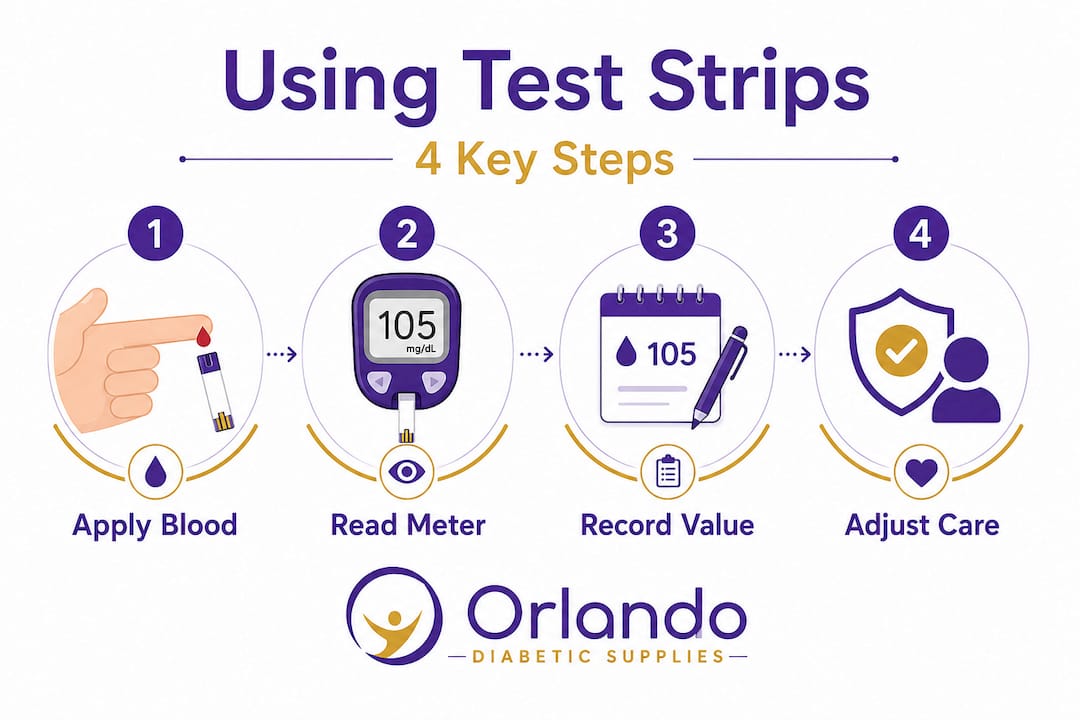
A blood glucose test strip is a small, enzyme-coated piece of plastic that reacts with a drop of your blood. When inserted into a glucometer, the reaction produces a small electrical current. The meter reads that current and converts it into a glucose number, usually displayed in mg/dL.
That process sounds simple. But the accuracy behind it is tightly regulated. The FDA requires that 95% of blood glucose readings from home-use meters fall within 15% of a lab reference value. That standard keeps your readings clinically meaningful, not just ballpark estimates.
Several factors can affect how well your strips meet that standard:
- Expiration date: Enzymes in the strip degrade over time. An expired strip can give you a reading that is completely off.
- Storage temperature: Heat and humidity break down the chemical coating. Keep strips at room temperature, away from direct sunlight or bathroom humidity.
- Container hygiene: Always close the vial immediately after removing a strip. Moisture exposure starts the clock on degradation even for “fresh” strips.
- Blood sample size: Too little blood on the strip often triggers an error code or, worse, a falsely low reading.
Pro Tip: Never test with cold hands. Warm your fingertip by rubbing it for 10 to 15 seconds. Cold skin restricts blood flow and makes it harder to get an adequate sample, which affects reading quality.
Each of these points matters because your decisions downstream from a reading, like adjusting insulin or food intake, depend on that number being trustworthy.
Reading results and actually using them
Getting a number is easy. Using it well is the skill that actually moves the needle in diabetes care. A single reading tells you where your glucose is right now. A pattern of readings tells you what’s driving it there.
Tracking how diet, exercise, and stress affect your glucose requires consistent testing at the right times. That means testing before and after meals, before exercise, and at bedtime. When you test before a meal and two hours after, you learn exactly how your body responds to specific foods. That information is something no single CGM trend graph can fully replace on its own.
Here is how to turn readings into decisions:
- Log, don’t just look. Write down or digitally record every reading with the time and context. A food label reading checklist paired with glucose data gives you a fuller picture of what’s driving spikes. Tools like KomaDose AI can help you connect food choices to blood sugar outcomes.
- Identify your personal patterns. If your readings are consistently high after breakfast, that’s a data point worth discussing with your doctor or dietitian.
- Act on the data, not just collect it. Research confirms that self-monitoring alone doesn’t lower glucose unless it’s tied to action. Seeing 220 mg/dL after lunch and doing nothing with that information is a missed opportunity.
- Review trends weekly. Most glucometers store 30 to 500 readings. Use that memory. Look for patterns across days, not just individual numbers.
- Bring data to appointments. Your care team can only help you if they see what your readings actually look like. A log of 90 days of readings is far more useful than a single A1C number.
Pro Tip: If you use an app that connects to your meter via Bluetooth or USB, review your weekly average and standard deviation, not just individual highs and lows. That spread tells you more about control than any single reading.
The clinical impact of test strips depends entirely on how well you apply what you see. Readings are feedback, not just data points.
Test strips vs. CGMs: when each one wins
Continuous glucose monitors have genuinely changed diabetes care. A CGM sensor sits under your skin and sends glucose readings to your phone or receiver every few minutes, often with arrows showing whether levels are rising or falling fast. That trend data is powerful, especially overnight or during exercise.
But here is where the comparison gets honest:
| Factor | Test strips | CGM |
|---|---|---|
| Cost | Lower upfront cost | Higher upfront and ongoing cost |
| Accessibility | Widely available | Requires prescription and insurance coverage |
| Real-time trends | Not available | Yes, with alerts and direction arrows |
| Accuracy confirmation | Direct blood reading | Requires calibration or periodic finger sticks |
| Battery or sensor issues | No sensor failure | Sensors can fail or fall off |
| Use in low-resource settings | Practical and proven | Often not feasible |
CGMs cost significantly more and are not accessible in every setting. In resource-limited environments, test strips and meters remain the only realistic option for most people. That’s not a technology gap you can just wish away. Millions of people manage their diabetes well using test strips alone, when they use them correctly.
Even people who wear a CGM often still use test strips to confirm readings before making major insulin decisions. A CGM showing 60 mg/dL at 2 a.m. deserves a finger stick confirmation before you treat aggressively for hypoglycemia. Strips and CGMs are complementary, not competitive.
How to handle test strips correctly
Most testing errors aren’t about the meter. They are about how strips are stored and how the test is performed. Getting this right protects both your readings and your health.
Storage and sourcing basics:
- Store strips in their original, sealed container at room temperature (59°F to 86°F is the standard range for most brands).
- Never use strips from an opened vial that’s been sitting unsealed for longer than the manufacturer recommends, typically three to six months.
- Avoid expired or secondhand strips entirely. They are a known cause of erroneous readings and the management mistakes that follow.
- Check that the strip code matches your meter’s code (on meters that require manual coding). A mismatch causes systematic errors in every reading.
Testing technique tips:
- Wash hands with soap and water and dry them fully before testing. This removes sugars from food or lotion that could contaminate the blood sample.
- Using alcohol swabs to clean your fingertip does not significantly affect reading accuracy when technique is proper. Just make sure the area is dry before lancing.
- Use the side of your fingertip, not the pad. The sides have fewer nerve endings and tend to bleed more easily.
- Apply the blood drop to the strip’s designated zone without smearing. Smearing can dilute the sample and alter the reading.
- Make sure you have a sufficient blood sample volume before the meter begins counting. Adding more blood after the meter starts often voids the reading.
If you want to learn more about managing diabetes supply costs, including strategies for getting the right strips without overspending, it’s worth exploring your insurance benefits and assistance programs available in your area.
My perspective on test strips in real-world care
I’ve spent years working with people navigating diabetes supplies, and one thing stands out clearly. The conversation around technology often skips right past the people who actually benefit most from test strips.
There’s a tendency in health media to treat CGMs as the finish line and test strips as a stepping stone on the way there. I disagree with that framing. What I’ve seen is that test strips, used consistently and correctly, give people something that matters more than any feature upgrade: a concrete, affordable, repeatable way to stay informed about their own body.
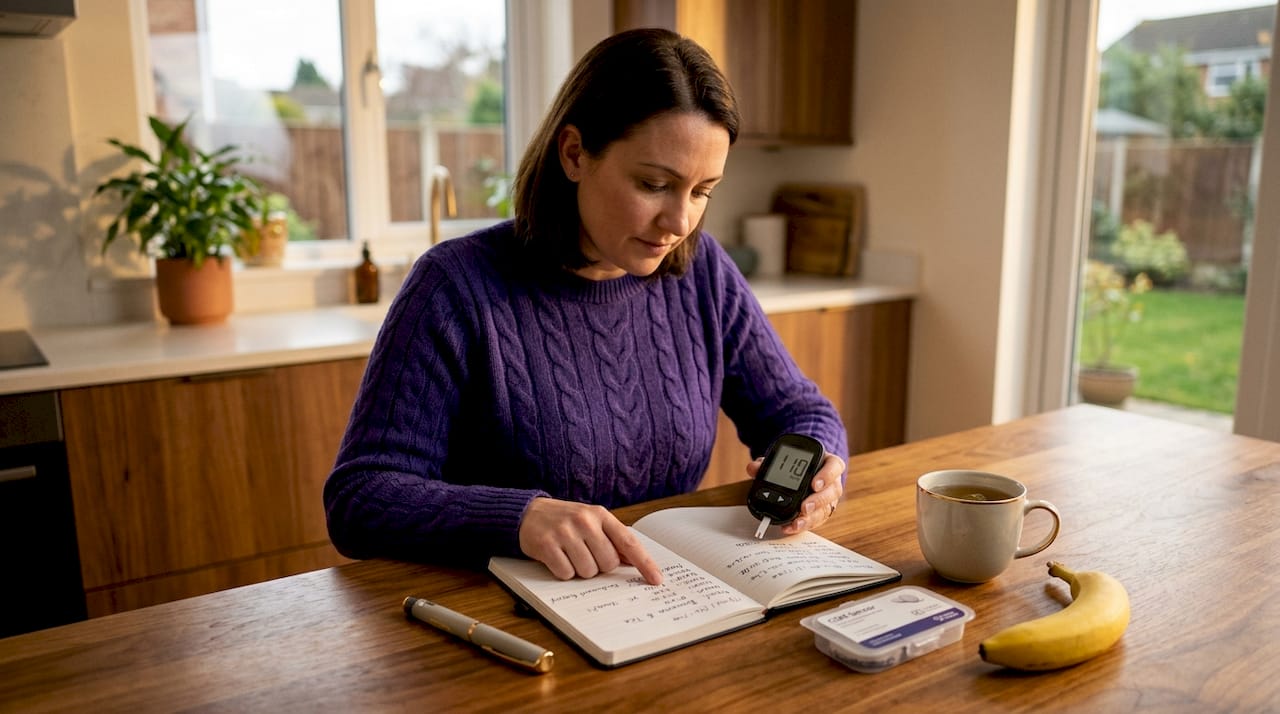
What I’ve learned from talking with real people managing diabetes is that the numbers mean nothing without context. The person who tests before every meal and writes it down in a notebook beats the person who wears a CGM and ignores every alert. Technology only helps when you engage with it.
My honest take is that if you are worried about whether test strips are “good enough,” you are asking the wrong question. The right question is whether you are using whatever tool you have to build a clear picture of your glucose patterns and acting on what you find. Test strips, used properly with an action plan, absolutely get you there.
— Liliana
Turn unused supplies into cash
If you have extra sealed test strips sitting in a drawer, you have options. Orlando Diabetic Supplies Buyback pays same-day cash for unused, sealed diabetic supplies throughout Orlando and surrounding areas. You can learn exactly how to sell your supplies and get fair pricing fast. Unused strips you’ll never open are better turned into cash than left to expire. Whether you switched brands, changed your monitoring method, or simply have extras, the process is straightforward and local. If you’re weighing your options, the guide on donation vs. selling can help you decide what makes the most sense for your situation.
FAQ
How do diabetes test strips work?
Test strips are coated with glucose-sensitive enzymes that react with a blood sample and create a small electrical signal. Your glucometer reads that signal and converts it into a blood glucose number in seconds.
Do test strips give accurate readings?
Yes, when used correctly. The FDA requires home glucose meters to read within 15% of lab reference values 95% of the time. Accuracy drops when strips are expired, stored improperly, or used with an insufficient blood sample.
Can I use secondhand or opened test strips?
No. Opened, expired, or secondhand test strips are known to produce incorrect glucose readings, which can lead to harmful treatment decisions. Always use sealed, in-date strips from a reliable source.
Do I still need test strips if I use a CGM?
Often, yes. Many care providers recommend using test strips to confirm CGM readings before making critical decisions, like a large insulin correction or treating suspected hypoglycemia.
How often should I test my blood sugar with strips?
Testing frequency depends on your diabetes type, medication, and care plan. People using insulin often test four or more times daily. Your doctor can recommend a schedule based on your specific goals and management plan.
Recommended
- Cash for Test Strips in Orlando: Sell Unused Diabetic Supplies for Same-Day Payment – Orlando Diabetic Supplies
- Best Place to Sell Test Strips Near Me – Orlando Diabetic Supplies
- Cash for Test Strips Near Me in Orlando: Get Paid Instantly – Orlando Diabetic Supplies
- Selling Sealed Test Strips Legally: Your 2026 Guide