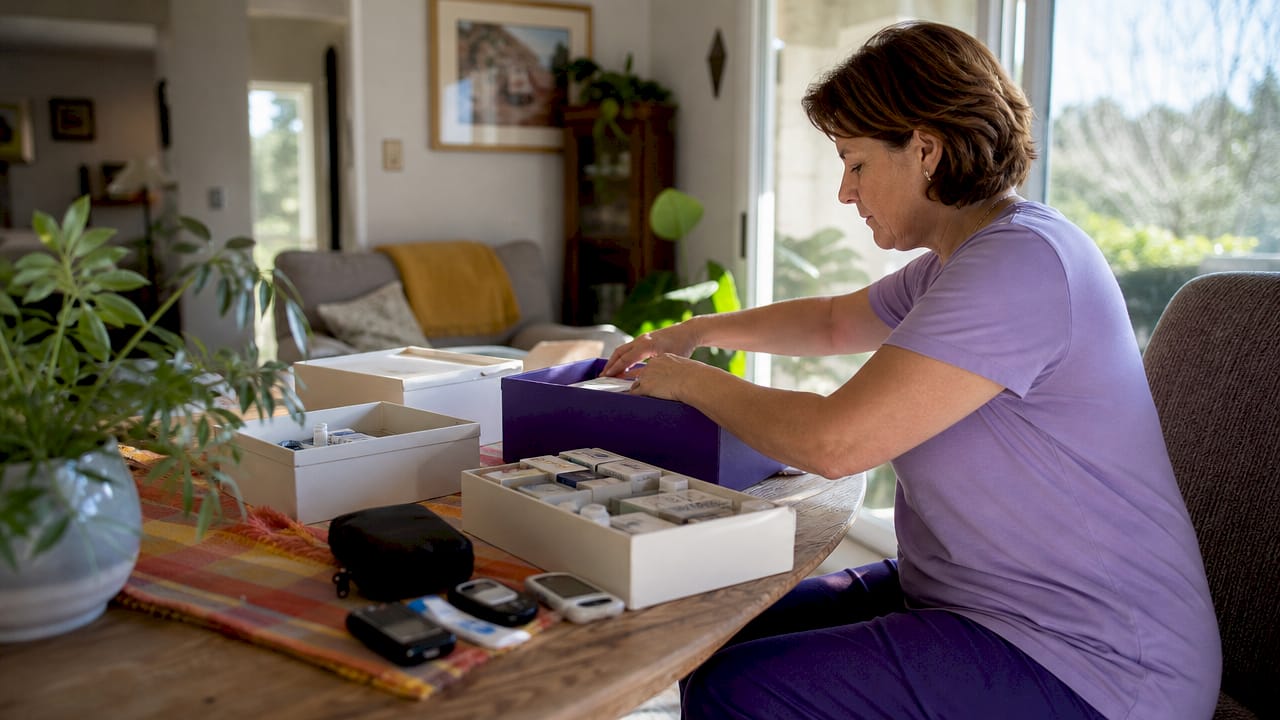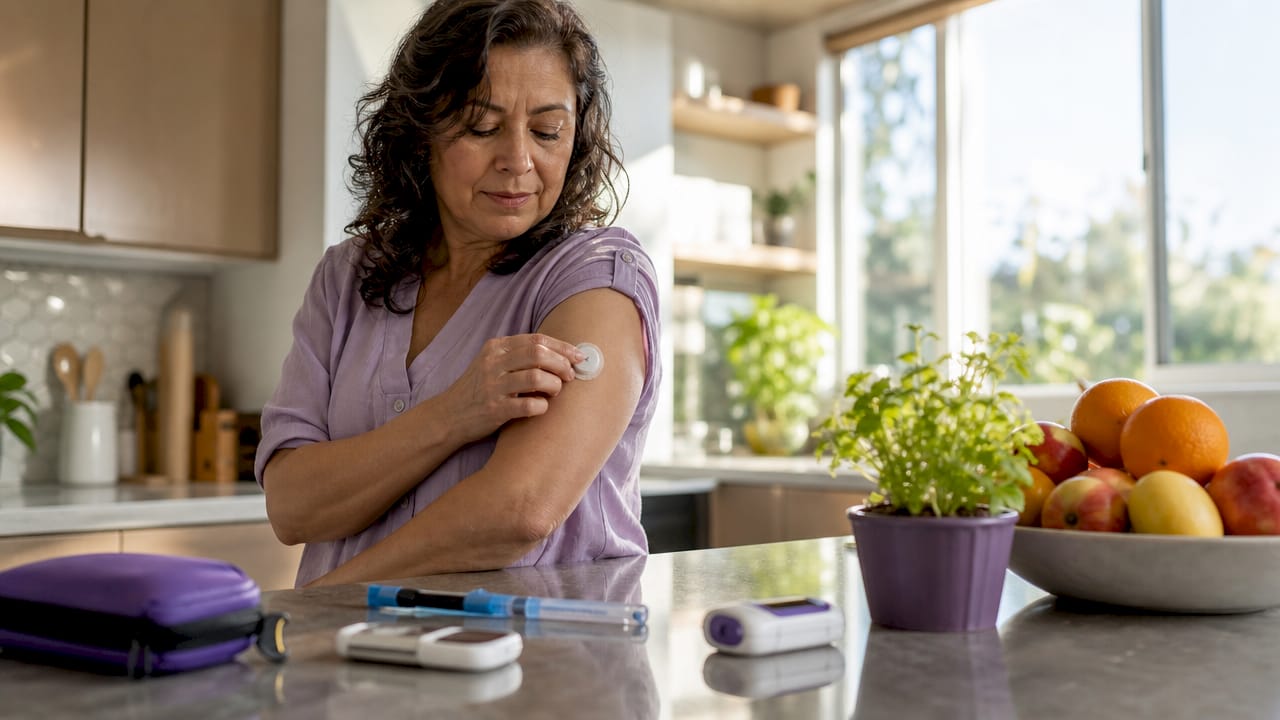
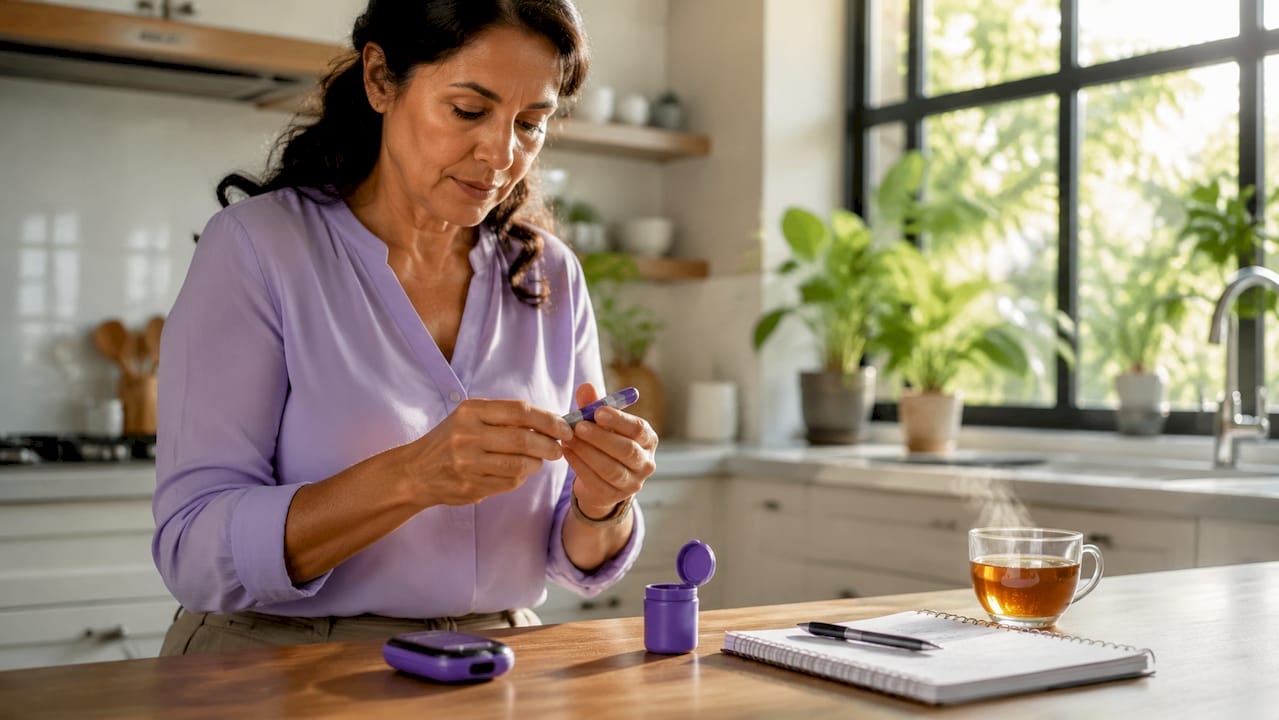
Test strip brand selection directly determines the accuracy, reliability, and safety of your blood glucose readings. This is not a minor purchasing detail. Brands like OneTouch, Accu-Chek, Contour, FreeStyle, and TRUE METRIX each use distinct chemistry, calibration, and contact point designs that are matched to specific meters. Understanding why test strip brands matter for buyers means understanding that the wrong strip in the wrong meter does not just waste money. It produces readings you cannot trust, and unreliable readings lead to dangerous decisions about insulin and food.
Why test strip brands matter for buyers: compatibility first
Compatibility is the single most important factor when choosing test strips. Meters and strips work as one integrated system, calibrated together at the manufacturing level. Swapping strips between brands or even between models within the same brand breaks that calibration.
The technical reason is straightforward. Meter-strip integration requires matching chemistry, contact points, and calibration assumptions that are unique to each model. OneTouch Verio strips only work with Verio meters. Accu-Chek Guide strips are not interchangeable with Accu-Chek Aviva strips, even though both carry the Accu-Chek name. The result of a mismatch is an error code, a wasted strip, or worse, a false reading that looks plausible.
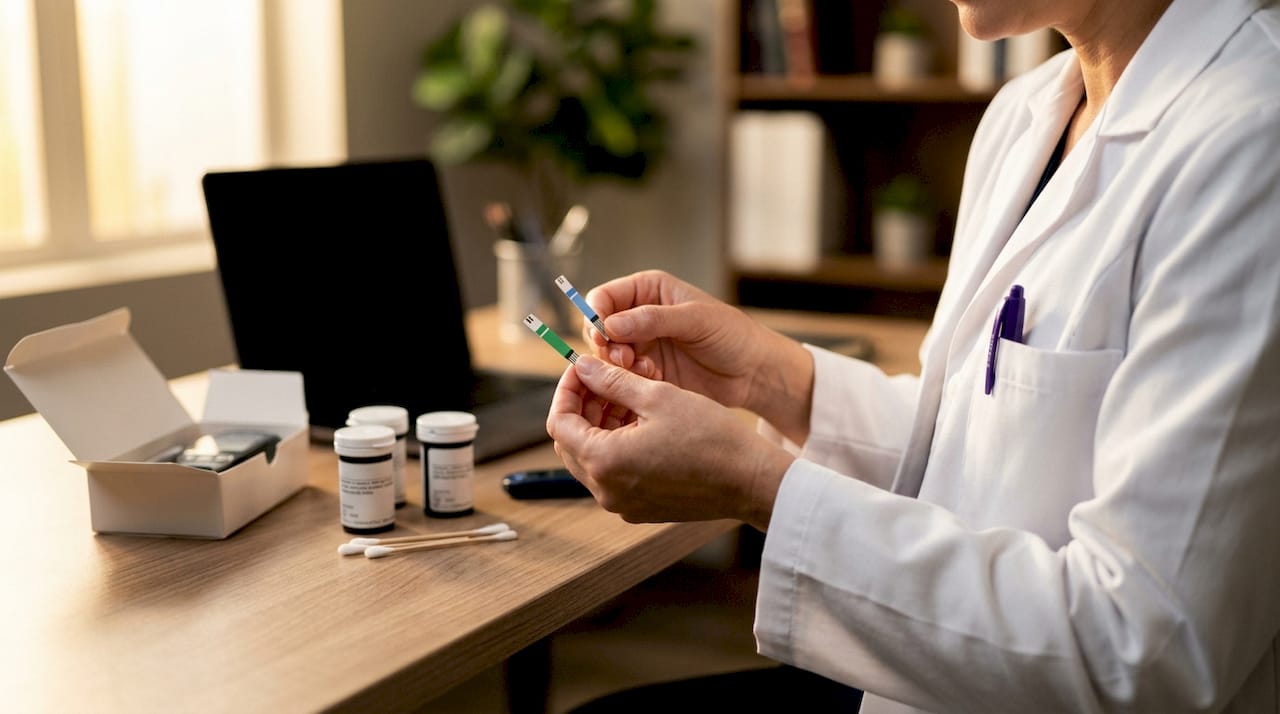
A common and costly misconception makes this worse. Buyers often assume all strips from the same brand work across models, which causes test errors that are hard to trace. You see a number on the screen and have no reason to doubt it. That false confidence is the real danger.
Bulk purchasing amplifies the risk. Buying incompatible strips in bulk creates large unusable inventory, a frequent and expensive mistake. If you switch meters mid-supply or receive the wrong model, you are left with strips you cannot use. Understanding why strips become unused after switching meters is one of the most practical lessons for any buyer managing diabetes long-term.
- Always confirm the exact meter model before ordering strips.
- Check the box for the specific strip name, not just the brand name.
- Never assume a strip works with your meter based on brand alone.
- If you receive strips through insurance in bulk, verify compatibility before accepting the shipment.
Pro Tip: Write your meter’s full model name on a sticky note and keep it in your supply bag. When ordering strips online or at the pharmacy, match the model name exactly before checking out.
Does brand quality actually affect your glucose readings?
Brand quality affects accuracy in ways that go far beyond the label on the box. The FDA and ISO 15197:2013 standard require clinical trials with at least 350 diverse participants before a strip can be approved for sale. That validation process filters out strips that perform inconsistently across different blood types, hematocrit levels, and glucose ranges.
Premium brands invest in features that reduce the chance of user error. Second-Chance Sampling and No Coding technologies in strips like Contour Next cut strip wastage and eliminate the manual coding step that older strips required. No Coding means the meter reads the strip’s calibration automatically. Second-Chance Sampling lets you add more blood to the strip within a short window if the first application was insufficient, saving the strip entirely.
“No cost-saving measure, including switching to cheaper incompatible brands, should compromise accuracy or safety.” — Expert warning on cost vs. accuracy
Inaccurate strips create a chain reaction of bad decisions. A reading that is 20% off in either direction can lead to an insulin dose that is too high or too low. Over time, those errors compound into poor glycemic control, which raises the risk of complications. Cheaper strips may not be the best value if they produce frequent retests, inaccurate data, or avoidable health events.
Control solutions are the practical tool for catching accuracy problems at home. Using control solutions periodically is the only reliable method to confirm your test system is working correctly. Run a control solution test after opening a new vial, after dropping your meter, or whenever a result seems inconsistent with how you feel.
Pro Tip: Keep a small bottle of control solution with your meter kit and test it at the start of every new box of strips. It takes 60 seconds and confirms your system is reading correctly before you rely on it for a dosing decision.
How do popular test strip brands compare?
The leading brands each offer a distinct combination of features, pricing, and compatibility. Here is a practical comparison to help you evaluate your options.
| Brand | Key Feature | Sample Size | No Coding | Avg. Cost per Strip |
|---|---|---|---|---|
| OneTouch Verio | Color-range indicator | 1 µL | Yes | Moderate |
| Accu-Chek Guide | Spill-resistant vial | 0.6 µL | Yes | Moderate to high |
| Contour Next | Second-Chance Sampling | 0.6 µL | Yes | Moderate |
| FreeStyle Precision Neo | Small sample size | 0.3 µL | Yes | Moderate |
| TRUE METRIX | No-coding, fast results | 0.5 µL | Yes | Lower |
Beyond the table, a few practical factors shape which brand works best for you.
- Dexterity: Accu-Chek Guide’s wide-mouth vial design makes it easier to handle if you have limited finger mobility.
- Insurance coverage: Your plan’s formulary may cover one brand at a lower copay than others. Check your insurance coverage for diabetic supplies before committing to a brand.
- Testing frequency: If you test multiple times daily, features like Second-Chance Sampling on Contour Next reduce waste and cost over time.
- Sample size: FreeStyle Precision Neo requires only 0.3 µL, which is helpful if you have difficulty producing enough blood from a fingerstick.
The differences between diabetic supply brands go well beyond marketing. Each brand’s design reflects real tradeoffs between cost, ease of use, and clinical performance.
What are the risks of buying test strips from secondary markets?
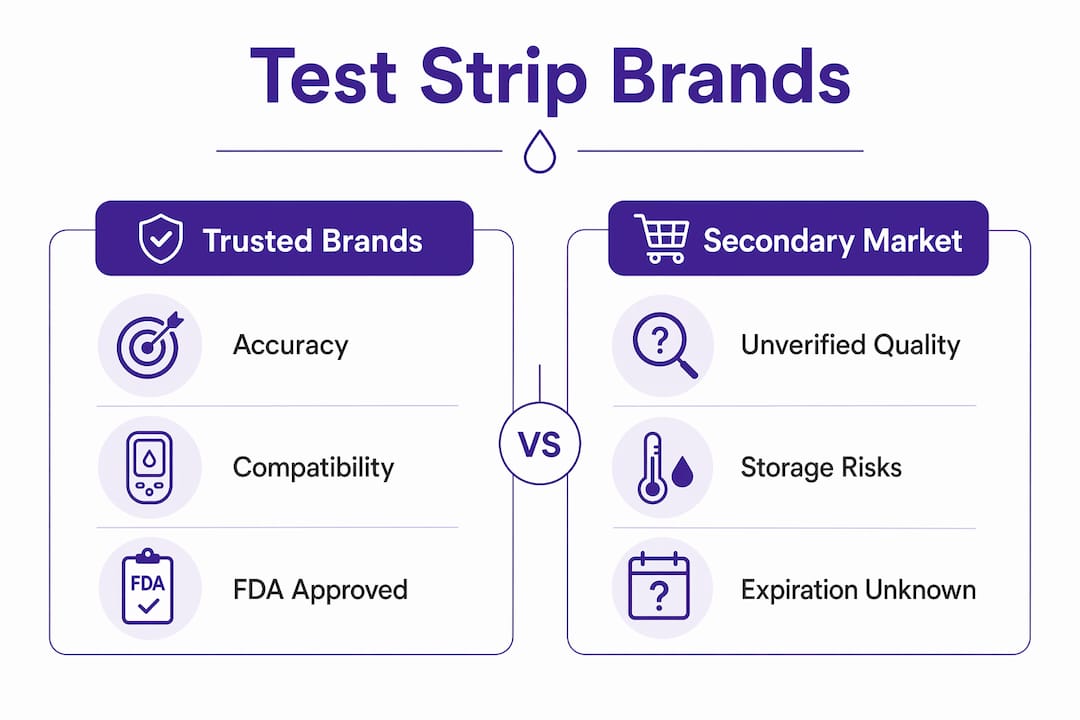
The secondary market for test strips has grown because test strip costs are genuinely high. Nearly 1 in 4 adults with diabetes ration test strips due to cost, a practice that directly compromises glycemic control. That financial pressure pushes buyers toward gray market sources, which carry serious risks.
The core problem with gray market strips is verification. You cannot confirm the storage history, expiration status, or authenticity of strips sold through unofficial channels. Counterfeit strips exist. Expired strips exist. Strips stored in hot cars or humid environments lose accuracy even if they are within their printed expiration date. None of that is visible on the packaging.
The secondary market carries risks of counterfeit or expired strips, making brand trust and supply chain integrity critical. A strip that looks identical to a genuine Contour Next or OneTouch Verio product may perform very differently if it was not stored or handled correctly.
Safer alternatives exist for buyers managing cost.
- Contact the manufacturer directly. OneTouch, Accu-Chek, and Contour all offer patient assistance programs.
- Check your insurance formulary. Covered brands at preferred tiers can significantly reduce out-of-pocket costs.
- Buy from authorized pharmacies or licensed online retailers only.
- If you have unused sealed strips from a meter switch, sell them through a legitimate local buyer rather than letting them expire.
Understanding the real value of unused diabetic supplies helps you make smarter decisions about what to keep, sell, or replace.
How to choose test strips wisely
Choosing the right test strips comes down to a clear order of priorities. Follow these steps to make a decision that protects both your health and your budget.
- Confirm meter compatibility first. Look up your meter’s exact model number and buy only the strips listed for that model. No other factor matters if the strips do not work with your meter.
- Check your insurance formulary. Call your insurer or check their online portal to see which brands are covered and at what tier. Switching to a covered brand can cut your cost significantly.
- Evaluate features against your needs. If you test frequently, No Coding and Second-Chance Sampling reduce waste. If dexterity is a concern, look at vial design. If sample size is an issue, prioritize strips that require less blood.
- Buy only from authorized sellers. Pharmacies, manufacturer websites, and licensed online retailers are safe sources. Avoid unverified resellers.
- Check expiration dates before buying in bulk. Bulk orders save money only if you can use the strips before they expire. Storing excess test strips incorrectly accelerates degradation and wastes your investment.
- Use control solutions regularly. Control solutions verify that your meter and strips provide reliable data, especially after opening a new vial or if results seem off.
Pro Tip: Ask your endocrinologist or diabetes educator which brand they recommend for your specific meter. They often know which brands perform most consistently for patients with your testing habits and health profile.
Key Takeaways
The brand of test strip you choose is a clinical decision, not just a shopping preference. Compatibility, accuracy, and cost all depend on selecting the right brand for your specific meter and health needs.
| Point | Details |
|---|---|
| Compatibility is non-negotiable | Only use strips designed for your exact meter model to avoid errors and wasted supplies. |
| Brand quality affects accuracy | FDA and ISO-validated brands reduce the risk of false readings that lead to dangerous dosing decisions. |
| Premium features reduce waste | No Coding and Second-Chance Sampling technologies lower strip waste and user error over time. |
| Secondary market carries real risk | Counterfeit and expired strips from gray market sources can produce inaccurate readings without any visible warning. |
| Cost and value are not the same | Cheaper strips that cause frequent retests or inaccurate data cost more in the long run than quality alternatives. |
What I’ve learned from watching buyers get this wrong
People consistently underestimate how specific meter-strip matching needs to be. I have seen buyers switch meters after a doctor’s recommendation, then continue ordering their old brand of strips because the name was familiar. They test, get an error code, assume the meter is broken, and either stop testing or buy a new meter. The strips were the problem the entire time.
The other pattern I see regularly is price-driven switching without any compatibility check. A buyer finds a deal on a lesser-known brand, orders a three-month supply, and discovers the strips throw error codes or produce readings that do not match how they feel. By then, they have spent money on strips they cannot use and potentially made dosing decisions based on bad data.
My honest view is that the test strip buying guide conversation needs to start with compatibility, not cost. Cost matters enormously, especially for people rationing supplies. But the sequence has to be: confirm compatibility, check insurance coverage, then evaluate price within the compatible options. Reversing that order creates problems that cost more to fix than the savings were worth.
The brands that have earned consistent trust, including Contour Next, OneTouch Verio, and Accu-Chek Guide, did so through clinical validation and real-world reliability. That reputation is worth something. When you are making dosing decisions based on a number on a screen, you want that number to be right.
— Liliana
Unused test strips? Orlando Diabetic Supplies Buyback can help
If you have switched meters, changed brands, or received more strips than you can use, those sealed boxes have real cash value.
Orlando Diabetic Supplies Buyback buys unused, sealed diabetic supplies from people in Orlando and surrounding areas. We pay same-day cash for test strips from brands like OneTouch, Accu-Chek, Contour, FreeStyle, and TRUE METRIX, as well as Dexcom G6 and G7 sensors, Freestyle Libre, and Omnipod supplies. The process is fast, local, and straightforward. You get fair pricing without the risks of selling through unverified online channels. If you have supplies sitting unused, find out how to get cash for unused diabetic supplies and turn them into money today.
FAQ
Do all test strips from the same brand work with any meter?
No. Strips are calibrated for specific meter models, not entire brand lines. OneTouch Verio strips, for example, only work with Verio meters, not other OneTouch models.
What happens if I use the wrong test strips in my meter?
You will typically get an error code or an inaccurate reading. Either outcome makes your glucose data unreliable and potentially dangerous for dosing decisions.
Are cheaper test strip brands less accurate?
Not always, but brands that have not completed full FDA and ISO 15197:2013 clinical validation carry a higher risk of inconsistent results. Validated brands from established manufacturers offer more reliable performance.
How do I know if my test strips are still accurate?
Run a control solution test after opening a new vial or whenever a result seems inconsistent with how you feel. Control solutions are the most practical way to verify your system at home.
Can I sell unused test strips if I switch meters?
Yes. Sealed, unexpired test strips have cash value. Orlando Diabetic Supplies Buyback purchases unused strips locally in the Orlando area, offering a safe and legitimate alternative to letting them expire.