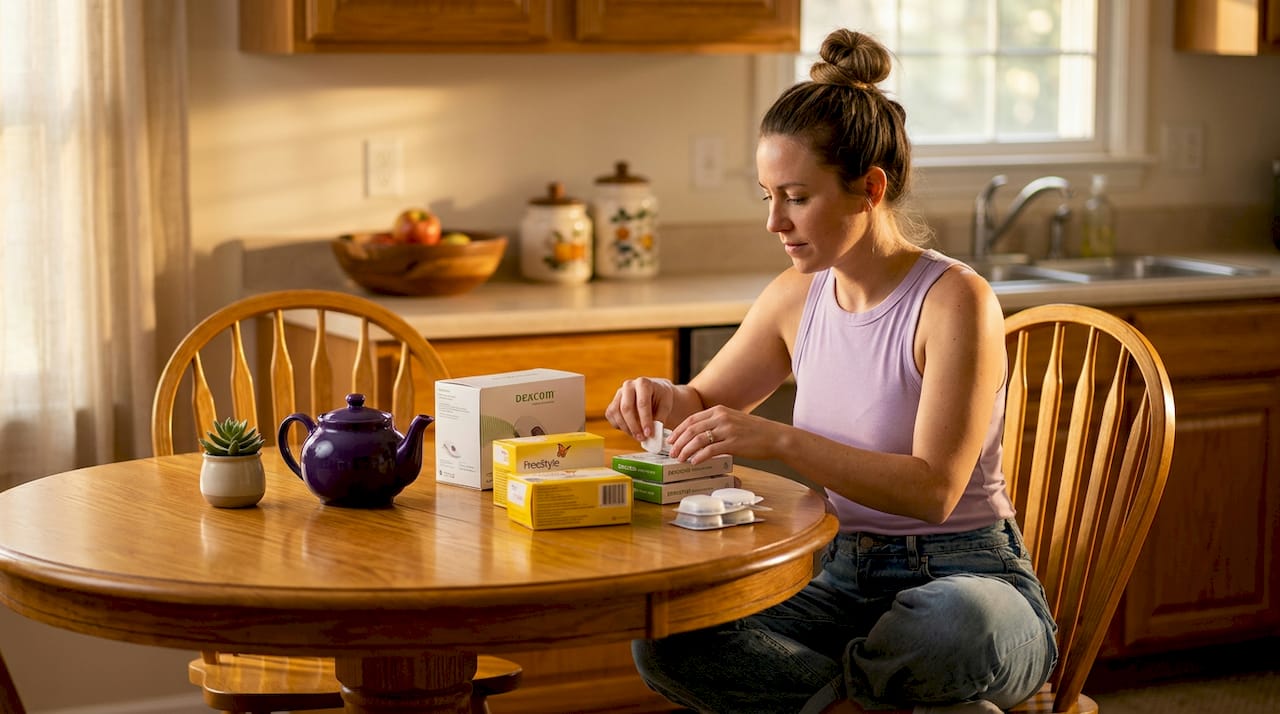
You have a box of unopened test strips, a Dexcom G7 sensor pack, or Omnipod pods sitting in a drawer. Your prescription changed, your insurance updated, or your doctor switched your protocol. Now you have supplies you cannot use and a real financial need. The concept of getting cash for unused diabetic supplies, which the industry calls diabetic supply resale or buyback, is legal, growing, and far simpler than most people realize. This article breaks down exactly how it works, what you can sell, and how to do it safely.
Table of Contents
- Key takeaways
- Unused diabetic supplies cash explained: what you need to know
- How to sell your supplies safely and legally
- Donation vs. selling: which option fits your situation
- Practical tips to get the most cash for your supplies
- My honest take on this market after years in it
- Turn your extra supplies into cash today
- FAQ
Key takeaways
| Point | Details |
|---|---|
| Selling is legal | Selling factory-sealed, unexpired diabetic supplies for cash is legal in the US under most state laws. |
| Safety comes first | Only sell supplies that are unopened, unexpired, and in original packaging to protect buyers and yourself. |
| Donation is an option too | Donating is a meaningful alternative, but selling gives you immediate financial relief when you need it. |
| Know your buyer | Verify any buyer’s credibility before shipping or handing over supplies to avoid scams and unsafe transactions. |
| Condition drives value | Storage quality, expiration dates, and original packaging directly determine how much cash you receive. |
Unused diabetic supplies cash explained: what you need to know
Many people with diabetes are surprised to learn that converting their excess supplies into cash is not only possible but common. The phrase “unused diabetic supplies cash explained” comes up constantly because the process genuinely confuses people. Is it legal? Who buys them? Is it safe? These are fair questions.
The broader term for this practice is diabetic supply resale or buyback. It refers to selling factory-sealed, unexpired diabetic products to a buyer who then resells them at reduced prices to uninsured or underinsured individuals. As supply benefits go unused, the volume of resellable product grows every year, and so does the market for buying it.
Which supplies can actually be sold
Not every item in your cabinet qualifies. Here is what buyers typically accept:
- Test strips: The most commonly resold item. Must be factory sealed, in the original manufacturer box, and not expired.
- CGM sensors: Devices like Dexcom G6, Dexcom G7, and Freestyle Libre sensors are in high demand when unopened and within expiration.
- Insulin pump supplies: Omnipod pods and compatible infusion sets are widely accepted.
- Insulin pens and syringes: Accepted when factory sealed and unexpired.
- Lancets and alcohol swabs: Lower cash value but still accepted by most buyers.
The safety issue you cannot ignore
This market has a real safety problem that deserves your attention. Dexcom discovered that scrap G7 devices were stolen and resold through unauthorized channels. These devices were designated as scrap precisely because they posed health risks, including potential skin infection and sensor failure. Unauthorized distributors like Pharmsource LLC were found selling stolen Dexcom sensors that were never fit for patient use.
This is why the condition and authenticity of what you are selling matters just as much as what you are selling. Reputable buyers check packaging integrity, lot numbers, and expiration dates precisely to keep unsafe product out of the system.
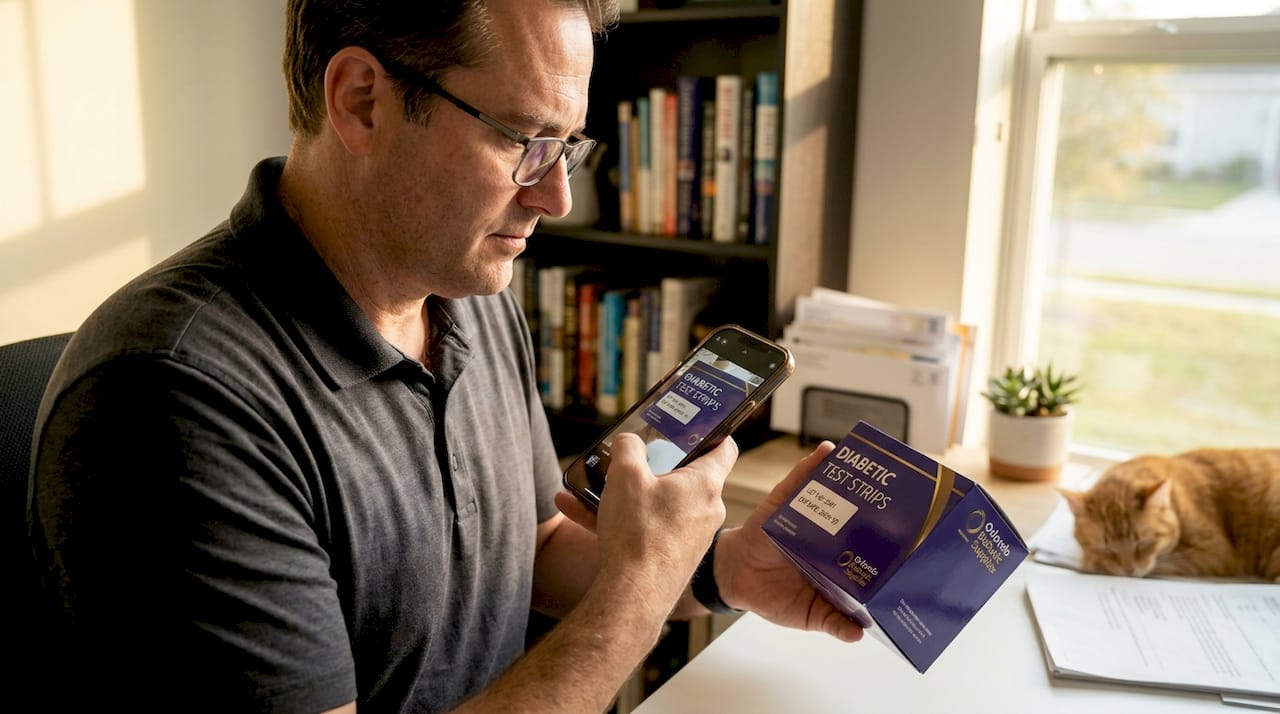
Pro Tip: Before agreeing to sell, photograph each box or package clearly, including the lot number and expiration date. This protects you if any dispute arises later.
How to sell your supplies safely and legally
Selling unused test strips and other diabetic supplies is legal in the US, but the market has murky corners. Following a clear process keeps you protected and maximizes what you receive.
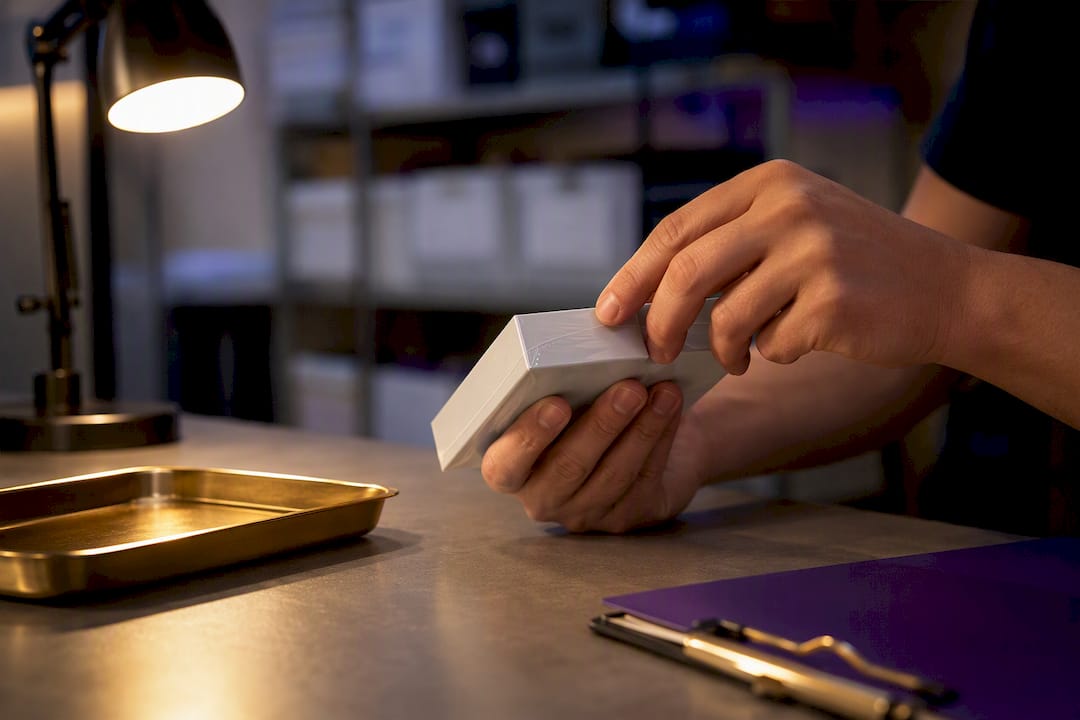
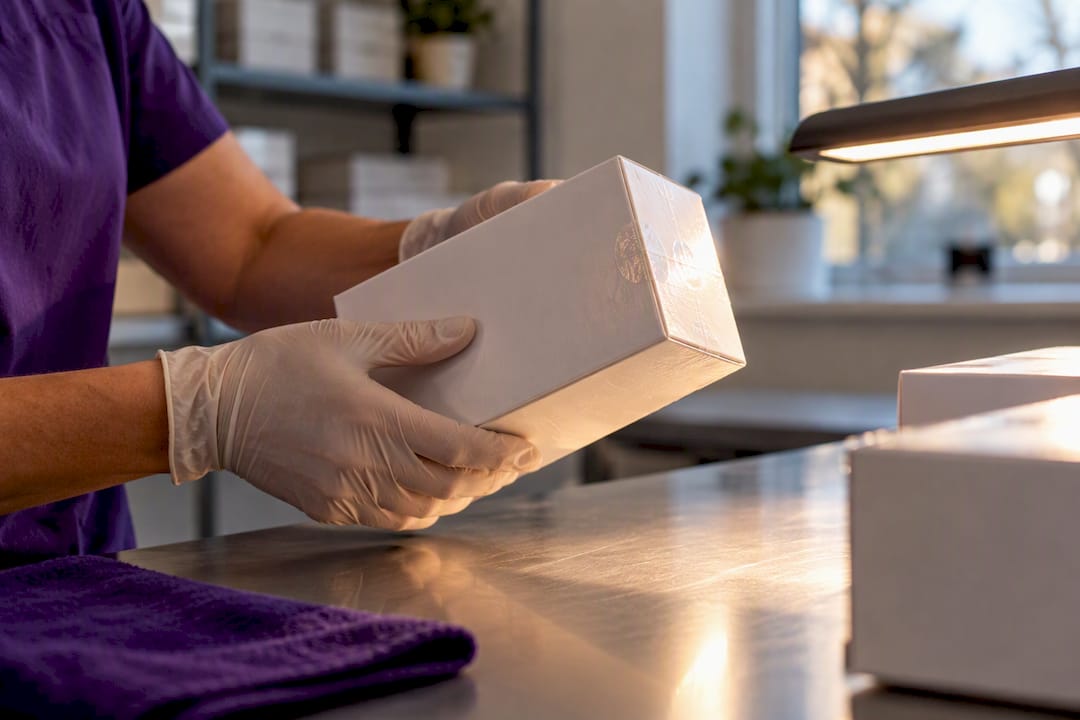
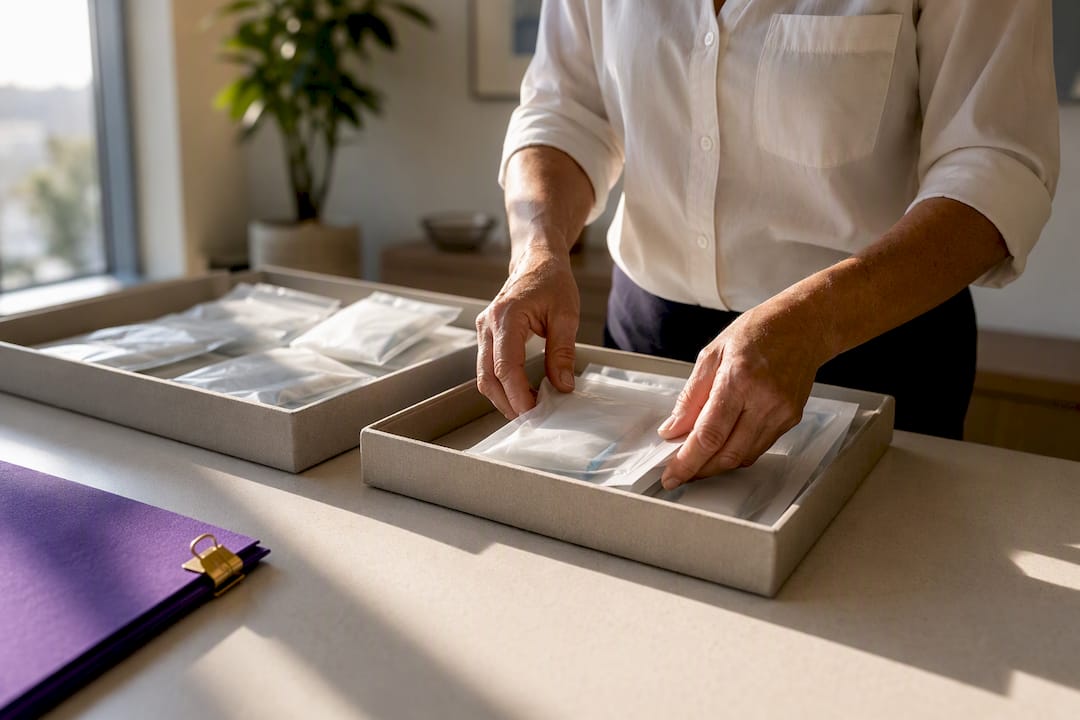
- Gather and inspect your supplies. Pull everything together. Check expiration dates, confirm packaging is factory sealed, and look for any damage to boxes or foil seals. Discard or set aside anything that has been opened or has expired.
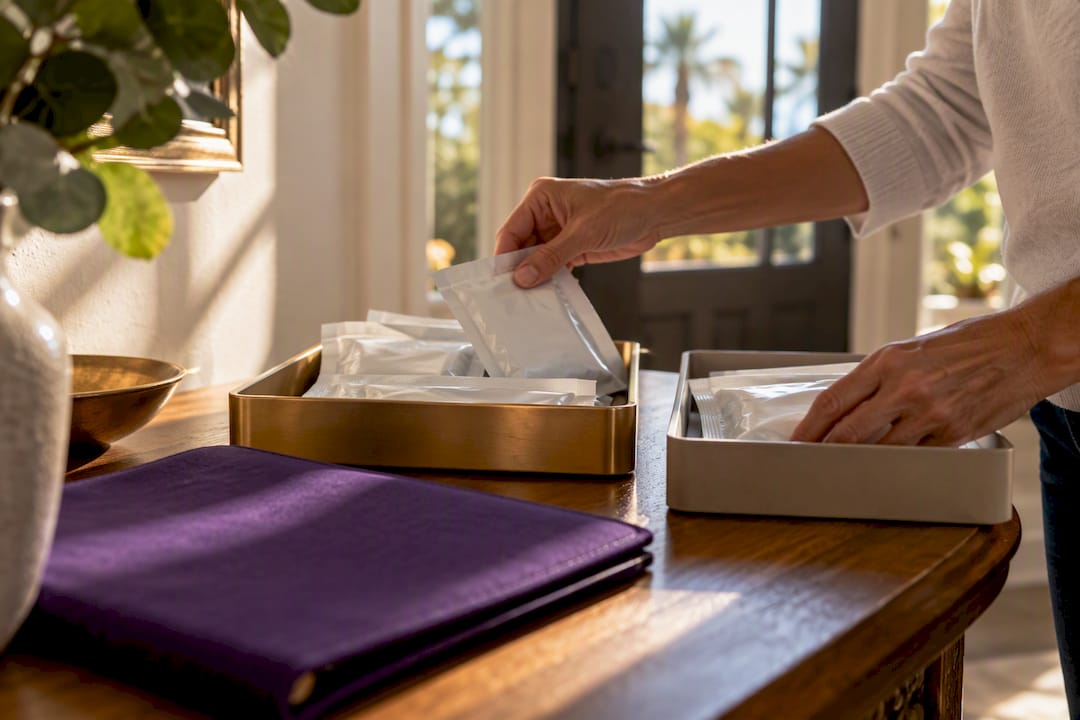
- Document what you have. Write down brand names, model numbers, quantities, and expiration dates. A simple photo of each item works well. Legal selling of supplies requires you to be able to verify authenticity, and documentation helps you do that.
- Research your buyer. Look for businesses with a physical address, verifiable reviews, and a clear buying process. Local buyback services are often easier to verify than anonymous online platforms. Check for their listed accepted brands, payment methods, and whether they require shipping or offer in-person transactions.
- Get a quote before committing. Any reputable buyer will provide a price estimate upfront based on brand, quantity, and expiration timeline. Walk away from any buyer who pressures you to ship first before giving a firm price.
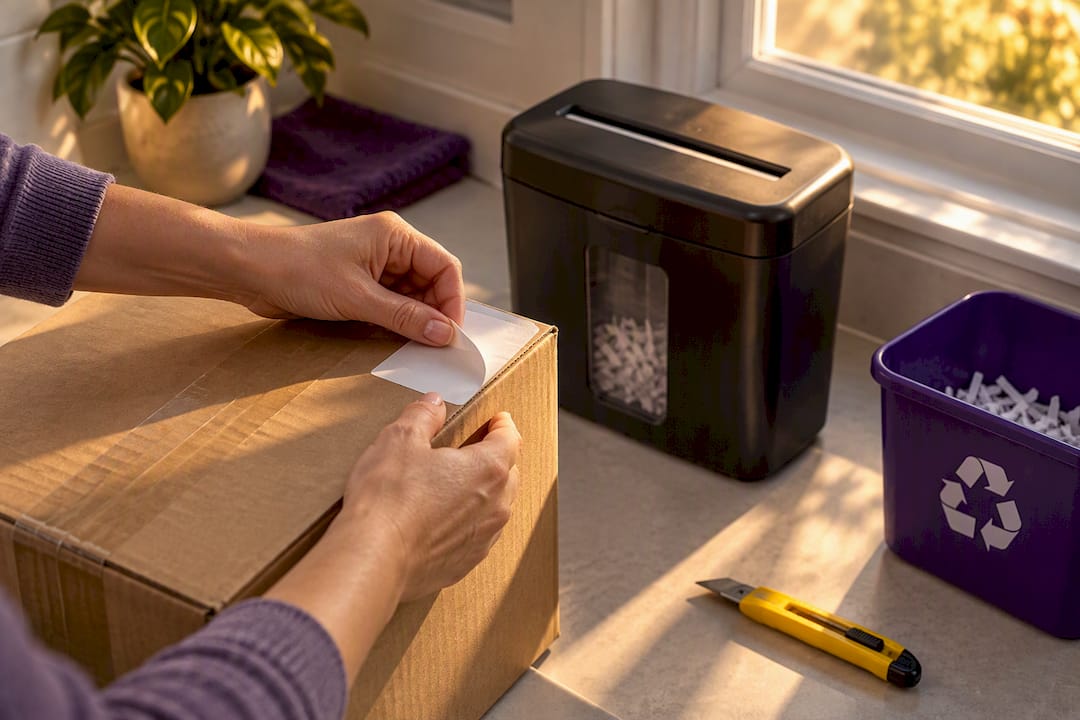
- Complete the transaction on your terms. Whether you meet locally or ship, use a method that provides tracking and confirmation. Keep a copy of your transaction record.
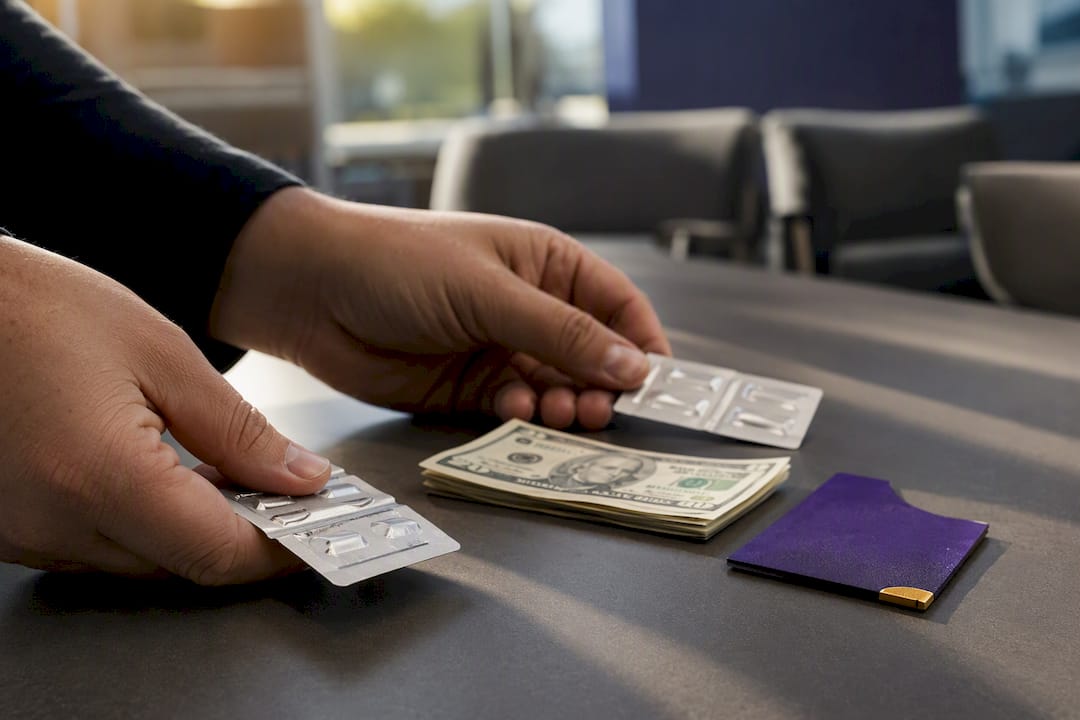
- Receive payment. Trusted buyers pay quickly. Some offer same-day payment for local transactions, while mail-in services typically pay within one to two business days of receiving your supplies.
Pro Tip: If a buyer offers significantly above-market rates or asks you to pay a fee before receiving payment, treat it as a red flag. Legitimate buyback services never charge sellers upfront fees.
Donation vs. selling: which option fits your situation
Both options have real merit. The right choice depends on your financial situation, the type of supplies you have, and what matters most to you.
| Factor | Donating | Selling |
|---|---|---|
| Financial return | None | Cash paid to you |
| Speed | Varies by organization | Often same day or next day |
| Eligibility requirements | Often less strict on condition | Requires sealed, unexpired product |
| Community impact | Direct help to those in need | Indirect: buyers resell at lower prices |
| Legal complexity | Generally simple | Legal with proper documentation |
| Emotional benefit | High sense of giving back | Financial relief plus helping others |
Donating makes sense when your supplies are close to expiration, or when the cash value is low and the donation impact feels more meaningful. Organizations that accept diabetic supply donation options typically accept test strips and meters, but the rules vary by organization and state.
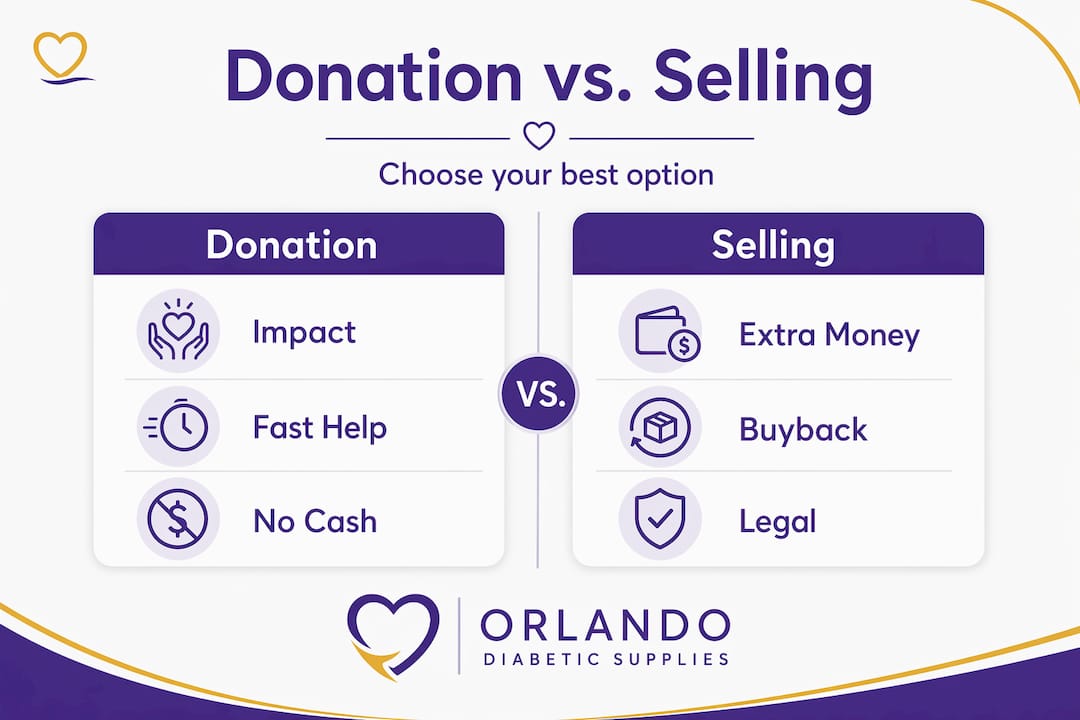
Selling makes more sense when you have a significant quantity of high-value supplies like Dexcom sensors or Omnipod pods, and when you are dealing with immediate financial pressure. The unused diabetes products cash value for premium CGM sensors can be meaningful, especially if insurance covered your supply costs fully.
One thing worth understanding: selling to a reputable buyer still helps uninsured people. Buyers resell at prices below retail, making supplies accessible to people who cannot afford full price. You receive financial relief. Someone else gets supplies they could not otherwise afford. It is a practical exchange with community benefit built in.
Practical tips to get the most cash for your supplies
Getting the best return on your unused diabetic supplies is largely about preparation and timing. Here is what actually makes a difference.
- Store supplies correctly until you sell. Heat, humidity, and light degrade test strips and sensors faster than most people realize. Keep supplies in a cool, dry location away from direct sunlight. Proper storage maintains the conditions that buyers require and preserves your payout.
- Sell sooner rather than later. Expiration dates directly affect cash value. Supplies with six months or more remaining typically receive full pricing. Supplies within one to three months of expiration often receive a reduced offer or may be declined. Do not wait.
- Group by brand and quantity. Buyers often pay more when you come with organized, consistent quantities of a single brand. Mixed lots of different brands with varying expiration dates can complicate pricing.
- Bring proof of purchase if you have it. While not always required, a receipt or insurance statement can confirm legitimacy and speed up the transaction, particularly for high-value items.
- Understand the environmental upside. Selling instead of discarding supplies is genuinely the better choice for the environment. Converting unused supplies to cash keeps usable product in circulation and out of landfills, which matters when you consider the volume of medical waste generated annually.
- Know your brands. Dexcom G7, Freestyle Libre 3, and Omnipod DASH pods consistently command higher prices than older or generic brands. If you have these, prioritize selling them before expiration.
Pro Tip: Call or message your buyer before showing up or shipping. Confirm they are currently accepting your specific brand and quantity. Accepted brands and pricing can shift based on current inventory levels.
My honest take on this market after years in it
When I first started working with people selling their unused diabetic supplies, I noticed a pattern. Most sellers came in nervous. They had heard horror stories about scams, or they felt embarrassed, like selling supplies was somehow wrong. Neither reaction is warranted, but I understand where both come from.
The stigma is misplaced. You did not ask for your prescription to change, or for your insurance to flood you with supplies you cannot use. Selling what you cannot use is responsible, not shameful.
What I have seen cause real problems is not the act of selling. It is selling to the wrong buyer. People who choose anonymous online platforms with no physical presence, no verifiable track record, and no clear payment terms often end up with delayed payment, low offers, or no payment at all. Local, in-person buyback services eliminate almost all of that risk. You see the buyer. You receive payment before you leave.
The other misconception I encounter regularly is that only test strips are worth selling. That is outdated thinking. CGM sensors are where the real value is in 2026. If you have unopened Dexcom G7 or Freestyle Libre boxes, those should be your priority.
My honest advice: do not let the supplies expire while you debate what to do. The value drops fast, and the environmental and financial cost of discarding them is real. Find a buyer you can verify, get your quote, and move forward with confidence.
— Liliana
Turn your extra supplies into cash today
If you are sitting on unopened Dexcom G7 sensors, Freestyle Libre packs, Omnipod pods, or sealed test strips, Orlando Diabetic Supplies Buyback makes the process straightforward. We serve Orlando, Florida and surrounding areas with same-day cash offers, honest pricing, and a no-pressure process you can trust.
No shipping required for local sellers. No hidden fees. Just fair, fast payment based on what you actually have. You can start the selling process right now by reviewing what we accept. If you want to understand how brand differences affect your payout, our brand differences guide explains what drives pricing in plain language. Reach out today and get a same-day quote.
FAQ
Is selling unused diabetic supplies legal in the US?
Yes. Selling unused diabetic supplies like test strips and CGM sensors is legal in the United States, provided the supplies are factory sealed, unexpired, and genuine. State-level rules can vary slightly, so working with a local buyer who knows your state’s requirements reduces any ambiguity.
What supplies are worth the most cash?
CGM sensors like Dexcom G7 and Freestyle Libre 3 typically fetch the highest prices, followed by Omnipod pods and sealed test strips. Supplies with the longest time remaining before expiration always command better offers.
How do I find a reputable buyer for my supplies?
Look for a buyer with a verifiable physical location, transparent pricing, and clear payment terms before you hand over anything. Local buyback services like Orlando Diabetic Supplies Buyback are easier to verify than anonymous online platforms, and they often offer same-day payment in person.
Can I donate instead of selling my diabetic supplies?
Yes. Diabetic supply donation options exist through several nonprofit organizations. Donation works well for supplies near expiration or when you prefer the charitable impact over cash. Selling is the better fit when you need immediate financial relief and your supplies are in prime condition.
Does the condition of packaging really affect my payout?
Absolutely. Buyers require factory-sealed, undamaged original packaging as a baseline condition. Sealed and unexpired supplies receive full pricing, while damaged boxes or short expiration windows reduce the offer significantly or disqualify the product entirely.