If you have sealed, unused diabetic supplies sitting in a drawer, the DME supplier relationship explained here is simple: you are the seller, and a local buy-back service is the buyer. You bring sealed, unexpired items, they inspect them in person, and you walk away with same-day cash. No shipping, no waiting weeks for a check.
Here is what to expect at a glance:
- What qualifies: Sealed Dexcom G6 and G7 sensors, FreeStyle Libre sensors, Omnipod pods, and major-brand test strip boxes in original, unopened packaging
- The process: Send photos, get a firm quote, meet locally, get paid on the spot
- Payment: Same-day cash, Venmo, or Cash App at the meetup
Reputable buyers confirm a written price from your photos before you leave home. That quote is what you get paid, as long as the items match what you sent.
Key Takeaways
Sealed, unexpired diabetic supplies from legitimate sources can be sold locally in Orlando for same-day cash through a transparent, in-person process that takes under an hour from first contact to payment.
| Point | Details |
|---|---|
| What qualifies | Sealed, unexpired Dexcom G6/G7, FreeStyle Libre, Omnipod, and major-brand test strips |
| How fast you get paid | Same-day cash or instant transfer at an in-person meetup, often within hours of first contact |
| Price drivers | Item type, brand, expiration runway, lot size, and packaging condition all affect your offer |
| Red flags to avoid | Walk away from any buyer who won’t give a written quote before you meet or asks you to ship first |
| Orlando Diabetic Supplies Buyback | Provides firm photo-based quotes, in-person inspection, and same-day payment for Orlando-area sellers |
Table of Contents
- How does the local buyback process work, step by step?
- Which diabetic supplies do local buyers actually accept?
- What determines how much cash you actually get?
- What are the legal and safety basics you should know first?
- How should you prepare and where should you meet?
- What red flags should make you walk away from a buyer?
- What happens to your supplies after the sale?
- Should you sell, donate, or keep your supplies?
- Why we explain this and how we operate locally
- Same-day cash for your sealed diabetic supplies in Orlando
- Sources
How does the local buyback process work, step by step?
Understanding the DME supplier relationship starts with knowing the exact sequence. According to local buyback workflows, buyers use your photos to issue a firm quote, often within about an hour during business hours, and that quoted price is paid at the meetup unless a hidden condition appears.
- Photograph your supplies. Shoot the box front (brand and item name), the side panel (lot number and count), and the expiration date clearly.
- Send the photos. Text them to the buyer or submit through their quote page. Include how many boxes you have.
- Receive a firm quote. A reputable buyer returns a written dollar amount, not a range.
- Accept or decline. No pressure. If the number works for you, confirm the meetup.
- Meet at a public location. A parking lot, coffee shop, or similar spot. Bring the boxes.
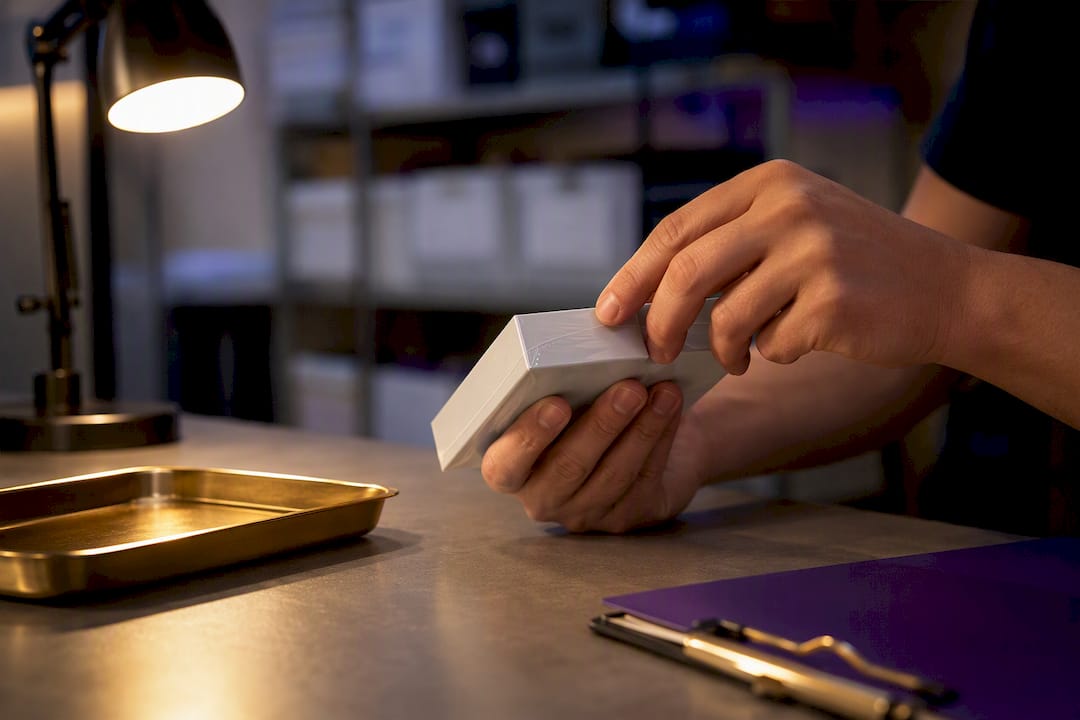
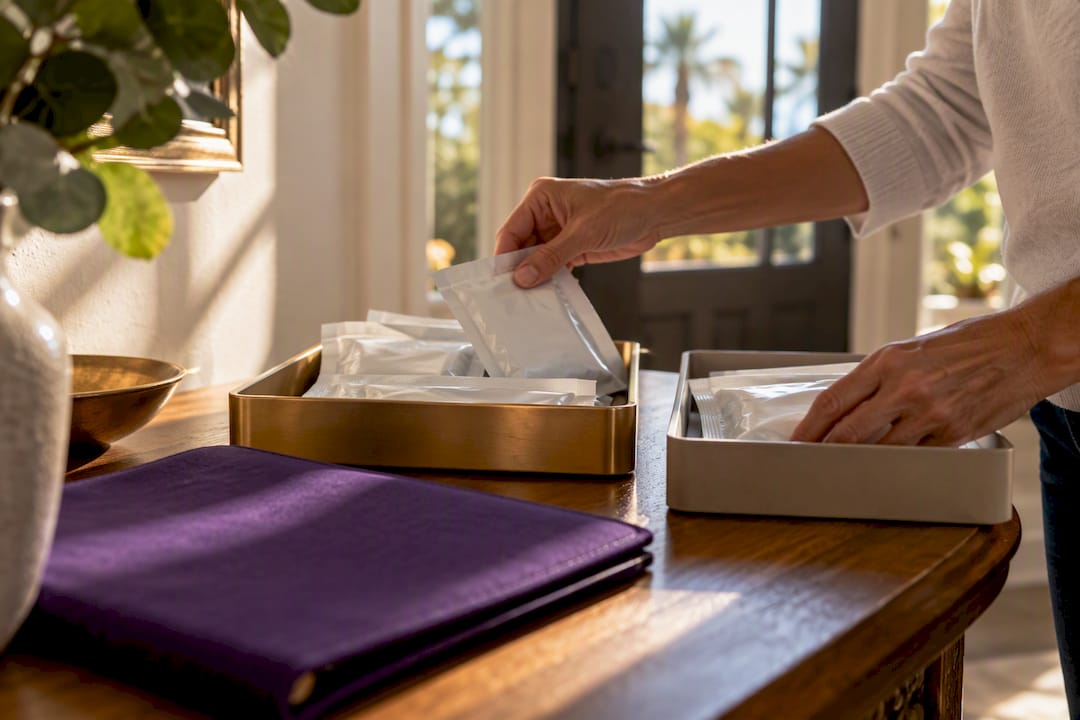
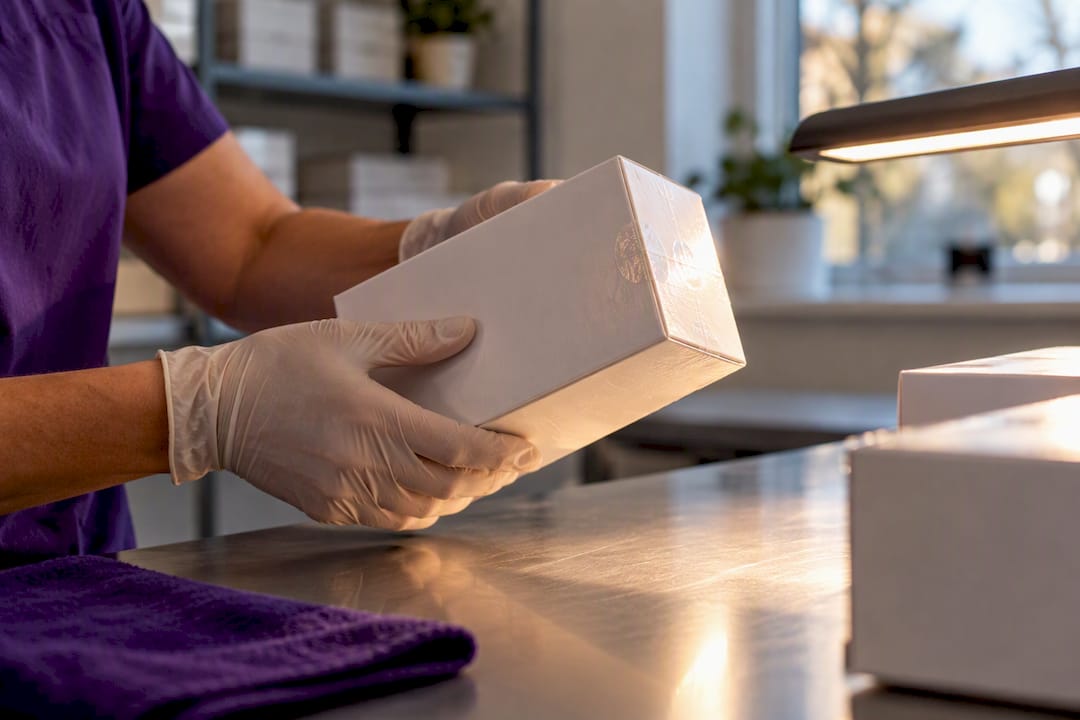
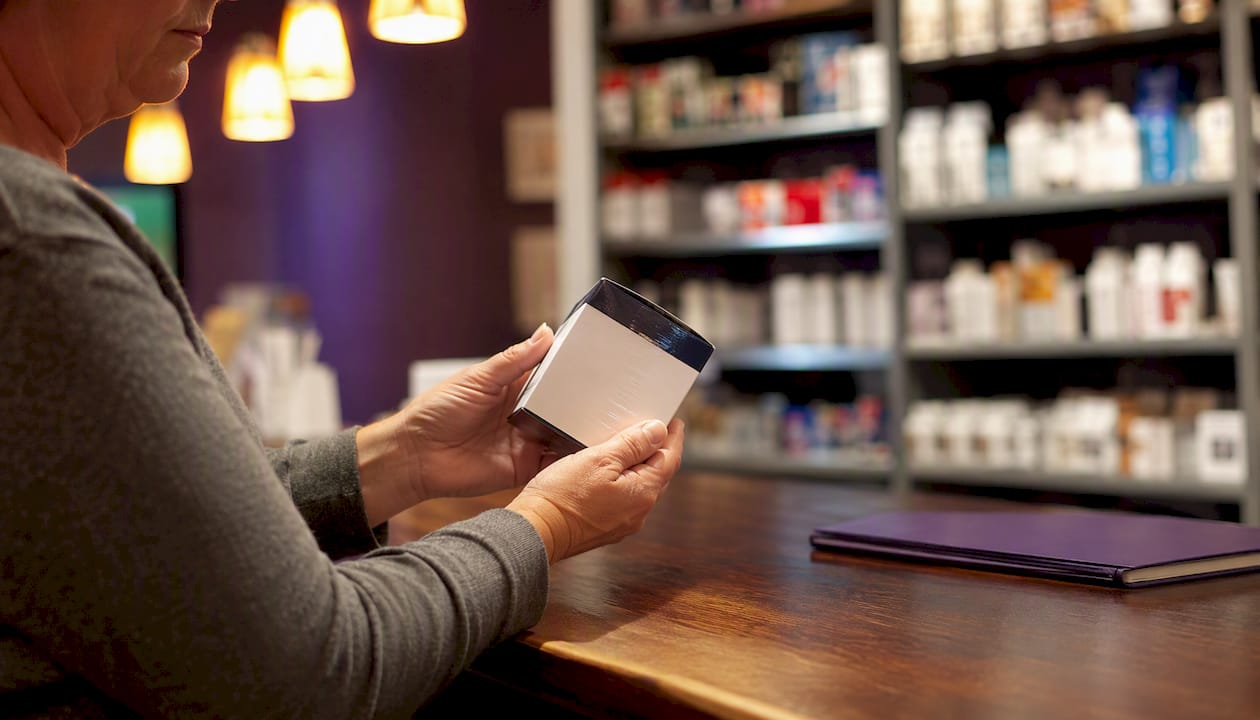
- Inspection takes a few minutes. The buyer checks seals, expiration, and packaging condition.
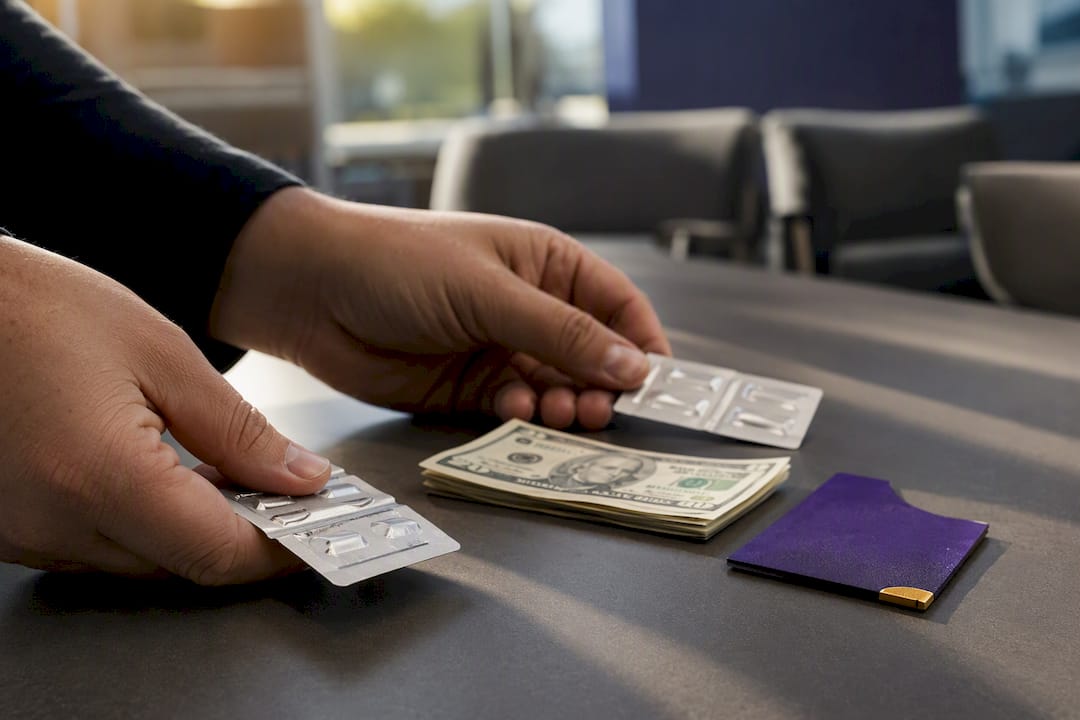
- Get paid immediately. Cash, Venmo, or Cash App on the spot.
Pro Tip: Send three photos per item: box front, lot/side panel, and expiration date. Clear photos prevent post-quote deductions because the buyer can see exactly what they are pricing.
For sellers outside central Orlando, local buyers sometimes batch pickups when a single seller’s stock justifies the route, which can shift timing slightly for surrounding towns.
Which diabetic supplies do local buyers actually accept?
Not everything qualifies. Knowing the difference saves you a wasted trip.
Accepted items:
- Sealed Dexcom G6 sensors (original box, unopened)
- Sealed Dexcom G7 sensors (original box, unopened)
- FreeStyle Libre 2 and 3 sensors (sealed, unexpired)
- Omnipod DASH and Omnipod 5 pods (sealed boxes)
- Major-brand test strips: OneTouch Ultra, Accu-Chek Guide, Contour Next, FreeStyle Lite, and similar name brands in sealed boxes
Automatic rejects:
- Any box with a broken or peeled seal
- Expired items (check the date before you reach out)
- Boxes with visible moisture, blood, or physical damage
- Generic store-brand strips not recognized by secondary buyers
- Single lancets or ketone strips unless the buyer specifically lists them
For Florida-specific qualification details, the diabetic supply payment guide for Florida covers what local buyers accept by item type.
| Item type | Condition required | Inspection notes |
|---|---|---|
| CGM sensors (Dexcom, Libre) | Sealed, unexpired | Box integrity checked on the spot |
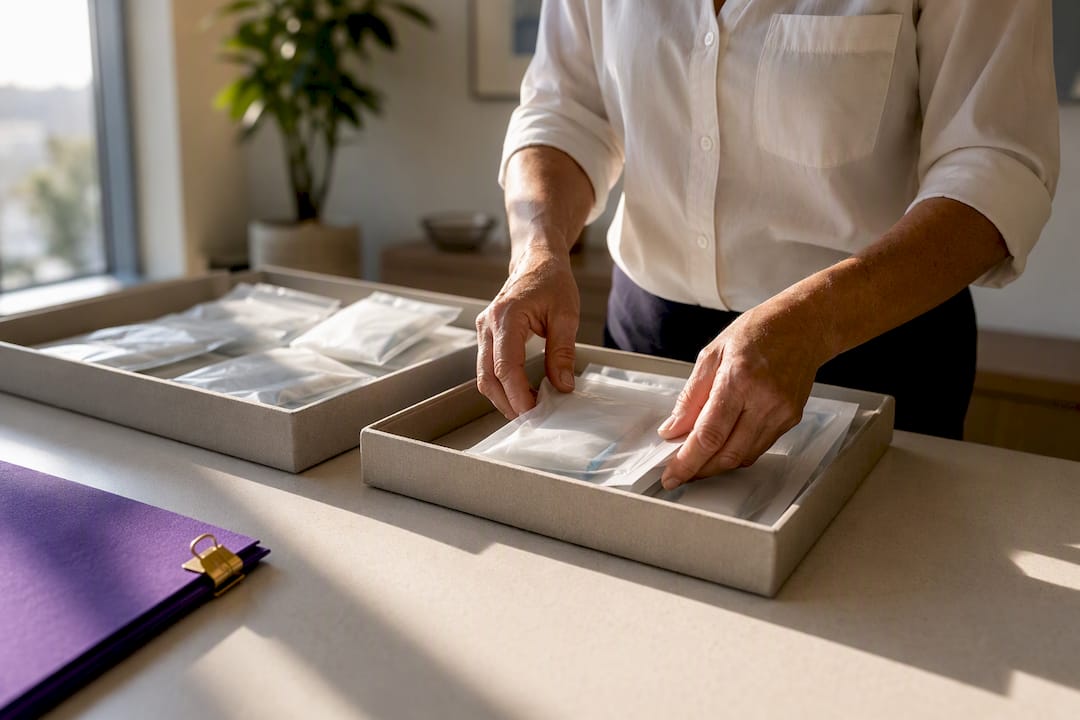
| Omnipod pods | Sealed, unexpired | Pod tray seal verified |
| Test strips (major brands) | Sealed, unexpired | Brand and count confirmed |
| Lancets / ketone strips | Buyer-dependent | Confirm acceptance before meetup |
What determines how much cash you actually get?
Price varies by item, and knowing the factors helps you judge whether an offer is fair. A written, itemized quote from photos protects you; reputable buyers pay that amount at the meetup, with changes only for problems not visible in the original photos.
| Valuation factor | Typical effect on price |
|---|---|
| Item type | CGM sensors and pods generally pay more than test strips |
| Brand | Name brands (Dexcom, FreeStyle, Omnipod) command higher offers |
| Expiration runway | Longer time until expiry = stronger offer |
| Lot size / quantity | Larger quantities often improve per-unit value |
| Packaging condition | Crushed or water-damaged boxes reduce the offer |
| Market demand | High-demand items like Dexcom G7 hold value well |
Before you accept any offer, verify:
- The quote is itemized per box or per item type
- The total math adds up
- Payment method is confirmed in writing
Test strip brand differences also affect resale value, so a box of Contour Next typically fetches more than a generic equivalent.
What are the legal and safety basics you should know first?
Selling sealed, unused, unexpired diabetic supplies is generally permitted when you legitimately obtained them. If you have any doubt about a specific item, check local rules or choose a donation channel instead.
Safety do’s and don’ts:
- Do keep boxes sealed and intact until the buyer inspects them
- Do remove or cover your name and pharmacy info from packaging photos before sending
- Do keep a receipt or written record of the transaction
- Do not peel labels yourself; reputable buyers handle label removal during intake to protect privacy
- Do not sell opened, contaminated, or prescription-only items
- Do not sell anything with visible blood or moisture on the packaging
Pro Tip: Keep a simple note with the buyer’s contact info, the quoted amount, and the date of sale. If a question ever comes up, you have a record. Avoid any buyer who asks for your insurance ID, Social Security number, or other personal data beyond what is needed to complete the transaction.
Healthcare insurance cycles often create surplus supplies without sellers realizing it. The page on diabetic device insurance approval explains how coverage changes lead to leftover items.
How should you prepare and where should you meet?
Arriving prepared makes the whole transaction faster and safer.
Seller checklist:
- Bring all boxes in their original packaging
- Bring any photos you already sent (screenshot on your phone is fine)
- Bring a photo ID if the buyer requests one
- Have your preferred payment app open (Cash App, Venmo) or be ready to accept cash
Meetup safety tips:
- Choose a busy public location: a grocery store parking lot, a pharmacy, or a coffee shop
- Bring a friend or family member if you feel more comfortable
- Confirm the buyer’s written quote before you leave home
- Check that the buyer has a clear local service area listed (Orlando and surrounding areas)
Questions to confirm before you leave:
- Is the quoted price firm for the items I described?
- What payment methods do you accept?
- Where exactly are we meeting, and what time?
- Will you provide a receipt or transaction record?
What red flags should make you walk away from a buyer?
Most local transactions go smoothly, but a few warning signs are worth knowing. Local in-person buyers trade off scale for speed and same-day payment, which means the best ones have clear, transparent processes. Walk away if you see any of these:
- The buyer asks you to ship items before giving a written price
- Contact information is unverifiable (no local address, no consistent phone number)
- The buyer consistently drops the price after arrival without a clear reason tied to the items
- You are asked to meet at a private residence with no public option offered
- The buyer requests personal data beyond what the transaction requires
Five questions to vet any buyer quickly:
- Can you give me a firm written quote before we meet?
- Do you inspect in person before paying?
- What payment methods do you offer?
- Where do you prefer to meet?
- Do you provide a receipt after payment?
A buyer with nothing to hide answers all five without hesitation. The types of diabetic supply buyers guide breaks down local versus mail-in versus online options if you want to compare your choices.
What happens to your supplies after the sale?
Once a buyer purchases your sealed items, they verify the seal and expiration again, then redistribute through secondary channels. Sealed, properly stored, unexpired supplies are functionally equivalent to retail stock for many downstream users, particularly self-pay patients or people between insurance plans. Understanding why diabetic supply management matters shows how redistributed supplies reach people who genuinely need lower-cost options.
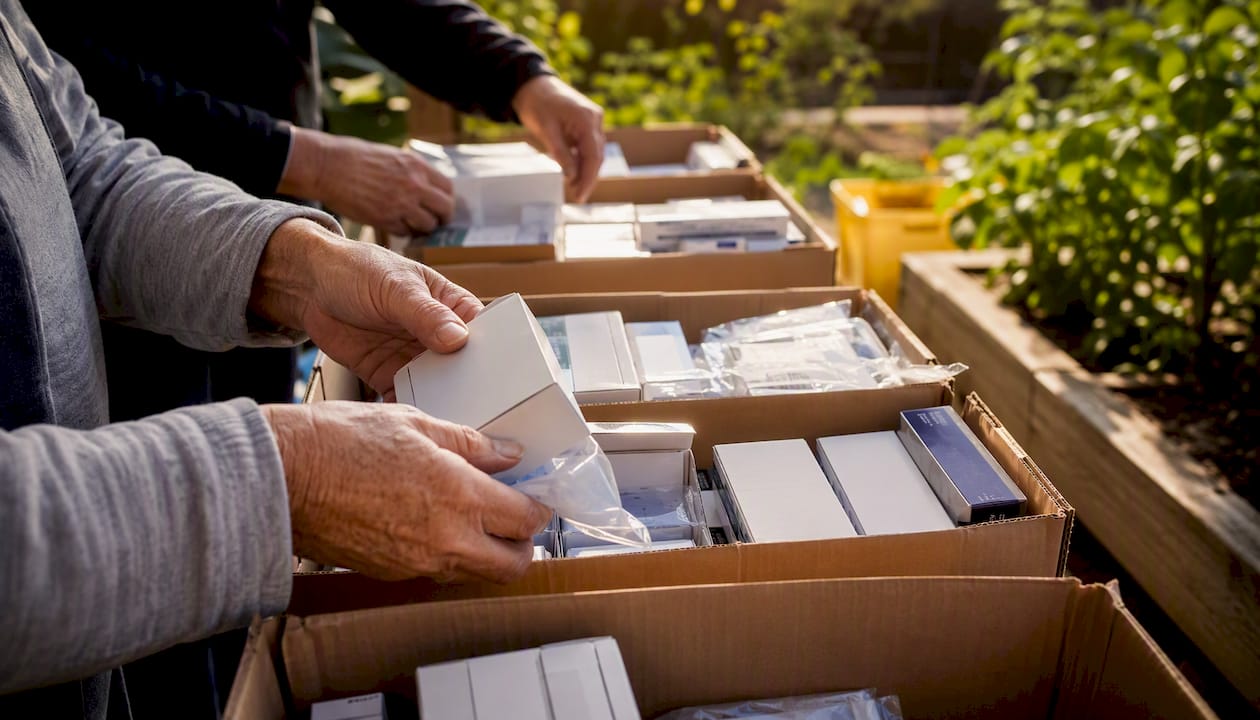
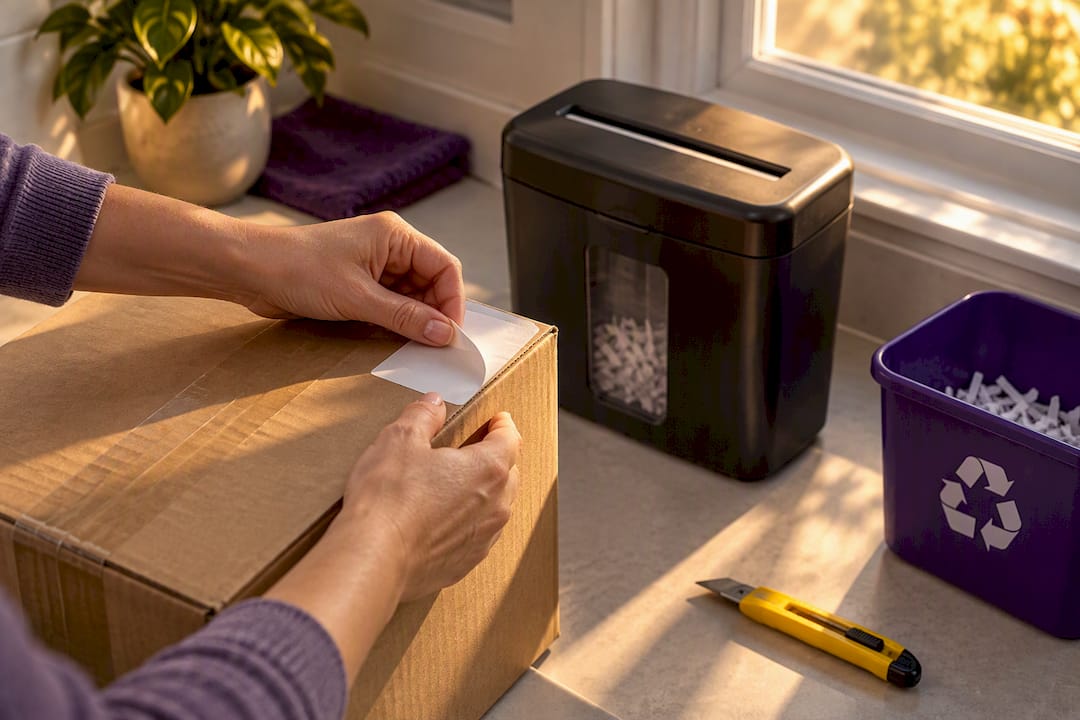
Buyers typically remove or shred pharmacy labels during intake to protect your privacy. You do not need to peel them yourself.
What to keep after the sale:
- A photo of the items before handoff
- The buyer’s written quote
- Confirmation of payment (screenshot or receipt)
If your items do not qualify for sale, local clinics, community health organizations, and some manufacturer return programs accept donations of sealed supplies.
Should you sell, donate, or keep your supplies?
Run through this quick checklist to decide:
- Sell if your supplies are sealed, unexpired, and you want cash now
- Donate if items are close to expiry or you prefer to support a local clinic directly
- Return to manufacturer if the item is within a return window and you prefer that route
- Keep only if you expect to use them soon, since expiration reduces value over time
Cash for Diabetic Supplies Orlando is the recommended local option for Orlando and surrounding area sellers who want a same-day cash offer. Text photos of your supplies, get a firm quote, and arrange a public meetup the same day.
Why we explain this and how we operate locally
This guide exists because too many Orlando residents let sealed, valuable supplies expire in a cabinet without knowing there is a straightforward, safe way to turn them into cash. Orlando Diabetic Supplies Buyback provides transparent quotes from photos, inspects every item in person, and pays on the spot. No guessing, no surprises. For broader context on how supplier relationships and distribution affect patient outcomes, the healthcare blog at Charise Karjala covers those dynamics from an insurance and patient-care angle.
Same-day cash for your sealed diabetic supplies in Orlando
Sellers in Orlando and surrounding areas get a faster, more reliable result with Orlando Diabetic Supplies Buyback than with mail-in programs that require shipping before inspection and can take days to pay. The difference is concrete: you get a firm written quote from photos, meet locally, and walk away paid the same day.
Orlando Diabetic Supplies Buyback buys Dexcom G7 sensors, Dexcom G6, FreeStyle Libre, Omnipod pods, and sealed major-brand test strips. Payment is cash, Venmo, or Cash App at the meetup, and a receipt is provided every time.
To get your offer:
- Take three photos per item (box front, lot/side panel, expiration date)
- Submit them through the same-day cash quote page
- Accept the firm quote and arrange a public meetup in Orlando
Sources
- How to Sell Your Extra Diabetic Supplies for Cash – DIABETES NEWS REPORT
- Sell Diabetic Supplies Online 2026: Best Buyers & Guide
Verify any legal questions with a local attorney or your county health department. Keep your transaction receipt and buyer contact information after every sale.