
What are the best ways to maximize diabetic supply payout?
Getting the most from your unused diabetic supplies comes down to two things: knowing your insurance rights and choosing the right resale approach. Here are the most effective strategies for 2026.
- Use Medicare assignment to your advantage. Medicare pays 80% of the approved amount after the Part B deductible. Your coinsurance stays at 20% only when your supplier accepts assignment. If they don’t, you could pay the full bill upfront and wait for reimbursement.
- Add Medigap or Medicare Advantage coverage. These plans can cover the 20% coinsurance entirely, potentially bringing your out-of-pocket cost to zero.
- Sell premium supplies first. Dexcom sensors and Omnipod pods earn significantly higher resale payouts than standard test strips.
- Check expiration dates before shipping. A difference of just a few months can reduce your payout by up to 20%.
- Use prepaid shipping labels. Some buyers deduct shipping costs from your payout. Confirm the label is prepaid before you send anything.
How do insurance and Medicare rules affect your payout?
Medicare Part B covers blood glucose monitors, test strips, lancets, and continuous glucose monitors as durable medical equipment. After you meet the annual Part B deductible, Medicare covers most approved costs, leaving you responsible for a portion of coinsurance. That 20% adds up fast if you’re managing multiple supply needs throughout the year.
Supplier enrollment matters more than most people realize. Your supplier must be enrolled in Medicare and must accept assignment. If they don’t accept assignment, charges can exceed Medicare-approved rates, and you may pay the entire bill at the time of service. Always ask two questions before ordering: “Are you enrolled in Medicare?” and “Do you accept assignment?” A “no” to either means you should find another supplier.

Insulin users receive a higher quarterly allowance of test strips and lancets under Part B compared to non-insulin users. Physician documentation confirming your diagnosis and medical necessity is required for all covered supplies. For continuous glucose monitors, you’ll need proof of insulin treatment or a documented history of problematic low blood sugar.
Medigap and Medicare Advantage plans are worth exploring if you pay coinsurance regularly. Some Medicare Advantage plans have different rules for out-of-pocket costs, so check your specific plan’s terms. The insulin coinsurance under Part B is capped at a fixed monthly amount, which helps to limit out-of-pocket expenses.
Pro Tip: Before your next supply order, call your supplier and confirm both their Medicare enrollment status and whether they accept assignment. Five minutes on the phone can save you hundreds of dollars annually.
Which diabetic supplies have the highest resale value?
Not all supplies pay the same. Continuous glucose monitors and insulin delivery systems consistently command the highest resale prices, while basic test strips sit at the lower end of the market.
- Dexcom G6 and G7 sensors are among the most in-demand items. Their high retail cost and strong market demand translate directly into better resale offers.
- Freestyle Libre sensors also hold strong value, particularly boxes with longer expiration dates and clean, unmarked packaging.
- Omnipod pods rank near the top for resale payout. Insulin pod systems are expensive at retail, which drives buyer demand in the secondary market.
- Standard test strips pay less per box, though bulk quantities can improve your total offer. Selling five or more boxes at once often qualifies for higher total payment.
- Expiration dates are a major factor. Supplies expiring in 2027 or later pay more than those expiring within a few months. A three-month difference in expiration can cut your payout by up to 20%.
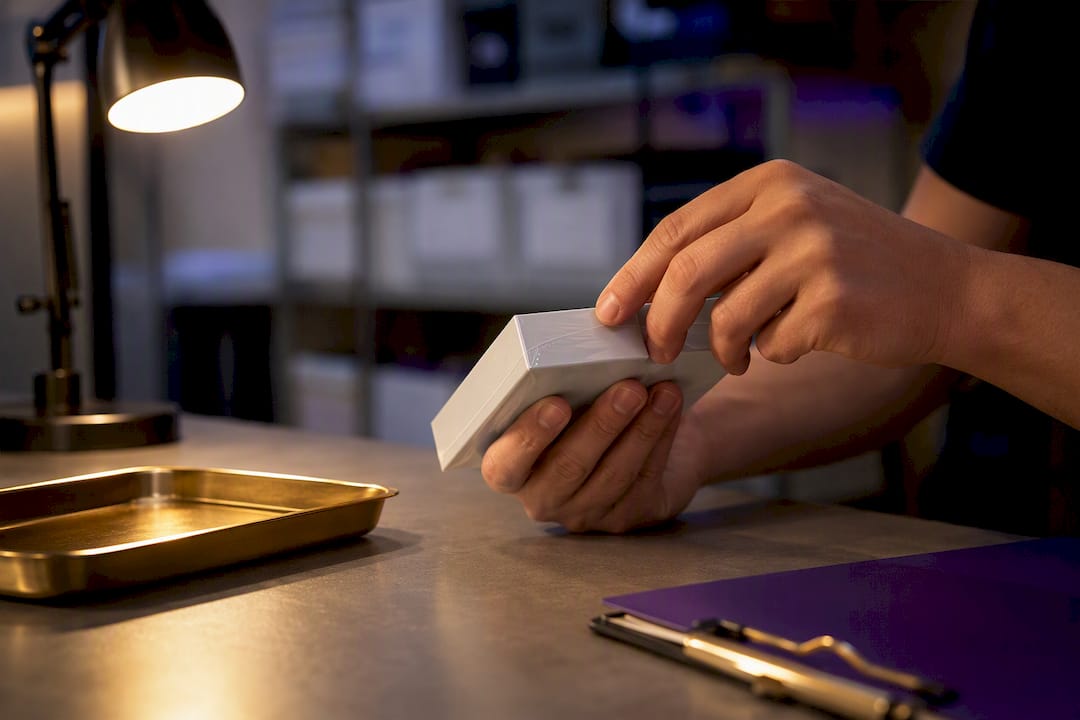
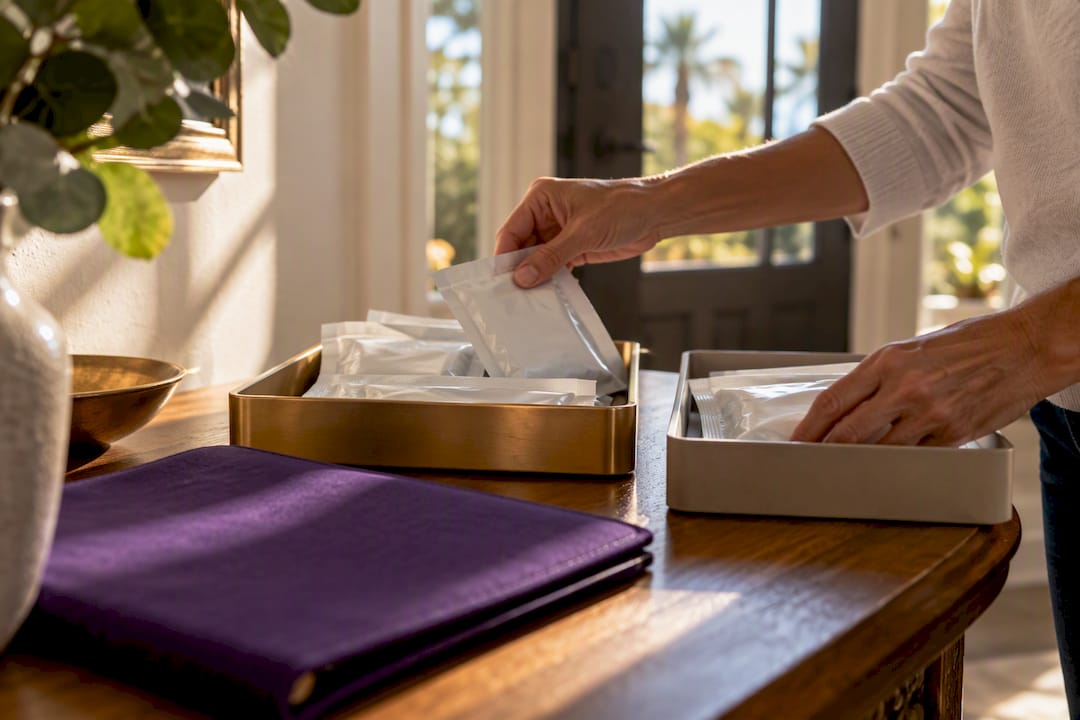
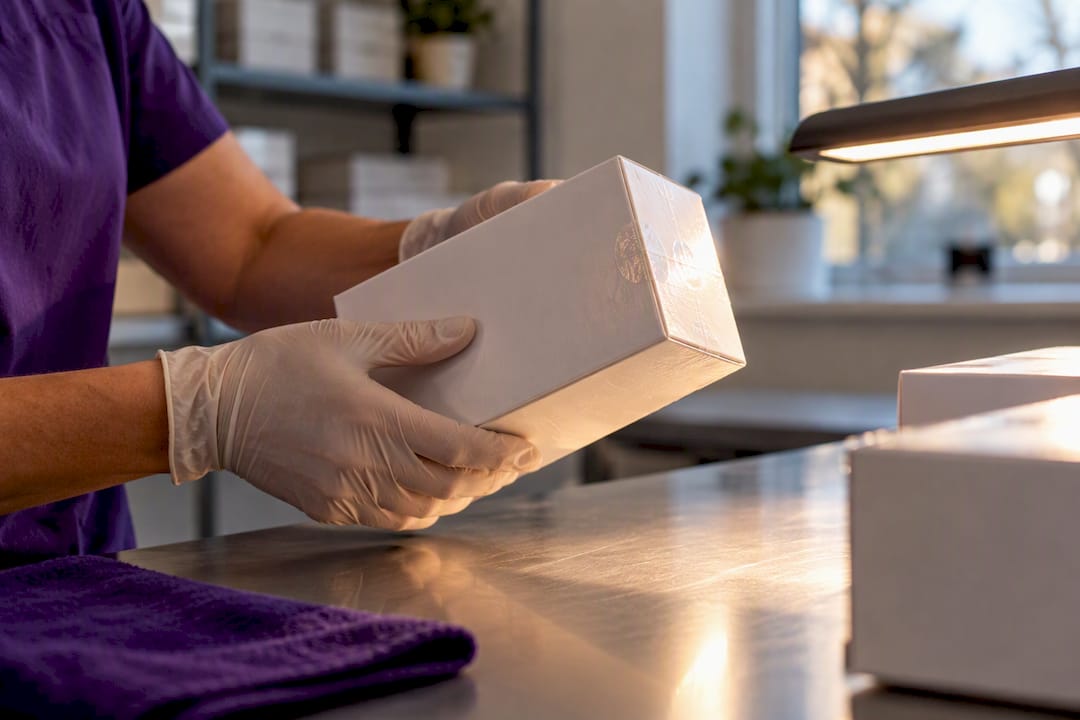
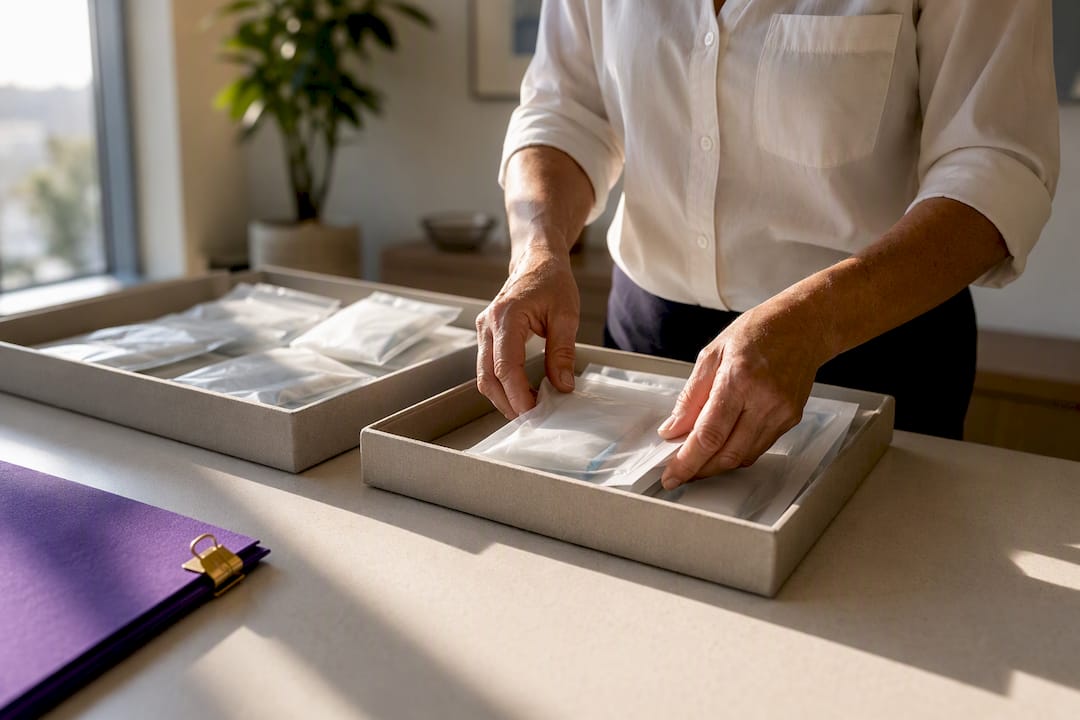
Packaging condition also affects your offer. Factory-sealed, unmarked boxes with no tape, writing, or stains get the full payout. Slight dents may qualify for a partial offer, but crushed or wet boxes are typically rejected. Check your supplies before you pack them.
What hidden costs reduce your net payout from resale?
The offer you see upfront isn’t always what lands in your account. Several common fees and mistakes quietly reduce your net return.
- Shipping costs deducted from payout. Some buyers subtract shipping from your final payment. Always confirm whether the label is prepaid or whether fees come out of your offer.
- Damaged or expired supplies. Sending boxes that don’t meet condition requirements results in partial payment or outright rejection. Check every box before shipping.
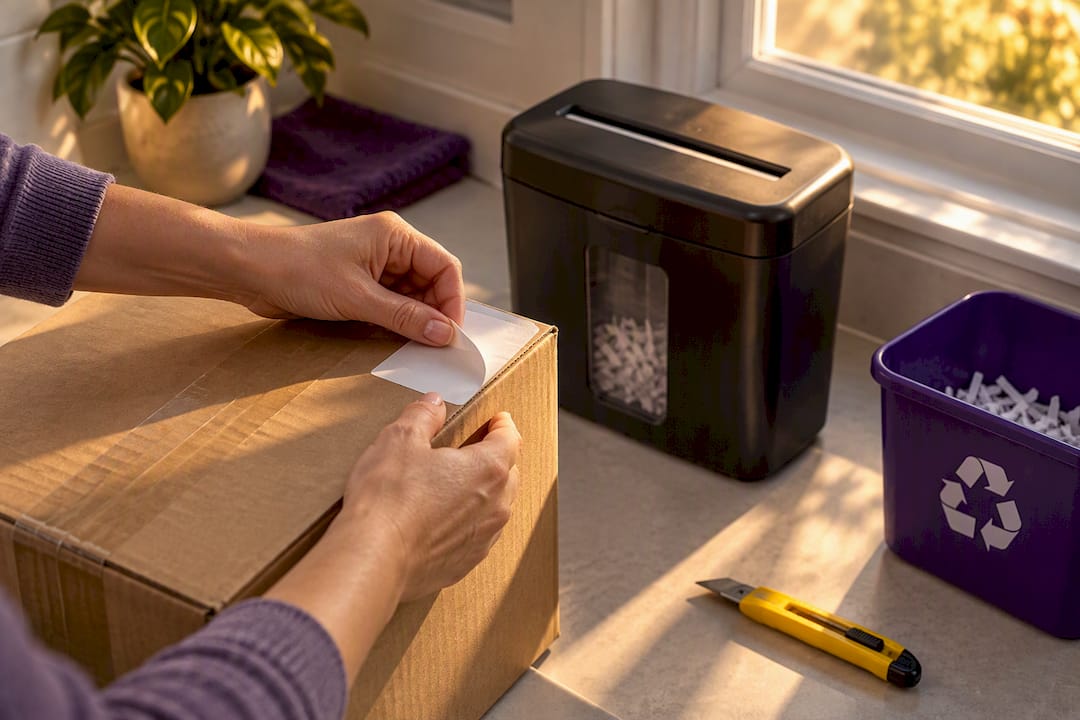
- Reusing shipping labels. Each label is order-specific. Reusing an old label causes payment delays and can void your order entirely.
- Waiting too long to ship. Most buyers require shipment within a set timeframe after you accept an offer. Missing that window can lower your payout or cancel the transaction.
- Removing labels yourself. Peeling off Medicare or Medicaid labels damages the packaging and can disqualify the box from resale.
- Scam offers promising double payouts. Legitimate buyers follow consistent market pricing. If an offer sounds too good to be true, verify the buyer’s credentials before sending anything.
Pro Tip: Add up all fees before accepting any offer: shipping costs, processing fees, and any deductions for condition. The highest headline offer isn’t always the best net return.
Practical tips to get the most from your unused supplies
Consistent habits protect your payout before you ever ship a box. These practices make a real difference.
- Inspect expiration dates regularly. Supplies close to expiration lose value fast, so sell them before the window closes.
- Keep everything in original, factory-sealed packaging. No tape, no writing, no stickers.
- Hold onto your physician’s prescription. Documentation of medical necessity supports insurance claims and confirms your supplies were privately purchased, not through a government program.
- Use Medicare-enrolled resellers when submitting supplies through insurance channels. Non-enrolled suppliers can leave you with the entire bill.
- Ship promptly after accepting an offer. Delays create risk of lower offers or cancellations.
Payout speed matters. Payments are typically processed within 1–2 business days after inspection at reputable resale services. That’s fast cash for supplies sitting in a drawer.
Orlando Diabetic Supplies Buyback specializes in same-day cash offers for Dexcom G6 and G7 sensors, Freestyle Libre, Omnipod pods, and sealed test strips. The process is local, straightforward, and built around fair pricing. You can review the common mistakes to avoid before you ship to protect your full payout.
How to file a claim or request a payout for diabetic supplies
The process differs depending on whether you’re going through Medicare or a private resale buyer.
For Medicare insurance claims:
- Confirm your supplier is enrolled in Medicare and accepts assignment.
- Get a current physician’s prescription confirming your diagnosis and the medical necessity of each supply type.
- Your supplier submits the claim directly to Medicare. You cannot submit a claim yourself for durable medical equipment.
- Medicare pays 80% of the approved amount directly to the supplier. You pay the 20% coinsurance, or your Medigap plan covers it.
- If your supplier doesn’t accept assignment, you may pay upfront and receive reimbursement from Medicare later.
For private resale payouts:
- Visit the buyer’s website and submit your supply details: brand, box count, expiration date, and condition.
- Review the offer and accept it if it meets your expectations.
- Print the prepaid shipping label and attach it to your package.
- Drop the package at your nearest USPS or UPS location.
- After delivery, inspection takes 1–2 business days, and payment follows via PayPal, ACH bank transfer, or check.
The supply sale process moves quickly when your supplies are properly prepared and shipped on time.
What are the legal rules for reselling diabetic supplies?
Reselling unused diabetic supplies is legal in the United States, provided you follow a few clear rules. Supplies must be factory sealed, unexpired, and not labeled for Medicare, Medicaid, or government program use. Sellers must be 18 or older and must have legally purchased the supplies themselves.
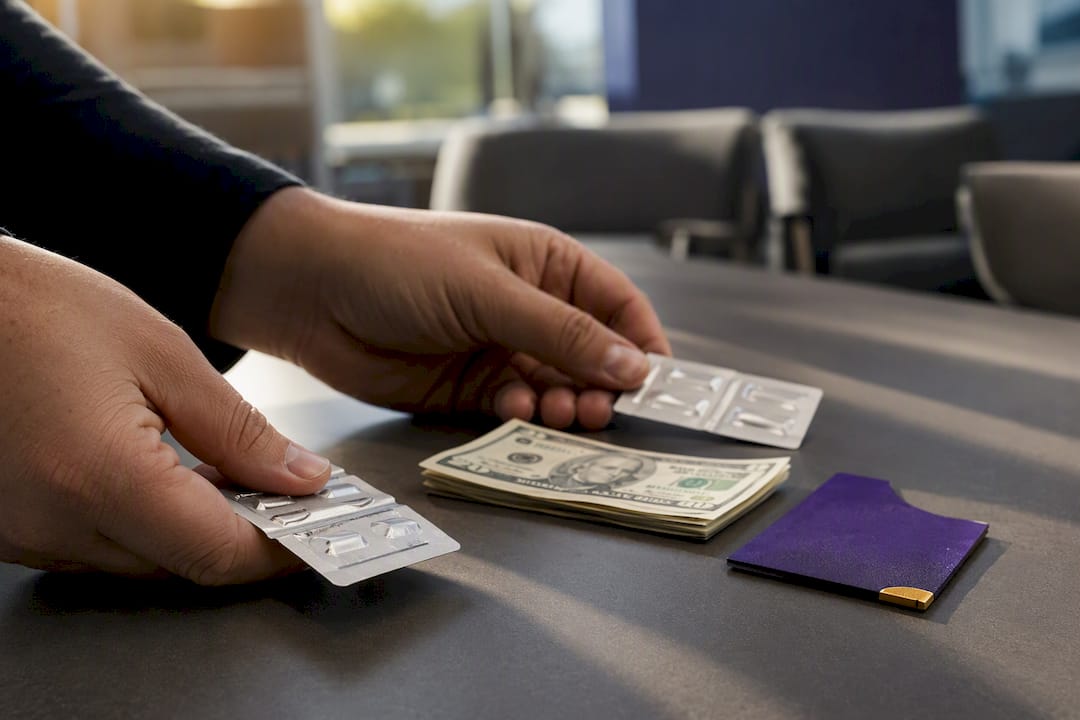
Supplies obtained through Medicare or Medicaid cannot be resold. Selling government-funded supplies is considered fraud and carries serious legal consequences. If your supplies came through private insurance or out-of-pocket purchase, resale is permitted. Diabetes and related health conditions can also affect other aspects of your health, including oral health considerations that may interact with your overall care costs.
Always confirm your order with the buyer before shipping. Never send supplies without a verified order number or documentation. Keeping records of your transactions protects you if any dispute arises.
Where can you sell unused diabetic supplies?
Several types of resale channels exist for unused diabetic supplies, each with different payout speeds and processes.
Local buyback services offer the fastest turnaround, often same-day cash. Orlando Diabetic Supplies Buyback is a local option for residents in Orlando and surrounding areas, buying Dexcom G6 and G7, Freestyle Libre, Omnipod, and sealed test strips directly. You can learn more about getting cash for unused supplies through this channel.
Online resale platforms accept mail-in shipments and pay via PayPal, ACH, or check after inspection. These services typically process payment within 1–2 business days of delivery. Look for buyers who offer prepaid shipping labels and transparent pricing based on brand, expiration, and condition.
Mail-order Medicare suppliers handle insurance-covered supplies and bill Medicare directly. These are not resale channels but are the correct route for maximizing your Medicare benefits on new supply orders.
Avoid any platform that promises payouts far above market rates or asks you to pay fees before receiving your offer. Legitimate buyers price consistently based on brand and condition.
How long does a payout actually take?
Timelines vary by channel, but the differences are predictable.
| Channel | Typical Payout Timeline |
|---|---|
| Local buyback service | Same day, often within hours |
| Online resale (mail-in) | 1–2 business days after inspection |
| Medicare insurance claim | — |
| Medicare Advantage plan | Varies by plan; check your plan’s terms |
| Medigap supplemental claim | Typically processed after Medicare pays its share |
Local services like Orlando Diabetic Supplies Buyback offer the fastest path to cash. Online mail-in services are close behind, with payment processed within 1–2 business days after inspection in most cases. Insurance channels take considerably longer because claims must be reviewed, approved, and processed through Medicare’s billing system. Planning around these timelines helps you avoid cash flow gaps when you have supplies ready to sell.
Key Takeaways
Maximizing your diabetic supply payout in 2026 requires choosing Medicare-assignment suppliers, maintaining sealed packaging, and selling premium supplies like Dexcom sensors and Omnipod pods before expiration windows close.
| Point | Details |
|---|---|
| Use Medicare assignment | Suppliers who accept assignment limit your coinsurance to 20% after the Part B deductible. |
| Add Medigap or Medicare Advantage | These plans can cover the 20% coinsurance, potentially reducing your supply costs to zero. |
| Sell premium supplies first | Dexcom sensors, Freestyle Libre, and Omnipod pods earn higher resale payouts than standard test strips. |
| Watch expiration dates closely | A three-month difference in expiration can reduce your resale payout by up to 20%. |
| Expect fast resale payment | Reputable resale services process payments within 1–2 business days after inspection. |
Turn your unused supplies into same-day cash. Orlando Diabetic Supplies Buyback buys Dexcom G6 and G7 sensors, Freestyle Libre, Omnipod pods, and sealed test strips in Orlando and surrounding areas. Fair pricing, fast communication, and no hidden fees.
Get a cash offer today and find out what your unused supplies are worth.