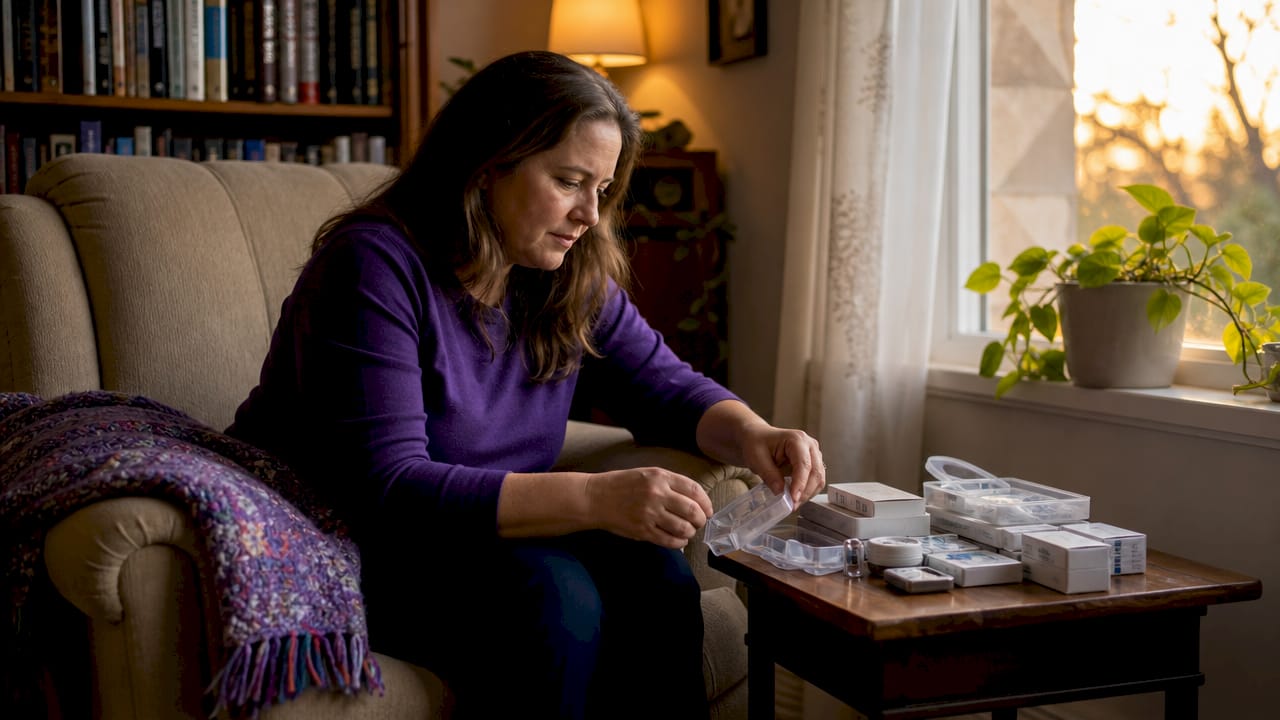
Selling unused diabetic supplies is a legitimate way to recover cash, but common mistakes selling diabetic supplies cost sellers real money every day. Errors like shipping expired products, skipping buyer verification, and mishandling packaging lead to rejected shipments, reduced payouts, or outright scams. Orlando Diabetic Supplies Buyback sees these pitfalls regularly and knows exactly how to help you avoid them. This guide covers the most frequent errors and what to do instead so you walk away with the best return possible.
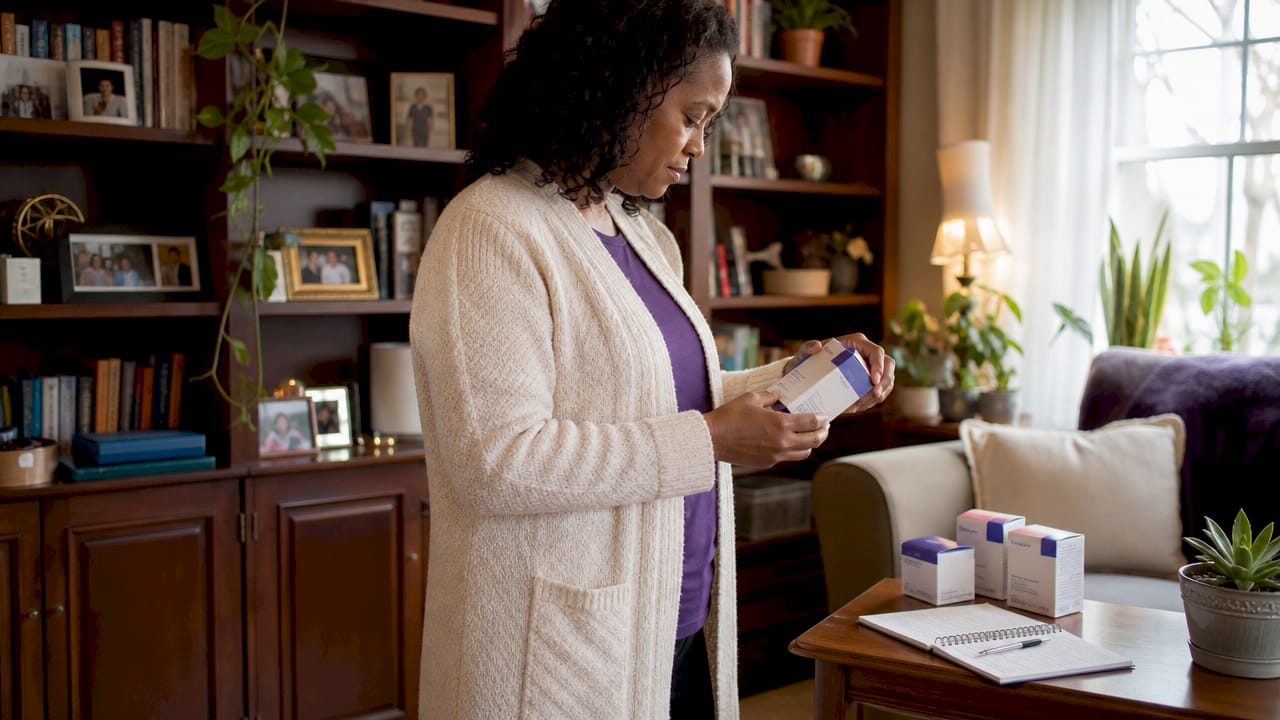
1. What are the top mistakes when preparing supplies for sale?
Preparation errors are the single biggest reason sellers get less than they expected. Buyers evaluate condition before anything else, and small oversights at this stage have an outsized effect on your payout.
- Shipping expired or near-expired supplies. A 3-month difference in expiration date can cut your payout by up to 20%. Always check dates before you pack anything.
- Removing pharmacy or manufacturer labels. Tearing off labels signals damaged packaging to buyers and often triggers rejection or a steep discount.
- Selling opened or resealed boxes. Most buyers require original sealed boxes with intact labels. Opened or tampered packaging is usually rejected outright.
- Ignoring storage conditions before sale. Supplies stored in heat, humidity, or direct sunlight degrade faster. Review common storage mistakes before you list anything.
Pro Tip: Check every box’s expiration date and seal before you contact a buyer. Supplies with at least six months of shelf life remaining consistently fetch the highest payouts.
2. How to identify and avoid unreliable or fraudulent buyers
Buyer fraud is a real risk in the diabetic supply resale market. Knowing the warning signs protects both your money and your personal information.
- Verify contact details first. Legitimate buyers list a physical US address, a real phone number, and clear terms of service. A website with only a contact form and no address is a red flag.
- Avoid “rush cash” offers. Scam buyers lure sellers with payouts well above market price. Legitimate companies maintain consistent, transparent pricing.
- Never ship without a confirmed order number. Sending supplies before receiving verified shipping instructions means you have no recourse if the buyer disappears.
- Skip peer-to-peer platforms and social media. These channels offer no buyer accountability. Use registered buyers with documented policies instead. The guide on types of diabetic supply buyers explains what to look for.
- Evaluate payment transparency. Reputable buyers publish clear payment timelines and accepted methods. Vague or shifting payment terms are a warning sign.
Pro Tip: Search the buyer’s business name plus “reviews” or “complaints” before you ship. A pattern of unresolved complaints tells you everything you need to know.
3. Shipping and sales process mistakes that delay or reduce payments
Even sellers with perfect supplies lose money through shipping errors. These mistakes are easy to make and just as easy to prevent.
- Using the wrong or expired shipping label. Buyers issue labels tied to specific orders. Shipping beyond the buyer’s timeframe or reusing an old label delays processing and can void your payment entirely.
- Packing supplies in flimsy containers. Supplies sent in padded envelopes or crushed boxes face rejection or a discount. Use a sturdy box with padding on all sides.
- Including unlisted or mismatched supplies. Sending items that were not part of your original quote creates processing delays and may result in partial payment or return.
- Leaving personal or medical information on boxes. Labels with personal info expose your data unnecessarily. Remove or obscure identifying details from the outer packaging before you ship.
- Shipping late. Every buyer sets a deadline tied to the quoted price. Missing that window often means a renegotiated, lower offer.
Shipping correctly is not complicated, but it does require attention to detail. Follow the buyer’s instructions exactly, use the prepaid label they provide, and ship the same day you pack the box when possible.
4. What legal and compliance pitfalls should sellers be aware of?
Legal errors can turn a simple sale into a serious problem. These are the compliance rules that matter most.
- Never sell government-program supplies. Selling supplies marked for Medicare, Medicaid, or VA programs is a federal violation. Reputable buyers identify these items by their government-mandated orange labeling and refuse them.
- Only sell supplies prescribed to you. Reselling supplies that were not legally obtained in your name creates legal exposure. Confirm the supplies are yours before you list them.
- Do not sell opened or used supplies. Used diabetic supplies cannot be legally resold. This applies to test strips, sensors, and any device that has been activated or opened.
- Check state laws before selling. Regulations vary by state. Review the legal guidelines for resale in your area before completing any transaction.
- Read the buyer’s compliance policy. A legitimate buyer will have a written policy on what they accept. If a buyer does not publish one, that is a reason to look elsewhere.
Compliance protects you financially and legally. Sellers who skip this step risk both rejected shipments and potential legal consequences.
5. How to maximize payout: best practices for selling diabetic supplies in 2026
Avoiding mistakes is half the equation. The other half is actively doing the things that push your payout higher.
Store supplies correctly from day one. Heat and humidity shorten shelf life fast. Keep supplies in a cool, dry place away from direct sunlight. Good storage habits before you even decide to sell make a measurable difference in what you receive.
Choose buyers with verified credentials. Look for buyers who list a physical address, publish their pricing, and explain their payment process clearly. Orlando Diabetic Supplies Buyback provides all of this upfront, so you know exactly what to expect before you ship a single box.
Ship promptly using buyer-provided labels. Prepaid labels are tied to a quoted price and a deadline. Use them immediately. Delays shrink your offer or void it entirely.
| Best Practice | Why It Matters |
|---|---|
| Keep original seals intact | Sealed boxes receive full payout; opened boxes are discounted or rejected |
| Check expiration dates early | Supplies with 6+ months remaining command the highest prices |
| Use sturdy, padded boxes | Damaged packaging leads to rejection regardless of supply condition |
| Remove personal info from outer box | Protects your privacy during transit |
| Ship within the buyer’s deadline | Late shipments trigger renegotiated, lower offers |
Pro Tip: Photograph your supplies before packing them. If a dispute arises about condition, those photos are your best evidence.
Retain all original documentation that came with your supplies. Buyers who see complete, undamaged packaging with intact labels process payments faster and with fewer questions.
Key Takeaways
Avoiding the most common errors when selling diabetic supplies requires attention to product condition, buyer legitimacy, shipping accuracy, and legal compliance.
| Point | Details |
|---|---|
| Check expiration dates first | A 3-month difference in shelf life can reduce your payout by up to 20%. |
| Keep all labels intact | Removing pharmacy or manufacturer labels leads to rejection or a lower offer. |
| Verify buyer legitimacy | Legitimate buyers list a physical US address, phone number, and clear payment terms. |
| Never sell government-program supplies | Supplies marked for Medicare, Medicaid, or VA programs are a federal violation to resell. |
| Ship on time in sturdy packaging | Late or damaged shipments result in renegotiated offers or outright rejection. |
What I’ve learned from watching sellers leave money on the table
I have seen the same patterns repeat themselves enough times that they no longer surprise me. The seller who tears off the pharmacy label because they think it looks cleaner. The seller who ships two weeks after receiving the prepaid label because life got busy. The seller who takes a “rush cash” offer from a buyer with no address listed because the number looked good.
Every one of those decisions costs money. Sometimes it costs the entire sale.
What strikes me most is that these are not careless people. They are people who simply did not know the rules before they started. The diabetic supply resale market has real standards, and buyers enforce them consistently. A box that looks fine to you may fail inspection for reasons you never considered.
The compliance piece is where I see the most anxiety, and honestly, it is the most straightforward part. If the supplies were prescribed to you, are sealed, and carry no government-program labeling, you are almost certainly in the clear. The sellers who get into trouble are the ones who skip the verification step entirely.
My honest advice: treat your first sale like a test run. Read the buyer’s full policy before you pack anything. Photograph your supplies. Ship the day you receive the label. Those three habits alone will put you ahead of most sellers I have seen come through the process.
— Liliana
Orlando Diabetic Supplies Buyback makes the process straightforward
Sellers who work with Orlando Diabetic Supplies Buyback skip most of the pitfalls covered in this guide because the process is built to prevent them. You get clear pricing upfront, a prepaid shipping label, and packaging instructions before you send anything. There are no vague payment timelines or mystery policies.
Orlando Diabetic Supplies Buyback buys Dexcom G6 and G7 sensors, Freestyle Libre, Omnipod, and sealed test strips from sellers in Orlando and surrounding areas. Payment is fast once your supplies are verified. If you have unused supplies sitting in a drawer, the cash for unused supplies page walks you through exactly how to get started. You can also learn more about selling previous device supplies if you have switched devices recently.
FAQ
What makes a diabetic supply buyer legitimate?
A legitimate buyer lists a physical US address, a real phone number, and clear terms of service. Transparent payment timelines and a published compliance policy are also strong indicators of a trustworthy buyer.
Can I sell diabetic supplies I received through Medicare or Medicaid?
No. Selling supplies marked for Medicare, Medicaid, or VA programs is a federal violation. Reputable buyers identify these items by their government-mandated labeling and refuse them.
How much does expiration date affect my payout?
A 3-month difference in expiration date can reduce your payout by up to 20%. Supplies with at least six months of shelf life remaining consistently receive the highest offers.
What happens if I remove the pharmacy label before selling?
Removing pharmacy or manufacturer labels signals damaged packaging to buyers. This typically results in a reduced offer or outright rejection of the shipment.
How do I avoid scams when selling diabetic supplies?
Avoid buyers who offer payouts well above market price or pressure you to ship immediately. Legitimate companies maintain consistent, transparent pricing and never promise “rush cash” above standard rates.