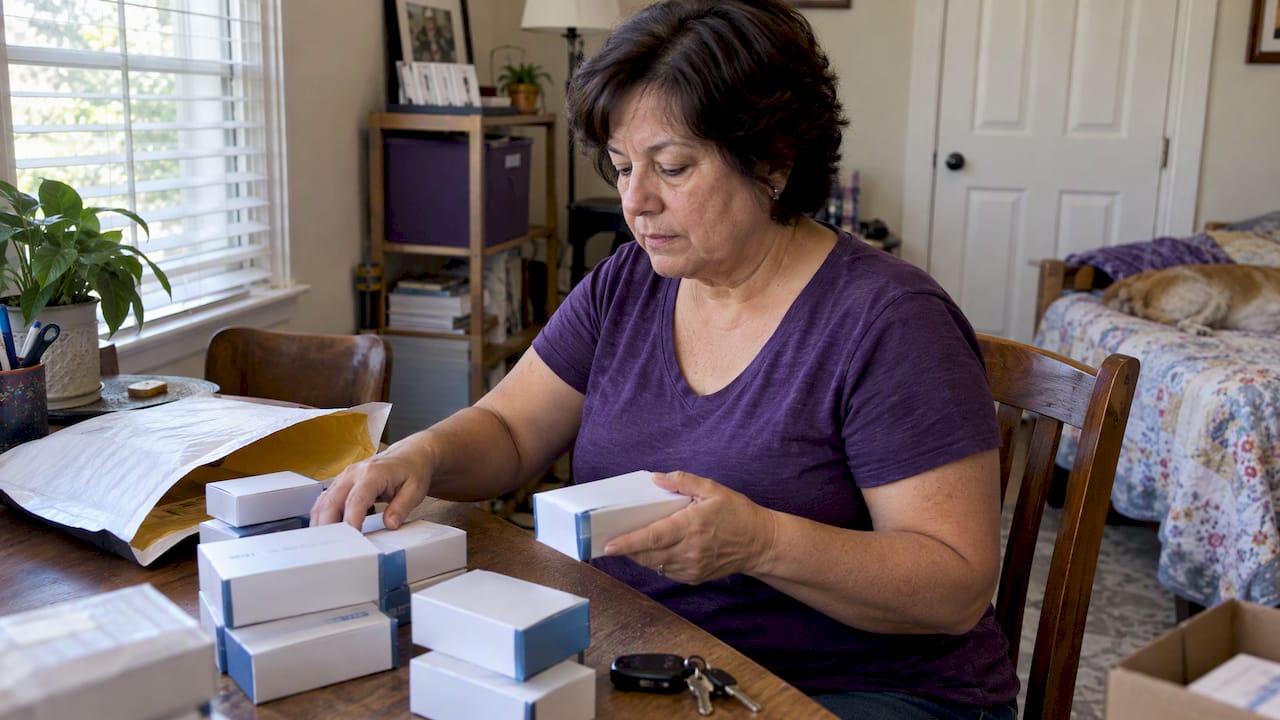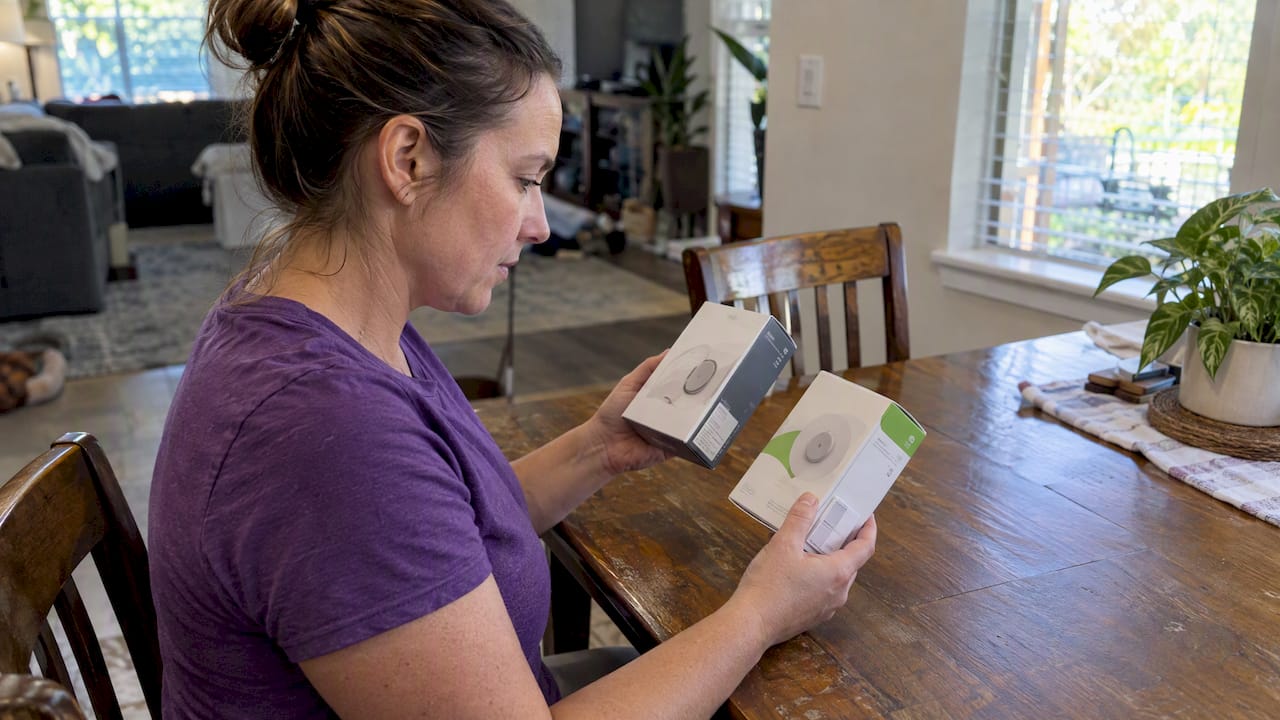
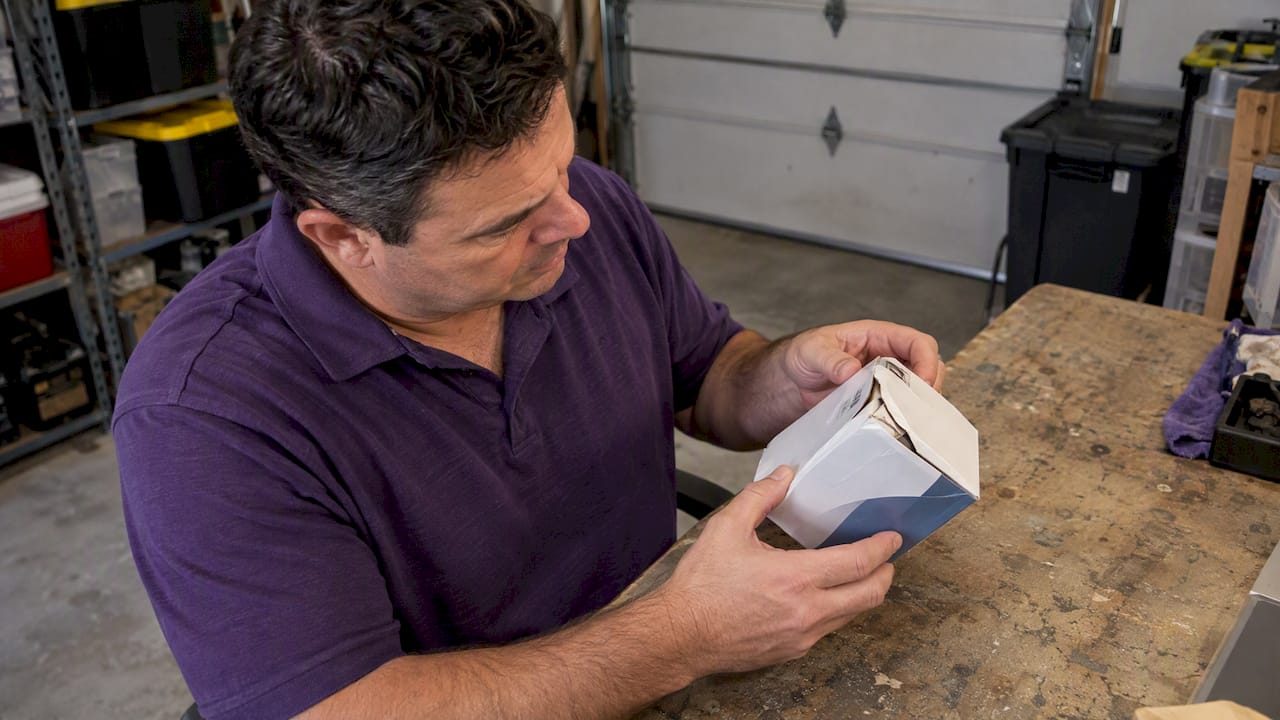
Sealed diabetic supplies with a damaged outer box can sometimes still be sold, but it depends on what kind of damage it is. A torn or crushed box is often fine if the inner seal is intact and the lot number is readable, while water stains, mold, or a broken inner seal usually make an item unsellable because safety can’t be confirmed. Before you contact any buyer, inspect the box closely, photograph the lot number and expiration date, and set aside anything that looks tampered with or wet.
TL;DR:
- Photograph the lot number and expiration date, count units by brand and type, and gather receipts or prescription paperwork before arranging an inspection.
- Never open a sterile barrier to check the contents; doing so makes the item unsellable, and the outer box may carry the only lot number.
- For test strips, a torn outer carton may still pass inspection when each strip wrapper and the expiration date remain intact and readable.
- If the box’s lot number is unreadable, check the device for another marking; route recalled products through the manufacturer’s lot check and return process.
- Buyers inspect supplies in person, verify the sterile barrier and lot number, and pay immediately for accepted items at a safe, public meeting place.
Table of Contents
- What Buyers Look for When a Box Is Damaged
- A 60-Second Inspection Checklist Before You Contact a Buyer
- Why the FDA and Manufacturers Treat Damaged Packaging as a Red Flag
- What Happens When Lot Numbers or Expiration Dates Are Unreadable
- How We Buy Eligible Damaged-Box Supplies in Person
- Why Safety-First Verification Protects Everyone Involved
- Get Same-Day Cash for Eligible Supplies in Orlando
- FAQ
- Sources
What Buyers Look for When a Box Is Damaged
Not all damage is equal, and most buyers, including us, judge a box by what it tells us about what’s inside, not by how it looks on a shelf. Cosmetic wear rarely matters. A crushed corner, a scuffed label, or a bent flap doesn’t affect the sterility or identity of the device inside, so these items usually stay eligible for buy-back.
What does disqualify an item is anything that raises doubt about whether the contents are still safe or verifiable. The FDA’s guidance on disposal of contaminated devices advises discarding packaged devices that show water damage, mold, or broken seals, since the contents are considered potentially contaminated once those signs appear.
Common disqualifiers include any visible signs of moisture exposure on the box, such as water stains or warping.
- Broken or torn seals, especially ones that line up with the inner sterile tray.
- Visible mold or a strong odor coming from the packaging.
- Crushed packaging that has dented or punctured the inner tray.
- Lot numbers or expiration dates that are smudged, torn off, or impossible to read.
If your box has one of these issues, it can prevent verification of safety, making the item ineligible for resale rather than just unattractive.
A 60-Second Inspection Checklist Before You Contact a Buyer
A quick walkthrough of your supplies takes less time than packing them up, and it tells you exactly where you stand before you reach out to anyone.
- Look over the outer box for water stains, warping, or mold, and set those items aside separately.
- Find the lot number and expiration date on the box, and photograph both clearly along with any printing on the device itself.
- Check whether the inner sterile tray looks intact through the box. Never open a sterile barrier to inspect it, since that alone makes the item unsellable.
- Take photos of the box from several angles, then write down how many units you have of each brand and type.
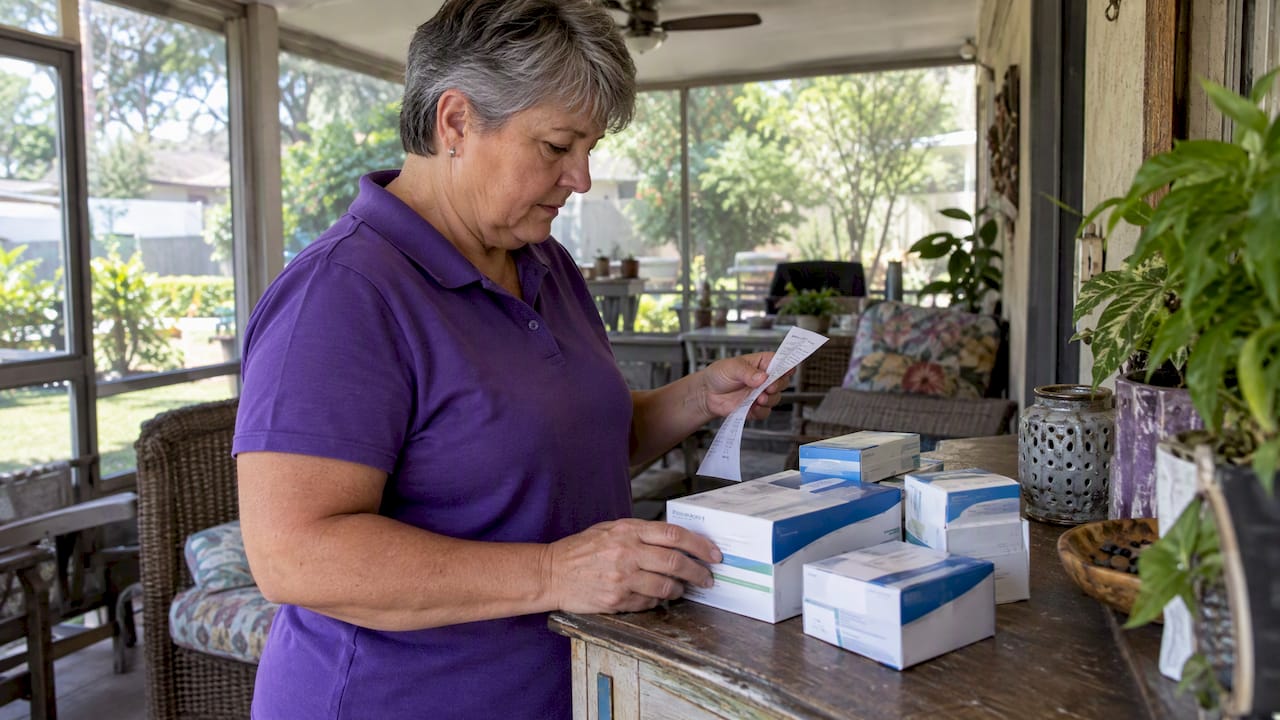
- Gather any original receipts, prescription paperwork, or insurance documentation you still have on hand.
Pro Tip: Keep your photos organized by brand and lot number before your appointment. It speeds up inspection and gives you a clear record if any question comes up later.
Why the FDA and Manufacturers Treat Damaged Packaging as a Red Flag
The caution around damaged boxes isn’t random. It traces back to how these products are regulated and how manufacturers design their packaging to protect you. The FDA has warned about the risks of pre-owned or unauthorized home-use test strips, noting that strips which have been improperly stored or previously opened can produce inaccurate readings or introduce contamination risk.
Packaging symbols reinforce the same point. Standard labeling on diabetic devices includes a symbol meaning “do not use if the package is damaged,” a convention confirmed in ISO packaging symbol references used across medical device labeling.
“Do not use if package is damaged” is a standard warning symbol applied to sterile medical packaging, including diabetic device components.
A damaged box doesn’t just look bad. It breaks the chain of custody that lets anyone confirm the product’s temperature history, handling, or exposure to moisture, which is exactly the information a buyer needs before resale.
What Happens When Lot Numbers or Expiration Dates Are Unreadable
Lot numbers exist for one practical reason: they let manufacturers and buyers trace a specific batch back to its origin if a recall happens. When that number is smudged or torn away, verification becomes impossible for nearly anyone handling the item afterward.
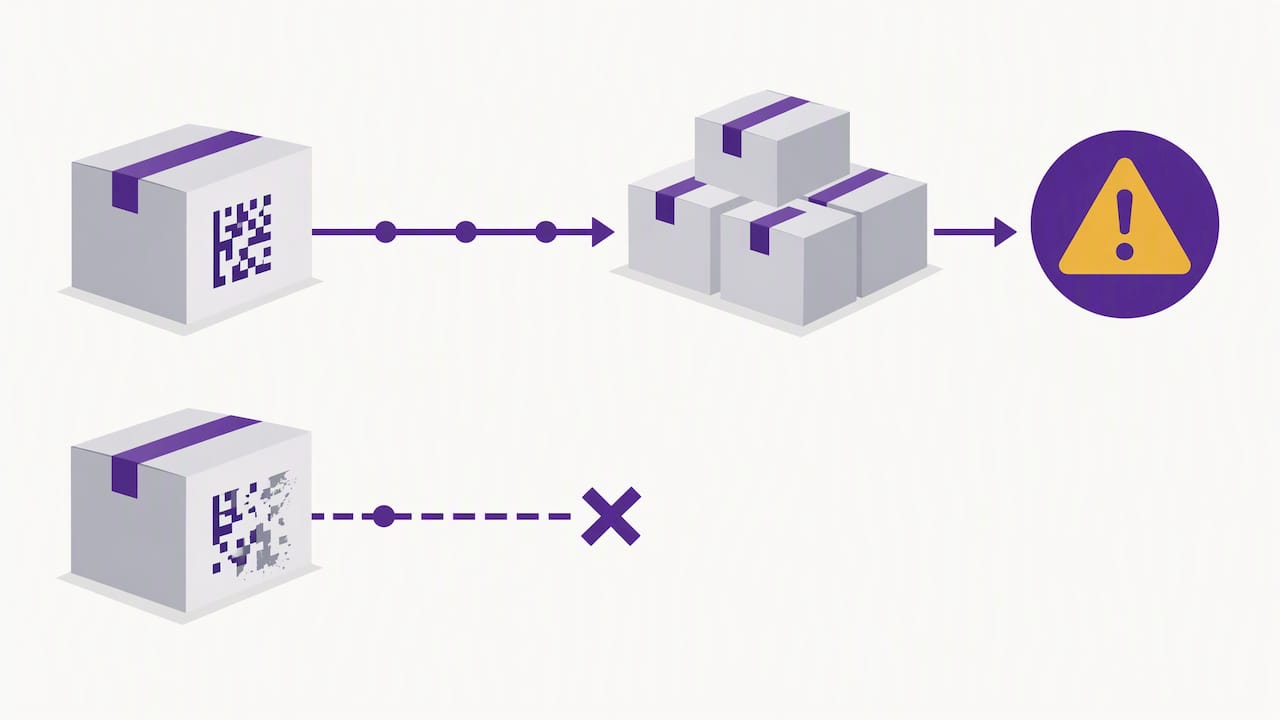
Manufacturer recall and resolution guidance emphasizes that lot numbers on the retail box, which often don’t appear anywhere on the device itself, are what manufacturers use to confirm recall status and authenticity.
A few consequences follow from this:
- Items with unreadable lot numbers are typically rejected by legitimate buyers, since safety can’t be confirmed.
- Devices under an active recall, like certain Omnipod lots, should go through the manufacturer’s lot-check and return process rather than resale.
- Manufacturers often provide replacement units for affected, unused products returned through their official channels.
How We Buy Eligible Damaged-Box Supplies in Person
We inspect every item on arrival, checking lot numbers, confirming the inner sterile barrier is untouched, and looking for any signs of tampering before we make an offer. That inspection happens right in front of you, so you know exactly why an item is accepted or turned away.
To make your appointment quick, bring:
- Photos of each box, lot number, and expiration date you’ve already gathered.
- An accurate count of units by brand and type.
- Original receipts or prescription paperwork if you still have them.
We meet in safe, public locations and pay on the spot once inspection is complete, so there’s no waiting for a check or a shipment confirmation. If an item falls under an active manufacturer recall, we’ll point you toward the manufacturer’s return process instead of buying it, since that route gets you a replacement rather than a cash offer. For a full walkthrough of what to prepare, our guide to getting cash for unused diabetic supplies covers the same steps in more detail.
Pro Tip: Separate your supplies into “likely eligible” and “uncertain” piles before your appointment. It cuts inspection time roughly in half.
Why Safety-First Verification Protects Everyone Involved
I’ve sat across the table from sellers who assumed a dented box meant an automatic no, and others who didn’t realize a broken seal meant an automatic stop. Both situations call for the same approach: look closely, document what you see, and let an in-person inspection settle the rest.
Transparent, on-the-spot checks protect you as the seller and protect whoever eventually uses the supply. A public meetup with immediate inspection and payment keeps the whole process honest for everyone involved.
— Liliana
Get Same-Day Cash for Eligible Supplies in Orlando
We buy unused, sealed diabetic supplies in the local area, including various sensors, pods, and sealed test strips, with payment on the spot once inspection is done.
- Bring your photos, lot numbers, and quantity count to speed up your appointment.
- We inspect items in person and pay immediately for anything that passes.
- Meetups happen in safe, public locations near you.
Check current buy-back pricing for your supplies, or see specific rates for a Dexcom G7 sensor or a FreeStyle Libre 2 sensor before you come in.
This article is general information, not a substitute for advice from a qualified doctor. Consult a qualified healthcare professional about your own circumstances before acting on anything here.
FAQ
Does a damaged box always disqualify diabetic supplies from buy-back?
No, cosmetic damage like scuffs or crushed corners usually doesn’t disqualify an item as long as the inner seal is intact and the lot number is readable. Water stains, mold, or a broken seal typically do disqualify it, since the FDA’s disposal guidance treats those signs as contamination risks.
What should I do if I can’t read the lot number on my box?
If the lot number is smudged or missing, most legitimate buyers won’t be able to verify the item’s safety or recall status and will decline to purchase it. Check the device itself for a secondary lot marking before assuming the item is a total loss.
Can I still sell test strips if the outer box is torn?
A torn outer box is often acceptable for test strips as long as the individual strip packaging and expiration date remain intact and legible. Our guide on avoiding test strip scams covers other common issues sellers run into during resale.
What if my device is part of a manufacturer recall?
Items under an active recall should go through the manufacturer’s lot-check and return process rather than resale, since manufacturers typically replace affected unused units. We’ll flag a suspected recall during inspection and point you toward that process instead of making an offer.
Are there other ways to use supplies I can’t sell due to damage?
If your supplies don’t qualify for buy-back, checking your Medicare coverage options may help you understand replacement benefits, and a local sharps disposal checklist can guide safe disposal of anything that shouldn’t be reused.
Sources
- Disposal of contaminated devices | FDA
- FDA recall/res report (Dexcom/related device recall documentation)