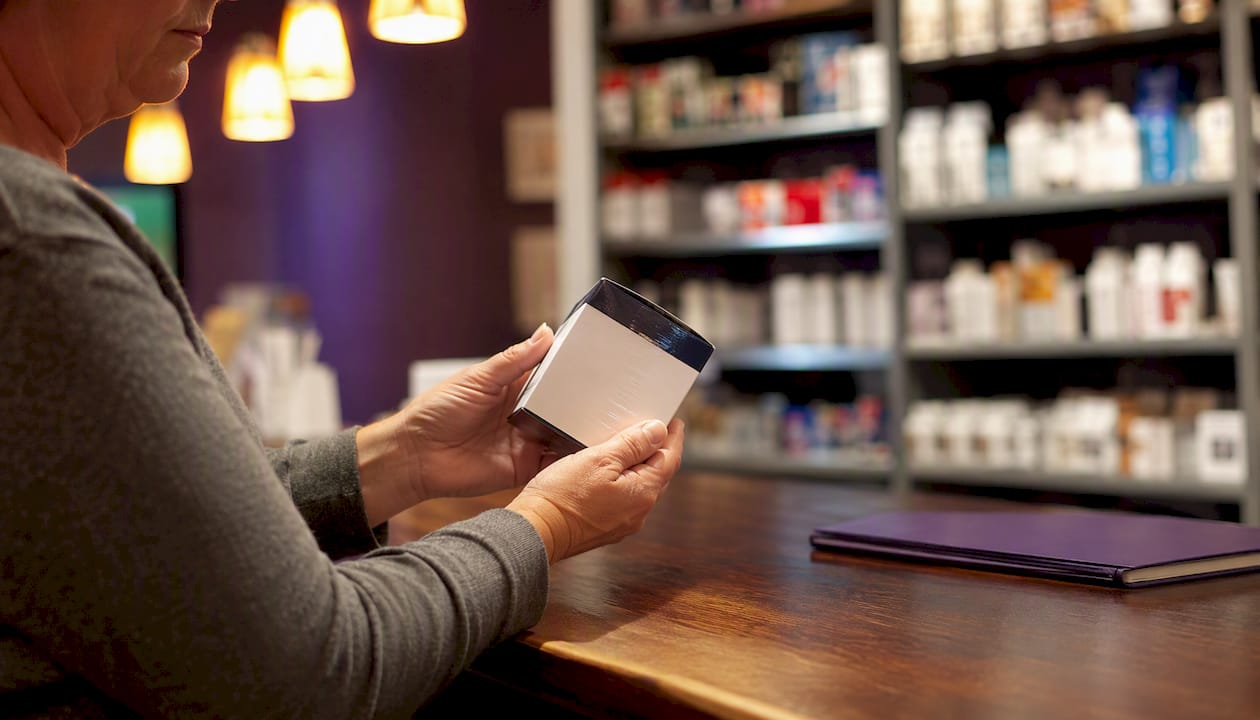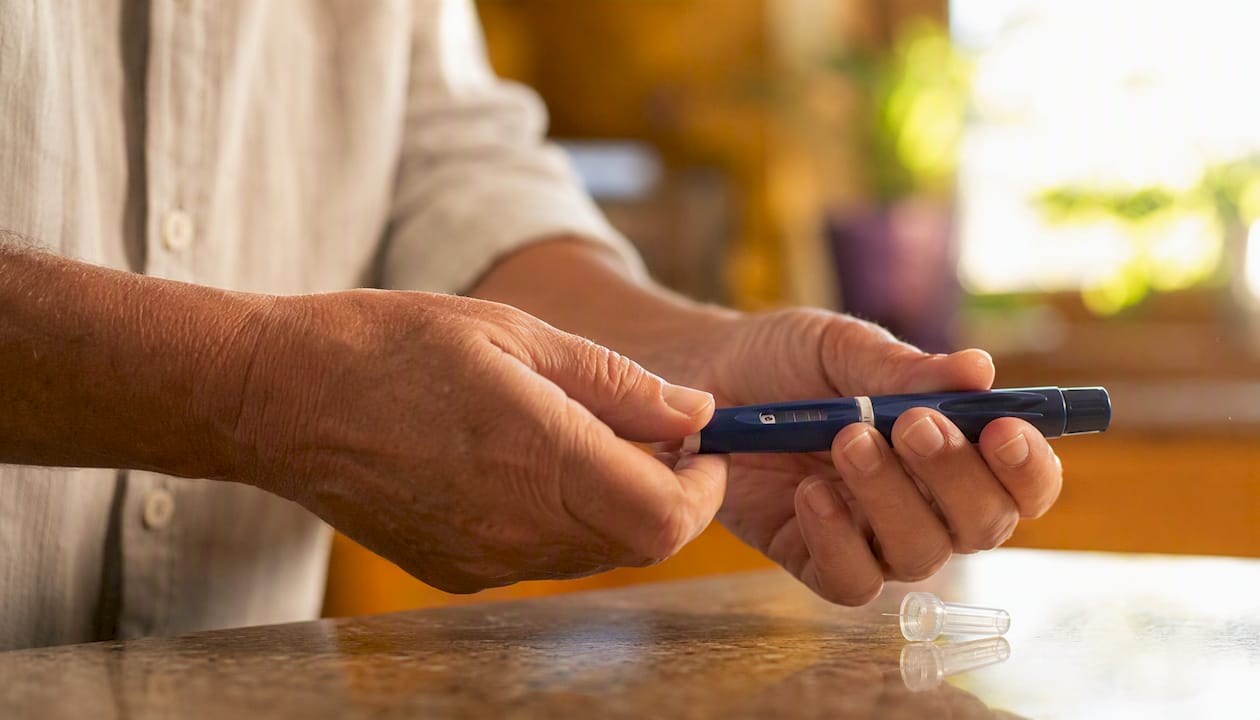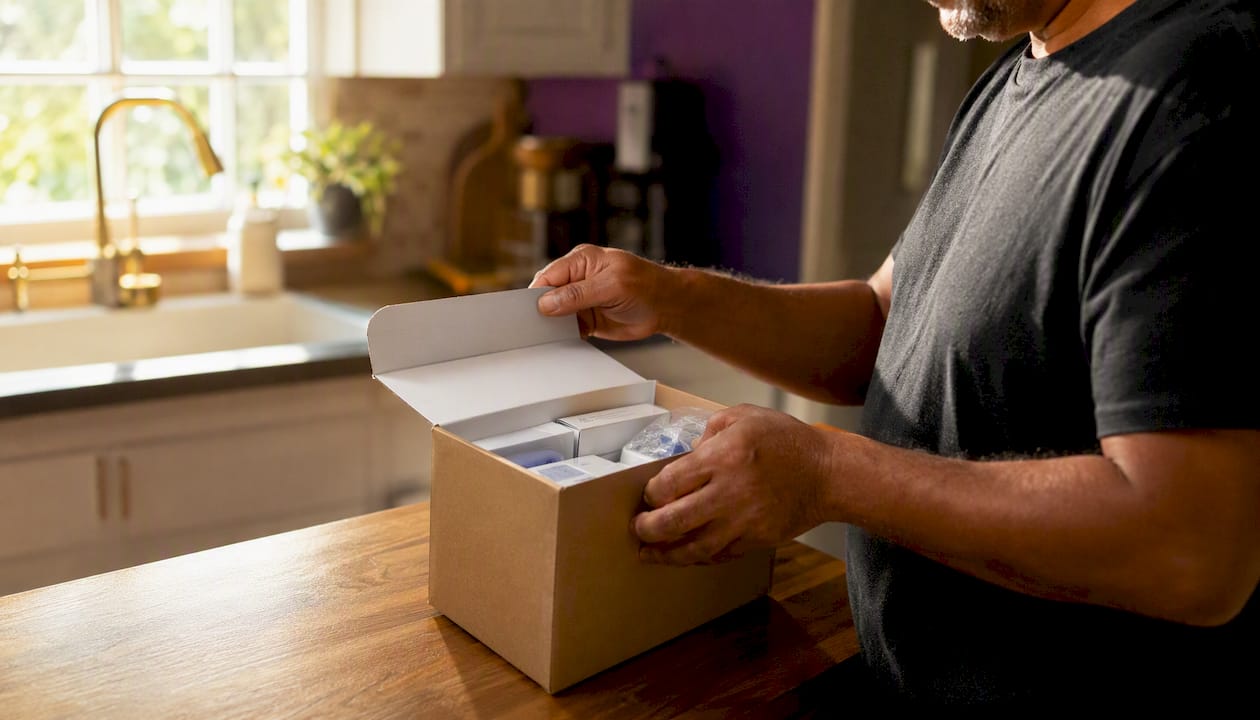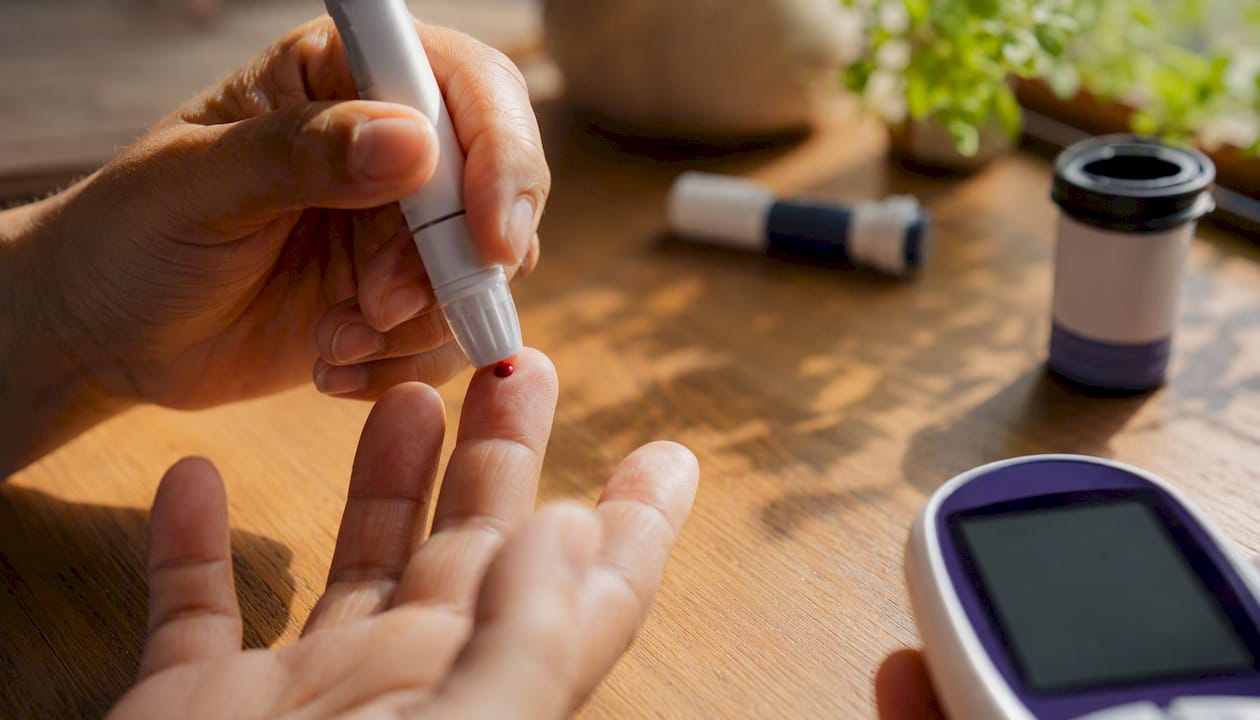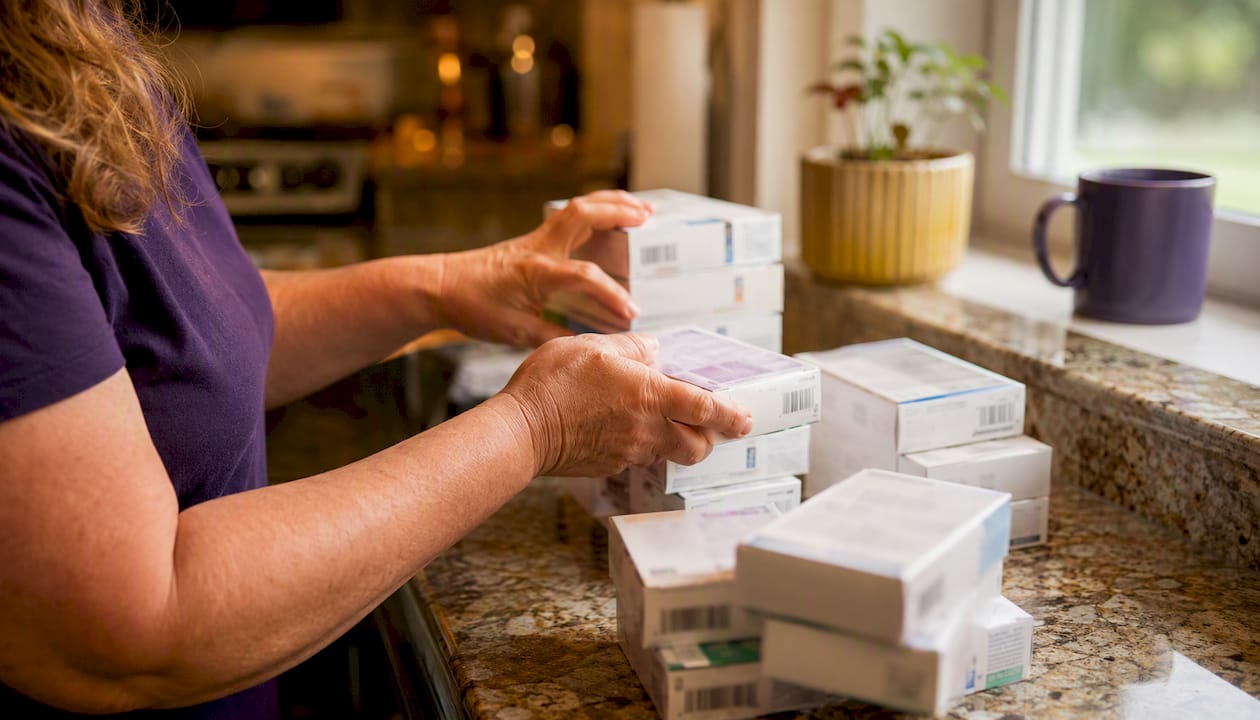

Proper diabetes supply storage is defined as maintaining insulin, test strips, CGM sensors, and pump consumables within specific temperature and humidity ranges to preserve their chemical efficacy. When you evaluate diabetes supply storage options, you are choosing between systems that protect your medication or ones that quietly degrade it. The right storage solution keeps your Dexcom G7, Freestyle Libre sensors, Omnipod pods, and sealed test strips ready to perform every time. Temperature control and organization are the two non-negotiable pillars of any solid storage plan.
What are the temperature requirements for storing diabetes supplies safely?
Temperature is the single most critical factor when you assess any diabetes supply storage solution. Get it wrong and your insulin loses potency before the expiration date on the box.
Insulin storage temperatures
Opened insulin requires storage below 79°F–86°F (26°C–30°C) depending on the brand, and remains stable for 28 to 56 days at room temperature. Unopened insulin must stay refrigerated at 36°F–46°F (2°C–8°C). That is a narrow window. Humalog and Novolog are stable for 28 days once opened, while other formulations allow up to 56 days. Always check the package insert for your specific brand.
Test strips and CGM supplies
Test strips degrade quickly when exposed to heat, humidity, or direct sunlight. Freestyle Libre sensors and Dexcom G7 sensors share the same vulnerability. Most manufacturers recommend storing these supplies at room temperature, between 40°F and 86°F (4°C–30°C), away from moisture.
Here is what goes wrong at temperature extremes:
- Heat above 86°F: Insulin breaks down, test strip enzymes denature, and CGM adhesives weaken.
- Cold below 36°F: Insulin freezes and becomes permanently ineffective. Frozen insulin cannot be thawed and reused.
- Humidity above 60%: Test strip vials absorb moisture, causing inaccurate glucose readings.
- Direct sunlight: Accelerates chemical degradation in both insulin and sensor components.
Knowing these thresholds is the foundation for comparing any diabetes storage container recommendation.
What are the main types of diabetes supply storage solutions?
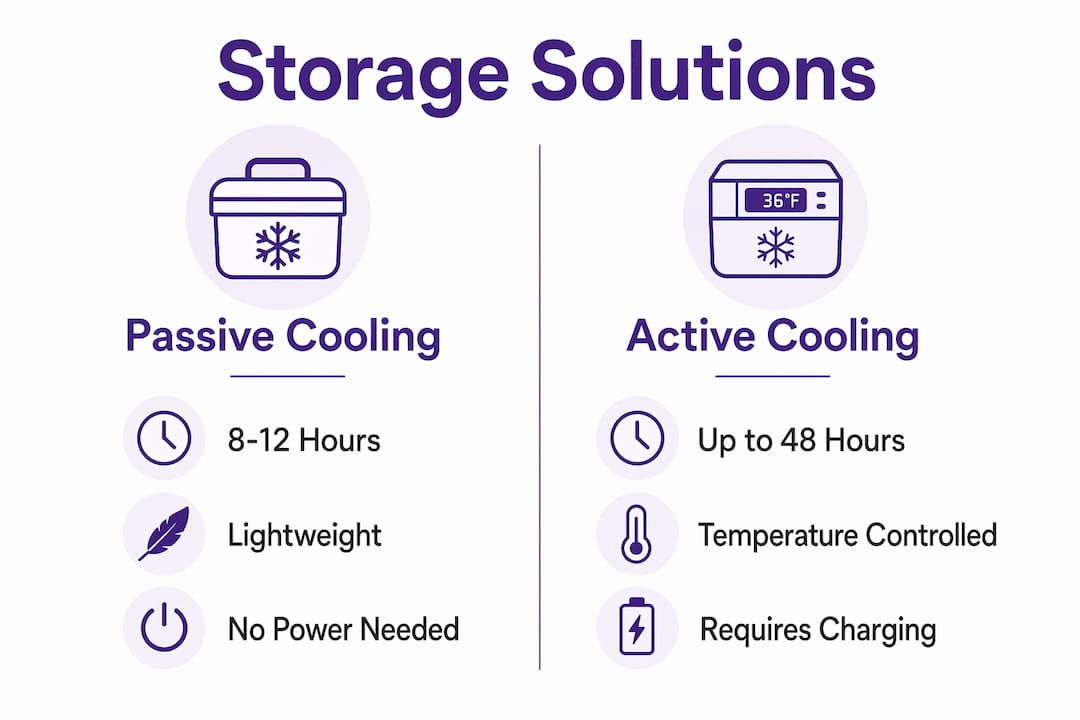
The market for diabetes supply storage solutions breaks into three clear categories: passive insulated cases, active electric coolers, and rigid or soft organizer bags. Each serves a different need.
| Storage Type | Cooling Duration | Best For | Key Drawback |
|---|---|---|---|
| Passive insulated case (e.g., Frio, gel pack) | 8–12 hours | Daily errands, short trips | Limited duration in extreme heat |
| Active electric cooler (e.g., 4AllFamily Rambler Pro) | 45–72 hours | Long travel, hot climates | Heavier, requires power source |
| Phase change material bag (e.g., VIVI Cap, InsulinSaver) | Varies by PCM mass | Discreet daily carry | Cost vs. cooling tradeoff |
| Hard-shell organizer case | No active cooling | Home storage, air travel | No temperature protection |
| Soft fabric organizer bag | No active cooling | Everyday carry, low-heat climates | Supplies can shift and sustain damage |
Passive cooling cases
Passive cases like the Frio wallet use evaporative cooling or gel packs to slow heat transfer. They are lightweight and affordable. The tradeoff is duration. In Florida summer heat, a standard gel pack case may lose effectiveness in under four hours. The VIVI Cap versus InsulinSaver comparison shows that slimmer passive devices sacrifice cooling duration for portability, while bags with more phase change material last longer but add bulk.
Active electric coolers
Devices like the 4AllFamily Rambler Pro maintain pen temperatures below 77°F (25°C) for active use and 36°F–46°F (2°C–8°C) for transport. They run on USB or battery power. Active coolers are the best diabetic supply storage solution for heat-heavy environments or trips longer than 12 hours. The cost and weight are higher, but the temperature precision is unmatched.
Compartmentalized organizer bags
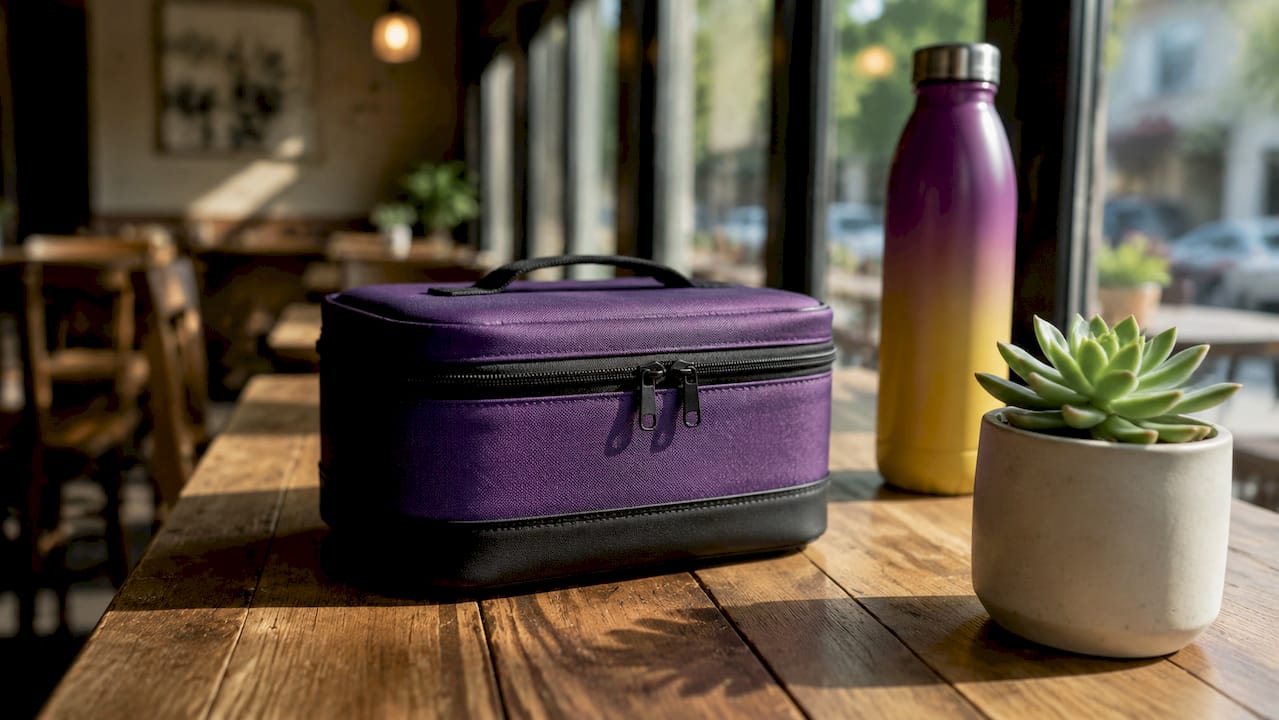
Bags without dividers allow sensors, pump consumables, and lancets to shift during transit. That movement damages sterile packaging and can crack device components. A quality organizer bag uses adjustable dividers to keep each supply type in a fixed position.
Pro Tip: If you live in Central Florida or travel to hot climates regularly, passive cooling alone is not enough for midday outdoor exposure. Pair a passive case with a small electric backup for trips over six hours.
How can you organize diabetes supplies at home, work, and on the go?
Systematic organization prevents the supply shortages most often linked to diabetes management failures. A tiered approach works best.
The three-tier system
- Everyday carry bag. This holds your active insulin pen or pump supplies, a glucose meter, test strips, lancets, and a fast-acting carbohydrate source. Keep it with you at all times.
- Home backup storage. A central backup location in a cool, dry area holds your 30-day supply of unopened insulin, extra sensors, and sealed test strip boxes. A bedroom closet shelf works well. A bathroom cabinet does not. Bathrooms generate humidity every time you shower.
- Emergency kit. A sealed bag or small case stored in your car or office contains a 3-day supply of critical items. Rotate this stock every 30 days to prevent expiration.
Location rules that protect your supplies
Avoid these common storage mistakes:
- Bathroom cabinets: Humidity from showers degrades test strips and sensor adhesives.
- Car gloveboxes: Interior car temperatures in Florida can exceed 130°F on a summer day.
- Kitchen windowsills: Direct sunlight and heat from cooking appliances accelerate degradation.
- Near heating or cooling vents: Temperature fluctuations stress insulin stability.
A bedroom nightstand drawer or a dedicated shelf in an interior closet is the safest home storage location for opened insulin and active supplies.
Labeling and inventory tracking
Label every storage container with the supply type and the date you opened or placed it. A simple diabetic supply inventory log, whether on paper or a phone app, tells you what you have, what expires next, and what to reorder. This habit alone prevents the most common supply management failure: discovering an empty box at the wrong moment.
Pro Tip: Set a monthly calendar reminder to audit your backup storage. Check expiration dates, rotate older stock to the front, and note what needs reordering. This 10-minute habit protects months of supply investment.
What are key considerations when evaluating storage for travel?
Travel introduces variables that home storage does not. The right storage solution for a weekend trip to Tampa differs from what you need for a two-week international trip.
Work through these factors before you buy any travel storage solution:
- Trip duration. Passive cooling covers short trips of under 12 hours. Trips beyond that require active cooling or a reliable supply of fresh ice packs. Active electric coolers maintain temperature for 45–72 hours without resupply.
- Destination climate. Hot, humid destinations like Orlando in July demand more cooling capacity than a trip to Denver in October. Match your cooling solution to the worst-case temperature you will face.
- Weight and carry restrictions. Active coolers add weight. If you are traveling with carry-on only, a lighter passive case paired with hotel refrigeration may be the better call.
- TSA compliance. Insulin and diabetes supplies are exempt from the TSA 3-1-1 liquid rule. Carry a letter from your doctor and keep supplies in their original labeled packaging. Declare your supplies at the security checkpoint.
- Hotel refrigeration. Hotel minibar refrigerators fluctuate widely and can freeze insulin due to poor insulation and sensor-triggered temperature swings. Ask hotel staff to store your insulin in the kitchen refrigerator instead.
- Power access. Electric coolers need USB or outlet access. Confirm your hotel room has accessible outlets and consider a portable battery pack for days when you are away from a power source.
- Discreetness. Many people prefer storage cases that do not look medical. Slim organizer bags in neutral colors draw less attention at work or in social settings.
Matching these factors to a specific product is how you move from browsing to a confident purchase decision. Learning to avoid test strip storage mistakes applies equally to travel scenarios.
Key Takeaways
Proper diabetes supply storage requires matching temperature control, organizational structure, and portability to your daily routine and travel needs.
| Point | Details |
|---|---|
| Temperature thresholds matter | Opened insulin must stay below 79°F–86°F; unopened insulin needs refrigeration at 36°F–46°F. |
| Match cooler type to trip length | Passive cases cover 8–12 hours; active electric coolers protect supplies for 45–72 hours. |
| Use a three-tier organization system | Separate everyday carry, home backup, and emergency supplies to prevent shortages. |
| Avoid bathrooms and cars | Humidity and heat in these locations degrade test strips, sensors, and insulin faster than most people expect. |
| Skip the hotel minibar | Minibar fridges can freeze insulin; hotel kitchen refrigerators or dedicated coolers are safer options. |
What I have learned from years of watching people manage their supplies
By Liliana
Most people spend time comparing cooler brands and almost no time thinking about their storage routine. The device matters less than the habit around it.
I have seen people invest in a quality active cooler and still lose insulin because they left it in a hot car for 20 minutes while running an errand. The cooler was in the trunk. The insulin was in a cup holder. The routine failed, not the product.
My honest advice: build your storage system around your actual daily pattern, not an ideal one. If you drive everywhere, your car setup is as important as your home setup. If you work long shifts, your everyday carry bag needs to hold a full day’s worth of supplies without relying on a refrigerator at work.
One thing I tell people consistently: invest in a bag with adjustable dividers before you invest in a premium cooler. Compartmentalization protects your Dexcom G7 sensors and Omnipod pods from physical damage during transit. That damage is invisible until the sensor fails on your skin.
Also, rotate your stock. I have seen sealed test strip boxes expire in a drawer while someone was using a newer box from the front of the cabinet. A supply inventory system does not need to be complicated. A sticky note with a date on each box is enough to prevent waste.
The best storage solution is the one you actually use every day without thinking about it.
— Liliana
Have extra supplies you no longer need?
If you have been auditing your storage and found sealed, unexpired supplies you no longer use, you do not have to let them go to waste. Orlando Diabetic Supplies Buyback buys unused diabetic supplies in Orlando and surrounding areas, including Dexcom G6 and G7 sensors, Freestyle Libre, Omnipod pods, and sealed test strips.
The process is fast and local. You get same-day cash for supplies that are still in their original sealed packaging. If you are not sure what qualifies, the cash for unused supplies guide walks you through exactly what Orlando Diabetic Supplies Buyback accepts and how the process works. Reducing waste and recovering value from surplus supplies is a practical part of managing your diabetes supply system well.
FAQ
What temperature should insulin be stored at?
Unopened insulin requires refrigeration at 36°F–46°F (2°C–8°C). Once opened, most insulin formulations are stable at room temperature below 79°F–86°F for 28 to 56 days depending on the brand.
How long do passive insulin coolers keep supplies cold?
Passive insulated cases typically maintain cooling for 8–12 hours. Advanced vacuum-sealed or electric coolers can preserve the correct temperature range for 45–72 hours without resupply.
Can I store diabetes supplies in the bathroom?
No. Bathroom humidity from showers degrades test strips and CGM sensor adhesives. Store supplies in a cool, dry location such as a bedroom closet or nightstand drawer.
Is it safe to use a hotel minibar fridge for insulin?
Hotel minibar refrigerators are not safe for insulin storage. They fluctuate widely in temperature and can freeze insulin. Ask hotel staff to store your insulin in the kitchen refrigerator or use a dedicated electric insulin cooler.
What is the best way to organize diabetes supplies for travel?
Use a compartmentalized travel case to prevent physical damage to sensors and consumables. Carry a letter from your doctor, keep supplies in original labeled packaging for TSA, and match your cooling solution to your trip length and destination climate.