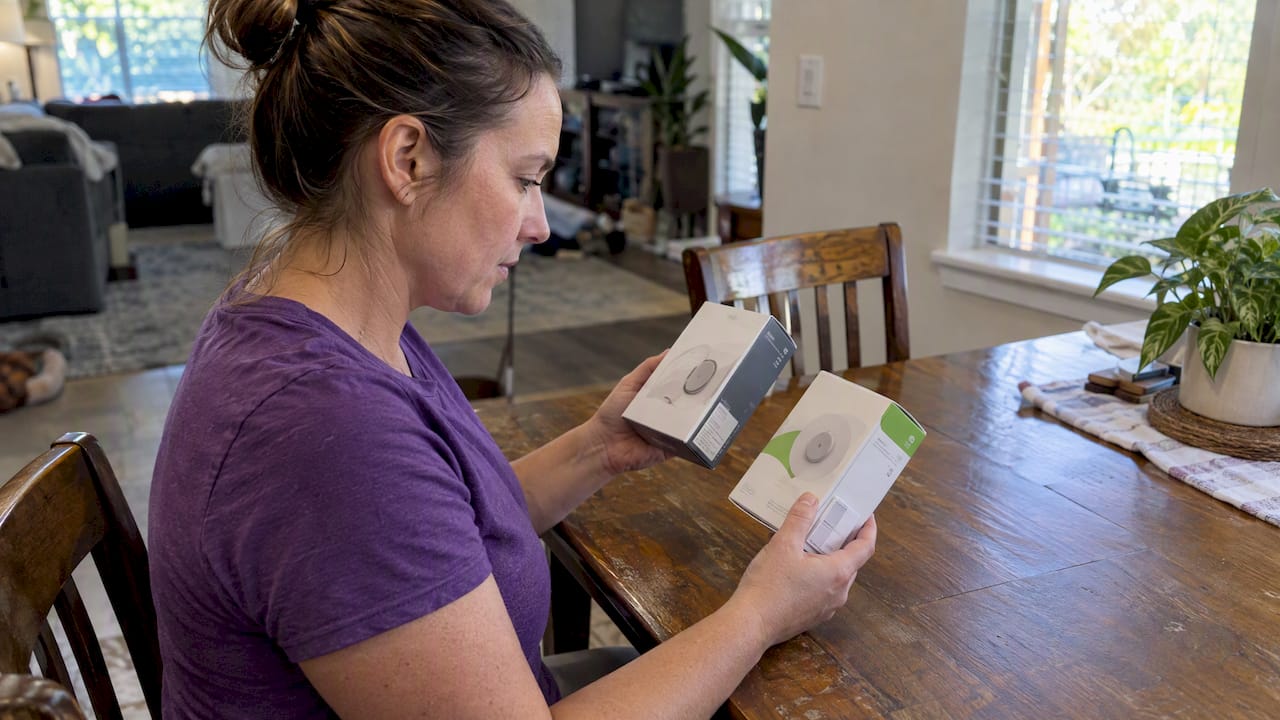

Yes, moisture exposure, including open vials, loose caps, or damp storage, can compromise glucose test strips, and it usually makes them ineligible for resale. If you spot any sign of dampness, a cracked vial, or a cap that doesn’t seat tightly, inspect it, photograph it, and disclose it. Don’t test the strips yourself to “check” them. The FDA recall notice and FDA’s own tips brochure back this up directly.
TL;DR:
- Humidity can alter strip reagents invisibly and cause falsely high glucose readings, so never test a suspect vial or use its strips.
- Treat loose caps, cracks, fogging, droplets, or discoloration as warning signs; an unexpired date does not make a compromised vial safe.
- Manufacturer stability windows, including examples around 180 days, apply only within specified temperature and humidity limits; exposure outside them voids that assurance.
- Most buyers require sealed, untampered, unexpired vials, so suspected moisture exposure can reduce an offer or disqualify strips even when damage seems slight.
- Keep vials at room temperature, replace the cap immediately after removing a strip, and avoid bathrooms or vehicles where humidity and temperature fluctuate.
Table of Contents
- How humidity and water exposure change strip chemistry
- Checking a sealed vial for moisture problems
- What the FDA and manufacturers say about storage
- Deciding whether to sell or dispose of exposed strips
- Why honest inspection protects everyone in the transaction
- Getting cash for your sealed, unaffected supplies
- FAQ
- Sources
How humidity and water exposure change strip chemistry
Test strips work because a chemical reagent on the strip reacts with glucose in a blood sample. That reagent is sensitive. When humidity gets into a vial, it can alter the reagent before the strip ever touches blood, and the damage usually isn’t something you can see.
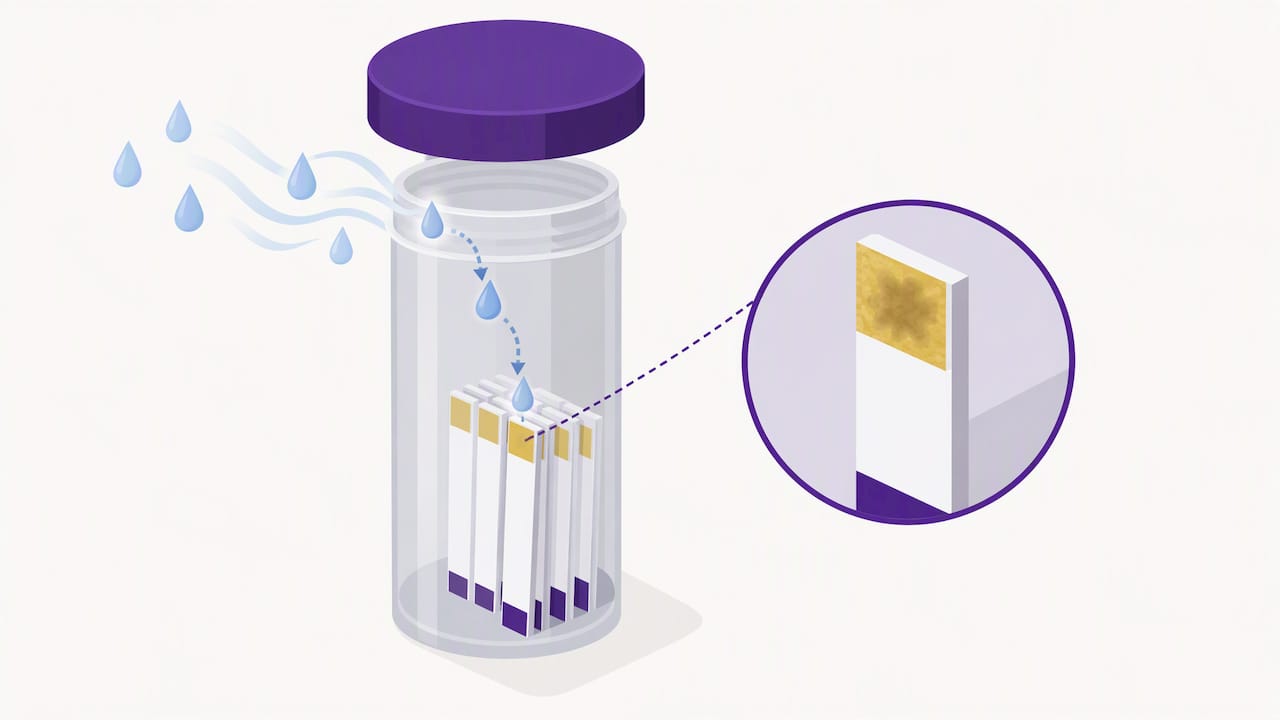
The FDA recall notice spells out the risk clearly: open vials can expose strips to humidity, and that exposure can produce falsely high, or positively biased, glucose readings. That’s not a minor quirk. A falsely high reading can lead someone to make the wrong call about insulin or food, which is exactly why the FDA treated this as a recall-worthy issue rather than a footnote on a label.
Packaging failure is usually the real culprit, not the strip itself. A few common ways moisture gets in:
- A cap that isn’t fully seated after someone pulls a strip from a shared vial.
- A seal that cracked or loosened during shipping or rough handling.
- Condensation that forms when strips move from a cold environment, like a refrigerator, back to room temperature.
- A vial stored in a bathroom, car, or anywhere humidity swings throughout the day.
510(k) premarket review documents for glucose meter systems describe open-vial stability claims tied to specific temperature and humidity ranges, with some devices listing open-vial stability windows of around 180 days under defined relative humidity and temperature conditions. That stability number only holds if the vial stays within the conditions the manufacturer tested. Once a strip sits outside that range, whether from a loose cap or a damp glovebox, the manufacturer’s stability claim no longer applies, even if the expiration date printed on the box says otherwise.
Checking a sealed vial for moisture problems
Before you offer test strips for sale, or even before you consider using them yourself, run through a quick physical inspection. You’re looking for anything that suggests the seal was ever compromised.
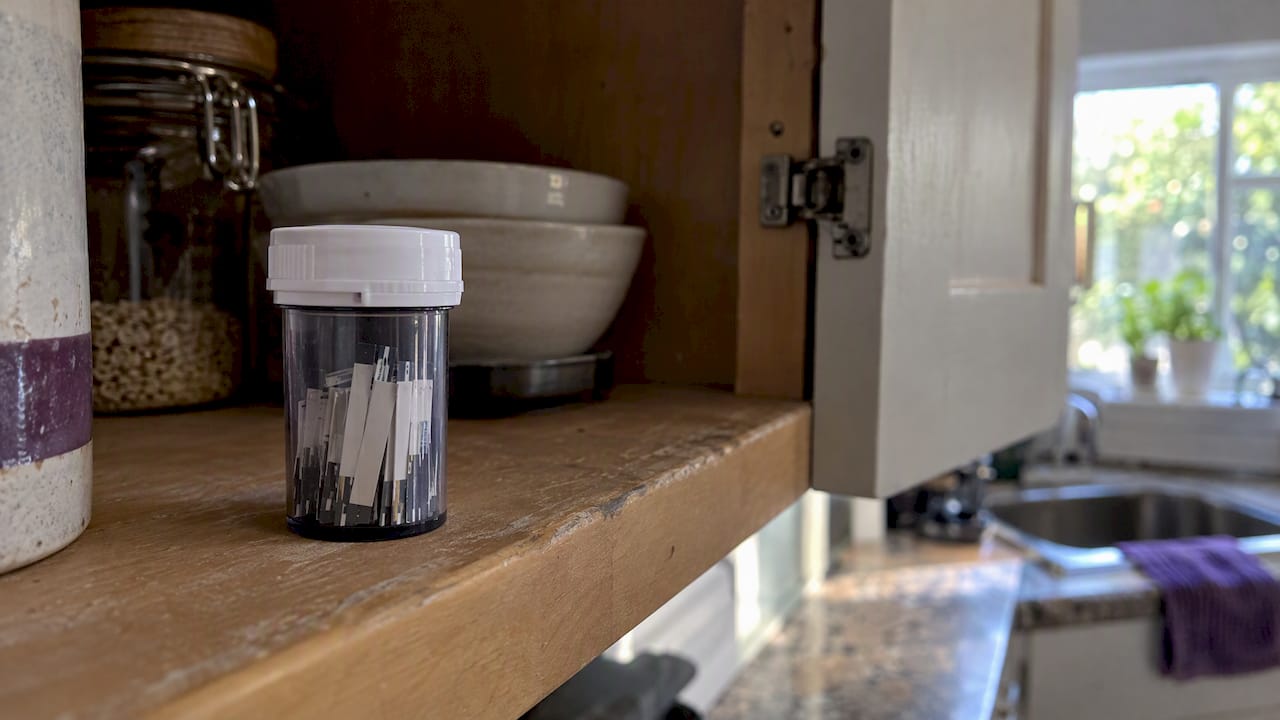
- Check that the cap is fully seated and twists to a firm stop, with no gap or looseness.
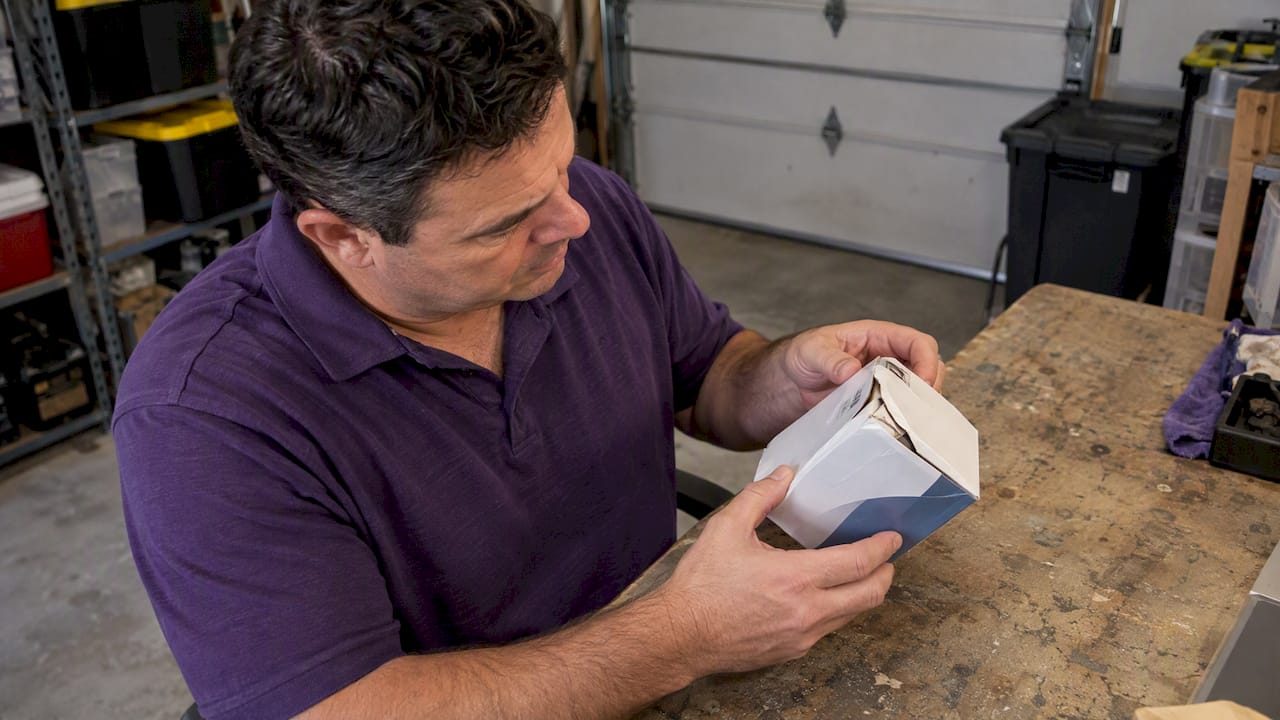
- Look for cracks, warping, or any discoloration on the vial body.
- Check for visible wet residue, fogging, or droplets inside the vial wall.
- Shake gently and listen or feel for strips moving loosely, which can suggest the vial was opened and reclosed.
- Compare strip color against the manufacturer’s reference, since discoloration can signal reagent breakdown.
- Note the lot number and expiration date so you have a clear record before deciding what to do next.
If you see any of these signs, stop there. Don’t open a questionable vial to run a test strip through a meter just to “see if it still works.” A single reading won’t tell you whether the whole batch is reliable, and using a compromised strip for a real glucose check carries real risk.
Pro Tip: A valid expiration date doesn’t override physical damage. If the seal looks compromised, treat the vial as unusable regardless of the date on the label.
A vial can look fine from across the room and still fail this checklist up close, which is why a slow, deliberate look under good light matters more than a quick glance.
What the FDA and manufacturers say about storage
The guidance here isn’t scattered or vague. Both the FDA and manufacturers give specific, practical instructions, and they tend to agree on the basics.
- FDA’s consumer tips brochure states plainly that heat, cold, and humidity can damage test strips, and it instructs users to replace the bottle cap promptly after removing a strip.
- The same brochure tells users directly not to use strips from a cracked or damaged bottle and not to use strips past their expiration date.
- The recall notice for open vials lists user actions that include checking vials before use and contacting the manufacturer for replacement if a vial is open or damaged.
- Manufacturer labeling, as reflected in 510(k) stability testing, typically defines storage temperature and relative humidity ranges, and testing shows that extreme combinations of heat and humidity can push results outside acceptable limits.
Put together, these sources point to one practical rule: an unexpired strip isn’t automatically a safe strip. Expiration dates assume the vial stayed sealed and stored the way the manufacturer specified. Once that assumption breaks, whether from a missed cap or a humid glove compartment, the expiration date alone doesn’t tell you much.
Deciding whether to sell or dispose of exposed strips
Once you’ve inspected a vial and you suspect moisture exposure, the next question is practical: what happens to its resale value, and what should you do with it?
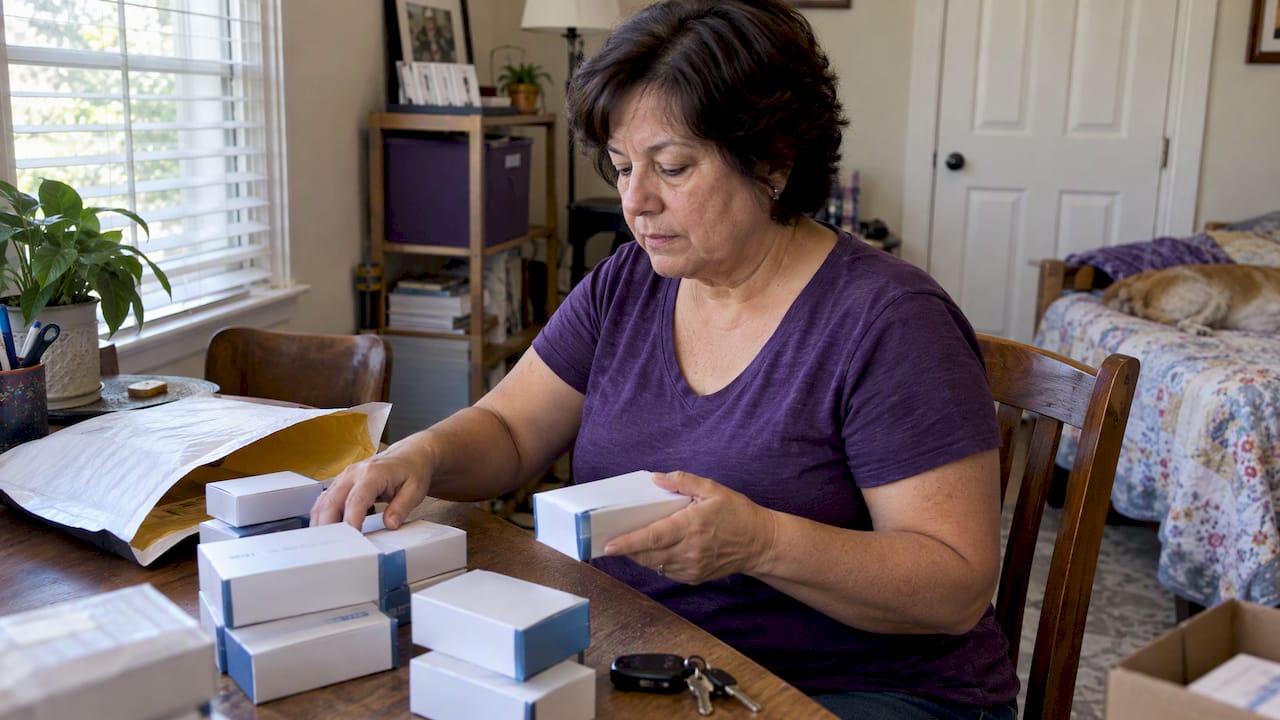
Most buyback standards, ours included, require items to be sealed, untampered, and unexpired. Moisture damage usually fails the “untampered” condition even when the seal looks mostly intact, because the concern isn’t just whether it was opened, but whether humidity could have reached the reagent. That typically means a lower offer or an outright pass on the item.
A few things help speed up the conversation with any buyer:
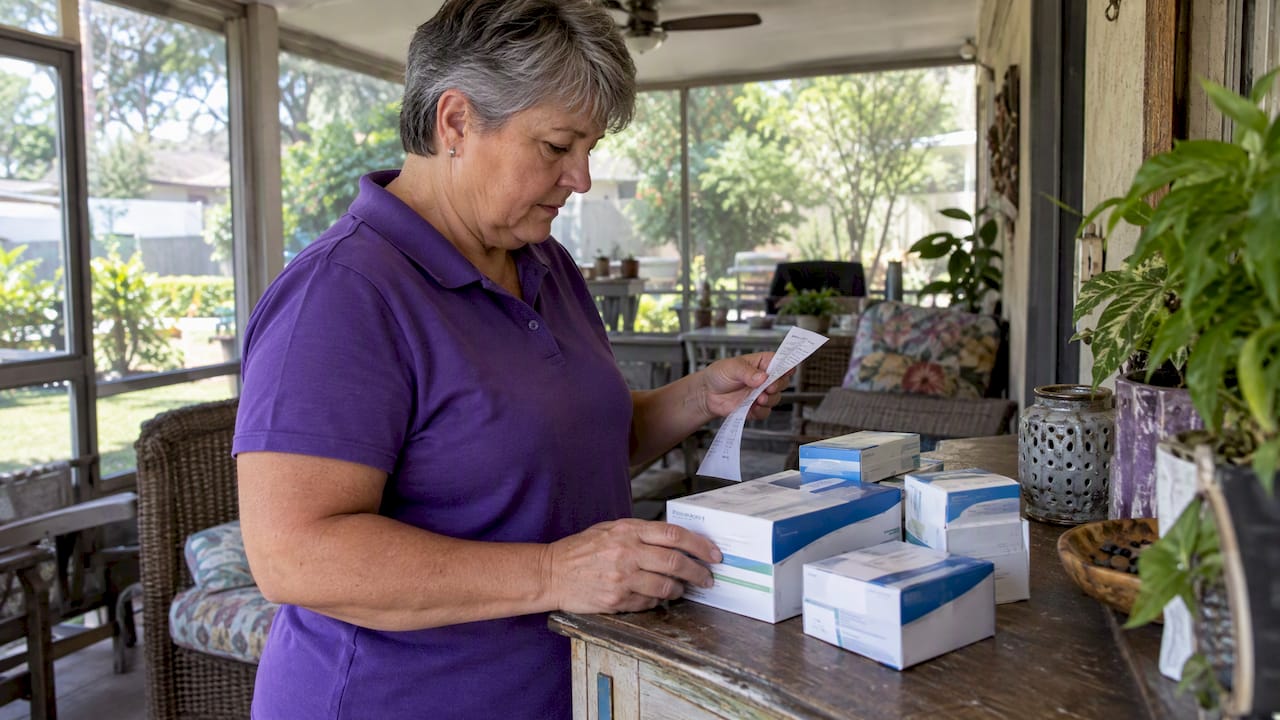
- Clear photos of the cap, vial body, and any visible residue or discoloration.
- The lot number and expiration date, written down or photographed alongside the vial.
- An honest note about where and how the item was stored, including any temperature swings you know about.
- Separating suspect vials from your confirmed-good stock so they don’t get mixed in by mistake.
If a vial looks compromised, the safest move is disposal rather than resale or use. Follow your local guidelines for medical waste disposal, and if you’re unsure whether an item qualifies for replacement under a manufacturer’s recall terms, contact the manufacturer’s customer care line directly rather than guessing. If storage habits are part of the problem, it’s worth reading about common mistakes that reduce resale value before your next batch sits in a drawer for months. And if expiration timing is part of your calculation too, how expiration affects buyback value walks through that side of it.
Why honest inspection protects everyone in the transaction
We’ve looked at a lot of sealed boxes and vials over the years, and the pattern is consistent: sellers who flag a questionable item upfront get through the process faster than sellers who hope no one notices. A cap that doesn’t sit quite right, a vial that spent a summer in a car, these things matter, and buyers who know what they’re doing will spot them anyway.
Disclosure isn’t just about closing a sale smoothly. These are medical supplies, and a strip that gives a falsely high reading can lead someone to make a bad decision about their health. Treating that seriously, on both sides of the transaction, is what keeps the whole resale process worth trusting.
— Liliana
Getting cash for your sealed, unaffected supplies
If your test strips passed inspection with no signs of moisture exposure, we make turning them into cash simple. We buy unused diabetic supplies in person, and we pay on the spot for eligible sealed, unexpired items through Cash for Diabetic Supplies.

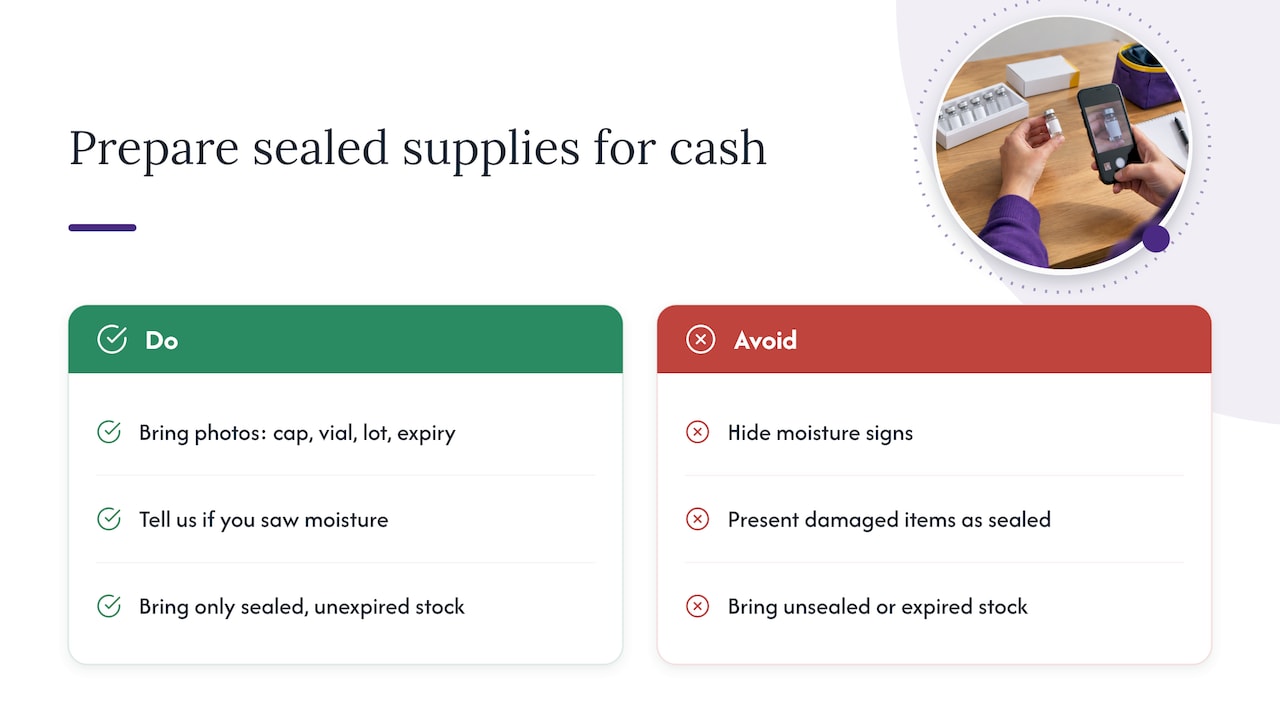
Before you reach out, have your photos ready: the cap, the vial body, the lot and expiration numbers. If you noticed anything that looked like moisture exposure, tell us. We’d rather know upfront than find it during inspection, and it saves everyone time. Items with visible moisture damage typically get a reduced offer or a pass, while sealed, unaffected stock moves quickly. Check our step-by-step guide to preparing items for sale to see exactly what we look for.
This article is general information, not a substitute for advice from a qualified doctor. Consult a qualified healthcare professional about your own circumstances before acting on anything here.
FAQ
Can moisture-damaged test strips still be used safely?
No. Moisture exposure can alter the reagent on the strip in ways that aren’t visible, and the FDA recall notice specifically warns that this can cause falsely high glucose readings. If you suspect exposure, don’t use the strip to confirm a reading.
Does an unexpired box mean the strips are still good?
Not necessarily. Expiration dates assume the vial was stored and sealed the way the manufacturer specified, and FDA guidance notes that heat, cold, and humidity can damage strips regardless of the printed date. A compromised seal or visible moisture overrides an otherwise valid expiration date.
Will a buyback service accept strips that got slightly damp?
Most buyback standards require sealed, untampered, and unexpired condition, and moisture exposure typically fails that bar even when damage isn’t obvious. Expect a reduced offer or a decline, and disclose any suspected exposure upfront so the inspection goes faster.
What should I do if I find condensation inside a vial?
Treat the vial as compromised and set it aside rather than using or selling it. Contact the manufacturer about replacement options, since the recall guidance recommends checking vials before use and reaching out to customer care for damaged or open containers.
How can I avoid moisture damage while storing extra strips?
Keep vials at room temperature, avoid refrigeration that causes condensation on warm-up, and replace the cap immediately after removing a strip, exactly as FDA’s tips brochure recommends. Avoid humid spaces like bathrooms or vehicles, where temperature and humidity swing throughout the day.
Sources
- Class 2 Device Recall — AccuChek Inform II Test Strip (FDA recall notice)
- Tips for using your blood glucose meter (FDA brochure)