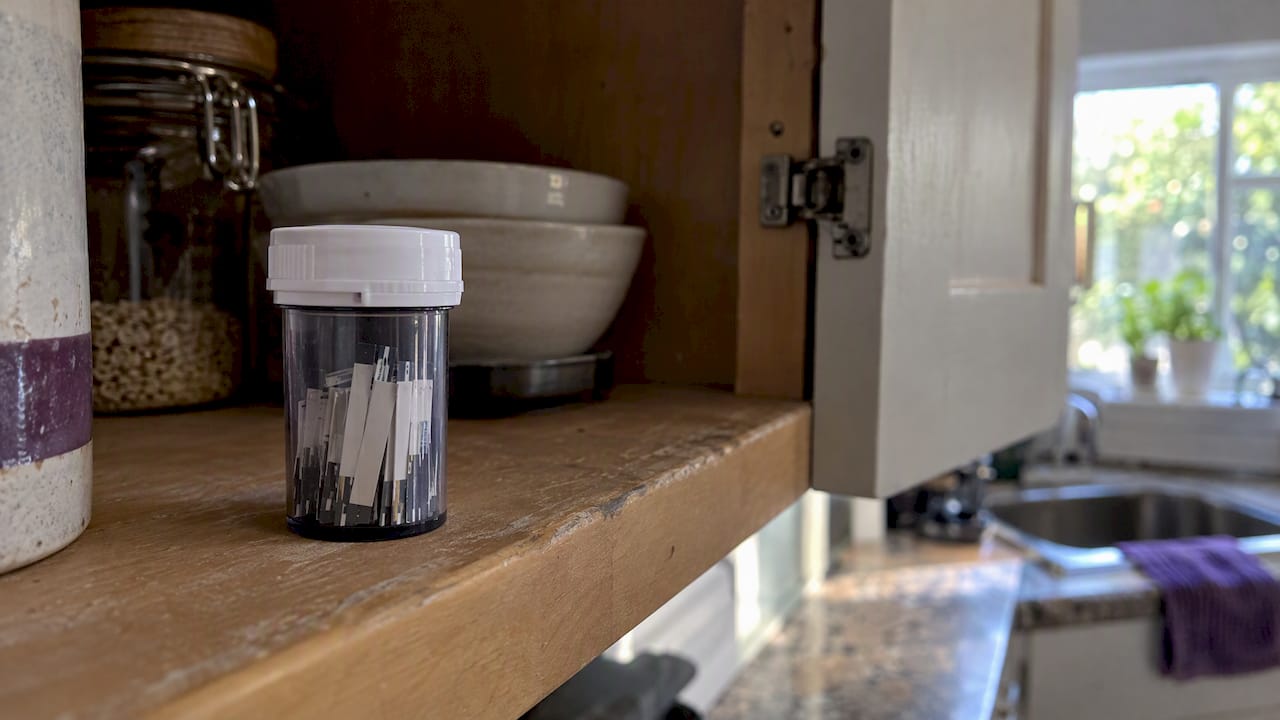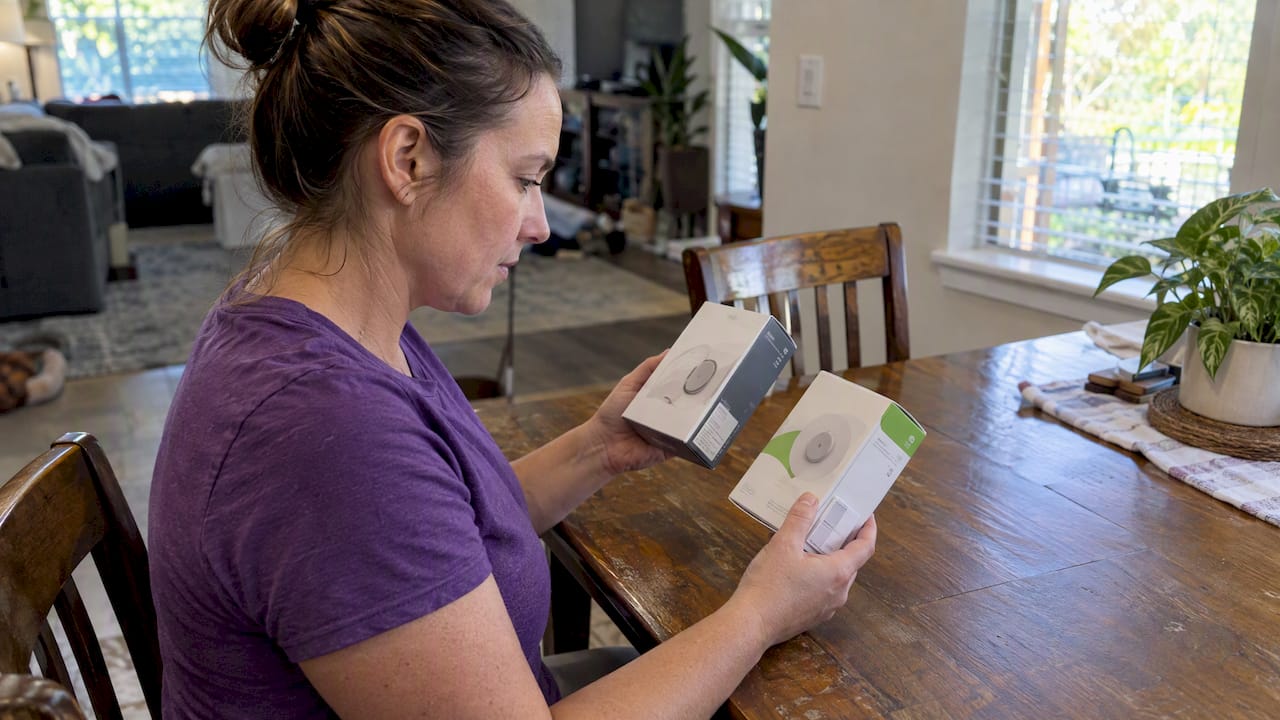

Yes, diet meaningfully changes how often you use diabetes supplies, and for many people the difference is significant. Diet drives glycemic variability (GV), the clinical term for how much your glucose swings up and down, and GV is the trigger behind most avoidable supply use. Steadier eating patterns tend to mean fewer CGM alarms, fewer correction doses, and fewer extra fingersticks. Given that CGM devices run about $4,431 a year compared to $319 for traditional meters. Even small improvements in glucose stability translate into real savings. At Orlando Diabetic Supplies Buyback, we see the downstream result of this regularly: people who stabilize their eating often end up with sealed, unused supplies they no longer need.
- Diet quality and timing directly influence glycemic variability
- Lower GV means fewer alarms, corrections, and fingersticks
- Stabilized routines often leave people with sealed supply surplus worth reselling
Key Takeaways
Stabilizing carbohydrate intake and adding protein or PUFA-rich fats at meals lowers glycemic variability and reduces avoidable CGM alarms, corrections, and fingersticks.
| Point | Details |
|---|---|
| Diet drives GV | Carbohydrate amount, quality, and timing are the biggest levers on glycemic variability. |
| GV drives supply use | More glucose swings mean more alarms, corrections, and fingersticks per week. |
| Evidence is real but bounded | DSNF and PUFA/protein studies show benefit, though several trials are small or inpatient. |
| Track before you cut | Log corrections and strip use for one to two weeks before adjusting supply orders. |
| Surplus can become cash | Stabilized routines often leave sealed, unused supplies worth selling instead of storing. |
Table of Contents
- How Diet Drives Glycemic Variability and Supply Usage
- What Does the Research Say About Diet and Supply Costs?
- Which Foods and Meal Patterns Reduce Supply Overuse?
- What Gets in the Way of These Changes for Some Patients?
- How Do You Track Whether Diet Changes Are Cutting Supply Use?
- When Should You Loop In Your Care Team?
- Frequently Asked Questions
- Sources
How Diet Drives Glycemic Variability and Supply Usage
Carbohydrate amount and timing drive the postprandial spikes that trigger correction insulin. A large, fast-digesting carbohydrate load pushes glucose up quickly, and your body (or your pump) responds with a correction dose. That correction, in turn, uses supplies: insulin, a CGM alarm acknowledgment, sometimes a confirmatory fingerstick.
Clinicians increasingly treat GV itself as a risk factor, not just an afterthought to HbA1c. Research shows GV is shaped heavily by carbohydrate quality, protein, and fiber, which means the food on your plate is doing real clinical work, not just providing calories. The chain runs like this: diet choices raise or dampen glucose swings, swings trigger alarms and rescues, and rescues consume supplies faster than a stable pattern would.
Here’s how specific diet elements map to supply events:
- High carbohydrate load → sharper spikes → more correction boluses and used insulin.
- Low fiber, high glycemic index meals → faster rebound highs → more CGM high-alert triggers.
- Skipped protein or fat at meals → quicker post-meal crash → more low-alert alarms and rescue carbs.
- Irregular meal timing → unpredictable patterns → more manual fingersticks to double-check sensor readings.
Statistic callout: CGM users report annual device spending roughly 14 times higher than BGM users ($4,431 vs $319), which is exactly why reducing avoidable alarm and correction cycles through diet has real financial weight, not just clinical value.
What Does the Research Say About Diet and Supply Costs?
The clinical evidence backing this isn’t theoretical. A handful of well-designed studies connect nutrition changes directly to reduced downstream medical and supply utilization.
- A 2016 trial of diabetes-specific nutritional formulas (DSNFs) in malnourished older adults with type 2 diabetes found a 65.6% reduction in hospital-related healthcare costs over a one-year intervention, while glucose control held steady.
- A separate inpatient study of a DSNF found that over roughly 29 days, patients improved nutritional markers like mid-arm circumference and nitrogen balance without worsening fasting glucose, reported in Frontiers in Endocrinology.
- Observational data on free-living patients found that higher PUFA and protein intake correlated with lower glycemic variability and more time-in-range, while higher carbohydrate intake pushed time-in-range down.
Data callout: the CGM vs BGM cost gap ($4,431 vs $319 annually) isn’t the whole story. CGM’s higher price tag is offset in many cases by lower overall medical utilization, because better visibility into glucose trends lets people catch problems before they become expensive ones.
These findings come with real limits. The DSNF studies were largely inpatient, involving older or malnourished populations. Therefore, results may not generalize cleanly to a healthy adult managing type 1 diabetes at home. Sample sizes in several of these trials were modest. Treat these as a strong, coherent signal rather than a guarantee for every situation. For a broader look at how device categories differ, our diabetes tech categories guide breaks down where CGM, BGM, and pumps fit into typical supply budgets.
Which Foods and Meal Patterns Reduce Supply Overuse?

Lowering carbohydrate load at any single meal reduces the postprandial spike that leads to a correction bolus. That’s the single highest-leverage change most people can make, and it doesn’t require an overhaul of your entire diet.
A few tactical habits make a measurable difference:
- Count carbs consistently. Wide swings in carb amount from meal to meal are harder for your body (and your algorithm-driven pump) to predict.
- Prioritize low-glycemic-index carbs and fiber. Slower-digesting carbohydrates blunt the spike that triggers alarms.
- Add protein or PUFA-rich fats to meals. Data shows this combination is linked to smoother glucose curves and more time-in-range.
- Spread carbohydrate intake across the day rather than loading it into one large meal, which tends to produce a sharper spike and a harder crash.
- Avoid treating every low blood sugar with a large sugary rescue. Overcorrecting a mild low often causes a rebound high, and that rebound triggers its own correction dose.
A few real-world swaps: for breakfast, trade a bagel for two eggs with a slice of whole-grain toast and avocado. For lunch, swap white rice for a grain bowl with beans, olive oil, and grilled chicken. For an afternoon snack, choose Greek yogurt with berries instead of a granola bar, since the protein blunts the sugar spike from the fruit.
Pro Tip: Keep a small, dedicated stash of fast-acting glucose tabs or juice boxes for actual lows, separate from your regular pantry. When rescue carbs live next to everyday snacks, it’s easy to treat a mild dip with more sugar than needed, which just creates the next spike.
What Gets in the Way of These Changes for Some Patients?
Good dietary advice doesn’t land the same way for everyone, and that gap is worth naming honestly. Food insecurity, limited time to cook, and thin insurance coverage all shape whether someone can actually act on nutrition guidance, regardless of how sound it is.
Common barriers include:
- Food insecurity or limited access to fresh, low-GI foods
- Inconsistent work schedules that make meal timing hard to control
- Insurance gaps that limit CGM sensor supply or dietitian visits
- Low digital confidence in reading CGM trend data and alerts
- Financial trade-offs between buying food and buying supplies
Community resources can help close some of this gap: food pantries increasingly stock diabetic-appropriate items, some clinics offer free dietitian consultations, and Medicaid or Medicare prior-authorization assistance programs exist specifically to reduce coverage friction. Research on real-world device use also confirms that insurance type, income, and digital access shape actual utilization, even when clinical recommendations are identical across patients.
When financial strain forces rationing, that’s a safety issue, not a budgeting inconvenience. Stretching insulin doses or skipping sensor changes to save money raises the risk of dangerous highs and lows far more than it saves in dollars.
If you’re navigating supply costs on a tight budget, our guide on budgeting for diabetes supplies covers practical triage strategies that don’t involve rationing insulin or skipping sensor changes.
How Do You Track Whether Diet Changes Are Cutting Supply Use?
Set a one-week baseline before changing anything. Log your corrections, hypoglycemia treatments, and strips used per day so you have a real number to compare against later.
- Week 0: Track baseline corrections, hypo treats, and strip use without changing your diet.
- Weeks 1 to 2: Introduce one dietary change (carb consistency, added protein, or lower-GI swaps).
- Weeks 2 to 8: Keep logging weekly counts and note any drop in alarms or corrections.
- Review and adjust: Bring the data to your next clinic visit and decide together whether supply orders can be adjusted.
Most people see fewer alarms or corrections somewhere between two and eight weeks, depending on how consistent the changes are and whether medications also shift. A simple weekly log works fine:
Pair this tracking with a clinic review before reducing any standing supply order. For more on how daily monitoring connects to these numbers, see our piece on why diabetes requires daily monitoring.
When Should You Loop In Your Care Team?
Never adjust insulin doses or other diabetes medications on your own based on diet changes alone. Diet and medication interact in ways that aren’t always intuitive, and your care team needs to know before, not after.
Watch for these red flags and contact your clinician promptly:
- Recurrent severe hypoglycemia, even if each episode feels minor
- Rapid, unintended weight loss
- Persistent high glucose despite consistent dietary effort
- Signs of dehydration or infection, which can distort glucose readings
Bring specific questions to your next appointment: ask to share your CGM download, ask whether your current medications interact with your diet (high saturated fat, for instance, can blunt metformin’s effect), and ask whether a DSNF might help if you’re at nutritional risk. A pharmacist can also flag interactions between new supplements and existing prescriptions.
A Local Perspective on Diet, Supplies, and Surplus
Every week, we see the practical end result of stabilized eating: people with sealed sensors and strips they simply don’t need anymore. Talk to your care team about your numbers first, and if you end up with genuine surplus, know that responsible options exist.
Frequently Asked Questions
Does diet really change how many diabetic supplies I use?
Yes. Diet affects glycemic variability, and lower GV generally means fewer CGM alarms, correction doses, and extra fingersticks, which directly reduces supply consumption over time.
How fast will I see fewer alarms after changing my diet?
Most people notice a difference within two to eight weeks, depending on consistency and whether any medications change alongside the diet.
Can diet changes affect my metformin or insulin needs?
Yes. High saturated fat intake can blunt metformin’s effectiveness, so any significant diet shift is worth discussing with your care team before it affects your medication plan.
What should I do if diet changes leave me with extra sealed supplies?
Confirm with your clinician that your new supply needs are stable, then consider selling unused sealed sensors or strips instead of letting them expire in a drawer.

This article is general information, not a substitute for advice from a qualified doctor. Consult a qualified healthcare professional about your own circumstances before acting on anything here.
Sources
- PubMed: Study on diabetes-specific nutritional formulas and outcomes
- PMC: CGM versus BGM cost and utilization analysis (2023)
- Annual Review: Glycemic variability and nutritional influences (2015)
- Systematic review: The impact of macro- and micronutrients on metformin anti-diabetic activity (2025)
- MDPI Nutrients: PUFA, protein, and glucose variability (2022)