Diabetes supply prescriptions are defined as written medical orders that authorize specific supplies, medications, or devices needed to manage diabetes, processed through Medicare Part B, Medicare Part D, or private insurance. Understanding how diabetes supply prescriptions work is the first step to avoiding coverage gaps, claim denials, and unexpected costs. Medicare Part B covers durable medical equipment like blood glucose monitors, while Part D covers outpatient insulin and related drugs. Each part carries distinct documentation requirements, cost-sharing rules, and supplier enrollment conditions that directly affect what you pay and how quickly you receive your supplies.
How diabetes supply prescriptions work: coverage basics
The type of supply you need determines which insurance benefit covers it. Blood glucose monitors, test strips, and lancets fall under Medicare Part B as durable medical equipment. Insulin and administration supplies, including syringes and pen needles, are covered under Medicare Part D as outpatient prescription drugs. Knowing which part applies to each item prevents billing errors and delays.
Medicare Part B covers 80% of the Medicare-approved amount for glucose monitors and testing supplies after you meet your deductible. You pay the remaining 20% coinsurance out of pocket. That split is predictable, which helps you budget for recurring supply costs throughout the year.
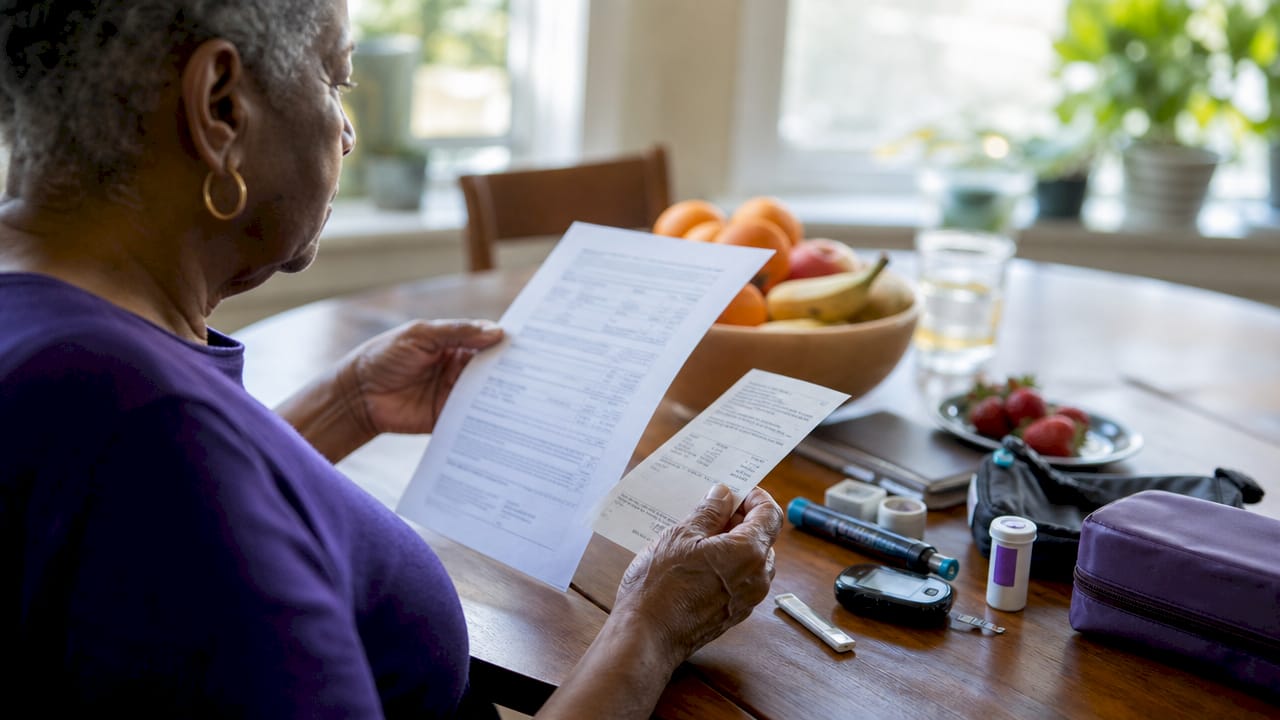
Medicare Part D handles insulin differently. Most covered insulins carry a $35 monthly cap on a 30-day supply, with no deductible required for those specific items. That cap applies regardless of the insulin’s list price, which is a significant protection for people on expensive brand-name formulas.
Here is a quick reference for how common diabetes supplies are categorized:
| Supply | Insurance coverage | Patient cost |
|---|---|---|
| Blood glucose monitor | Medicare Part B | 20% coinsurance after deductible |
| Test strips and lancets | Medicare Part B | 20% coinsurance after deductible |
| Outpatient insulin | Medicare Part D | $35 monthly cap, no deductible |
| Insulin syringes and pen needles | Medicare Part D | Standard Part D cost-sharing |
| Continuous glucose monitors (CGMs) | Medicare Part B (durable medical equipment) | 20% coinsurance after deductible |
| GLP-1 receptor agonists | Medicare Part D, specialty pharmacy routing | Varies by formulary tier |
Private insurance plans follow similar logic but use their own formularies. Checking your plan’s formulary status for each supply tells you exactly which tier applies and what your copay will be.
What does a valid diabetes prescription require?
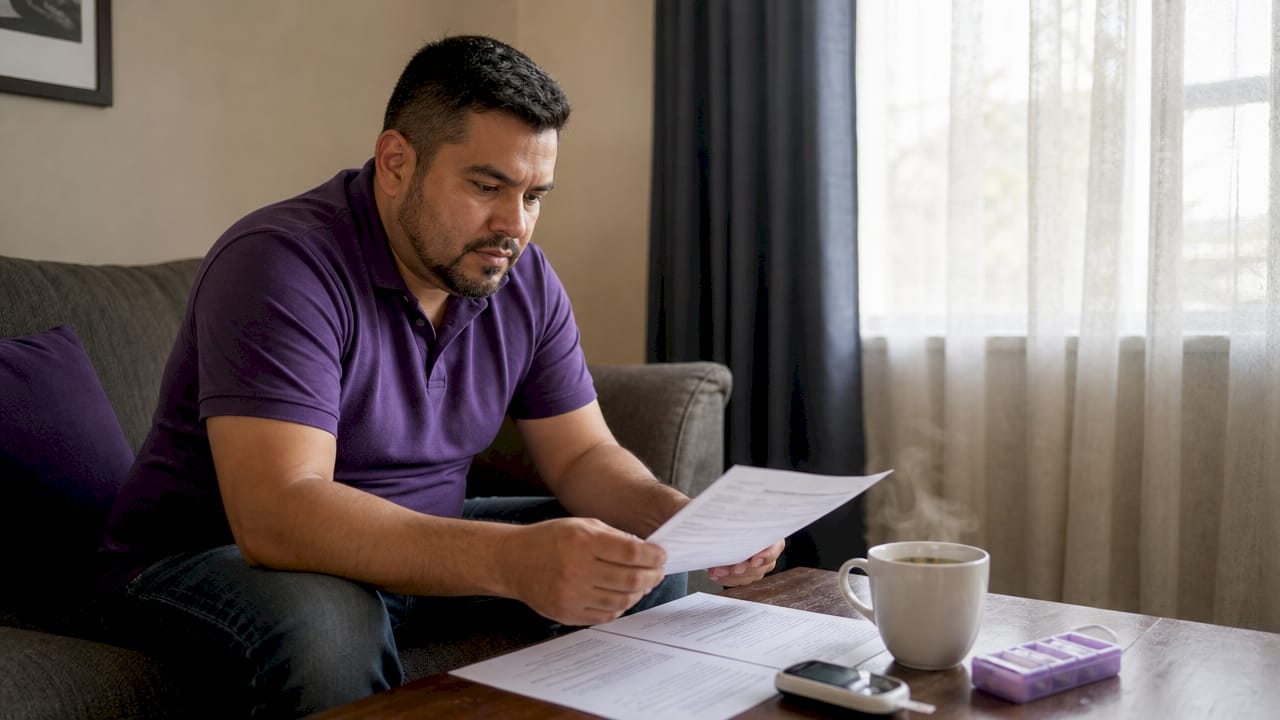
A valid diabetes prescription must include the patient’s diagnosis, the specific supply or equipment type, the quantity, and the frequency of use. Physicians often omit required details like testing frequency, and that single omission is one of the most common causes of claim denials. A prescription that says “blood glucose monitor” without specifying how many times per day the patient tests will likely be rejected.
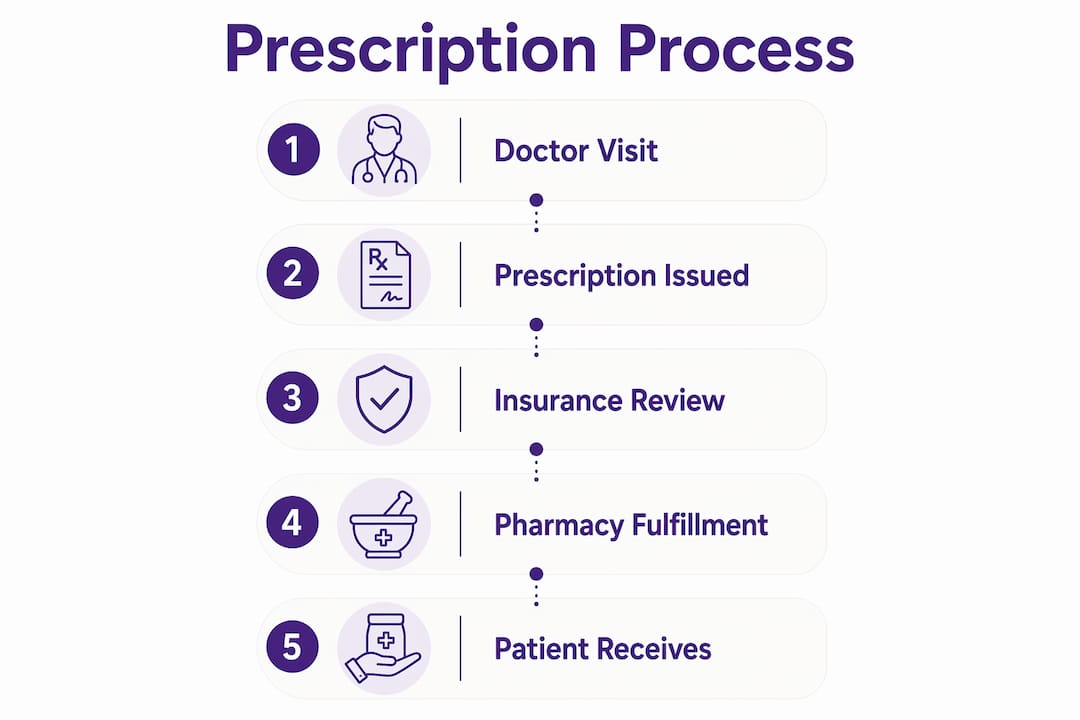
The prescription process follows a clear sequence:
- Your doctor documents medical necessity. The prescription must state your diagnosis (for example, Type 2 diabetes), the exact supply needed, and how often you use it.
- You choose a Medicare-enrolled supplier. Suppliers who accept assignment bill Medicare directly. You pay only your coinsurance portion, not the full amount upfront.
- The supplier verifies coverage. The supplier checks that your prescription matches the documentation on file and that your plan covers the item.
- Your order is processed and shipped. Standard supplies typically arrive within a few business days once verification is complete.
- Refills are managed on a schedule. Most prescriptions require renewal every 12 months. Refills are typically released at set intervals, often monthly, to align with your usage.
Getting the prescription right the first time is critical. Correcting a rejected claim means restarting the authorization process, which can delay your supplies by weeks.
Pro Tip: Ask your doctor to include your exact testing frequency on every prescription. A note like “patient tests 4 times daily” satisfies Medicare’s medical necessity requirement and prevents the most common denial reason.
Common denial triggers include missing diagnosis codes, vague quantity descriptions, and suppliers who are not enrolled in Medicare. Confirming each of these details before submitting a claim saves significant time and frustration.
How does specialty pharmacy routing affect your prescriptions?
Specialty diabetes medications, particularly GLP-1 receptor agonists like semaglutide, do not follow the same path as standard prescriptions. These drugs require mandatory routing to specialty pharmacies designated by your pharmacy benefit manager. Trying to fill them at a retail pharmacy will result in a rejection, even if the prescription itself is valid.
Many patients attempt to fill specialty diabetes medications at their local retail pharmacy and are surprised when the claim is denied. The reason is distribution policy, not a prescription error. PBM-designated specialty pharmacies control the distribution channel for these drugs, and that channel is not optional.
Key facts about specialty pharmacy routing for diabetes medications:
- Prior authorization is required before the specialty pharmacy will dispense the medication.
- Delivery takes 3–7 business days after prior authorization approval, according to specialty pharmacy routing data for GLP-1 medications.
- Cold-chain logistics apply to many specialty diabetes drugs. These medications must be kept refrigerated during shipping, which requires specialized packaging and carrier handling.
- Coordination is a three-way process. Your doctor submits the prior authorization, your insurer approves it, and the specialty pharmacy fills and ships the order. A delay at any point holds up the entire chain.
Pro Tip: Request your prior authorization at least two weeks before you run out of medication. The 3–7 business day delivery window starts only after approval, and approval itself can take several days.
The shift toward specialty pharma distribution adds real barriers for patients. Proactive coordination between you, your doctor, and your insurer is the most reliable way to prevent treatment gaps.
Practical tips for managing your diabetes prescriptions and costs
Managing diabetes prescriptions well means staying ahead of renewals, understanding your costs, and avoiding waste. These habits reduce stress and protect your budget over time.
- Confirm your supplier’s enrollment status. Use Medicare’s supplier directory to verify that your supplier accepts assignment. This single step prevents surprise bills.
- Check your formulary before each refill. Insurance formularies change annually. A drug covered at Tier 2 in one year may move to Tier 3 the next, raising your copay. Reviewing your coverage details each january prevents budget surprises.
- Ask about generic or biosimilar alternatives. Generic test strips and biosimilar insulins often carry lower copays than brand-name equivalents. Your doctor or pharmacist can confirm which alternatives are therapeutically equivalent.
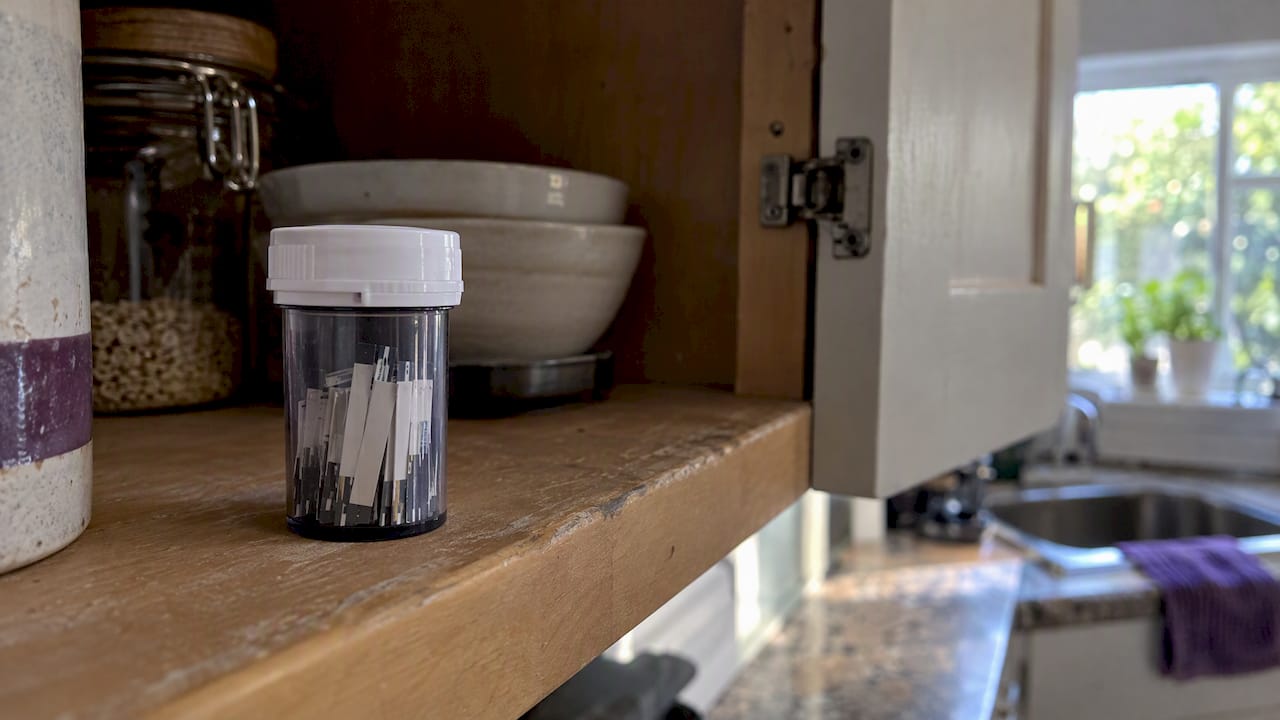
- Track your actual supply usage. Overprescribing is common. If your prescription authorizes 200 test strips per month but you use 100, you accumulate excess supplies quickly. Reviewing your supply inventory regularly helps you right-size your orders.
- Understand your coverage caps. Medicare Part D’s $35 insulin cap is a firm protection, but other supplies have different cost structures. Knowing your deductible status and coinsurance rates for Part B supplies helps you plan monthly expenses.
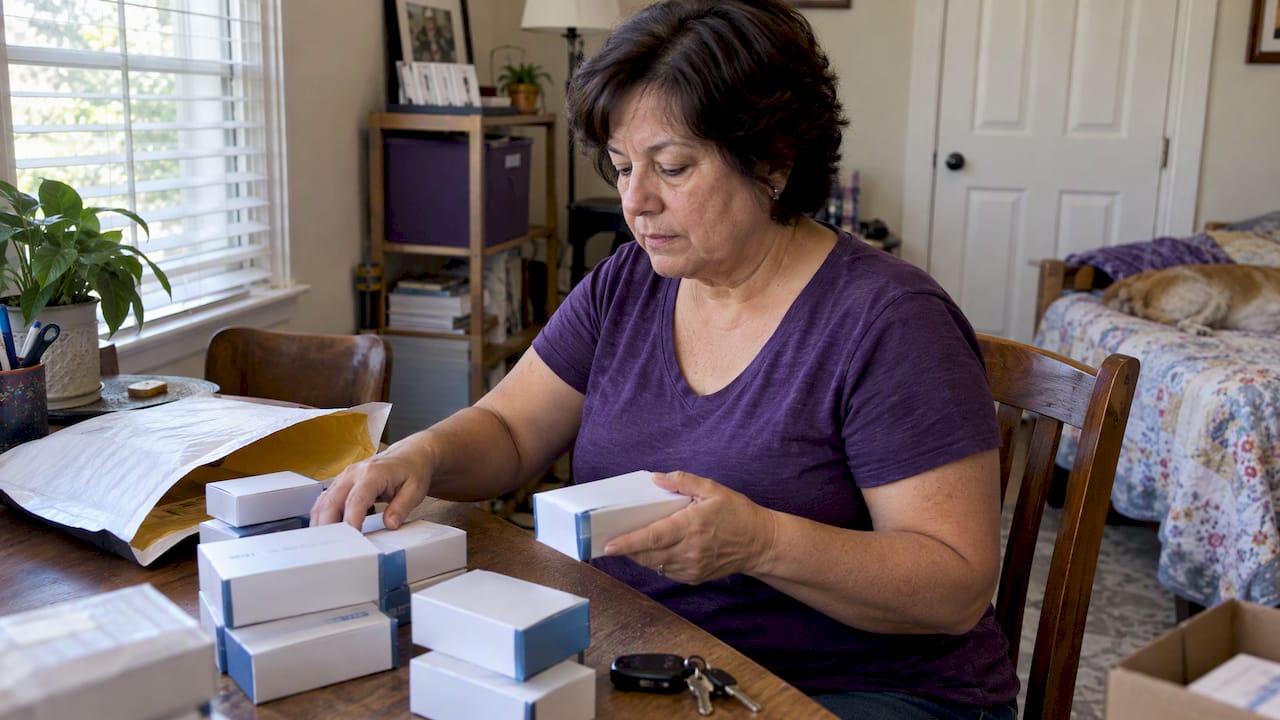
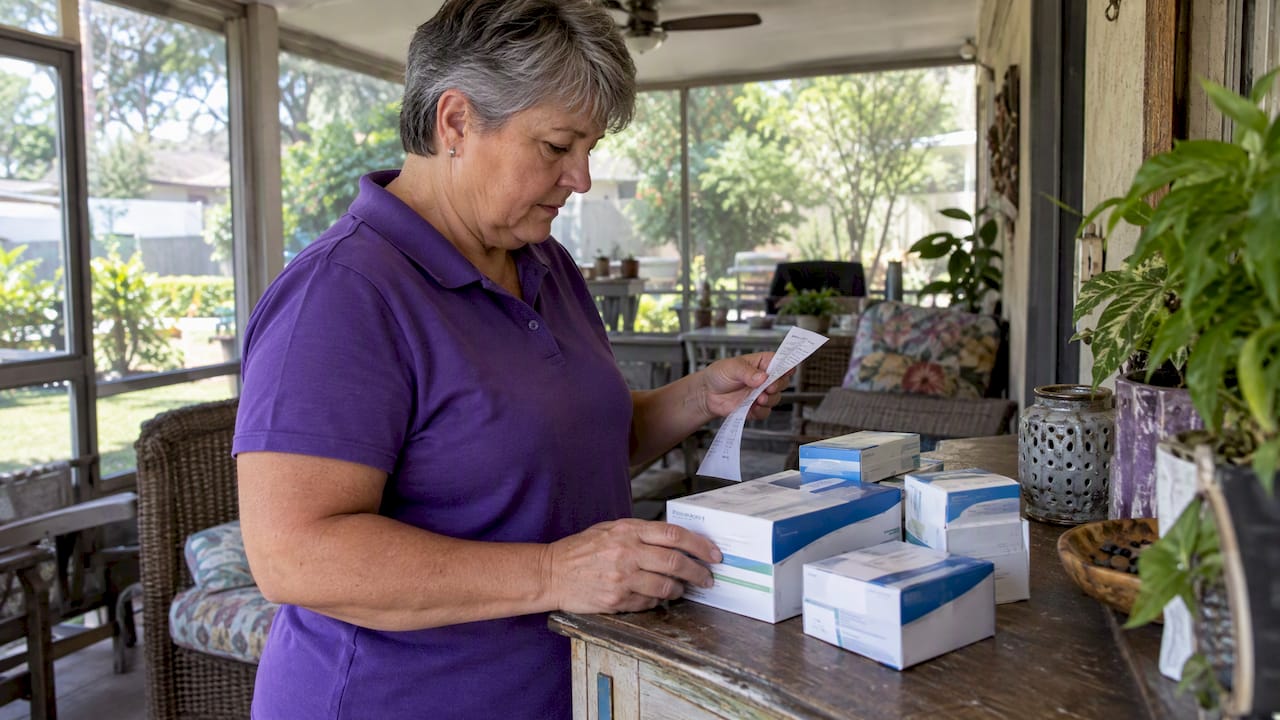
- Handle unused supplies responsibly. Prescription changes, device upgrades, and dosage adjustments leave many people with sealed, unexpired supplies they no longer need. Reducing supply waste through resale or donation is a practical option worth exploring.
Formulary restrictions and coverage caps directly shape your out-of-pocket costs. Understanding these rules puts you in control of your spending rather than reacting to unexpected bills.
Key Takeaways
Diabetes supply prescriptions require accurate documentation, correct insurance routing, and proactive coordination to avoid denials, delays, and unnecessary costs.
| Point | Details |
|---|---|
| Coverage split by supply type | Blood glucose monitors fall under Part B; insulin and specialty drugs fall under Part D. |
| Prescription detail prevents denials | Include diagnosis, supply type, quantity, and testing frequency on every prescription. |
| Specialty meds need advance planning | GLP-1 medications require prior authorization and take 3–7 business days to deliver after approval. |
| Supplier enrollment matters | Always confirm your supplier accepts Medicare assignment to avoid unexpected out-of-pocket charges. |
| Unused supplies have options | Sealed, unexpired supplies from prescription changes can be resold or donated rather than discarded. |
What I’ve learned from watching patients navigate this system
Liliana here. After years of working closely with people managing diabetes, the pattern I see most often is not confusion about the disease itself. It is confusion about the paperwork and logistics that surround it.
The single biggest mistake I see is patients assuming their doctor’s office handles everything. Doctors write the prescription. But confirming supplier enrollment, checking formulary status, and following up on prior authorizations often falls to the patient. Nobody tells you that upfront, and it catches people off guard at the worst moments.
My honest advice: treat your prescription process like a project with deadlines. Know when your prescription expires. Know your supplier’s enrollment status. For specialty medications, start the prior authorization process at least two weeks before you need the next supply. The prescription workflow is not complicated once you understand it, but it does require you to stay engaged.
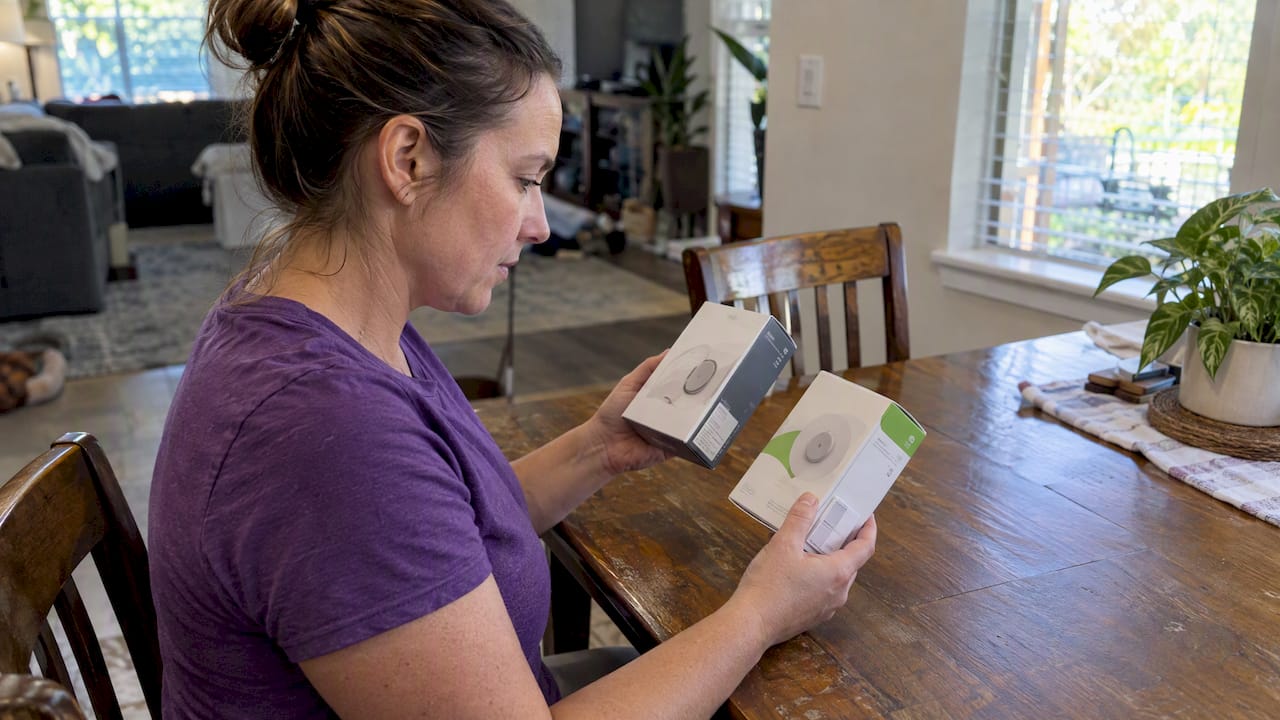
The other thing I want you to know is that prescription changes happen. Your doctor switches your CGM brand, your insurer changes your formulary, or your dosage adjusts. Suddenly you have sealed, unexpired supplies you cannot use. That is not waste you have to absorb quietly. There are real options for handling that situation responsibly.
— Liliana
What to do with unused supplies from prescription changes
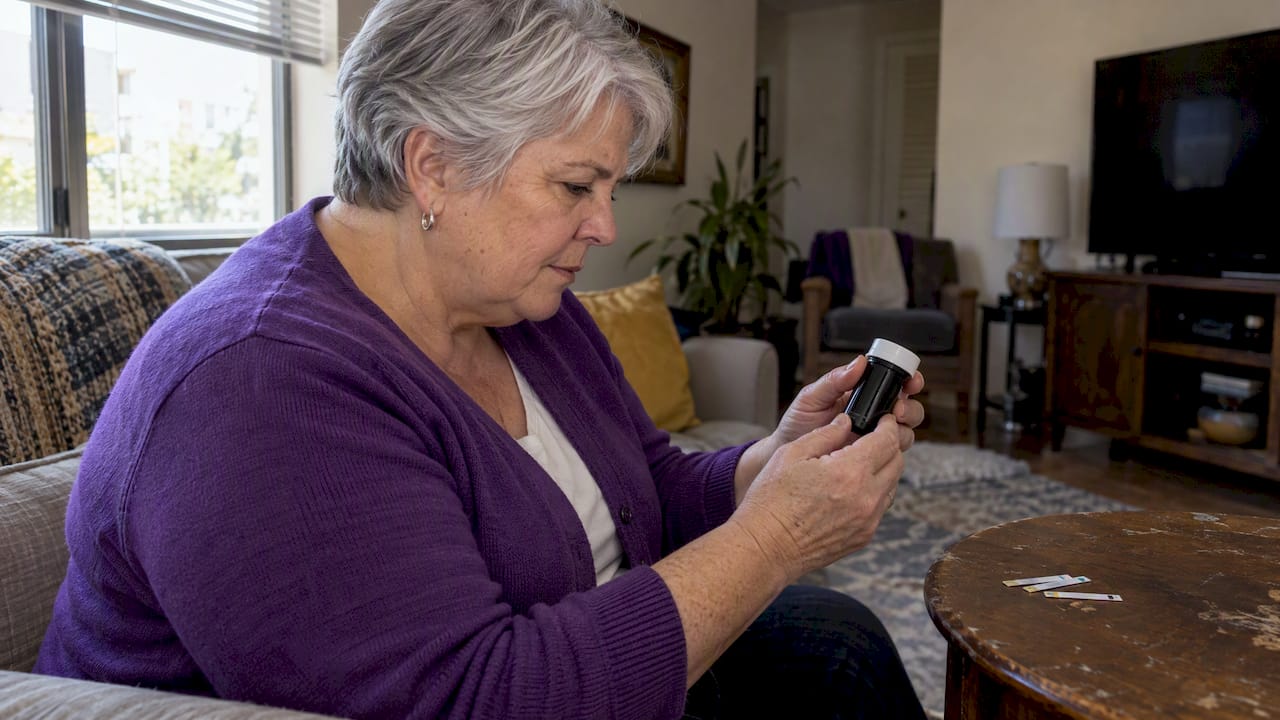
Prescription adjustments are a normal part of diabetes management. When they happen, you may find yourself holding sealed Dexcom G6 or G7 sensors, Freestyle Libre readers, Omnipod pods, or boxes of test strips that you no longer need.
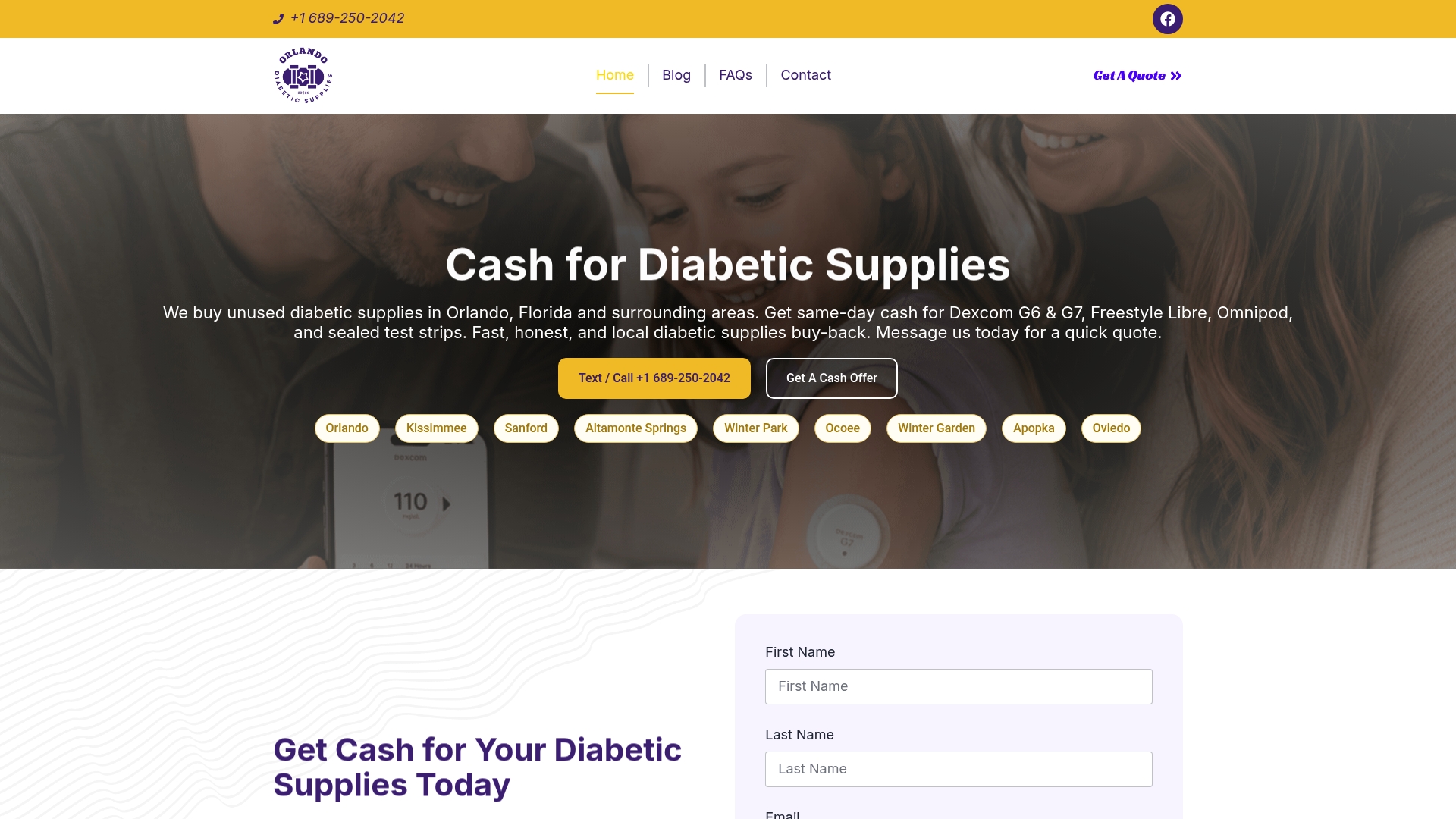
Orlando Diabetic Supplies Buyback buys unused diabetic supplies in Orlando, Florida and surrounding areas. The process is straightforward: you contact the team, describe what you have, and receive a fair cash offer. Supplies like Dexcom G6 and G7 sensors, Freestyle Libre, Omnipod, and sealed test strips qualify for same-day cash payment. There is no complicated process and no waiting. If you are unsure whether your supplies qualify, you can also review what counts as unused diabetic supply before reaching out. Orlando Diabetic Supplies Buyback is a local, trusted option for turning prescription leftovers into cash.
FAQ
How does diabetes supply prescription coverage work under Medicare?
Medicare Part B covers durable medical equipment like blood glucose monitors and test strips, with patients paying 20% coinsurance after the deductible. Medicare Part D covers outpatient insulin with a $35 monthly cap on a 30-day supply and no deductible for those specific items.
What information must a diabetes prescription include?
A valid prescription must specify the patient’s diagnosis, the exact supply or equipment type, the quantity, and the frequency of use. Missing any of these details, especially testing frequency, is the leading cause of Medicare claim denials for diabetes supplies.
Why can’t I fill my GLP-1 medication at a retail pharmacy?
GLP-1 receptor agonists require mandatory routing to PBM-designated specialty pharmacies due to distribution policies. Retail pharmacies are not authorized to dispense these medications, regardless of whether the prescription itself is valid.
How long does it take to receive specialty diabetes medications?
Delivery takes 3–7 business days after prior authorization approval. Starting the authorization process at least two weeks before your supply runs out prevents treatment gaps caused by approval and shipping timelines.
What can I do with sealed diabetes supplies I no longer need?
Sealed, unexpired supplies from prescription changes can be resold through local buyback services or donated to qualifying organizations. Orlando Diabetic Supplies Buyback purchases unused Dexcom, Freestyle Libre, Omnipod, and test strip supplies in the Orlando area for same-day cash.