Florida’s diabetes assistance resources include county insulin programs, free education workshops, medication aid, and community support groups that collectively address the financial, educational, and emotional needs of people managing diabetes. This florida diabetic assistance resources list covers the most practical options available to Florida residents right now, from formal programs run by the Florida Department of Health to peer networks like Breakthrough T1D. Whether you need help affording insulin, learning to manage blood sugar, or simply connecting with others who understand what you’re going through, these resources exist and are accessible. Knowing where to look is the first step.
1. What are Florida’s county-level insulin assistance programs?
Florida offers county-specific insulin programs as safety nets for uninsured residents who cannot afford insulin on their own. These programs are administered through local County Health Departments (CHDs) and are designed to fill the gap when private insurance and Medicaid are not available.
Eligibility requirements are specific:
- Net family income at or below 100% of the federal poverty guidelines
- Liquid assets below $2,500, excluding your primary homestead
- A current, valid insulin prescription from a licensed provider
- No active Medicaid coverage (Medicaid recipients are directed to other programs)
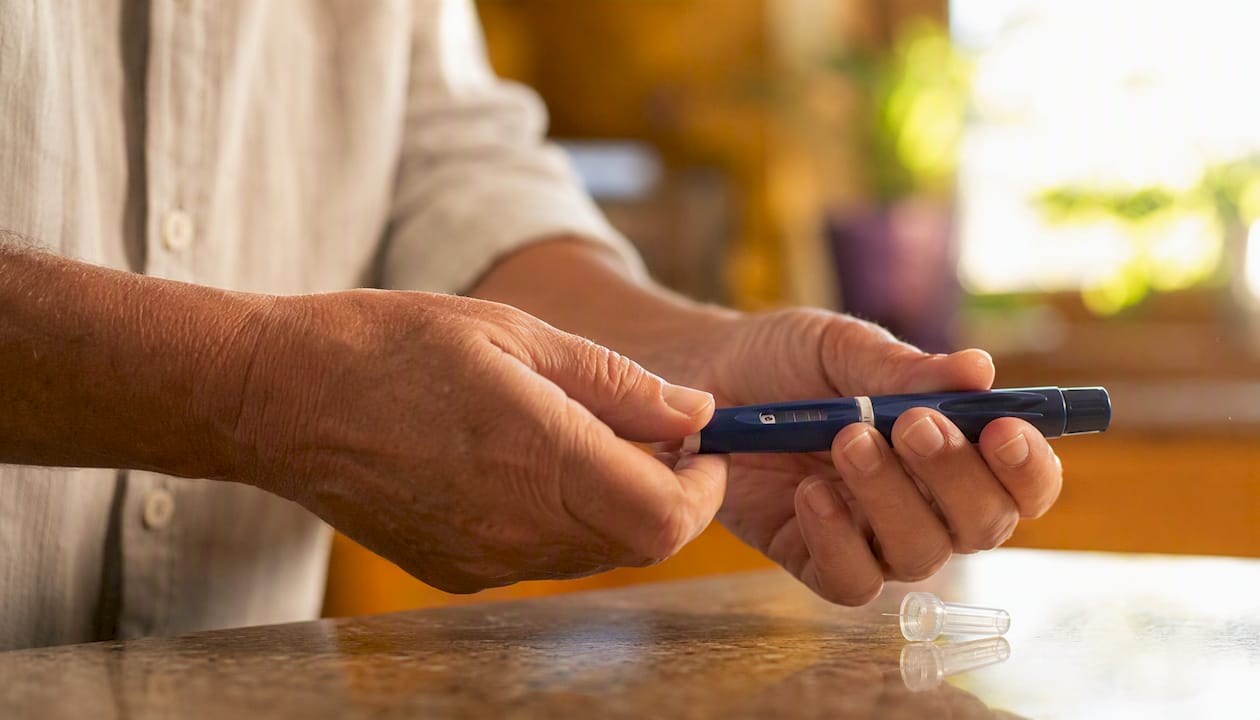
Insulin types commonly distributed include Humulin N, Humulin R, and Humulin 70/30. These are standard formulations, not newer analog insulins, so patients on Lantus or Basaglar should ask their provider about alternatives before applying.
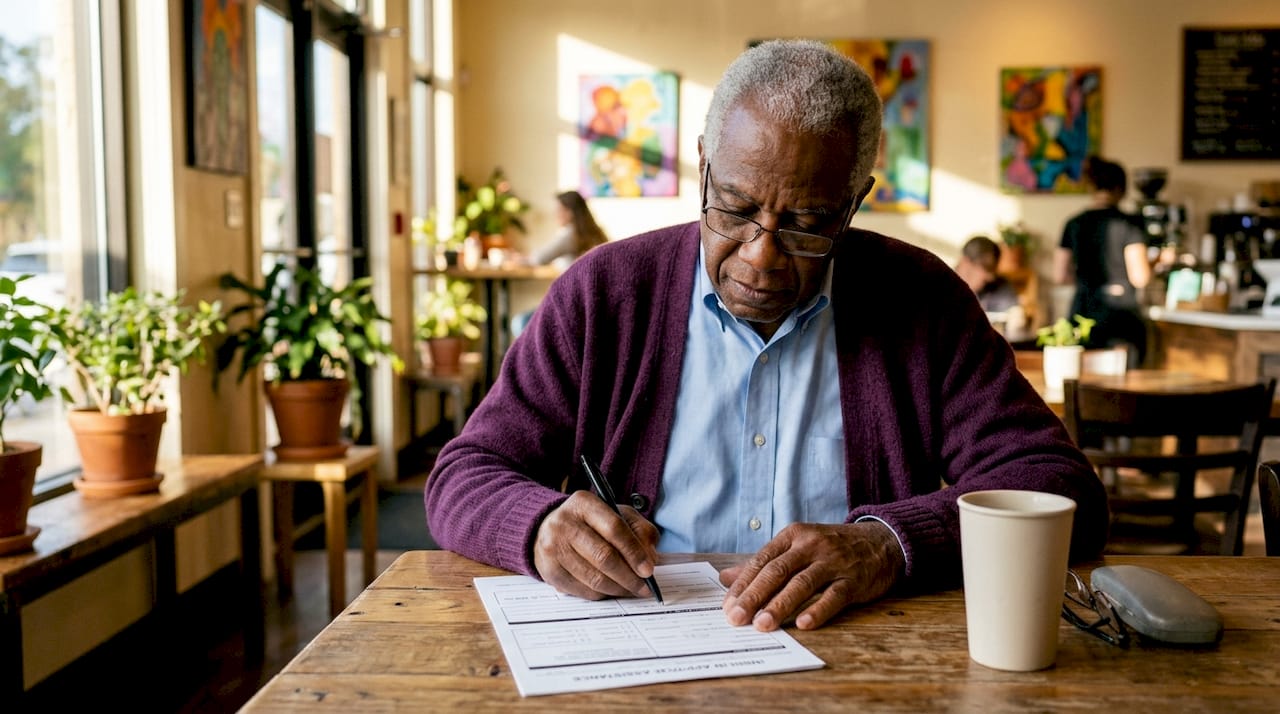
The application process starts at your local CHD. Bring proof of income, a current prescription, and documentation of your assets. Staff will verify eligibility and connect you with the pharmacy.
Pro Tip: Confirm whether your local CHD has an on-site licensed pharmacy before you apply. CHDs without one must forward prescriptions to a central pharmacy, which adds significant wait time to your first fill.
2. Which diabetes education programs are available across Florida?
Florida counties provide free, CDC-approved programs including the Diabetes Prevention Program (DPP), the Diabetes Empowerment Education Program (DEEP), and Diabetes Self-Management Education and Support (DSMES) services. These are structured, evidence-based programs, not informal classes.
Most workshops run for 6–8 weeks, meeting for 2 hours per week. Topics covered include:
- Nutrition planning and carbohydrate awareness
- Physical activity and weight management
- Stress management and emotional coping
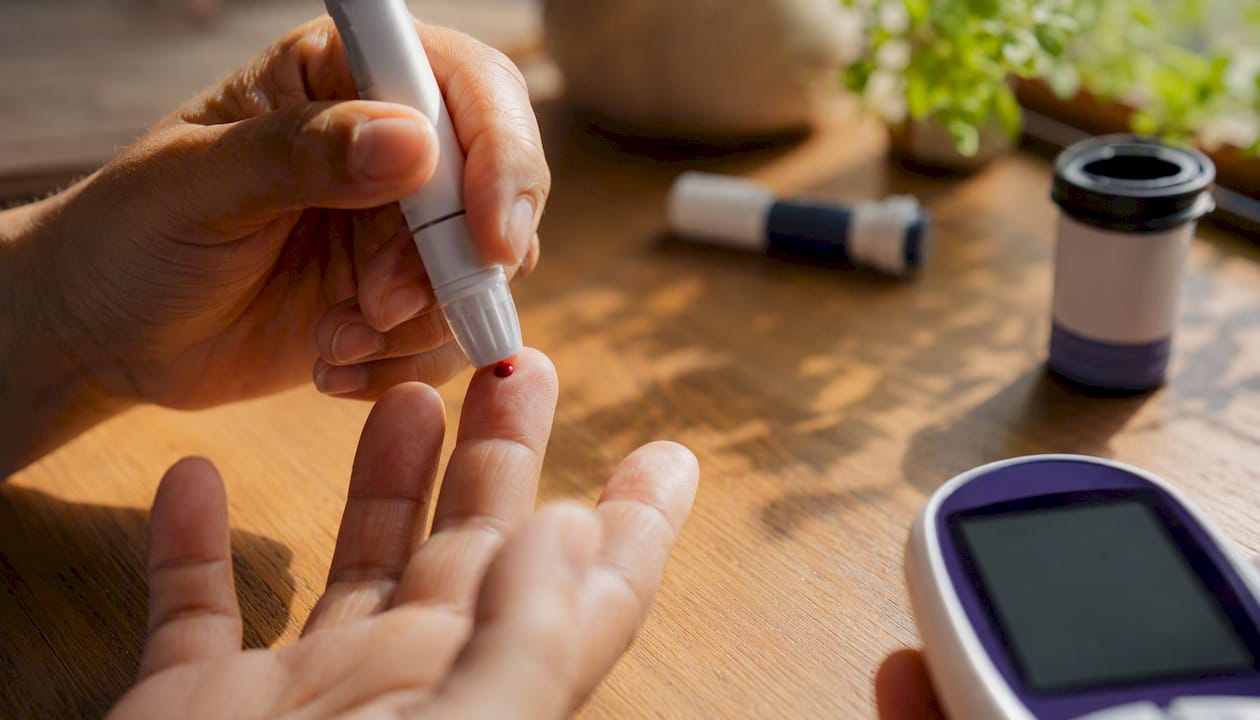
- Medication adherence and blood sugar monitoring
- Preventing or delaying diabetes complications
Programs are offered in both group and individual formats. Group sessions are especially effective because they create peer accountability. Individual sessions work better for people with complex medical situations or scheduling conflicts.
Support group meetings typically happen monthly and are open to both patients and caregivers. Sessions often focus on practical problem-solving, such as reading food labels, managing sick days, or talking to your doctor about adjusting your treatment plan.
Registration is mandatory and usually handled through your local health department. Some counties require a referral from your primary care provider before you can enroll.
Pro Tip: Call your local health department before showing up to register. Ask specifically whether a primary care referral is required. Showing up without one can delay your start date by weeks.
3. How can Floridians access affordable diabetes medications and supplies?
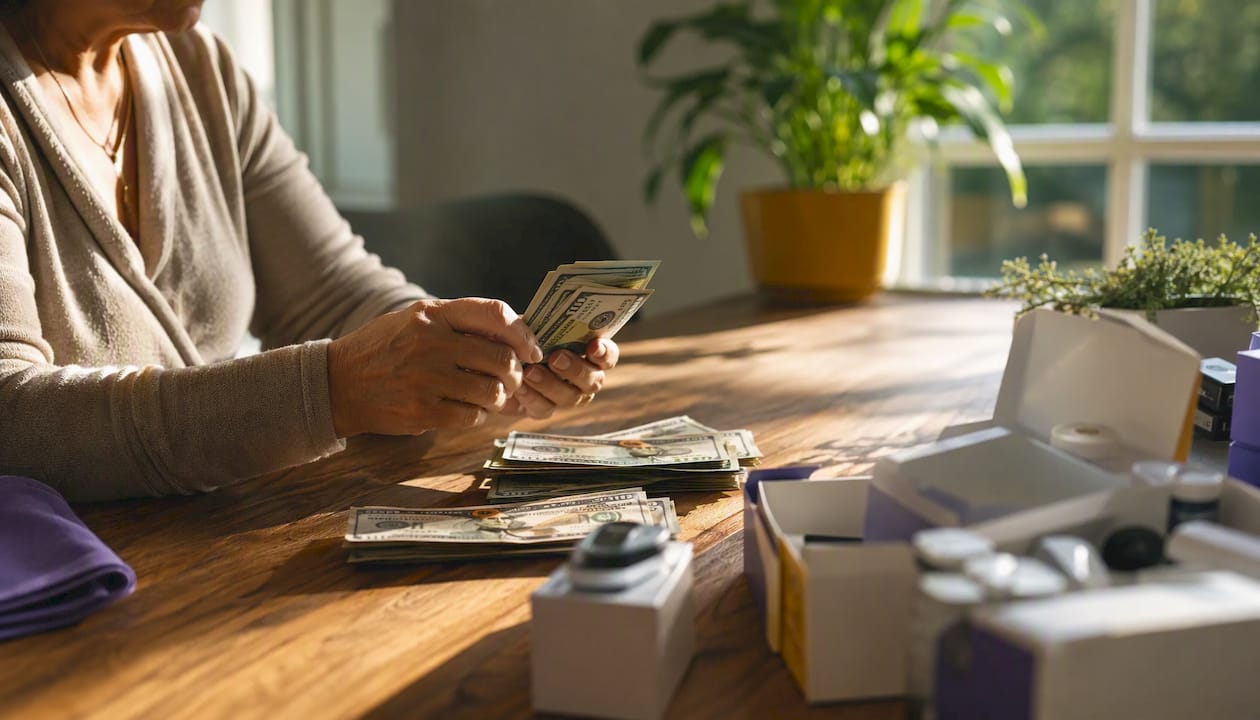
The most effective approach to diabetes financial aid is a tiered system. Start with insurance or government programs, then move to manufacturer patient assistance programs (PAPs), and finally use community safety-net resources to fill remaining gaps. Relying on a single source creates coverage risk.
Here is how the tiers work in practice:
Tier 1: Insurance and government programs
- Florida Medicaid covers most diabetes medications and supplies for eligible residents
- Medicare Part D covers insulin and many diabetes drugs; Part B covers CGM devices like Dexcom G6 and G7 under durable medical equipment rules
- Check your supply coverage categories before assuming a device is not covered
Tier 2: Manufacturer patient assistance programs
- Most major insulin and device manufacturers offer PAPs for uninsured or underinsured patients
- Directories like RxAssist.org and BenefitsCheckUp.org list manufacturer-specific programs, discount cards, and copay assistance options
- These programs often require income documentation and a provider signature
Tier 3: Community safety-net resources
- Local hospital pharmacies and CHD pharmacies sometimes offer sliding-scale pricing
- Federally Qualified Health Centers (FQHCs) across Florida provide discounted medications regardless of insurance status
- Free clinics in major metro areas like Orlando, Tampa, and Miami often stock basic diabetes supplies
Stacking assistance from multiple tiers is legal and encouraged. Many Florida residents successfully combine a manufacturer copay card with Medicaid coverage and a community food-as-medicine program simultaneously.
4. What community and peer support services help Floridians manage diabetes?
Diabetes support groups improve emotional health and daily problem-solving for patients, not just clinical knowledge. This distinction matters. Clinical care tells you what to do. Community support helps you actually do it when life gets hard.
Facilities like Lakeland Regional Health offer monthly DSMES support groups led by certified diabetes care and education specialists (CDCES). These groups are open to patients and caregivers and cover topics like nutrition, emotional health, and complication prevention. The format is conversational, not lecture-based.
For people with Type 1 diabetes, Breakthrough T1D provides localized support through events, advocacy, and youth ambassador programs across Florida. Their Northern Florida chapter connects patients with peers, research updates, and community events that go well beyond what a clinic visit offers. Youth programs are particularly strong, giving kids and teens a peer network that reduces isolation.
“Combining clinical diabetes care with community and emotional support groups leads to better overall disease management outcomes. The peer connection component addresses gaps that medical appointments simply cannot fill.”
Getting involved is straightforward. Contact your local Breakthrough T1D chapter directly, or ask your diabetes care team for a referral to a local support group. Many groups also meet virtually, which removes the transportation barrier for rural Florida residents.
5. Comparative overview of Florida diabetes assistance resources
Florida’s diabetes support services span four main categories. The table below summarizes each program type, who qualifies, what you receive, and what you need to apply.
| Program type | Who qualifies | Benefits offered | What you need to apply |
|---|---|---|---|
| County insulin assistance | Uninsured; income ≤100% federal poverty level; assets <$2,500 | Free insulin (Humulin N, R, 70/30) | Proof of income, valid prescription, asset documentation |
| DPP / DEEP / DSMES workshops | Florida residents with prediabetes or diabetes | 6–8 week structured education, lifestyle coaching | Registration via local health dept.; referral may be required |
| Medication assistance (PAPs) | Uninsured or underinsured; income-based | Free or reduced-cost medications and supplies | Income proof, provider signature, manufacturer application |
| Community support groups | Open to all patients and caregivers | Monthly meetings, emotional support, peer connection | Contact local hospital or Breakthrough T1D chapter |
The right starting point depends on your situation. If cost is the primary barrier, start with Tier 1 insurance programs and county insulin assistance. If you have coverage but struggle with daily management, education workshops and support groups deliver the most value. Most people benefit from using resources across multiple categories at the same time.
For a broader look at Florida diabetic supply programs, including manufacturer-specific patient assistance options, the 2026 guide covers current program details and application steps.
Key takeaways
Florida’s most effective approach to diabetes assistance combines county insulin programs, tiered medication aid, structured education, and peer support groups rather than relying on any single resource.
| Point | Details |
|---|---|
| County insulin programs have strict eligibility | Income must be at or below 100% federal poverty guidelines with liquid assets under $2,500. |
| Tiered financial aid prevents coverage gaps | Stack insurance, manufacturer PAPs, and community resources for the most complete coverage. |
| Education programs require advance registration | Call your local health department first; some counties require a primary care referral to enroll. |
| Peer support improves daily management | Monthly support groups through hospitals and Breakthrough T1D address emotional and practical challenges. |
| Pharmacy status affects insulin wait times | CHDs without on-site pharmacies forward prescriptions centrally, which delays your first fill. |
What I’ve learned from watching Floridians navigate these resources
By Liliana
The biggest mistake I see people make is treating these resources as a last resort. They exhaust their savings, skip doses, or ration supplies for months before finally calling their County Health Department. By that point, the stress has already done damage, both physical and emotional.
The people who manage diabetes best in Florida are the ones who treat assistance programs as a normal part of their care plan, not a sign of failure. They stack a manufacturer copay card with Medicaid, attend a monthly DSMES group, and show up to a Breakthrough T1D event once a year. None of those things are mutually exclusive.
One thing most articles skip: the emotional health piece is not optional. I have watched people with excellent clinical numbers still struggle because they had no one to talk to who actually understood what it felt like to manage this condition every day. Support groups fix that. They are free, they meet regularly, and they work.
My practical advice is to start with one phone call to your local County Health Department. Ask what programs they administer directly and what they can refer you to. That single call usually opens three or four doors at once. Do not wait until a crisis forces your hand.
— Liliana
How Orlando Diabetic Supplies Buyback helps you manage your diabetes budget
Managing diabetes in Florida means juggling medications, devices, and supplies constantly. Sometimes that juggling leads to extras: unopened test strips, unused Dexcom G7 sensors, or Omnipod pods that no longer match your current prescription.
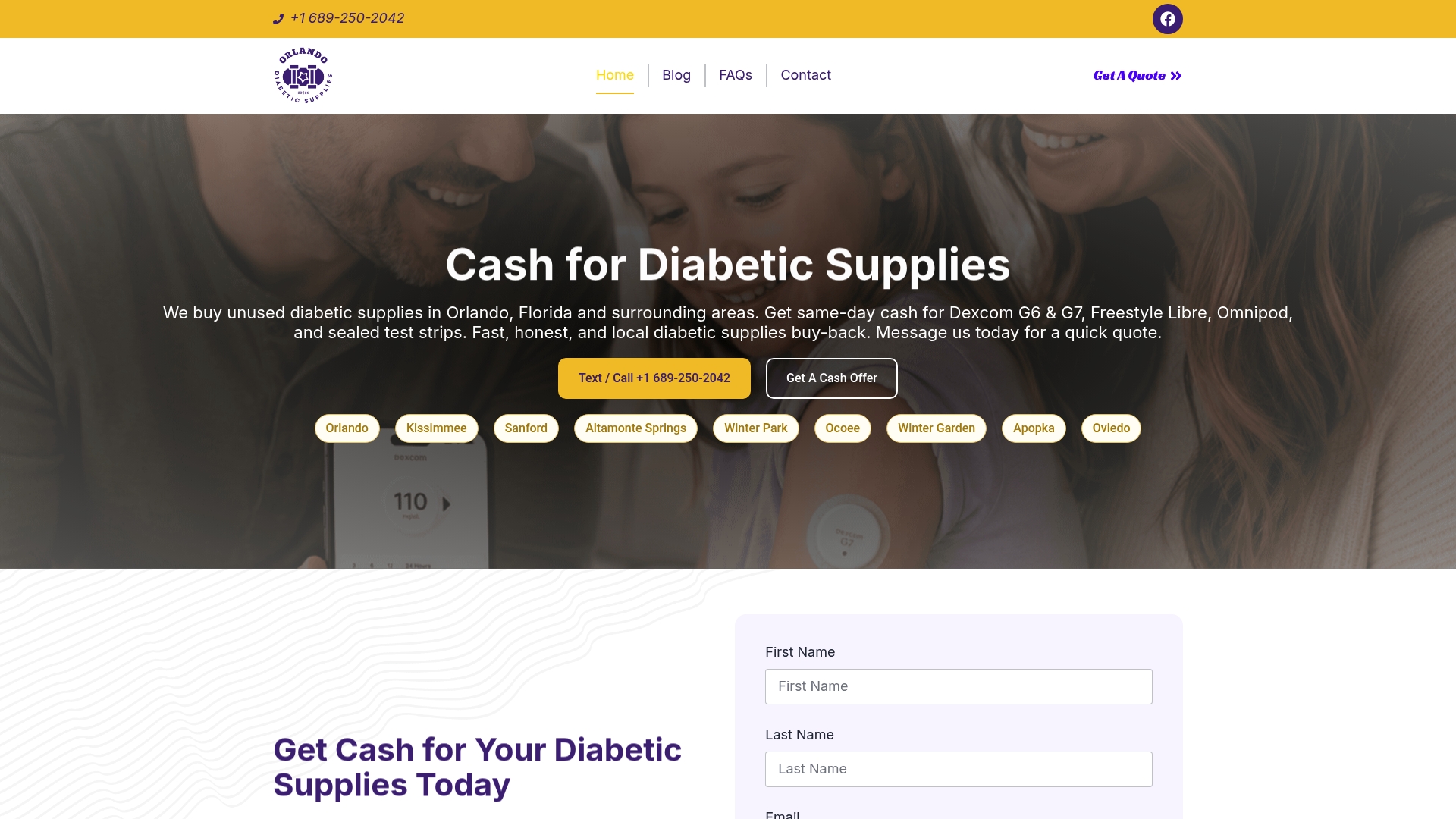
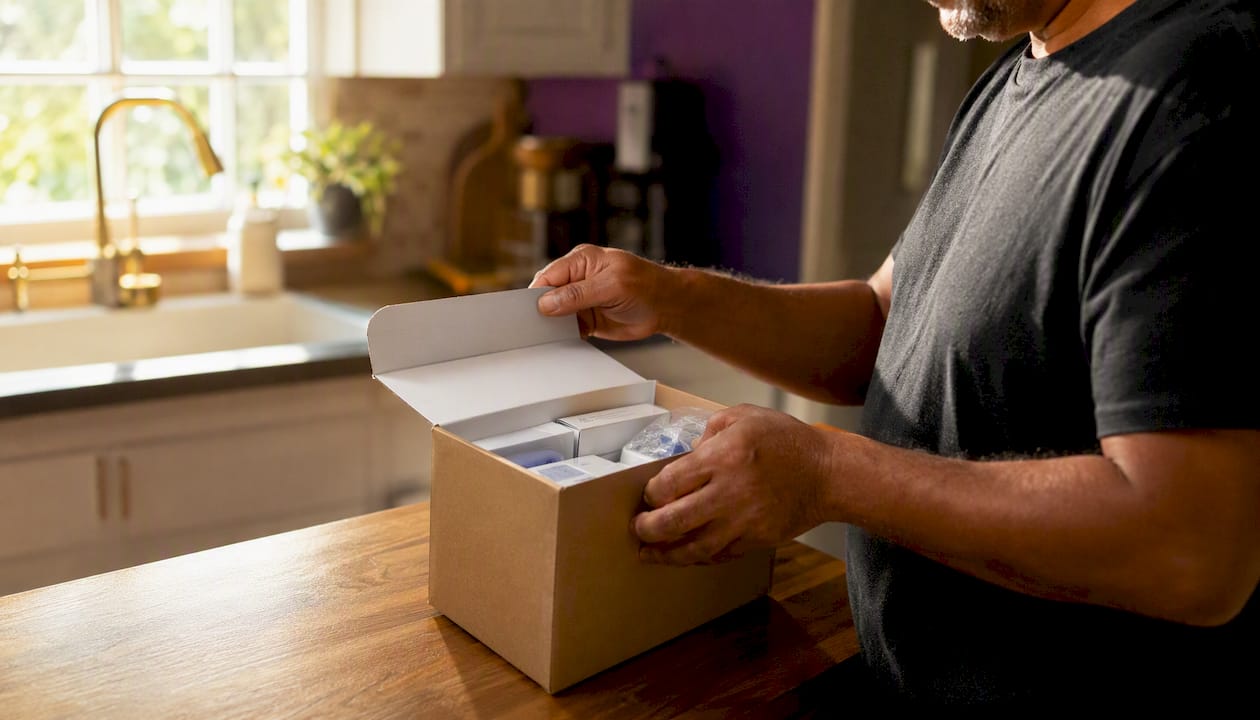
Orlando Diabetic Supplies Buyback buys those unused supplies from you directly, with same-day cash for items like Dexcom G6 and G7, Freestyle Libre, Omnipod, and sealed test strips. The process is local, fast, and straightforward. If you have supplies sitting in a drawer, find out how to get cash for them today. That cash can go right back into covering the costs that assistance programs do not fully address, like copays, transportation, or healthy food. It is a practical way to keep your diabetes budget balanced without waiting on an application process.
FAQ
What is the income limit for Florida county insulin programs?
Florida county insulin assistance programs generally require net family income at or below 100% of the federal poverty guidelines and liquid assets below $2,500, excluding your primary home.
Do Florida diabetes education programs cost anything?
Most DPP, DEEP, and DSMES programs offered through Florida County Health Departments are free to participants. Registration is required, and some counties require a referral from your primary care provider.
How do I find diabetes support groups near me in Florida?
Contact your local hospital’s diabetes care department or reach out to the Breakthrough T1D Northern Florida chapter directly. Many groups also meet virtually, which is useful for residents in rural counties.
Can I stack multiple diabetes assistance programs in Florida?
Yes. The recommended approach is to combine insurance or government coverage with manufacturer patient assistance programs and community safety-net resources. Directories like RxAssist.org and BenefitsCheckUp.org help you identify programs you can use together.
What should I bring to apply for county insulin assistance in Florida?
Bring proof of income, a current insulin prescription from a licensed provider, and documentation of your liquid assets. Medicaid recipients are not eligible for county insulin programs and should contact their Medicaid plan directly for supply coverage.