Yes, you can legally sell unused, sealed, unexpired diabetic supplies in Florida. That covers test strips, sensors like Dexcom G6 and G7, FreeStyle Libre, and Omnipod pods bought with your own money. The one hard line: supplies paid for by Medicare or Medicaid cannot be resold under any circumstances, and doing so can trigger a fraud investigation. Florida statutes, AHCA policy, and federal enforcement all back up that distinction.
TL;DR:
- Selling privately purchased, sealed, and unexpired diabetic supplies is legal in Florida, provided they are not funded by Medicare or Medicaid.
- Supplies must be in factory-sealed packaging with an expiration date at least a few months out and accompanied by proof of private payment.
- Reselling government-funded supplies, such as those paid for by Medicare or Medicaid, is strictly prohibited and can lead to criminal investigations.
- Florida laws and policies require proper registration, recordkeeping, and inspection procedures for secondhand dealers to ensure compliance.
- Reputable local buyers verify products on-site, inspect for signs of tampering or mislabeling, and refuse any supplies that show signs of diversion or government funding.
Table of Contents
- Florida Diabetes Resale Regulations: The Federal Baseline
- Diabetes Product Resale Laws Florida Draws Around Government-Funded Supplies
- Which Florida Statutes and Agencies Govern Resale
- How to Sell Your Diabetic Supplies Legally in Florida: A Step-by-Step Checklist
- What Happens When Resale Crosses Into Fraud
- What a Legitimate Buyer Checks Before Paying You
- How an Orlando Buy-Back Actually Verifies a Sale
- An Editor’s Take on the Gray Market for Diabetic Supplies
- Sell Your Unused Supplies the Right Way, Same Day
- Sources
- FAQ
Florida Diabetes Resale Regulations: The Federal Baseline
The legal foundation here is simpler than most people assume. Once you buy diabetic test strips, a CGM sensor, or an insulin pump supply with your own money, that item is your personal property. You paid for it. You own it. Federal law treats it the same way it treats a used blender or an unopened bottle of vitamins you decided not to take: you’re free to resell it.
That’s why the resale market for unused diabetic supplies has existed openly for years, and why reselling privately obtained, unused test strips is generally legal across the country, not just in Florida. Florida doesn’t impose a separate ban on top of the federal baseline. Instead, the state layers on its own consumer protection and dealer registration requirements, which mostly affect the buyer’s side of the transaction rather than yours as a seller.
Where things get specific is condition. A sealed box of strips that’s still inside its manufacturer packaging, with the expiration date intact, is what any legitimate buyer wants to see. Supplies that have been opened, repackaged, or relabeled fall into a much murkier category, and some states have gone as far as requiring retailer disclosure rules for exactly that reason.
Before you list anything for sale, confirm these three things:
- The packaging is factory sealed, not resealed or taped shut.
- The expiration date is at least a few months out, not already close to passing.
- You have some form of proof you paid for the item yourself, such as a pharmacy receipt or an insurance explanation of benefits showing a copay.
That last point matters more than most sellers realize, and it leads directly into the exception that trips people up.
Diabetes Product Resale Laws Florida Draws Around Government-Funded Supplies
Here’s the caveat that overrides everything else: if Medicare or Medicaid paid for your supplies, even partially, you cannot resell them. Full stop. This isn’t a gray area or a matter of interpretation. Government health programs fund these supplies specifically so beneficiaries can manage their own diabetes, and reselling them is treated as diversion of a public asset, not a private sale.
The risk isn’t hypothetical. Federal prosecutors have gone after schemes involving counterfeit National Drug Codes, diverted government supplies, and misbranded products, and one South Florida case involved charges tied to roughly $12 million in fraudulent proceeds. That’s the scale regulators are watching for, but smaller individual transactions get flagged too, particularly now that Florida’s tracking has improved.
AHCA moved Florida Medicaid’s diabetic supply coverage to the pharmacy point-of-sale benefit effective October 1, 2024, which means supplies dispensed to Medicaid recipients are far easier to trace back to their source than they used to be. That single change makes it much harder for diverted Medicaid supplies to slip into the resale market unnoticed.
A transaction crosses into legal danger when you see:
- A seller who can’t explain, even loosely, how they paid for the item.
- Supplies still bearing pharmacy labels tied to a government insurance plan.
- Pressure to remove or alter labels before a sale.
- An unusually large quantity for one person’s personal use, suggesting a diversion pipeline rather than genuine surplus.
- A buyer who accepts items with no questions and no documentation at all.
If you inherited supplies from a family member who was on Medicaid, or you’re not sure how your own supplies were funded, that’s worth sorting out before you try to sell anything.
Which Florida Statutes and Agencies Govern Resale
Three layers of Florida law and policy shape what happens on both sides of a diabetic supply sale, and knowing them helps you understand why a legitimate buyer asks the questions it does.
Chapter 499, the Florida Drug and Cosmetic Act, prohibits the sale, delivery, or offering for sale of adulterated or misbranded devices, and it restricts sales originating from unauthorized distributors. Section 499.005 is the specific provision that matters most for resale: it’s aimed at repackaging and mislabeling, not at a private individual selling a sealed, unopened box exactly as the manufacturer shipped it.
Chapter 538 and Florida Department of Revenue rules govern secondhand dealers, which is the category many buy-back businesses fall into. If a buyer is operating as a registered dealer, state law requires registration, transaction forms, and recordkeeping for every purchase. That’s not bureaucracy for its own sake. It creates a paper trail that protects you as the seller if anyone ever questions the transaction later.
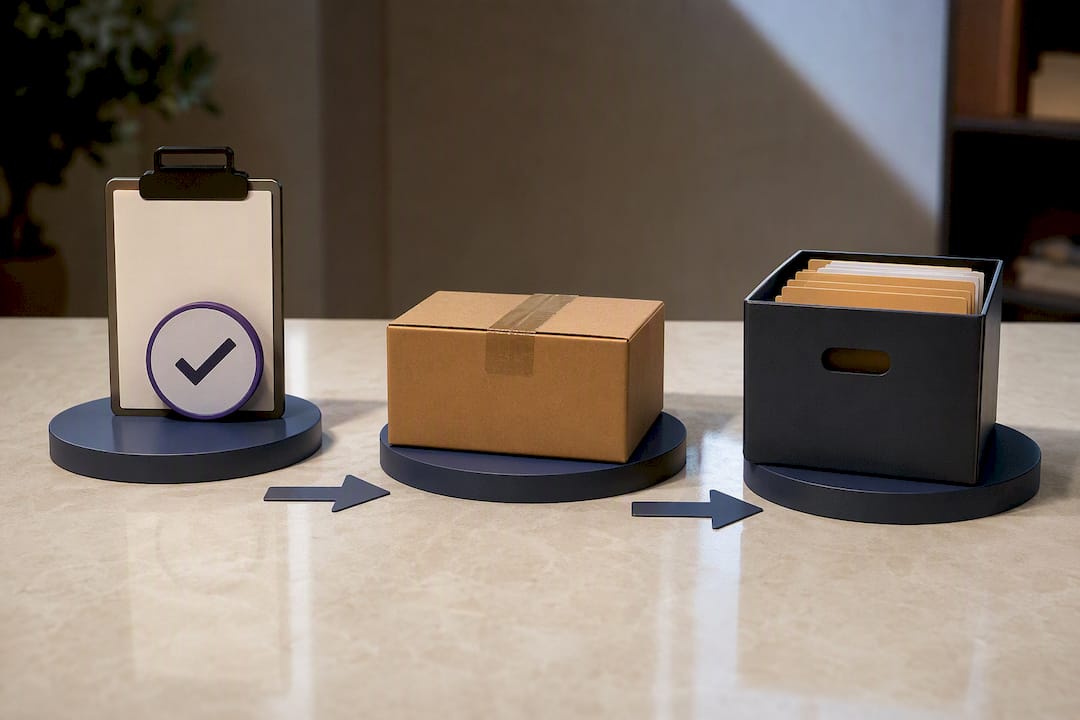
AHCA’s Medicaid policy under rule 59G-4.252 sets the coverage and preferred product list for diabetic supplies dispensed to Medicaid recipients. Combined with the 2024 point-of-sale shift, this is the piece of the puzzle that makes government-funded supplies traceable in a way privately purchased supplies never are.
Put together, these three layers explain the pattern reputable buyers follow:
- They check for signs of repackaging or mislabeling under Chapter 499 standards.
- They register and keep records if they’re operating as a secondhand dealer under Chapter 538.
- They refuse anything that looks like it originated from a Medicaid or Medicare benefit under AHCA’s tracking framework.
How to Sell Your Diabetic Supplies Legally in Florida: A Step-by-Step Checklist
Selling your extra supplies doesn’t need to feel complicated, but a little preparation protects you and speeds up the payment.
- Confirm how you paid for the item. Private purchase, out-of-pocket copay, or a switch to a different device covered by your own insurance plan all count. Medicaid or Medicare funding does not.
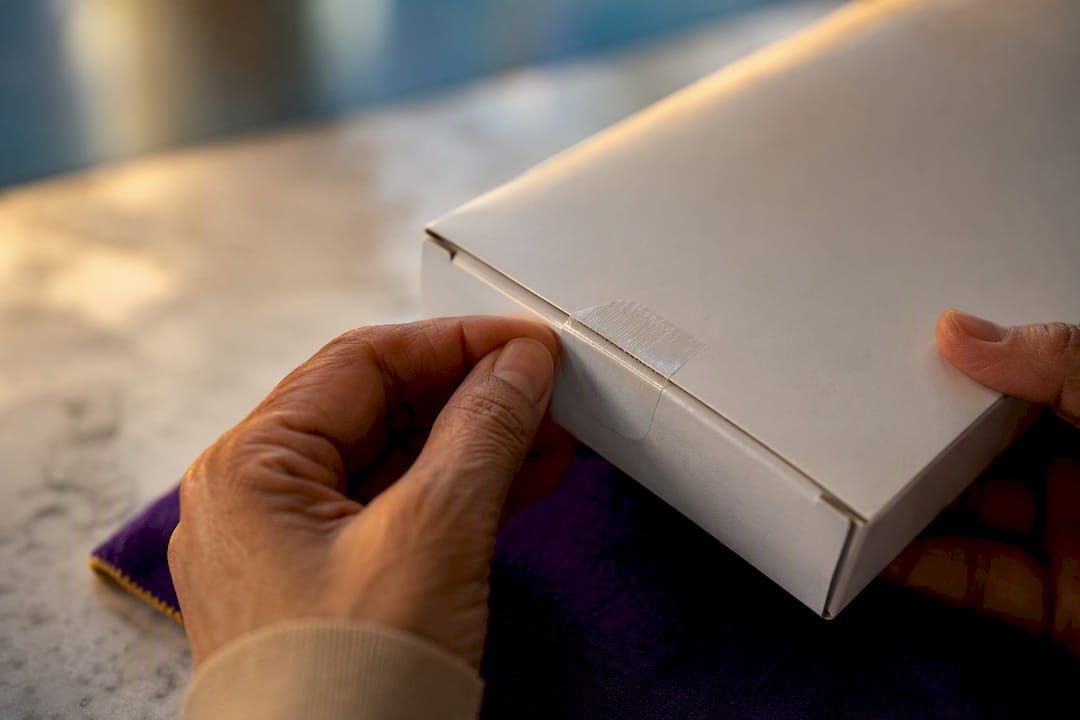
- Check the packaging. It should be factory sealed with no tape, no torn seals, and no signs of having been opened and closed again.
- Check the expiration date. Most buyers won’t take anything expiring within a few weeks, and some set a longer minimum window.
- Write down the lot number and NDC code printed on the box. This is the same information a pharmacy would use to verify authenticity, and having it ready speeds up inspection.
- Keep a copy of the transaction once it’s complete, including the buyer’s business name and any receipt or record they give you.
- Never repackage or relabel anything yourself. That single act can turn an otherwise lawful sale into a misbranding violation under Chapter 499.
When you’re choosing who to sell to, treat it like vetting any local business. A legitimate buyer should be able to show you some form of business registration, should have a clear written policy about refusing government-funded supplies, and should be upfront about payment terms before you hand anything over.
Pro Tip: Photograph your sealed boxes, including the expiration date and lot number, before you leave home. If a buyer’s on-site inspection turns up any discrepancy, you’ll have your own record of the item’s condition at the time of sale.
Shipping supplies to an out-of-state buyer adds complications you don’t have with a local, in-person sale. You lose the ability to have someone physically inspect the item on the spot, and you’re trusting a stranger with your personal information for a mail-in transaction. If a buyer asks you to describe your supplies as something other than what they are, requests that you remove pharmacy labels before shipping, or offers you cash with zero paperwork and no questions, walk away. Those aren’t shortcuts. They’re the exact behaviors that show up in federal fraud cases.
If you’re specifically dealing with sensors, what qualifies for payment under Florida’s rules depends heavily on how the item was originally obtained, so it’s worth confirming before you assume every box in your cabinet is sellable.
What Happens When Resale Crosses Into Fraud
Health care fraud involving diverted or diabetic supplies is prosecuted seriously at the federal level, and the penalties reflect that. Convictions in these cases have led to federal prison sentences, substantial restitution orders, and in some instances additional civil penalties layered on top of criminal ones.
The South Florida case tied to roughly $12 million in fraudulent proceeds illustrates how these schemes usually work: counterfeit product codes, diverted government-funded inventory, and misbranded packaging designed to make diverted supplies look like ordinary retail stock. It’s rarely a single sale that triggers an investigation. It’s a pattern, often one that starts small and scales up because it initially goes unnoticed.
Enforcement isn’t limited to federal agencies acting alone. In Florida, oversight tends to run through several channels working together:
- AHCA monitors Medicaid claims data and coverage policy compliance, and its 2024 point-of-sale transition gives investigators far better visibility into where supplies actually end up.
- The Florida Department of Law Enforcement handles state-level criminal investigations when fraud or diversion crosses into state jurisdiction.
- The Department of Revenue oversees secondhand dealer registration and can flag businesses operating without proper Chapter 538 compliance.
Investigators generally look for the same red flags a careful buyer already screens out: unusually high sale volumes from a single source, supplies that still carry government insurance labeling, and sellers who can’t produce any proof of how they acquired the product. If you’re only selling a handful of boxes you personally paid for and no longer need, none of this applies to you. The scrutiny is aimed at diversion schemes, not at someone clearing out a medicine cabinet.
What a Legitimate Buyer Checks Before Paying You
A reputable buyer isn’t trying to make the process harder than it needs to be. The checks exist to protect both sides of the transaction, and understanding them in advance means fewer surprises at the point of sale.
Expect a legitimate buyer to look at:
- Sealed, tamper-evident packaging with no visible signs of tampering or resealing.
- The expiration date, since most buyers set a minimum shelf-life requirement before they’ll purchase.
- Lot and NDC numbers, which they’ll cross-check against the packaging to confirm the product is genuine.
- Proof that you paid for the item privately, even if that’s as simple as explaining your insurance switched you to a different device.
- Basic identification, similar to what any secondhand dealer transaction requires under Florida law.
Hold periods and detailed recordkeeping aren’t a sign a buyer doesn’t trust you personally. They’re standard practice under Chapter 538, and they create the exact paper trail that protects you if the transaction is ever questioned later. A buyer who skips all of this, asks no questions, and pays cash on the spot with zero documentation isn’t doing you a favor. They’re exposing you to risk you don’t need to take on.
How an Orlando Buy-Back Actually Verifies a Sale
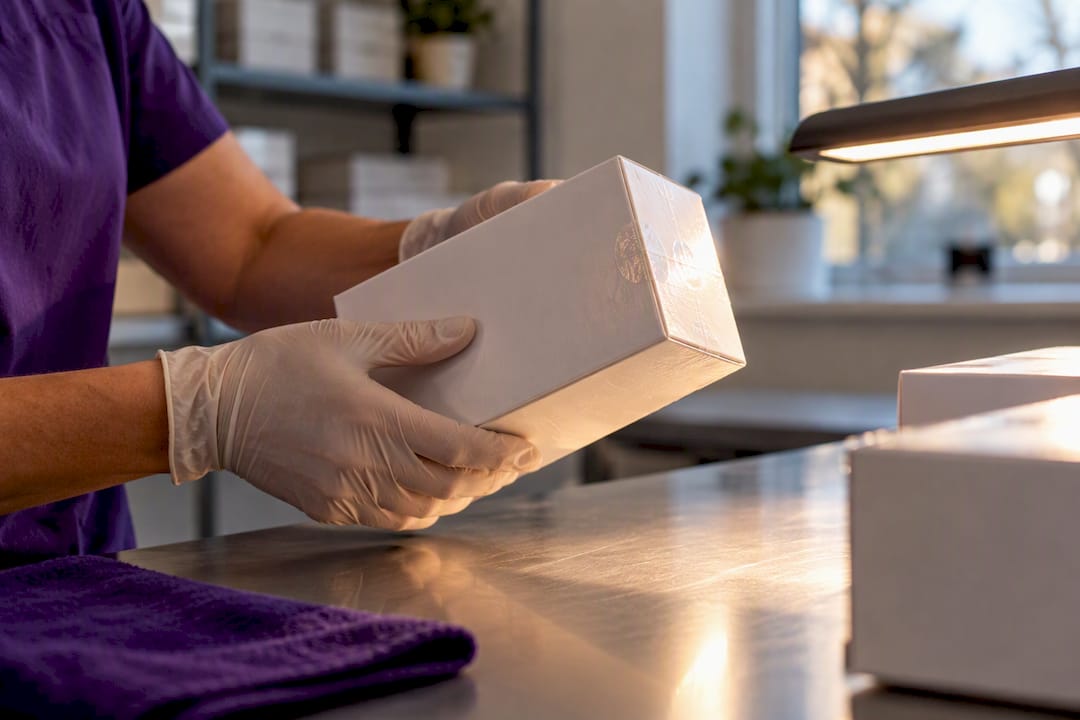
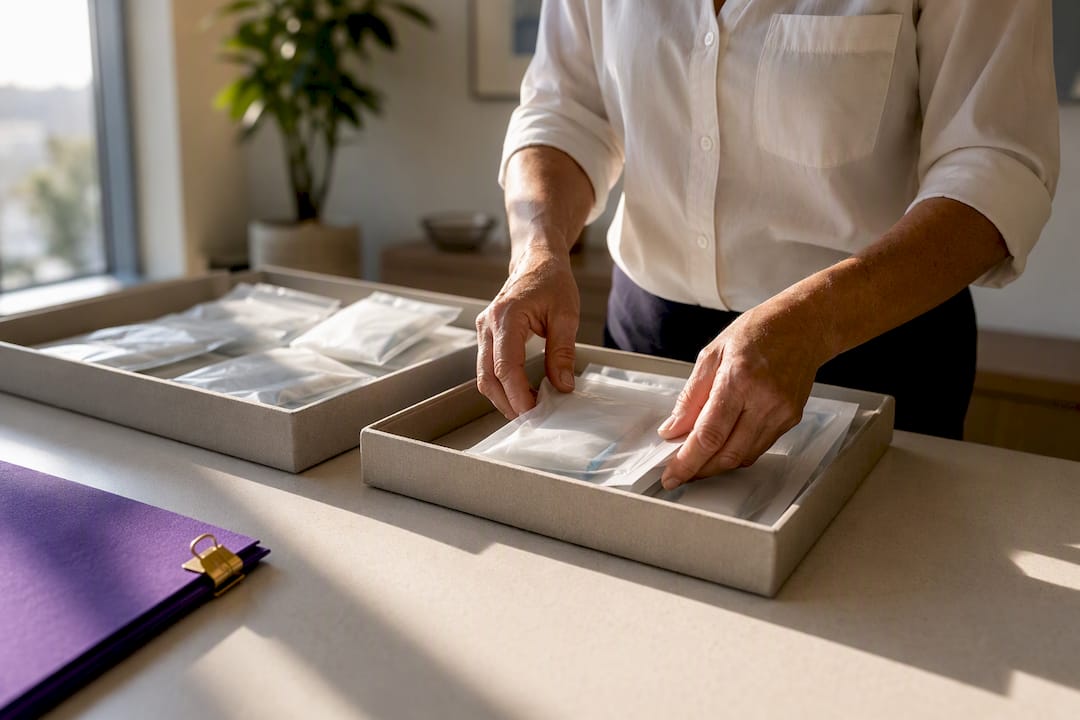
A local diabetic supply buy-back should look less like a pawn shop transaction and more like a careful inspection, because that’s genuinely what protects everyone involved. Reputable local buyers inspect seals and lot numbers on-site, keep detailed transaction records, and turn away anything that shows signs of repackaging or lacks clear provenance.
Orlando Diabetic Supplies Buyback works this way with sellers across Orlando and the surrounding area. The process typically includes:
- On-site inspection of sealed boxes for Dexcom G6 and G7 sensors, FreeStyle Libre, Omnipod pods, and major test strip brands, checked against expiration dates and lot numbers before any offer is made.
- Same-day cash payment once an item passes inspection, so you’re not waiting on a mail-in evaluation or a delayed check.
- A clear refusal policy for anything that appears to be Medicaid or Medicare funded, repackaged, or missing proof of private purchase.
That verification step isn’t friction for its own sake. It’s what keeps a local buy-back on the right side of Chapter 499 and Chapter 538, and it’s what protects the next person down the line who ends up with that same box of supplies.
Pro Tip: If you’re switching CGM devices and ending up with unused sensors, understanding why extra supplies pile up in the first place can help you figure out which items in your stockpile are actually eligible to sell.
An Editor’s Take on the Gray Market for Diabetic Supplies
People sell unused diabetic supplies for understandable reasons, and understanding the role of prebiotic fiber in diabetes management can help in overall health decisions. Insurance switches formularies, doctors change prescriptions, and someone ends up with a drawer full of sealed boxes they’ll never use. The gray market largely exists to increase access and lower costs for people who can’t otherwise afford these supplies at retail price, and that’s a legitimate need.
But access and legality aren’t the same conversation, and conflating them is how honest sellers stumble into real legal exposure. The safest path is a transparent, documented sale through a buyer who checks provenance, not one who asks fewer questions. If your situation involves anything unusual, a family member’s estate, supplies you’re not sure how were funded, talk to AHCA or an attorney before you sell.
— Liliana
Sell Your Unused Supplies the Right Way, Same Day
Orlando Diabetic Supplies Buyback exists for exactly the situation this article covers: you have sealed, unexpired diabetic supplies sitting unused, and you want to sell them without wondering whether you’re doing something wrong. Unlike an unverified online buyer or a stranger from a classifieds ad, we inspect every item on-site, in person, before any cash changes hands.
We buy Dexcom G6 and G7 sensors, FreeStyle Libre, Omnipod pods, and sealed major-brand test strips from sellers in Orlando and the surrounding area, and we pay same-day cash for anything that passes inspection. What we won’t do is take anything that looks Medicaid or Medicare funded, repackaged, or missing a clear paper trail. That’s not us being difficult. It’s how we keep every transaction on the legal side of the line this article just walked through.
If you’ve got supplies sitting in a drawer and you’re ready to find out what they’re worth, check your eligibility and get cash for unused diabetic supplies today.
This article is general information, not a substitute for advice from a qualified lawyer. Consult a qualified legal professional about your own circumstances before acting on anything here.
Sources
- Why Do People Buy Diabetic Test Strips? Costs, Risks, and Laws – LegalClarity
- FDA criminal case activity
- Chapter 499 Section 005 – 2022 Florida Statutes – The Florida Senate
- Florida Department of Revenue — Secondhand dealers and recyclers
FAQ
Is it illegal to sell my unused diabetic supplies in Florida?
No, it’s legal to sell privately purchased, sealed, unexpired diabetic supplies in Florida. It becomes illegal only if the supplies were funded by Medicare or Medicaid, or if you alter labels or repackage the items before selling.
How do I sell my unused diabetic supplies?
Confirm the item is sealed and unexpired, gather any proof of private purchase, and bring it to a local buyer who inspects lot numbers and refuses government-funded items. Orlando Diabetic Supplies Buyback offers same-day cash for eligible supplies after an on-site check.
Who pays the most for unused diabetic supplies?
Payment amounts vary by device and current demand, but buyers who inspect on-site and pay same-day cash, rather than mail-in services with delayed evaluations, are generally the most reliable option for getting fair value quickly.
What is the insulin act 2026?
There’s no established federal or Florida law officially known as the “insulin act 2026.” Florida’s most relevant recent change is AHCA’s shift of Medicaid diabetic supplies to the pharmacy point-of-sale benefit, effective October 1, 2024, which increased traceability of government-funded items.