Pharmacies don’t typically buy back your unused test strips, but specialized buyback services do. Yes, sealed, unexpired, and privately funded test strips, plus sealed CGM sensors and pump supplies, can be sold for same-day cash through a local buyback service. Boxes that are expired, opened, or marked for Medicare or Medicaid don’t qualify. If your supplies meet those three tests, the next step is simple: request a photo-based quote or set up an in-person inspection.
TL;DR:
- Only sealed, unexpired, privately funded test strips and sensors with at least six months of shelf life qualify for sale; expired or government-marked boxes are excluded.
- Sellers must prove ownership, avoid boxes marked for Medicare or Medicaid, and ensure packaging remains unopened to comply with legal and safety standards.
- Longer expiration dates increase value, while damaged boxes, unclear labeling, or boxes marked for government programs reduce or eliminate offers.
- In-person local buybacks offer same-day cash and face-to-face inspection, minimizing risks of scams associated with mail-in services.
- Preparing clear photos of each box, expiration date, lot number, and verifying eligibility ahead of time helps secure accurate quotes and smooth transaction processing.
Table of Contents
- Quick Eligibility Checklist: What Buyers Accept and What Disqualifies a Box
- Is Selling Sealed Test Strips Legal? Federal and Practical Rules Sellers Must Know
- How Pricing and Payouts Are Determined
- Sell Safely: Local In-Person Buyback vs. Mail-In Services
- What to Prepare Before You Sell (Photo and Packing Checklist)
- Payment Methods, Timing, and Tax Basics Sellers Should Expect
- Why We Prefer Local In-Person Buybacks
- How to Sell to Orlando Diabetic Supplies Buyback
- Sources
Quick Eligibility Checklist: What Buyers Accept and What Disqualifies a Box
Before you contact anyone, sort your boxes into “yes” and “no” piles. A few minutes of sorting saves you a wasted trip or a disappointing quote later.
Buyers want factory-sealed boxes with plenty of shelf life left. Here’s what typically makes the cut, and what gets rejected on sight:
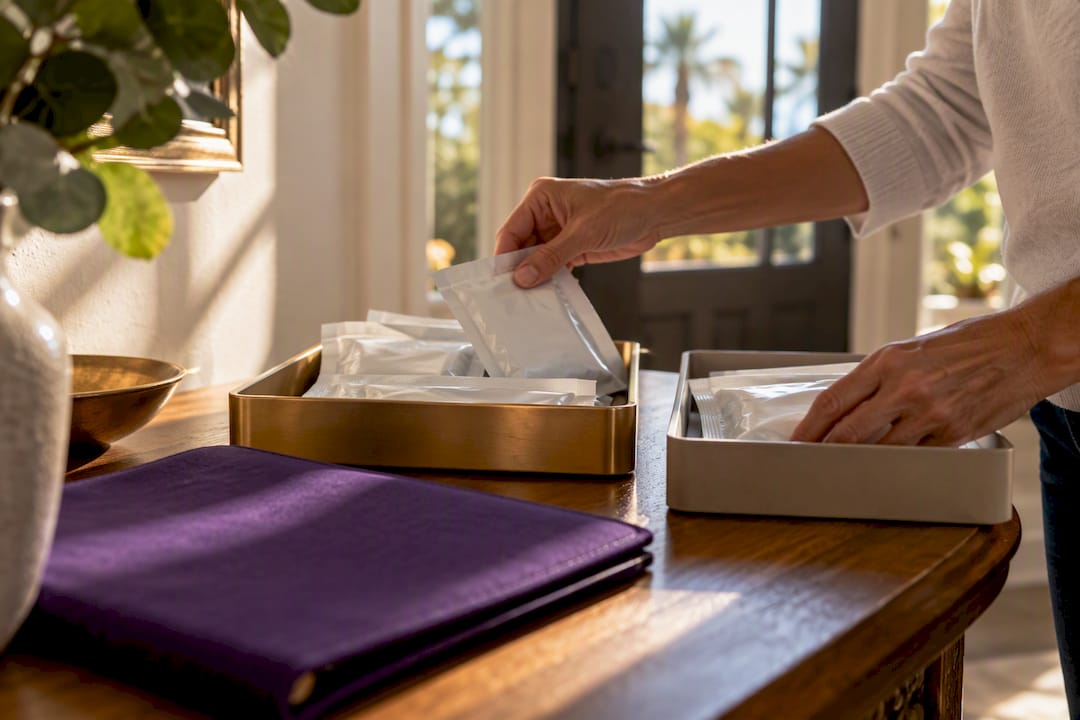
- Accepted: Factory-sealed, unopened boxes of major-brand test strips
- Accepted: Sealed Dexcom sensors, Freestyle Libre sensors, and unopened Omnipod pods
- Best value: Expiration dates 6 to 10 or more months out
- Often rejected: Anything expiring in under 3 months
- Always rejected: Opened boxes or partial packs
- Always rejected: Boxes marked “for Medicare/Medicaid beneficiaries only” or relabeled by a pharmacy
That last point trips up a lot of sellers who don’t realize their box carries a government marking until a buyer points it out.
Is Selling Sealed Test Strips Legal? Federal and Practical Rules Sellers Must Know
Ownership is the deciding factor. If you bought your supplies out of pocket or received them through private insurance, they’re generally yours to resell. According to LegalClarity’s analysis, reselling sealed, unexpired test strips is legal in most cases when you legitimately own them, but supplies funded by Medicare or Medicaid are off-limits and typically marked accordingly.
Safety matters just as much as ownership. The FDA warns about risks tied to pre-owned or opened test strips, which is exactly why reputable buyers only accept sealed retail packaging. An opened box, even one that’s never been used, is a hard no for most buyers.
A few practical rules to keep in mind before you sell:
- Confirm you personally paid for the supplies or received them through private insurance, not a government program
- Never attempt to sell a box that shows any Medicare or Medicaid marking
- Check your state’s resale and small-business tax rules if you plan to sell supplies more than occasionally
- When you’re not sure whether a box qualifies, leave it out of the batch rather than risk the whole sale
If a box raises any doubt at all, set it aside. It’s not worth jeopardizing a clean transaction over one questionable item.
How Pricing and Payouts Are Determined
Expiration date drives most of the value. The American Diabetes Association notes that boxes with longer expiration dates command higher payouts, while many buyers prefer not to accept boxes close to expiration.
Pro Tip: Check your expiration dates before you photograph anything. Sorting by date first means you’ll know exactly which boxes to submit for top dollar and which ones to leave out.
Beyond expiration, a few other factors shape your quote:
- Box condition: Dented or damaged boxes get lower offers, even if the strips inside are fine
- Legibility: A clear, readable lot number and expiration date speeds up approval
- Brand demand: Widely used brands typically move faster and command steadier pricing
- Quantity: Larger lots sometimes unlock bonus pricing or better per-box rates
A photo-based binding quote protects you from surprise deductions once a buyer has your boxes in hand. When the quote is locked in before you ship or hand anything over, there’s no room for a buyer to lowball you after the fact.
Sell Safely: Local In-Person Buyback vs. Mail-In Services
Both routes can work, but they carry different levels of risk. Here’s how they stack up:
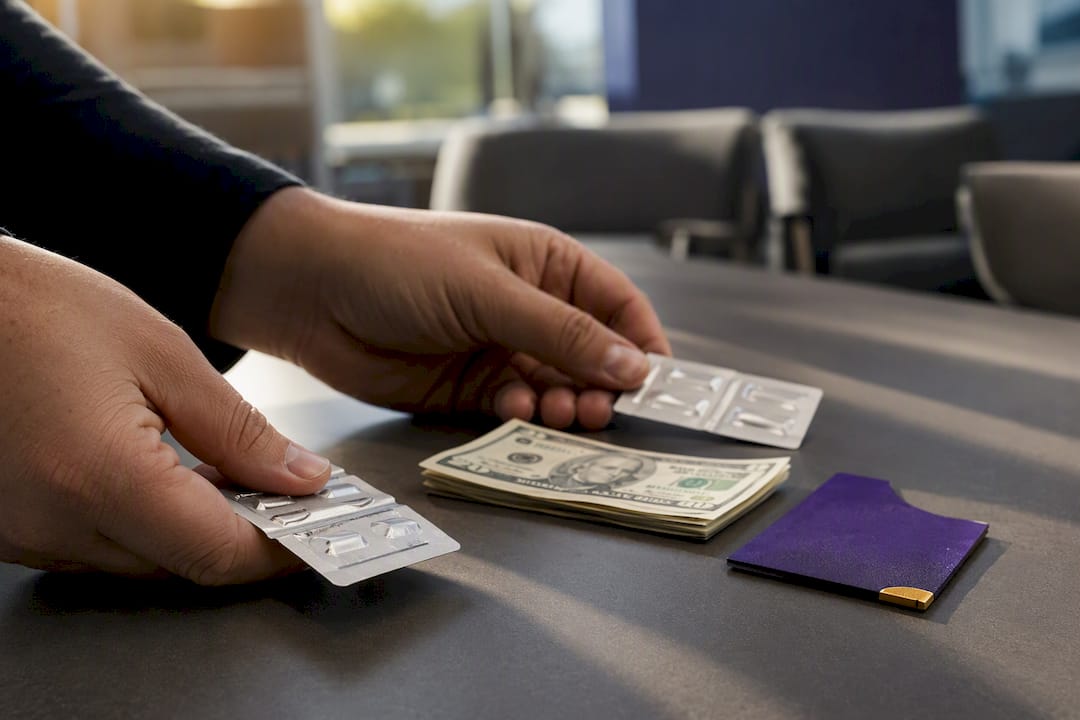
- Local in-person buyback. You hand over your supplies, the buyer inspects them on the spot, and you walk away with cash. There’s no shipping window where a “shrinking quote” scam can happen.
- Mail-in services. These work fine for sellers outside a buyer’s service area, but they come with a real gap: your boxes are inspected after they’ve already left your hands. Keep tracking numbers and timestamped photos as your own record.
Watch for warning signs regardless of which route you pick. Vague quotes, “we take anything” claims, requests to strip off government markings, or refusal to give you a written quote based on photos are all red flags. General online marketplaces make this worse. As Queens Surgical explains, marketplace rules around medical supplies shift constantly and offer little buyer protection, which is why specialized buyback services tend to be the lower-risk choice.
Pro Tip: Never ship a single box until you have a firm, written quote in hand based on clear photos. If a buyer wants your supplies first and a quote later, that’s your cue to walk away.
Local, in-person deals close the gap that mail-in scams rely on by allowing face-to-face inspection, reducing the risk for sellers.
What to Prepare Before You Sell (Photo and Packing Checklist)
Getting a firm quote fast comes down to giving a buyer everything they need up front. Here’s the order to work through:
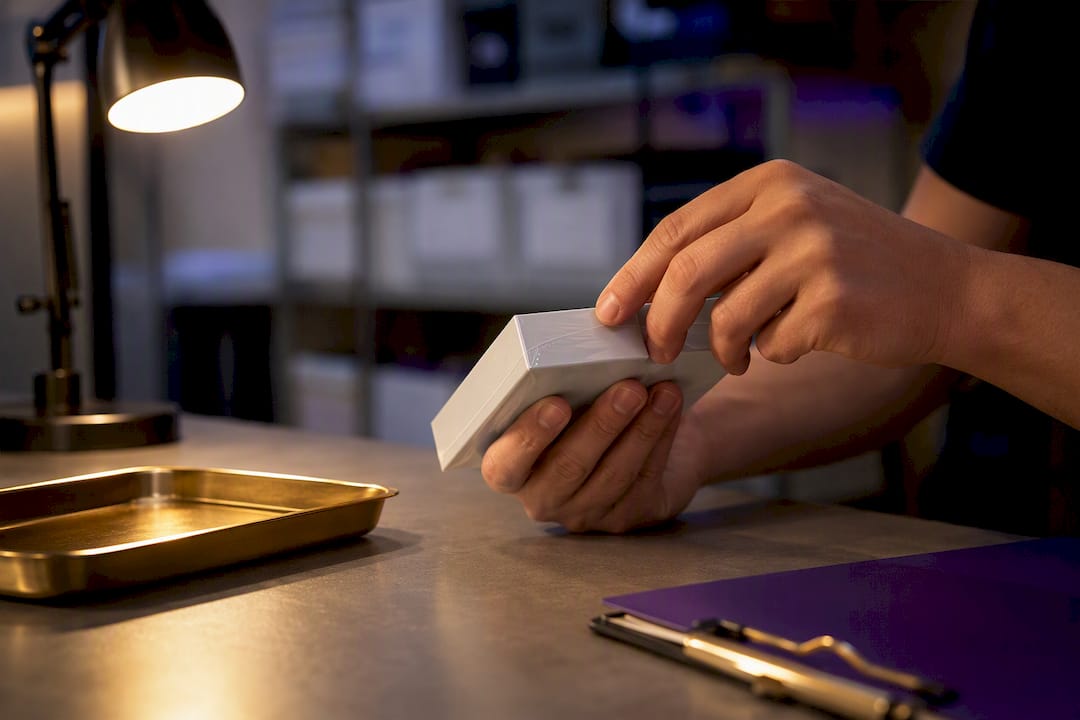
- Photograph the front of each box, showing the brand clearly.
- Photograph the expiration date and lot number close enough to read.
- Count your boxes by brand and note the total, since buyers often price in bulk.
- Set aside anything marked for Medicare or Medicaid before you send a single photo.
- Leave prescription and pharmacy labels alone. Reputable buyers remove labels safely without damaging the box; peeling them off yourself can downgrade or disqualify the item.
- Bring ID and your original boxes to any in-person meetup. For mail-in sales, keep your tracking number and copies of every photo and the buyer’s written quote.
This kind of prep is also worth doing if you’re just figuring out why your supply built up in the first place, since that usually tells you which boxes are worth photographing first.
Payment Methods, Timing, and Tax Basics Sellers Should Expect
Payment speed depends on how you sell. In-person buybacks pay cash on the spot, right after inspection. Mail-in sales typically pay out within a few days of the buyer receiving and checking your boxes, usually through PayPal, Venmo, check, or ACH transfer.
A few tax basics worth knowing before you sell:
- Proceeds from selling personal medical supplies count as income and should be tracked
- The IRS Publication 502 guidance on medical expenses explains that gains recovering a prior medical deduction may be taxable
- Falling under a 1099-K reporting threshold doesn’t erase your tax liability. It just means the payment platform isn’t required to report it
Keep a simple record of what you sold and what you received. It takes five minutes and saves a headache later.
Why We Prefer Local In-Person Buybacks
Local deals let us inspect supplies in front of the seller and pay on the spot, no shipping delays, no waiting on a mail carrier, no second-guessing whether a quote will hold. That kind of transparency is why some local buyback services focus on same-day, in-person transactions for eligible Dexcom sensors, Freestyle Libre sensors, Omnipod pods, and sealed test strips. Your information stays private, and you get paid the moment your boxes pass inspection, not days later.
— Liliana
How to Sell to Orlando Diabetic Supplies Buyback
A local buyback service can be a direct alternative to mailing your boxes off and waiting days to find out if the quote actually holds. Instead of shipping supplies into the unknown, you may get a firm quote based on your photos before anything leaves your hands, and if your boxes check out, you can receive same-day cash.
Here’s how the process works. Send clear photos of your boxes, including the brand, expiration date, and lot number. We’ll turn those into a written quote, no guesswork, no vague “we’ll see when it arrives” pricing. From there, you can schedule a local meetup for on-the-spot payment or ask about a mail-in option if you’re outside the immediate area. Certain local buyback services purchase sealed Dexcom sensors, Freestyle Libre sensors, unopened Omnipod pods, and major-brand test strips that meet eligibility standards.
If you’re ready to see what your supplies are worth, start a quote for your unused diabetic supplies today and find out how quickly you can turn a box sitting in a drawer into cash in your hand.
Sources
- American Diabetes Association
- LegalClarity — Is Selling Diabetic Test Strips Legal?
- Internal Revenue Service — Publication 502 (Medical and Dental Expenses)