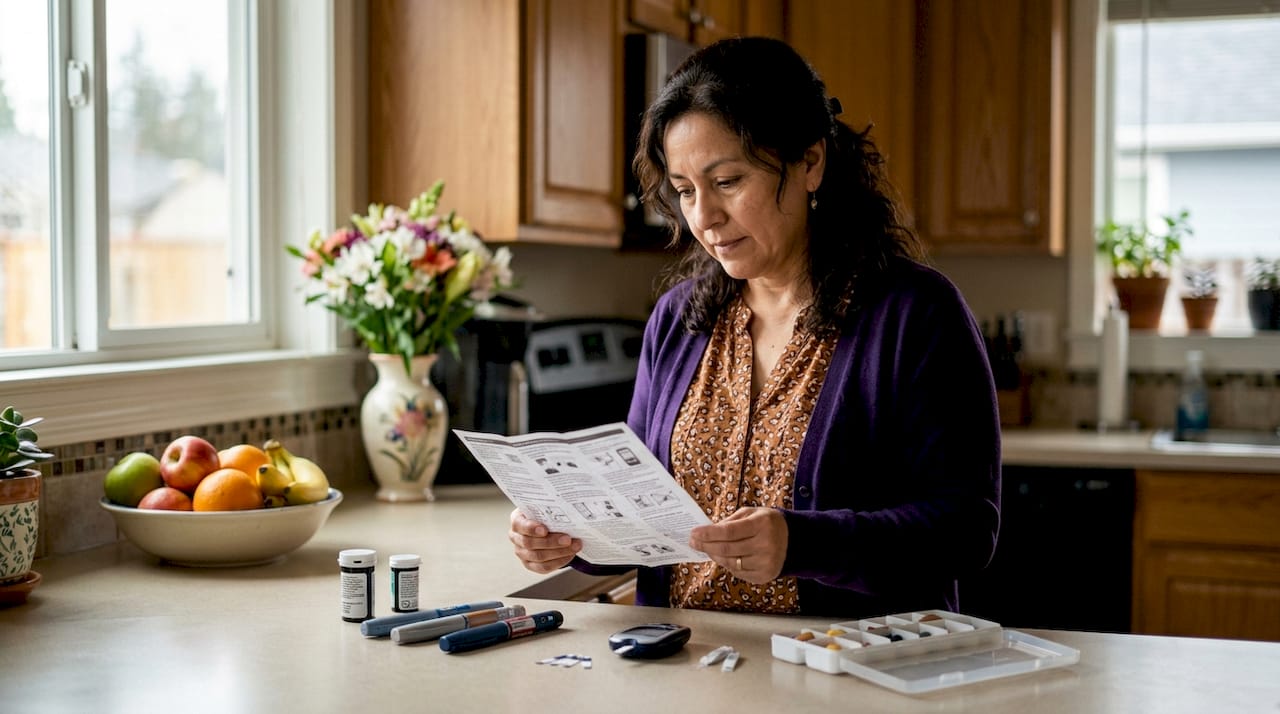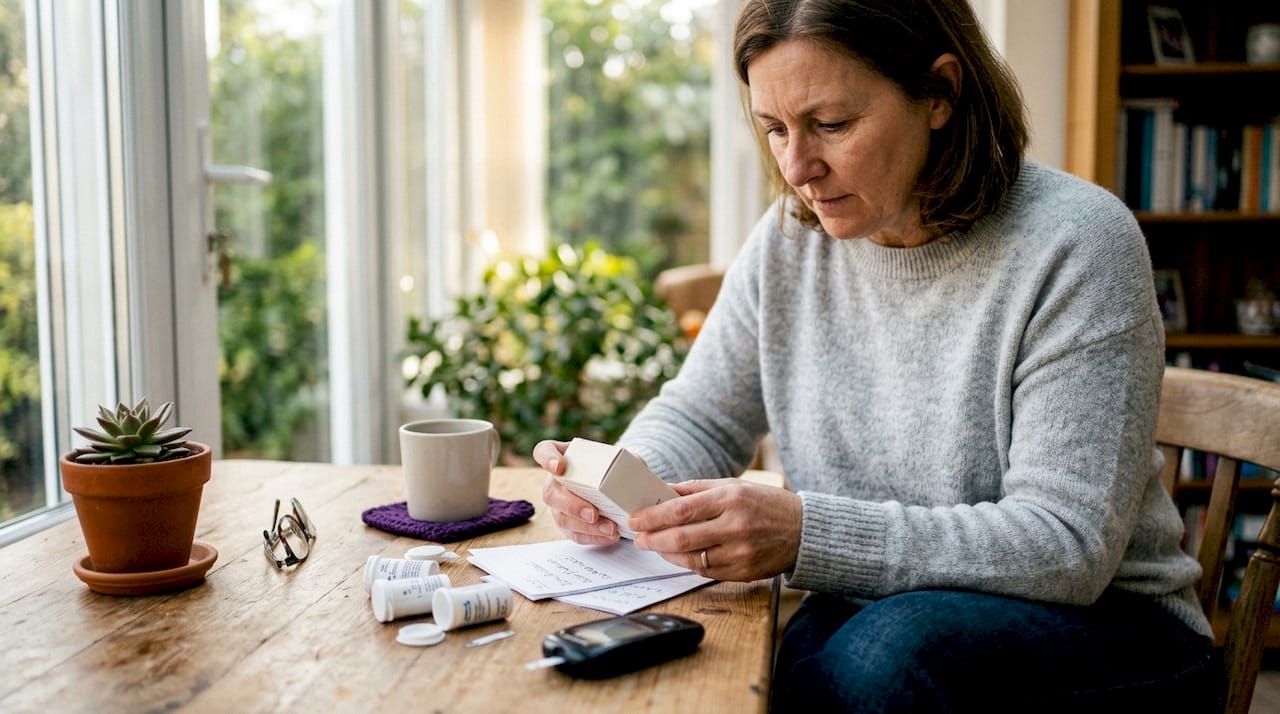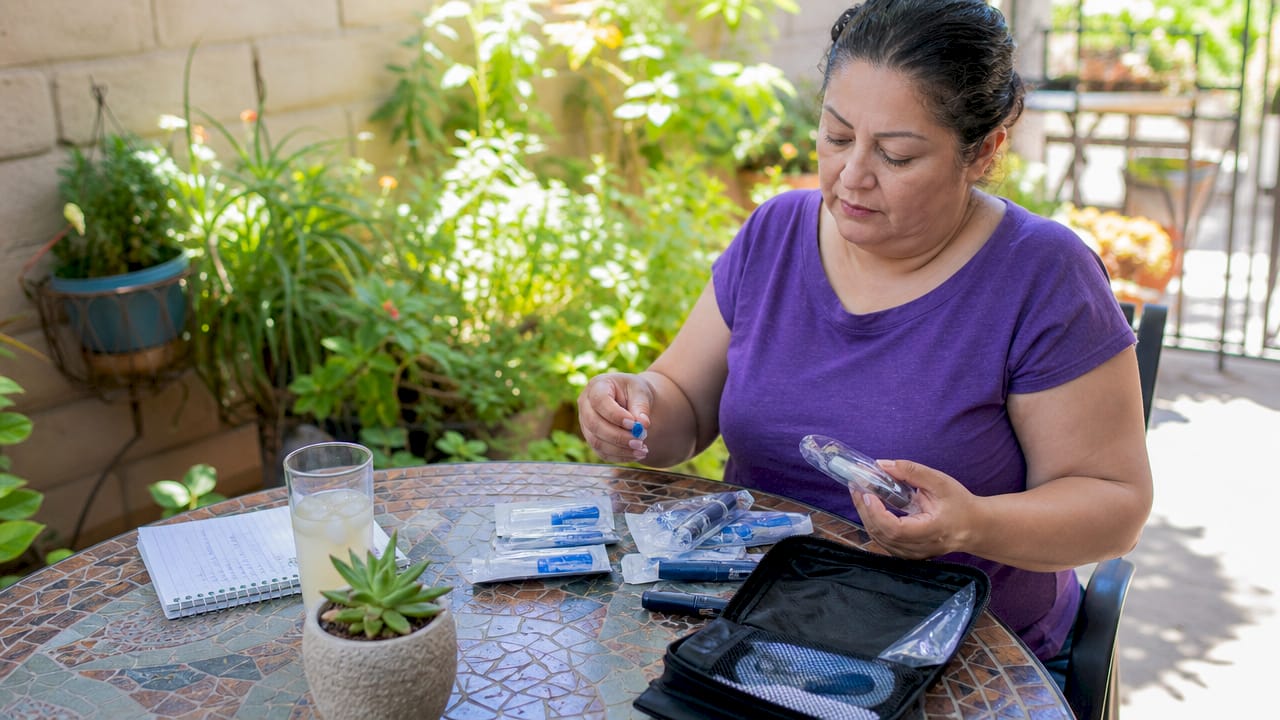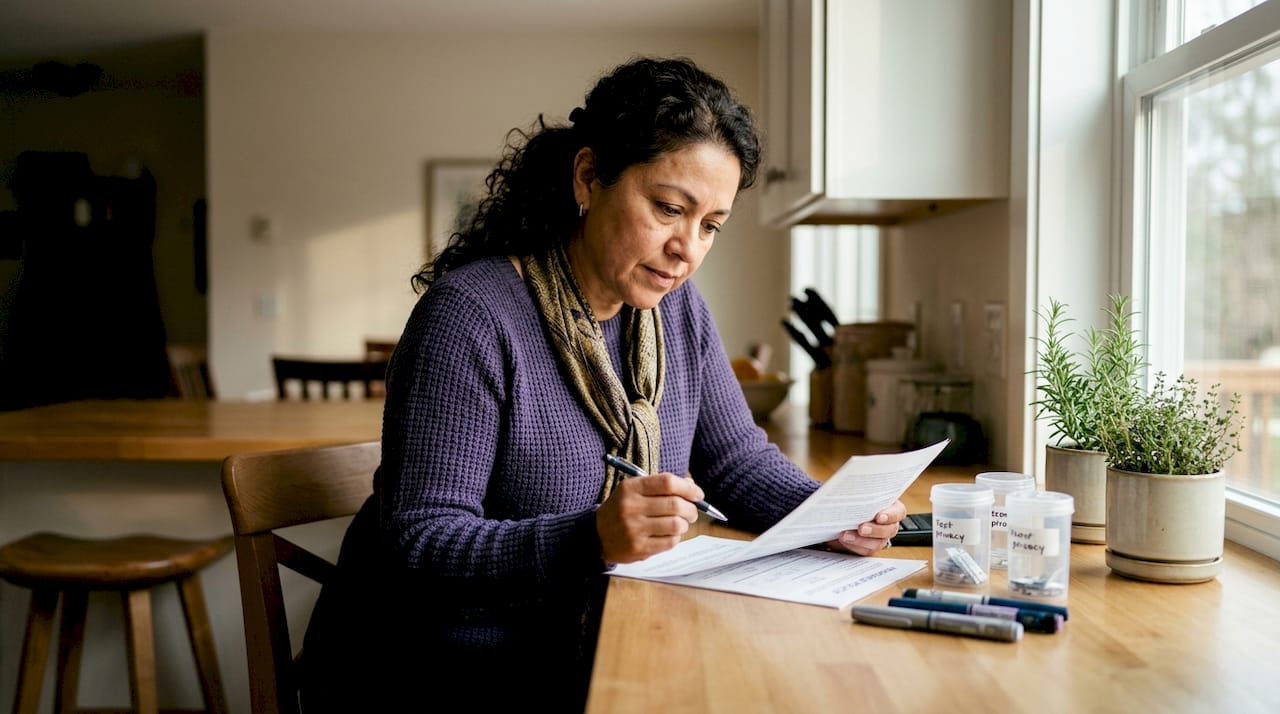
Selling insurance-covered diabetes overstock is a legal, practical way to turn sealed, unused diabetic supplies into cash. Diabetic supply resale is the recognized industry term for this practice, and it covers everything from Dexcom G6 and G7 sensors to Freestyle Libre patches, Omnipod pods, and sealed test strips. An estimated $5 billion worth of unused diabetic supplies is wasted in the U.S. every year. Orlando Diabetic Supplies Buyback helps patients and caregivers in Florida and across the country convert that surplus into real money, fast and without hassle.
Why does insurance-covered diabetes overstock accumulate?
Insurance auto-refill programs are the single biggest driver of diabetic supply surplus. Most plans mandate rigid 90-day refill cycles that ship on a fixed schedule, regardless of whether you actually used last month’s supply. When your dosage changes or your doctor switches your therapy, the shipments keep arriving.
The rapid shift to GLP-1 receptor agonists between 2022 and 2025 made this problem much larger. Millions of patients who moved to GLP-1 drugs reduced their insulin and supply needs dramatically, leaving stocked boxes of sensors, strips, and pens sitting in closets. That transition created a wave of surplus that pharmacies cannot legally take back.
Caregivers and families also generate significant overstock. Over half of buyback submissions come from family members managing supplies after a loved one’s medication change or passing. These situations leave sealed Dexcom sensors, insulin pens, lancets, and test strip boxes with nowhere to go. Understanding why diabetics have extra supplies helps you recognize your own situation clearly.
Common reasons surplus builds up include:
- Fixed 90-day auto-refill cycles that ignore actual usage
- Therapy switches, including GLP-1 adoption, that reduce supply needs
- Dosage adjustments that leave previous supplies unused
- Pharmacy and insurer policies that prohibit returns
- Supplies left over after a patient’s passing or transition to a care facility
Pro Tip: Check your insurance portal or call your plan’s pharmacy line to pause auto-refills before your next shipment arrives. One paused cycle can prevent another box from adding to your overstock.
What legal and quality requirements must you meet to sell your surplus?
Selling sealed, unexpired diabetic supplies is legal in most U.S. states. Test strips and OTC diabetic supplies are classified as over-the-counter products, which means you own them outright and can resell them freely. Insulin and certain CGM components carry more regulatory nuance and may be restricted depending on your state.
The most important quality standard is packaging integrity. Reputable buyback services require supplies to be factory sealed with at least 7 months before the expiration date. Opened boxes, damaged seals, or supplies expiring within six months are typically rejected.
Ownership matters in diabetic supply resale. Supplies dispensed to you through your insurance plan are your personal property. You paid for them through premiums and cost-sharing, which gives you the legal right to sell them. Prescription-only items like insulin require extra care. Always verify your state’s specific resale rules before listing or shipping any supply.
Eligibility checklist before you sell:
- Packaging is factory sealed and undamaged
- Expiration date is at least 7 months away
- Item is a recognized brand (Dexcom, Freestyle Libre, Omnipod, or major test strip brands)
- Item is not a prescription-only controlled substance in your state
- You have the original box with lot number and barcode visible
Review what counts as an unused diabetic supply if you are unsure whether a specific product qualifies.
How do you assess and organize your surplus diabetic supplies?
A clear inventory is the foundation of a successful sale. Start by pulling every diabetic supply out of storage and grouping items by product type, brand, and expiration date. This single step prevents you from accidentally submitting expired or ineligible items.

Building your inventory list
Create a simple spreadsheet or written list with four columns: product name, brand, quantity, and expiration date. Buyers need this information to give you an accurate quote. An organized submission also speeds up the inspection process, which means faster payment for you.
| Column | What to record |
|---|---|
| Product name | Test strips, CGM sensors, pods, lancets |
| Brand | Dexcom G7, Freestyle Libre 3, Omnipod 5 |
| Quantity | Number of sealed boxes |
| Expiration date | Month and year printed on the box |
Separating eligible from ineligible items
Set aside anything with a broken seal, visible damage, or an expiration date within six months. Do not submit these items. Sending ineligible supplies wastes time and can delay payment on the items that do qualify. For guidance on organizing unused diabetes equipment at home, a structured sorting method makes the process much faster.
Pro Tip: Photograph each box before shipping. A clear photo of the sealed packaging and expiration date protects you if a dispute arises during inspection.
Caregivers handling a loved one’s estate should separate supplies by the patient’s name if multiple prescriptions are involved. Buyers do not require a prescription copy, but having records on hand helps resolve any questions quickly.
How do you sell your insurance-covered diabetes overstock step by step?
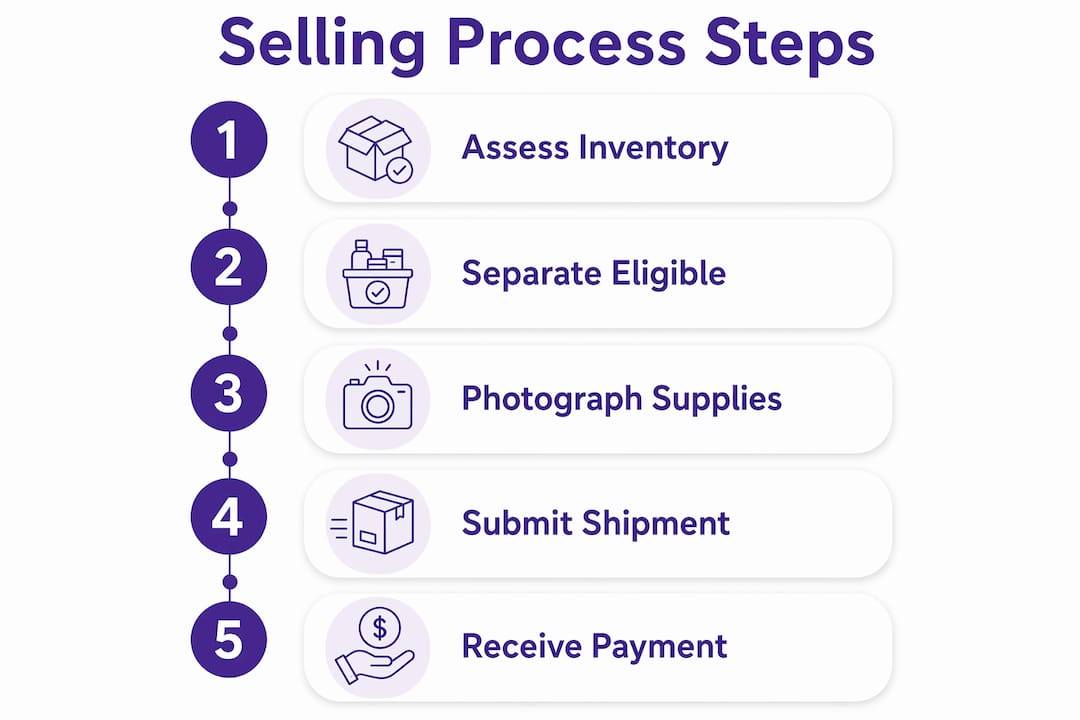
The resale process follows a clear sequence. Following each step in order protects your payment and avoids common pitfalls.
-
Gather and verify your inventory. Confirm every item is sealed, unexpired, and from a recognized brand. Cross-check your list against the buyer’s accepted product catalog before submitting.
-
Submit your product details online. Reputable buyback services let you enter product names, quantities, and expiration dates through an online form. You receive a price quote based on current market rates for that product.
-
Receive and print your prepaid shipping label. Once you accept the quote, the buyer sends a prepaid label. You pay nothing to ship. Pack supplies securely in a sturdy box with padding to prevent damage in transit.
-
Wait for inspection and verification. After the buyer receives your package, they verify the condition and expiration dates. The resale process typically results in payment within 1–2 business days after inspection.
-
Receive your payment. Most services pay via PayPal, check, or electronic bank transfer. Choose the method that works best for you when you set up your account.
Protect yourself from scams by following these rules:
- Only use buyers with a verifiable business address and contact information
- Never pay upfront fees to list or ship your supplies
- Avoid buyers who ask for your Social Security number or insurance ID
- Read reviews from other sellers before committing to a service
- Confirm the payment method before you ship anything
Secondary diabetic supply markets serve two purposes at once. They put cash in your pocket and make supplies available to underinsured patients at reduced prices. That dual benefit makes responsible resale worth doing well. If you want to understand the full picture of diabetic supply resale, the process is more straightforward than most patients expect.
Key Takeaways
Selling sealed, unexpired insurance-covered diabetic supplies through a reputable buyback service is legal in most U.S. states, requires no upfront cost, and typically results in payment within 1–2 business days after inspection.
| Point | Details |
|---|---|
| Surplus is structural | Insurance 90-day auto-refill cycles create overstock regardless of actual patient usage. |
| Legal in most states | Sealed OTC supplies like test strips are your property and free to resell; verify state rules for CGM components. |
| Condition is everything | Supplies must be factory sealed with at least 7 months before expiration to qualify. |
| Inventory first | Build a simple product list before submitting; accurate details speed up quotes and payment. |
| Payment is fast | Most buyback services pay within 1–2 business days via PayPal, check, or bank transfer. |
What I’ve learned from watching the buyback market grow
The volume of surplus diabetic supplies entering the resale market has grown noticeably since 2022. The GLP-1 shift is the clearest reason. Patients who switched from insulin-dependent regimens to GLP-1 therapies often had months of sensors, pods, and strips already on hand. That inventory did not disappear. It moved into closets, and eventually into buyback programs.
What strikes me most is who is actually selling. Caregivers and family members managing a loved one’s estate make up a large share of sellers. These are people dealing with grief and paperwork, and they often do not realize that sealed supplies have real cash value. Pointing them toward a trustworthy local buyer makes a genuine difference.
The community benefit is real too. Every box of sealed test strips that reaches a patient who cannot afford full retail price is a direct health outcome. Resale is not just a financial transaction. It is a redistribution of resources that the healthcare system failed to reclaim. I think more patients would sell rather than discard if they understood how simple the process actually is.
My honest advice: do not wait until supplies expire. Check your inventory now, build your list, and submit to a buyer you can verify. The window between “still eligible” and “expired and worthless” closes faster than most people expect.
— Liliana
Turn your excess supplies into cash with Orlando Diabetic Supplies Buyback
If you have sealed Dexcom G6 or G7 sensors, Freestyle Libre patches, Omnipod pods, or unopened test strips sitting unused, Orlando Diabetic Supplies Buyback makes it simple to convert them into cash.
Orlando Diabetic Supplies Buyback serves patients and caregivers in Orlando, Florida, and surrounding areas, with a straightforward process: submit your product details, receive a fair quote, ship with a prepaid label, and get paid fast. The team checks every item carefully to make sure you receive fair value. Get started by visiting the sell unused supplies page to see exactly what Orlando Diabetic Supplies Buyback accepts and how much your overstock is worth today.
FAQ
Is it legal to sell insurance-covered diabetic supplies?
Selling sealed, unexpired over-the-counter diabetic supplies is legal in most U.S. states. Test strips, CGM sensors, and pods dispensed through insurance are your personal property and free to resell, though insulin and some prescription items carry additional state-level restrictions.
What condition do supplies need to be in to sell?
Supplies must be factory sealed, undamaged, and have at least 7 months before the expiration date. Opened boxes or supplies close to expiration are typically rejected during inspection.
How long does it take to get paid after selling?
Most reputable buyback services issue payment within 1–2 business days after receiving and inspecting your shipment. Payment methods typically include PayPal, check, or electronic bank transfer.
Who can sell surplus diabetic supplies?
Both patients and caregivers can sell surplus supplies. Caregivers and family members account for over half of all buyback submissions, often managing leftover inventory after a loved one’s medication change or passing.
What types of diabetic supplies can I sell?
Sealed test strips, Dexcom G6 and G7 sensors, Freestyle Libre patches, Omnipod pods, and lancets are among the most commonly accepted items. Check with your specific buyer for a full list of accepted brands and product types.