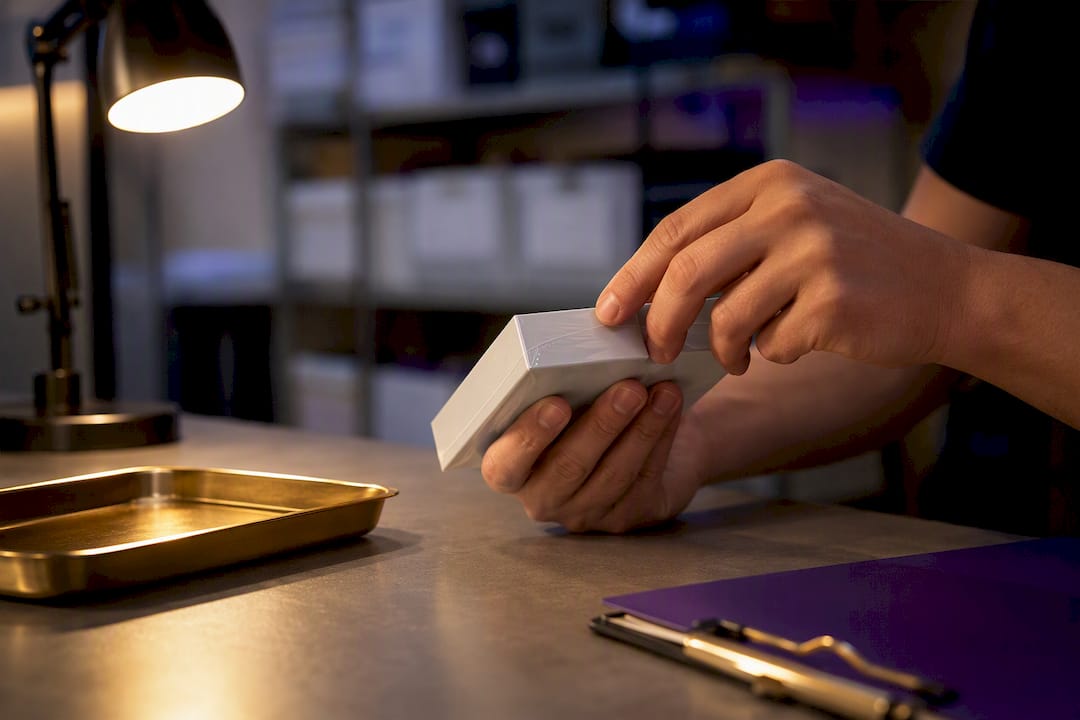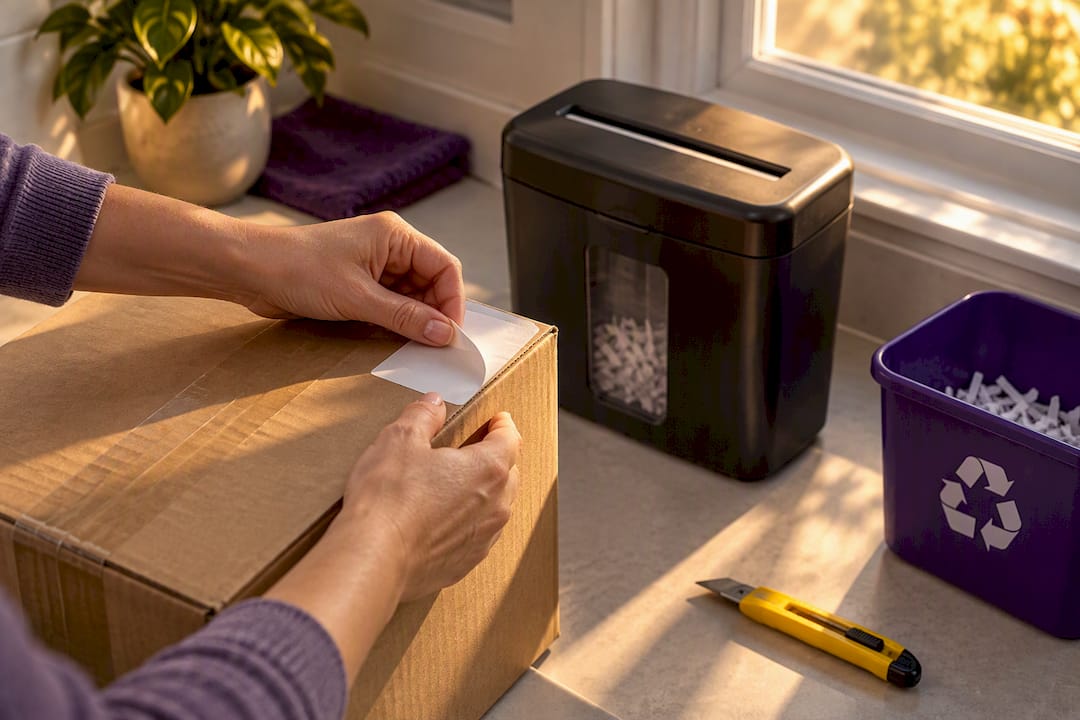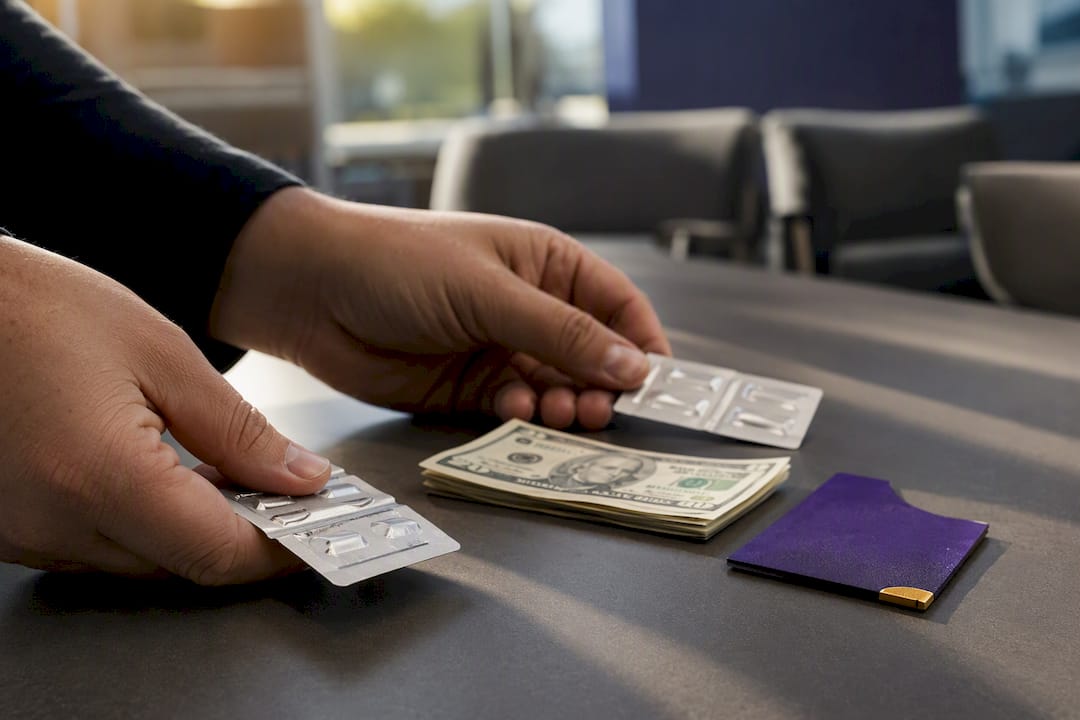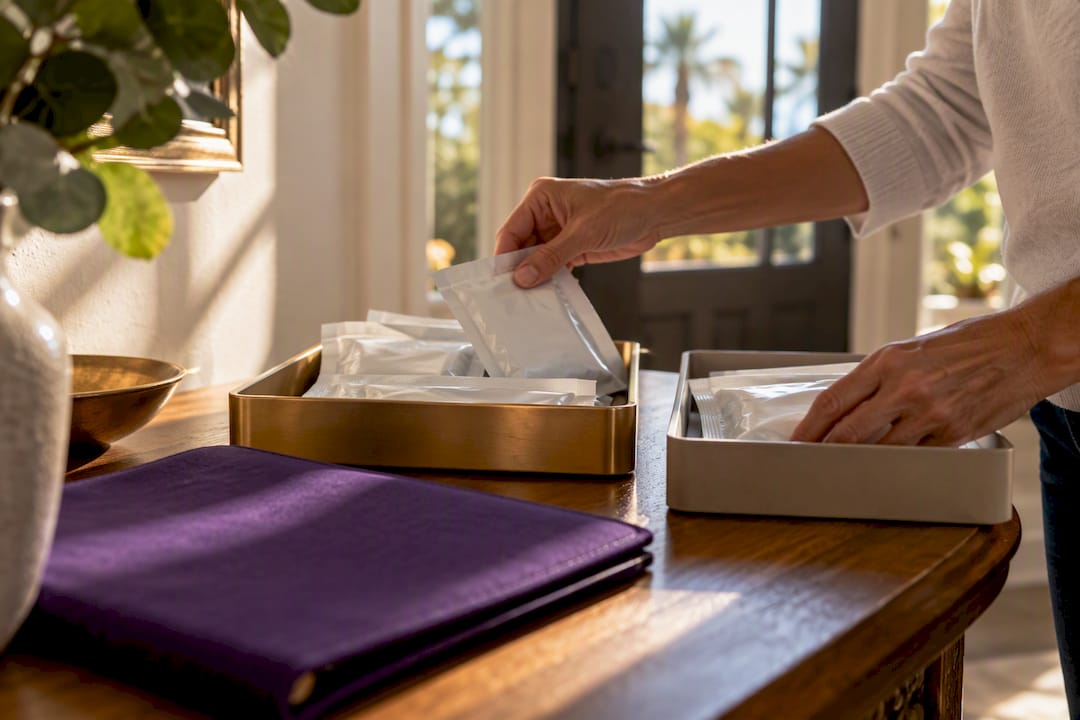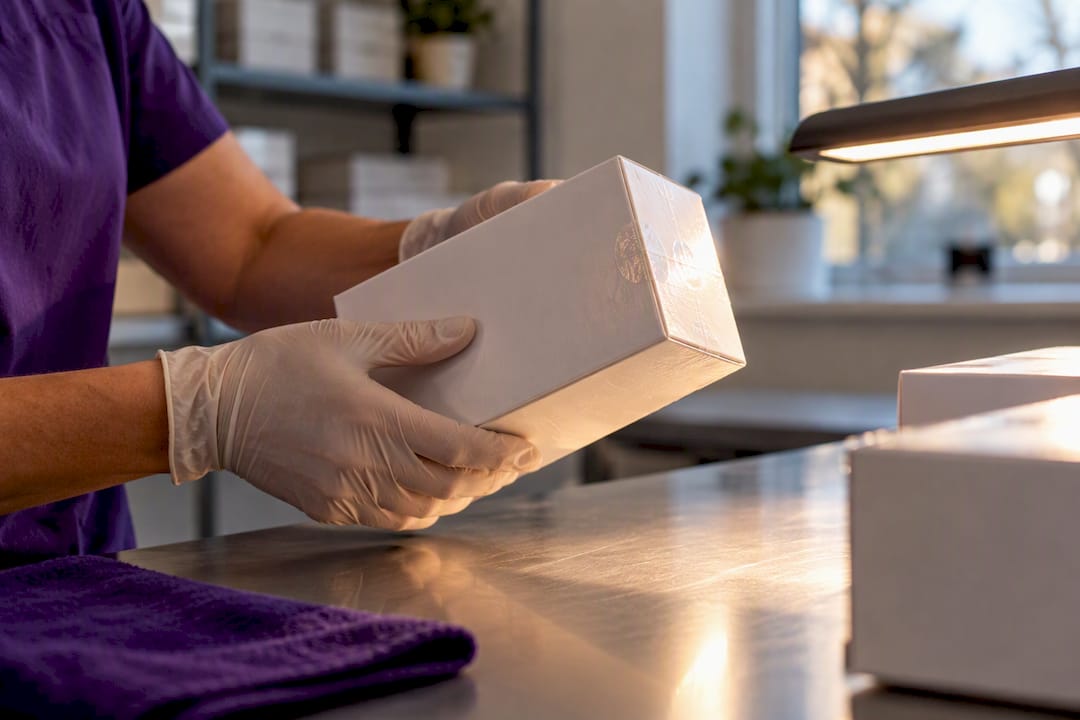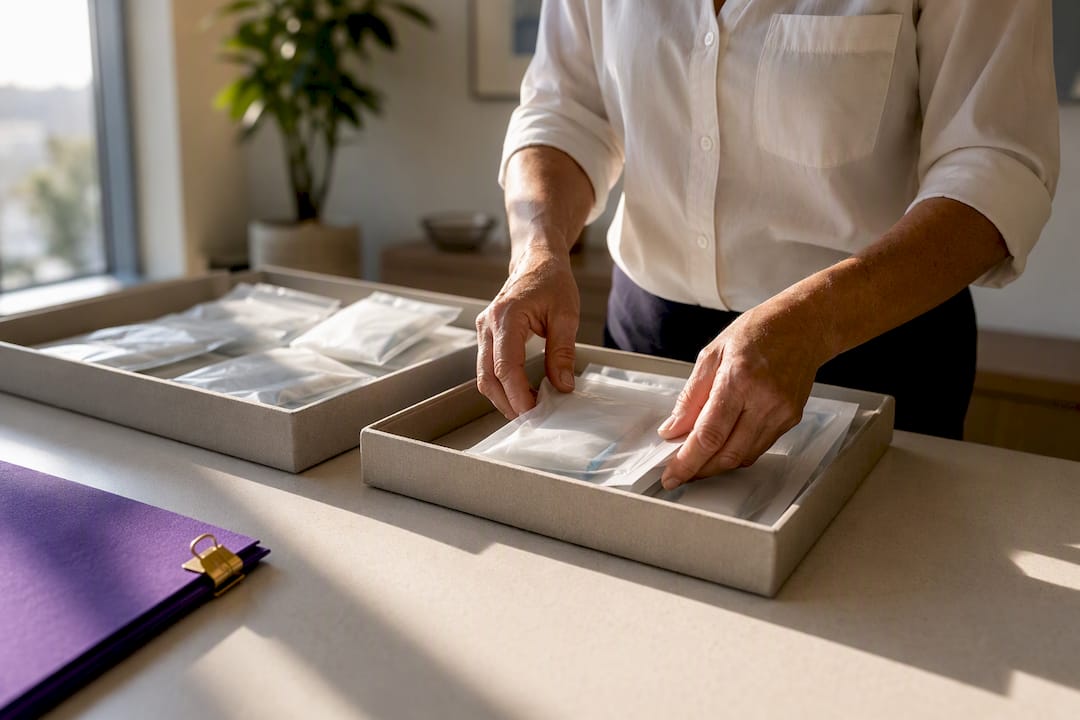
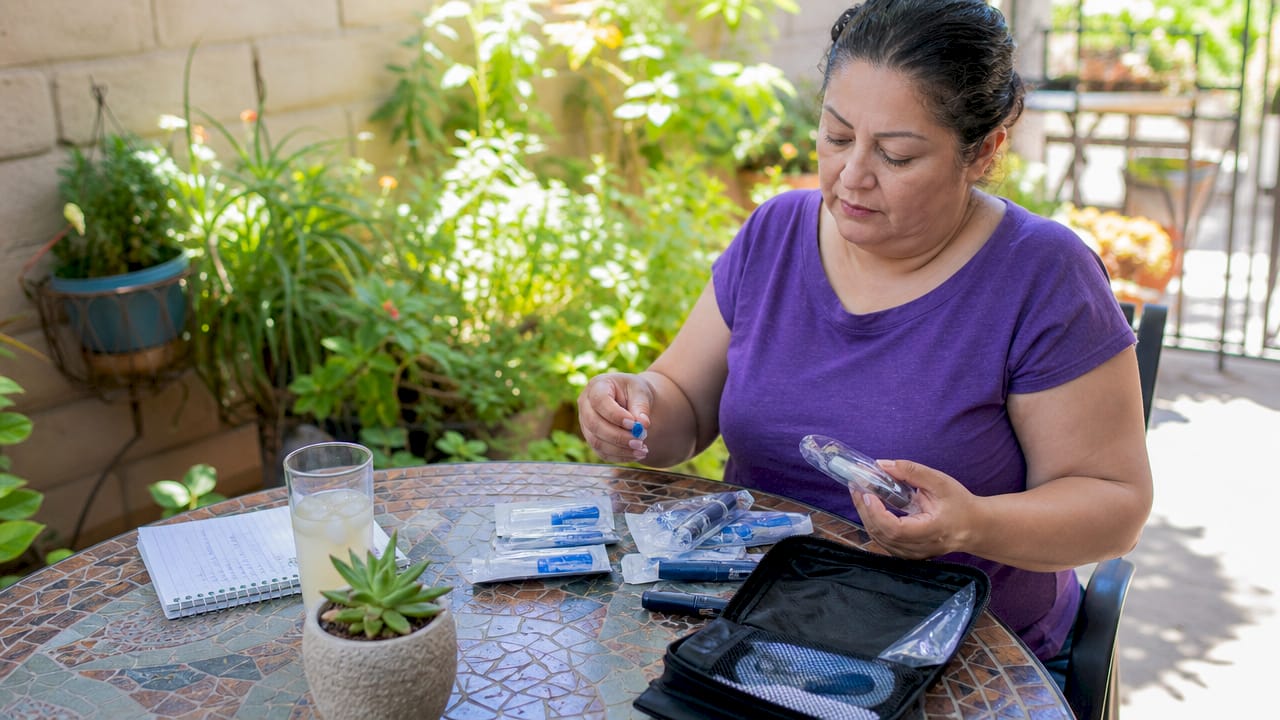
Diabetic supply waste is defined as the accumulation, misuse, or improper disposal of diabetes management supplies that results in financial loss, health risk, or environmental harm. Examples of diabetic supply waste scenarios range from auto-refill stockpiles to expired test strips left in a drawer after a meter switch. U.S. healthcare spends part of its $412 billion in annual diabetes costs on supplies that never get used. Understanding where waste happens is the first step toward stopping it.
1. How auto-refill programs create surplus supplies
Insurance-mandated 90-day auto-refill programs are one of the most common causes of diabetic supply waste. The program ships a new batch of insulin, sensors, or test strips every 90 days, regardless of how much you have left. When your treatment changes mid-cycle, the supplies keep arriving.
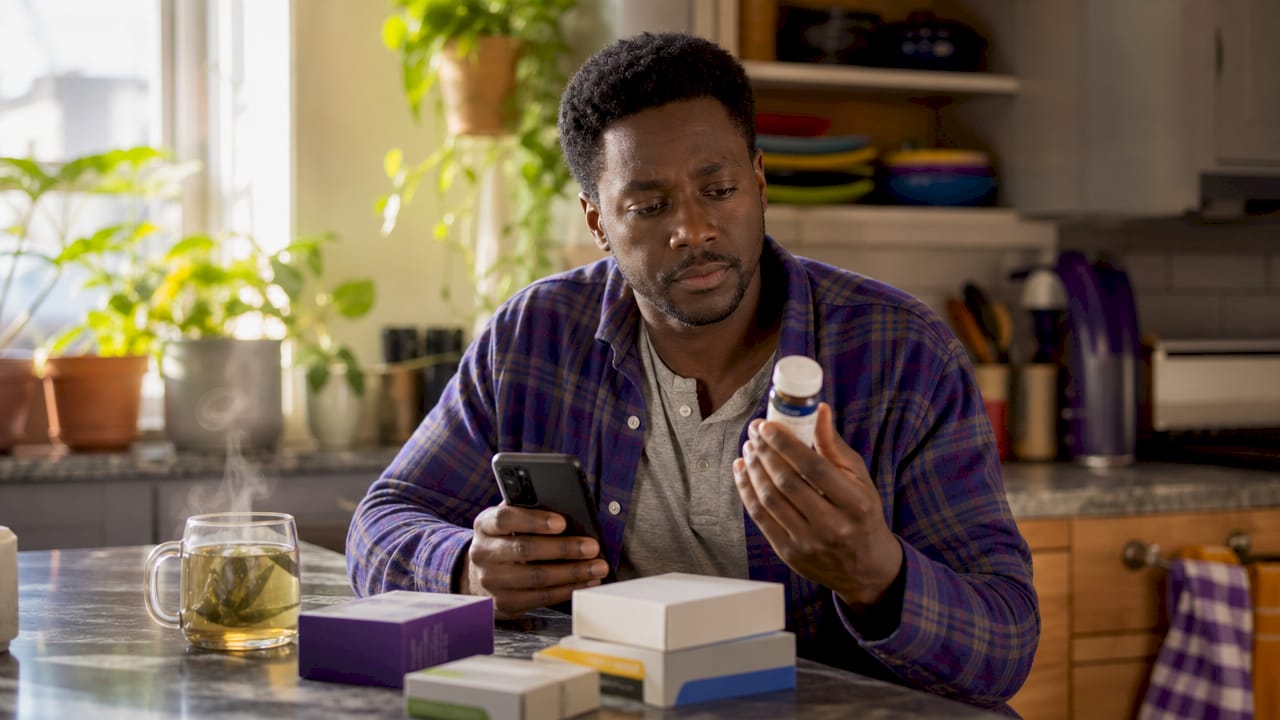
The core problem is that pharmacies cannot accept returns on dispensed products. That means every extra box of Dexcom G7 sensors or Omnipod pods that arrives after a therapy switch becomes waste by default. Many people end up with months of surplus before they can stop the shipments.
Here is what typically accumulates in an auto-refill surplus scenario:
- Sealed boxes of continuous glucose monitoring sensors
- Unopened insulin pen cartridges or vials
- Excess test strip canisters beyond current meter compatibility
- Lancet boxes that outlast the lancing device
Pro Tip: Contact your insurance provider and pharmacy the same week your doctor changes your treatment plan. Stopping auto-refill early can prevent one to two extra shipments from arriving.
You can learn more about why surplus builds up and what systemic factors drive it beyond just refill programs.
2. Medication changes and leftover insulin supply waste cases
Therapy switches create some of the most significant insulin supply waste cases seen in recent years. GLP-1 agonist prescriptions grew by over 300% between 2022 and 2025, pulling millions of Type 2 patients away from injected insulin. That shift left enormous quantities of unused insulin pens, needles, and compatible test strips sitting in homes across the country.
The waste scenario plays out in a predictable sequence:
- A doctor prescribes a GLP-1 medication and reduces or eliminates insulin.
- The patient still has a 30 to 90-day supply of insulin pens at home.
- Insulin requires strict 2°C–8°C cold chain storage to stay viable. Disrupted cold chain storage compromises drug efficacy.
- Opened insulin vials expire within 28 days at room temperature, even if mostly full.
- Sealed, unexpired pens and cartridges sit unused until they pass their expiration date.
- Compatible test strips become incompatible when the new therapy requires less frequent testing or a different meter.
The shelf life issue matters most here. Sealed insulin pens can retain value and viability for months if stored correctly. The waste happens when people do not act quickly after a therapy switch. Understanding what counts as an unused supply helps you identify which items are still eligible for resale or donation before they expire.
3. Testing errors that waste glucose test strips and lancets
Incorrect device use is a major source of preventable diabetes supply disposal issues. Common user errors such as inserting the wrong test strip, applying insufficient blood, or using a miscoded meter cause the device to reject the reading. Each failed test consumes one strip and one lancet with no usable result.
The practical consequence is that a person may use three strips to get one valid reading. Multiply that across multiple daily tests and the waste adds up fast. Devices with no-coding features eliminate one of the most common error sources entirely.
Common strip and lancet waste scenarios include:
- Inserting a strip from an incompatible brand into a meter
- Applying blood to the wrong end of the strip
- Using strips stored in a humid bathroom, which degrades the reagent
- Testing with expired strips that give false readings and require retesting
Pro Tip: Store test strips in their original sealed canister, away from heat and moisture. Never store them in a bathroom cabinet. A cool, dry drawer extends strip accuracy to the printed expiration date.
Inventory mismanagement is the other side of this problem. Buying strips in bulk to save money sounds practical, but ordering more than you can use before expiration creates waste rather than savings. Matching your order quantity to your actual testing frequency is the most direct fix.
4. Safe disposal challenges for sharps and packaging
Improper sharps disposal is one of the most serious examples of diabetes waste from a public health standpoint. Over 70% of discarded insulin pen needles and lancets end up in regular household waste rather than proper sharps containers. That creates real injury risk for sanitation workers and household members.
The volume of discarded needles has nearly tripled in 10 years worldwide. That scale reflects how many people manage diabetes at home without access to or awareness of proper disposal options.
Common unsafe disposal scenarios include placing used lancets loose in a trash bag, recapping needles and dropping them in a recycling bin, or flushing used pen needles down a toilet. Each of these creates downstream hazards.
Safe home disposal does not require expensive equipment. Household containers like empty laundry detergent bottles work as sharps containers when rinsed thoroughly, kept upright, fitted with a screw-top lid, and labeled clearly as hazardous. Seal and dispose of the container when it reaches 75% full.
Packaging waste is a separate but related issue. Used blood glucose test strips are non-recyclable, but the plastic vials they come in are ideal for household reuse once labels are removed. Repurposing those containers reduces plastic waste without any additional cost.
| Waste type | Safe disposal method |
|---|---|
| Used lancets and pen needles | Approved sharps container or sealed household alternative |
| Used test strips | General waste only, not recyclable |
| Test strip plastic vials | Household reuse after label removal |
| Insulin pen cartridges | Check local pharmacy take-back programs |
| CGM sensor adhesive patches | General waste; no sharps risk |
5. Orphaned supplies after life changes or care transitions
Patients who pass away or move into long-term care facilities leave behind sealed, unused diabetic supplies with no clear path to reuse. Supplies costing $300–$500 per unit are almost always discarded because no standardized framework exists for reclaiming them. Families often do not know the supplies have value until after the expiration date passes.
This scenario is one of the most financially significant examples of diabetic supply waste. A single patient transitioning to a care facility might leave behind two to three months of Dexcom G7 sensors, an Omnipod PDM, and multiple boxes of sealed test strips. Without action, all of it goes in the trash.
The orphaned diabetic supply category covers exactly these situations. Acting quickly after a life change, before expiration dates pass, is the only way to recover value from these supplies.
6. Meter switches that strand compatible test strips
Switching glucose meters is a routine event, but it consistently creates one of the most overlooked examples of diabetes waste. Each meter brand uses proprietary test strips. When you switch meters, every strip from the old brand becomes useless to you, even if the boxes are sealed and months from expiration.
This happens most often when insurance changes preferred brands, when a doctor recommends a more accurate model, or when a CGM system replaces fingerstick testing entirely. The result is the same: boxes of unused strips after switching meters that have real remaining value but no use in your current routine.
The fix is straightforward. Before switching meters, check how many strips you have on hand. If you have more than a two-week supply of the old brand, pause new orders and use what you have. If the switch is immediate, sealed boxes can often be sold rather than discarded.
7. Over-ordering from bulk discount programs
Bulk purchasing programs offer lower per-unit costs on test strips, lancets, and sensors. The savings are real, but the math only works if you use everything before it expires. Preventable diabetic supply waste often results from over-ordering rather than unavoidable consumption.
A common scenario: you buy a six-month supply of test strips at a discount. Two months later, your doctor switches you to a CGM and you stop fingerstick testing. Four months of strips now sit in a drawer. The discount that seemed like savings becomes a loss.
Matching order quantities to a realistic 60-day usage window reduces this risk significantly. Tracking your actual daily test count for two weeks before placing a bulk order gives you a reliable baseline.
Key Takeaways
Diabetic supply waste is mostly preventable, and recognizing the specific scenarios where it occurs is the most direct path to reducing costs and avoiding unnecessary disposal.
| Point | Details |
|---|---|
| Auto-refill programs cause surplus | Contact your insurer immediately when treatment changes to stop unnecessary shipments. |
| Therapy switches strand viable supplies | Act before expiration dates pass to recover value from sealed insulin pens and sensors. |
| Testing errors waste strips daily | Use no-coding meters and proper storage to eliminate the most common preventable losses. |
| Improper sharps disposal creates risk | Use approved containers or sealed household alternatives; never place needles in regular trash. |
| Meter switches orphan sealed strips | Pause orders before switching and sell or donate sealed boxes from the old brand. |
What I’ve learned from watching supply waste happen up close
By Liliana
The waste scenarios I see most often are not dramatic. They are quiet. A box of Freestyle Libre sensors sitting on a shelf because someone switched to a Dexcom G7 three months ago. A bag of sealed Omnipod pods in a closet because a family member passed away and no one knew the supplies had value.
What strikes me is how rarely the waste is the patient’s fault. Auto-refill programs ship on a schedule that does not care about your treatment plan. Insurance changes preferred brands without warning. Doctors switch therapies and the supply chain takes weeks to catch up. The individual is left holding the cost.
The piece of advice I give most often is simple: treat your supplies like a small inventory, not a stockpile. Know what you have, know when it expires, and act the moment your treatment changes. Waiting even a few weeks can push sealed supplies past their expiration window.
Secondary markets for unused diabetic supplies address real waste, but they require careful management. Selling through a trusted local buyer protects you from the risks that come with unauthorized or unverified channels. The goal is to recover value, not create a new problem.
— Liliana
What Orlando Diabetic Supplies Buyback does with your surplus
If you have sealed, unexpired supplies sitting at home, you do not have to throw them away.
Orlando Diabetic Supplies Buyback buys unused diabetic supplies directly from individuals in Orlando, Florida and surrounding areas. Dexcom G6 and G7 sensors, Freestyle Libre, Omnipod, and sealed test strips all qualify. The process is fast, local, and pays same-day cash. You can get cash for unused supplies without shipping anything or waiting on a check. If you are unsure whether your items qualify, Orlando Diabetic Supplies Buyback gives you a straight answer with no pressure. Recovering value from surplus supplies is better than watching them expire in a drawer.
FAQ
What are the most common examples of diabetic supply waste?
The most common examples include surplus supplies from 90-day auto-refill programs, leftover insulin and test strips after a therapy switch, and sealed strips that become incompatible after a meter change. Improper disposal of sharps is also a major waste and safety issue.
Can unused sealed diabetic supplies be sold instead of discarded?
Sealed, unexpired supplies like Dexcom sensors, Omnipod pods, and test strips can be sold through trusted local buyback services. Orlando Diabetic Supplies Buyback pays same-day cash for qualifying items in the Orlando area.
How do I reduce diabetic supply waste from auto-refill programs?
Contact your insurance provider and pharmacy immediately when your treatment plan changes. Stopping auto-refill shipments early prevents one to two extra deliveries from arriving after your therapy switch.
What is the safest way to dispose of used lancets and pen needles at home?
Place used sharps in an approved sharps container or a sealed, rinsed household container like an empty laundry detergent bottle with a screw-top lid. Label it as hazardous and dispose of it when 75% full.
Do test strips expire, and does that make them waste?
Test strips carry a printed expiration date, and using expired strips can produce inaccurate readings. Sealed, unexpired strips from a switched meter still have value and can be sold or donated rather than discarded.