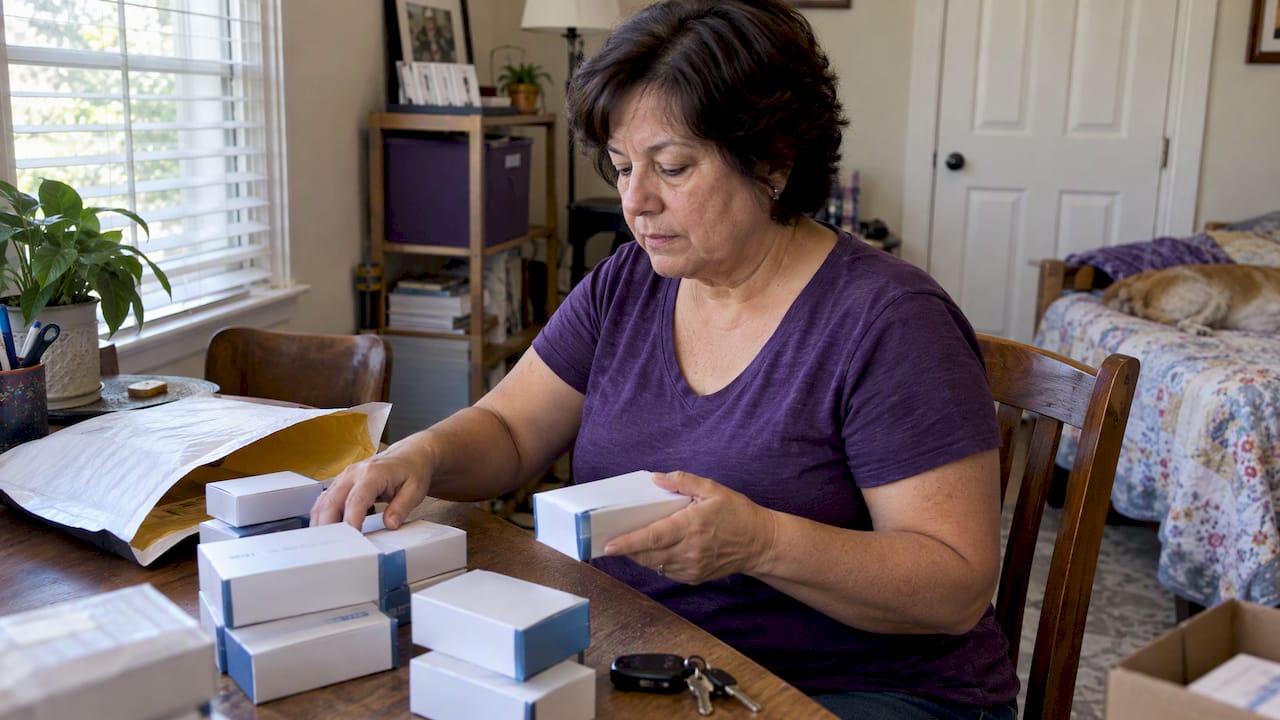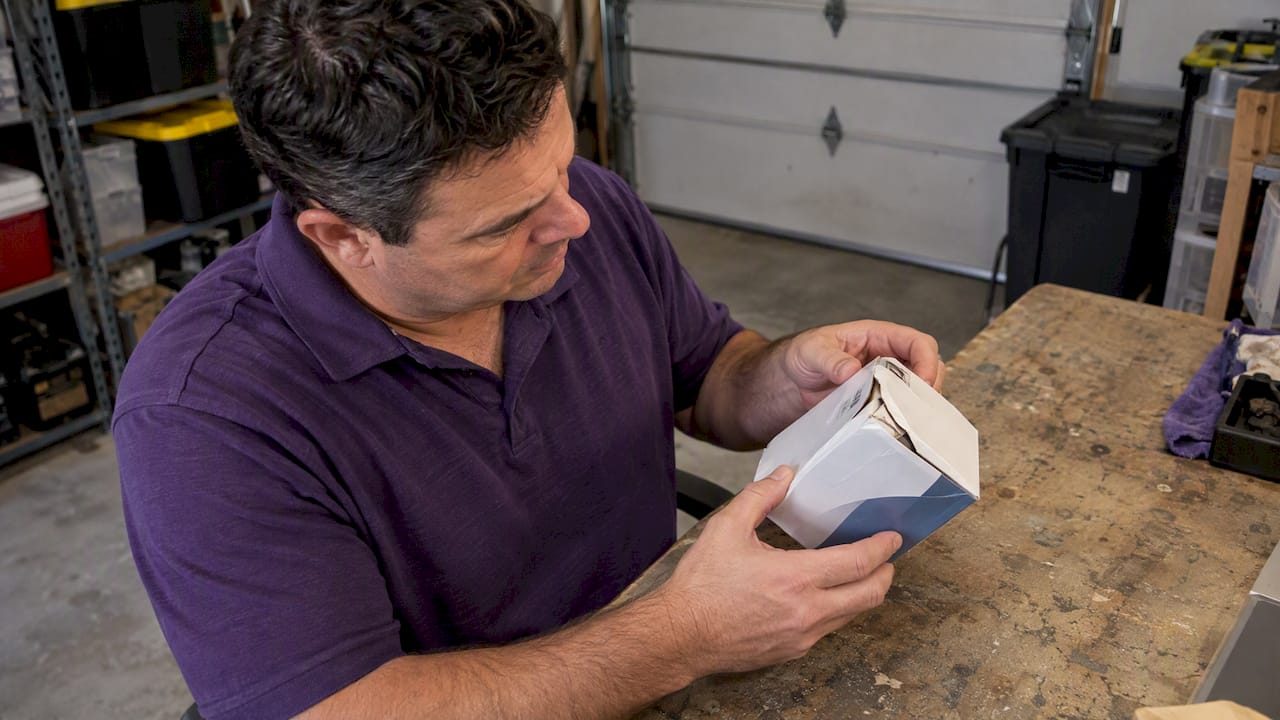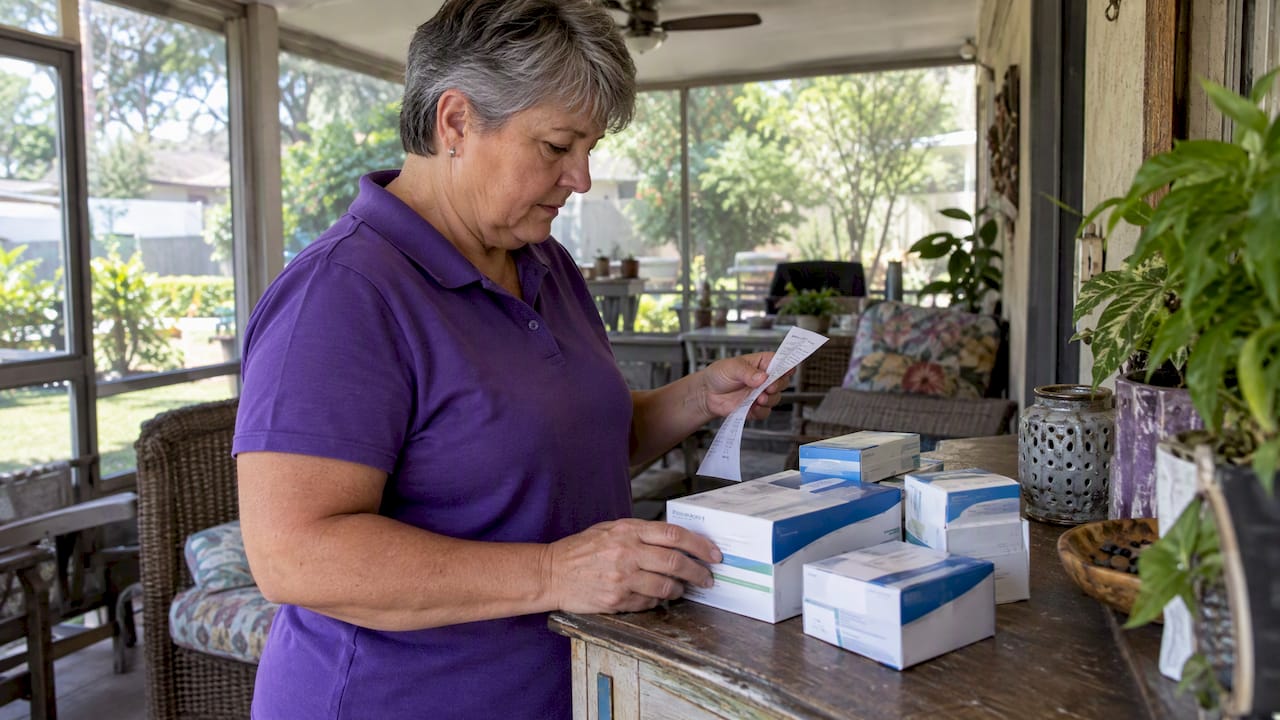

A diabetes supply expiration date checklist is a structured, itemized list that tracks every supply you use to manage diabetes, along with its expiration date, storage requirements, and lot number. The FDA sets expiration date standards for medical supplies, and using supplies past those dates puts your treatment accuracy and safety at risk. This guide covers how to build and maintain a complete checklist, which tools work best for diabetes supply management, and how to handle surplus or expired items responsibly. If you have unused supplies piling up, Orlando Diabetic Supplies Buyback offers same-day cash for sealed, unexpired items in the Orlando area.
1. How to build a diabetes supply expiration date checklist
The best checklist covers every item you use daily, in emergencies, and while traveling. A common mistake is tracking only insulin while ignoring lancets, infusion sets, and backup sensors. Each of those items has its own shelf life, and a missed expiration on any one of them can disrupt your glucose monitoring or insulin delivery.
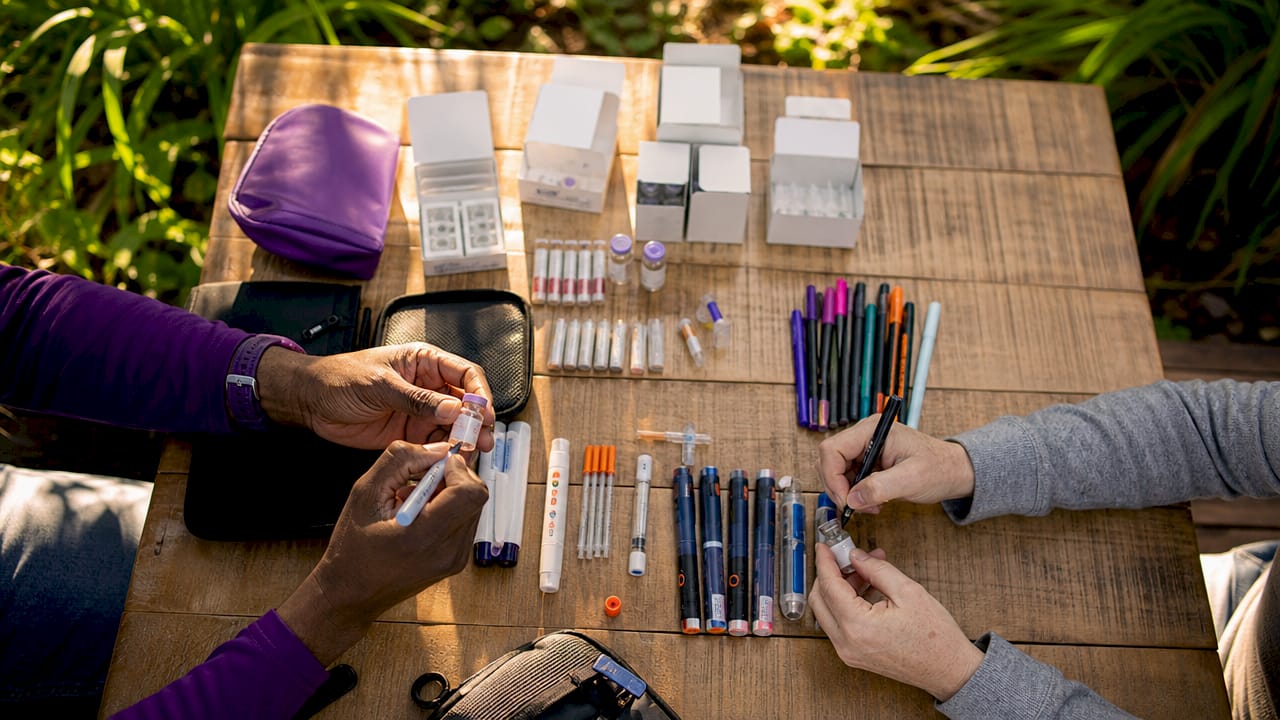
Start by listing every supply category you use:
- Insulin vials and pens (rapid-acting, long-acting, mixed)
- Test strips and lancets
- Continuous glucose monitor sensors (Dexcom G6, Dexcom G7, Freestyle Libre)
- Infusion sets and reservoirs for insulin pumps like Omnipod
- Glucose meters and backup meters
- Glucagon emergency kits
- Alcohol swabs, adhesive patches, and skin prep wipes
- Travel and emergency kit duplicates of all the above
For each item, record the brand name, model or SKU, lot number, printed expiration date, and your storage conditions. Tracking par levels for specific SKUs, including needle gauge and length, prevents stockouts and compatibility errors that generic category tracking misses.
Pro Tip: Add a “date opened” column next to the printed expiration date. Many supplies have a shorter use window once opened, and that second date is the one that actually governs safety.
2. Which tools work best for tracking expiration dates
Manual paper logs work, but they create risk. Manual entry is the primary source of inventory tracking errors, and a single transcription mistake can leave you thinking a supply is valid when it is not.
Digital inventory apps that read GS1 Data Matrix barcodes solve this problem directly. These barcodes appear on most modern diabetes supply packaging and encode the lot number, expiration date, and product identifier in a single scan. Apps that support this standard can auto-import batch numbers and expiration dates, removing the manual step entirely.
Key features to look for in a tracking tool:
- Barcode scanning that reads GS1 Data Matrix codes
- Automatic expiration alerts set 30, 60, and 90 days before the date
- Recall notifications tied to lot numbers
- Cloud sync so your checklist is accessible from any device
- Separate fields for printed expiration date and opened date
“By 2026, integration of digital inventory tracking using apps capable of reading GS1 Data Matrix barcodes has enabled people with diabetes to automate recall monitoring and expiration alerts, significantly reducing manual burden and error rates.”
A hybrid approach works well for most people. Use a digital app as your primary system and keep a printed backup in your emergency kit. Technology reduces errors, but a paper list requires no battery or internet connection when you need it most.
3. What items expire fastest and need the most attention
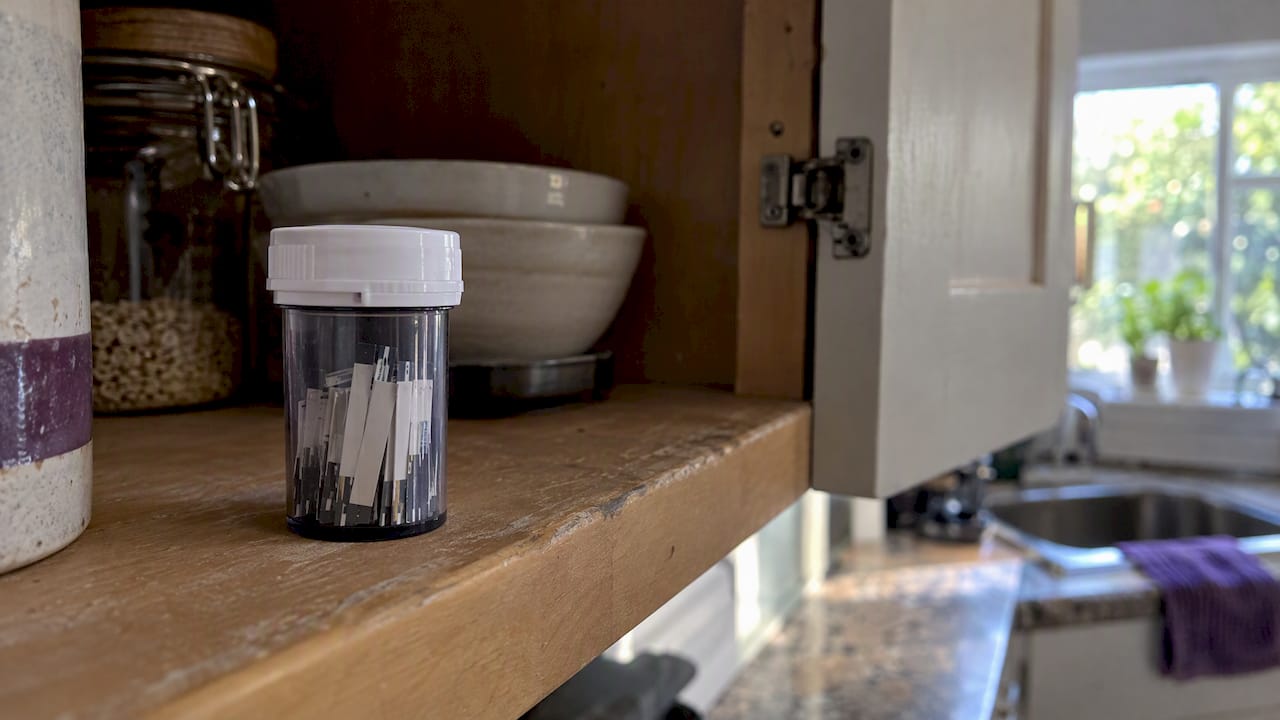
Test strips are the most time-sensitive supply most people overlook. Unopened glucose test strips must have a minimum of 90 days remaining to their use-by date to be considered viable for donation, and once opened, they expire 6–12 months later depending on the product. That window shrinks further if you store them in a humid bathroom or a hot car.
Insulin is the supply with the highest stakes. An opened insulin vial or pen typically expires 28–30 days after first use, regardless of the printed date on the label. The printed date applies only to sealed, properly stored product.
Here is a ranked list of supplies by how quickly they need attention after opening:
- Opened insulin vials and pens (28–30 days)
- Glucagon emergency kits (check printed date; replace annually as a rule)
- Test strips (6–12 months after opening, varies by brand)
- Lancets (check printed date; sterility degrades over time)
- CGM sensors (Dexcom G7, Freestyle Libre; check printed date)
- Infusion sets and reservoirs (check printed date; replace per manufacturer schedule)
- Sealed insulin vials (check printed date; store per label requirements)
The FDA requires that items with expiration dates determined by puncture or reconstitution be labeled with the date of opening and a newly calculated expiration date. Write that date directly on the vial or pen with a permanent marker the moment you open it.
Pro Tip: Keep a small roll of masking tape and a marker in your supply drawer. Label every opened item the day you open it. This takes five seconds and eliminates guesswork entirely.
4. How often should you update your checklist
A monthly mini-review and a quarterly deeper review work well for most households. Most supply problems are easier to prevent than fix, and a consistent schedule keeps you ahead of expiration dates before they become treatment interruptions.
| Review type | Frequency | What to check |
|---|---|---|
| Mini-review | Monthly | Opened items, anything expiring within 60 days |
| Deep review | Quarterly | Full inventory, lot numbers, storage conditions |
| Emergency kit inspection | Every 6 months | All duplicates, glucagon kits, backup meters |
| Travel kit check | Before every trip | All items in travel bag, including sensors and insulin |
The quarterly deep review is where most people find surprises. Backup pumps, spare meters, and emergency glucagon kits sit untouched for months and are easy to forget. Diabetes educator Jennifer Smith notes that emergency and travel kit supplies are the most commonly neglected items compared to daily equipment. A twice-yearly “spring cleaning” habit for all your gear keeps those kits ready when you actually need them.
5. How to handle storage conditions that affect expiration
Storage conditions change the effective expiration date of your supplies, even when the printed date has not passed. Insulin exposed to temperatures above 77°F (25°C) degrades faster than the label assumes. Test strips stored in a humid environment absorb moisture and give inaccurate readings before the printed date arrives.
The practical rules are straightforward. Store unopened insulin in the refrigerator between 36°F and 46°F (2°C and 8°C). Keep in-use insulin at room temperature, away from direct sunlight and heat sources. Store test strips in their original sealed container with the desiccant cap closed. Never store supplies in a car, a bathroom cabinet, or near a window.
Your checklist should include a storage condition column for each item. Note the required temperature range and whether the item is currently stored correctly. Evaluating your storage setup once a quarter catches problems before they compromise your supplies.
6. How to manage excess or unused supplies responsibly
Surplus supplies accumulate for predictable reasons. Your prescription refills before you finish the current supply, your doctor changes your device or insulin type, or your insurance ships more than you use. Understanding why extra supplies build up helps you plan for it rather than react to it.
Holding expired or mismatched supplies creates two problems. First, it wastes storage space and makes your checklist harder to manage. Second, it creates risk if you or someone else reaches for a supply in an emergency without checking the date.
Safe disposal and resale options for surplus supplies include:
- Buyback programs like Orlando Diabetic Supplies Buyback, which pay cash for sealed, unexpired items including Dexcom G6 and G7 sensors, Freestyle Libre, Omnipod supplies, and sealed test strips
- Donation programs that accept supplies with at least 90 days remaining before expiration
- Sharps disposal for lancets and needles through local pharmacy programs or mail-back services
- Household hazardous waste drop-off for insulin and other medications
Buyback programs pay cash for unused supplies and help you manage excess stock responsibly. Clearing surplus items on a regular schedule keeps your checklist accurate and your storage space organized.
Key takeaways
A complete diabetes supply expiration date checklist, updated monthly and reviewed in depth every quarter, is the most reliable way to prevent treatment interruptions caused by expired or degraded supplies.
| Point | Details |
|---|---|
| Build a full item list | Include every supply category: insulin, strips, sensors, lancets, pumps, and emergency kits. |
| Record opened dates | Label every opened item with a new expiration date the day you open it, per FDA guidance. |
| Use barcode scanning | GS1 Data Matrix scanning apps eliminate manual entry errors and automate expiration alerts. |
| Review on a schedule | Run a monthly mini-check and a full quarterly review to stay ahead of expiration dates. |
| Clear surplus supplies | Sell sealed, unexpired extras through a buyback program to reduce waste and recover value. |
Why I think most people are managing this backward
Most people with diabetes check their supplies only when something goes wrong. They reach for a test strip, notice the box expired six months ago, and scramble. That reactive approach is the single biggest source of avoidable treatment stress I have seen.
The fix is not complicated. It is a habit. Building a checklist takes about 20 minutes the first time. Maintaining it takes five minutes a month. The payoff is that you never open your emergency kit during a crisis and find expired glucagon. You never discover your CGM sensors expired while you are packing for a trip.
What surprises most people is how much surplus they find once they actually inventory everything. Backup meters with dead batteries. Test strips from a meter they stopped using. Insulin pens from a brand their doctor switched them off a year ago. That surplus is not just clutter. It is money sitting in a drawer. Selling sealed, unexpired items through a buyback program turns that clutter into cash and keeps your checklist clean.
The technology piece matters more than most people realize. A barcode scanning app does not just save time. It catches lot number recalls automatically. If a batch of sensors gets recalled, an app tied to your lot numbers alerts you. A paper list does not do that. Use both, but let the app do the heavy lifting.
— Liliana
Orlando Diabetic Supplies Buyback: turn your surplus into cash
When you run a thorough expiration date review, you will almost certainly find sealed supplies you no longer need. Those items have real value, and Orlando Diabetic Supplies Buyback makes it simple to recover it.
Orlando Diabetic Supplies Buyback pays same-day cash for Dexcom G6 and G7 sensors, Freestyle Libre, Omnipod supplies, and sealed test strips in the Orlando, Florida area. The process is fast and straightforward: no complicated paperwork, no waiting. If your quarterly review turns up unused diabetic supplies that are sealed and within their expiration date, reach out to Orlando Diabetic Supplies Buyback for a fair, honest quote. It is one of the most practical ways to keep your inventory clean and your wallet fuller.
FAQ
What is a diabetes supply expiration date checklist?
A diabetes supply expiration date checklist is an itemized list of all your diabetes supplies that records each item’s printed expiration date, opened date, lot number, and storage conditions. It is used to prevent accidental use of expired supplies and to maintain emergency readiness.
How often should I check my diabetes supply expiration dates?
A monthly mini-review of opened items and anything expiring within 60 days, combined with a quarterly full inventory review, covers most households effectively. Emergency and travel kits need a separate check every six months.
Do test strips expire after opening?
Yes. Test strips expire 6–12 months after opening depending on the brand, even if the printed date on the box is later. Humidity and heat accelerate degradation, so storage conditions matter as much as the date itself.
What should I do with sealed, unexpired supplies I no longer need?
Sealed, unexpired supplies can be sold through a buyback program like Orlando Diabetic Supplies Buyback for same-day cash, or donated to programs that accept items with at least 90 days remaining before expiration.
Does the FDA require labeling of opened medical supplies?
Yes. The FDA requires that supplies with expiration dates determined by puncture or reconstitution be labeled with the date of opening and a newly calculated expiration date. Writing this date directly on the vial or pen with a permanent marker satisfies this requirement.