Why daily blood glucose monitoring is essential for diabetes management
Daily blood glucose monitoring is the foundation of safe, effective diabetes care. Unlike periodic lab tests, it gives you real-time data to act on right now. The American Diabetes Association’s 2024 Standards of Care recognize glucose monitoring as a cornerstone of diabetes self-management, particularly for anyone using insulin.
Here is why daily monitoring matters:
- Catches dangerous swings immediately. Blood sugar can spike or crash within hours. Daily checks catch those extremes before they become emergencies.
- Guides every short-term decision. What you eat, when you exercise, and how much insulin you take all depend on where your glucose is right now.
- Prevents hypoglycemia and hyperglycemia episodes that can lead to hospitalization if left undetected.
- Satisfies medical guidelines. The importance of diabetes monitoring is backed by clinical evidence showing that timely therapy adjustments depend on current glucose data, not averages.
Table of Contents
- How daily checks differ from A1C and other long-term tests
- How daily glucose data personalizes your diabetes care
- How your monitoring data drives physician-led treatment changes
- What happens when you skip daily monitoring
- Practical ways to make daily monitoring stick
- How daily monitoring helps prevent long-term complications
- Common challenges in daily monitoring and how to solve them
- How daily readings shape your medication and diet decisions
- Have unused diabetic supplies? Orlando Diabetic Supplies Buyback can help
- Key Takeaways
How daily checks differ from A1C and other long-term tests
The A1C test reflects your average blood sugar over several months. It is a useful report card, but it cannot show you what happened at 2 PM yesterday. Daily monitoring detects acute fluctuations that A1C cannot capture, including severe hypoglycemia episodes.
Three main methods cover daily blood sugar checks:
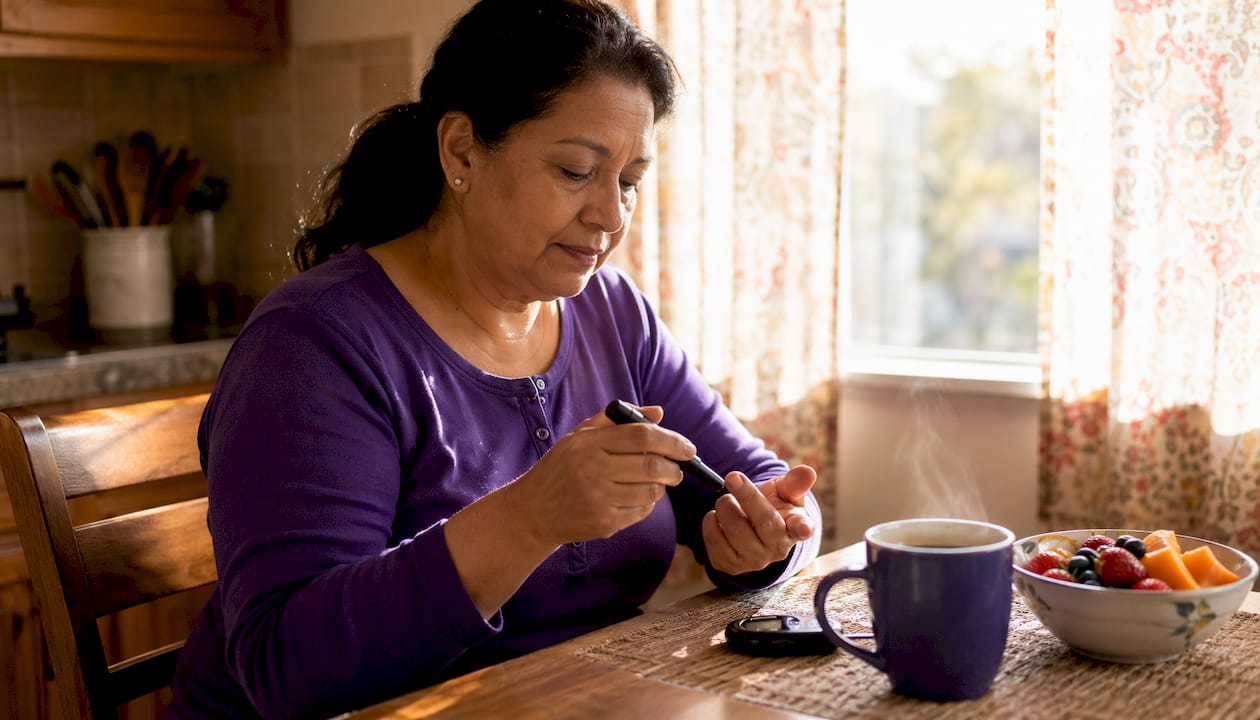
- Fingerstick blood glucose meters (BGM). Fast, portable, and accurate for spot checks. Most common for type 2 diabetes management.
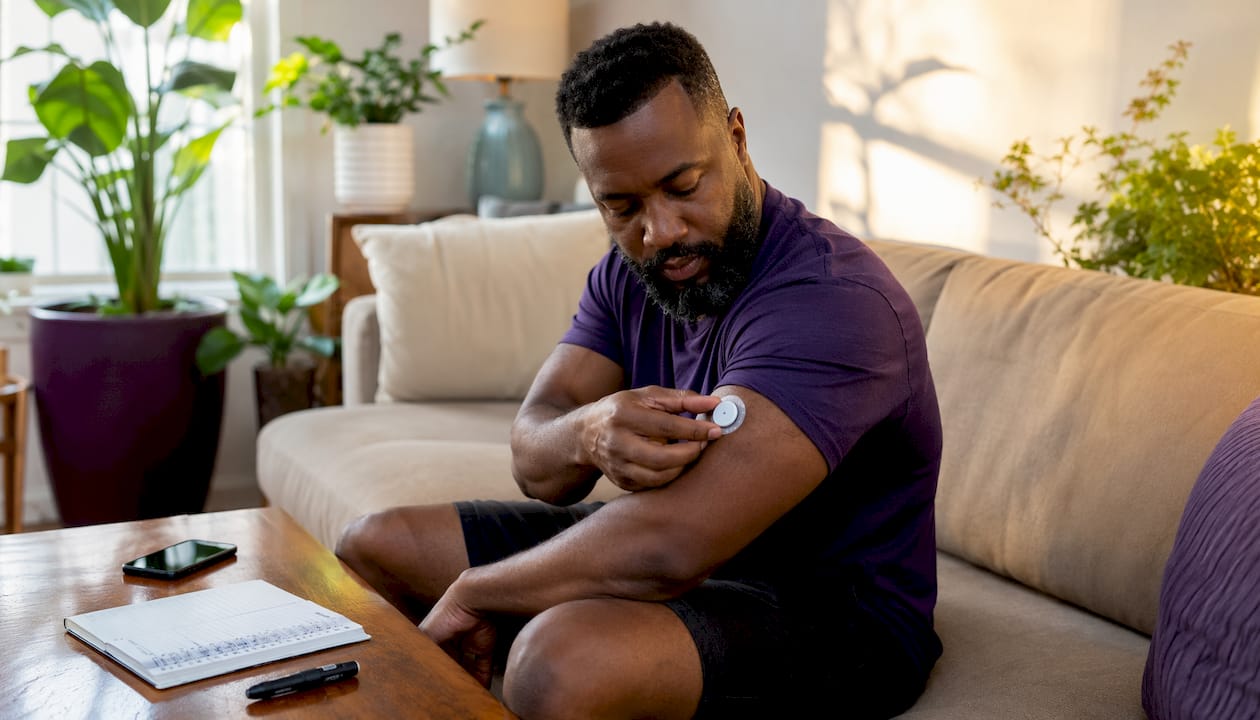
- Continuous glucose monitors (CGM). Devices like the Dexcom G6, Dexcom G7, and Freestyle Libre measure glucose every few minutes using a sensor worn on the skin. CGM is standard for most people with type 1 diabetes and increasingly used in type 2.
- Flash glucose monitoring. A subset of CGM where you scan the sensor on demand rather than receiving automatic alerts.
Frequency varies by treatment. People on basal-bolus insulin regimens typically test 4–10 times per day. For type 2 diabetes managed without insulin, daily fingerstick testing may not improve long-term outcomes for every patient, and monitoring plans should be individualized with your care team.
How daily glucose data personalizes your diabetes care
Diabetes affects every person differently. Your glucose response to the same meal, the same walk, or the same stress level will not match someone else’s. Daily monitoring reveals those personal patterns, moving you from guessing to confident, informed decisions.
With consistent daily data, you can:
- Identify which foods spike your glucose and adjust portions or timing.
- See how a 20-minute walk affects your levels differently than a rest day.
- Recognize stress or illness-related spikes and respond before they worsen.
- Share trend data with your doctor for smarter, faster care decisions.
Understanding why diabetics need multiple devices often comes down to this: one device captures the moment, another captures the trend, and together they build a complete picture.
Pro Tip: Bring at least two weeks of monitoring data to every clinical appointment. Patterns over time give your provider far more to work with than a single in-office reading.
How your monitoring data drives physician-led treatment changes
Your glucose log is clinical evidence. When readings consistently miss targets, that data is what prompts your doctor to adjust medication doses, switch therapies, or recommend a structured diet change. Without it, those decisions rely on guesswork.
Blood glucose data empowers both patients and physicians to optimize treatment and address risks quickly. For insulin users especially, test strips play a direct role in every dosing decision. CGM metrics like time in range (TIR) and time below range give clinicians granular detail for fine-tuning insulin regimens in ways A1C alone never could. Centralized lab data combined with self-monitoring results also helps providers tailor chronic disease treatment plans with greater precision.
What happens when you skip daily monitoring
Skipping daily checks removes your early warning system. Missing dangerous blood sugar extremes can lead to hospitalization, severe hypoglycemic events, or worsening long-term complications.
Specific risks include:
- Undetected hypoglycemia while driving or operating equipment, a serious safety hazard. Checking glucose before driving is a clinical safety recommendation for anyone on insulin.
- Delayed medication adjustments when readings drift out of range for days before anyone notices.
- Reduced diet and activity feedback, making it harder to connect lifestyle choices to outcomes.
- Worsened complications from prolonged uncontrolled glucose that could have been caught and corrected early.
Practical ways to make daily monitoring stick
Consistency is the hard part. Here are approaches that actually work:
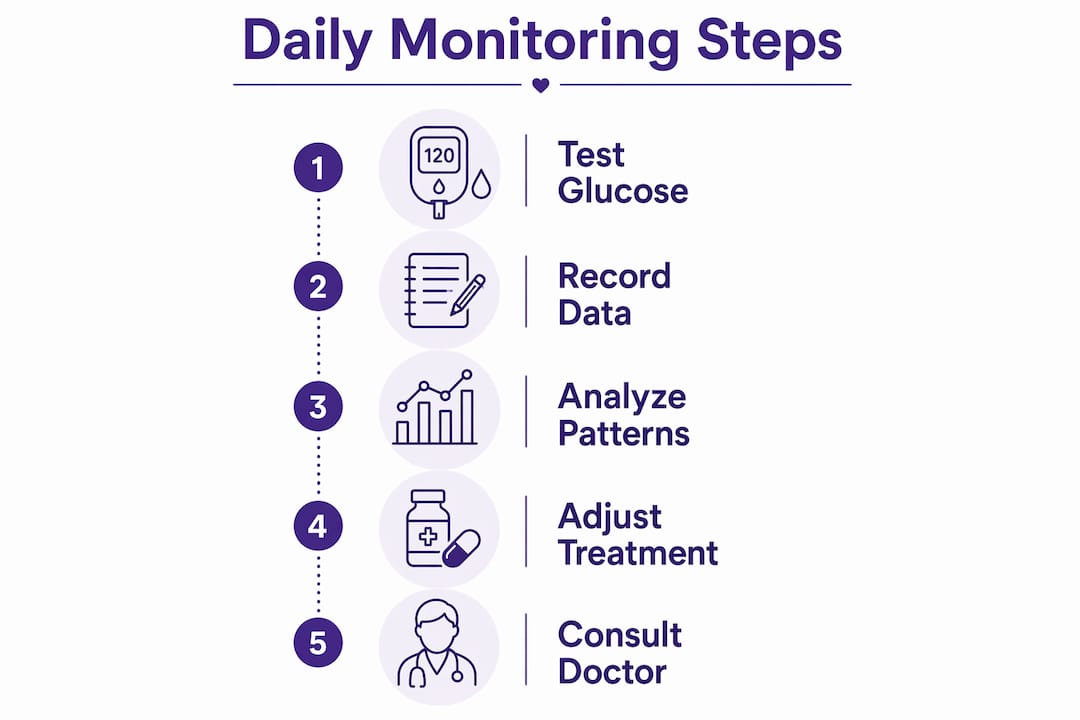
- Tie checks to existing habits. Test before your morning coffee, before lunch, and before bed. Anchoring monitoring to routines you already have reduces the chance of forgetting.
- Keep supplies accessible. A meter left in a drawer gets skipped. Keep your kit on the kitchen counter or in your bag.
- Use CGM alerts. Devices like the Dexcom G7 and Freestyle Libre 3 send alarms when glucose drops or rises too fast, removing the need to remember every check.
- Log results immediately. Most meters and CGM apps record automatically. If yours does not, a quick note in your phone takes five seconds.
- Review weekly, not just daily. Spotting a pattern over seven days is more useful than reacting to a single number.
How daily monitoring helps prevent long-term complications
Sustained high glucose damages nerves, kidneys, eyes, and blood vessels over time. Daily monitoring gives you the feedback loop to keep glucose in a safe range consistently, not just on lab day. The benefits of daily glucose monitoring include reduced rates of hypoglycemia, improved time in range, and better self-efficacy, all of which translate to lower complication risk over years.
Common challenges in daily monitoring and how to solve them
- Finger soreness from frequent sticks. Rotate sites across all fingers and use the side of the fingertip rather than the pad. CGM eliminates this entirely for ongoing tracking.
- Test strip costs. Sealed, unused strips can add up fast, especially after a device switch. If you have leftover supplies, selling unused diabetic supplies is a straightforward option to recover value.
- Monitoring fatigue. Checking glucose multiple times a day feels burdensome for some people. CGM reduces the active effort significantly by automating readings.
- Interpreting results. Data without action does not improve glycemic control. Ask your care team to walk you through what your target ranges mean and when to act.
How daily readings shape your medication and diet decisions
Every reading is a data point for your next decision. A pre-meal reading above target might mean reducing carbohydrates at that meal or adjusting a pre-meal insulin dose. A post-exercise drop tells you to have a snack before your next workout. Over time, these small, data-driven adjustments add up to meaningfully better control.
For type 2 patients not on insulin, the impact of daily glucose tracking on A1C is modest unless patients and clinicians actively use the data to make changes. The monitoring itself is not the intervention. Acting on what you see is.
Have unused diabetic supplies? Orlando Diabetic Supplies Buyback can help
If you have switched devices, changed your monitoring routine, or simply accumulated more supplies than you need, those sealed boxes have real value. Orlando Diabetic Supplies Buyback pays same-day cash for Dexcom G6 and G7 sensors, Freestyle Libre, Omnipod, and sealed test strips in Orlando and surrounding areas.
Get cash for unused supplies today. The process is fast, honest, and local.
Key Takeaways
Daily monitoring is the only tool that gives you real-time glucose data to make safe, informed decisions about insulin, food, and activity every single day.
| Point | Details |
|---|---|
| Daily checks catch what A1C misses | A1C averages 2–3 months of glucose; daily monitoring detects acute dangerous swings in real time. |
| Frequency depends on treatment type | Insulin users typically test 4–10 times per day; type 2 without insulin should individualize with their care team. |
| Data only helps when you act on it | Checking glucose without responding to results does not improve glycemic control. |
| Skipping monitoring raises serious risks | Missing dangerous highs or lows can lead to hospitalization, accidents, or worsening complications. |
| CGM reduces the daily burden | Devices like Dexcom G7 and Freestyle Libre automate readings and alert you to rapid glucose changes. |