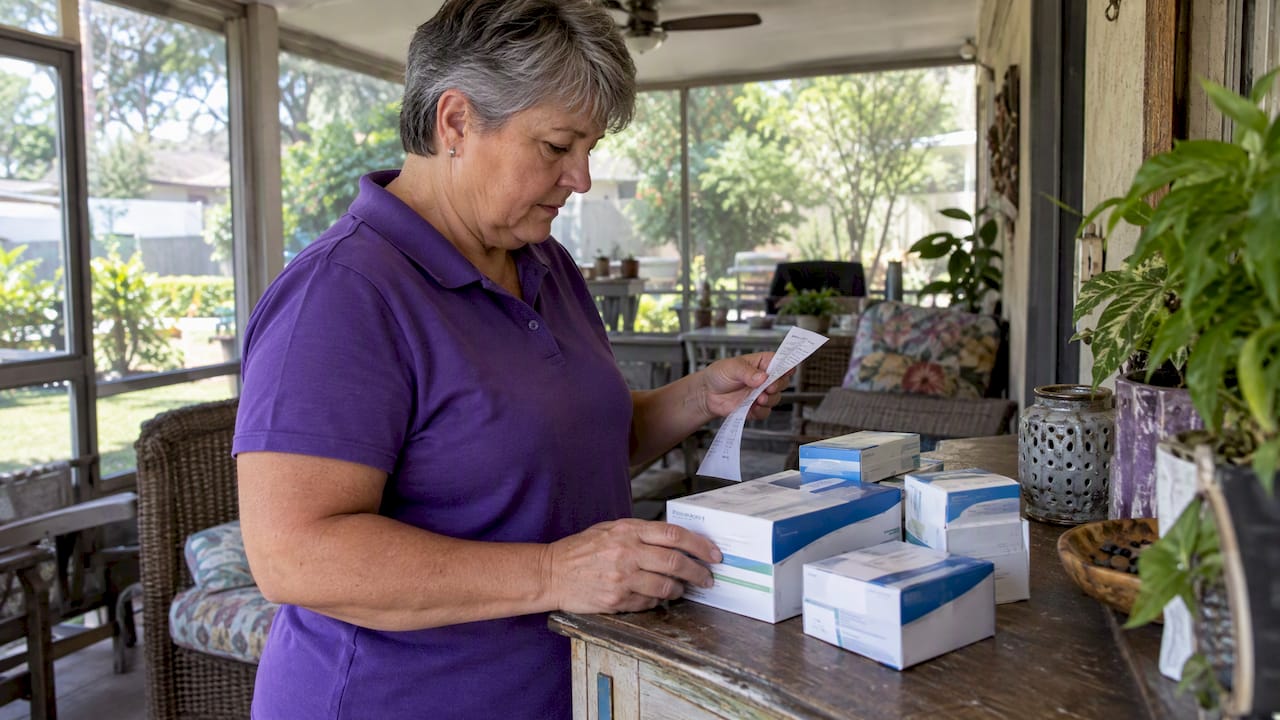
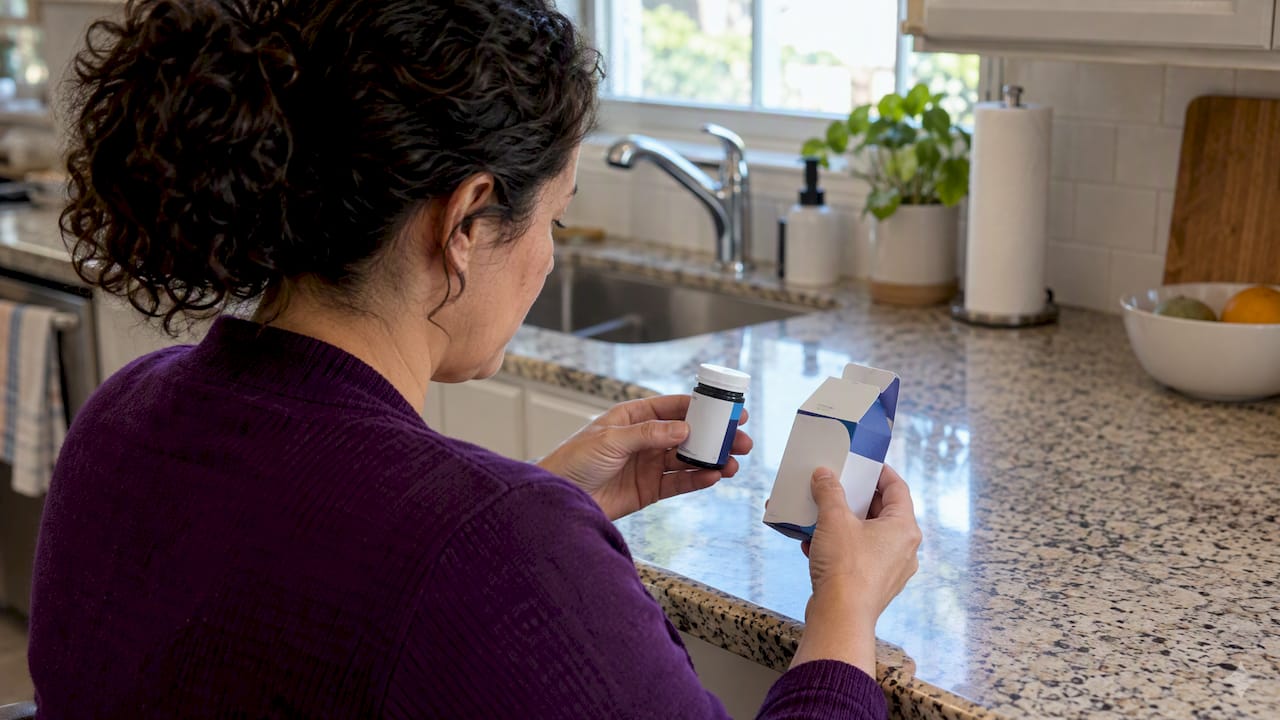
If your test strips have damaged packaging, a missing lot number, or no expiration date, stop using them right away and switch to a verified meter or clinic testing until you can confirm authenticity. The FDA recommends buying only new, sealed vials, and manufacturer verification is the fastest way to confirm what you have. If you have sealed, unused strips you no longer need, a local buy-back service is a safer way to pass them along than reselling them to a stranger.
TL;DR:
- Compare each new batch with a trusted unopened vial, checking print quality, seals, lot and expiration details, barcode, instructions, and strip appearance.
- Mismatched, counterfeit, expired, or damaged strips can return plausible readings without warnings, so never base insulin doses on suspect results.
- Photograph the box, vial, and strip, then ask the manufacturer to authenticate them; compare lot and expiration details with receipts or official packaging images.
- Buy sealed, unopened vials through licensed pharmacies or authorized channels, store them closed away from heat and humidity, and report concerns to FDA MedWatch.
Table of Contents
- Visual and packaging checklist to spot counterfeit or tampered strips
- Why counterfeit or mishandled strips are dangerous
- Step-by-step verification: what to check and who to contact
- If you suspect counterfeit or bad strips: stop, report, and get help
- How to buy and store test strips safely
- Regulatory guidance and real enforcement cases behind this advice
- What actually matters most here
- Optional next step for sealed, unused strips you no longer need
- FAQ
- Sources
- Authoritative links for reporting and verification
Visual and packaging checklist to spot counterfeit or tampered strips
Before you check your blood sugar, take ten seconds to look at the vial and box. Most counterfeit test strips give themselves away through small, inconsistent details that genuine manufacturers do not get wrong.
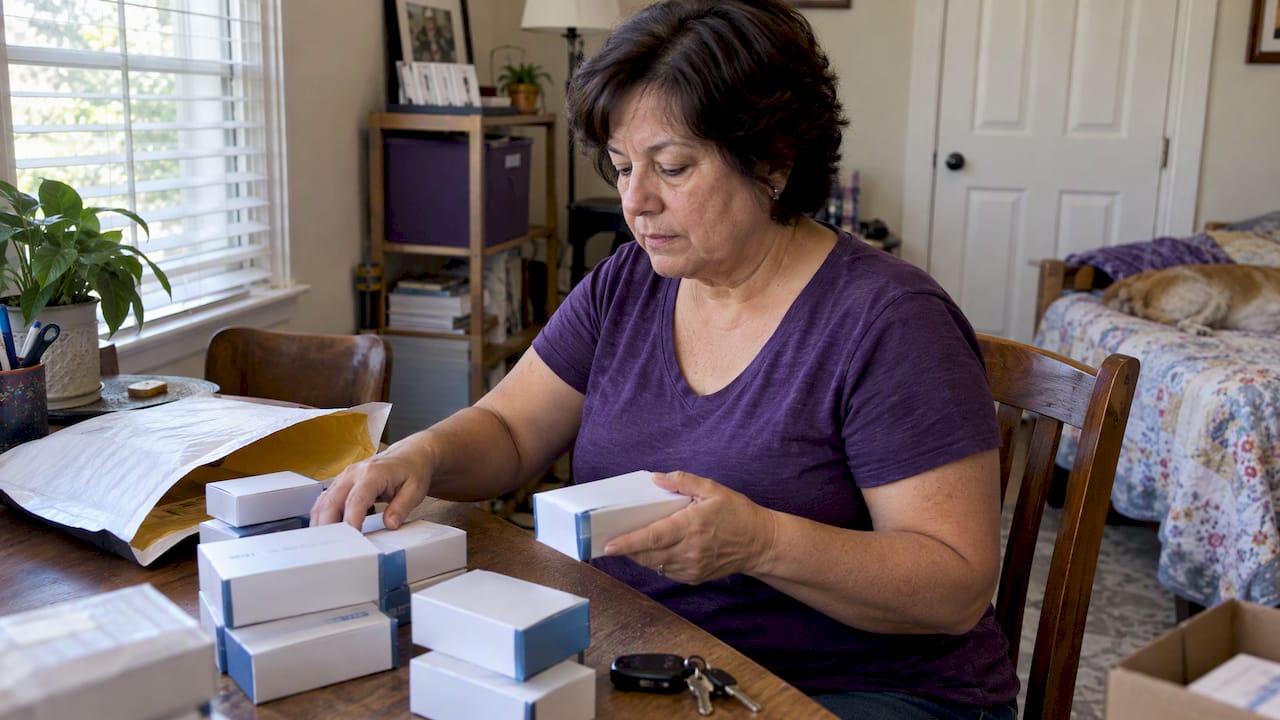
Run through this checklist every time you open a new box or buy strips from a source you have not used before:
- Check for poor print quality, blurry logos, or misspellings on the box or vial label.
- Look for instructions that are missing in English or read like a rough translation.
- Confirm the lot number, expiration date, and barcode are present, clear, and not scratched off.
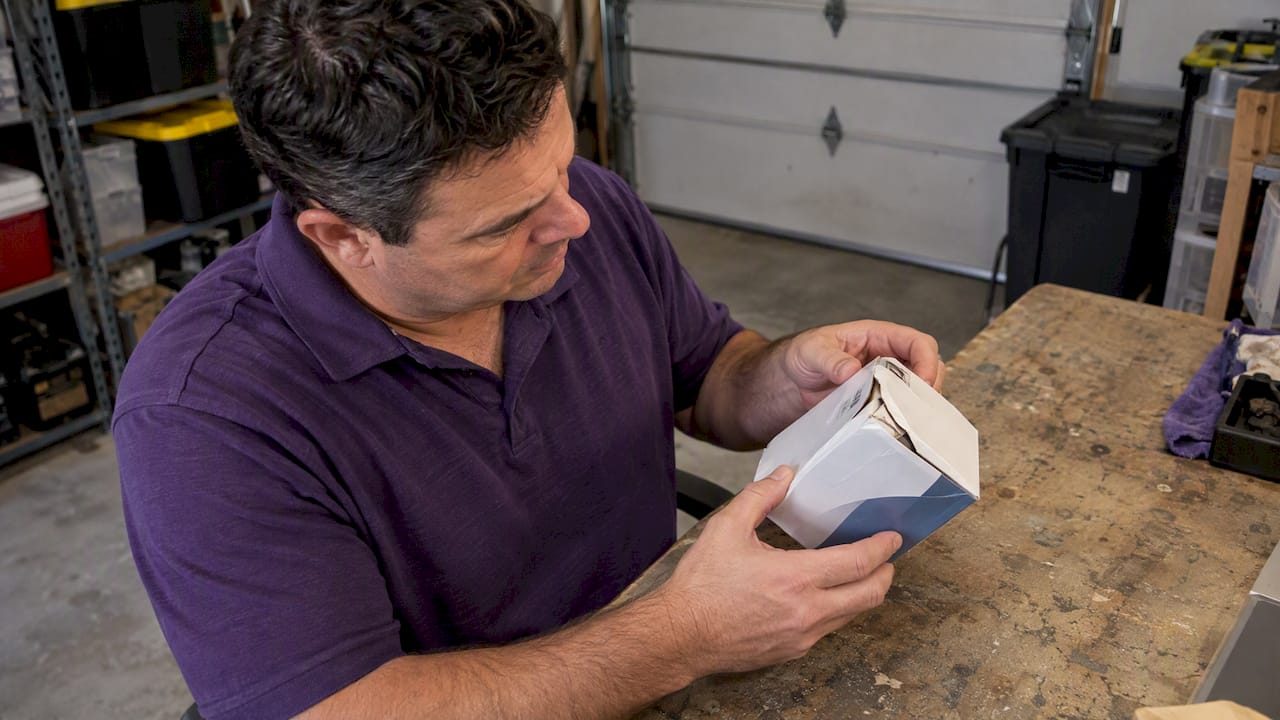
- Inspect the vial seal for signs of tampering, re-gluing, or a cap that does not click shut properly.
- Compare the strip itself: the reagent pad color and shape should look the same every time you open a new vial.
- Be wary of unusually cheap pricing, secondhand sellers, or anyone who cannot answer basic questions about where the strips came from.
The FDA lists poor print quality, missing lot or expiration details, grammatical errors, and mismatched components as signs that at-home COVID-19 diagnostic tests may be counterfeit.
Pro Tip: Keep one unopened vial from a trusted purchase and use it as a visual reference every time you buy strips again.
Why counterfeit or mishandled strips are dangerous
A counterfeit or degraded test strip does not announce itself with an error message. It just gives you a number, and that number might be wrong enough to change how much insulin you take.
Blood glucose meters are built to work with strips made for that exact model, using a specific chemical coating that reacts with glucose in a predictable way. When a strip is counterfeit, expired, or damaged, that chemistry can be off, and the meter has no way to know. It reports a number anyway. Relying on that number for an insulin dose can lead to a dangerously high or low blood sugar.
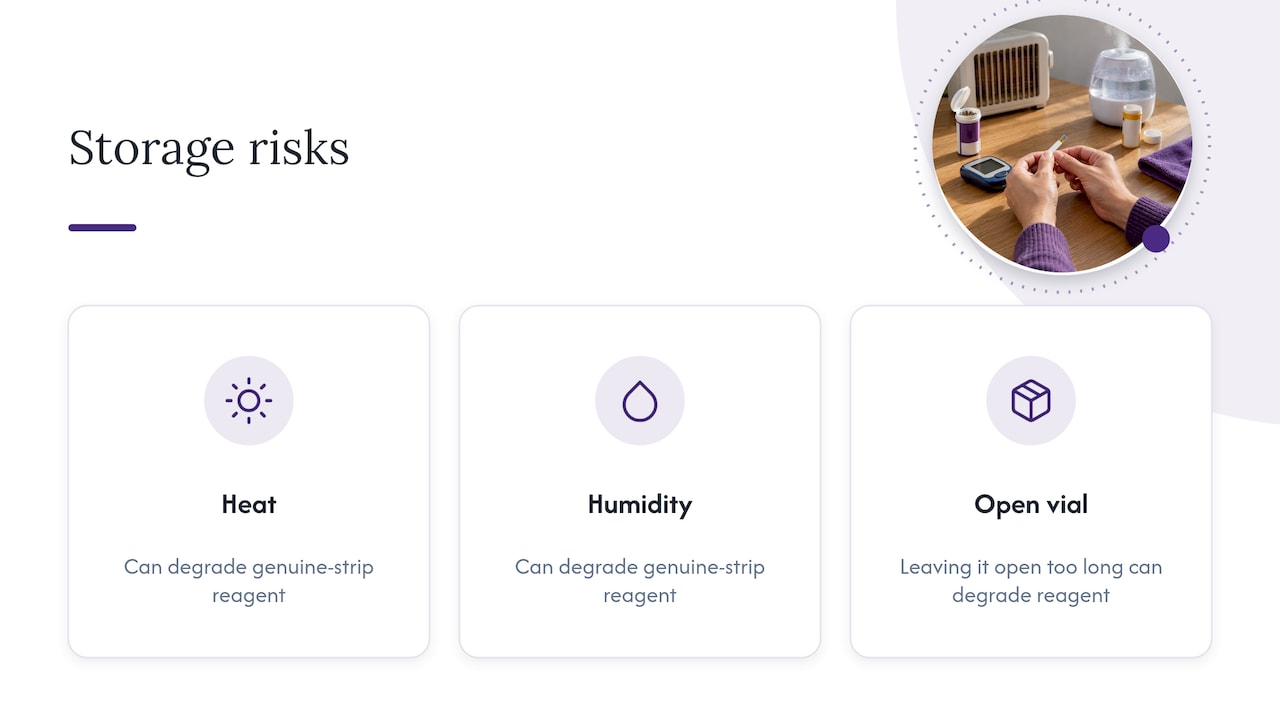
Storage damage can create the same problem as a counterfeit strip. Heat, humidity, and leaving a vial open for too long can degrade the reagent on a genuine strip, which is why the FDA notes that even authentic strips can fail if they are not stored properly. A plausible-looking reading from a damaged strip is just as risky as one from a fake. Treat both situations the same way: stop, double-check, and verify before you trust the number.
Step-by-step verification: what to check and who to contact
When something feels off about a batch of strips, work through this sequence rather than guessing.
- Stop using the suspect strips for dosing decisions. Switch to a different, trusted vial or a clinic meter until you confirm the strips are genuine.
- Compare the lot number and expiration date against your pharmacy receipt or the manufacturer’s official packaging images, when available.
- Photograph the box, vial, and an individual strip, then send the images to the manufacturer’s customer service line for authentication.
- Run a control solution test or compare results side by side with a fresh, verified vial to check for consistency.
- Save your receipt, the seller’s contact information, and your photos in case you need to file a report later.
A meter’s error codes will not reliably catch a fake. A counterfeit or degraded strip can fit the meter perfectly and return a number without triggering any warning.
Pro Tip: If two strips from the same vial give noticeably different readings on the same drop of blood, treat the whole vial as unreliable.
For more on choosing the right supply, our guide on why test strip brands matter discusses matching strips to your meter model.
If you suspect counterfeit or bad strips: stop, report, and get help
Once you suspect a strip is fake or degraded, treat it as unreliable until proven otherwise.
- Stop using the suspect strips for any treatment decision and retest with a known-good vial.
- Report the issue to the manufacturer and to FDA MedWatch, including photos, lot numbers, and where you purchased the strips.
- Talk to your doctor or diabetes care team if you made an insulin dosing decision based on a reading you now question.
- Contact the seller or marketplace directly to request a refund and keep a written record of the exchange.
A documented enforcement case in South Florida involved a diversion scheme in which diabetic test strips were misbranded for resale. Keeping a paper trail may help if you need to report a problem.
How to buy and store test strips safely
Most counterfeit test strip problems start with where they were bought, not what brand they are.
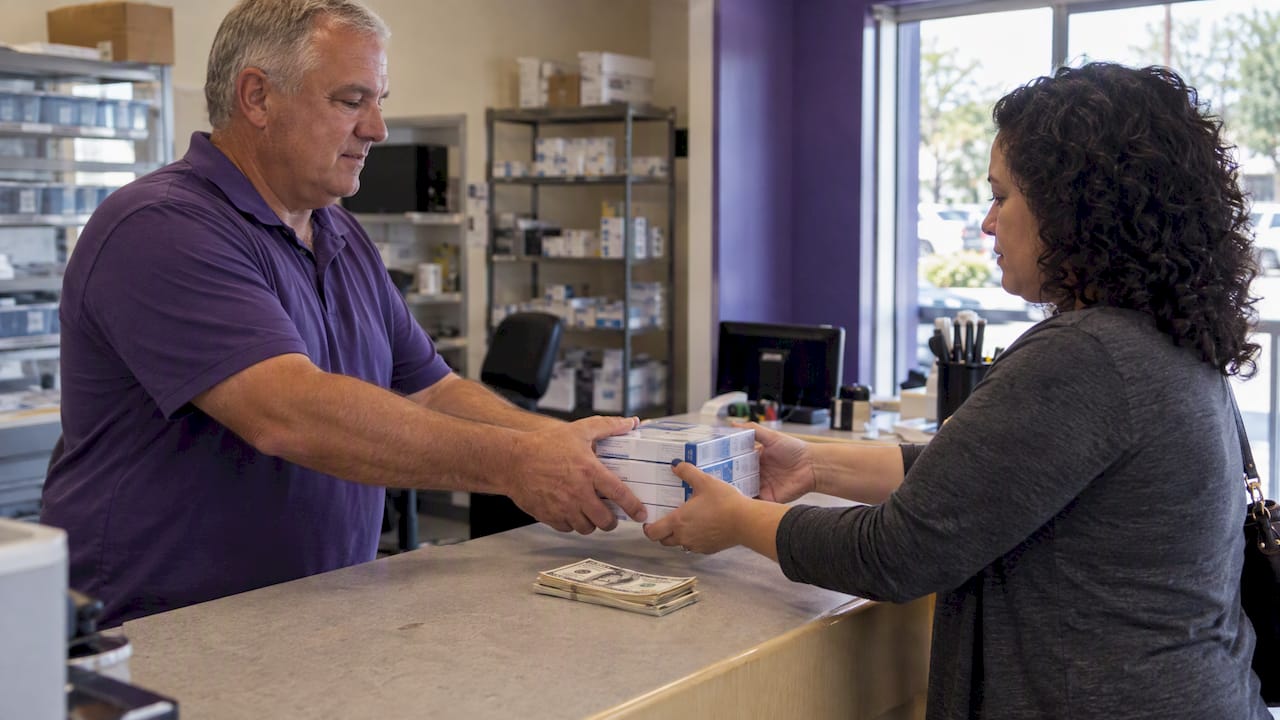
- Buy only new, sealed, unopened vials from a licensed pharmacy or your manufacturer’s authorized channel.
- Skip secondhand offers, unfamiliar online sellers, and flyers advertising unusually cheap bulk lots.
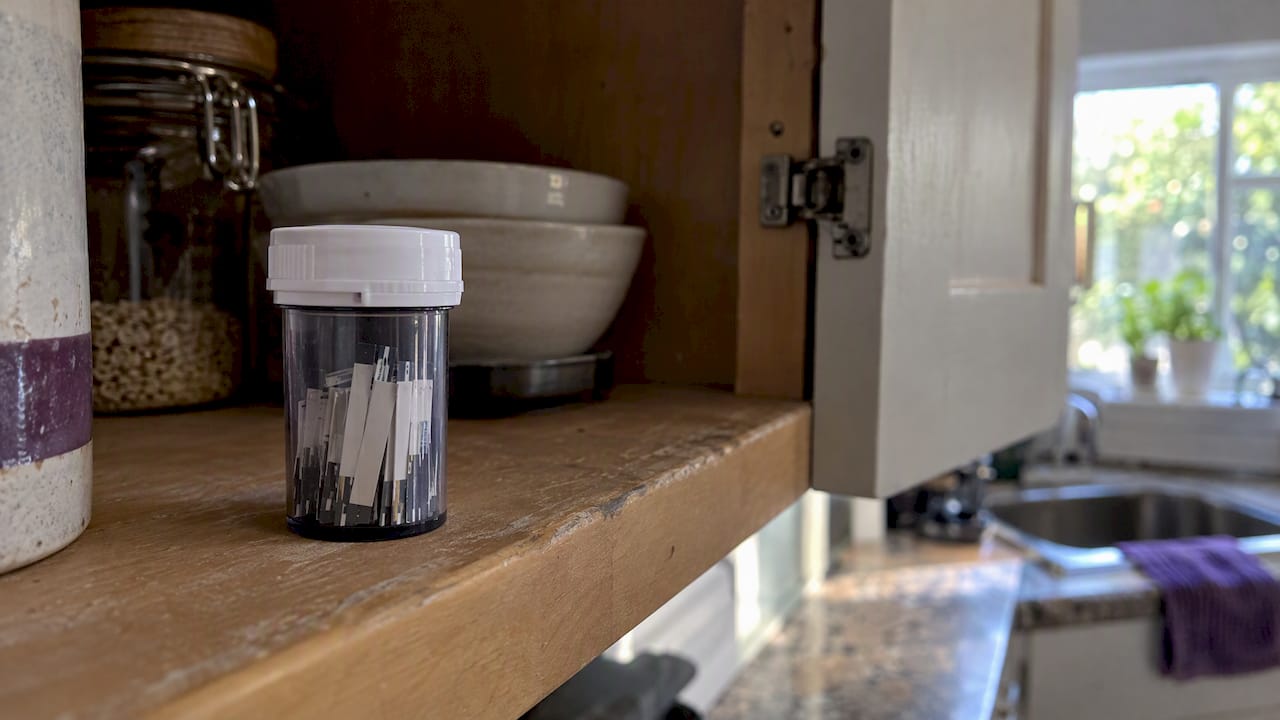
- Store vials tightly closed, away from heat and humidity, and follow the manufacturer’s discard date once a vial is opened.
- If cost is the issue, talk to your clinician or ask about manufacturer assistance programs instead of buying secondhand strips.
The FDA specifically advises against pre-owned test strips because they may have been tampered with, stored improperly, or expired. A 2026 recall record also shows that even products on the market can later be found to cause inaccurate results, which is one more reason to buy from traceable sources.
Pro Tip: Write the purchase date on each vial with a marker as soon as you buy it, so you always know how long it has been open.
Our piece on common mistakes storing excess test strips walks through specific temperature and humidity missteps that quietly ruin good supplies.
Regulatory guidance and real enforcement cases behind this advice
This guidance leans on federal sources rather than guesswork. The FDA’s consumer guidance on glucose meters and test strips advises buying new, unopened vials and describes signs of potentially unsafe strips. Enforcement records back this up: the South Florida diversion case and reporting on counterfeit devices sold through online marketplaces both confirm that diversion and counterfeiting are documented, ongoing problems, not rare edge cases.
We put together these checks because the same sealed, authentic supplies at the center of this risk are what we evaluate when buying diabetic supplies locally.
What actually matters most here
The packaging checklist gets most of the attention, but storage damage deserves consideration too. A genuine-looking strip can still fail if it was exposed to heat or humidity or stored improperly. Readers often treat “counterfeit” and “expired or damaged” as two separate problems, when the practical response is identical: verify before you trust the reading.
The conventional advice to “just check the packaging” may overlook that legitimate-looking strips can also be damaged by improper storage. We think the single highest-value habit is writing the open date on every vial and comparing new purchases against one trusted reference vial. That one habit catches counterfeits and storage damage at the same time, which is more than any single visual check can do on its own.
— Liliana
Optional next step for sealed, unused strips you no longer need
If you have sealed, unexpired test strips left over from a prescription change or an insurance switch, you do not have to let them sit in a drawer or risk reselling them to a stranger online. 
We buy sealed, unused, and unexpired diabetic supplies directly from individuals in Orlando and the surrounding area, including Dexcom G6 & G7 sensors, FreeStyle Libre, Omnipod, and major brand test strips. Contact us for details about payment. To make an offer, we need the packaging sealed, the lot number and expiration date clearly visible, and a proof of purchase when you have one. We will not buy anything that looks tampered with or counterfeit, and neither should you sell it to anyone else. Visit Orlando Diabetic Supplies Buyback to check what we can offer for your sealed supplies today.
This article is general information, not a substitute for advice from a qualified doctor. Consult a qualified healthcare professional about your own circumstances before acting on anything here.
FAQ
Can test strips give false readings?
Yes. Counterfeit strips or genuine strips that have been stored improperly can give inaccurate readings. If a reading seems suspect, verify it with a trusted vial or a clinic meter before relying on it for a treatment decision.
How can you tell if medicine or test strips have been faked?
Look for poor print quality, missing or altered lot numbers and expiration dates, broken seals, and instructions that are not in clear English, signs the FDA lists for counterfeit diagnostic products generally. If anything looks off, contact the manufacturer directly before using the product.
Is it legal to sell unused diabetic test strips?
Selling your own sealed, unused, and unexpired test strips to a licensed local buyer is a common and accepted practice, though rules can vary by state and by the type of supply. Buy-back services typically require sealed packaging and visible lot and expiration information before making an offer.
What is the number one way to detect counterfeit money?
That question falls outside diabetes supply safety, but the same underlying principle applies: checking for consistent printing, correct security features, and verified sourcing is the common thread across counterfeit detection of any kind.
What should I do if I think my test strips are fake?
Stop using them for dosing decisions immediately and retest with a trusted vial or a clinic meter. Report the issue to the manufacturer and to FDA MedWatch with photos, lot numbers, and purchase details, and talk to your clinician if you already made a treatment decision based on the reading.
Sources
- How to Safely Use Glucose Meters and Test Strips for Diabetes | FDA
- Class 2 Device Recall Multiple
- Roche alleges counterfeit diabetes medical devices were sold on Amazon
Authoritative links for reporting and verification
Check these official pages to confirm packaging details, review recalls, or file a report.