Specialty pharmacy for diabetics is defined as a dedicated pharmacy service that manages complex diabetes medications, provides personalized clinical support, and coordinates care between patients and their healthcare teams. Unlike a standard retail pharmacy, a specialty pharmacy focuses on chronic, high-need conditions like diabetes, where medication adherence and ongoing coaching directly affect health outcomes. These programs, highlighted at events like the Asembia Specialty Pharmacy Summit, combine value-based care principles with hands-on pharmacist support. If you manage diabetes with GLP-1 receptor agonists, continuous glucose monitoring (CGM) devices, or insulin therapies, a specialty pharmacy may already be part of your care plan.
What is specialty pharmacy for diabetics and how does it work?
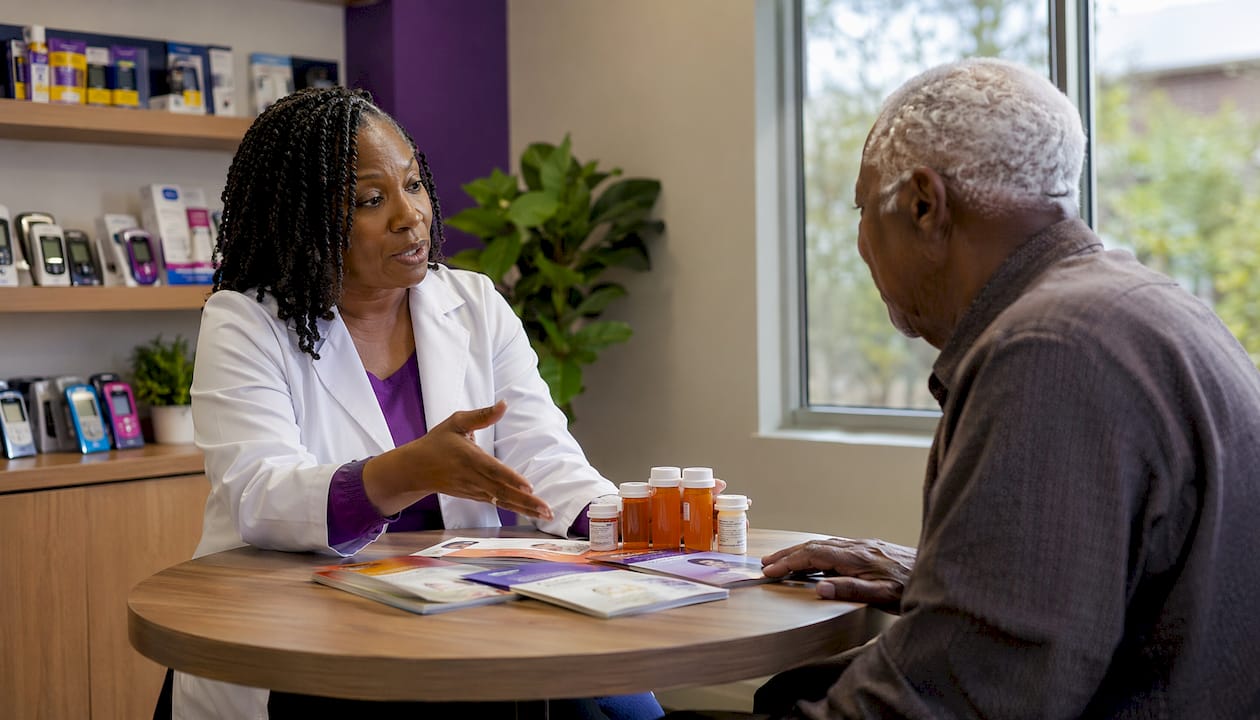
Specialty pharmacy services for diabetes go far beyond filling a prescription. Pharmacists in these programs serve as frontline clinical team members, working alongside endocrinologists and nurse practitioners to co-manage your care. They are trained as Certified Diabetes Care and Education Specialists, which means they handle CGM data interpretation, nutrition counseling, injection technique education, and social determinants of health.
The model works through direct integration with your health system. EHR integration allows pharmacists to access your treatment plan in real time, align medication management with your doctor’s goals, and speed up prior authorization approvals. This connection removes the communication gap that often exists between your prescriber and your pharmacy.
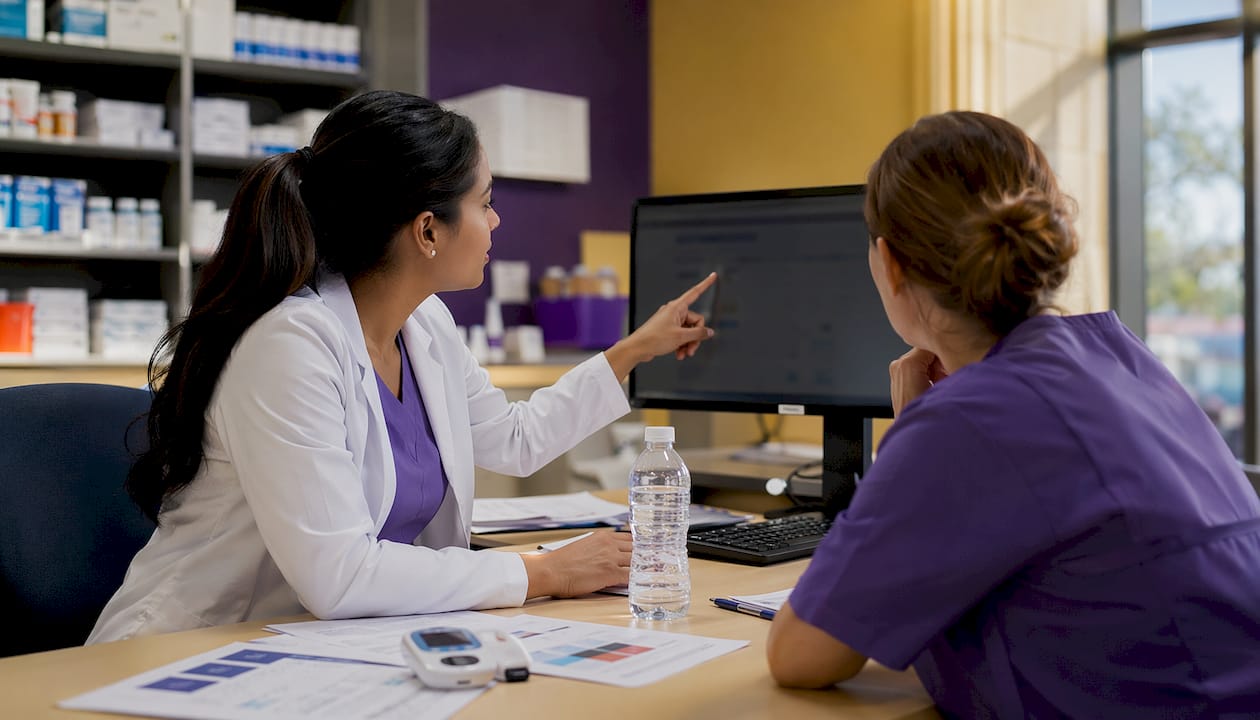
Specialty pharmacies also handle the paperwork you dread. They navigate insurance complexity, submit prior authorizations, and connect you with copay cards and patient assistance programs. Closing this access gap is one of the most practical benefits these programs offer. You spend less time on hold with your insurance company and more time focused on your health.
Pro Tip: Ask your endocrinologist or primary care provider whether your health system has an embedded specialty pharmacy. Many patients qualify but never get referred.
How do specialty pharmacies improve diabetes medication management?
Specialty pharmacy care models produce measurable results. Integrated specialty pharmacy programs for diabetes reduce total medical expenses by over $2,600 in the first year through pharmacist-led coaching and improved adherence. That reduction comes from fewer hospitalizations, better-controlled blood sugar, and fewer complications.
Medication adherence is the core challenge in diabetes care. Redesigning chronic therapy workflows through specialty pharmacy models led to a 22% improvement in adherence for diabetes and hypertension patients. The mechanism behind this improvement is a continuous feedback loop between pharmacists, patients, and care teams. You get follow-up calls, medication reviews, and coaching between doctor appointments.
The services that drive these outcomes include:
- Pharmacist-led coaching: Regular check-ins to review your medications, side effects, and blood sugar trends
- CGM data review: Pharmacists trained to interpret your continuous glucose monitor data and flag patterns
- Adherence monitoring: Proactive outreach when refills are overdue or doses are missed
- Insurance navigation: Prior authorization submissions and appeals handled by the pharmacy team
- Financial assistance: Enrollment in manufacturer copay programs and 340B drug pricing benefits
Understanding how diabetes supply prescriptions work alongside specialty pharmacy services helps you get the most from both systems.
What are the benefits of specialty pharmacy for diabetics vs. traditional pharmacies?
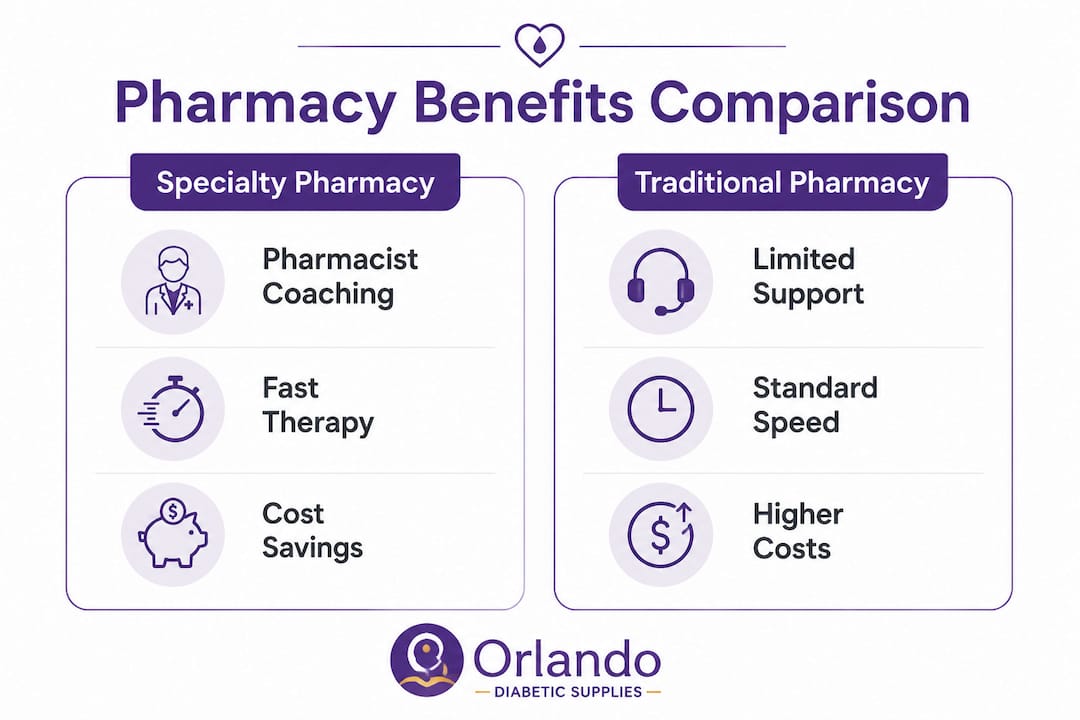
The core difference between a specialty pharmacy and a retail pharmacy is the level of support you receive after the prescription is filled. A retail pharmacy dispenses medication. A specialty pharmacy manages your therapy.
Speed is one clear advantage. Health system specialty pharmacies can reduce time-to-therapy to 24–48 hours by streamlining insurance approvals and prior authorization processes. Traditional pharmacy channels often face delays of days or weeks due to coverage barriers. For medications like GLP-1 receptor agonists, that delay can disrupt your treatment plan significantly.
Cost is another area where specialty pharmacies stand out. Revenue from specialty fills combined with 340B drug pricing programs helps offset the cost of diabetes care coaching, making advanced support programs cost-neutral to health systems. This means you can access nutritional counseling, mental health referrals, and CGM support at no additional out-of-pocket cost.
Here is a direct comparison of what each pharmacy type typically offers:
| Feature | Specialty pharmacy | Traditional retail pharmacy |
|---|---|---|
| Pharmacist coaching | Yes, ongoing and proactive | Rarely, only at point of sale |
| Prior authorization support | Handled by pharmacy team | Patient responsibility |
| CGM data interpretation | Available with trained staff | Not offered |
| Financial assistance enrollment | Active enrollment support | Limited or none |
| EHR integration with care team | Yes, real-time access | No |
| Time to therapy for complex meds | 24–48 hours | Often 5–10 days or longer |
The pharmacist’s role in the diabetic supply chain has expanded significantly as specialty models become more common. Knowing what to expect helps you ask the right questions when you enroll.
Which diabetes medications does a specialty pharmacy handle?
Not every diabetes medication requires a specialty pharmacy, but many of the most effective therapies do. GLP-1 receptor agonists like Ozempic, Wegovy, and Mounjaro are the clearest example. These medications are not traditionally classified as specialty drugs, but they increasingly require specialty pharmacy management due to complex insurance processes and ongoing adherence support needs.
Specialty pharmacies provide patient education on injection techniques, dose adjustments, side-effect management, and adherence monitoring for GLP-1 therapies. This is not something a retail pharmacy can replicate at scale. The clinical support is built into the specialty pharmacy model.
Other therapies and devices commonly managed through specialty pharmacy programs include:
- Continuous glucose monitors (CGMs): Devices like Dexcom G6, Dexcom G7, and Freestyle Libre require setup support, data interpretation, and insurance coordination
- Insulin pump therapies: Complex dosing and device management benefit from pharmacist oversight
- SGLT-2 inhibitors and combination therapies: Patients on multiple agents need adherence monitoring and drug interaction reviews
- Specialty insulins: High-cost formulations often require prior authorization and financial assistance support
When your medication changes, your supply needs often change too. Understanding why changing diabetes medication affects your supplies can help you plan ahead and avoid waste.
How to use specialty pharmacy services effectively for diabetes care
Getting started with specialty pharmacy services is straightforward once you know the steps. Here is how to make the most of what these programs offer:
- Ask for a referral. Talk to your endocrinologist, primary care provider, or diabetes educator. Many health systems have embedded specialty pharmacies that accept referrals directly from your care team.
- Enroll and complete your intake. Specialty pharmacies conduct an initial clinical assessment. Be ready to share your current medication list, insurance information, and recent lab results.
- Participate in pharmacist coaching calls. These are not optional check-ins. They are the mechanism that drives better outcomes. Show up prepared with questions about side effects, dosing, or blood sugar patterns.
- Use the financial assistance resources. Your specialty pharmacy team can enroll you in manufacturer copay programs, patient assistance programs, and 340B pricing benefits. Ask specifically about these at your first appointment.
- Connect your CGM data. If you use a CGM like Dexcom G7 or Freestyle Libre, share your data with your pharmacist. Trained specialty pharmacists can identify patterns and recommend adjustments between doctor visits.
Pro Tip: Keep a short log of your blood sugar trends and any side effects before each pharmacist call. This gives your pharmacist concrete data to work with and makes every conversation more productive.
Technology plays a growing role in specialty pharmacy support. Telehealth follow-ups, app-based adherence tracking, and remote CGM data sharing all extend the reach of your pharmacy team between in-person visits. If you are navigating insurance issues, reviewing common private insurance errors can save you time and money during the enrollment process.
Key Takeaways
Specialty pharmacy for diabetics is the most effective model for managing complex diabetes therapies because it combines clinical coaching, insurance navigation, and EHR-integrated care into a single, cost-neutral support system.
| Point | Details |
|---|---|
| Defined role | Specialty pharmacies manage complex diabetes medications with clinical coaching, not just dispensing. |
| Proven cost savings | Integrated programs reduce total medical expenses by over $2,600 in the first year. |
| Faster medication access | Specialty pharmacies deliver therapy in 24–48 hours vs. days or weeks at retail pharmacies. |
| Adherence improvement | Feedback-loop models produce a 22% improvement in medication adherence for diabetes patients. |
| Cost-neutral services | 340B pricing and prescription revenue fund coaching, CGM support, and financial assistance at no extra cost to you. |
Specialty pharmacy is changing diabetes care in ways most patients don’t see
By Liliana
I have watched the role of the pharmacy shift in a way that most patients still don’t fully recognize. For years, the pharmacy was the last stop before you went home. You picked up your medication, maybe got a 30-second counseling offer you declined, and left. That model was never built for someone managing a chronic condition like diabetes.
What I find genuinely encouraging about specialty pharmacy is that it treats the pharmacist as a clinical partner, not a transaction processor. Pharmacist Manaswi Chigurupati’s work is a good example of what this looks like in practice. Her chronic disease management initiatives achieved 22% adherence improvements not through new drugs, but through continuous feedback loops and genuine patient relationships. That is the kind of result that comes from infrastructure and empathy working together.
The part that surprises most people is the cost structure. Many patients assume that more support means higher costs. The 340B model flips that assumption. The pharmacy generates revenue from fills, uses it to fund coaching and counseling, and the patient pays nothing extra. That is a well-designed system.
My honest advice: do not wait for your doctor to bring this up. Ask directly whether your health system has a specialty pharmacy program for diabetes. Many patients qualify and never get referred simply because no one mentioned it. You are your own best advocate in this system.
— Liliana
Orlando Diabetic Supplies Buyback and your diabetes supply needs
When your medication or device changes through a specialty pharmacy program, you may find yourself with unused supplies on hand. Switching from one CGM to another, adjusting your insulin regimen, or moving to a new device often leaves sealed test strips, Dexcom sensors, or Omnipod pods sitting in a drawer.
Orlando Diabetic Supplies Buyback makes it simple to turn those unused supplies into same-day cash. The process is fast, local, and straightforward. You can sell unused diabetic supplies for fair payment without any hassle. Orlando Diabetic Supplies Buyback buys Dexcom G6 and G7 sensors, Freestyle Libre supplies, Omnipod pods, and sealed test strips across Orlando and surrounding areas. If your specialty pharmacy program has you transitioning to new therapies, do not let your old supplies go to waste.
FAQ
What is specialty pharmacy for diabetics?
Specialty pharmacy for diabetics is a dedicated pharmacy service that manages complex diabetes medications, provides pharmacist-led coaching, and coordinates care with your healthcare team. It goes beyond dispensing to include adherence support, insurance navigation, and clinical education.
How does specialty pharmacy work for diabetes management?
Specialty pharmacies integrate with your health system’s electronic health records, allowing pharmacists to align your medication management with your doctor’s treatment plan and handle prior authorizations in real time. You receive proactive follow-up calls, CGM data reviews, and financial assistance enrollment as part of the service.
What medications do specialty pharmacies handle for diabetics?
GLP-1 receptor agonists like Ozempic, Wegovy, and Mounjaro are increasingly managed by specialty pharmacies due to complex insurance requirements and adherence support needs. CGM devices, specialty insulins, and combination therapies are also commonly handled through these programs.
Are specialty pharmacy services free for diabetic patients?
Many specialty pharmacy support services are cost-neutral to patients. Revenue from prescription fills and 340B drug pricing programs funds coaching, nutritional counseling, and financial assistance programs, so you typically pay nothing extra for the clinical support.
How do I access specialty pharmacy services for diabetes?
Ask your endocrinologist or primary care provider for a referral to your health system’s specialty pharmacy program. Many patients qualify based on their current medication regimen and simply need a referral to get started.