Yes, you can turn sealed, unexpired diabetic supplies into same-day cash, and local in-person buy-back is usually the fastest way to do it. Sealed sensors from popular brands and sealed major-brand test strips are typically among the categories that sell quickest. A local buyer who inspects your box before paying you removes the biggest risk in this whole process: getting your quote cut after you’ve already shipped it away.
TL;DR:
- Local in-person buy-back offers the fastest payment, with most transactions completing within 24 to 48 hours, avoiding the delays of mail-in programs.
- Buyers typically provide a firm quote after inspecting photos of sealed boxes, expiration dates, and seals, honoring the price if the items match these images.
- It is safest to meet in public locations where inspection occurs before payment, and traceable digital transfers are common payment methods ensuring trust.
- Selling unopened, sealed supplies is legal if they are genuinely yours and not obtained through insurance fraud, with redacting pharmacy labels recommended for privacy.
- Most valuable items include Dexcom G6 and G7 sensors and sealed major-brand test strips, especially with months remaining before expiration.
Table of Contents
- How Does Selling Supplies Insurance Actually Work Locally?
- Local Buy-Back vs. Mail-In vs. Donation: Which Fits You?
- How to Prepare and Package Supplies Before You Sell
- How to Verify a Local Buy-Back Service Is Legitimate
- Is It Legal to Sell Insurance-Covered Diabetic Supplies?
- How Long Does It Take to Get Paid?
- Why Do Sellers End Up With Surplus, and What Do We See at Meetups?
- Ready to Sell? Here’s How to Get Your Quote
- Sources
- FAQ
How Does Selling Supplies Insurance Actually Work Locally?
Selling supplies insurance covered you never used is simpler than most people expect once you understand the sequence. It usually breaks down into four steps.
- Send photos first. Most local buyers ask for a picture of the box front, the expiration date, and the seal before quoting you anything.
- Get a firm quote. Buyers price based on brand, pack count, and how far out the expiration date sits. Local buyers who quote from photos before meeting generally honor that quote as long as the item matches what was pictured.
- Meet in a public place. Think a coffee shop parking lot or a bank lobby, not your driveway at night.
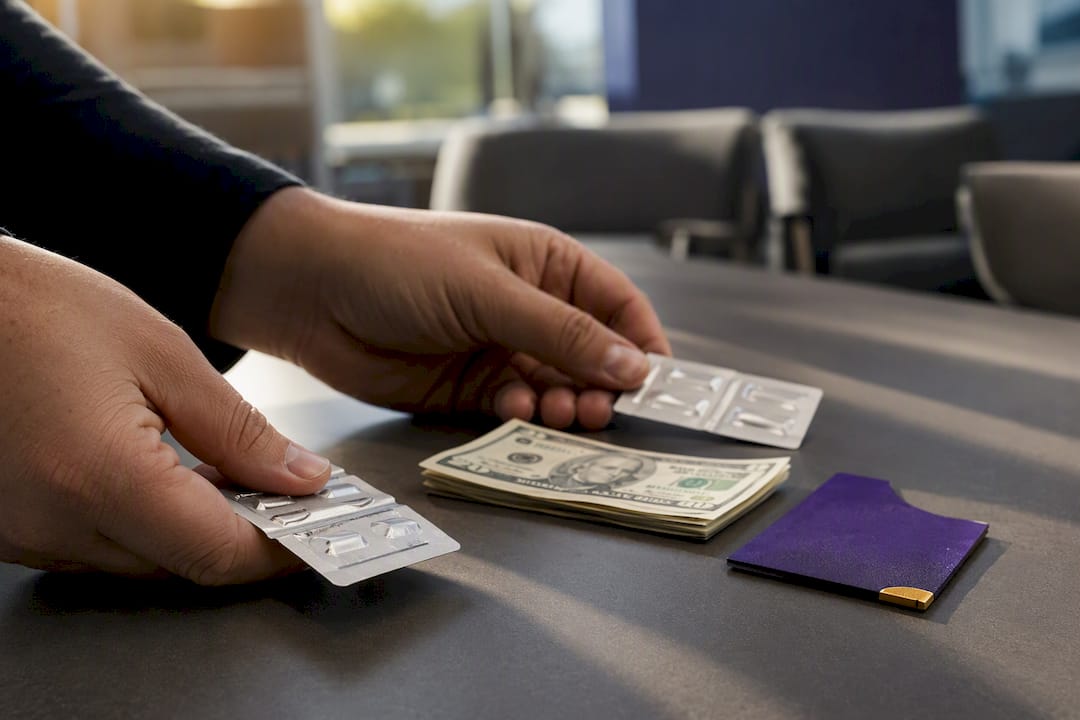
- Inspect, then pay. The buyer checks the seal and expiration in person, confirms it matches the photos, and pays you on the spot.
That order matters. Inspection happens before payment in a legitimate local transaction, which is exactly the opposite of how most mail-in programs operate. Payment usually comes as cash or a traceable digital transfer like Venmo, Cash App, or Zelle, and that traceability is itself a trust signal worth paying attention to.
Local Buy-Back vs. Mail-In vs. Donation: Which Fits You?
Not every seller is in the same spot, so the right route depends on where you live and how fast you need the money.
- Local in-person buy-back works best if you’re in or near a service area with active buyers. It’s the fastest option and the most certain, since inspection happens before you ever get paid, not after.
- National mail-in programs serve sellers with no local option, but you’re shipping first and hoping the payout survives their internal review. Mail-in buyers often re-grade shipments after receipt, which can shrink your quote or delay your check by days or weeks.
- Local private buyers or meetup resellers can be just as fast as an established local business, but you carry more responsibility for vetting who you’re meeting.
- Donation and community redistribution channels don’t pay you anything, but they’re the right call for boxes that are relabeled by a pharmacy or too close to expiration to sell. Diabetes nonprofits and community programs will often still take items a buyer won’t.
If cash today is the goal and you’re near a service area with active buyers, local in-person buy-back is often the fastest option. Save mail-in for when there’s genuinely no other choice, and donation for boxes that can’t be resold at all.
How to Prepare and Package Supplies Before You Sell
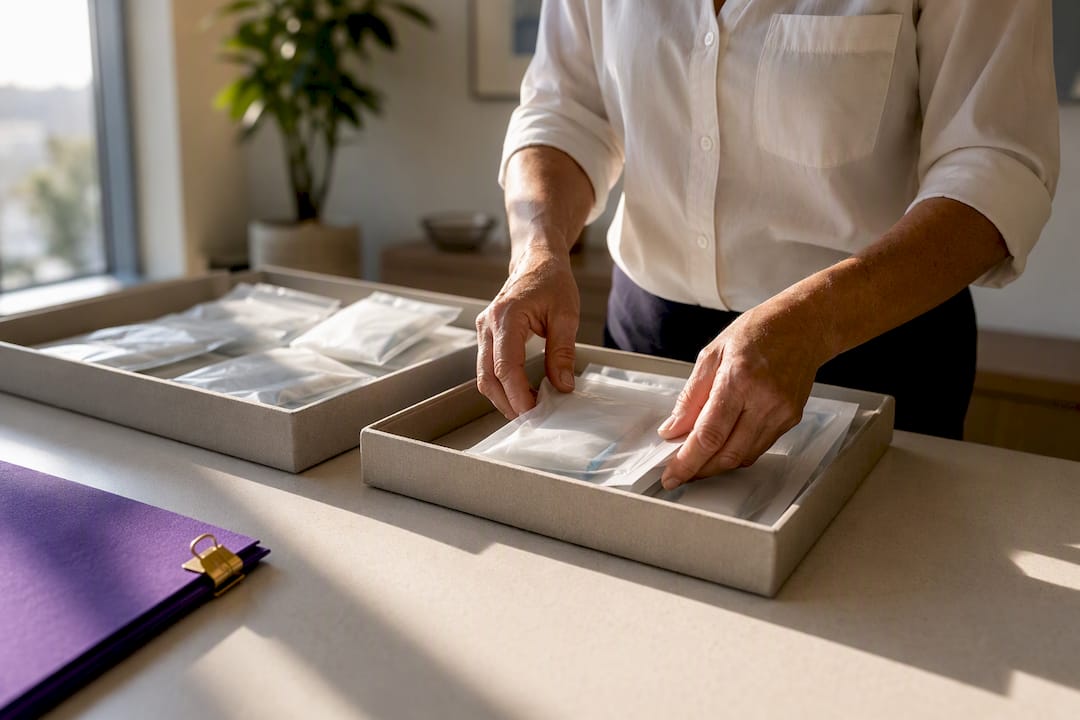
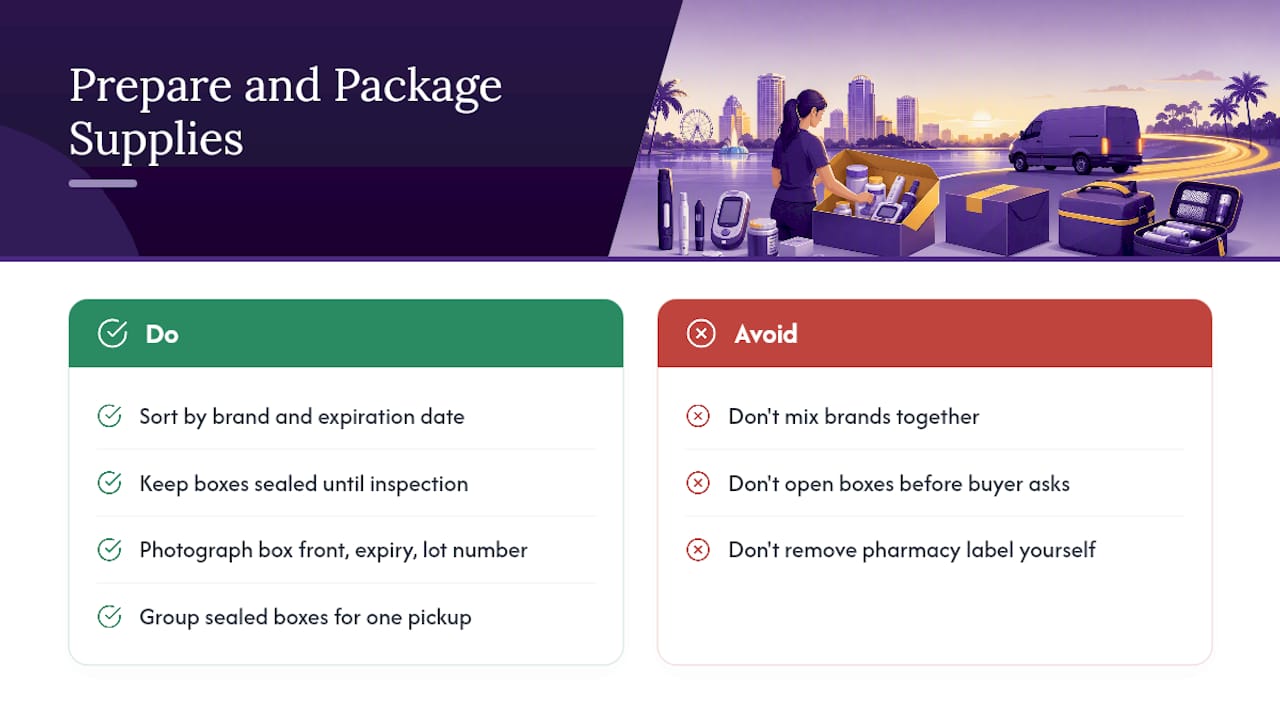
Preparation is where you either protect your payout or accidentally shrink it. Start by sorting everything by brand and expiration date. Buyers pay differently for Dexcom, Libre, and other brands, and mixing them together just slows down your quote.
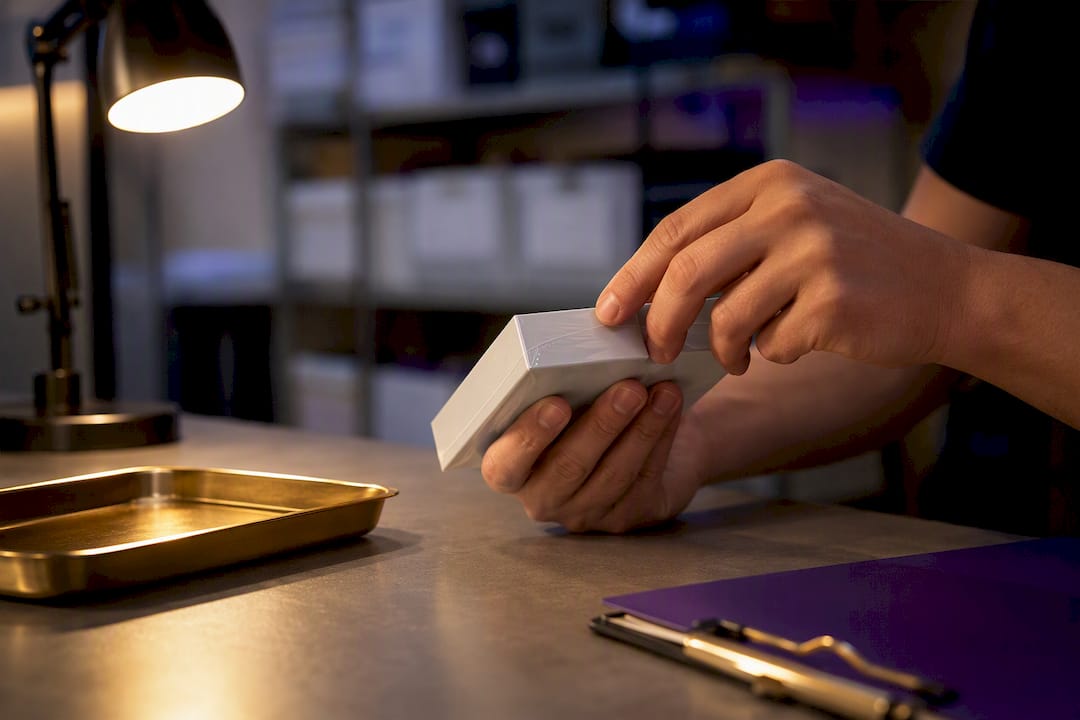
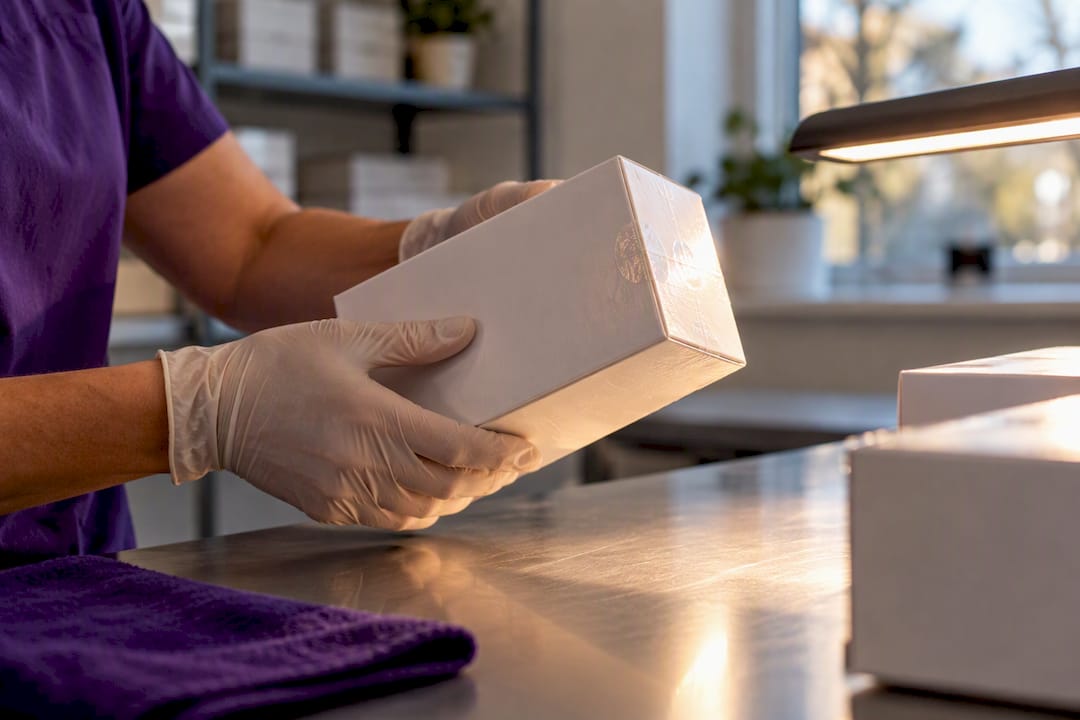
Next, check every box for the original manufacturer seal. A box that’s been opened, even if the contents are untouched, is worth less and some buyers will decline it outright. Keep boxes sealed until the buyer asks you to open one at inspection.
Photograph each item clearly: the front of the box, the expiration date printed on the label, and the lot number if it’s visible. Good lighting and a flat surface make a real difference here, since blurry photos slow down your quote or lead to a lower initial estimate that then needs correcting in person.
If you have a pharmacy label on the outer box, don’t scratch it out yourself with a marker. Legitimate buyers treat pharmacy labels as a privacy issue and either walk you through safe removal or handle redaction securely at the meetup. Also worth knowing: most reputable buyers won’t touch a box where the pharmacy label has obscured the original brand and UPC code, since they can’t resell what they can’t identify.
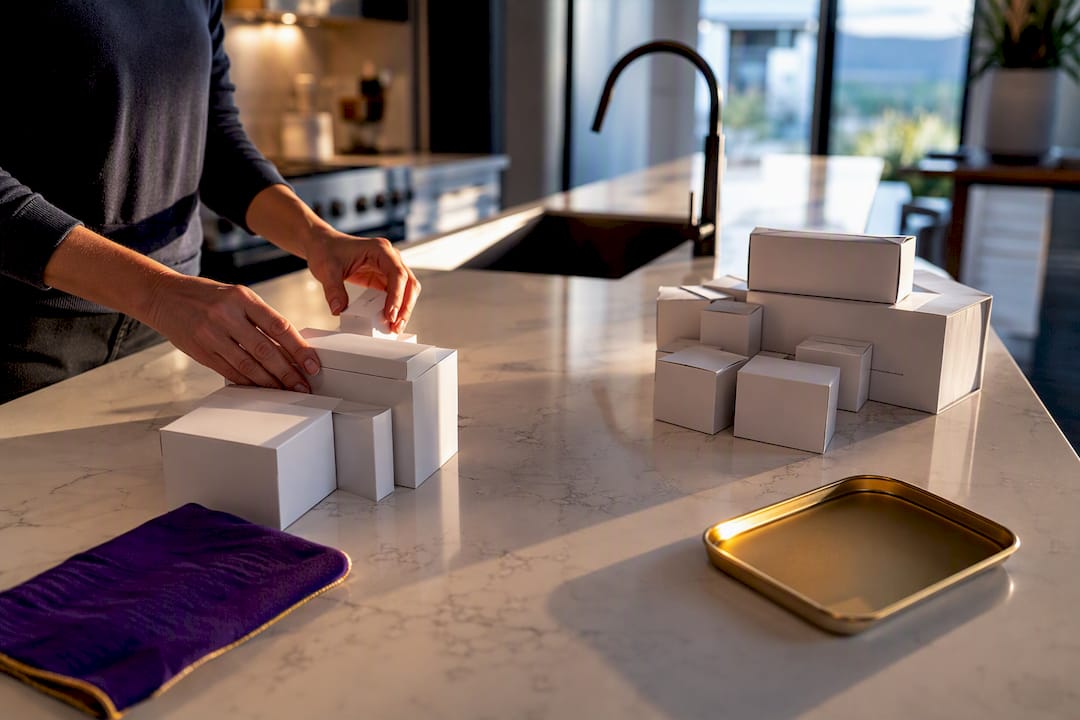
If you have multiple sealed boxes, group them into one pickup. Bundling several boxes together can make a buyer more willing to travel to you and sometimes earns a small bulk bonus, though each box still gets inspected on its own.
How to Verify a Local Buy-Back Service Is Legitimate
Before you agree to meet anyone, spend five minutes checking whether they operate like a real business or just a stranger with a Craigslist post. A legitimate buyer publishes a clear inspection process and public pricing, not a vague “message me for a price” listing. If you can’t find any posted price guide or terms, that absence is itself a warning sign.
Watch how they talk about payment. A trustworthy buyer never asks you to ship first and wait to get paid, and they never ask for more personal or medical information than necessary to confirm the item is what you say it is. If someone wants your insurance details, your doctor’s name, or anything beyond a photo of the box, walk away.
Pay attention to where they want to meet. A real local business suggests a public location, usually one with cameras or foot traffic, not an isolated spot. They should also be comfortable inspecting the item in front of you and explaining, on the spot, why a price changed if it does.
Finally, check for a real online presence: a working website, a physical or general service area listed, and reviews or mentions beyond a single anonymous post. A public “what we buy” page and price guide is one of the clearest signs you’re dealing with an established operation rather than someone testing the waters.
Is It Legal to Sell Insurance-Covered Diabetic Supplies?
Selling your own unused, unopened diabetic supplies is generally legal, but a few practical rules keep the transaction clean. The supplies have to be genuinely yours to sell, sealed, and not obtained through fraud, such as billing insurance repeatedly for supplies you never intended to use.
Buyers care about this too, which is why reputable ones decline expired or opened boxes outright. Publicly posted price guides and clear terms of service usually come paired with a policy that rules out expired stock, since reselling expired medical supplies creates liability for the buyer, not just you.
Privacy is the other piece. Your name, prescription details, and insurance information shouldn’t travel with the box. A responsible buyer will ask you to remove or redact pharmacy labels, or will handle that redaction securely during the meetup, rather than reselling a box with your personal information still attached.
None of this requires a lawyer or paperwork for a normal, small-scale sale of a few boxes. It matters most if you’re selling in large volume or on a recurring basis, where it starts to look less like clearing out a closet and more like a business. If you’re ever unsure whether a specific situation crosses that line, a quick conversation with your insurance provider or a licensed professional is worth more than guessing.
How Long Does It Take to Get Paid?
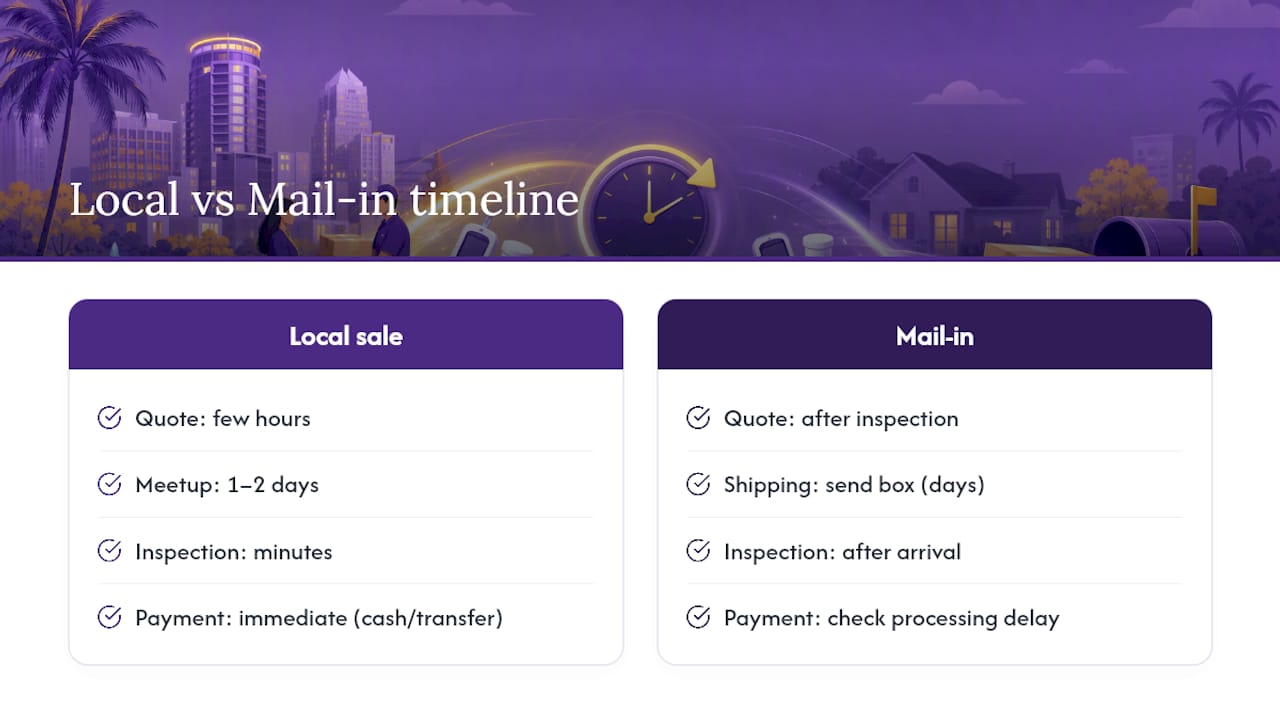
Here’s the realistic timeline if you’re going the local route. Sending clear photos to a buyer typically gets you a quote back within a few hours, sometimes faster if you reach out during business hours. From there, scheduling a public meetup usually happens within a day or two, depending on your buyer’s availability and yours.
The meetup itself is quick. Inspection takes only a few minutes since the buyer is mainly confirming the box matches your photos and checking the seal and expiration date. Payment happens immediately after, whether that’s cash in hand or a digital transfer you can watch land in real time.
Add it up and most local sellers go from first contact to cash in hand within 24 to 48 hours. Compare that to a mail-in program, where you’re shipping the box, waiting for it to arrive, waiting for inspection, and then waiting for a check to process, often stretching the same transaction into one to two weeks or longer, with the added risk of a reduced payout if the re-grade doesn’t match what you expected.
Why Do Sellers End Up With Surplus, and What Do We See at Meetups?
Most of the surplus we buy back has a simple explanation. Insurers auto-refill prescriptions on a schedule, doctors switch someone from Libre to Dexcom or vice versa, or two overlapping prescriptions arrive the same month.
At meetups, the biggest factor in the final price is almost always the seal and the expiration date matching what was in the photos. Sellers sometimes worry the price will change on them, but if the box matches the picture, it rarely does. We keep to public locations and pay only after inspection, which is the same standard we’d want if we were the one selling.
— Liliana
Ready to Sell? Here’s How to Get Your Quote
Some local buyers pay same-day cash for sealed, unexpired supplies without the shipping wait or re-grade risk that comes with mailing a box to a stranger and hoping the number doesn’t change.
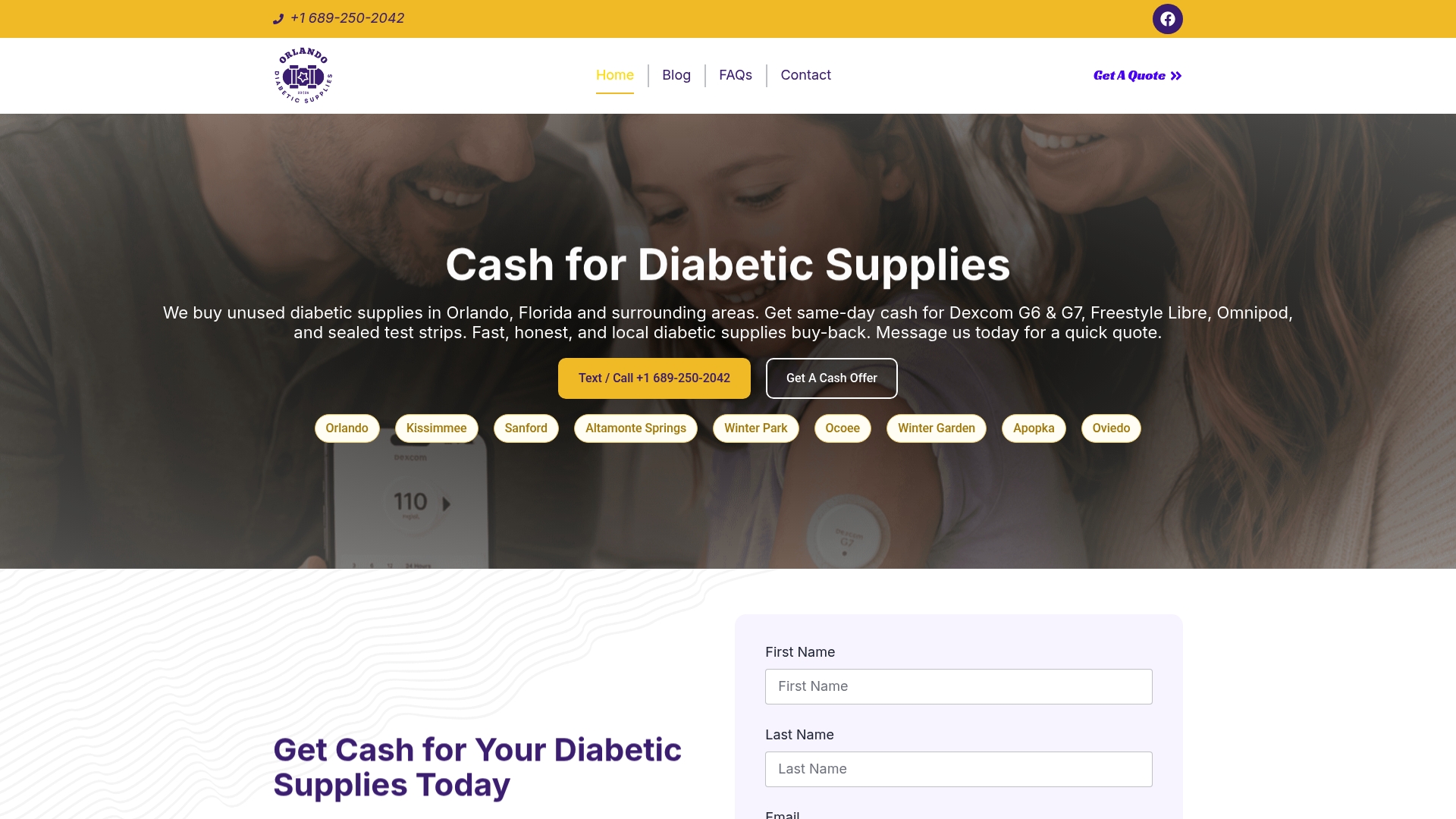
Getting started takes a few minutes. Text a few clear photos of your box, including the expiration date and seal, or fill out the quote form on the site, and expect a response with a firm price based on brand, pack count, and expiration window. If you’re holding unused Dexcom G7 sensors, current pricing runs 70 to 90 dollars per pack, and FreeStyle Libre 2 sensors run 15 to 20 dollars per sensor. Once your price is set, you’ll pick a public meetup spot, and payment happens right after a quick inspection, whether that’s cash, Venmo, Cash App, or Zelle. There’s no shipping, no waiting on a check, and no surprise re-grade after the fact. If you want a sense of what a full box might be worth before you even reach out, the leftover supply value guide is a good place to start.
Sources
- Selling Diabetic Test Strips Locally vs Mail-In: Which Actually Pays More? | Test Strips Into Cash
- Who Buys Diabetic Test Strips for Cash and What They Pay | SLC Local Buyback
- How to Verify Legitimate Buyers of Diabetic Supplies Safely — WriteUpCafe
- Sell Diabetic Supplies Online 2026: Best Buyers & Guide
FAQ
Can I Really Sell Unused Insurance-Covered Diabetic Supplies?
Yes, as long as the supplies are sealed, unexpired, and genuinely yours to sell. Local buyers like Orlando Diabetic Supplies Buyback pay same-day cash after a quick inspection.
What Sells for the Most Money?
Dexcom G6 and G7 sensors and FreeStyle Libre sensors typically bring the highest prices, followed by sealed major-brand test strips, with months remaining before expiration driving much of the price difference.
How Fast Can I Get Paid?
Most local sales go from first contact to cash in hand within 24 to 48 hours, since the quote, meetup, and payment all happen in quick succession without any shipping involved.
Is Mailing My Supplies to a Buyer Risky?
It carries more risk than a local meetup because mail-in buyers often re-grade shipments after they arrive, which can lower your payout after you’ve already sent the box away.
What If My Box Has a Pharmacy Label on It?
Don’t remove it yourself with a marker. A legitimate buyer will either give you safe instructions for removal or handle the redaction securely once you meet, since pharmacy labels involve real privacy concerns.