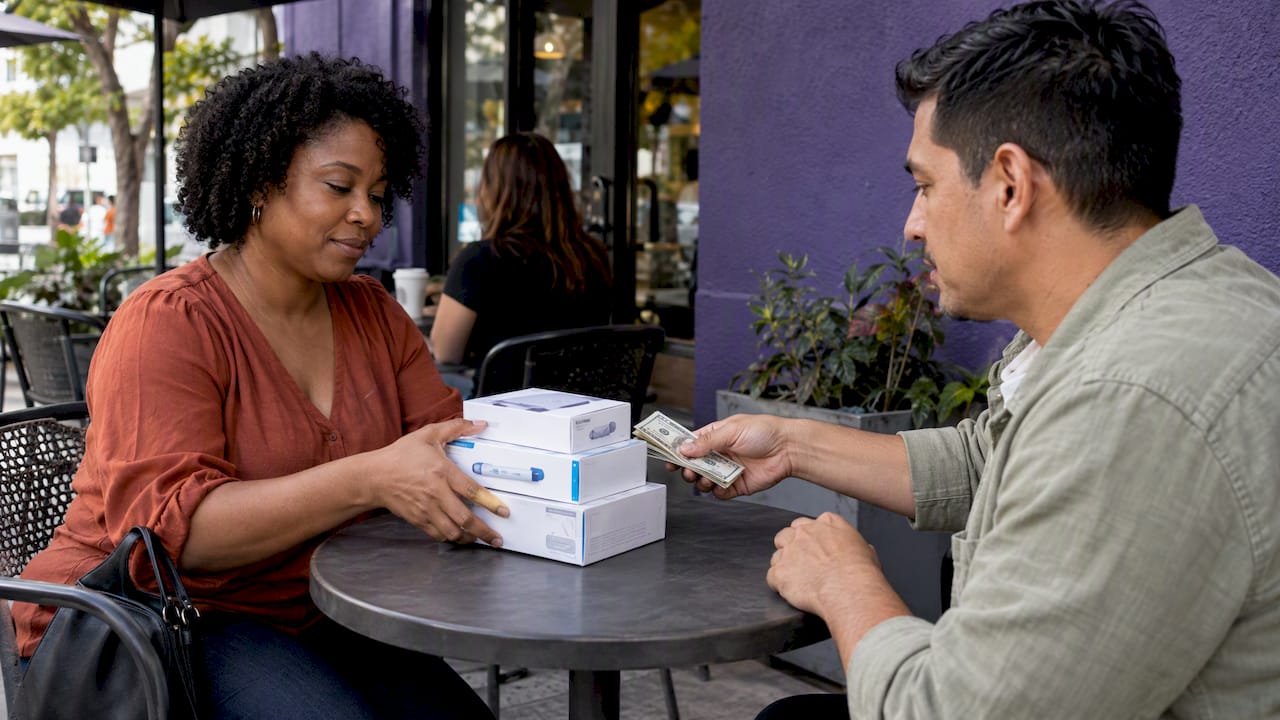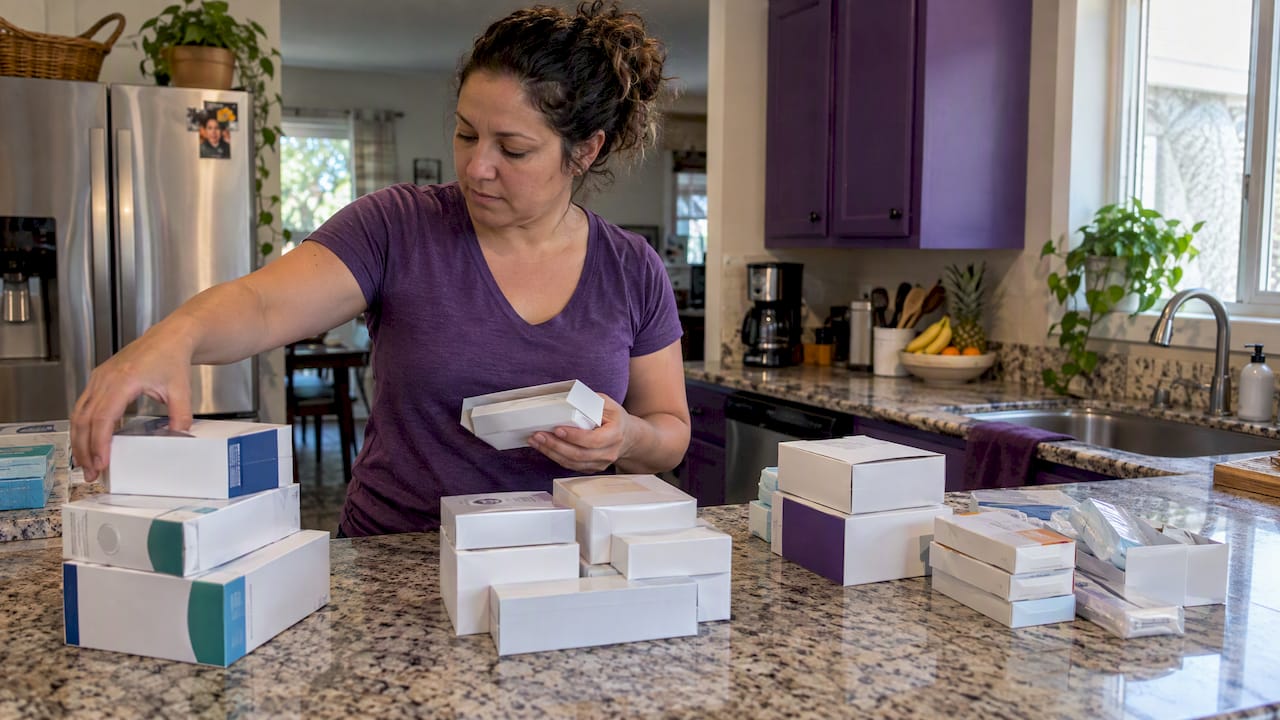
You can sell unused CGM sensors if they are sealed, unexpired and in their original packaging. The safest and fastest route is usually a local, in-person sale, where the buyer inspects the box and pays on the spot. This guide covers what sells, what does not, how to prepare your boxes, and how to avoid the delays and risks that come with mailing supplies to a stranger.
We buy unused diabetic supplies in Orlando and the surrounding areas, so we see the same situations again and again: a new prescription, a switch from one brand to another, or an insurer that ships more than you use. If that sounds like you, read on.
TL;DR
- Buyers want sealed, unexpired, undamaged CGM boxes. Opened, expired or visibly damaged items are usually turned down.
- Check the lot number and expiration date on every box before you contact anyone.
- Local sales with in-person inspection and same-day payment avoid the wait, the lost-package risk and the re-quoting that can come with mail-in sales.
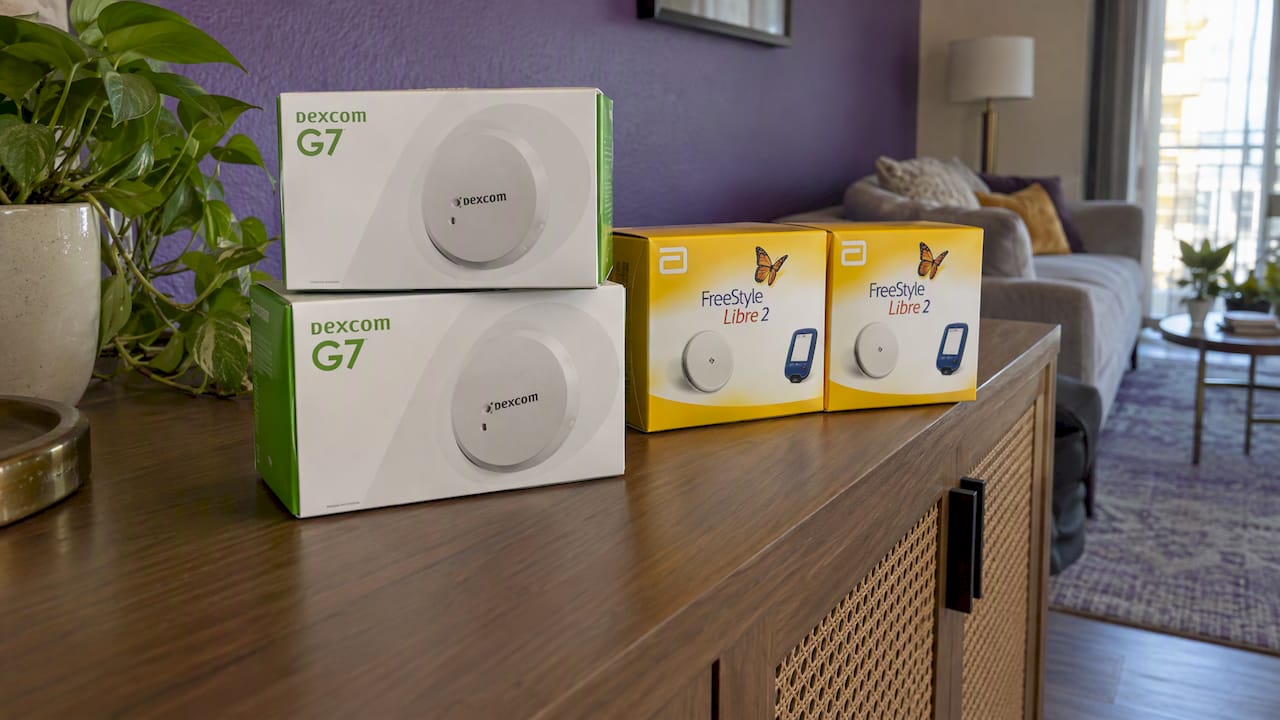
- Our published ranges: 70-90 USD per pack for unused Dexcom G7, and 15-20 USD per sensor for FreeStyle Libre 2.
- Only deal with a buyer who is open about price and process. Never hand over supplies before you have seen the buyer’s terms.
Table of Contents
- Why people end up with spare CGM sensors
- What buyers will and will not take
- Step-by-step: how to sell CGM sensors
- Local meetup vs. mail-in: how they compare
- What CGM sensors are worth
- CGM sensors vs. test strips: how resale differs
- Safety and legitimacy: protect yourself and the next patient
- Our view: why we meet in person
- Sell to us in Orlando
- Mistakes that slow down or sink a sale
- A short checklist before you reach out
- FAQ
- Sources
Why people end up with spare CGM sensors
Nobody plans to have extra sensors. They pile up for ordinary reasons:
- You changed devices. Moving from one CGM brand to another leaves a box or two of the old sensors behind.
- Your prescription changed. A new dosing plan or a new model can make the old supply obsolete.
- Your plan ships on autopilot. Automatic refills keep coming even when you have not used the last shipment.
- You switched insurers. A new plan may cover a different brand or supplier, which often leaves you holding supplies you no longer need. We explain how this happens in why switching insurers leaves you with a supply surplus.
The resale market exists in part because of gaps in the U.S. healthcare system. Reporting by The New York Times described an informal economy in unused supplies, where sellers are often insured and pay little out of pocket, while others struggle to afford retail costs. That report focused on test strips, but the same logic applies to sensors.
What buyers will and will not take
Every buyer sets its own rules, but the core conditions are consistent across the industry. A buyer is paying for a product it has to resell, so it needs to be confident the product is safe and genuine.
Usually accepted
- Sealed boxes of CGM sensors in the original retail packaging
- Unexpired items with a readable expiration date and lot number
- Boxes that have not been opened, crushed, wet or stored in extreme heat or cold
- Unused Omnipod pods and sealed test strips, which we also buy
Usually refused
- Opened or partially used boxes
- Sensors that have been applied to the body, even briefly
- Expired items
- Damaged, taped-up or relabeled packaging
- Anything marked as a sample or not for resale, unless the buyer says it takes those
If you are unsure about a particular item, ask before you travel or ship. A good buyer will tell you plainly what it will accept.
Step-by-step: how to sell CGM sensors
1. Count and sort what you have
Put every box on a table. Group them by brand and model: Dexcom G6, Dexcom G7, FreeStyle Libre 2, FreeStyle Libre 3 and so on. Buyers price each model differently, so a sorted list gets you a faster and more accurate answer.
2. Read the expiration date and lot number
Check each box, not just the first one. Write down the expiration date and lot number for every box. Dates on boxes from the same shipment can differ, and a short remaining shelf life can lower the price or make a box ineligible. Our guide to how test strip expiration affects value shows how dating works for strips, and the same thinking applies to sensors.
3. Look for recalls
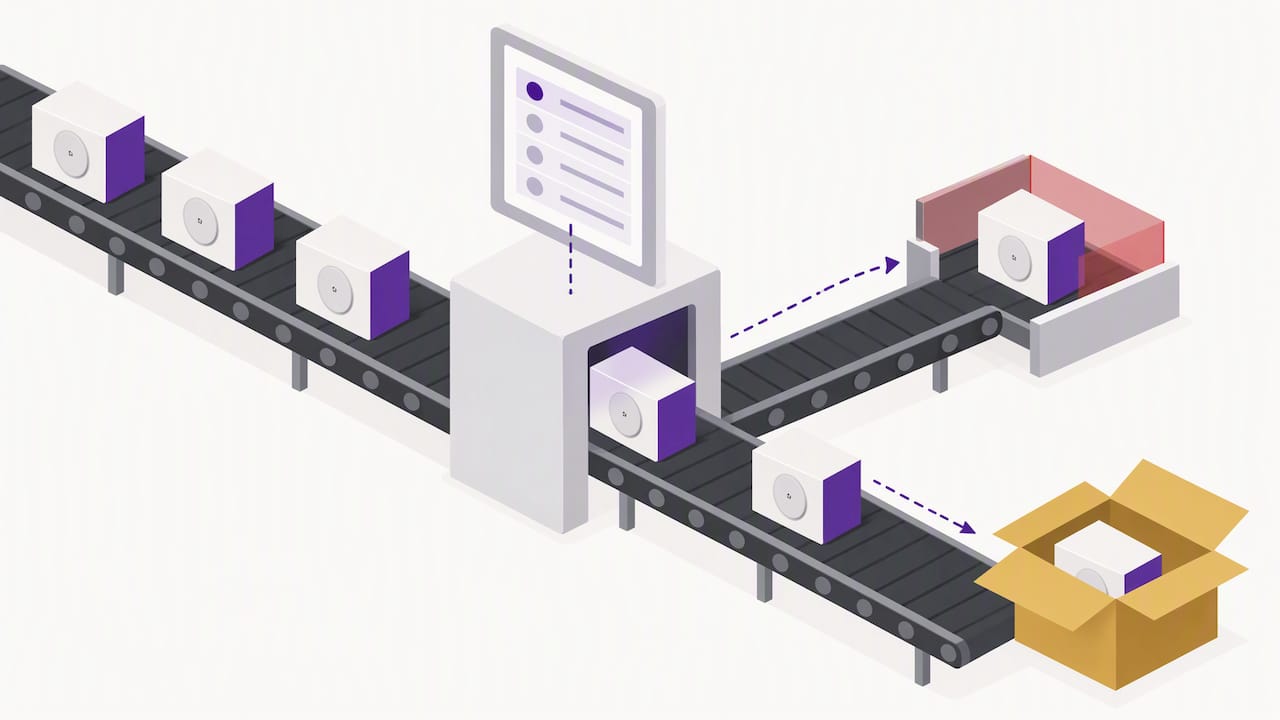
Sensors can be recalled, and a reputable buyer will check. The FDA keeps a public database, and it includes a Class 2 recall entry for the Dexcom G7 system initiated on May 27, 2026. If your sensors match an open recall, do not sell them. Contact the manufacturer instead, because recalled product should not be going back into circulation. We walk through this in verify lots first, get same-day cash for leftover Dexcom sensors.
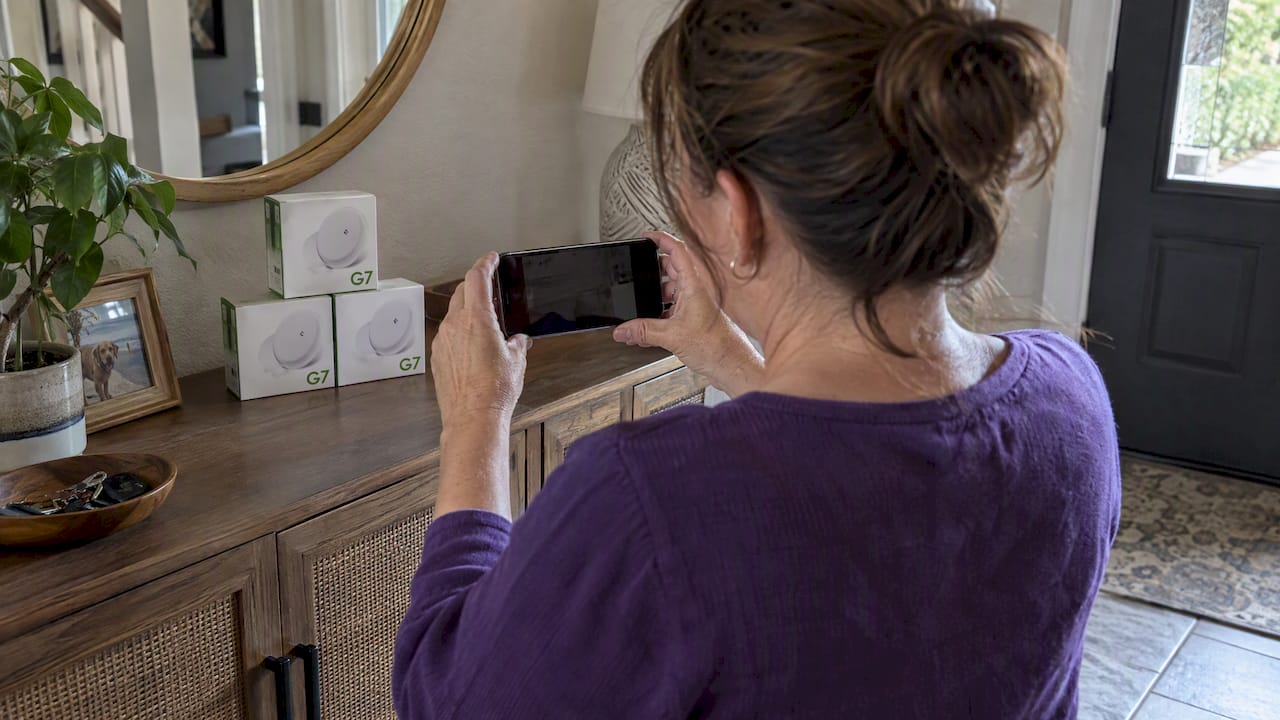
4. Photograph the boxes
Take clear photos of the front, the label with the lot number, and the expiration date. Photos let a buyer give you a realistic quote before you meet. They also give you a record of what you offered.
5. Ask for the price and the process in writing
Before you commit, ask what the buyer pays per box, what conditions apply, and when and how you get paid. A price range is fine. A buyer who will not say how it prices, or who changes the price after you have handed over your boxes, is a warning sign.
6. Choose how to complete the sale
You have two main options: mail the supplies in, or meet locally. The table below compares them.
7. Get paid before the buyer leaves with the supplies
With a local sale, payment happens during the meeting. With a mail-in sale, you wait for the package to arrive, be inspected and be approved.
Local meetup vs. mail-in: how they compare
| Factor | Local in-person sale | Mail-in sale |
|---|---|---|
| Speed of payment | Same day, at the meeting | After the package arrives and is inspected |
| Quote certainty | The buyer inspects boxes in front of you | The quote can change after inspection |
| Shipping risk | None | Package can be lost, delayed or damaged |
| Heat exposure | Minimal | Boxes can sit in a hot truck or warehouse |
| Your effort | A short trip to a public place | Packing, labeling, a drop-off |
| Availability | Only where the buyer operates | Nationwide |
Mail-in works if you live far from any local buyer. If you are in the Orlando area, a meetup is simpler. Our own pricing page for Dexcom G7, for example, is built around that in-person model.
What CGM sensors are worth
Prices move with the model, the remaining shelf life and market demand, so treat any number as a range and not a guarantee. Our published ranges are:
- Dexcom G7: 70-90 USD per pack. See Get Cash for Unused Dexcom G7.
- FreeStyle Libre 2: 15-20 USD per sensor. See FreeStyle Libre 2 Buyback.
For other models, the quickest way to get a real number is to send us your list. Our guide to what your leftover diabetic supplies are worth in Orlando explains what moves a price up or down.
CGM sensors vs. test strips: how resale differs
People often ask whether sensors or strips are the better thing to sell. They are different products with different buyers.
- Sensors are higher-value per unit and come in clearly labeled boxes, which makes lot and date checks straightforward. Because each box carries more value, buyers are more careful about authenticity and condition.
- Test strips are cheaper per box and sold in many brands and vial sizes. Expiration dates matter a great deal, and so do the brand and whether the vial is sealed. We do not publish a fixed price for strips because it depends on brand, count and dating.
If you have both, sell both in one visit. Our pages on selling sealed test strips legally and selling test strips safely cover the details.
Safety and legitimacy: protect yourself and the next patient
This part matters more than the price. Supplies that end up with another person with diabetes need to be genuine and handled properly.
Security is a real concern in this market. Authentic, unexpired supplies are critical, because stolen or improperly handled lots sometimes enter the market. The FDA’s recall database shows that Dexcom has issued recalls tied to sensors designated as scrap that were stolen and then sold. For you as a seller, that means two things:
- Sell only supplies that were legitimately prescribed and delivered to you.
- Choose a buyer that verifies lots and keeps a clean supply chain. The New York Times reporting noted that experts urge sellers to deal with reputable, professional buyers.
Insurance and legal questions
If your supplies were paid for by an insurer, Medicare or Medicaid, rules can apply to how you handle them. Talk to your insurer or a qualified professional if you are unsure. Our Florida-specific page, selling sealed diabetic supplies in Florida and avoiding Medicaid fraud risk, explains what to watch for, and how to sell insurance-covered diabetes overstock for cash goes further on overstock from private plans. This article is not legal advice. If you receive Medicaid benefits, ask your caseworker or a health-care attorney before selling.
Staying safe at a meetup
- Meet in a public, well-lit place during the day.
- Bring a friend if it makes you more comfortable.
- Do not give out your home address or your insurance details.
- Expect the buyer to inspect boxes. Do not expect it to ask for your medical records.
We share more in meet, inspect, get paid safely.
Our view: why we meet in person
We built this business around local meetups for a simple reason: shipping is where sales go wrong. A box in a delivery truck in a Florida summer is not a box we want to resell. A package that goes missing leaves you without your supplies and without payment. And a quote that changes after the buyer has your boxes puts you in a weak position.
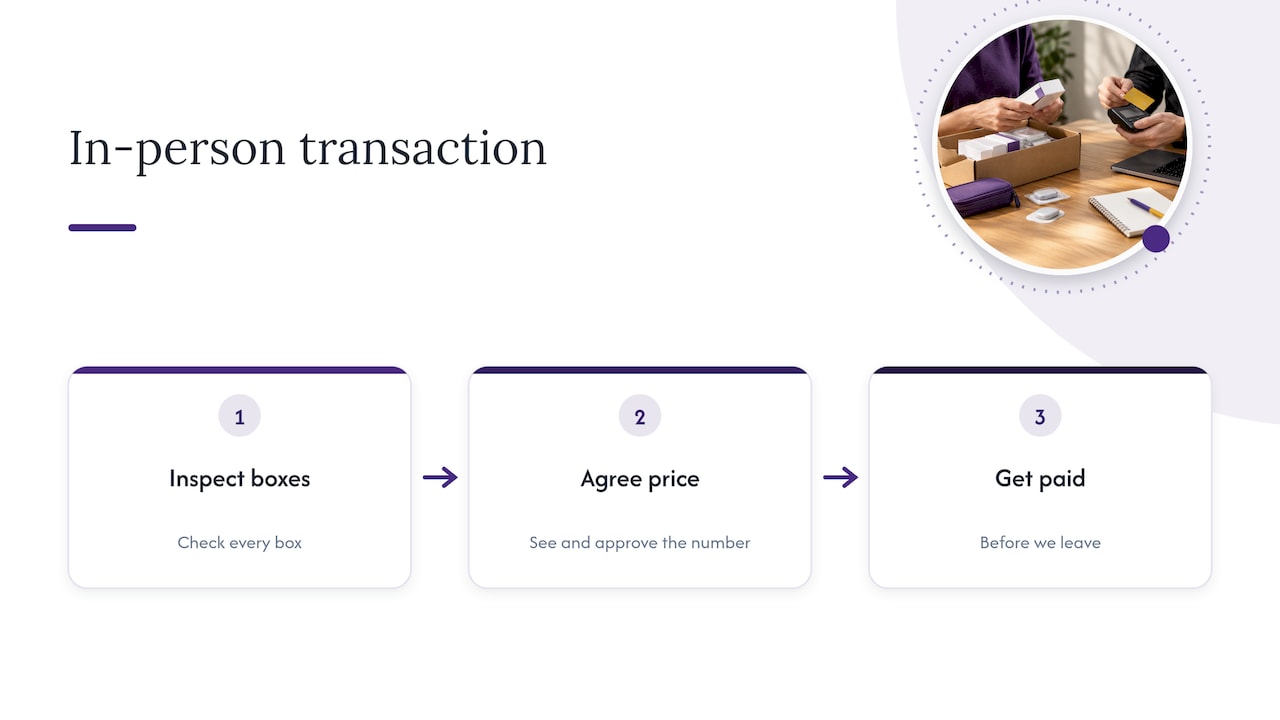
When we meet, you can see us check every box. You see the number, you agree to it, and you are paid before we leave. That is the whole transaction. We also tell people when not to sell. If your supplies are opened, expired or covered by an open recall, we will say so, and we will often point you toward another use for them. Our comparison of donating versus selling lays out that choice honestly, because for some people donating is the better answer.
The point is to turn extra supplies you cannot use into money or into help for someone else, without stress.
— Liliana
Sell to us in Orlando
We buy unused, sealed and unexpired Dexcom G6 and G7 sensors, FreeStyle Libre sensors, Omnipod pods and sealed test strips in Orlando and surrounding areas. We inspect in person and pay on the spot for eligible items.
Start with the Orlando Diabetic Supplies Buyback home page to tell us what you have, or go straight to the Dexcom G7 price page or the FreeStyle Libre 2 price page.
Mistakes that slow down or sink a sale
- Waiting too long. Shelf life shrinks every month. A box that qualifies today may not in a few months. Our tips on how to avoid delays selling diabetes supplies go through this.
- Opening a box to check. Once a seal is broken, most buyers will not take it. Read the label on the outside.
- Storing boxes badly. Keep them in a cool, dry place. A hot car or a damp bathroom can ruin a box.
- Mixing models in one count. List each model separately so you get one clear quote.
- Taking the first offer without asking questions. Ask how the price is set and what could change it.
- Selling supplies you still need. Keep a buffer for yourself until you are sure your new device and prescription are working.
A short checklist before you reach out
- Boxes sealed, undamaged and stored cool and dry
- Expiration dates and lot numbers written down
- Recall status checked for your model
- Photos taken of fronts and labels
- A list of models and quantities
- Questions ready about price, conditions and payment
With that done, a sale usually takes one message and one short meeting. If you have switched devices, our page on selling previous diabetes device supplies for fast cash is a good next read, and how to get cash for unused diabetic supplies walks through our process from the first message to payment.
FAQ
Can I sell CGM sensors I no longer need?
In most cases, yes, if they are sealed, unexpired and in original packaging. Buyers decide what they accept, so ask before you go. If your supplies were paid for by Medicaid or Medicare, check the rules first, and see our Florida resale page for what to watch for.
How much can I get for unused sensors?
It depends on the model, the number of boxes and the expiration date. Our published ranges are 70-90 USD per pack for unused Dexcom G7 and 15-20 USD per sensor for FreeStyle Libre 2. Other models are quoted individually.
Will a buyer take opened or expired sensors?
Usually not. Buyers resell the supplies, so they need sealed, in-date product. If your sensors do not qualify, consider donating them where the recipient accepts them, or ask the manufacturer or your provider about disposal.
Is it better to sell locally or mail supplies in?
Local is faster and clearer: the buyer inspects the boxes in front of you and pays right away. Mailing makes sense only if no local buyer serves your area, and then you should agree on the price and conditions in writing before you ship.
Are sensors worth more than test strips?
Per box, yes, generally. Sensors carry a higher value, but they also face stricter checks on lot, dating and condition. Strips are worth less per box, and their value depends heavily on brand and expiration.
Sources
- The Strange Marketplace for Diabetes Test Strips, The New York Times (2019)
- Class 2 Device Recall Dexcom G7 Continuous Glucose Monitoring System, FDA